Torch
Everything you need to know about the torch for dabbing — fuel types, safety tips, and top picks.
What Is a Torch for Dabbing?
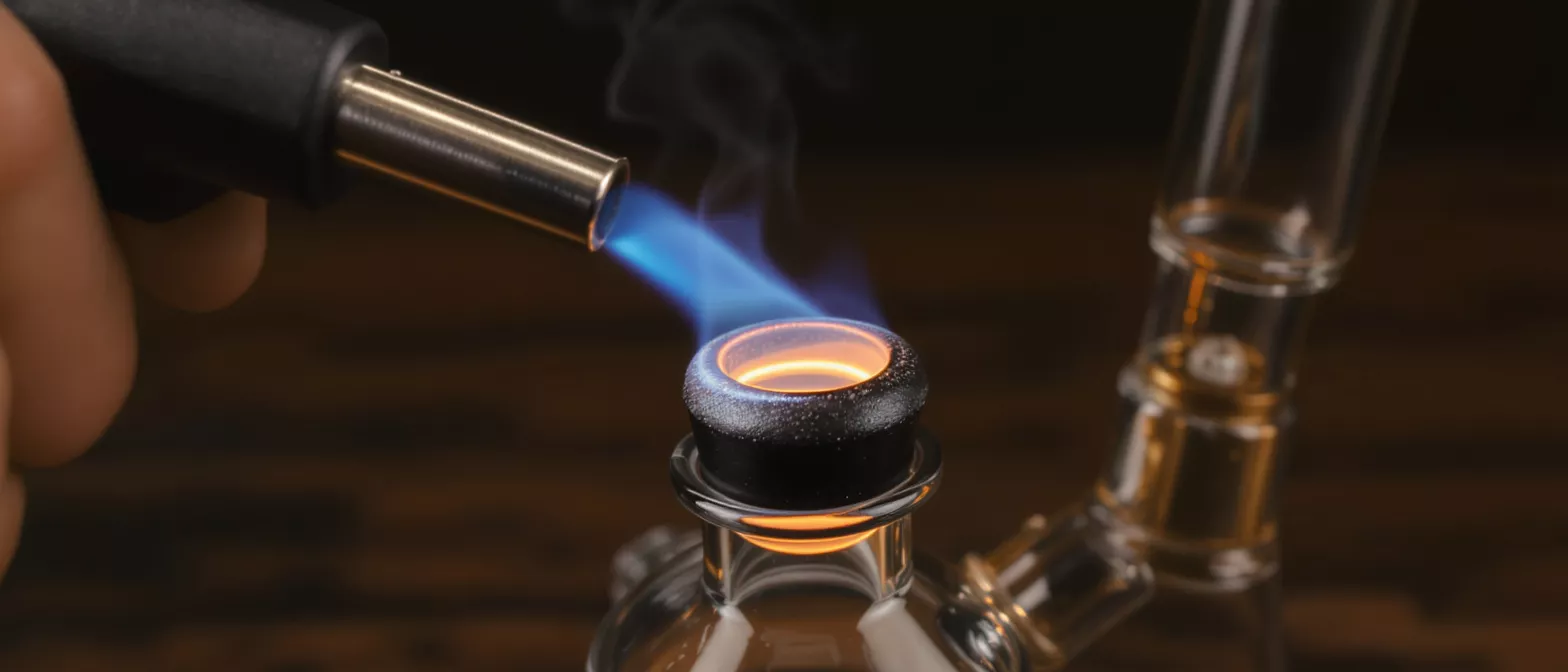
A torch is one of the most essential tools in any dabbing kit, providing the intense, focused heat needed to vaporize cannabis concentrates. Unlike a standard lighter, a torch delivers a concentrated flame that can reach temperatures hot enough to bring a quartz banger or domeless nail up to the ideal vaporization range. Whether you are working with shatter, wax, or diamonds, a quality torch is the bridge between your concentrate and a clean, flavorful vapor.
Why a torch instead of a regular lighter? The flame from a butane torch burns far hotter and more steadily than a pocket lighter, which simply cannot generate the sustained heat a dab rig requires. A pocket lighter also leaves soot and produces an inconsistent flame that makes precise heating nearly impossible. For anyone serious about getting clean flavor from their concentrates, a dedicated torch is non-negotiable.
Torches come in a wide range of sizes, from compact pen-style models to heavy-duty kitchen-grade units. The right choice depends on how often you dab, how large your nail is, and whether you value portability over raw power. A reliable refillable butane torch will serve a dab enthusiast for years with proper care, making it a worthwhile cornerstone of any concentrate setup.
How Does a Torch Work?
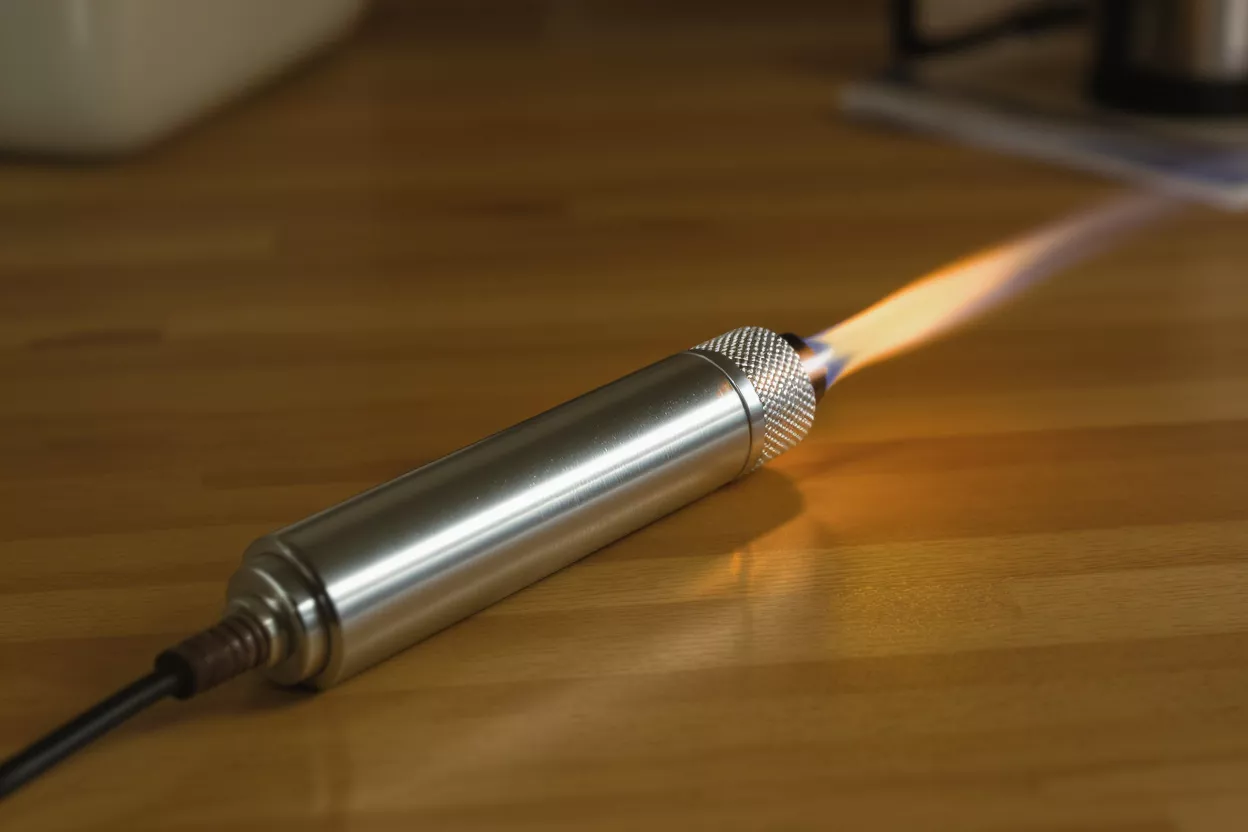
The mechanics of a torch flame rely on a simple but effective principle: pressurized fuel is released through a nozzle and mixed with air, then ignited to produce a focused jet of fire. The mixing of fuel and oxygen is what allows a torch to burn so much hotter than an open flame. Most dabbing torches use a piezo-electric ignition system, meaning a single click sparks the flame without the need for a separate striker.
The temperature of a torch flame can exceed 2,500°F at its hottest point, which is the bright blue inner cone of the flame. According to research published by MDPI, the combustion temperature and air-fuel ratio directly influence how cleanly a fuel burns, which is why a properly tuned torch produces a crisp blue flame rather than a sooty orange one.
Adjustable torches let you control flame size and intensity through a dial or knob, giving you finer control over how quickly your nail heats. This adjustability matters because directional airflow inside the flame chamber determines whether you get a wide, soft flame or a narrow, piercing jet. For dabbing, a focused flame heats your banger evenly without scorching the surrounding glass.
Types of Torch Fuel Explained
The fuel you choose has a direct impact on flame quality, burn temperature, and how clean your torch runs over time. The two most common options for dabbing torches are butane and propane, though some industrial units run on a blend or on MAPP gas for even higher temperatures. Refined butane remains the gold standard for most concentrate enthusiasts because it burns cleanly and is widely available.
Why fuel purity matters comes down to residue. Cheaper, unrefined butane contains impurities that can clog your torch nozzle, leave deposits, and even affect the flavor of your dabs if the flame contacts the concentrate. Premium refined butane is filtered multiple times to remove these contaminants, which extends the life of your torch and protects flavor. A premium refined butane refill is a small investment that pays off in cleaner performance.
Here is a quick breakdown of the common torch fuels and where they fit:
- 🔥 Refined butane: The everyday choice for dab torches — clean burn, easy refills, ideal flame temperature.
- 💨 Propane: Burns hotter than butane, common in larger kitchen-style torches, requires sturdier hardware.
- ⚡ MAPP gas: Extremely high heat for industrial use, generally overkill and too hot for delicate quartz.
- 🌿 Butane-propane blends: A middle ground offering higher heat with reasonable control.
Butane vs Propane Torch Comparison
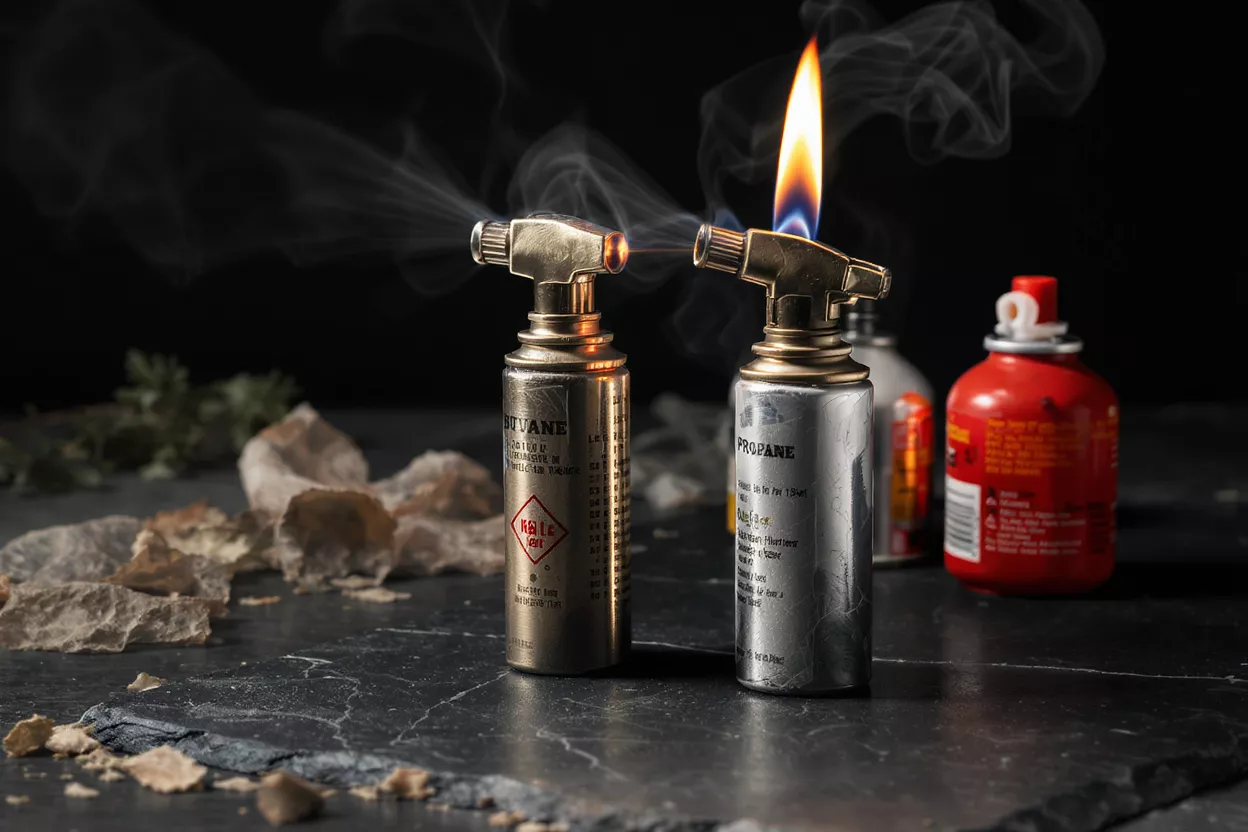
When choosing between butane and propane, the decision usually comes down to heat output versus precision. Butane torches burn at a slightly lower temperature, which actually benefits quartz bangers by reducing the risk of thermal shock and cracking. Propane torches push higher temperatures and heat large nails faster, but that extra power can be difficult to control on delicate glassware.
Butane for control and flavor is the preference among most dab connoisseurs. The cooler, cleaner burn lets you hit lower temperatures that preserve terpenes, producing tastier vapor that captures the full character of a diesel or other flavorful strain. Lower-temperature dabs are widely regarded as the best way to experience the nuanced flavor of a high-quality concentrate.
Propane shines in high-volume or commercial settings where speed matters more than finesse. The MDPI body of research on hydrocarbon combustion notes that propane delivers more energy per unit of fuel, explaining why propane torches reach searing temperatures so quickly. For the average home dabber, though, a quality butane torch offers all the heat needed with far better control.
Best Torch for Dabs and Concentrates
The best torch for dabs balances power, build quality, and fuel efficiency. Look for a refillable butane torch with an adjustable flame, a stable base so it can sit upright on a table, and a safety lock to prevent accidental ignition. A sturdy metal body resists the heat that radiates back from a glowing nail, and a clear fuel window lets you see when it is time to refill.
Features worth paying for include a continuous-flame lock, which lets you hold a steady flame without keeping the trigger pressed, and a wind-resistant nozzle for outdoor use. Ergonomics matter too — a comfortable grip and a smooth ignition make daily use far more pleasant. Many enthusiasts pair their torch with a quartz banger insert kit to fine-tune heat retention and flavor.
Key qualities to look for when shopping for a dabbing torch:
- 🔒 Safety lock: Prevents accidental ignition during storage and transport.
- 🔥 Adjustable flame: Dial in the exact intensity your nail needs.
- ⛽ Visible fuel gauge: Know at a glance when a refill is due.
- 🛡️ Sturdy base: Lets the torch stand upright safely between dabs.
- 🔄 Refillable design: Cheaper and greener than disposable options over time.
How to Use a Torch Safely
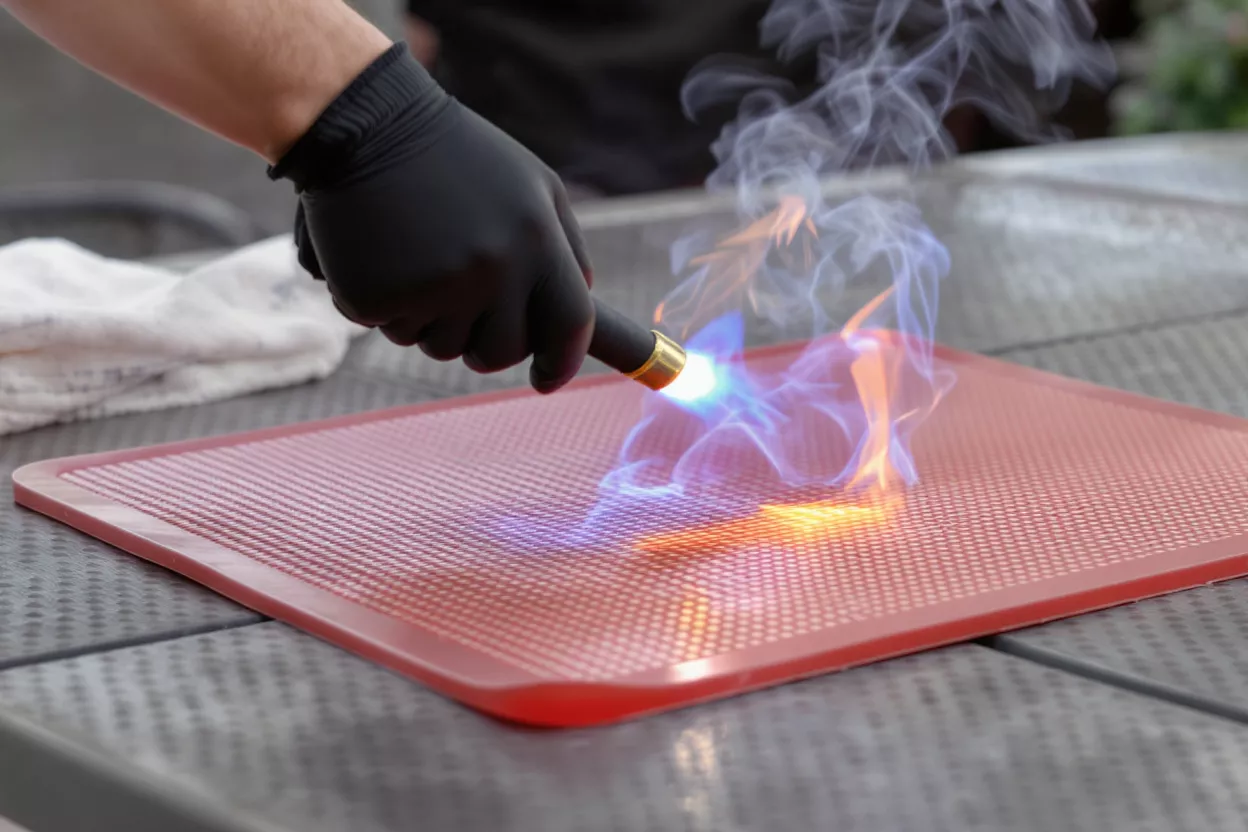
Using a torch correctly is straightforward, but the intense heat demands respect. Always work on a heat-resistant surface, keep the flame pointed away from your body, and never leave a lit torch unattended. Before each session, check that the fuel valve is properly closed and that there are no leaks around the nozzle or refill port.
Heating your nail the right way means applying the flame to the bottom and sides of a quartz banger until it glows, then letting it cool for the appropriate time so you hit a flavorful low-temperature range rather than scorching your concentrate. Heating too hot wastes terpenes and can leave you with an edible hangover-like grogginess from overconsumption of harsh, overheated vapor. Patience pays off in flavor.
Ventilation is also important. A torch consumes oxygen and releases combustion byproducts, so always use one in a well-ventilated space. MDPI studies on indoor combustion emphasize the importance of airflow when burning any hydrocarbon fuel indoors, a reminder that even a small flame deserves a thoughtful setup.
Torch vs E-Nail: Which Is Better?
The torch versus e-nail debate comes down to tradition versus convenience. A torch is affordable, portable, and gives you complete manual control over your heating, but it requires practice to nail consistent temperatures. An e-nail, by contrast, holds a set temperature electronically, removing guesswork entirely — but it ties you to a power outlet and costs considerably more upfront.
When a torch wins is in portability and cost. You can take a butane torch anywhere, it never needs an outlet, and the entry price is a fraction of an e-rig setup. Many seasoned dabbers prefer the ritual and tactile control of a torch, enjoying the hands-on process of heating and timing each dab to their exact preference.
E-nails make sense for high-frequency users or anyone who values dead-simple repeatability. The electronic precision of an e-nail eliminates the learning curve, but it sacrifices the grab-and-go freedom a torch provides. For most people building their first concentrate setup, a quality torch paired with a timer or temperature gun delivers excellent results at a fraction of the cost.
How to Refill a Torch Lighter
Refilling a torch is simple once you know the steps, and doing it correctly prevents air bubbles that cause sputtering flames. Start by ensuring the torch is empty and cool, then bleed any remaining gas and air by pressing the refill valve with a small screwdriver until you hear the hiss stop. This step is the secret to a smooth, consistent refill.
The proper refill technique involves turning the torch upside down, inserting the butane can nozzle firmly into the refill valve, and pressing straight down for several seconds. Hold the can vertically so only liquid butane enters the chamber. After filling, wait a minute or two for the fuel to stabilize at room temperature before igniting, since freshly transferred butane runs cold.
Follow these steps for a clean refill:
- 🧊 Make sure the torch is cool and the flame adjustment is set to low.
- 💨 Bleed out old gas and air through the refill valve.
- 🔄 Invert the torch and insert the butane can nozzle firmly.
- ⏱️ Press for 5–10 seconds, then wait two minutes before lighting.
- 🔥 Test ignite away from your face once the fuel settles.
Torch Maintenance and Troubleshooting
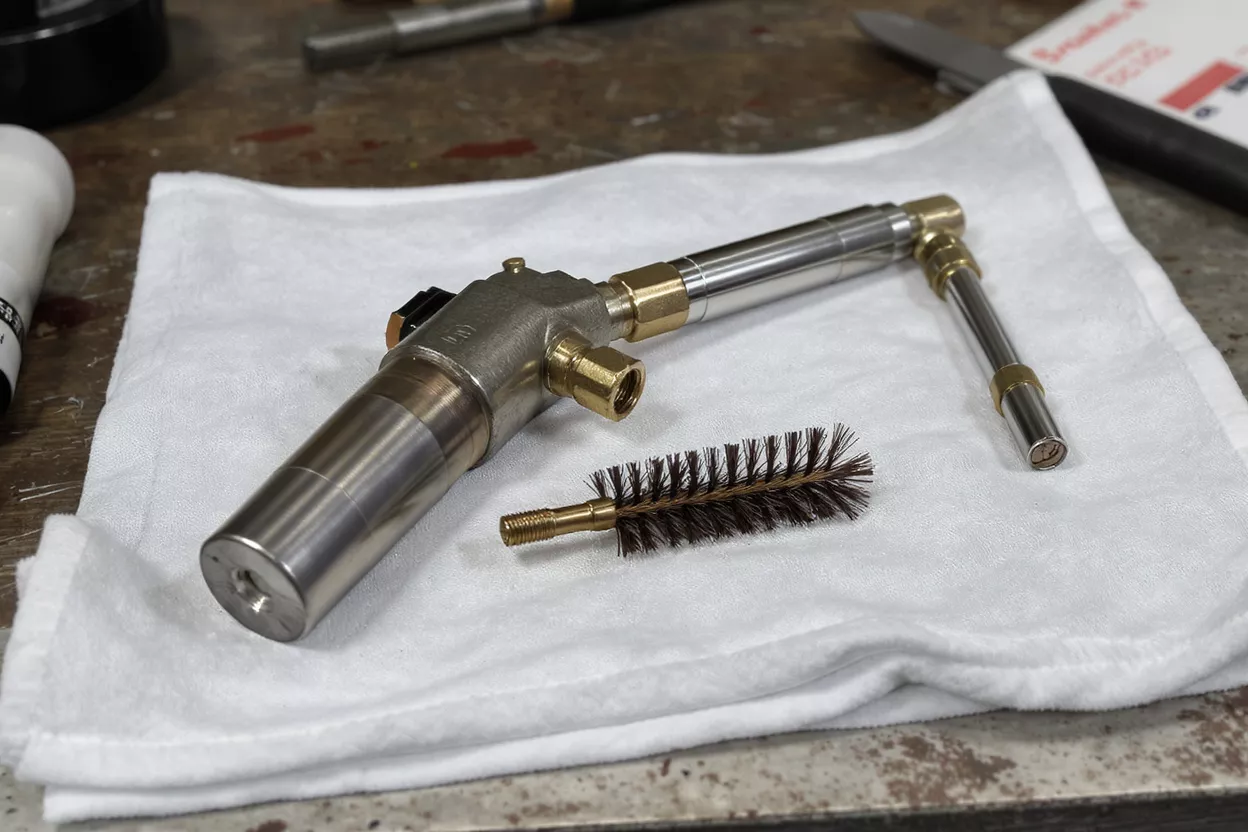
Even the best torch needs occasional care to keep performing reliably. The most common problem is a weak or sputtering flame, which usually traces back to either trapped air, low-quality fuel, or a clogged nozzle. Using only premium refined butane goes a long way toward preventing the buildup that causes most issues.
Fixing a torch that won't light typically starts with bleeding the tank to clear air, then refilling with quality fuel. If the piezo igniter clicks but produces no spark, the electrode may be dirty or misaligned. A quick blast of compressed air around the nozzle and ignition area clears most debris and restores reliable performance. A reliable compressed air cleaning duster belongs in every concentrate maintenance kit.
Storage matters too. Keep your torch upright, away from heat sources, and out of direct sunlight, which can over-pressurize the fuel chamber. If you travel with your torch, engage the safety lock and store it separately from your glass to prevent accidental scratches or ignition. With these simple habits, a good torch stays dependable for years.
Are Torches Safe to Use?
Torches are safe when used responsibly, but they are real flames producing real heat, so common sense is essential. The biggest risks are burns from the flame or a freshly heated nail, and fuel-related hazards if a torch is stored improperly or refilled carelessly. Treating your torch with the same respect you would give any open flame keeps every session incident-free.
Key safety practices include never overfilling the fuel chamber, checking for leaks before each use, and keeping the torch away from children and flammable materials. Butane is heavier than air, so any leaked gas can pool at low points — another reason ventilation and careful storage matter. The combustion research from MDPI reinforces how proper handling of pressurized hydrocarbon fuels minimizes hazards in everyday use.
In summary, a torch is an indispensable tool for anyone serious about cannabis concentrates, offering the focused heat needed to unlock the full flavor and potency of dabs. By choosing a quality refillable model, using clean refined butane, mastering safe heating technique, and keeping up with basic maintenance, you will get years of dependable service from your torch. Whether you are chasing the bold notes of a diesel concentrate or savoring delicate diamonds at low temperatures, the right torch makes all the difference between a harsh hit and a perfect, flavorful vapor.