Transdermal
Discover how transdermal cannabis delivers cannabinoids through the skin into the bloodstream.
What Is Transdermal Cannabis
Transdermal cannabis refers to a delivery method that carries cannabinoids through the skin and directly into the bloodstream, bypassing the digestive tract and lungs entirely. The word "transdermal" literally means "across the skin," and it describes a category of products engineered to push active compounds past the skin's protective barrier rather than simply resting on its surface. This distinction matters more than most consumers realize, and it separates a genuine transdermal product from an ordinary lotion or balm.
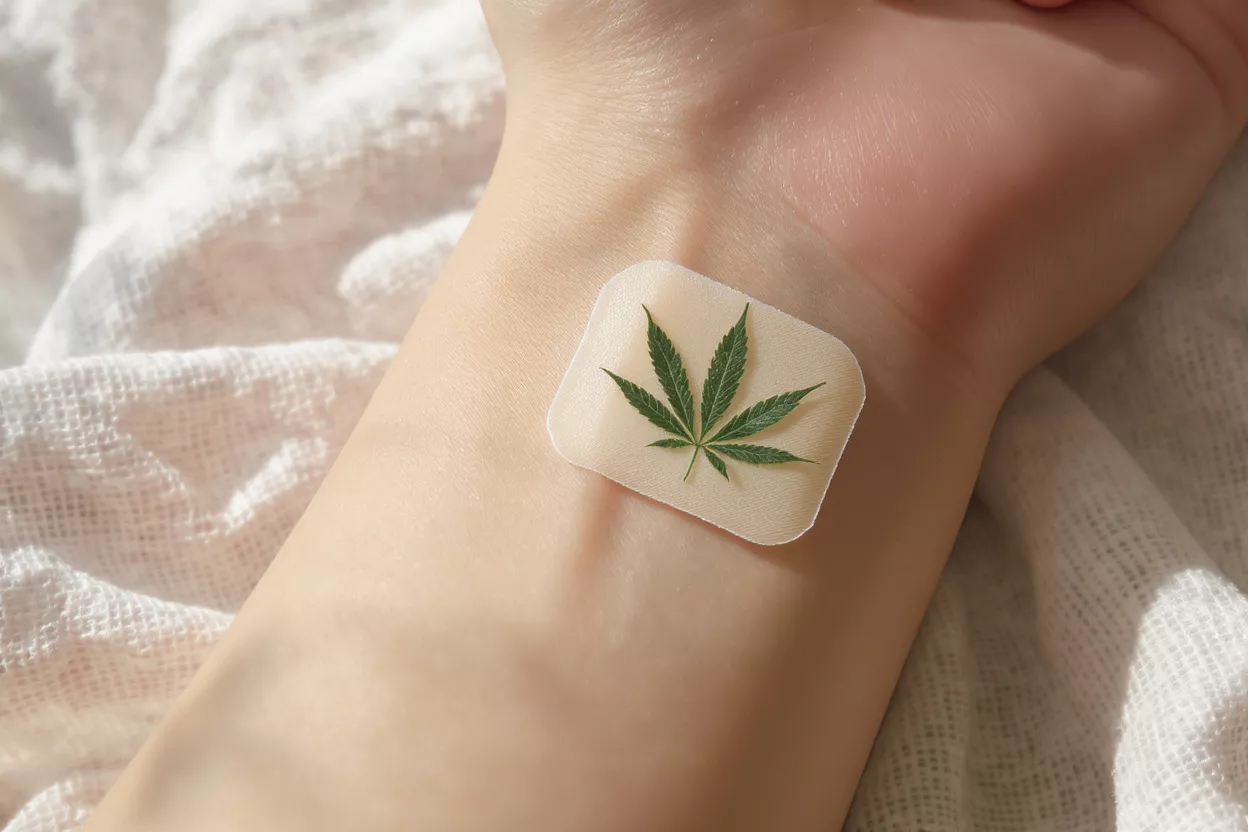
The most recognizable format is the transdermal patch, a thin adhesive square that sticks to the skin and releases a controlled dose of THC, CBD, or a blend of cannabinoids over several hours. Pharmaceutical science has used this approach for decades with nicotine and hormone patches, and the cannabis industry has adapted the same engineering to deliver plant-derived compounds.
What makes transdermal cannabis genuinely different is its ability to produce systemic effects. Unlike a topical cream that works only where you rub it, a transdermal product is designed to affect the entire body through bloodstream absorption. This makes it a unique tool for people seeking consistent, long-lasting relief without inhaling smoke or waiting on the unpredictable timing of edibles.
How Transdermal Cannabis Works
The skin is a formidable barrier, and that is precisely why transdermal delivery requires clever chemistry. The outermost layer, the stratum corneum, is built to keep foreign substances out. Cannabinoids like THC and CBD are fat-soluble, which helps them interact with skin lipids, but they still need assistance to cross into the capillary network beneath the surface.
Permeation enhancers: Most transdermal formulations include carrier compounds such as ethanol, fatty acids, or terpene-based solvents that temporarily loosen the skin's lipid structure. These enhancers create microscopic pathways that allow cannabinoid molecules to slip through and reach the small blood vessels in the dermis. Without them, the molecules would largely sit on the surface and never enter circulation.
Controlled release over time: A well-designed patch meters its dose, releasing cannabinoids gradually instead of all at once. This steady drip into the bloodstream is what gives transdermal products their signature long duration, often eight to twelve hours from a single application. The body never experiences a sharp spike, which contributes to a smoother, more even experience.
Once in the bloodstream, the cannabinoids interact with the body's endocannabinoid system just as they would through any other route. The key difference is the path they took to get there, not the destination. Because absorption is gradual and continuous, blood levels stay more stable than they do after a single inhalation or a sudden edible onset.
Transdermal Patches vs Topicals
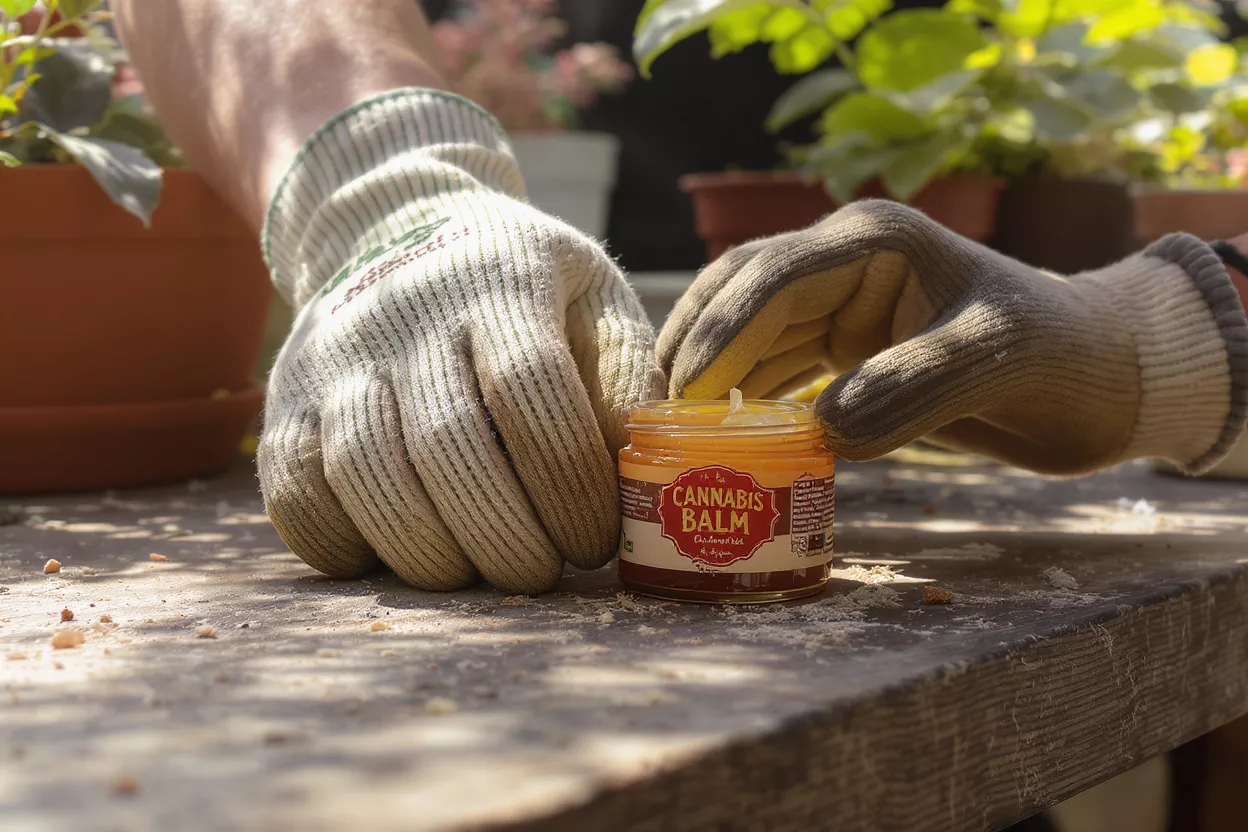
Confusion between transdermal products and ordinary topicals is widespread, and the difference is significant. A topical cream, salve, or balm is formulated to work locally. You apply it to a sore knee or an inflamed patch of skin, and the cannabinoids interact with receptors in that immediate area without meaningfully entering the bloodstream.
Local versus systemic action: Topicals are excellent for targeted relief and produce no intoxication because the compounds rarely reach the brain. Transdermals do the opposite. They are explicitly engineered to penetrate fully and circulate, which means a THC transdermal patch can absolutely produce psychoactive effects despite never being eaten or smoked.
Here is a quick comparison of how these two categories diverge in practice:
- 🎯 Topicals: Act only at the application site, ideal for localized aches, with no systemic or intoxicating effect.
- 🌊 Transdermals: Enter the bloodstream for whole-body effects and can be psychoactive when THC-based.
- ⏱️ Duration: Topicals last a few hours locally; transdermals can deliver eight to twelve hours of steady systemic relief.
- 🧪 Formulation: Transdermals require permeation enhancers; most topicals do not.
Types of Transdermal Cannabis Products
While patches dominate the conversation, transdermal cannabis comes in several formats, each suited to different needs and preferences. Understanding the options helps you match a product to your routine rather than defaulting to whatever appears first on a menu.
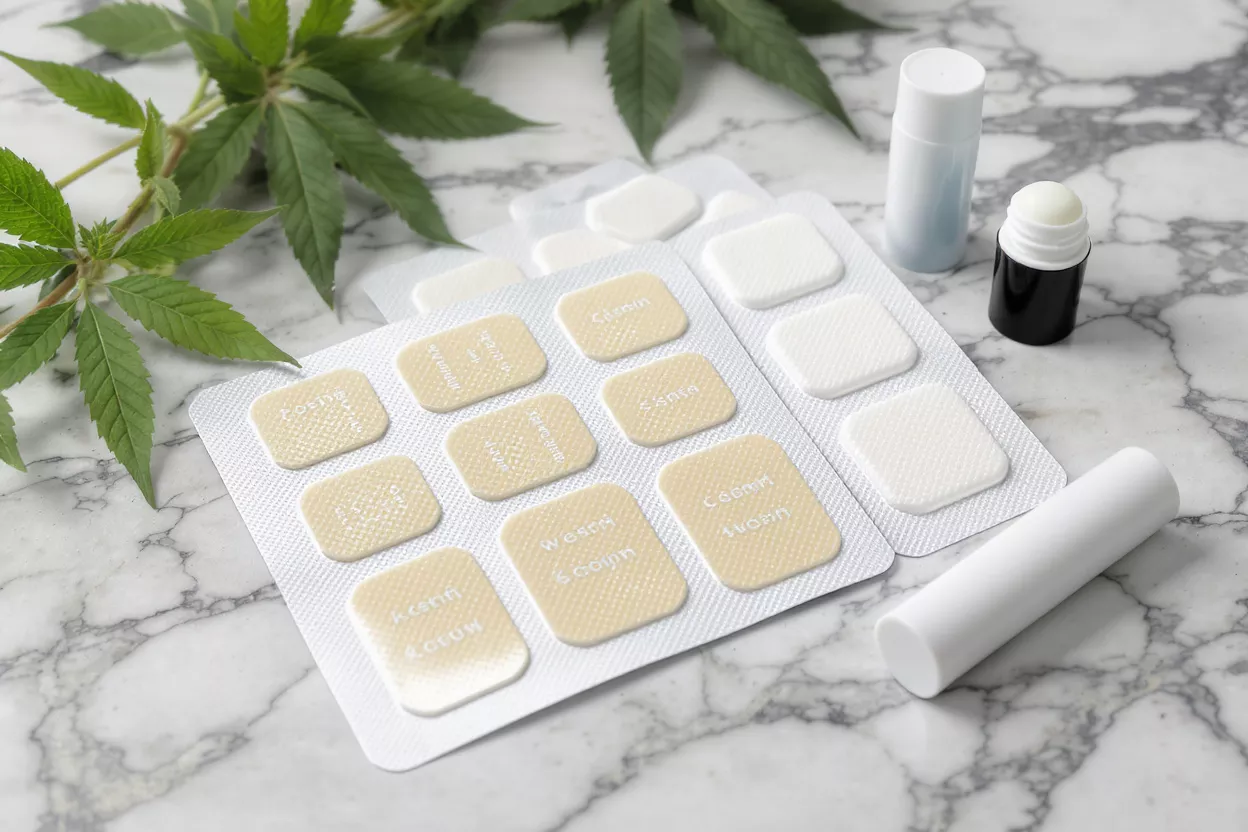
Patches: The flagship format, patches offer the most precise dosing and the longest duration. They are discreet, easy to apply, and release a predetermined amount of cannabinoid across many hours. Many are formulated around specific ratios, from pure CBD to balanced 1:1 blends to THC-forward options for those seeking psychoactive effects.
Transdermal gels and oils: Some products arrive as gels or oils designed to be massaged into thin-skinned areas like the wrists or ankles. These offer a faster onset than patches but generally a shorter duration, and they require careful measurement to keep dosing consistent.
Below is a snapshot of common transdermal cannabis formats and what each one tends to offer:
- 🩹 Patches: Longest duration, most precise dosing, fully hands-off once applied.
- 💧 Gels: Faster onset, good for adjustable dosing, shorter overall duration.
- 🛢️ Oils: Flexible application to pulse points, often paired with terpene enhancers.
- 🌿 Ratio blends: Available as CBD-only, balanced 1:1, or THC-dominant to match your goals.
Transdermal Cannabis Benefits
The appeal of transdermal cannabis comes down to a few concrete advantages that other consumption methods struggle to match. These benefits are rooted in the delivery mechanism itself, not in marketing language, and they explain why the format has earned a loyal following among both medical and wellness users.
Consistent, long-lasting effects: Because a patch releases cannabinoids steadily, blood levels remain stable for hours. This is invaluable for anyone managing persistent symptoms who wants relief that does not peak and crash. A single morning application can carry someone through most of a workday without re-dosing.
No smoke and no digestive variability: Transdermal delivery sidesteps the lungs entirely, making it appealing to people who cannot or prefer not to inhale. It also avoids the first-pass metabolism that makes edibles so unpredictable, where the liver converts THC into a stronger, longer compound at a rate that varies wildly between individuals.
Discretion is another quiet advantage. A patch tucked under a sleeve produces no odor, no vapor, and no telltale signs, allowing users to medicate in environments where other methods would be impractical or unwelcome.
How to Use Transdermal Cannabis Patches
Applying a transdermal patch correctly is straightforward, but a few details make a meaningful difference in how well it works. The goal is to give the cannabinoids the cleanest, most direct path into your bloodstream, which starts with choosing the right spot.
Pick a venous, low-hair area: The best placement is a part of the body where blood vessels sit close to the surface and skin is relatively thin, such as the inside of the wrist, the top of the foot, or the inner ankle. Clean the area with soap and water, let it dry completely, and avoid lotions that could interfere with adhesion.
Press firmly and leave it alone: Once positioned, hold the patch against the skin for thirty seconds to ensure full contact. After that, resist the urge to peek or peel; the patch needs uninterrupted skin contact to maintain its steady release. Most patches are water-resistant enough to survive a shower.
Follow these practical steps for a reliable application every time:
- 🧼 Clean the skin: Wash and fully dry a thin-skinned, low-hair area before applying.
- 📍 Choose placement: Inner wrist, top of foot, or inner ankle work best for absorption.
- 👇 Apply pressure: Hold for thirty seconds to secure adhesion and contact.
- ⏳ Wait patiently: Onset typically takes one to two hours; do not double up early.
Transdermal Cannabis Dosing Guide
Dosing transdermal cannabis is more predictable than dosing edibles, but it still rewards a measured approach. Patches are typically labeled with a total cannabinoid amount, and that figure releases gradually rather than hitting you all at once, so the felt intensity is gentler than the milligram count alone might suggest.
Start low and observe: If you are new to transdermal products, begin with a lower-dose patch or a CBD-dominant formulation. Give it a full one to two hours to take effect before judging, since the gradual onset means the first hour can feel deceptively quiet. You can always cut some patches to reduce the dose, though you should confirm the manufacturer allows it.
Account for the long tail: Because effects can persist for eight to twelve hours, timing matters as much as quantity. A THC patch applied late in the evening may still be working when you wake. Many users plan their application around the window when they most need coverage rather than chasing an immediate peak.
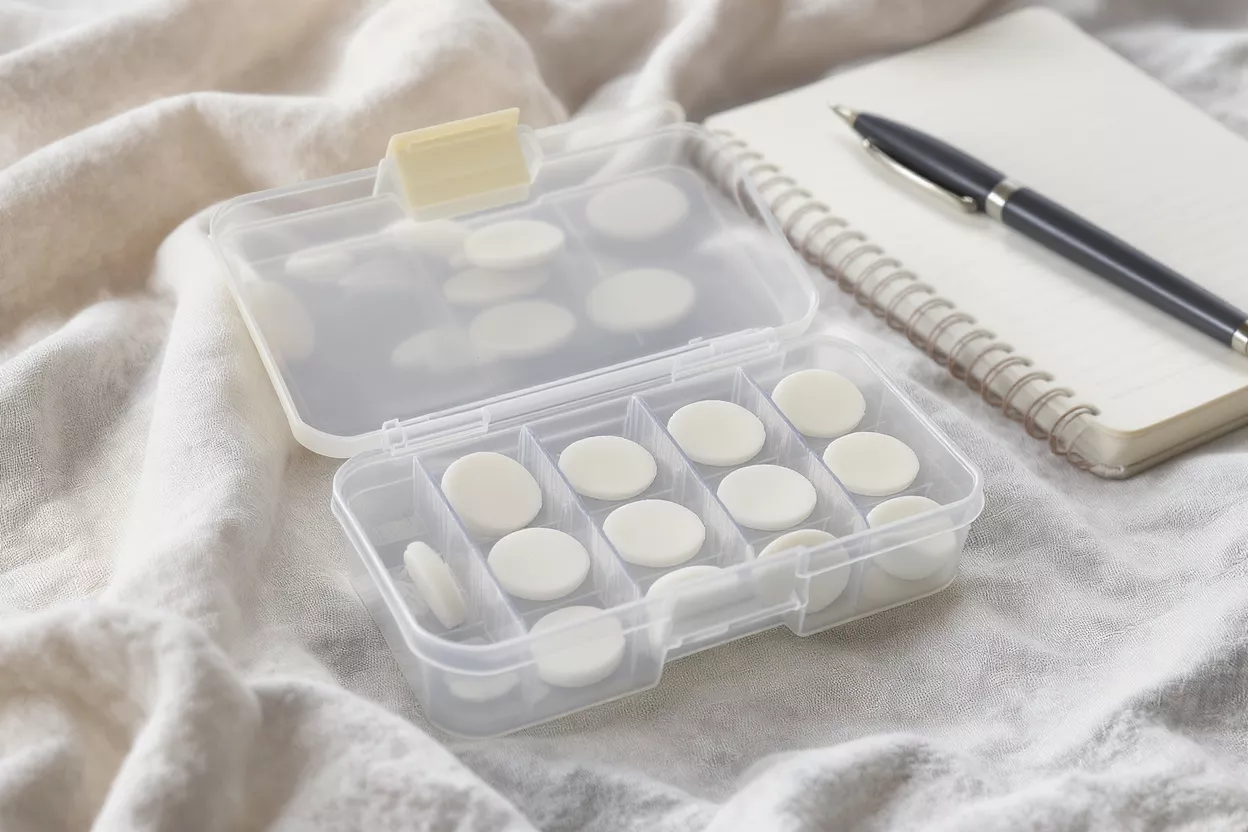
Tolerance, body weight, and individual metabolism all shape how a given dose feels, so treat published figures as starting points rather than rules. Keeping a simple log of which patch, what dose, and how you felt will teach you more about your personal response than any general chart.
Are Transdermal Cannabis Patches Safe
For most healthy adults, transdermal cannabis patches are well tolerated, and their controlled-release design actually reduces some of the risks associated with other methods. There is no smoke to irritate the lungs and no sudden overconsumption the way an impatient edible user might experience. Still, safety depends on responsible use and awareness of a few caveats.
Skin reactions: The most common side effect is mild irritation at the application site, usually from the adhesive rather than the cannabinoids themselves. Rotating placement and choosing patches with gentle, hypoallergenic adhesives minimizes this. If redness or itching develops, remove the patch and let the skin recover before trying a different spot.
Psychoactivity is real: It bears repeating that THC transdermal patches do cause intoxication, and because the onset is slow, some users underestimate them. Do not drive or operate machinery while wearing a THC patch until you understand how it affects you. Pregnant or nursing individuals and anyone on prescription medication should consult a healthcare provider first.
Quality also matters enormously. Buy from licensed sources that provide lab testing, since unregulated products may contain inaccurate cannabinoid levels or questionable permeation enhancers. A tested, properly labeled patch is the foundation of a safe experience.
Who Should Consider Transdermal Cannabis
Transdermal cannabis is not the right tool for every situation, but for certain users it solves problems that no other format addresses as elegantly. Recognizing whether you fall into one of these groups can save you from trial and error.
People seeking all-day consistency: Those managing chronic discomfort or persistent symptoms often value the steady, hours-long coverage a patch provides. Instead of re-dosing every few hours, a single application maintains an even baseline, which can be especially helpful overnight or during long workdays.
Non-smokers and the discretion-minded: Anyone who wants the systemic effects of cannabis without inhaling, and without the odor or visibility of other methods, finds transdermals appealing. The format suits professionals, travelers, and older adults who prefer a clinical, familiar delivery system reminiscent of pharmaceutical patches.
That said, anyone who wants rapid onset for acute symptoms may find patches frustrating, since they take an hour or more to engage. For those moments, a faster method may serve better, with transdermals reserved for sustained, predictable coverage.
Choosing the Right Transdermal Cannabis Product
With a growing selection of transdermal cannabis products on the market, picking the right one comes down to matching the formulation to your goals. The two most important variables are the cannabinoid ratio and the total dose, and both deserve deliberate thought before you buy.
Match the ratio to your intent: If you want relief without intoxication, a CBD-dominant or high-CBD patch is the sensible starting point. If you want noticeable psychoactive effects or believe the entourage effect serves you better, a balanced 1:1 or THC-forward option fits. Many people experiment with ratios over time to find their ideal balance.
Verify testing and reputation: Prioritize brands that publish third-party lab results confirming cannabinoid content and screening for contaminants. A trustworthy certificate of analysis is the clearest signal that a product delivers what its label promises. Pair that with genuine customer reviews and you have a reliable shortlist.
Transdermal cannabis represents one of the most precise and dependable ways to use the plant, offering steady, long-lasting, smoke-free relief through a delivery method borrowed from decades of pharmaceutical science. Whether you reach for a CBD patch for daytime calm or a THC-forward option for deeper effects, understanding how these products work across the skin lets you use them with confidence. Start low, choose tested products, and let the slow, even absorption do its work, and you will discover why so many users consider transdermals an indispensable part of their routine.