Trim
Discover what cannabis trim is, how it's made, and how to use trim for edibles, extracts & concentrates.
What Is Cannabis Trim?
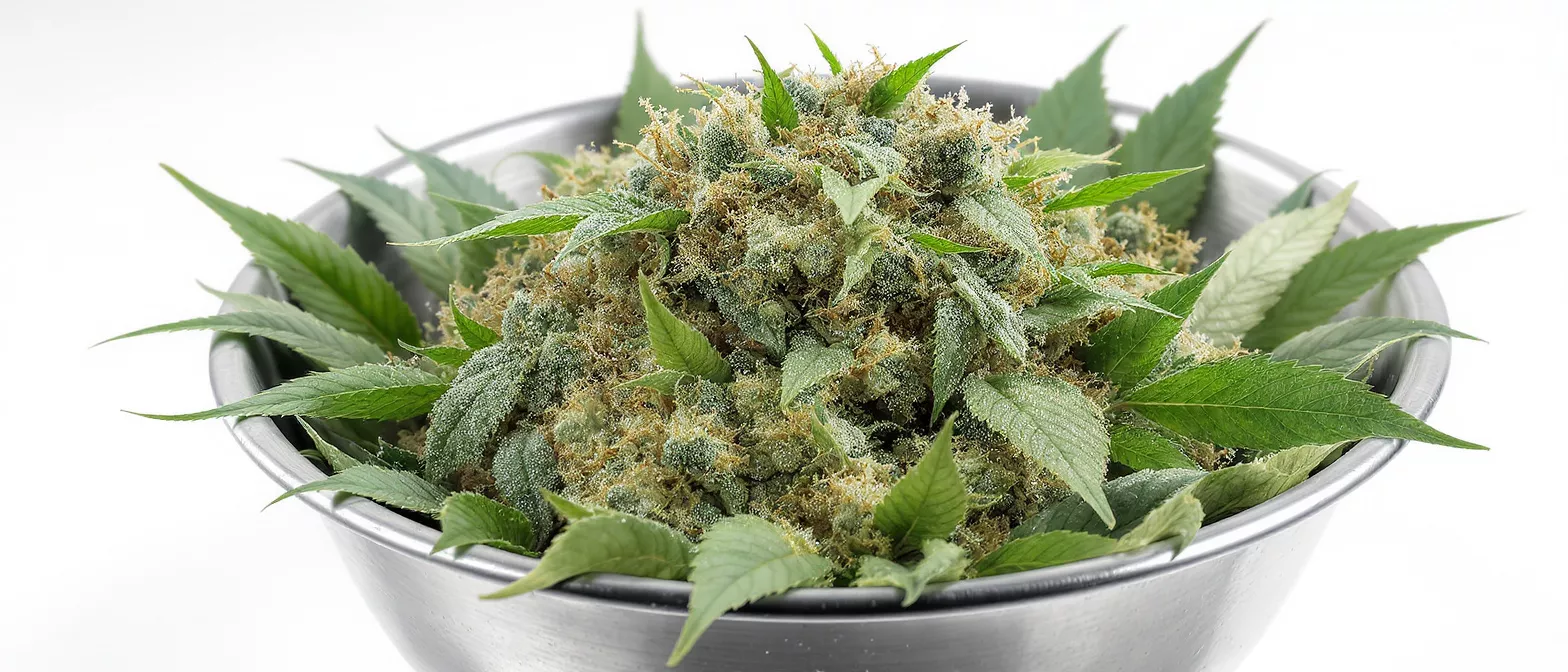
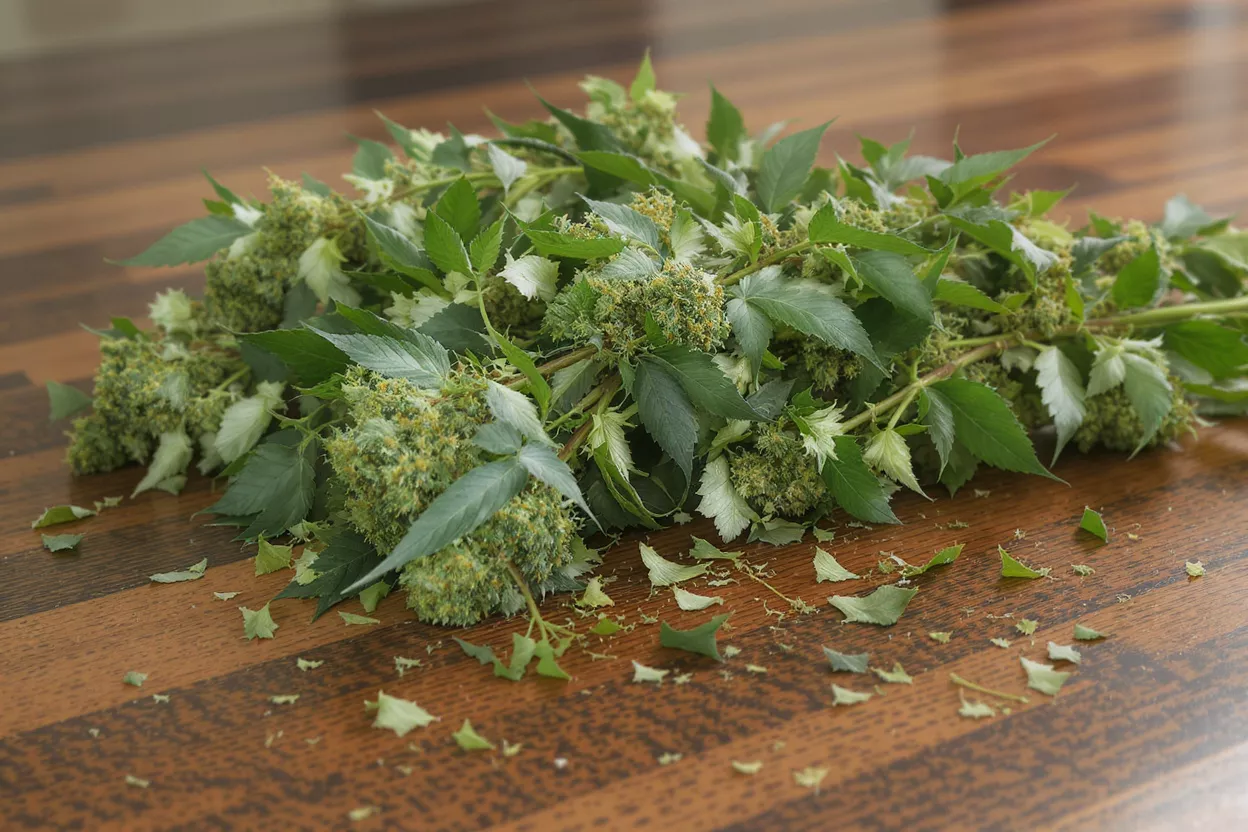
Cannabis trim is the collection of leafy plant material clipped away from flower buds during harvest. While the dense, resin-coated buds get the spotlight, trim is everything that surrounds them — the small sugar leaves dusted with trichomes and the larger fan leaves that fueled the plant's growth. For years, growers tossed this material aside, but anyone who understands cannabis chemistry knows trim still holds real value.
The reason trim matters comes down to trichomes, the tiny resin glands that produce cannabinoids and terpenes. Sugar leaves growing close to the bud are often coated in these glands, meaning they carry a meaningful concentration of Delta-9 THC, CBD, and aromatic compounds. According to GoodRx, cannabinoid potency varies widely across plant material, and trim sits in a middle tier — less potent than top-shelf flower but far from inert.
Understanding trim is the first step toward home processing. Whether you grow your own or buy bulk, learning to repurpose this material can stretch your harvest considerably. The same plant that yields a few jars of dank flower can also produce enough trim for a season's worth of edibles, tinctures, and concentrates.
How Trim Is Produced During Harvest
The trimming process starts at the cut. Once a plant reaches maturity, growers harvest the colas and begin separating flower from foliage. This is where trim accumulates — every snip that removes excess leaf material adds to the pile. Skilled trimmers work to shape buds into tight, attractive nuggets, and the offcuts become a byproduct worth saving rather than discarding.
Defoliation, the removal of fan leaves, often happens both during the grow cycle and at harvest. Mid-grow defoliation improves directional airflow through the canopy and helps light reach lower bud sites, while harvest-time trimming finalizes the product. The leaves removed at each stage differ in quality, which is why experienced growers separate their trim instead of dumping it all together.
The quality of trim depends heavily on the trimmer's care and the plant's genetics. A frosty Diesel cultivar produces sugar leaves so caked in resin they rival lower-grade flower. GoodRx notes that cannabinoid distribution concentrates near the flowering sites, which is exactly why trim closest to the bud holds the most extraction potential.
Types of Cannabis Trim Explained
Not all trim is created equal, and knowing the differences helps you decide what to do with each batch. The grade of your trim determines whether it belongs in a batch of gummies, a jar of tincture, or a concentrate run. Sorting it properly upfront saves frustration later.
Here is a quick breakdown of the main trim categories you will encounter:
- 🌿 Sugar leaf trim: Small leaves growing from the buds, heavily coated in trichomes and the most valuable type for extraction.
- 🍃 Fan leaf trim: Large primary leaves with minimal resin, better suited for composting or low-potency teas.
- 💎 Premium frosty trim: Sugar leaves from resin-heavy strains that approach the quality of budget flower and yield Diamonds-grade concentrates.
- 🌱 Larf and popcorn: Small underdeveloped buds sometimes lumped with trim, ideal for pre-rolls or extraction.
When buying or processing in bulk, a quality trichome-rich sugar leaf trim will always outperform fan leaf material. The visual test is simple: hold the trim to light and look for the glittering sheen of intact trichome heads. The frostier it looks, the more cannabinoids it carries.
Sugar Leaf vs Fan Leaf Trim
Sugar leaves are the prize of any trim pile. Named for the sugar-like frost of trichomes covering their surface, these small leaves hug the bud and absorb resin throughout flowering. They carry enough Delta-9 THC to produce respectable edibles and decent extracts, making them the material most growers prioritize saving.
Fan leaves tell a different story. These broad, iconic leaves serve as the plant's solar panels, capturing light for photosynthesis but producing almost no resin. Their cannabinoid content is negligible, which is why most growers compost them or brew them into mild infusions rather than attempting potent extractions. Trying to make strong edibles from fan leaves leads to disappointment and wasted effort.
The practical takeaway is separation. When you trim, keep sugar leaves in one container and fan leaves in another. This habit ensures your highest-potency material goes toward edibles and concentrates while the low-grade leaf finds a more appropriate use. GoodRx emphasizes that potency directly affects dosing predictability, so working with consistent material matters for anyone counting milligrams.
What Is Trim Used For?
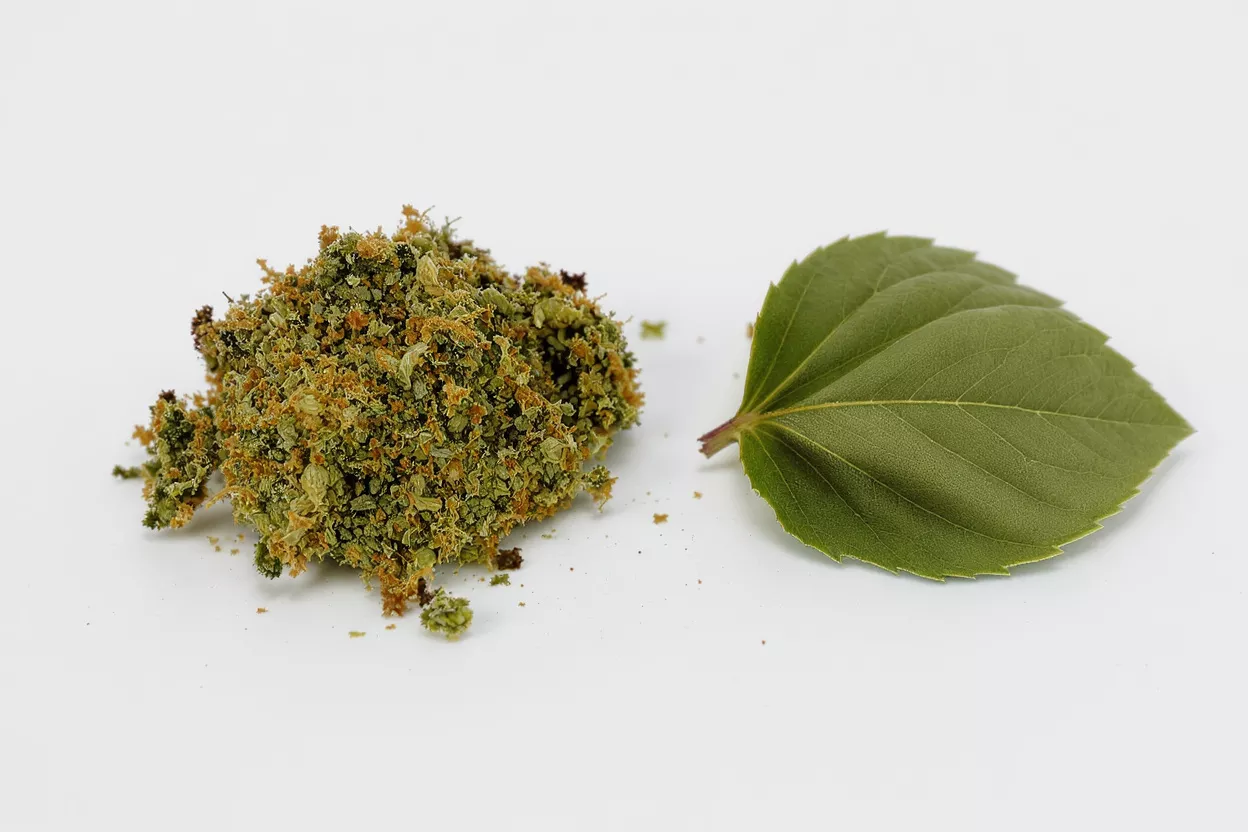
Trim is one of the most versatile byproducts in cannabis cultivation. Far from waste, it serves as the raw input for an entire category of products. Once you understand the options, you will never look at a bag of trim the same way again.
Here are the most common uses for quality cannabis trim:
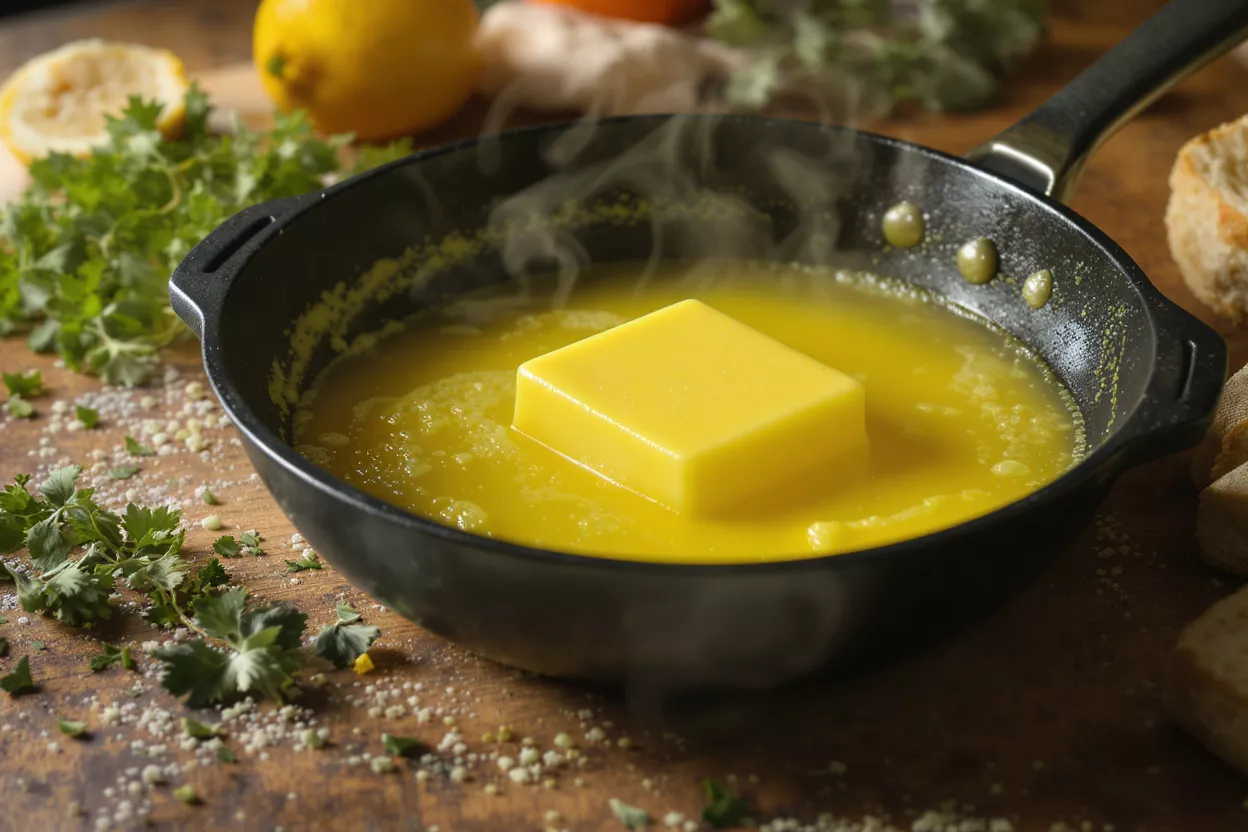
- 🧈 Cannabutter and oils: Decarboxylated trim infused into butter or coconut oil forms the base of countless homemade edibles.
- 🍬 Edibles and gummies: Infused oils become the foundation for cookies, brownies, and gummies — just mind the edible hangover from overdosing.
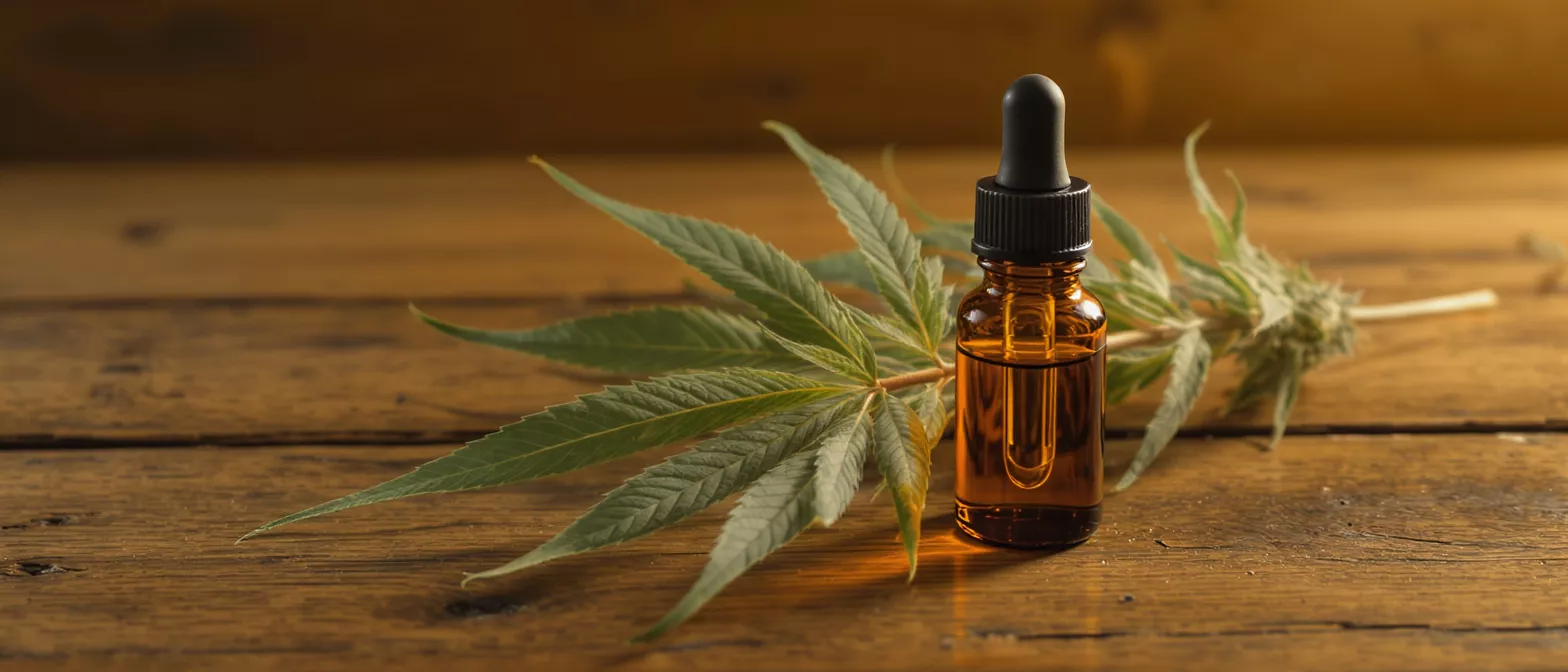
- 💧 Tinctures and elixirs: An alcohol or glycerin elixir extracts cannabinoids into a dropper-friendly liquid for sublingual use.
- 🔥 Concentrates: Ethanol hash oil (EHO) and other extracts pull resin from trim into potent dabbable products.
- 🌿 Topicals: Infused salves and balms for localized relief without psychoactive effects.
For beginners, infusing a small-batch tincture kit is one of the easiest entry points. It requires no special equipment beyond a jar and high-proof alcohol, and the resulting liquid stores for months. From there, the path opens toward more advanced extraction methods.
Making Edibles From Trim
Decarboxylation comes first, always. Raw trim contains acidic cannabinoid precursors that the body cannot use efficiently. Heating the material in an oven — typically around 240°F for 30 to 40 minutes — converts these acids into active Delta-9 THC. Skip this step and your edibles will be weak no matter how much trim you use.
Once decarbed, the trim gets infused into a fat. Butter and coconut oil are the classics because cannabinoids are fat-soluble and bind readily to lipids. A slow simmer pulls the active compounds into the oil, which you then strain and use in any recipe. The leftover plant material gets discarded, leaving you with potent infused fat ready for baking.
Dosing is where most home cooks stumble. Because trim potency varies, the safest approach is to start low and wait. GoodRx recommends caution with edibles since onset can take up to two hours, and impatient redosing is the most common cause of an unpleasant edible hangover. Test a small portion, wait, and scale up only once you know how your batch hits.
Trim for Concentrates and Extracts
Trim shines as concentrate feedstock. Because extraction strips cannabinoids away from plant material, the lower potency of trim matters less here than with flower — you are pulling resin regardless. Solventless methods like dry sift and ice water hash work beautifully on frosty sugar leaf trim, yielding pressable hash without any chemicals.
Solvent-based extraction opens more doors. Ethanol hash oil (EHO) is among the most accessible, requiring only high-proof alcohol to dissolve the trichomes before evaporating the solvent away. The process can be scaled up easily, and dewaxing the resulting oil removes lipids for a cleaner final product. For those chasing top-shelf results, careful technique can even produce Diamonds — crystalline THCA structures prized by dabbers.
Equipment ranges from simple to elaborate. A basic e-rig with an e-nail lets you dab your finished concentrate at precise temperatures, while a domeless nail offers a more traditional setup. Whatever your rig, starting with a clean ice water hash starter kit gives newcomers a forgiving, solventless path into concentrates before graduating to more involved methods.
Wet Trim vs Dry Trim Methods
Wet trimming happens immediately after harvest. The plant still holds moisture, and the leaves stand out from the buds, making them easy to clip. Many growers prefer this method because the foliage is plump and accessible, and removing it early speeds the drying process. The downside is messier hands and stickier trim that requires careful drying afterward.
Dry trimming waits until the whole plant has hung and cured. As the material dries, leaves curl inward toward the buds, which some trimmers find harder to remove cleanly but which others believe preserves terpenes and produces a smoother final smoke. The choice often comes down to climate, with humid environments favoring wet trimming to prevent mold.
For trim collection specifically, the method changes how you store and process the material. Wet trim must be dried thoroughly before storage or it will mold, while dry trim is ready to bag immediately. GoodRx notes that proper moisture control is essential to preventing microbial contamination, a concern that applies just as much to saved trim as to finished flower.
How to Store Trim Properly
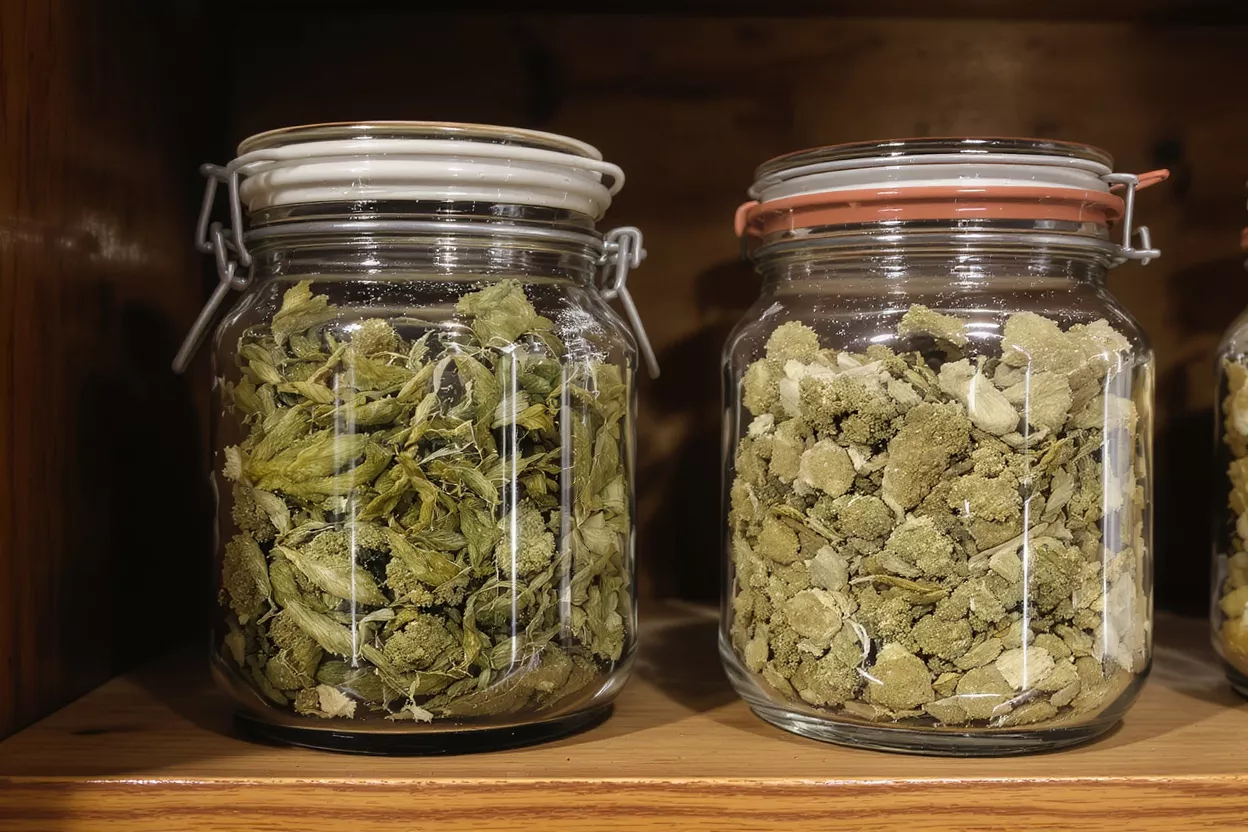
Proper storage protects the cannabinoids and terpenes that make trim worth keeping. Heat, light, oxygen, and excess moisture all degrade plant material over time, converting active compounds and inviting mold. Treating your trim with the same care you give premium flower pays off when extraction day arrives.
The core principles are straightforward. Store trim in airtight containers, away from light, in a cool location. Glass jars work well for small batches, while vacuum-sealed bags suit larger volumes. If your trim still carries moisture, dry it fully before sealing — trapping humidity is the fastest route to ruined material. A small dugout or sealed tin works fine for tiny amounts you plan to use quickly.
For long-term storage, freezing is an excellent option, especially for material destined for ice water hash. Freezing locks in freshness and makes trichomes brittle and easy to separate during extraction. Just protect against freezer burn with proper sealing, and avoid repeated thawing and refreezing, which introduces moisture and degrades quality with each cycle.
Is Cannabis Trim Worth Keeping?
After everything covered here, the answer is a clear yes — quality trim is absolutely worth saving. What growers once treated as garbage is now recognized as valuable feedstock for edibles, tinctures, and concentrates. A single harvest can yield enough sugar leaf trim to keep a home cook or extractor busy for months, and the cost savings over buying finished products are substantial.
The key is honest assessment. Frosty sugar leaf trim from a resin-heavy strain deserves careful processing into edibles or solventless hash, while sparse fan leaf material is better composted than forced into a weak infusion. Sorting your trim by quality, drying it properly, and storing it with care transforms a harvest byproduct into a genuine resource. GoodRx consistently stresses the importance of knowing your material's potency, and that wisdom applies perfectly to trim — work with consistent, well-handled material and your results stay predictable.
Whether you are a home grower looking to stretch your harvest or a hobbyist exploring extraction, trim rewards the effort you put into it. Save your sugar leaves, separate the fan leaves, decarb before infusing, and store everything properly. Do that, and the leafy material most people throw away becomes one of the most useful inputs in your entire cannabis toolkit.