

Vape
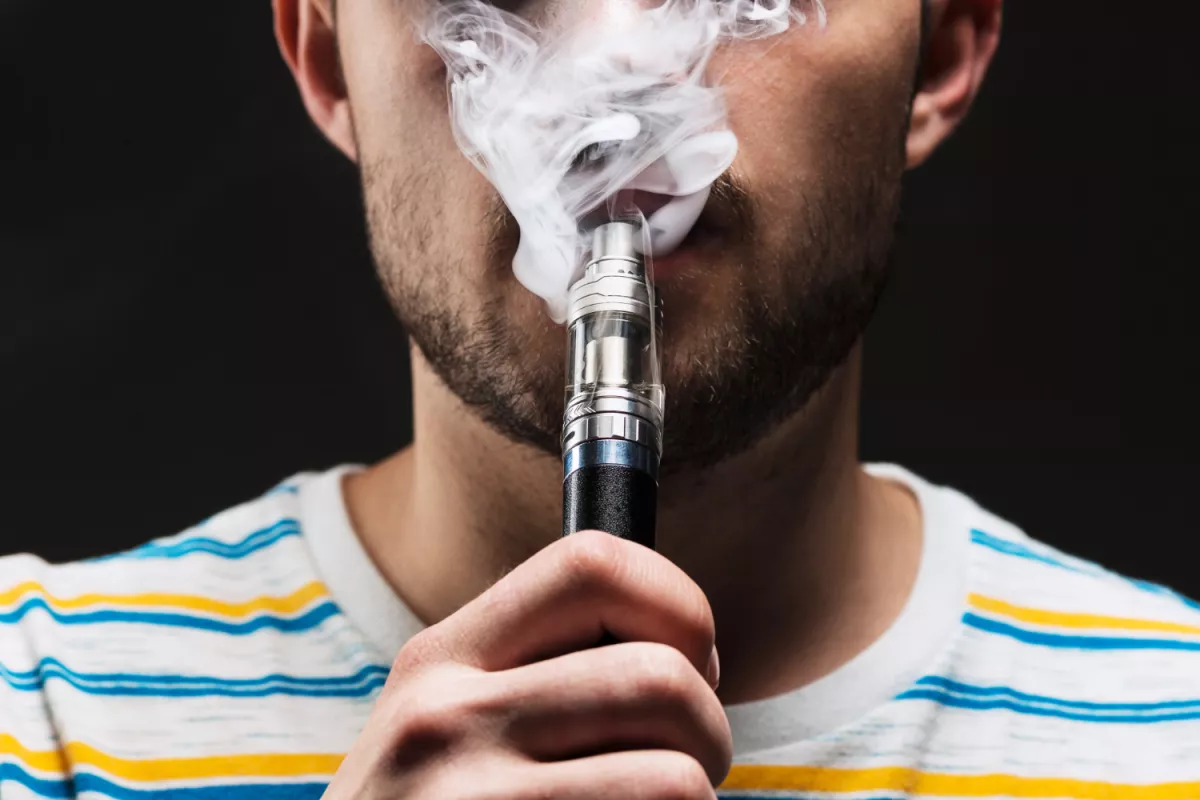
Discover how a vape heats cannabis oils and flower into smooth vapor without smoke.
What Is a Vape and How Does It Work
A vape is a device that heats cannabis oils, concentrates, or dried flower to a temperature high enough to release active compounds as an inhalable vapor, but low enough to avoid combustion. Instead of burning material and producing smoke, a vape gently converts cannabinoids and aromatic compounds into a fine mist that you breathe in. This distinction matters because the temperature threshold for vaporization sits well below the point at which plant matter ignites and creates harmful byproducts.
The core mechanism is straightforward. A heating element, powered by a battery, warms a chamber or coil. When the heat reaches the right range, the volatile compounds in cannabis transition from liquid or solid into a gaseous state. You inhale that gas, and your body absorbs the active molecules through the lungs. Because no flame is involved, the experience is generally smoother and less harsh than traditional smoking.
Over the past decade, vaping has moved from a niche curiosity to one of the most common ways people consume cannabis. The portability, discretion, and precise dosing that modern devices offer have driven this shift. Understanding how a vape functions is the foundation for choosing the right device and using it effectively.
How Vape Vaporization Works at the Molecular Level
Vaporization versus combustion is the central scientific concept behind any vape. Combustion occurs around 230°C (446°F), the point at which plant material burns and produces smoke laden with tar, carbon monoxide, and other irritants. Vaporization, by contrast, happens at lower temperatures where compounds like THC and CBD evaporate without the surrounding material catching fire.
Each cannabinoid and terpene has its own boiling point. THC vaporizes around 157°C, while many terpenes release at even lower temperatures. This means the temperature you select directly shapes which compounds enter your vapor and, by extension, the flavor and effect you experience. A lower setting preserves delicate aromatics; a higher setting extracts more of the heavier cannabinoids.
The vapor itself is a suspension of tiny droplets rather than smoke particles. Because the cannabis is heated rather than burned, the resulting aerosol contains a far simpler chemical profile. This is the reason many users describe vaporized cannabis as cleaner-tasting and easier on the throat than combusted flower.
Types of Vape Devices Explained
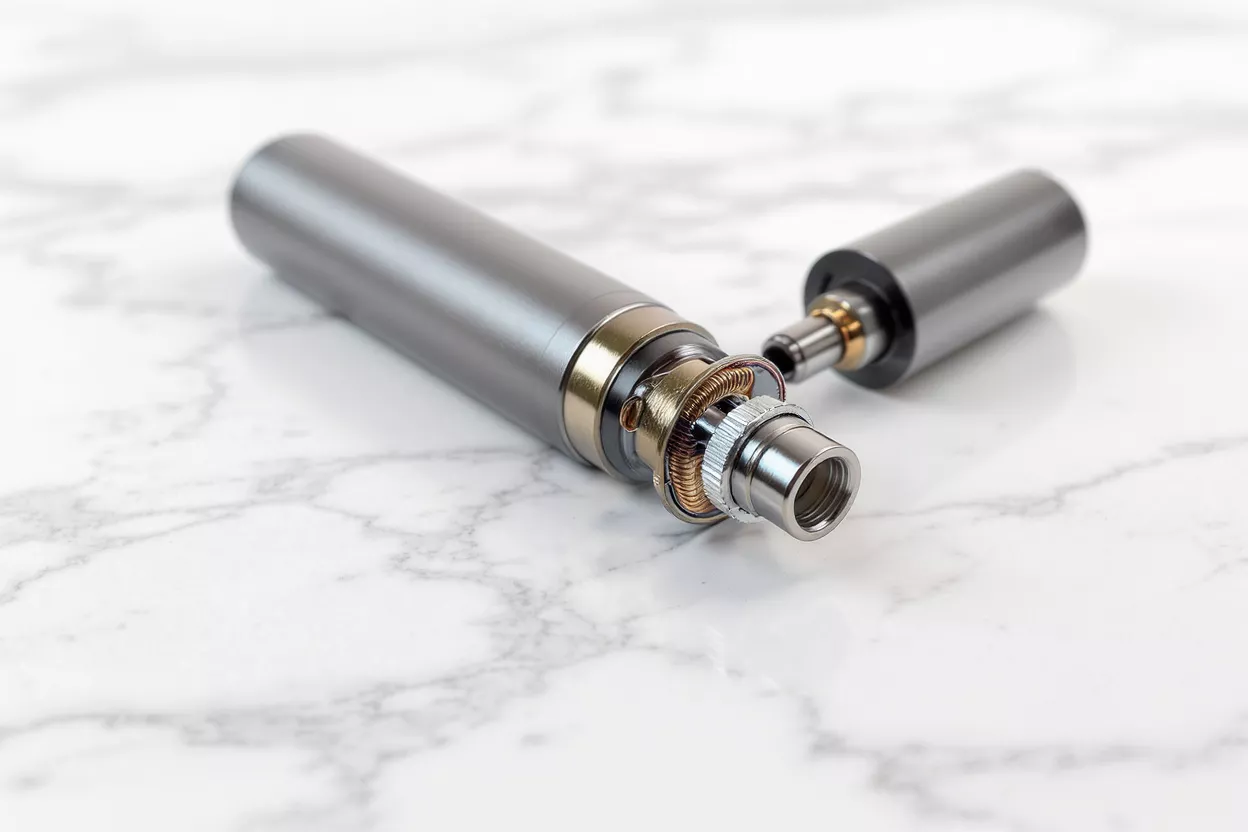
The vape market includes a wide variety of devices, each suited to different materials and preferences. Knowing the categories helps you match a device to how you actually want to consume cannabis. The main divide is between devices designed for oils and concentrates and those built for dried flower.
Disposable and cartridge vapes dominate the convenience category. These use pre-filled cartridges of cannabis distillate or oil that attach to a battery, or arrive as all-in-one disposable units. They require no maintenance, no loading, and no learning curve, which makes them the entry point for many newcomers.
Here is a quick breakdown of the most common vape types:
- 🔋 510-thread battery vapes: Reusable batteries that pair with standard oil cartridges, offering control over voltage and broad compatibility.
- 💨 Disposable vape pens: All-in-one units pre-charged and pre-filled, discarded once depleted.
- 🌿 Dry herb vaporizers: Devices that heat ground flower directly, preserving the full plant profile.
- 🍯 Concentrate or dab pens: Built for waxes, shatter, and rosin, using high-heat coils or ceramic chambers.
- 🖥️ Desktop vaporizers: Plug-in stationary units prized for precise temperature control and large sessions.
Vape vs Smoking: What Is the Difference
The most frequent question newcomers ask is how vaping compares to smoking. The two methods deliver cannabinoids to the same destination, your bloodstream via the lungs, but the route they take differs in ways that affect taste, harshness, and the compounds you actually receive.
Smoke contains combustion byproducts that vapor does not. When flower burns, it generates tar, ash, and a range of irritating compounds alongside the cannabinoids. A vape sidesteps combustion entirely, so the inhaled aerosol skips those byproducts and tends to feel noticeably smoother on the throat and lungs.
Flavor preservation is another meaningful difference. Burning cannabis destroys many of the delicate terpenes responsible for its aroma and nuanced taste. Vaporizing at controlled temperatures keeps more of these volatile compounds intact, so the flavor profile of a strain comes through with greater clarity. Many people who switch to vaping report tasting notes they never noticed when smoking.
Vape Temperature Guide for Cannabis
Temperature is the single most influential variable in a vape session. Because different compounds release at different points, the heat you choose changes both the intensity and character of your experience. Devices with adjustable settings let you fine-tune this, while simpler units lock you into a preset range.
Low-temperature vaping sits roughly between 160°C and 180°C. This range favors flavor and a clear-headed effect, releasing lighter terpenes and a modest amount of cannabinoids. It produces thinner, cooler vapor that is gentle on the throat and ideal for daytime or microdosing.
Higher settings extract more thoroughly but trade some nuance for potency. Use this general guide to orient yourself:
- 🌬️ 160–175°C: Maximum flavor, mild effect, abundant terpene expression.
- ⚖️ 175–190°C: Balanced potency and taste, the sweet spot for most users.
- 🔥 190–210°C: Dense vapor and stronger effects, with heavier cannabinoid release.
- ♨️ 210–220°C: Maximum extraction, thick warm vapor, harsher on the throat.
Experimenting within these ranges helps you discover the personal balance between flavor and strength that suits your goals.
What Goes Into a Vape: Oils, Distillates, and Flower
The material you load into a vape determines the device you need and the experience you get. Cannabis vapes accommodate several distinct forms, from refined oils to whole dried flower, each with its own properties and ideal use case.
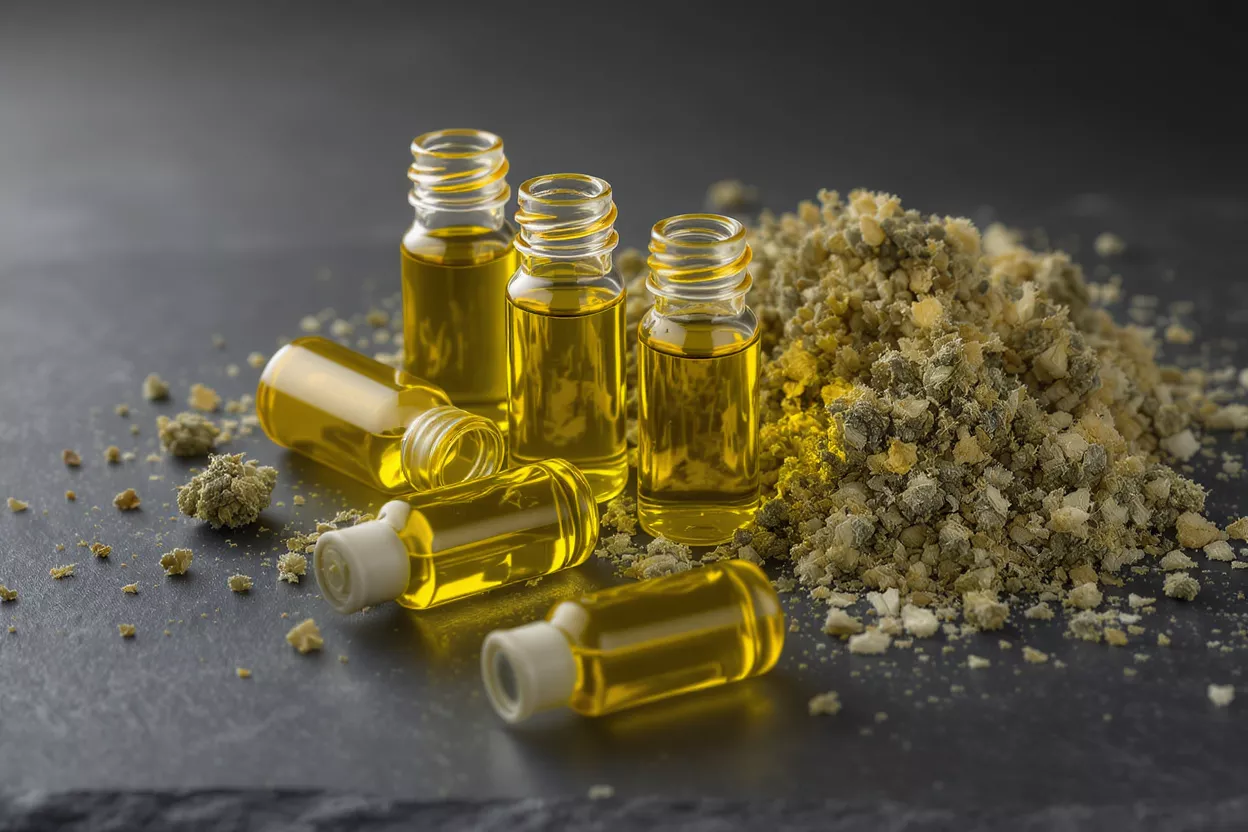
Distillate and oil cartridges are the most widely used format. Distillate is a highly refined extract stripped down to nearly pure cannabinoids, often re-infused with terpenes for flavor and effect. Its consistency and predictable potency make it the standard for cartridge-based vapes, and it requires no grinding or preparation.
Live resin and rosin represent the premium end for flavor seekers. These concentrates capture more of the original plant's terpene profile, delivering a richer and more aromatic vapor. Dried flower, meanwhile, offers the full-spectrum experience in dedicated dry herb vaporizers, letting you taste a strain exactly as nature produced it.
Here is how the common vape materials compare:
- 💧 Distillate: Refined, potent, consistent, and convenient in cartridges.
- ✨ Live resin: Flash-frozen extract rich in terpenes and full flavor.
- 🌱 Dried flower: Whole-plant material for dry herb devices and full-spectrum effect.
- 🧊 Rosin: Solventless concentrate prized for purity and aromatic depth.
Vape Benefits Worth Understanding
The popularity of vaping rests on a set of practical advantages over other consumption methods. These benefits explain why so many people, from medical patients to casual users, gravitate toward a vape as their preferred tool.
Discretion and convenience top the list for many. Vapor dissipates faster than smoke and carries a fainter, less lingering odor. Portable pens slip into a pocket and require no rolling, lighters, or ashtrays, which makes them practical for people who value a low-profile, ready-to-use option.
Precise dosing appeals especially to those using cannabis for wellness. Cartridges and adjustable devices let you take a measured draw and gauge effects before continuing, which supports controlled, consistent consumption. This precision is harder to achieve with combusted flower, where each session varies. The reduced exposure to combustion byproducts is another genuine draw, since avoiding the tar and irritants of smoke is a meaningful consideration for regular users.
Are Vapes Safe to Use
Safety is a fair and important question, and the honest answer depends heavily on what you vape and where you source it. The act of vaporization avoids many combustion-related toxins, but the quality and contents of the product carry their own significance.
Source and lab testing matter more than any other factor. Reputable cannabis vapes from regulated sources undergo testing for pesticides, residual solvents, heavy metals, and cutting agents. The serious health incidents reported in past years were overwhelmingly linked to illicit-market cartridges containing additives like vitamin E acetate, never found in properly tested legal products.
Hardware quality also plays a role. Cheap coils and low-grade materials can degrade or leach contaminants when heated, while well-made devices using ceramic or quality metal components are far more reliable. Choosing tested products from trusted suppliers and using your device as intended addresses the vast majority of safety concerns. As with any cannabis method, moderation and informed sourcing are the keys to a responsible experience.
How to Choose a Vape for Your Needs
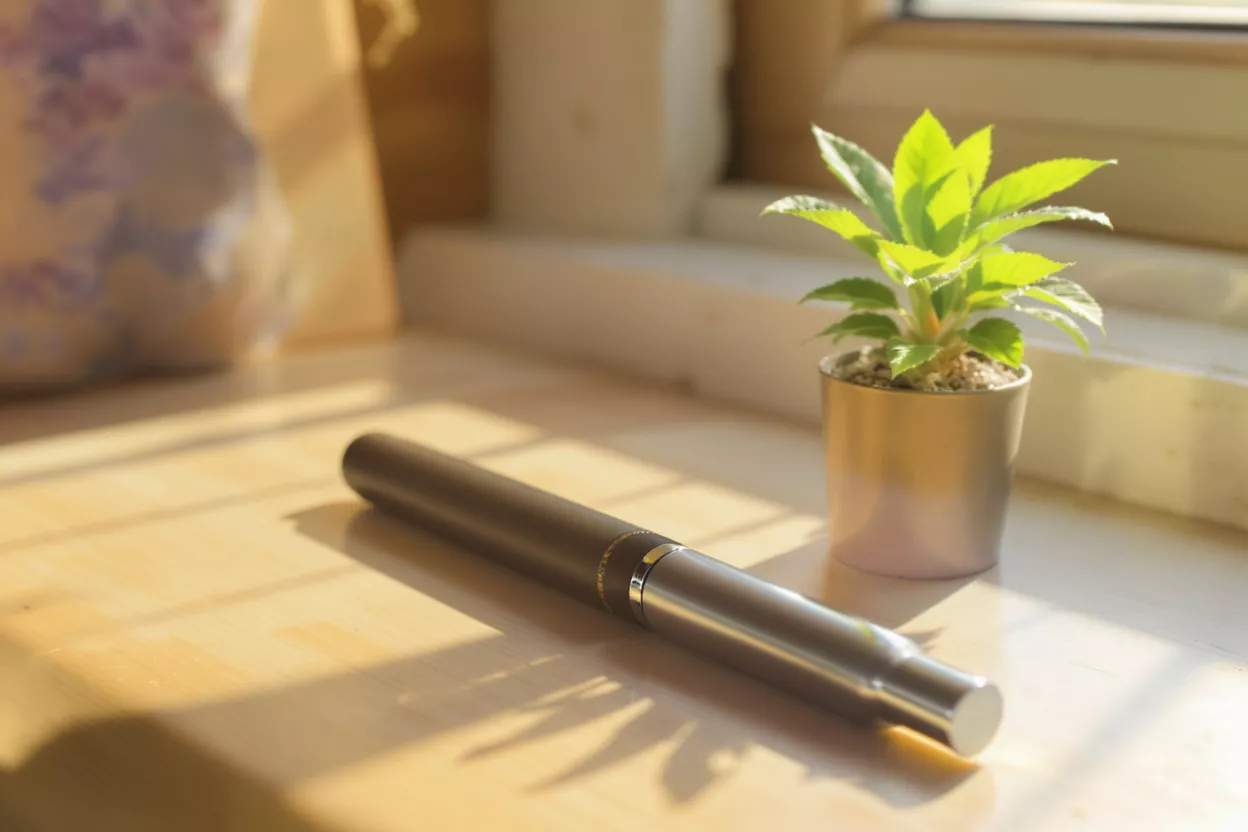
With so many options available, selecting a vape comes down to matching the device to your priorities. There is no single best vape, only the one that fits how you intend to use it, what you want to consume, and how much control you want over the process.
Match the device to the material first. If you prefer the simplicity of pre-filled oil, a 510-thread battery or disposable pen is the natural fit. If you want full-spectrum flavor from flower, invest in a dry herb vaporizer. Concentrate enthusiasts should look toward dab pens or units built for waxes and rosin.
Beyond material compatibility, consider these factors when choosing:
- 🎛️ Temperature control: Adjustable settings give flexibility; presets offer simplicity.
- 🔋 Battery life: Heavier use demands larger capacity or replaceable cells.
- 🧳 Portability: Pocket pens for the go versus desktop units for home sessions.
- 💰 Budget: Disposables cost less upfront; reusable systems save over time.
- 🧼 Maintenance: Cartridge vapes need little care; dry herb units require regular cleaning.
Vape Maintenance Tips for Longevity
A well-maintained vape performs better, tastes cleaner, and lasts far longer than a neglected one. Whether you use a simple pen or a sophisticated desktop unit, a few consistent habits protect your investment and your experience.
Regular cleaning is the cornerstone of vape care. Residue from oils and flower builds up on coils, screens, and chambers over time, dulling flavor and reducing efficiency. Wiping contact points, clearing the chamber after sessions, and using isopropyl alcohol on removable parts keeps a device functioning at its best. Dry herb vaporizers in particular benefit from a quick brush-out between bowls.
Battery and storage habits round out good maintenance. Avoid letting batteries fully drain repeatedly, store cartridges upright to prevent leaks, and keep devices out of extreme heat or cold that can damage components and degrade oil. A little attention goes a long way toward consistent, satisfying sessions.
A vape is one of the most versatile and refined ways to enjoy cannabis, offering smoother inhalation, preserved flavor, and precise control over your experience. From understanding vaporization temperatures to choosing the right device and keeping it clean, the knowledge in this guide equips you to vape confidently and get the most from every session. With informed product choices and a bit of routine care, a quality vape rewards you with a cleaner, more flavorful, and more customizable approach to cannabis than nearly any other method.

Comments