


Wax
Discover cannabis wax textures, potency, and dabbing tips.
What Is Cannabis Wax
Cannabis wax is a category of concentrate distinguished by its soft, opaque, and often buttery consistency. Unlike glassy extracts that snap like hard candy, wax has a malleable texture that ranges from creamy and spreadable to dry and crumbly. The name comes purely from this physical appearance — it describes how the extract looks and feels, not a single fixed recipe or potency.
Why texture matters so much: the consistency of wax is a window into how it was made and how the cannabinoids and terpenes inside it have crystallized. When extracted oil is agitated, whipped, or heated in specific ways, the molecules organize differently, producing the spectrum of textures collectors and consumers recognize. A buttery batch and a crumbly batch can come from the same starting material yet behave completely differently on a dab tool.
For anyone moving beyond flower for the first time, wax is often the gateway concentrate. It is widely produced, easy to handle once you learn the basics, and delivers a concentrated dose of THC and other compounds in a small amount of material. Understanding what wax is — and what separates the good from the mediocre — sets the foundation for everything that follows.
How Cannabis Wax Is Made
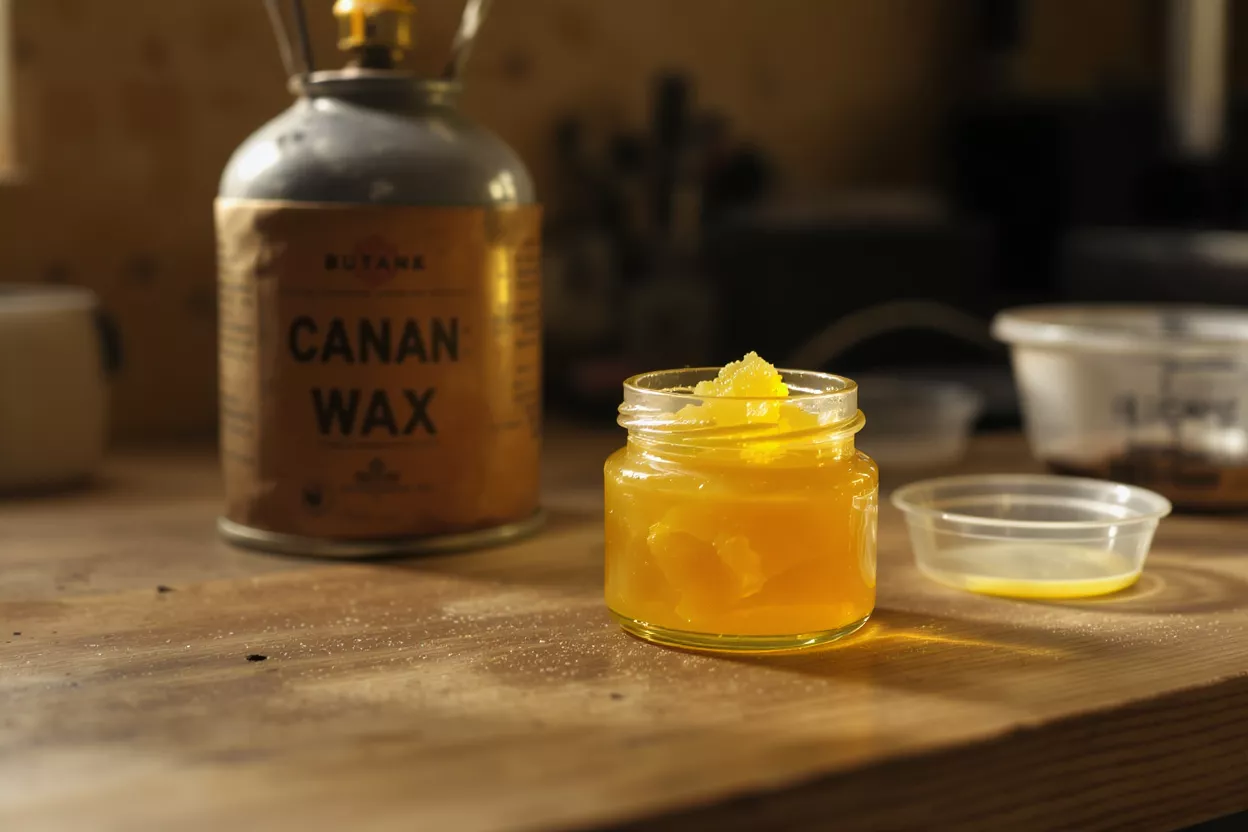
Most commercial wax begins with hydrocarbon extraction, where a solvent such as butane or propane is passed through cannabis to strip away cannabinoids and terpenes. The resulting solution is then purged of solvent under heat and vacuum. The specific temperature, pressure, and agitation applied during this purge are what coax the extract into a waxy state rather than a brittle one.
The role of agitation and heat: whipping the extract during the purge introduces air and disrupts crystal formation, yielding the creamy budder texture. Higher heat with less movement tends to drive moisture off quickly and produce a drier, crumblier result. Extractors essentially dial in a texture by controlling these variables, which is why two products labeled "wax" can look so different from one another.
Solventless methods also produce waxy results. Whipped rosin, pressed using only heat and pressure from hash or kief, can be agitated into a budder consistency without any chemical solvent at all. These solventless waxes command premium prices because they capture flavor without the need for a purge.
Types of Wax Textures Explained
The word "wax" is really an umbrella covering several distinct textures, each with its own handling quirks and fan base. Knowing the vocabulary helps you shop with confidence and predict how a product will behave when you open the jar.
Here is a quick reference to the most common wax textures you will encounter at a dispensary or online menu:
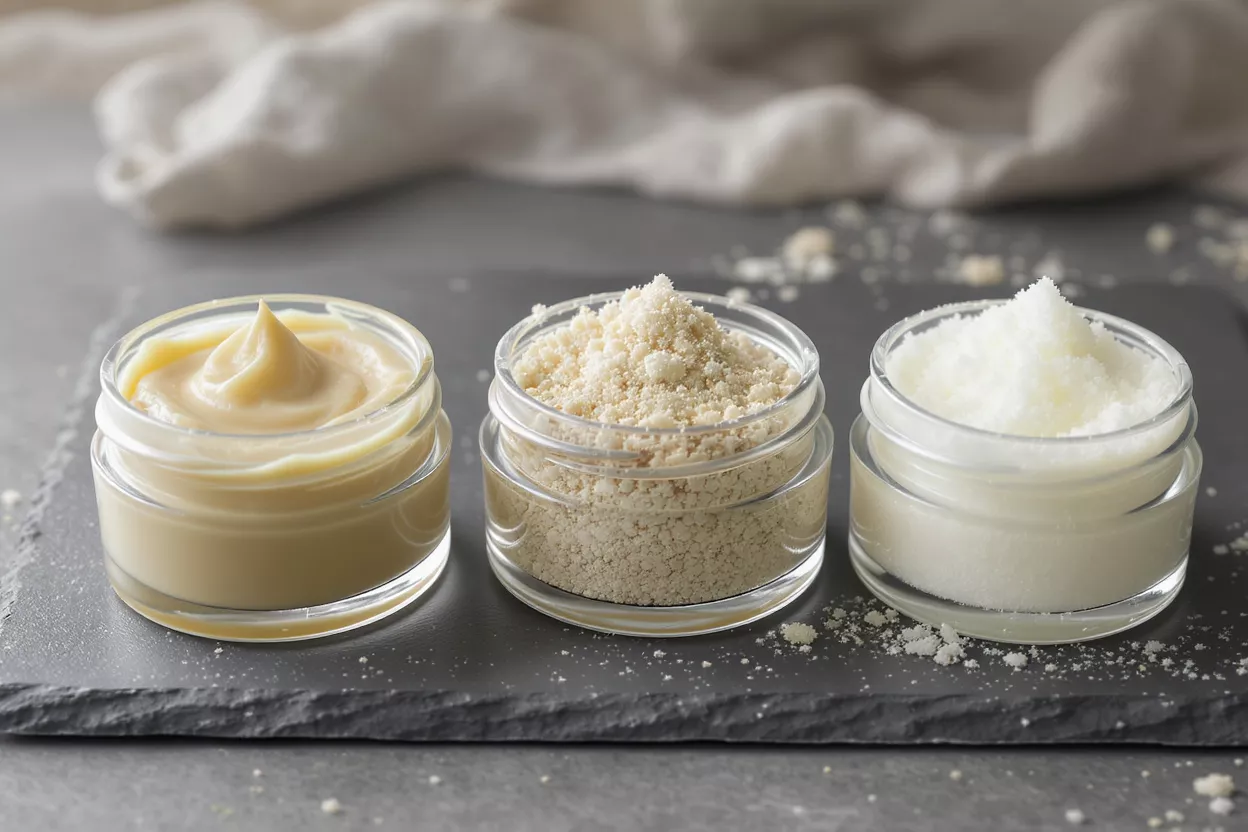
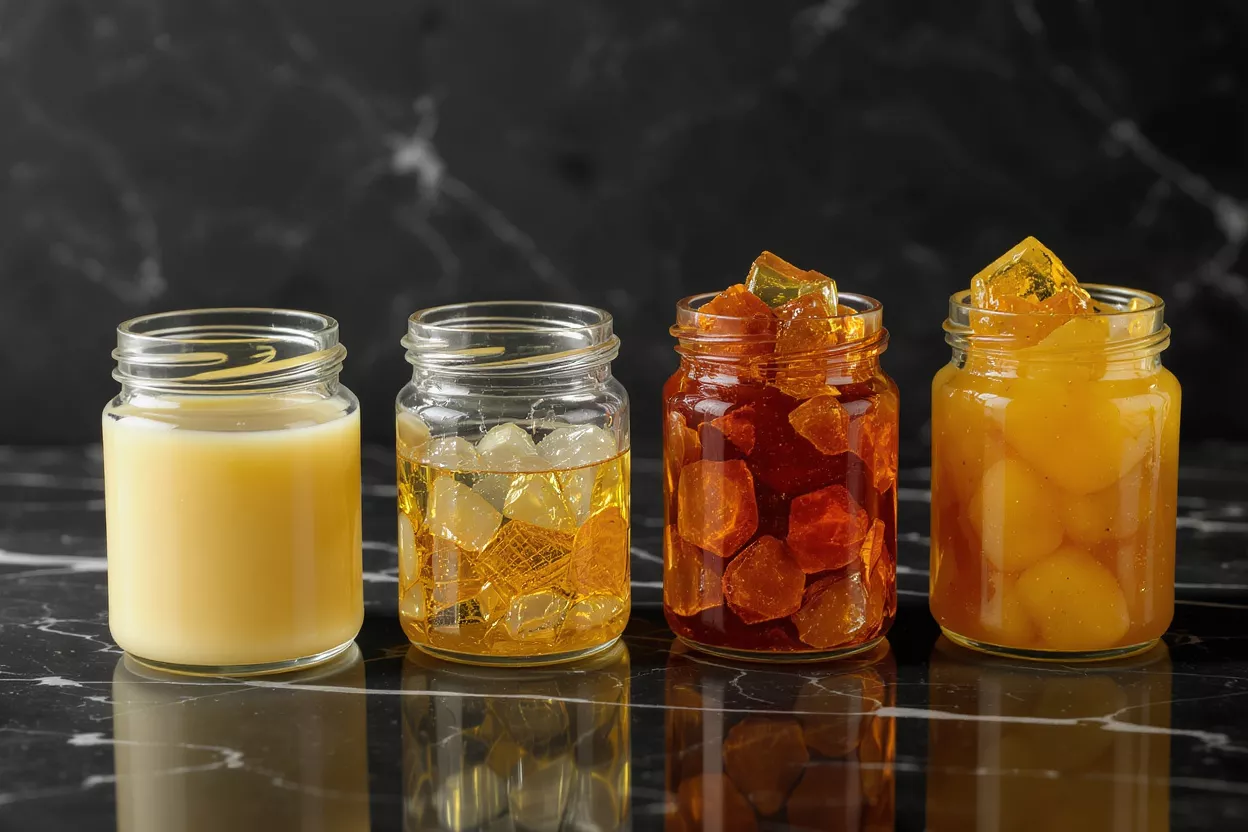
- 🧈 Budder: creamy and smooth like cake frosting, easy to scoop and dab, prized for its consistent texture and strong flavor.
- 🍬 Sugar wax: grainy and wet with a sugary, crystalline appearance, often very terpene-rich and aromatic.
- 🍪 Crumble: dry, brittle, and flaky, breaking apart easily and ideal for sprinkling over flower in a joint or bowl.
- 🍯 Honeycomb: a porous, airy version of crumble with a brittle structure full of tiny pockets.
None of these textures is inherently more potent than another. A crumble and a budder made from the same extraction can carry nearly identical cannabinoid content — the difference is entirely in how the oil set up. Your choice usually comes down to handling preference and the flavor profile you enjoy most.
Budder, Crumble and Sugar Wax Compared
Budder for everyday dabbing: if you want the most user-friendly wax, budder is hard to beat. Its frosting-like body scoops cleanly onto a dab tool without flaking everywhere, and it melts evenly on a hot surface. Beginners gravitate toward budder because it forgives clumsy handling and rarely makes a mess.
Crumble for versatility: crumble shines when you want options beyond a dab rig. Its dry, breakable structure means you can crumble it directly into a joint, layer it over a packed bowl, or load it into a dry-herb-compatible device. The trade-off is that the loose flakes can be fiddly and easy to lose if you are not working over a clean surface.
Sugar wax sits between the two, offering a wet, grainy texture that many concentrate enthusiasts seek out specifically for its bold terpene punch. The crystalline grains often indicate a high concentration of preserved terpenes, which translates to a more aromatic and flavorful experience. It can be slightly messier than budder but rewards you with vibrant taste.
How to Dab Cannabis Wax
Dabbing is the most popular way to consume wax, and the process is straightforward once your equipment is set up. You will need a dab rig or an electronic device, a heat source, and a dab tool to handle the concentrate. The goal is to vaporize the wax on a hot surface and inhale the resulting vapor.
A simple step-by-step approach keeps the experience clean and controlled:
- 🔥 Heat the nail: warm your banger or nail, then let it cool for a moment so you vaporize rather than scorch the wax.
- 🥄 Load a small dose: use your dab tool to place a rice-grain-sized portion onto the hot surface — start tiny.
- 💨 Inhale slowly: draw gently while rotating the wax with your tool to vaporize all of it.
- 🧊 Cap and clear: place a carb cap over the nail to trap heat, then clear the vapor from the chamber.
Temperature control is the single biggest factor in a good dab. Low-temperature dabs in the range of 315–450°F preserve terpene flavor and produce a smoother hit, while higher temperatures vaporize faster but can taste harsh and waste cannabinoids to combustion. If you are new to wax, start low and work your way up to find your sweet spot.
Wax Potency and Cannabinoid Content
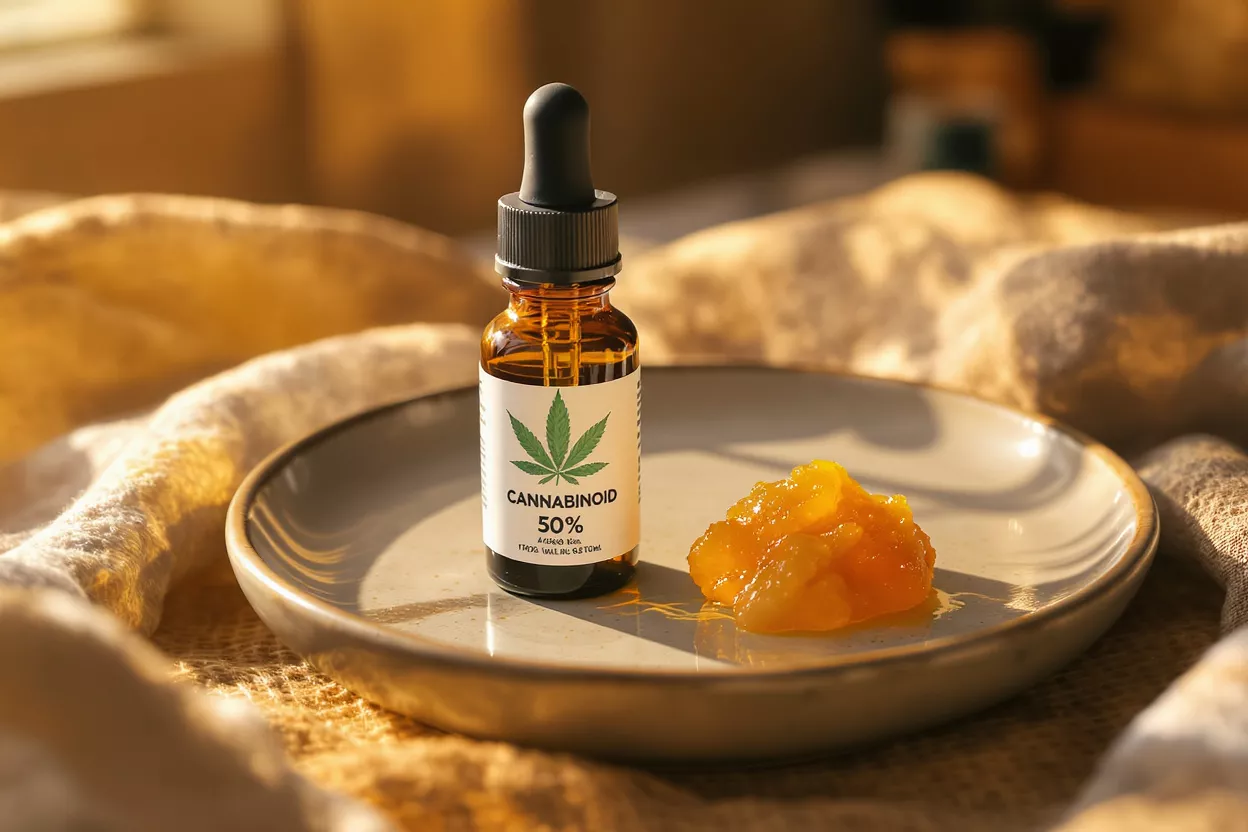
Cannabis wax is dramatically more potent than flower, which is the core reason people seek it out. While dried bud typically tests between 15 and 25 percent THC, wax commonly lands between 60 and 90 percent THC. That concentration means a tiny amount delivers effects comparable to a much larger quantity of flower.
Reading a lab label: reputable wax comes with a certificate of analysis showing total cannabinoids, residual solvents, and contaminant screening. Look beyond the headline THC number to the full cannabinoids profile, including CBD and minor compounds that shape the overall effect.
Because of this potency, dosing discipline matters more with wax than with almost any other format. A dab the size of a grain of rice is plenty for most people, and overdoing it can lead to an uncomfortably intense experience. The strength is the appeal, but it demands respect — especially for those transitioning from flower.
How to Store Cannabis Wax Properly
Proper storage keeps wax fresh, flavorful, and easy to handle. The three enemies of any concentrate are heat, light, and air, all of which degrade cannabinoids and evaporate the volatile terpenes that give wax its aroma. Left in a warm car or a sunny windowsill, even premium wax will turn dark, runny, and harsh within days.
Follow these storage habits to preserve quality over the long haul:
- ❄️ Keep it cool: store wax in a cool, dark place; a refrigerator extends shelf life, though let the jar reach room temperature before opening to avoid condensation.
- 🫙 Use airtight containers: silicone or glass concentrate jars limit air exposure and prevent the wax from drying out or oxidizing.
- 🌑 Block out light: UV rays break down cannabinoids quickly, so opaque or amber containers outperform clear ones.
Texture can shift over time even with good storage — a budder may dry toward crumble as terpenes escape. This is natural and does not necessarily mean the wax has gone bad, but it does signal that flavor is fading. Buying only what you will use within a reasonable window keeps every dab tasting its best.
Wax vs Shatter vs Live Resin
Wax versus shatter: the main difference is consistency and stability. Shatter is a translucent, glass-like sheet that snaps when broken, while wax is opaque and soft. Shatter tends to be more stable on the shelf and easier to portion in clean pieces, but many users find wax easier to scoop and handle day to day.
Live resin is a quality tier rather than a texture. It is made from flash-frozen fresh cannabis instead of dried and cured material, which locks in a fuller terpene profile and produces exceptional flavor. Live resin can itself take on a waxy, sugary consistency, so the categories overlap — a product can be both "wax" and "live resin" at once.
None of these extracts is universally superior. Shatter appeals to those who value stability and presentation, live resin attracts flavor chasers willing to pay a premium, and classic wax remains the practical middle ground that balances potency, handling, and price for everyday consumers.
Is Cannabis Wax Safe to Use
When produced by a licensed extractor and properly tested, cannabis wax is safe for adult use. The chief safety concern with solvent-based wax is residual solvent — trace butane or propane left behind from an incomplete purge. This is precisely why third-party lab testing exists, and why you should never buy wax that lacks documented contaminant and solvent screening.
Avoiding untested products: homemade or black-market wax carries real risks, from leftover solvents to pesticides concentrated during extraction. Anything that strips THC from the plant also concentrates whatever contaminants the plant carried. Buying from regulated sources with published lab results is the single most effective way to protect yourself.
The other consideration is potency itself. Because wax is so concentrated, inexperienced users can easily take too much and feel overwhelmed, anxious, or dizzy. These effects are uncomfortable but not life-threatening; the remedy is to start with a microscopic dose, hydrate, and wait. Respecting the strength of the product keeps the experience pleasant.
Choosing Quality Wax as a Beginner
Selecting good wax comes down to a few reliable signals. Color, aroma, and texture all hint at quality before you ever take a dab. Fresh, well-made wax tends to be light in color — golden to off-white — with a vivid, terpene-rich smell. Dark, oily, or odorless wax often points to degraded material or rushed processing.
Keep these beginner-friendly buying tips in mind when comparing products:
- 🔬 Demand lab results: a current certificate of analysis confirming potency and clean solvent screening is non-negotiable.
- 🎨 Judge the color: lighter shades generally indicate fresher, cleaner extraction, while very dark wax suggests oxidation or low-grade input.
- 👃 Trust your nose: a strong, pleasant aroma signals preserved terpenes and a flavorful, enjoyable dab.
- 💧 Start solventless if unsure: rosin-based budder skips chemical solvents entirely and offers peace of mind for cautious newcomers.
Ultimately, the best wax is the one that matches your tools, your tolerance, and your taste. Whether you gravitate toward creamy budder for easy dabbing or grainy sugar wax for explosive flavor, starting with small doses and reputable sources ensures every session is a good one. As you grow comfortable, you can explore textures and quality tiers to discover what suits you best.
Cannabis wax opens a door to concentrated, flavorful, and potent experiences that flower alone cannot match. From understanding how budder, crumble, and sugar wax differ to mastering low-temperature dabs and smart storage, a little knowledge transforms wax from intimidating to approachable. Prioritize tested products, respect the potency, and the world of concentrates becomes a rewarding extension of your cannabis routine.

Comments