

Weed
Discover what weed really means — its origins, effects, and types.
What Is Weed? Defining the Slang
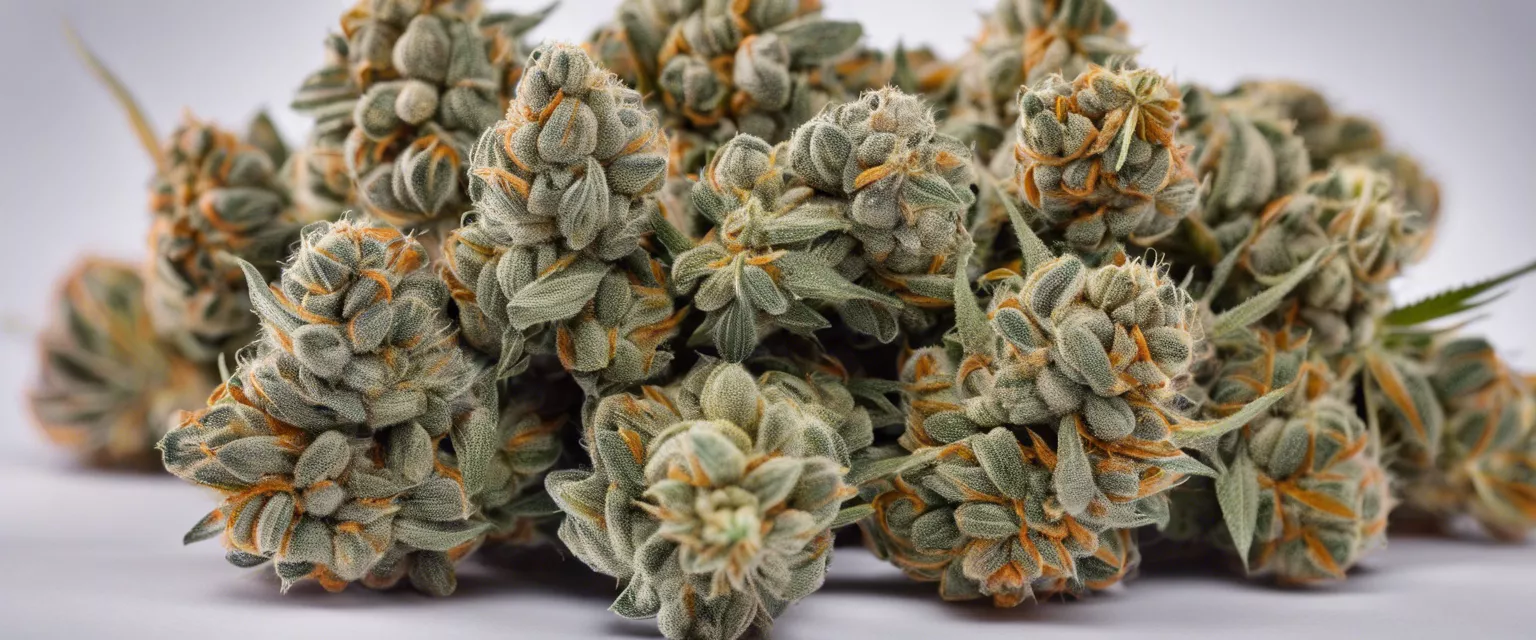
Weed is one of the most recognizable slang terms for cultivated cannabis flower, the dried and cured buds harvested from the female cannabis plant. The word has slipped so thoroughly into everyday vocabulary that it now appears in headlines, dispensary menus, and casual conversation alike. When someone mentions weed, they are almost always referring to the smokable, vaporizable, or infusible plant material prized for its aromatic resin and psychoactive effects.
At its core, weed describes the flowering tops of Cannabis sativa and Cannabis indica plants. These buds are coated in sticky trichomes, the tiny resin glands that house the compounds responsible for both the plant's effects and its distinctive smell. The term carries no botanical precision, but its cultural weight is undeniable.
The label "weed" reflects the plant's reputation as a hardy, fast-growing species that thrives in a wide range of climates. That same resilience that made early growers describe cannabis as a weed has helped it spread across continents and cultures for thousands of years. Understanding the word is a useful entry point into a much larger story about the plant, its chemistry, and its place in modern life.
Where Does the Word Weed Come From?
The slang origins of weed are tangled, but most etymologists trace its popularity to early-to-mid 20th century North America. As cannabis spread through jazz scenes and urban communities, speakers reached for casual, discreet shorthand. Calling the plant "weed" was both descriptive and deniable, a way to talk about it without naming it outright.
Why "weed" and not something else? The name nods to the plant's prolific growing habit. Cannabis germinates quickly, tolerates poor soil, and reseeds aggressively when left unchecked. Farmers and foragers who encountered feral cannabis genuinely treated it like a weed in the agricultural sense, an opportunistic plant that grows where it pleases. The slang simply formalized an observation people had been making for generations.
Over the decades the term shed much of its underground connotation. Today weed sits comfortably alongside more clinical language, and many legal retailers embrace it precisely because it feels approachable. The journey from coded street slang to mainstream shorthand mirrors the broader shift in how society discusses the plant.
Weed vs Marijuana vs Cannabis: What's the Difference?
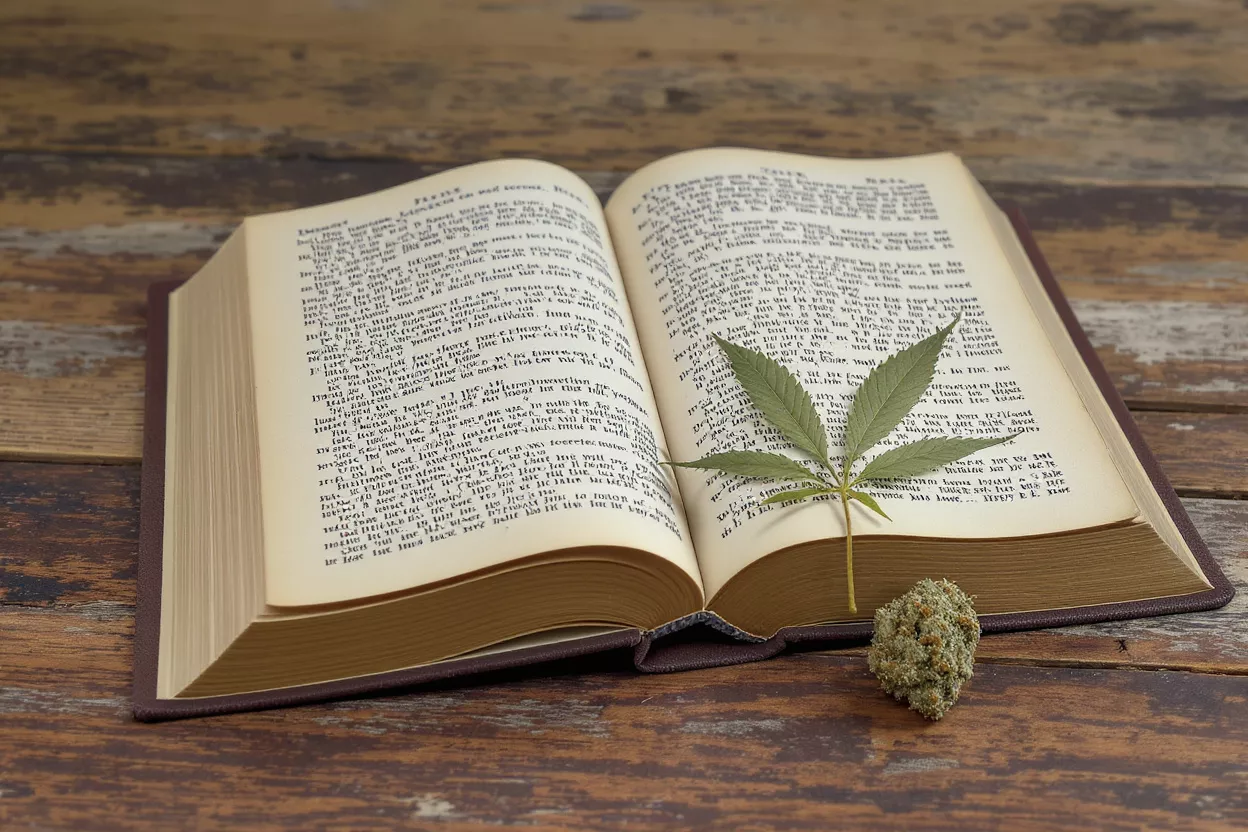
People often use weed, marijuana, and cannabis interchangeably, but the words carry different histories and connotations. Cannabis is the botanical genus name and the most neutral, scientifically accurate term. Marijuana entered American English in the early 1900s and was later weaponized during prohibition-era campaigns, giving it a politically charged history. Weed, by contrast, reads as casual and everyday.
Choosing the right word matters in context. Researchers and physicians lean toward "cannabis" for precision and to avoid stigmatizing baggage. Budtenders and consumers gravitate toward "weed" for its friendly, familiar tone. None of these terms describes a different plant, they simply reflect who is speaking and why.
Here is a quick breakdown of how the three terms compare in tone and usage:
- 🌿 Cannabis: The botanical and clinical term, preferred in science, medicine, and formal writing.
- 🗣️ Weed: Casual, approachable slang used widely in everyday conversation and retail.
- 📜 Marijuana: A historically loaded term tied to prohibition-era politics, still common in legal statutes.
- 🌱 Pot, grass, herb: Older regional slang, less common among younger consumers today.
Types of Weed: Indica, Sativa, and Hybrid Strains
Weed is typically sorted into three broad categories: indica, sativa, and hybrid. These labels originated as botanical distinctions but have evolved into a consumer shorthand for expected effects. Indica varieties are popularly associated with relaxing, body-heavy sensations, while sativa types are linked to uplifting, energetic experiences.
Hybrids dominate the modern market. Decades of crossbreeding mean that nearly every strain on a dispensary shelf is technically a hybrid, blending lineages to achieve specific aromas, potencies, and effects. A hybrid labeled "indica-dominant" or "sativa-dominant" signals which side of the spectrum its effects lean toward, though individual responses vary widely.
It is worth noting that the indica-versus-sativa framework is increasingly questioned by scientists. Effects depend far more on a strain's specific cannabinoid and terpene profile than on its broad category. Still, the three-type system remains a helpful starting point for newcomers navigating their first selections.
How Weed Affects the Body and Mind
The effects of weed stem from how its active compounds interact with the body's endocannabinoid system, a network of receptors involved in regulating mood, appetite, pain, and sleep. When cannabinoids bind to these receptors, they can shift perception, relaxation, and physical sensation in noticeable ways.
The psychoactive experience varies by person. Factors like dosage, individual tolerance, body chemistry, and the specific chemical makeup of the flower all shape the outcome. Some users report euphoria and creativity, others describe deep calm or heightened sensory appreciation. The same strain can affect two people quite differently.
Beyond recreational enjoyment, many people turn to weed for its potential to ease discomfort, support relaxation, or aid sleep. Research into these applications is ongoing and promising, though effects and appropriate use differ considerably from one individual to the next. Starting low and going slow remains the most reliable guidance for anyone exploring how the plant affects them.
What Is in Weed? Cannabinoids and Terpenes
The chemistry of weed is surprisingly complex. The plant produces more than a hundred cannabinoids, the most famous being THC, the primary psychoactive compound, and CBD, a non-intoxicating cannabinoid valued for its calming reputation.
Terpenes shape aroma and experience. Alongside cannabinoids, weed contains aromatic compounds called terpenes that give each strain its signature scent, from citrus and pine to earthy musk. Many researchers believe terpenes work together with cannabinoids in what is called the entourage effect, subtly modulating the overall experience.
The relative balance of these compounds determines whether a particular batch of weed feels energizing, sedating, or somewhere in between. Here are the key components worth understanding:
- 🔬 THC: The main psychoactive cannabinoid responsible for the euphoric "high."
- 🌼 CBD: A non-intoxicating cannabinoid associated with relaxation and balance.
- 🍋 Terpenes: Aromatic oils that define scent and may influence effects.
- ✨ Minor cannabinoids: Compounds like CBG and CBN that contribute to the full chemical profile.
How People Consume Weed Today
The ways people use weed have multiplied far beyond the classic rolled joint. While smoking dried flower remains the most iconic method, modern consumers can choose from a wide menu of formats tailored to different lifestyles and preferences.
Smoking and vaporizing remain popular. Combusting flower in a joint, pipe, or bong delivers fast-acting effects, while vaporizers heat the plant material below combustion to produce inhalable vapor with less smoke. Many people prefer vaporizing for its smoother, more controlled experience.
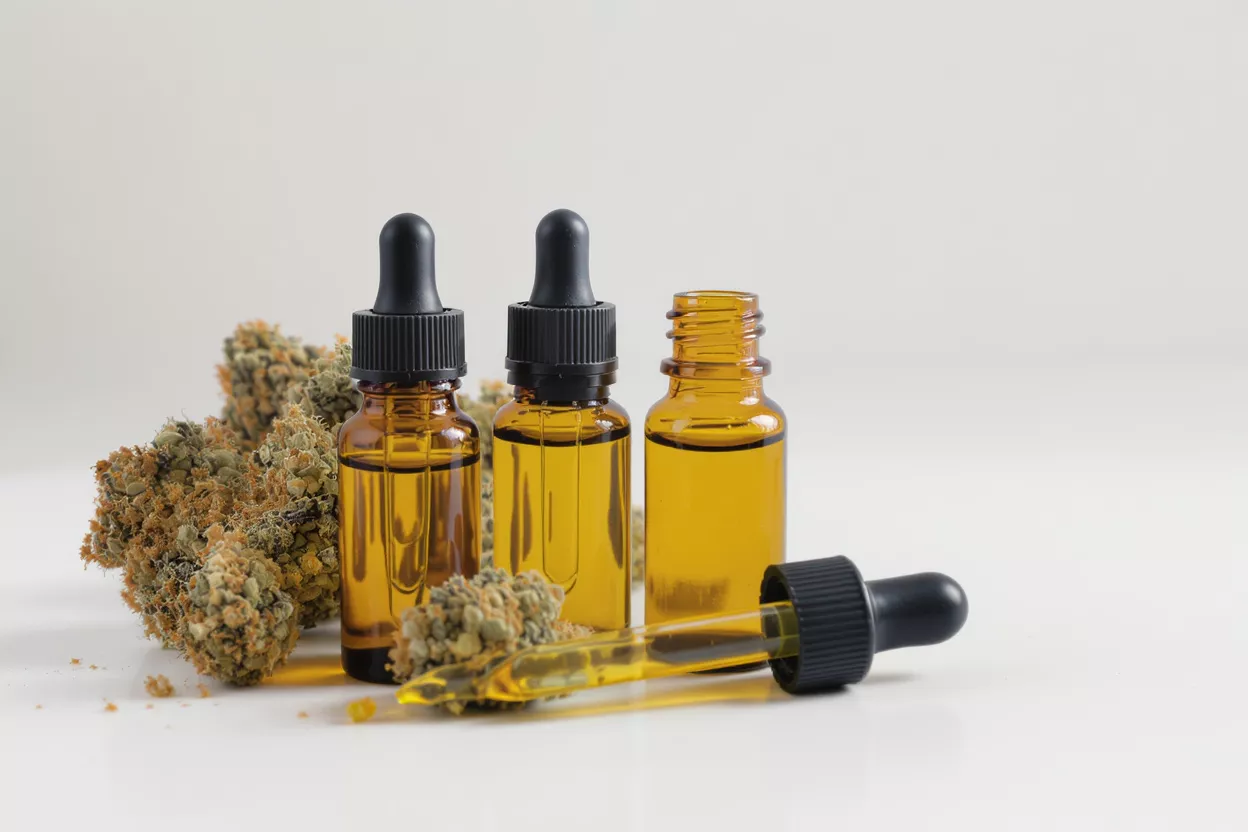
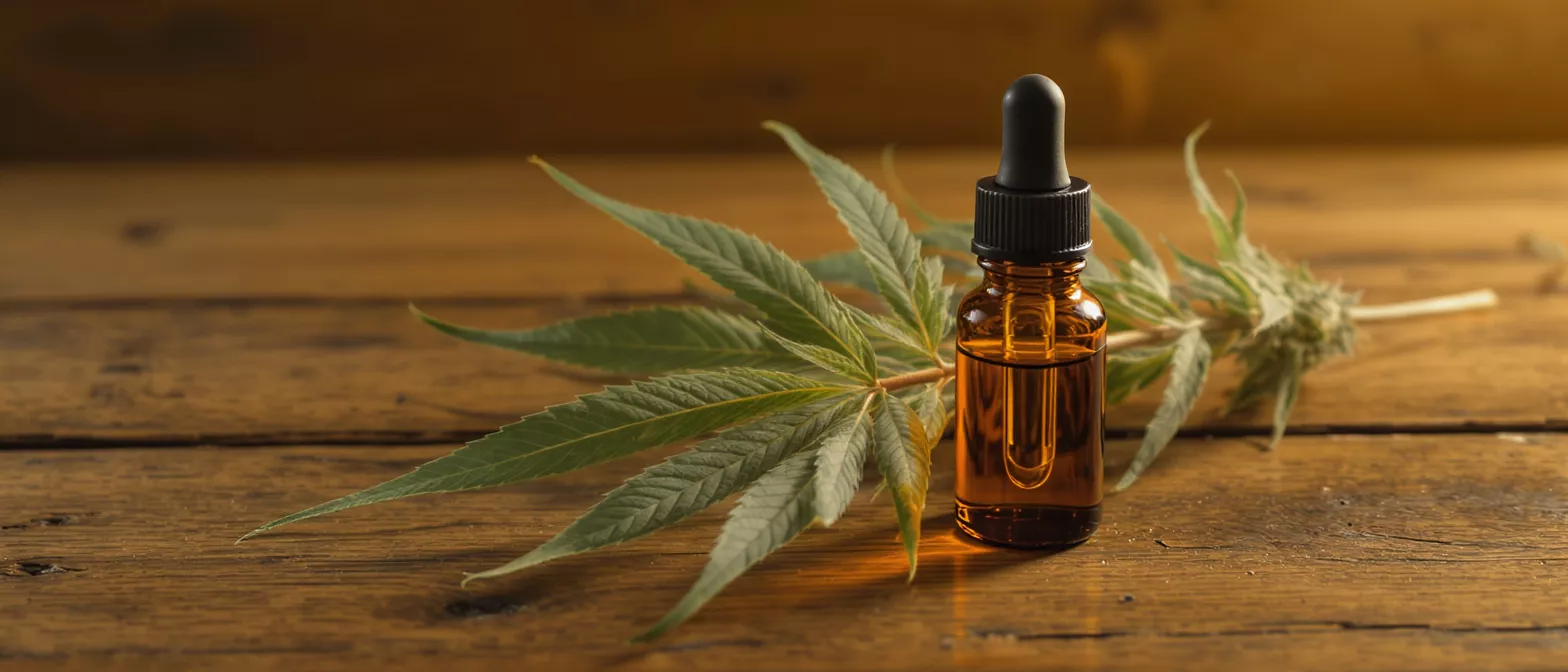
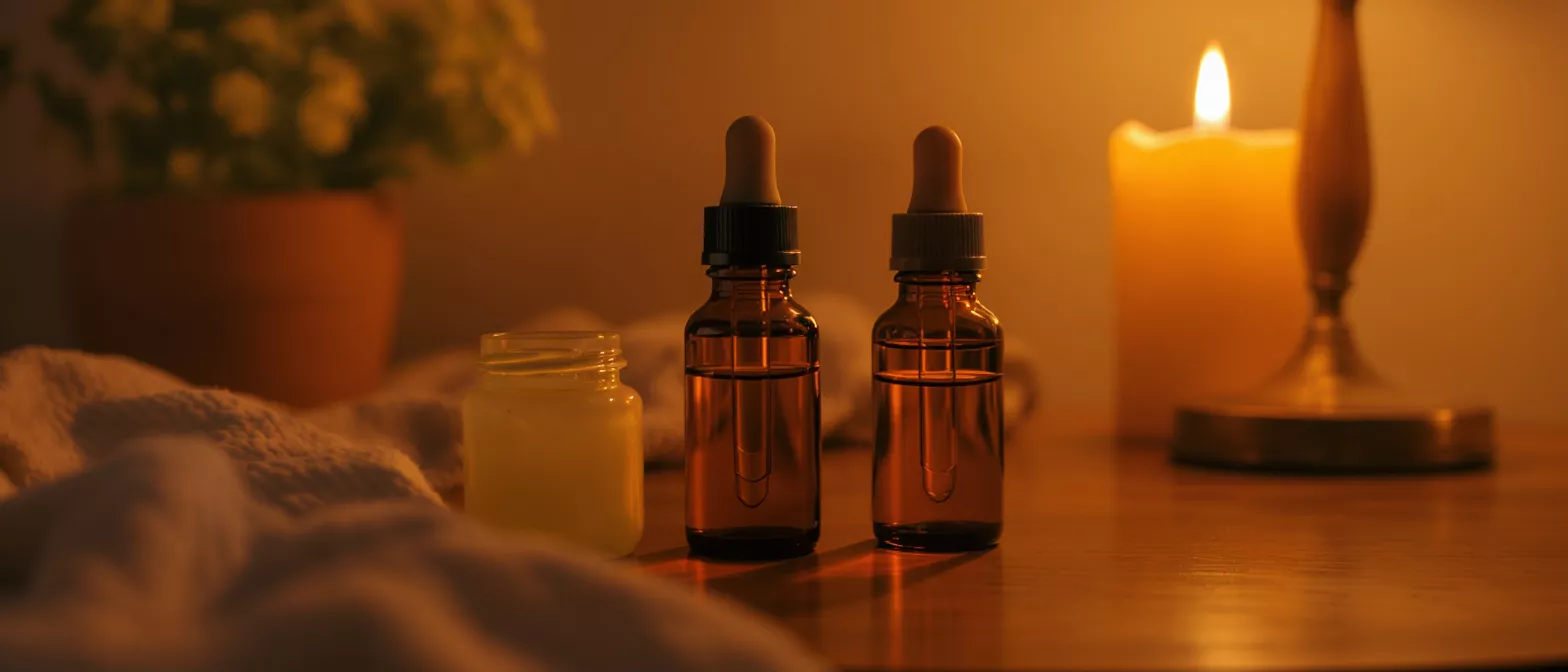
Beyond inhalation, edibles, tinctures, and topicals have surged in popularity. Edibles offer a smoke-free, long-lasting effect, though they take longer to kick in and demand patience with dosing. Tinctures provide discreet, measurable doses placed under the tongue, and topicals deliver localized relief without intoxication. This diversity means there is a comfortable entry point for nearly everyone, whether they seek tradition or convenience.
Is Weed Legal? A Shifting Landscape
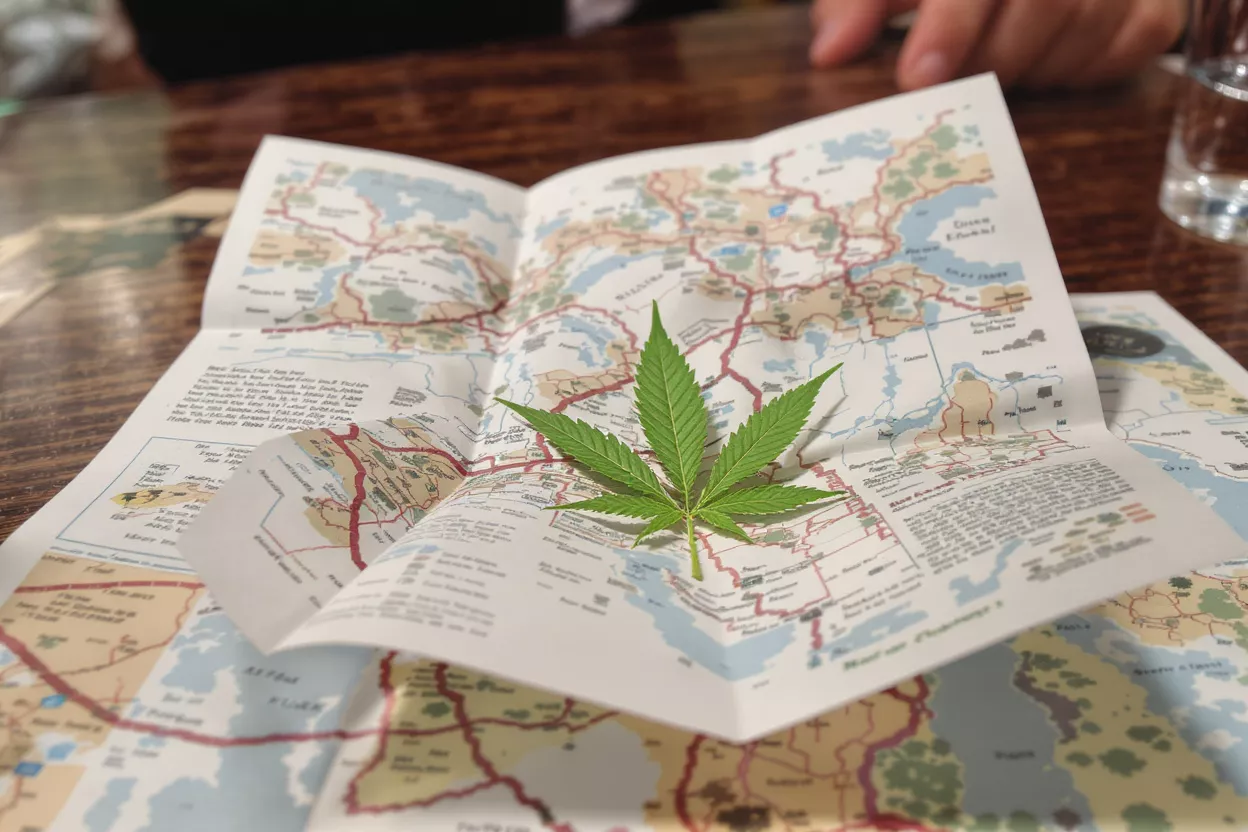
The legal status of weed has transformed dramatically over the past two decades. What was once prohibited almost everywhere is now legal for adult or medical use across a growing list of countries, states, and provinces. Canada fully legalized recreational cannabis nationwide in 2018, and numerous U.S. states have followed with their own frameworks.
Laws still vary widely by region. Possession limits, purchase ages, home cultivation rules, and public consumption regulations differ from one jurisdiction to the next. Travelers should never assume that legality in one place extends across borders, since crossing into a region with stricter laws can carry serious consequences.
This evolving patchwork reflects shifting public attitudes and mounting research interest. As more governments revisit prohibition, regulated markets have introduced quality testing, labeling standards, and consumer protections that simply did not exist in the unregulated era. Checking your local regulations before buying or consuming remains essential.
How to Choose Quality Weed
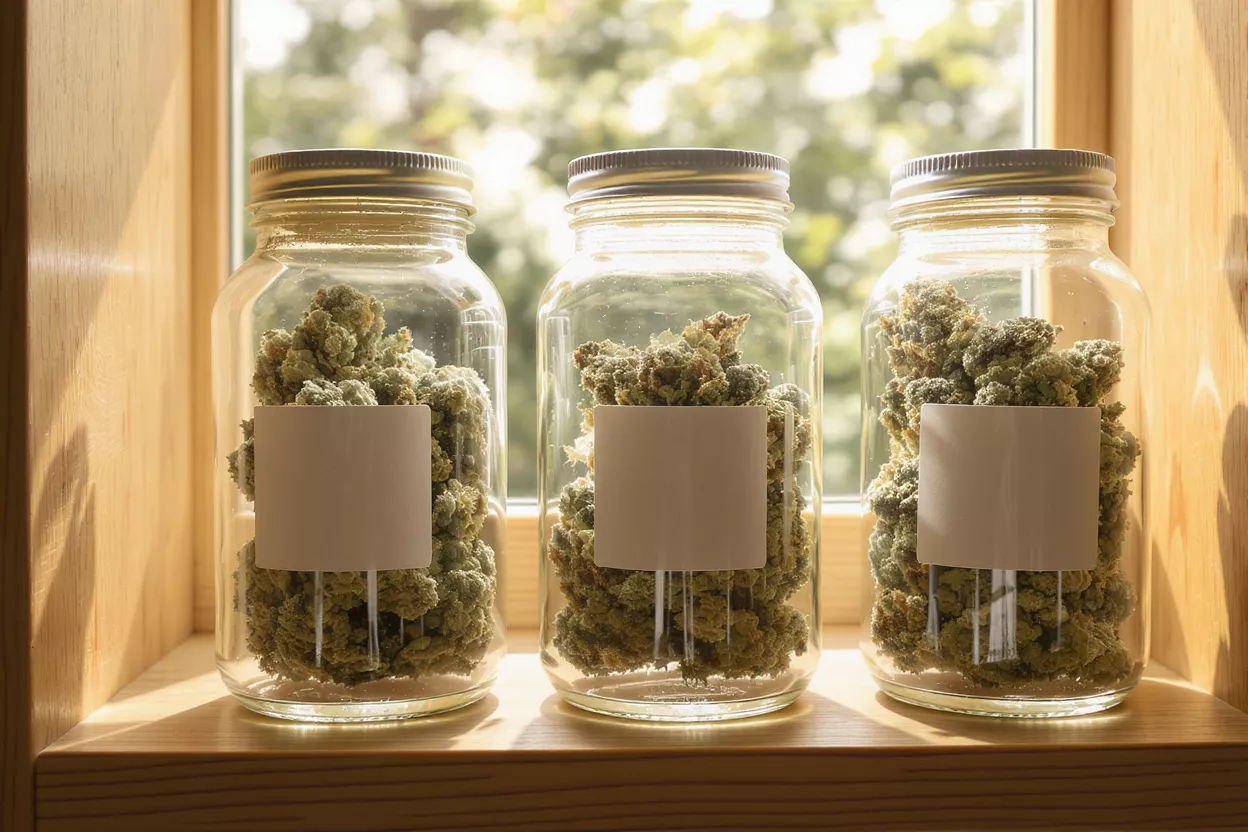
Recognizing quality weed becomes easier once you know what to look for. Premium flower is typically dense, well-trimmed, and generously coated in trichomes that give buds a frosty, crystalline sheen. The aroma should be vivid and fresh, never musty, hay-like, or chemical.
Appearance and aroma tell the story. Healthy weed displays vibrant greens accented by orange or purple hues, depending on the strain. A pungent, layered smell usually signals a rich terpene profile, while a flat or grassy odor can indicate improper curing or aging. Sticky-but-not-wet texture suggests a proper moisture balance.
When shopping at a regulated retailer, lab testing data adds another layer of confidence. Consider these markers when evaluating a selection:
- ❄️ Trichome coverage: A frosty, resinous coating signals potency and freshness.
- 👃 Aroma: A strong, pleasant scent reflects healthy terpene content.
- 🌈 Color: Vivid greens and accent colors indicate well-grown, properly cured flower.
- 🧪 Lab results: Verified cannabinoid percentages and contaminant screening offer peace of mind.
Weed in Modern Culture and Everyday Vernacular
Few slang terms have traveled as far culturally as weed. Once whispered in coded conversation, the word now appears in music, film, wellness branding, and mainstream advertising. Its softened, friendly tone has made it the default vocabulary for a generation that increasingly views cannabis as ordinary rather than illicit.
Language reflects normalization. The casual embrace of "weed" parallels the plant's journey from prohibition to regulated retail. Brands lean on the word precisely because it feels relaxed and unpretentious, while consumers appreciate that it carries none of the clinical distance of "cannabis" or the political baggage of "marijuana."
As legalization continues to expand and stigma fades, weed has cemented itself as both a product and a cultural touchstone. Understanding the term, its origins, its chemistry, and its place in modern vernacular gives anyone a richer appreciation of a plant that has accompanied human culture for millennia. Whether you are a curious newcomer or a seasoned enthusiast, the story behind the word makes every conversation about it a little more informed.


Comments