


Xanthophyll
Discover how xanthophyll shapes cannabis leaf colour, supports photosynthesis, and affects dried flower quality.
What Is Xanthophyll in Cannabis?
Xanthophyll is a class of yellow pigment that belongs to the broader family of carotenoids, the same group of fat-soluble compounds responsible for the warm colors seen across the plant kingdom. In cannabis, xanthophylls work quietly alongside the more famous green chlorophyll to support light capture and protect plant tissue. While they rarely get the attention given to cannabinoids or terpenes, these pigments play a meaningful role in how a plant grows, ages, and ultimately how its dried flower looks in your hand.
The name itself comes from the Greek words for "yellow" and "leaf," which captures the compound's defining trait. Xanthophylls are oxygenated carotenoids, meaning their molecular structure includes oxygen atoms that set them apart from the pure hydrocarbon carotenes. This small chemical distinction influences how the pigments absorb light, how they interact with water and fats, and how stable they remain as a cannabis plant matures and is eventually harvested.
For growers and curious consumers alike, understanding xanthophyll offers a window into plant physiology. The yellows and golds that appear in fan leaves near the end of a flowering cycle are not signs of decline alone. They reveal a shift in pigment balance as chlorophyll breaks down and the underlying xanthophylls become visible, much like the seasonal color change seen in autumn foliage.
How Xanthophyll Works in the Cannabis Plant
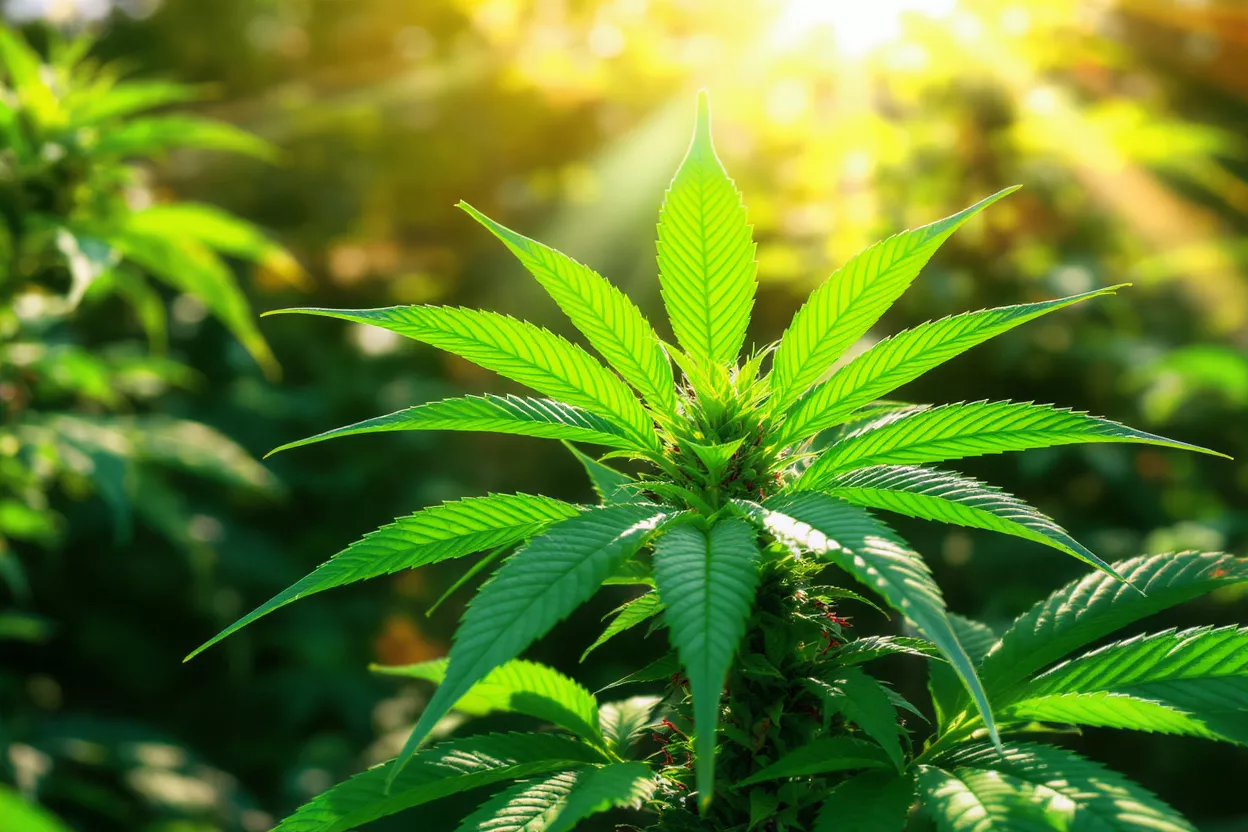
Inside the leaf, xanthophyll molecules live within structures called chloroplasts, embedded in the same light-harvesting complexes that house chlorophyll. Their primary job is to act as accessory pigments. They absorb wavelengths of light that chlorophyll handles poorly, mostly in the blue and violet range, and then pass that captured energy along to drive photosynthesis. This broadens the spectrum of usable light and helps the plant make the most of the energy reaching its canopy.
Light protection and the xanthophyll cycle: Beyond simply gathering light, xanthophylls protect the plant from too much of it. When a cannabis plant receives more light than it can safely process, excess energy can damage delicate cellular machinery. A group of these pigments operates in what scientists call the xanthophyll cycle, rapidly converting between forms to dissipate surplus energy as harmless heat. This safety valve becomes especially important under intense grow lights or strong summer sun.
The pigments also serve as antioxidants within plant tissue, neutralizing reactive molecules generated during periods of stress. This dual role of harvesting light while guarding against its harmful side effects makes xanthophyll a small but genuinely important contributor to plant health throughout the entire growth cycle.
Xanthophyll vs Carotene: Key Differences
Carotenoids divide neatly into two camps, and knowing the split clarifies why cannabis displays the colors it does. Carotenes are pure hydrocarbons made only of carbon and hydrogen, producing the orange tones famously associated with carrots. Xanthophylls add oxygen to that backbone, which shifts their color toward yellow and gold and changes how they behave chemically.
Why the oxygen matters: The oxygen atoms in xanthophylls make them more polar than carotenes. This affects how the pigments dissolve, where they position themselves within cell membranes, and how readily they participate in protective reactions. In practical terms, it means xanthophylls tend to sit closer to the watery surfaces of cellular structures, ideally placed to intercept light energy and quench harmful molecules before damage spreads.
Here is a quick comparison of the two carotenoid families found in cannabis and other plants:
- 🟡 Xanthophylls: Oxygen-containing carotenoids that produce yellow and gold hues; includes lutein, zeaxanthin, and violaxanthin.
- 🟠 Carotenes: Pure hydrocarbon carotenoids that produce orange tones; includes beta-carotene and lycopene.
- 🌿 Shared role: Both act as accessory pigments and antioxidants supporting photosynthesis and protecting plant tissue.
- 🍂 Visibility: Both become more apparent as chlorophyll fades during flowering and senescence.
Types of Xanthophyll Found in Plants
Several distinct xanthophyll molecules appear across cannabis and the wider plant world, each with its own subtle properties. The most studied are lutein and zeaxanthin, two closely related pigments that often work as a pair. Lutein tends to dominate in green leafy tissue, while zeaxanthin plays a central part in the protective xanthophyll cycle that manages excess light energy.
Lutein and zeaxanthin in cannabis: These two pigments are the workhorses of the xanthophyll family. In cannabis foliage they contribute to the underlying yellow tones masked by chlorophyll during peak growth. Both are also significant in human nutrition, which is one reason green vegetables and certain plant extracts are prized for eye health. Their presence in cannabis leaves connects the plant to a much larger story about how all green organisms manage sunlight.
Other members of this pigment family round out the picture and each contributes to the plant's light management toolkit:
- 🌼 Lutein: The most abundant xanthophyll in leaves, supporting light harvesting and tissue protection.
- ☀️ Zeaxanthin: A key player in the xanthophyll cycle that dissipates excess light energy as heat.
- 🍃 Violaxanthin: Converts to zeaxanthin under high light, forming part of the plant's rapid photoprotection response.
- 🌱 Neoxanthin: Assists in light harvesting and serves as a precursor for certain plant hormones.
How Xanthophyll Shapes Leaf Color
During active growth, the deep green of chlorophyll overwhelms the presence of every other pigment, so xanthophylls stay hidden from view. They are always there, woven into the same leaf tissue, simply outnumbered and masked by the sheer quantity of green pigment producing the canopy's color. This balance holds steady for as long as the plant maintains vigorous photosynthesis.
The autumn effect in cannabis: As a plant approaches the end of its life cycle, chlorophyll production slows and existing chlorophyll breaks down faster than it is replaced. With the dominant green pigment fading, the more stable xanthophylls finally show through, painting fan leaves in shades of yellow and gold. This is the same fundamental process that turns forest canopies brilliant in autumn, playing out on a smaller scale within a flowering cannabis plant.
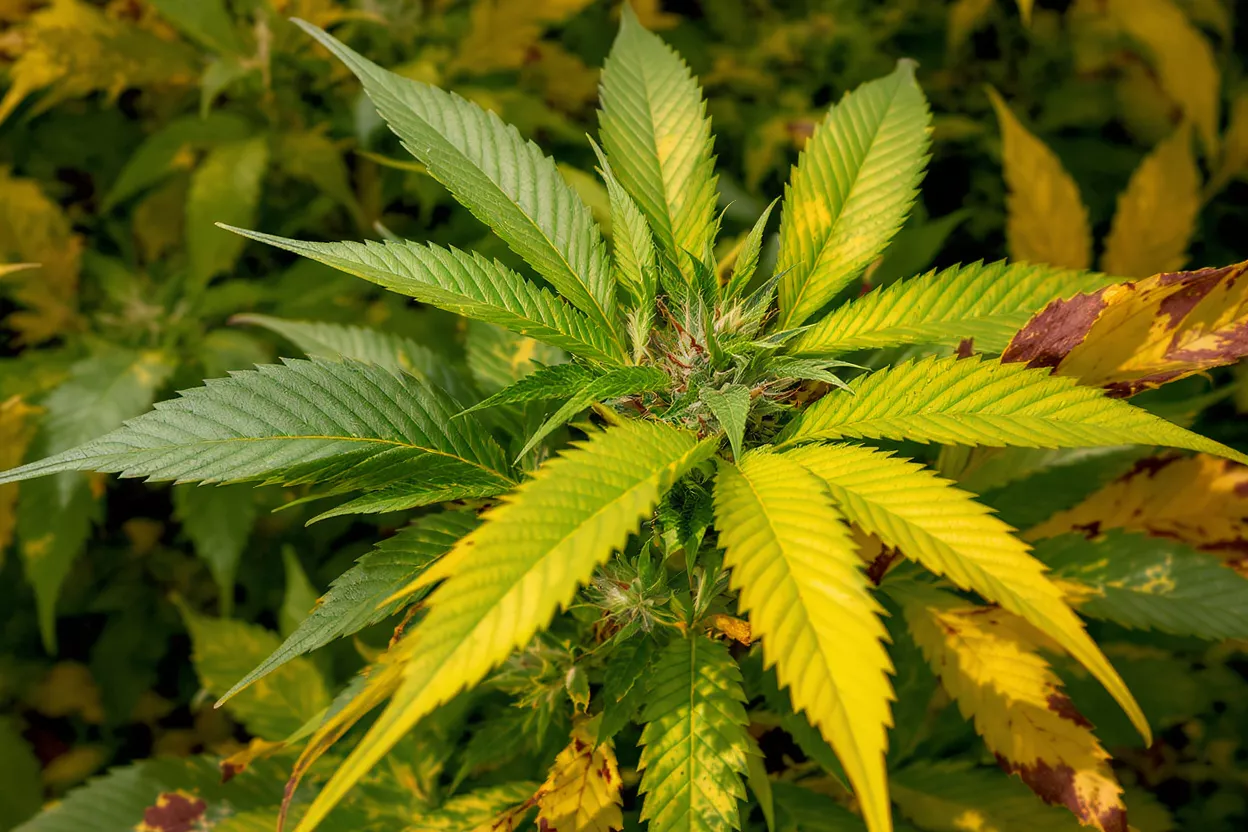
Growers sometimes read these color shifts as cues during the final weeks before harvest. Yellowing fan leaves can signal the natural senescence that accompanies ripening, though they can also point to nutrient changes. Understanding that xanthophyll is responsible for the warm tones helps separate normal end-of-cycle coloring from genuine distress, making the pigment a quiet but useful diagnostic clue.
Xanthophyll and the Photosynthesis Cycle
Photosynthesis is the engine that powers all plant growth, converting light, water, and carbon dioxide into the sugars a cannabis plant needs to build flowers, leaves, and roots. Xanthophylls support this engine in two complementary ways: by capturing additional light wavelengths and by protecting the photosynthetic machinery from being overwhelmed when light is abundant.
The light-gathering side of the job extends the range of energy a plant can use. Chlorophyll absorbs strongly in red and blue light but leaves gaps in the spectrum, and accessory pigments like xanthophyll help fill some of those gaps. The energy they collect funnels into the same reaction centers, contributing to the overall efficiency of the plant's growth, especially under variable lighting conditions.
Non-photochemical quenching explained: When light intensity spikes, plants need a way to bleed off energy they cannot immediately use. The xanthophyll cycle drives a process called non-photochemical quenching, in which violaxanthin converts to zeaxanthin and harmlessly releases excess energy as heat. This rapid, reversible switch protects the photosynthetic system from damage and lets the plant recover quickly once light levels drop, a feature that matters greatly in high-intensity indoor grows.
Xanthophyll Health Benefits for Humans
While xanthophylls serve the plant first, they carry real significance for human health as well. Lutein and zeaxanthin are the two carotenoids that concentrate in the macula of the human eye, where they help filter high-energy blue light and protect delicate retinal tissue. A diet rich in these pigments is associated with supporting long-term eye health, which is why nutritionists often recommend leafy greens and brightly colored vegetables.
Antioxidant activity in the body: The same antioxidant properties that protect plant tissue carry over when these compounds are consumed. Xanthophylls help neutralize free radicals, the reactive molecules linked to cellular stress and aging. This activity is one reason carotenoid-rich diets are studied for their potential role in supporting overall wellness, though the pigments are best understood as part of a balanced whole-food approach rather than a standalone remedy.
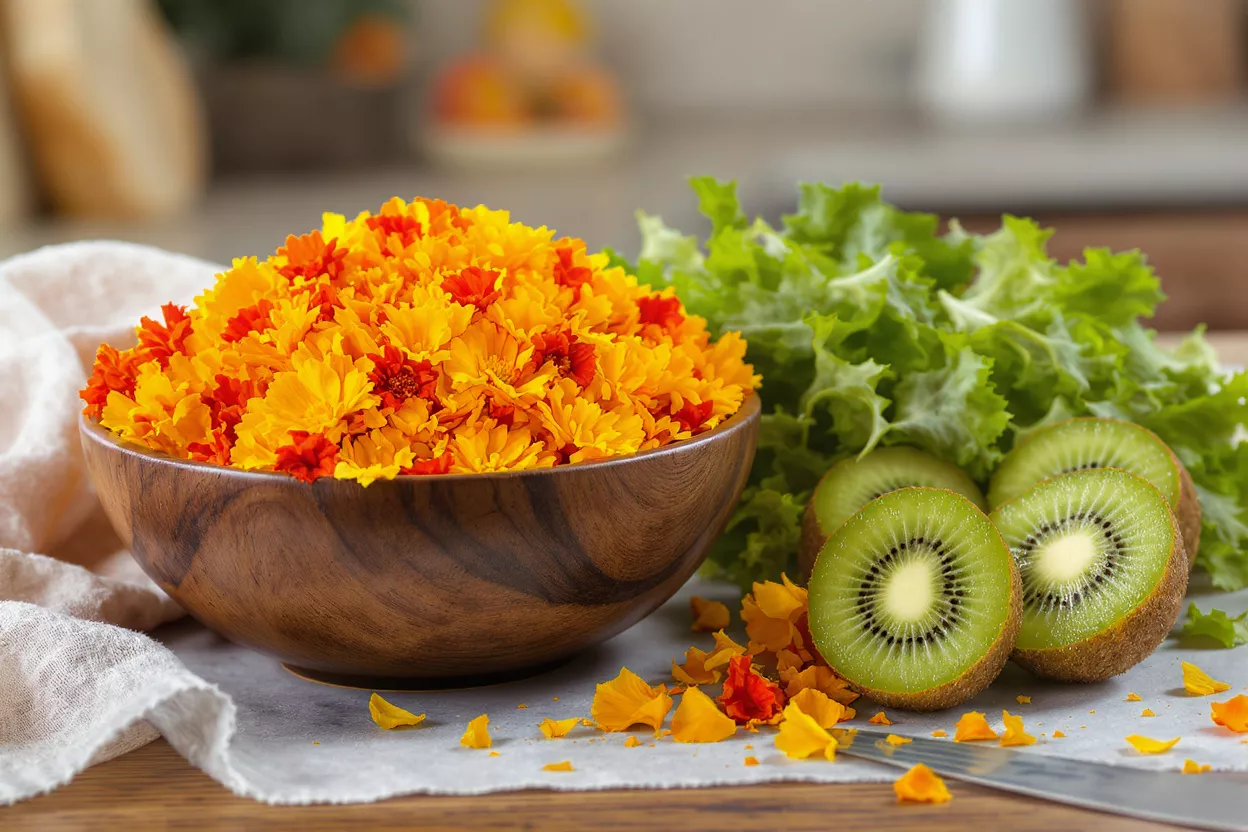
It is worth noting that cannabis is not consumed primarily as a source of dietary xanthophylls, and the quantities present in dried flower are modest compared with foods like kale or spinach. Still, the presence of these pigments underscores how cannabis shares its fundamental biochemistry with the broader plant kingdom, including the nutrient-rich greens that fill a healthy plate.
Why Xanthophyll Matters for Cannabis Quality
For cultivators and connoisseurs, pigment content offers subtle clues about a plant's history and handling. A flower that retains hints of yellow and gold among its trichomes and bracts often reflects a particular point in the ripening process, captured and preserved through careful drying and curing.
Reading color as a quality signal: Experienced growers learn to interpret the interplay between green chlorophyll and the warmer xanthophyll tones. A well-grown, properly cured flower tends to show rich, varied coloration rather than a flat, uniform green. These warm undertones can hint at a thoughtful harvest window and gentle post-harvest handling, both of which contribute to a more refined finished product.
That said, color is only one piece of a much larger quality picture. Aroma from terpenes, cannabinoid content, proper moisture, and overall structure all matter as much or more than pigment alone. Xanthophyll-driven color is best viewed as a supporting detail that, combined with other markers, helps tell the full story of how a flower was grown and treated.
What Happens to Xanthophyll During Drying and Curing
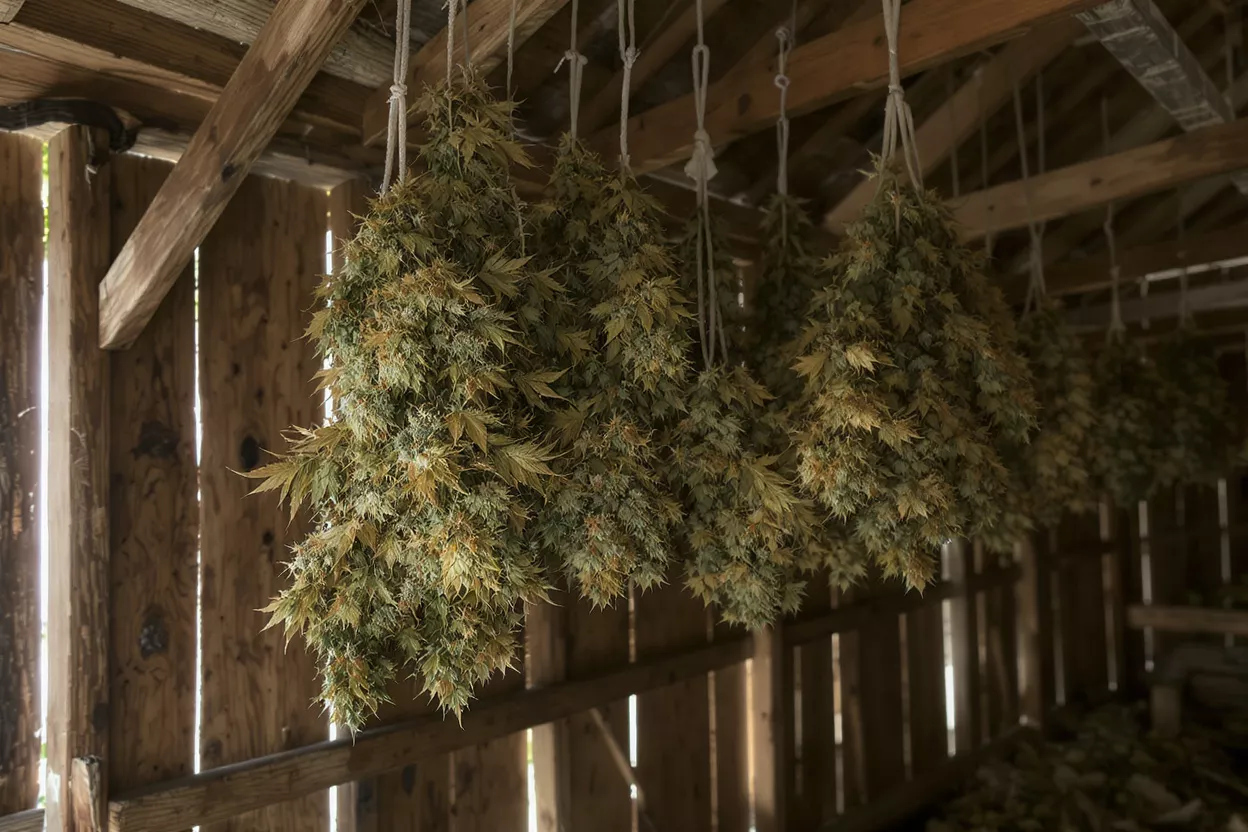
The drying and curing stages transform fresh cannabis into the stable, aromatic flower that reaches consumers, and pigments shift noticeably during this period. As the plant material loses moisture, remaining chlorophyll continues to break down, allowing the more durable xanthophylls to influence the final color. This is part of why a slow, controlled cure often yields flower with more nuanced, mellow tones than a hasty dry.
Why slow curing preserves color and quality: A gentle cure gives chlorophyll time to degrade evenly while protecting the more delicate aromatic and chemical compounds in the flower. The result is often a smoother smoke and a more pleasant color profile in which xanthophyll undertones can emerge naturally. Rushing the process can lock in excess chlorophyll, leaving harsh, grassy notes and a flatter green appearance.
Storage matters too. Light, heat, and oxygen all degrade pigments over time, so flower kept in cool, dark, airtight conditions retains its color longer. While some color change during extended storage is perfectly normal, understanding the role of xanthophyll helps consumers recognize the difference between graceful aging and poor handling, making them more informed about what they purchase and how they store it.
Xanthophyll FAQ: Common Questions Answered
Is xanthophyll the same as chlorophyll? No, the two are distinct pigments with different roles. Chlorophyll produces the dominant green color and drives the primary reactions of photosynthesis, while xanthophyll is a yellow accessory pigment that supports light harvesting and protects the plant from excess light energy. They coexist in the same leaf tissue, with chlorophyll usually masking the xanthophyll until it fades.
Does xanthophyll affect cannabis potency? Xanthophyll itself does not influence cannabinoid levels or the strength of a flower's effects. It is a structural pigment involved in plant physiology rather than a psychoactive or therapeutic compound in the way cannabinoids are. Its main relevance to consumers is visual and as a quiet indicator of a plant's growth stage and post-harvest handling.
Xanthophyll may never headline a strain description, yet it represents a fascinating thread connecting cannabis to the entire green world. From extending the light a plant can use to protecting tissue under intense sun, and from painting fan leaves gold at harvest to supporting human eye health when found in leafy greens, these humble yellow pigments do meaningful work. Understanding them deepens your appreciation for the quiet biochemistry behind every well-grown flower.


Comments