

Zaza
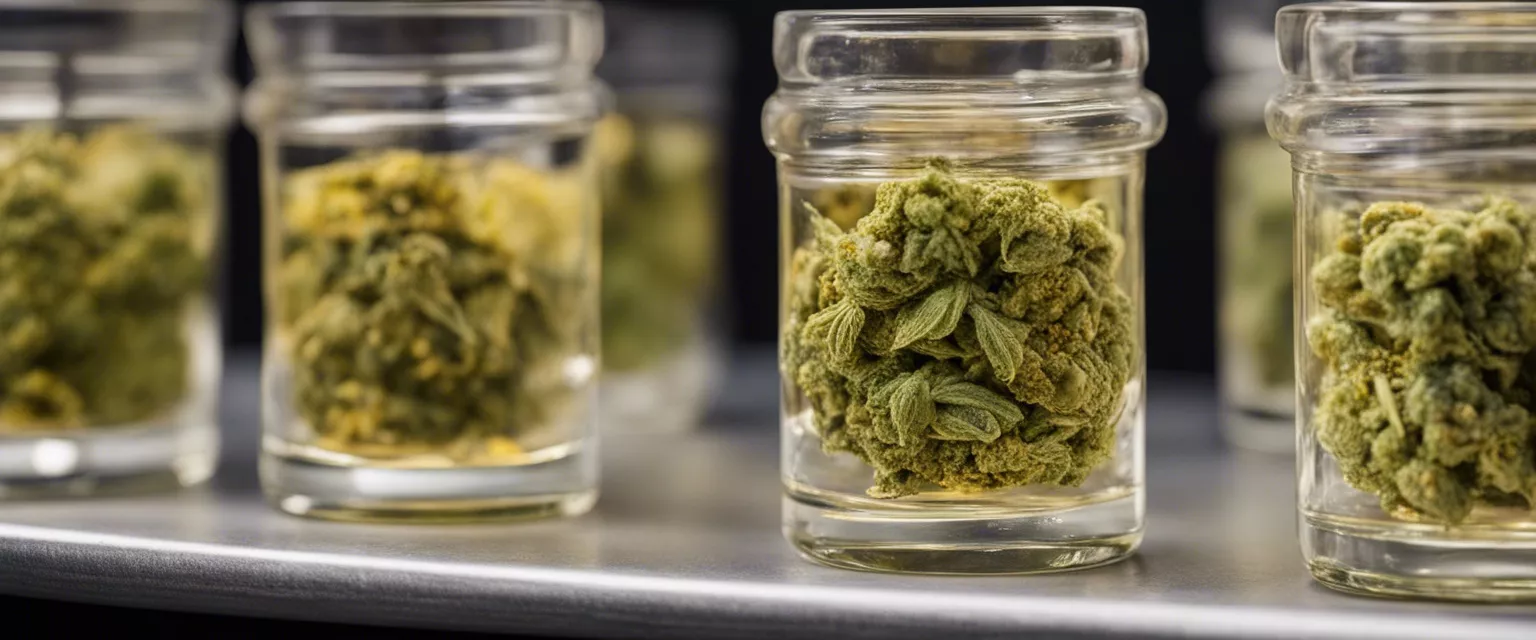
Zaza means elite, high-potency cannabis.
What Is Zaza? The Slang Term Explained
If you have spent any time around modern cannabis culture, social media, or hip-hop, you have almost certainly heard the word Zaza thrown around with a certain reverence. Zaza is slang that describes exceptionally high-potency, top-shelf cannabis — the kind of flower that connoisseurs hunt for and that commands premium prices. When someone says they are smoking Zaza, they are signaling that this is not your average mid-grade bud; it is the good stuff, the rare and exclusive end of the spectrum.
The short version: Zaza (often shortened to "za") is a quality descriptor, not a specific genetic lineage. It functions the same way words like "fire," "loud," or "gas" do in cannabis vernacular — a way of communicating that a particular batch is potent, aromatic, and visually stunning. The term carries an implication of exclusivity, suggesting something that is harder to find and worth paying more for.
Understanding Zaza matters because the word now shapes consumer expectations and even pricing across legal and unregulated markets alike. Budtenders hear customers ask for it by name, marketers slap it on packaging, and growers chase the aesthetic and aroma that earns flower the label. Below, we break down where the term came from, what actually makes cannabis "Zaza," and how to tell the genuine article from clever branding.
Where Did the Word Zaza Come From?
The origins of Zaza are murky, as is often the case with slang that bubbles up organically through music and street culture. Most linguistic trails point to hip-hop, where the term gained traction in lyrics and ad-libs during the late 2010s. Artists used it as a flex — a way to reference luxury-tier cannabis the same way they might name-drop designer brands or expensive liquor.
The rhyming appeal: Part of why Zaza spread so quickly is purely phonetic. It is short, punchy, and rhymes easily, which makes it a natural fit for bars and hooks. Words that are fun to say tend to stick, and "za-za" rolls off the tongue in a way that more clinical cannabis terminology never could. This sonic quality helped it migrate from niche lyrics into everyday conversation.
By the early 2020s, the word had escaped the recording booth entirely. It saturated TikTok, Instagram, and YouTube, where cannabis content creators used it to caption photos of frosty, trichome-coated nugs. The migration from underground slang to mainstream descriptor happened in just a few years — a testament to how fast cannabis language evolves in the social media era.
What Makes Cannabis Qualify as Zaza?
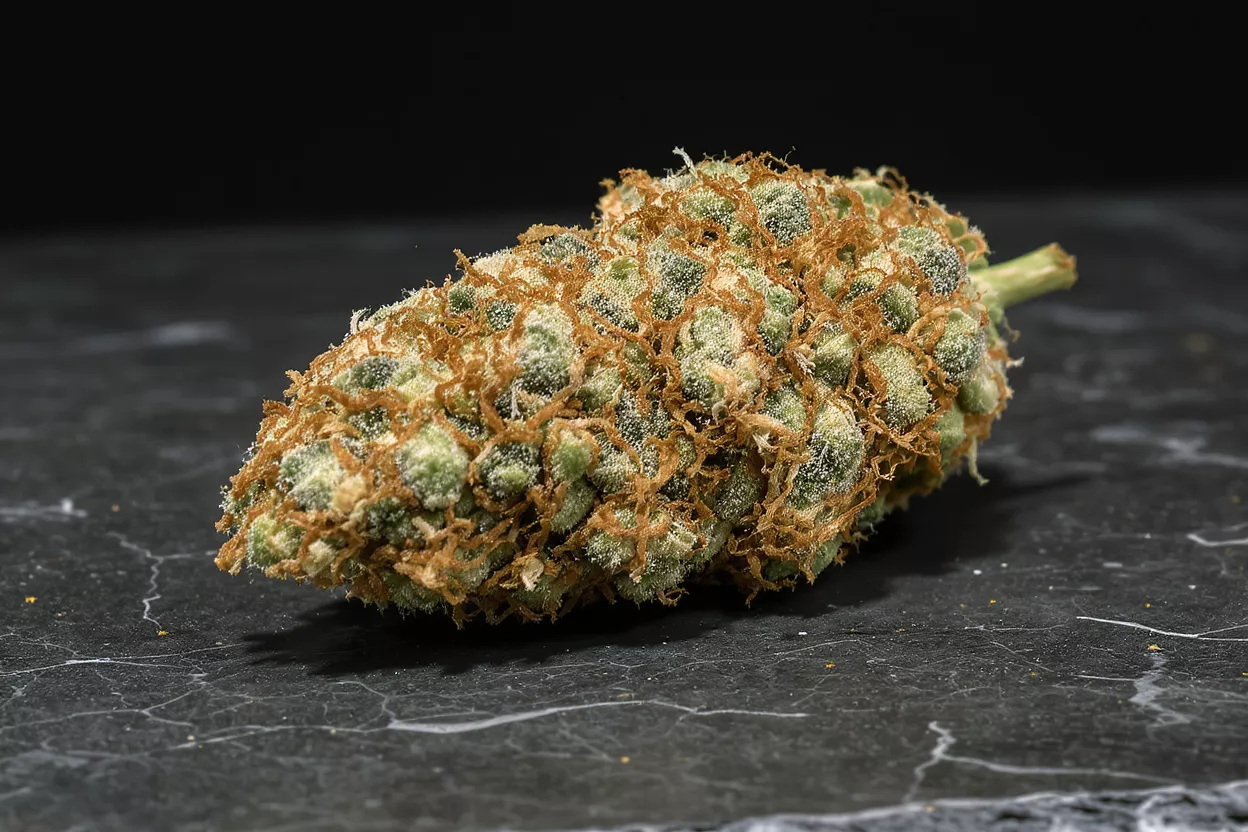
There is no certifying body that stamps flower as official Zaza, so the label comes down to a cluster of quality markers that experienced consumers recognize on sight and smell. When people call something Zaza, they are usually responding to a combination of potency, appearance, aroma, and overall growing quality that signals a premium product.
The most commonly cited characteristics that earn cannabis the Zaza designation include:
- 🔥 High potency: Elevated levels of THC, often in the upper percentiles, delivering intense and fast-onset effects.
- ❄️ Heavy trichome coverage: A thick, frosty layer of trichomes that makes the bud sparkle.
- Loud aroma: A pungent, complex terpene profile you can smell through the bag.
- Dense, well-cured structure: Tight, properly dried and cured buds with a sticky feel.
- Eye-catching color: Deep greens accented with purples, oranges, and crystalline frost.
Quality over quantity: What ties all these traits together is craft. Zaza-grade flower typically reflects careful cultivation — proper nutrient management, attentive harvest timing, and a slow cure that preserves terpenes. The label is a shorthand for "someone took the time to grow this right," which is why it resonates with consumers who have moved beyond chasing THC numbers alone.
Is Zaza a Real Strain or Just Slang?
This is one of the most common points of confusion, and the honest answer is: a little of both. Primarily, Zaza is a quality descriptor rather than a fixed genetic lineage. You cannot point to a single seed bank and find the one true "Zaza" cultivar the way you can with established names like OG Kush or Girl Scout Cookies.
The branding wrinkle: That said, the word's popularity has inspired growers and dispensaries to release actual products named Zaza or variations on it. Some breeders have used the term to label specific crosses, capitalizing on the buzz the slang generated. So while the underlying meaning is "premium weed," you may genuinely encounter packaged flower or vape products carrying Zaza as a brand or strain name.
This creates a useful distinction worth keeping in mind. When a friend says they have some Zaza, they probably mean high-grade flower in the general sense. When you see Zaza printed on a label at a shop, it may be a marketing decision rather than a guarantee of the elite quality the slang implies. Treating the word as a description to verify rather than a promise to trust will serve you well.
Zaza vs Regular Weed: What's the Difference?
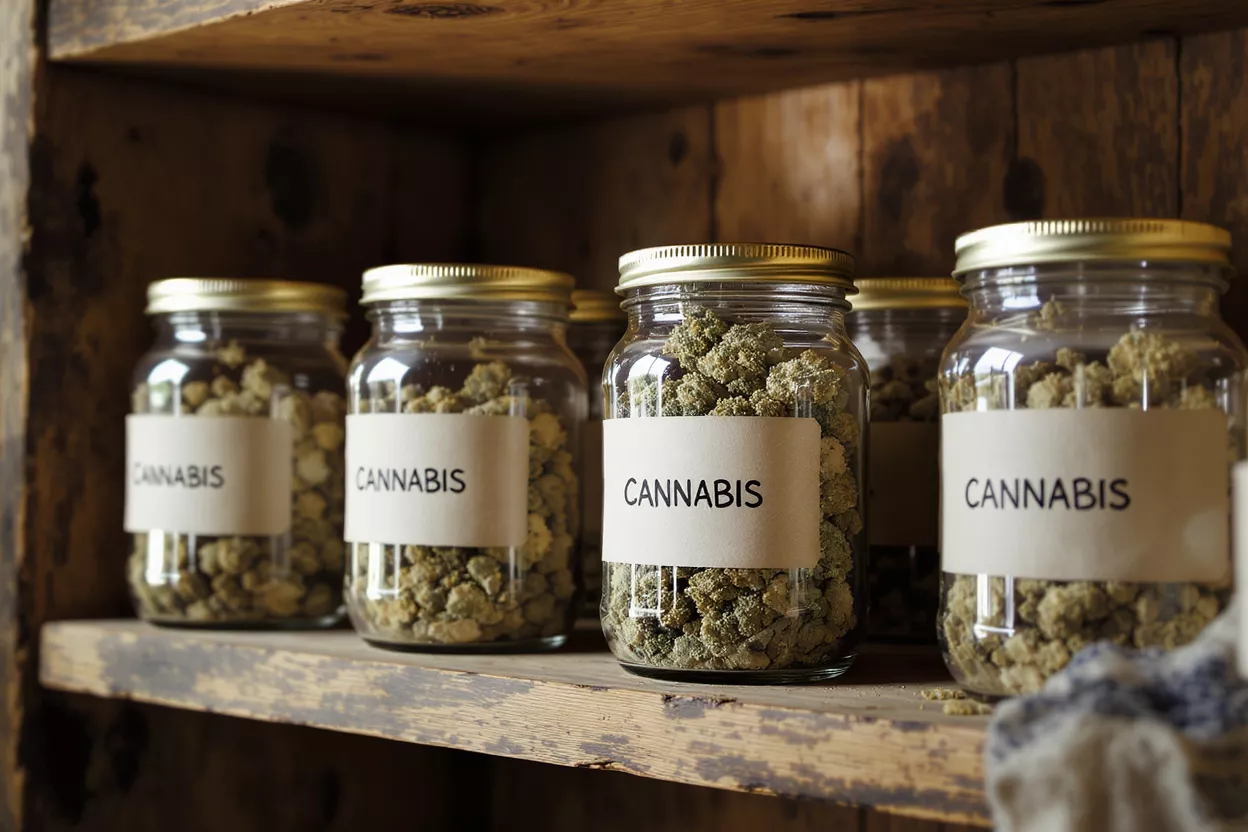
To appreciate what Zaza represents, it helps to place it on the broader spectrum of cannabis quality. Markets generally recognize tiers — from low-grade "regs" or "schwag" through mid-tier flower and up to top-shelf or exotic product. Zaza sits firmly at the upper end of that ladder, alongside or above what shops often label as "exotic" or "private reserve."
Here is a simplified breakdown of how the tiers typically compare:
- Low-grade: Brown, seedy, dry, with weak aroma and minimal potency.
- Mid-grade: Decent green color, moderate potency, acceptable but unremarkable smell.
- Top-shelf: Vibrant color, strong terpene profile, solid trichome coverage, reliable potency.
- ✨ Zaza / exotic: Striking visuals, intense aroma, peak potency, and that hard-to-find rarity factor.
The experience gap: Beyond the visual and chemical differences, the consumption experience tends to set Zaza apart. The fuller terpene profile contributes to a richer flavor on the inhale and a more nuanced effect through the entourage effect, where cannabinoids and terpenes work together. Regular weed gets the job done; Zaza is meant to be savored.
It is worth noting that "regular weed" is not bad weed — plenty of mid-tier flower is perfectly enjoyable and far more budget-friendly. The Zaza distinction is about reaching for the rare and exceptional, not dismissing everything below it.
How to Spot Real Zaza Flower
Because the term is unregulated, knowing how to evaluate flower yourself is the best defense against overpaying for ordinary bud dressed up with a hype label. The good news is that genuine Zaza-quality cannabis reveals itself through your senses if you know what to look for.
Use your eyes first: Real top-tier flower should be visually arresting. Look for dense buds blanketed in trichomes that catch the light, vivid coloration that may include purple or deep green hues, and bright orange pistils. Avoid anything that looks dull, brown, or excessively dry and crumbly.
Then trust your nose: Aroma is one of the most reliable indicators of quality. Genuine Zaza should hit you with a loud, complex scent the moment the container opens — fuel, citrus, candy, gas, or floral notes depending on the cultivar. A faint or hay-like smell is a red flag that the terpenes have degraded or were never strong to begin with.
Finally, pay attention to texture and the cure. Quality flower feels slightly sticky and springs back when gently squeezed, signs of a proper cure. If buds disintegrate into dust or feel damp and spongy, the handling was poor regardless of what the label claims.
Zaza in Music and Pop Culture
You cannot fully understand Zaza without acknowledging the cultural engine that powered it. Hip-hop has long shaped cannabis vocabulary, from "chronic" in the 1990s to "loud" in the 2010s, and Zaza is the latest entry in that lineage. The term appears in countless songs, ad-libs, and lyrics where it functions as shorthand for living large and indulging in the finest.
The status symbol angle: In this cultural framing, Zaza is less about the plant itself and more about what it represents — taste, success, and access to the exclusive. Referencing it signals that you are not settling for the ordinary. This is the same psychology that drives luxury branding everywhere, applied to cannabis flower.
Social media amplified everything. The visual platforms in particular gave Zaza a perfect home, because frosty, colorful flower is genuinely photogenic. Macro shots of trichome-laden nugs rack up engagement, and the word became a convenient, catchy caption. The result is a feedback loop where the slang fuels the imagery and the imagery reinforces the slang.
Are Zaza Effects Actually Stronger?
A reasonable question is whether the hype reflects reality — does flower labeled Zaza actually hit harder? When the label is honest, the answer is generally yes, and there are real reasons behind it that go beyond marketing.
It's not just THC: While Zaza-grade flower usually carries higher THC, potency alone does not tell the whole story. The richer terpene and minor cannabinoid content contributes to a fuller, more rounded experience. Compounds like CBG and a diverse terpene spectrum shape how the high feels, not just how strong it is.
Proper cultivation and curing also preserve the chemical complexity that delivers a cleaner, more pleasant effect. Flower that is harvested at the right time and cured slowly retains more of its volatile compounds, which translates to smoother smoke and a more complete experience. This craft dimension is a genuine reason well-made Zaza outperforms rushed, mass-produced bud.
That said, set realistic expectations and start low. If you are accustomed to mid-grade flower, genuine top-shelf product can be noticeably more intense, so easing into it is the smart move — especially for those with lower tolerance.

How to Shop for Zaza-Quality Cannabis
Armed with an understanding of what the term really means, you can shop more intelligently and avoid paying premium prices for hype alone. The goal is to verify quality rather than trusting a label at face value.
Read the lab results: In regulated markets, a certificate of analysis tells you far more than any slang term. Check the cannabinoid percentages, but also look for a terpene breakdown if available — a robust terpene profile is a strong signal of the kind of quality Zaza implies. Lab data turns marketing into measurable fact.
When evaluating options at a dispensary or with a trusted source, keep these practical tips in mind:
- 🔬 Ask for terpene data: High total terpenes often matter more for experience than a couple extra THC points.
- 👀 Inspect before you buy: Request to see and smell the flower whenever the setting allows.
- Buy from reputable sources: Established shops and brands stake their reputation on consistency.
- Be skeptical of hype pricing: A Zaza label alone does not justify a steep markup without the quality to back it.
- Note the harvest and packaging dates: Fresher flower retains more aroma and potency.
Ultimately, the smartest consumers let the product prove itself. Whether or not the word Zaza appears on the jar, the buds either deliver the visual sparkle, the loud aroma, and the elevated effect — or they do not. Trust your senses and the lab sheet over any trending term.
Zaza FAQ: Quick Answers
To wrap things up, here are concise answers to the questions people most often ask about Zaza and what it signifies in the cannabis world.
Does Zaza mean a specific strain? Not usually. It is primarily slang for premium, high-potency cannabis rather than a fixed genetic lineage, though some brands have adopted the name for specific products. Treat it as a quality claim to verify, not a guaranteed cultivar.
Why is Zaza more expensive? Genuine Zaza-grade flower reflects careful cultivation, attentive harvesting, and a slow cure that preserves terpenes and potency. That craft and the rarity factor justify a premium — when the quality is actually there.
In the end, Zaza is best understood as cannabis culture's current word for the very best flower available. It captures potency, aroma, visual appeal, and exclusivity in a single catchy syllable repeated twice. The term will likely evolve or be replaced as slang always is, but the underlying pursuit — finding genuinely exceptional cannabis — is timeless. Learn to recognize real quality through your eyes, nose, and the lab sheet, and you will never need a trending label to tell you when you have found the good stuff.

Comments