
CBD Sleep: Using Cannabidiol for Better Rest
Discover how CBD sleep can transform your nights.
What Is CBD Sleep and How Does It Work
CBD sleep refers to the practice of using cannabidiol, a non-intoxicating compound from the cannabis plant, to support deeper and more consistent rest. Unlike THC, CBD does not produce a high, which is precisely why so many people exploring CBD sleep solutions reach for it before bed. The goal is not sedation in the heavy, knockout sense but rather a calmer baseline that makes falling and staying asleep feel less like a nightly struggle.
To understand why CBD sleep has become such a popular wellness topic, it helps to look at what cannabidiol is actually doing once it enters the body. CBD is a cannabinoid, one of more than a hundred naturally occurring compounds in cannabis. It interacts with a regulatory network called the endocannabinoid system, which influences mood, stress response, pain perception, and yes, sleep-wake patterns. When that system is balanced, the body finds it easier to wind down.
Why CBD became the go-to for rest: The surge of interest in CBD sleep aids tracks closely with broader frustration over prescription sedatives and their side effects. Many users want something gentler that addresses the racing-mind problem at its root. CBD appeals because it targets the anxiety and tension that so often keep people staring at the ceiling, rather than simply forcing the brain offline. As coverage in outlets like Forbes has noted, the wellness market has responded with an expanding menu of sleep-focused cannabidiol products.
How CBD Affects Sleep Cycles and the Body
Sleep is not a single uniform state. It cycles through light sleep, deep slow-wave sleep, and REM sleep multiple times each night. CBD appears to influence this architecture indirectly, primarily by reducing the physiological and mental noise that fragments these cycles. When cortisol is high and the nervous system stays in a state of low-grade alertness, the body struggles to descend into restorative deep sleep.
The endocannabinoid connection: Cannabidiol modulates receptors tied to the body's stress and arousal signaling. By easing the hyperactivation that keeps many people wired at night, CBD can help shorten the time it takes to drift off. This is why a measured dose of a quality full-spectrum CBD sleep tincture often produces a sense of settling rather than abrupt drowsiness.
It is worth noting that CBD's relationship with sleep can be dose-dependent and somewhat individual. Lower doses may feel mildly alerting for some people, while higher doses tend toward relaxation. This is part of why finding your personal sweet spot matters more than copying someone else's routine. The endocannabinoid system varies from person to person, and so does the optimal approach to using cannabidiol-infused oil for rest.

CBD Sleep Benefits People Actually Notice
When people describe what CBD does for their sleep, the feedback tends to cluster around a few recurring themes. The most common is a reduction in the time spent lying awake before sleep finally arrives. Rather than knocking you out, CBD seems to quiet the mental chatter that delays the natural onset of rest.
Beyond simply falling asleep faster, many users report fewer middle-of-the-night awakenings and an easier return to sleep when they do wake. The benefits extend into the following morning as well, with people frequently noting they feel less groggy than they would after taking traditional sleep medications or even melatonin.
- 😴 Faster sleep onset: Less time spent with a racing mind before drifting off.
- 🌙 Fewer night wakings: A steadier sleep state with smoother transitions between cycles.
- ☀️ Reduced morning grogginess: Waking clearer compared to heavier sedatives.
- 🧘 Lower bedtime anxiety: Easing the tension that fuels insomnia in the first place.
It is important to frame these as commonly reported experiences rather than guaranteed outcomes. CBD is not a sedative in the pharmaceutical sense, and research is still maturing. That said, the consistency of anecdotal reports, combined with growing clinical interest, makes a strong case for CBD sleep support being worth a careful trial.
Best CBD for Sleep: Forms and Formats Compared
The format you choose shapes how quickly CBD acts and how long it lasts. Sublingual tinctures, taken under the tongue, absorb relatively fast and let you fine-tune your dose drop by drop. This makes them a favorite for sleep, since you can take them roughly thirty to sixty minutes before bed and feel the effects settle in as you wind down.
Edibles and capsules for sustained release: A cannabis baked good, a soft cannabis jelly, or a measured CBD capsule passes through digestion, which delays onset but extends duration. This slow-release quality suits people whose main complaint is waking at 3 a.m., since the cannabinoid stays active deeper into the night. Many find a CBD nighttime gummy the most approachable entry point.
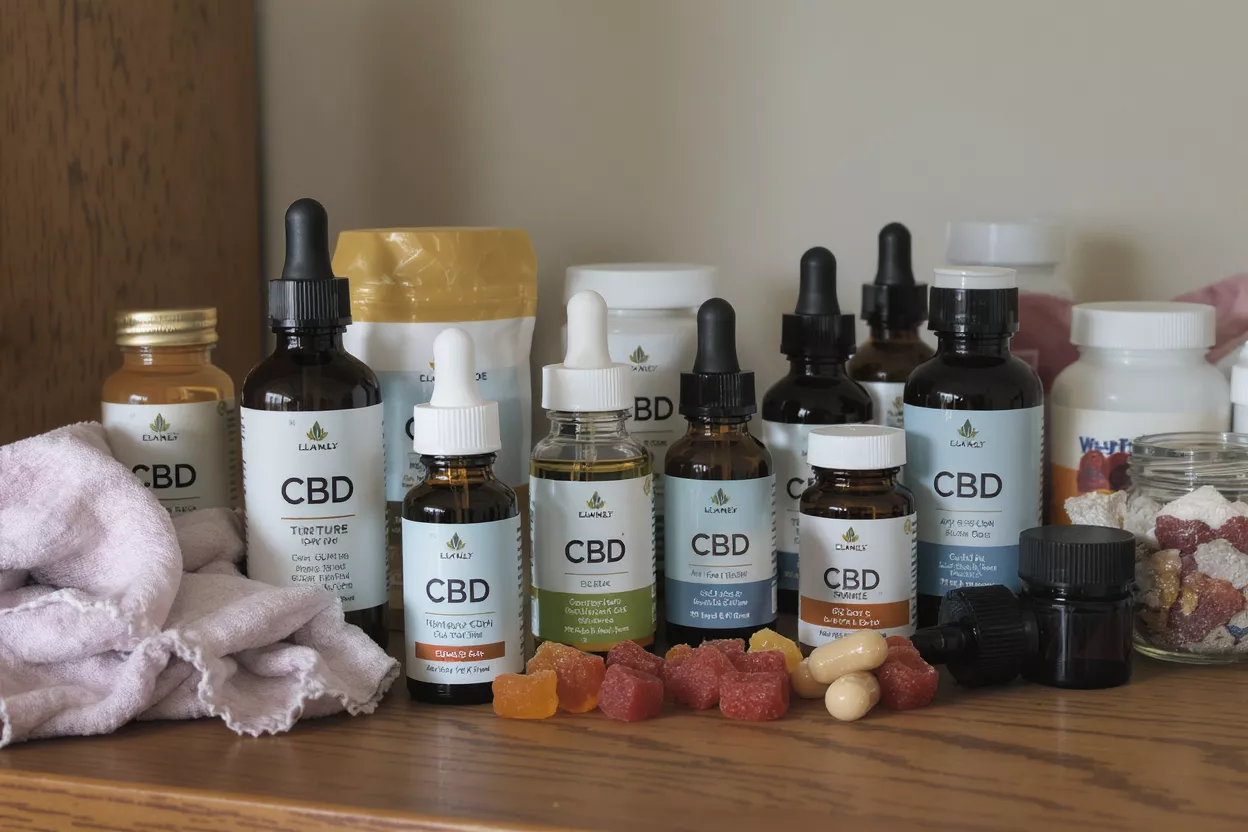
Vaping offers the fastest onset of all, with a cannabis disposable vape delivering effects within minutes, though the duration is shorter and inhalation is not for everyone. For sleep specifically, slower formats usually win because the goal is overnight coverage rather than a quick hit. Below is a quick comparison to help you match format to need.
- 💧 Tinctures: Fast onset, easy dosing, ideal for falling asleep.
- 🍬 Edibles & gummies: Slow, long-lasting, best for staying asleep.
- 💊 Capsules: Precise, convenient, consistent overnight release.
- 💨 Vapes: Near-instant relief but shortest duration.
CBD Sleep Dosing Guide for Beginners
Dosing CBD for sleep is more art than exact science, but a sensible framework removes most of the guesswork. The guiding principle is to start low and go slow. Beginning with a modest dose lets you observe how your body responds before scaling up, which protects against the mildly alerting effect that some people experience at very low amounts.
A common starting range falls between 15 and 25 milligrams taken about an hour before bed. If that produces little effect after several consistent nights, increasing in small increments of 5 to 10 milligrams is a reasonable next step. Consistency matters as much as quantity, because the endocannabinoid system tends to respond better to steady use than to sporadic large doses.
Factors that shift your ideal dose: Body weight, metabolism, the severity of your sleep issues, and the specific product all influence what works. A full-spectrum oil containing trace terpenes like borneol or carene may feel different from a CBD isolate, thanks to the way these plant compounds interact. Always read the label, measure carefully, and give any new dose at least a week before judging it.
Can CBD Help With Insomnia and Restlessness
Insomnia is rarely just about being unable to sleep; it is usually downstream of something else, whether that is anxiety, chronic pain, or a dysregulated stress response. CBD's potential value for insomnia lies in addressing those upstream drivers rather than forcing unconsciousness. By calming an overactive nervous system, it can interrupt the cycle where worry about not sleeping becomes the very thing that prevents sleep.
CBD for racing thoughts at night: The classic insomnia experience of lying in bed with a mind that will not switch off is precisely where cannabidiol tends to shine. Users often describe a softening of mental urgency, a sense that the day's concerns can wait until morning. This is distinct from the heavy fog of a sleeping pill and is one reason people are willing to trade pharmaceutical potency for a gentler, more natural feel.
For those whose restlessness stems from physical discomfort, CBD's interaction with pain perception adds another angle. A bedtime routine that includes a warm bath with a cannabis bath bomb followed by a measured dose of oil can address both the body and the mind simultaneously. Still, persistent insomnia warrants a conversation with a healthcare provider, since underlying conditions sometimes require targeted treatment.
CBD vs Melatonin for Sleep: What to Know
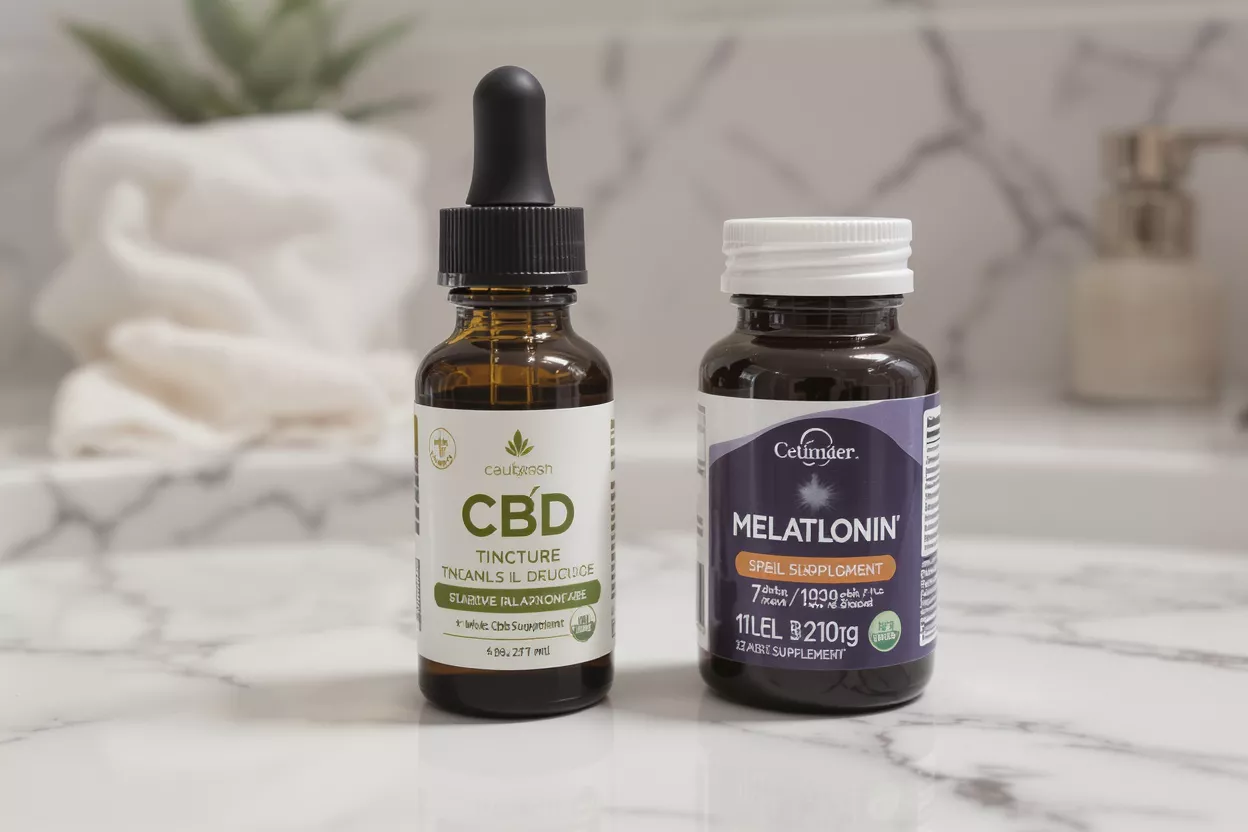
Melatonin and CBD are often mentioned in the same breath, but they work through entirely different mechanisms. Melatonin is a hormone your body produces naturally to signal that it is time to sleep; supplementing it essentially nudges your internal clock. CBD, by contrast, does not directly tell your brain to sleep. It works upstream by reducing the anxiety and tension that block sleep from arriving.
This distinction matters when choosing between them. If your problem is a misaligned circadian rhythm, such as jet lag or shift work, melatonin may be the more direct tool. If your problem is a wired, anxious mind that cannot settle, CBD is often the better fit. Many products now combine the two, pairing a small dose of melatonin with cannabidiol for a layered approach.
- 🕒 Melatonin: Best for resetting timing and circadian disruption.
- 🧠 CBD: Best for calming anxiety and physical tension before bed.
- 🤝 Combined formulas: Layer both for timing plus relaxation support.
Neither option is a cure-all, and individual responses vary widely. Some people find melatonin leaves them groggy, while others feel nothing from CBD at low doses. Experimentation, ideally one variable at a time, is the only reliable way to learn what your body prefers.
Is CBD Safe to Use for Sleep Every Night
For most healthy adults, CBD has a favorable safety profile, and nightly use is generally considered low-risk. Unlike many traditional sleep aids, CBD does not appear to carry a high potential for dependence, and users do not typically report the rebound insomnia that can follow stopping prescription sedatives. This makes it appealing as a sustainable part of a long-term sleep routine.
Possible side effects to watch: While well-tolerated, CBD can cause mild side effects in some people, including dry mouth, lightheadedness, or digestive changes at higher doses. These are usually manageable by adjusting the amount. More importantly, CBD can interact with certain medications, particularly those metabolized by the same liver enzymes, so anyone on prescription drugs should consult a doctor first.
Quality also factors heavily into safety. The CBD market is loosely regulated, which means product purity varies. Choosing items that come with third-party lab testing protects you from contaminants and confirms the cannabinoid content matches the label. A trustworthy lab-tested CBD oil for sleep removes much of the guesswork and gives you confidence in what you are taking each night.
Building a CBD Sleep Routine That Works
CBD performs best as one component of a broader sleep-hygiene strategy rather than a standalone fix. Taking your dose at the same time each evening helps your body anticipate rest, and pairing it with consistent wind-down cues amplifies the effect. Think of CBD as a supporting actor that helps the rest of your routine succeed.
Pairing CBD with sleep hygiene: Dimming lights an hour before bed, cutting screen exposure, and keeping the bedroom cool all reinforce the signal that it is time to power down. A cup of cannabis milk or a warm non-caffeinated tea can become a comforting ritual that bookends the day. The cumulative effect of these small habits often outweighs any single intervention.
Tracking your results is the final piece. Keeping a simple log of dose, timing, and how you slept reveals patterns over a couple of weeks that memory alone would miss. This data-driven approach turns a vague sense of whether CBD is helping into a clear picture, letting you refine timing and amount until your nights become reliably restful.


Sleep CBD Capsules 25mg x 30pcs – BIRCH+FOG
A simpler path to a full night's sleep. Each 25mg capsule blends CBD with sleep-supporting compounds to help you drift off within the hour, quiet the mental noise, and ease into deeper, more restful cycles. Thirty per bottle make a dependable bedtime ritual — one capsule, lights out, and a morning that feels genuinely rested rather than residual.
- Rapid Sleep Initiation : Scientifically-blended compounds facilitate sleep onset within 30-60 minutes of consumption
- Enhanced Sleep Architecture : Optimizes time allocation in critical REM and deep sleep recovery phases
- Cognitive Quieting : CBD compounds effectively reduce anxious mental activity that disrupts rest
- Somatic Tension Release : Promotes comprehensive muscle relaxation for physical comfort during sleep
- Biological Rhythm Support : Strengthens natural circadian cycle regulation for long-term sleep health

CBD CBN Sleep Vegan Dark Chocolate Bar 1000mg / 24pcs – NOW+THEN
A bedtime square worth looking forward to. NOW+THEN's CBD+CBN sleep bar pairs 27mg of CBD with 15mg of CBN in each of 24 sugar-free dark squares — calming cannabinoids in a cozy, plant-based treat. No high, no sugar, just a gentle nudge toward rest. The wind-down ritual that tastes like dessert.
- Sleep Induction : CBN promotes natural drowsiness
- Anxiety Reduction : CBD calms racing thoughts
- Sleep Quality : Improves deep sleep cycles
- No Morning Grogginess : Natural sleep, natural wake
- Sugar-Free Rest : No glucose spikes disrupting sleep

Sleep Capsules 60mg CBD : CBN x 30caps – NOW+THEN
The dream team for deep sleep. NOW+THEN's Sleep Capsules pair 30mg of CBD with 30mg of CBN in each of 30 doses — a natural, non-habit-forming nudge toward restful nights. No flavour, no fuss, just an easy capsule before bed. The dependable nightly ritual for winding the mind down and staying asleep.
- Natural Sleep Induction : CBN promotes genuine drowsiness
- Anxiety Reduction : CBD calms racing thoughts
- Deep Sleep Support : Improves sleep quality and duration
- Gentle Formula : A natural, easygoing nightly option
- Morning Clarity : Wake refreshed without grogginess
CBD Sleep FAQs and Common Mistakes
A frequent mistake is expecting CBD to work like a pharmaceutical sedative on the very first night. It often takes consistent use over one to two weeks before the endocannabinoid system settles into a responsive rhythm. Abandoning it after a single underwhelming evening means missing out on its gradual, cumulative benefits.
Another common error is dosing too high too soon, on the assumption that more must be better. With CBD, the relationship between dose and effect is not strictly linear, and overshooting can sometimes feel less effective than a well-calibrated moderate amount. Patience and small adjustments beat aggressive escalation nearly every time.
CBD sleep support is not magic, but for many people it offers a gentler, more sustainable path to better rest than the alternatives. By understanding how cannabidiol works, choosing a quality format, dosing thoughtfully, and embedding it within solid sleep habits, you give yourself the best chance of waking up genuinely rested. Treat it as a tool to be learned rather than a switch to be flipped, and the results tend to follow.