

CBD Vape Pen Dosing Guide for Pain Relief
CBD vape pen dosing made simple: learn optimal doses, timing, and techniques for effective pain relief.
CBD Vape Pen Dosing Guide for Pain Relief: Complete Protocol for Effective Cannabis Pain Management
CBD Pain Management Fundamentals
Introduction to CBD for Pain Management
CBD vape pens offer a revolutionary approach to pain management that provides rapid relief, precise dosing control, and excellent safety profiles for both acute and chronic pain conditions. Unlike traditional pain medications that often carry significant side effects and dependency risks, CBD enables effective pain relief through natural mechanisms that support the body's existing pain management systems while addressing inflammation and nervous system sensitization.
🔬 The Evolution of Pain Management
Modern pain management faces significant challenges with opioid dependency, NSAID side effects, and limited effectiveness of traditional approaches for chronic pain conditions. CBD represents a paradigm shift toward natural pain relief that addresses multiple pain pathways simultaneously while supporting overall wellness rather than creating additional health complications.
The precise dosing capabilities and immediate onset of CBD vaping enable real-time pain management that adapts to fluctuating pain levels while providing consistent relief through systematic protocols that can be optimized for individual needs and pain patterns.
💡 CBD's Unique Pain Relief Profile
CBD provides pain relief without intoxication, dependency risks, or significant side effects that limit traditional pain medications. This safety profile enables long-term use for chronic conditions while maintaining cognitive function and daily productivity that pain itself often compromises.
The multi-modal action of CBD addresses not just pain symptoms but underlying inflammation, nervous system sensitization, and stress responses that perpetuate chronic pain cycles, creating opportunities for comprehensive pain management rather than temporary symptom masking.
Understanding CBD Pain Relief Science
🧬 CBD's Multiple Pain Pathways
CBD provides pain relief through multiple mechanisms including direct interaction with pain receptors (TRPV1), enhancement of endocannabinoid signaling, modulation of inflammatory responses, and nervous system calming that collectively create comprehensive pain management effects.
Research demonstrates that CBD can reduce both nociceptive pain (tissue damage) and neuropathic pain (nerve dysfunction) through different pathways, making it effective for diverse pain conditions that may not respond to single-mechanism approaches.
🔥 Anti-Inflammatory Pain Relief
CBD's potent anti-inflammatory properties address pain at its source by reducing inflammatory mediators that sensitize pain receptors and perpetuate chronic pain cycles. This approach provides sustainable pain relief by treating underlying causes rather than just masking symptoms.
The anti-inflammatory effects work synergistically with direct analgesic properties to provide comprehensive pain relief that addresses both immediate discomfort and long-term inflammatory processes that maintain chronic pain conditions.
🧠 Nervous System Modulation
CBD modulates nervous system function through enhancement of inhibitory neurotransmission and reduction of nervous system hyperexcitability that characterizes many chronic pain conditions. This neuromodulatory effect can help reset pain processing systems that have become dysfunctional.
The calming effects on nervous system function extend beyond pain relief to address anxiety, sleep disturbances, and stress responses that often accompany chronic pain while contributing to pain perpetuation and intensity.
⚖️ Endocannabinoid System Enhancement
CBD enhances endocannabinoid system function through enzyme inhibition and receptor modulation that supports the body's natural pain management capabilities. This approach works with existing physiological systems rather than overwhelming them with external chemicals.
Endocannabinoid system enhancement may provide cumulative benefits over time, potentially improving pain management capabilities and reducing pain sensitivity through natural regulatory mechanism restoration.
Vaping Benefits and Pain Applications
CBD Vaping Advantages for Pain Control
⚡ Rapid Pain Relief for Acute Episodes
CBD vaping provides pain relief within 2-5 minutes through pulmonary absorption, making it ideal for breakthrough pain episodes, sudden pain flares, or situations requiring immediate intervention when pain levels spike unexpectedly.
The rapid onset enables intervention before pain episodes escalate to levels that require higher doses or additional medications, potentially preventing pain crises through timely, targeted relief.
🎯 Precise Dose Titration for Individual Needs
Vaping enables real-time dose adjustment based on pain levels and individual response, allowing users to titrate CBD intake precisely to match current pain intensity without committing to predetermined doses that may be insufficient or excessive.
This precision enables optimal pain relief with minimal CBD consumption while avoiding over-medication that could cause unnecessary side effects or reduce cost-effectiveness of pain management protocols.
📈 Superior Bioavailability for Efficiency
CBD vaping delivers 40-50% bioavailability compared to much lower rates for oral methods, meaning more CBD reaches therapeutic targets for pain relief. This efficiency enables effective pain management with smaller quantities while providing better value per milligram.
Higher bioavailability translates to more predictable dosing and more consistent pain relief outcomes, reducing the trial-and-error typically required to establish effective oral dosing protocols.
🔄 Flexible Redosing for Variable Pain
Pain levels fluctuate throughout the day and between episodes, requiring flexible dosing strategies that adapt to changing needs. CBD vaping's relatively short duration (2-4 hours) enables strategic redosing based on current pain levels rather than maintaining constant medication levels.
This flexibility enables optimization of pain control while minimizing total CBD consumption and associated costs through targeted use when pain relief is most needed.
Types of Pain and CBD Applications
🦴 Acute Pain Management
Acute pain from injuries, procedures, or temporary conditions benefits from CBD's rapid onset and anti-inflammatory properties that address both pain and healing support. Vaping enables immediate relief while supporting recovery through inflammation reduction.
Acute pain protocols typically involve higher initial doses with gradual reduction as healing progresses and pain levels decrease naturally. The precise control of vaping enables dose adjustment that matches recovery patterns.
🔄 Chronic Pain Conditions
Chronic pain including arthritis, fibromyalgia, and inflammatory conditions requires consistent pain management with flexibility for breakthrough episodes. CBD vaping can provide baseline pain control with additional doses for pain flares or activity-related increases.
Chronic pain management benefits from combination approaches using vaping for immediate relief and other methods for sustained baseline control, creating comprehensive pain management strategies.
⚡ Neuropathic Pain Relief
Nerve pain from conditions including diabetic neuropathy, chemotherapy side effects, or nerve injuries may respond particularly well to CBD's nervous system modulation and anti-inflammatory effects that address nerve dysfunction and sensitization.
Neuropathic pain often requires higher CBD doses and may benefit from full-spectrum formulations that provide additional cannabinoids and terpenes that enhance nerve pain relief through entourage effects.
🏃 Exercise and Activity-Related Pain
Sports injuries, exercise-induced inflammation, and activity-related pain benefit from CBD's anti-inflammatory properties and rapid onset that enables pre-activity prevention or post-activity recovery support.
Athletic applications may involve strategic timing around activities, with preventive dosing before intense exercise and recovery dosing afterward to manage inflammation and support healing processes.
Starting Doses for Pain Relief
📏 Initial Dose Recommendations by Pain Severity
Pain relief dosing typically requires higher CBD amounts than anxiety or sleep applications. Start with 10-25mg for mild pain, 25-50mg for moderate pain, and 50-100mg for severe pain, adjusting based on individual response and tolerance.
Begin with conservative doses and increase systematically rather than starting with maximum amounts, enabling identification of minimum effective doses that provide adequate relief without unnecessary consumption or side effects.
⚖️ Body Weight and Metabolism Considerations
Individual factors including body weight, metabolism, and previous cannabis experience affect optimal CBD dosing for pain relief. Larger individuals or those with faster metabolism may require higher doses for equivalent pain relief.
Consider starting doses based on body weight guidelines (0.5-1mg per 10 pounds of body weight) while adjusting for pain severity and individual sensitivity that may require deviation from weight-based calculations.
🎯 Pain Type and Dosing Adjustments
Different pain types may require different dosing approaches: inflammatory pain might respond to moderate doses with anti-inflammatory effects, while neuropathic pain may require higher doses that affect nervous system function.
Acute pain episodes may require higher initial doses for immediate relief while chronic pain management might benefit from lower, more frequent doses that maintain consistent therapeutic levels.
📊 Response Assessment and Documentation
Track pain levels before and after CBD administration using pain rating scales (0-10) that enable objective assessment of effectiveness and guide dose optimization decisions based on actual outcomes rather than subjective impressions.
Document onset time, peak relief, duration, and any side effects to build comprehensive understanding of individual response patterns that guide ongoing dosing optimization.
Pain relief usually needs more CBD than sleep or anxiety, so start by severity:
- 🟢 Mild pain — 10–25mg
- 🟡 Moderate pain — 25–50mg
- 🔴 Severe pain — 50–100mg
- ⚖️ A rough starting guide is 0.5–1mg per 10 lb of body weight
Dosing Optimization and Product Selection
Dose Escalation and Optimization Strategies
📈 Systematic Dose Increases
Increase CBD doses gradually (10-25mg increments) over several days to assess effectiveness at each level before progressing to higher amounts. This systematic approach prevents overshooting optimal doses while enabling identification of minimum effective levels.
Allow adequate time (3-5 days) at each dose level to assess full effectiveness before making adjustments, as CBD's anti-inflammatory effects may require time to develop fully beyond immediate analgesic effects.
🎯 Finding Your Optimal Dose Range
Most users find optimal pain relief within specific dose ranges that provide maximum benefit without diminishing returns or unwanted effects. This "therapeutic window" varies individually but typically falls between 25-100mg for most pain conditions.
Monitor both effectiveness and side effects to identify the dose range that provides optimal pain relief without excessive sedation, cognitive effects, or other limitations that could interfere with daily functioning.
⚖️ Dose Tolerance and Adjustment
CBD typically doesn't produce tolerance requiring progressive dose increases, but pain conditions may change over time requiring dose adjustments. Monitor long-term effectiveness and adjust based on pain pattern changes rather than assuming tolerance development.
Consider external factors including stress levels, sleep quality, and inflammation status that may affect pain levels and CBD effectiveness, requiring temporary dose adjustments during challenging periods.
🔄 Breakthrough Pain Protocols
Develop specific protocols for breakthrough pain episodes that exceed baseline pain management, including higher doses or additional administration methods that provide enhanced relief during pain flares.
Breakthrough protocols should be pre-planned based on experience rather than improvised during pain episodes when decision-making may be compromised by discomfort and urgency.
From there, dial it in systematically:
- 📈 Increase in 10–25mg steps
- ⏳ Hold each level 3–5 days to judge the full effect
- 🎯 Most people settle in a 25–100mg therapeutic window
- 🔁 Redose roughly every 2–4 hours as pain requires
Timing and Frequency for Pain Management
⏰ Scheduled vs As-Needed Dosing
Chronic pain may benefit from scheduled dosing that maintains consistent CBD levels while acute or intermittent pain might be better managed through as-needed protocols that target specific pain episodes.
Consider pain patterns and lifestyle requirements when developing timing strategies that provide optimal relief while maintaining functionality and cost-effectiveness through strategic rather than constant dosing.
📅 Daily Dosing Schedules
For chronic pain requiring consistent management, consider dosing schedules that align with pain patterns: morning doses for daily pain management, midday doses for activity-related pain, and evening doses for sleep-disrupting pain.
Develop schedules that account for CBD's 2-4 hour duration while providing overlap that prevents pain breakthrough between doses during periods requiring consistent coverage.
🌅 Timing Around Activities and Sleep
Strategic timing can prevent activity-related pain increases or support sleep despite pain conditions. Pre-emptive dosing before challenging activities or bedtime can provide better outcomes than reactive dosing after pain develops.
Consider individual pain triggers and patterns when developing timing strategies that provide optimal relief while supporting rather than interfering with daily activities and sleep schedules.
🔄 Redosing Strategies and Limits
Establish redosing guidelines that prevent excessive consumption while ensuring adequate pain relief, typically allowing redosing every 2-4 hours based on pain levels and previous dose effectiveness.
Set daily maximum doses that provide safety guidelines while enabling flexibility for high-pain days that may require additional relief beyond standard protocols.
CBD Formulations for Pain Relief
🌿 Full-Spectrum vs Broad-Spectrum for Pain
Full-spectrum CBD products may provide enhanced pain relief through entourage effects from additional cannabinoids and terpenes that work synergistically with CBD. However, trace THC content may affect some users or create legal concerns depending on circumstances.
Broad-spectrum products provide multiple cannabinoids without THC, potentially offering enhanced pain relief compared to isolate while eliminating THC-related concerns for users who must avoid all THC consumption.
🔬 Minor Cannabinoids for Enhanced Pain Relief
Minor cannabinoids including CBG (anti-inflammatory), CBN (pain relief), and CBC (pain and inflammation) may enhance CBD's pain management effects when included in formulations designed for pain relief applications.
Products specifically formulated for pain often include strategic combinations of cannabinoids that target different aspects of pain and inflammation through complementary mechanisms that may provide superior relief compared to CBD alone.
🌸 Pain-Relieving Terpene Profiles
Specific terpenes enhance pain relief: beta-caryophyllene activates CB2 receptors for anti-inflammatory effects, myrcene provides muscle relaxation, and pinene offers anti-inflammatory properties. Look for pain-focused formulations with these terpenes.
Understanding terpene effects enables selection of products optimized for specific pain types rather than generic CBD products that may not provide targeted pain relief through strategic terpene inclusion.
💊 Potency Considerations for Pain Management
Pain relief often requires higher CBD potencies than other applications. Choose products with sufficient concentration to enable effective dosing without excessive inhalation volume that could cause respiratory irritation.
High-potency formulations (50mg/ml or higher) enable effective pain dosing through reasonable inhalation amounts while providing cost-efficiency for users requiring significant CBD quantities for pain management.
Integrative Approaches and Safety
Combining CBD with Other Pain Therapies
💊 CBD and Traditional Pain Medications
CBD can often be used alongside traditional pain medications, potentially enabling dose reductions of pharmaceuticals while maintaining or improving pain relief. However, medical supervision is essential for safe combination approaches.
Monitor for drug interactions and effectiveness changes when combining CBD with prescription pain medications, working with healthcare providers to optimize combinations while ensuring safety and therapeutic effectiveness.
🧘 Integrating with Physical Therapy
CBD's anti-inflammatory and pain-relieving effects may enhance physical therapy outcomes by reducing pain during exercises and supporting recovery between sessions. Strategic timing can optimize these synergistic benefits.
Consider CBD administration before physical therapy sessions to enable more effective exercises while using post-session doses to support recovery and reduce exercise-induced inflammation.
🔥 Heat, Cold, and Topical Combinations
Combine CBD vaping with topical applications, heat therapy, or cold therapy that address pain through different mechanisms while CBD provides systemic anti-inflammatory and analgesic effects.
Strategic combination of delivery methods can provide comprehensive pain management that addresses both local and systemic aspects of pain conditions while minimizing total medication requirements.
💪 Exercise and Movement Therapy
CBD's anti-inflammatory effects may support exercise-based pain management by reducing exercise-induced inflammation while enabling consistent participation in therapeutic movement programs.
Time CBD administration to support exercise participation and recovery while avoiding interference with natural exercise-induced endorphin responses that contribute to pain management and mood improvement.
Monitoring and Adjusting Pain Protocols
📊 Pain Tracking and Documentation
Maintain detailed pain logs including pain levels before and after CBD use, doses administered, timing, effectiveness duration, and any side effects that enable systematic optimization of pain management protocols.
Use standardized pain scales and consistent documentation methods that enable objective assessment of progress and identification of patterns that guide protocol adjustments and optimization strategies.
📈 Effectiveness Assessment and Optimization
Regularly evaluate pain management effectiveness through both subjective pain scores and objective measures including activity levels, sleep quality, and medication requirements that indicate overall pain management success.
Consider multiple effectiveness indicators rather than just pain scores alone, as successful pain management often improves overall function and quality of life beyond simple pain reduction.
🔄 Protocol Adjustment Strategies
Systematically adjust CBD protocols based on documented outcomes rather than making random changes that could compromise established benefits. Consider dose changes, timing adjustments, or formulation modifications one at a time.
Allow adequate time for protocol changes to demonstrate effects before making additional adjustments, as pain management improvements may require time to develop fully through anti-inflammatory and nervous system modulation.
🎯 Goal Setting and Achievement Measurement
Establish specific pain management goals including target pain levels, activity improvements, and quality of life enhancements that enable objective assessment of CBD protocol success and needed adjustments.
Use SMART goals (Specific, Measurable, Achievable, Relevant, Time-bound) that provide clear targets for pain management progress while enabling systematic evaluation of protocol effectiveness.
Safety and Medical Considerations
⚕️ Medical Supervision and Consultation
Pain management with CBD should involve healthcare provider consultation, particularly for chronic conditions or when combining with other medications. Medical supervision ensures safety while optimizing therapeutic outcomes.
Provide healthcare providers with detailed information about CBD use including products, doses, and timing that enables informed medical decision-making and appropriate monitoring of overall pain management strategies.
💊 Drug Interactions and Safety Monitoring
CBD can interact with certain medications through liver enzyme effects, potentially altering effectiveness of pain medications, blood thinners, or other prescription drugs. Monitor for interaction signs and maintain medical oversight.
Be particularly cautious when combining CBD with medications that have narrow therapeutic windows or serious side effect profiles, requiring professional guidance to ensure safe and effective combinations.
⚠️ Side Effect Management
Monitor for CBD side effects including drowsiness, dry mouth, or digestive changes that may affect daily functioning or indicate need for dose adjustments. Most side effects are mild and manageable through protocol optimization.
Address side effects through dose reduction, timing adjustments, or formulation changes rather than discontinuing CBD unless safety concerns require immediate cessation under medical guidance.
🔬 Quality and Purity Considerations
Pain management requires consistent, reliable CBD products with verified potency and purity. Use only products with comprehensive testing and quality assurance that ensure safety and effectiveness for medical applications.
Avoid untested or questionable products that could contain contaminants or inaccurate labeling that compromises pain management effectiveness or creates safety risks during vulnerable health states.
Long-term Pain Management Strategies
🔄 Sustainable Pain Management Approaches
Develop sustainable CBD pain management strategies that can be maintained long-term without escalating costs, developing tolerance, or creating lifestyle limitations that compromise overall wellness and quality of life.
Focus on minimum effective doses and strategic usage patterns that provide optimal pain relief while maintaining cost-effectiveness and avoiding excessive consumption that could reduce long-term sustainability.
📈 Progress Monitoring and Adaptation
Track long-term pain management progress through regular assessment of pain levels, functionality, quality of life, and overall health indicators that demonstrate the effectiveness of CBD-based pain management strategies.
Adjust protocols based on changing pain patterns, health status, and life circumstances that may require modification of dosing, timing, or integration strategies to maintain optimal pain management outcomes.
💰 Cost-Effectiveness and Value Optimization
Evaluate cost-effectiveness of CBD pain management compared to traditional approaches while considering both direct costs and indirect benefits including reduced side effects, improved quality of life, and decreased healthcare utilization.
Optimize value through strategic product selection, dose optimization, and combination approaches that maximize pain relief benefits while minimizing total costs of comprehensive pain management strategies.
🌟 Quality of Life Enhancement
Focus on overall quality of life improvements rather than just pain reduction, considering sleep quality, activity levels, mood, and social function that contribute to comprehensive wellness beyond simple pain scores.
Integrate CBD pain management with lifestyle optimization including exercise, nutrition, stress management, and social support that work synergistically with CBD to enhance overall wellness and pain resilience.
Your Pain Management Success
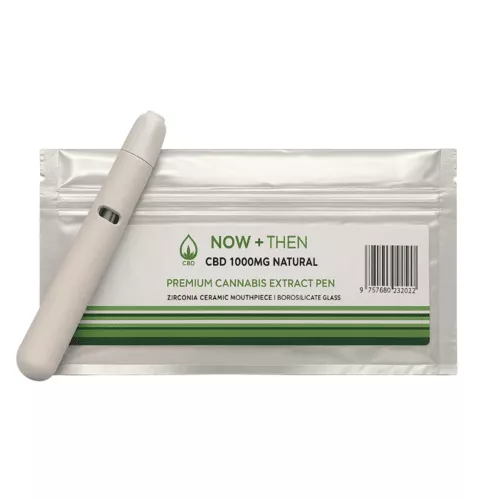

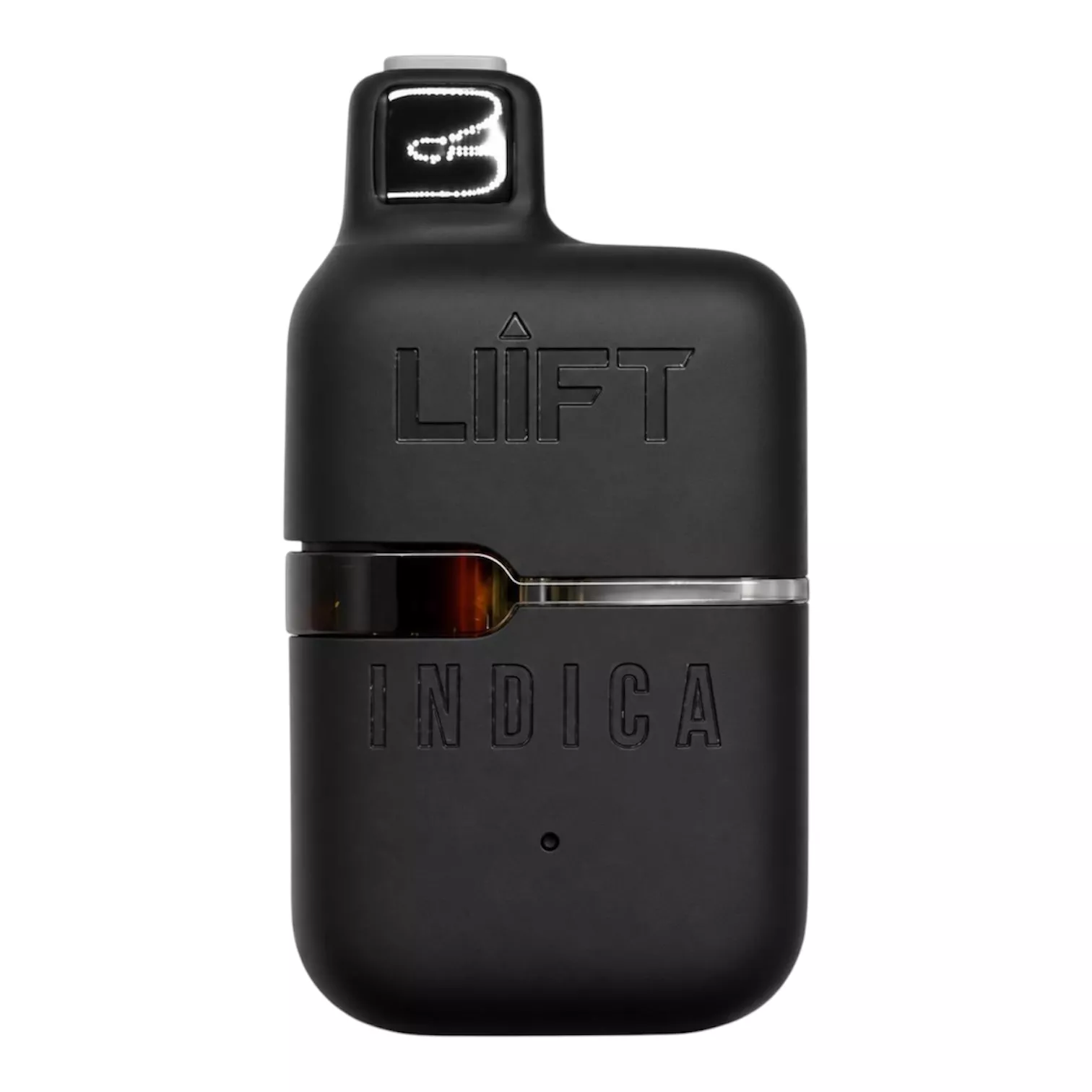
Indica Raspberry Thc Vape Pen 1g – Liift
Liift's Indica Raspberry pen reimagines the evening wind-down as a single, effortless draw. One full gram of premium indica THC oil sits in a sleek, button-free bar — no settings, no learning curve, just inhale and let the day loosen its grip. The raspberry note is bright and natural, carried by cannabis-derived terpenes rather than added sweeteners, and the indica lineage leans toward calm and stillness. It's built for the hours after the work is done: dim the lights, find the couch, and let a couple of slow draws carry you toward rest.
- Button-free draw — just inhale, no settings or guesswork
- A full gram of premium indica THC oil for a long-lasting pen
- Raspberry flavour from cannabis-derived terpenes, not added sugar
- Indica profile leans toward calm, easy evenings
- Type-C rechargeable bar in a slim, pocket-ready format
Conclusion
CBD vape pen dosing for pain relief represents a sophisticated, evidence-based approach to pain management that combines rapid relief, precise control, and excellent safety profiles to address both acute and chronic pain conditions effectively. The systematic protocols outlined in this guide provide the foundation for successful pain management that honors both the complexity of pain conditions and the individual needs of users seeking natural, sustainable relief.
🎯 Precision Pain Management
The ability to titrate CBD doses precisely through vaping enables optimization of pain relief while minimizing consumption and side effects through targeted, responsive dosing that adapts to changing pain levels and individual response patterns. This precision transforms pain management from guesswork into systematic, evidence-based intervention.
Understanding the relationship between dose, timing, and individual factors enables development of personalized pain management protocols that provide consistent relief while supporting overall health and wellness through natural mechanisms.
🔬 Science-Based Natural Relief
CBD's multi-modal pain relief mechanisms provide comprehensive pain management that addresses inflammation, nervous system sensitization, and stress responses that perpetuate chronic pain cycles. This natural approach offers sustainable pain relief without the dependency risks and side effects associated with traditional pain medications.
The evidence supporting CBD's effectiveness for various pain conditions continues growing, providing confidence in CBD-based pain management strategies while supporting integration with conventional medical care for optimal outcomes.
⚖️ Balanced and Sustainable Approaches
Successful CBD pain management requires balancing immediate relief needs with long-term sustainability through strategic dosing, cost management, and integration with other therapeutic approaches that create comprehensive pain management strategies.
The flexibility of CBD vaping enables adaptation to changing pain patterns and life circumstances while maintaining effectiveness through systematic optimization based on documented outcomes rather than trial-and-error approaches.
🤝 Integrative and Collaborative Care
CBD works best as part of comprehensive pain management strategies that include medical supervision, lifestyle optimization, and complementary therapies that address pain from multiple angles while supporting overall health and wellness.
Building collaborative relationships with healthcare providers who understand CBD's therapeutic potential enables optimal integration of natural and conventional approaches that maximize pain relief while ensuring safety and comprehensive care.
🌟 Empowered Pain Management
The knowledge and tools provided in this guide empower users to take active roles in their pain management through informed decision-making, systematic optimization, and evidence-based approaches that honor both individual needs and scientific understanding of CBD's therapeutic mechanisms.
Whether addressing acute injury recovery or chronic pain conditions, CBD vape pen dosing provides a powerful tool for natural pain relief that supports rather than compromises overall health while enabling individuals to reclaim control over their pain and quality of life.
The journey toward effective pain management with CBD requires patience, systematic approach, and commitment to evidence-based optimization, but the potential for natural, sustainable pain relief makes this investment worthwhile for those seeking alternatives to traditional pain management approaches.
We have an incredible wealth of information in the tabs above, listed in point form Q & A to help answer any questions you could possibly have in regards to this category of cannabis products. If you would like to read even more information, please check out the Fog Blog where we make entire articles about the most important aspects of how to benefit from cannabis products safely and effectively, as well as ideas for how to get the most from your experience in our store, and with respect to your use of THC & CBD products.


Comments