

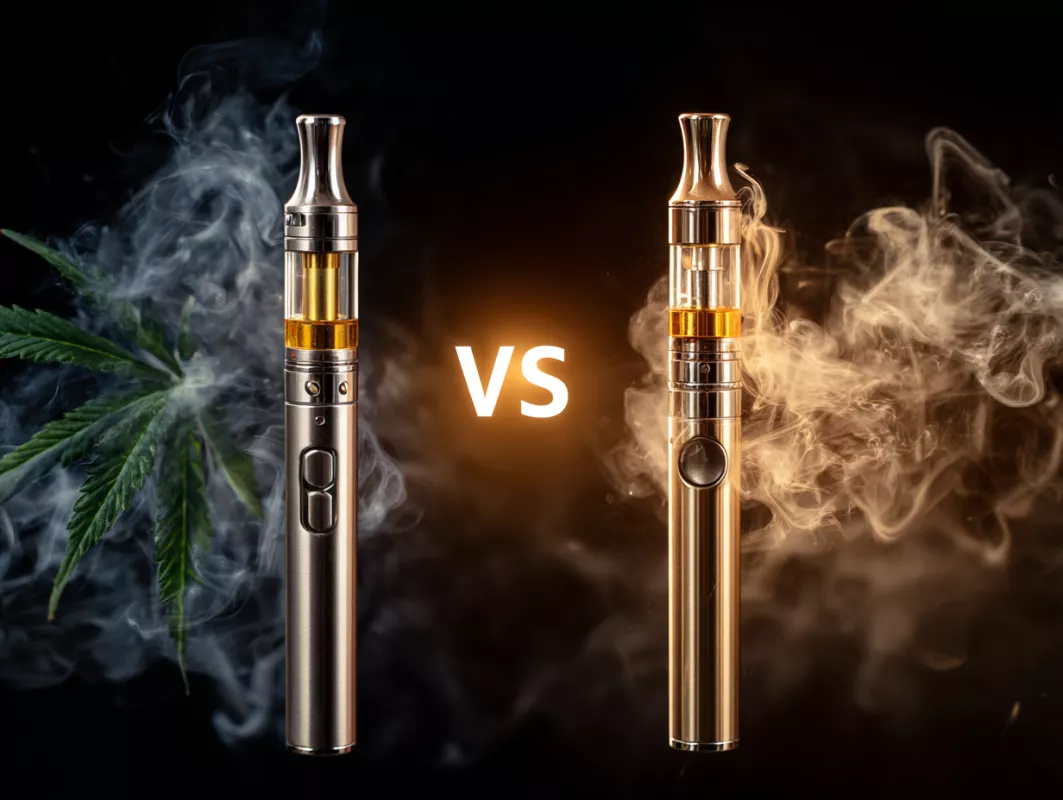
CBD Vape Pen vs THC Vape Pen Guide
Explore our CBD vape pen vs THC vape pen guide.
Deciding between a CBD vape pen and a THC vape pen comes down to understanding what each cannabinoid actually does once it reaches your system. Both deliver compounds derived from the same plant, both use similar hardware, and both have surged in popularity as discreet alternatives to smoking. Yet the experiences they produce sit at opposite ends of the spectrum: one offers calm without intoxication, the other delivers the classic euphoric high. This guide breaks down the real differences, the science behind the vapor, and the practical considerations that should shape your choice—whether you're chasing relaxation, relief, or recreation.
The vaping landscape has matured well beyond the early novelty days. Modern hardware, lab-tested oil, and a clearer regulatory picture mean that choosing a pen is less about hype and more about matching a product to your goals. Before you buy, it helps to know exactly what's loaded inside the cartridge and how your body will respond to it.
Whether you reach for a CBD vape pen to unwind after work or a THC vape pen for a weekend wake and bake, the foundational knowledge in this guide will help you vape smarter, dose more accurately, and avoid the common pitfalls that trip up first-time users.
What Is a CBD Vape Pen?
A CBD vape pen is a device that heats cannabidiol oil into an inhalable vapor without combustion. Cannabidiol is a non-intoxicating compound found in both hemp and cannabis, which means you can use it throughout the day without the mental cloudiness associated with getting high. Most CBD pens on the market are derived from hemp to comply with legal THC thresholds, and the better products are extracted using clean methods like CO2 or alcohol extraction followed by winterization to remove waxes and chlorophyll.
Full-spectrum versus isolate: The oil inside your pen matters more than the hardware. Full-spectrum extracts preserve the plant's natural terpene profile—compounds like valencene that contribute aroma and may support the so-called entourage effect. Isolate-based pens deliver pure cannabidiol with no other cannabinoids, which suits anyone who wants to avoid even trace THC. According to the Cleveland Clinic, CBD has been studied for its potential role in managing anxiety and certain seizure disorders, though research is ongoing.
CBD pens appeal to people who want the ritual of vaping and the fast onset of inhaled cannabinoids without any impairment. If you're new to the format, a low-strength disposable CBD vape pen is an easy, no-maintenance way to test how your body responds before committing to a refillable system.
What Is a THC Vape Pen?
A THC vape pen heats cannabis oil rich in tetrahydrocannabinol, the primary psychoactive cannabinoid responsible for the euphoric, mind-altering high cannabis is known for. Unlike CBD pens, THC pens are regulated as cannabis products and are only legally sold through licensed dispensaries in regions where recreational or medical cannabis is permitted. The oil is typically a distillate or, for connoisseurs, a live resin or rosin that preserves more of the plant's original chemistry.
Potency is the headline feature here. THC distillate carts can test north of 80% THC, which makes dosing precision essential—especially for newcomers. A single small puff is often enough, and the effects build over several minutes rather than arriving instantly. The 510 thread connection is the near-universal standard linking these cartridges to their batteries, so most carts and pens are cross-compatible.
Concentrate variety: THC vapes span a wide range of extract styles. Beyond standard distillate, you'll find options infused with thc shatter bar concentrate, live resin loaded with native terpenes, and high-terpene full-spectrum oils. Enthusiasts who track culture around 710—the unofficial holiday for cannabis concentrates—often gravitate toward these terpene-rich formulations for fuller flavor and a more rounded effect.
CBD Vape Pen vs THC Vape Pen: Key Differences
The single biggest distinction is intoxication. THC produces a high; CBD does not. Everything else—legality, effects, dosing, and ideal use cases—flows from that core difference. Understanding it helps you set realistic expectations before your first draw.
Legality also splits the two sharply. Hemp-derived CBD is widely available across most regions, often without a prescription, while THC remains tightly controlled and legal only in specific markets. This affects where you can buy, how products are tested, and what you can legally carry.
Here's a side-by-side snapshot of how the two formats compare:
- 🌿 Psychoactivity: CBD is non-intoxicating; THC produces a euphoric high that can affect coordination and perception.
- ⚖️ Legality: Hemp CBD is broadly legal; THC is restricted to licensed cannabis markets.
- 🕐 Daytime use: CBD suits daytime functioning; THC is often better reserved for evenings or downtime.
- 🧪 Drug testing: THC can trigger positive tests; CBD isolate is far less likely to.
- 💤 Primary appeal: CBD leans wellness and calm; THC leans recreation and potent relief.
Neither is objectively "better." The right pick depends entirely on what you want the experience to deliver—and being honest with yourself about that goal saves money and disappointment.
How Do Vape Pens Work?
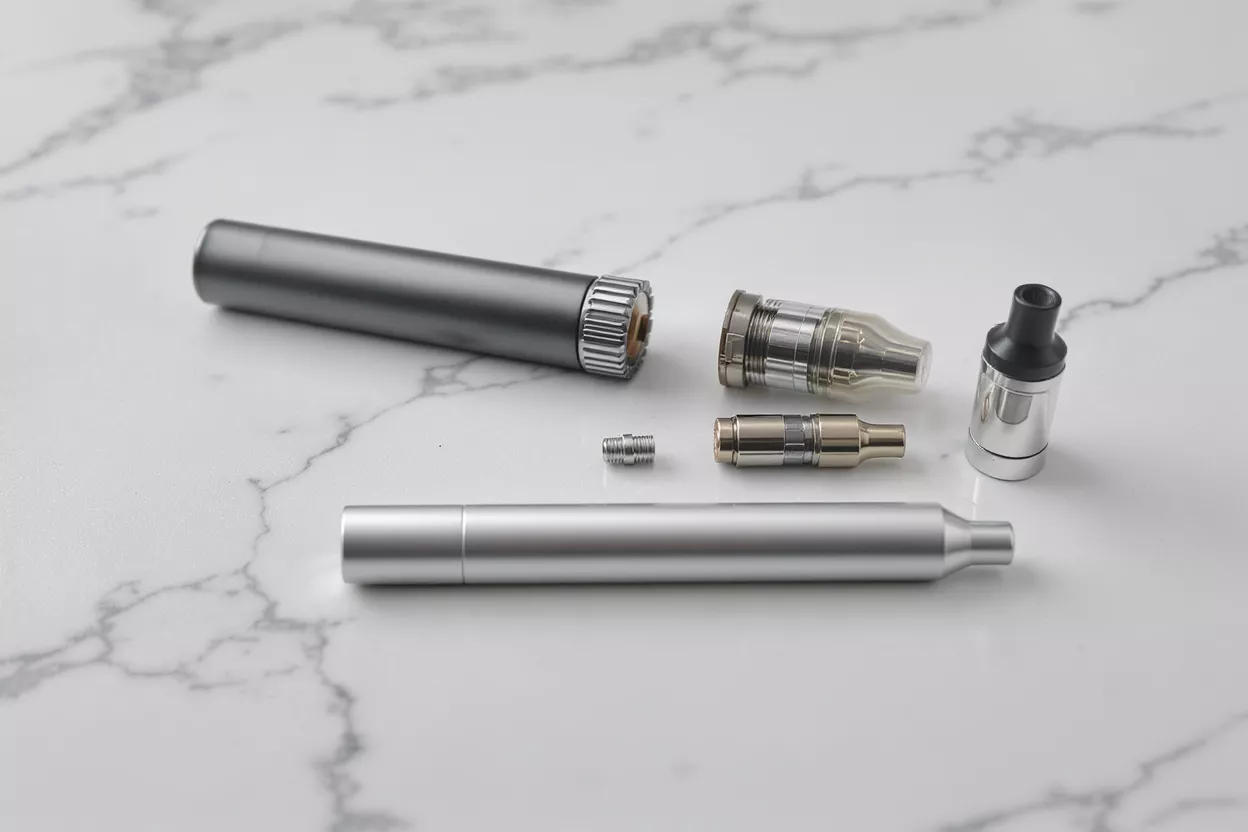
Every vape pen, regardless of what's inside, shares the same basic engineering. A battery powers a heating element—usually a coil or ceramic atomizer—that warms the oil to a temperature high enough to vaporize the cannabinoids but low enough to avoid combustion. You inhale the resulting aerosol, and the active compounds absorb rapidly through the lungs into the bloodstream.
Temperature and the draw: Heat settings matter more than most users realize. Lower temperatures preserve delicate terpenes and produce smoother, more flavorful vapor, while higher temperatures yield thicker clouds and faster cannabinoid release. The Cleveland Clinic notes that inhaled cannabinoids reach peak blood levels far faster than edibles, which is why effects feel near-immediate. This rapid onset makes vaping easier to titrate—you feel the result quickly and can stop when you've had enough.
Hardware variety is broad. Disposable pens come pre-filled and ready to toss when empty, while refillable systems use 510 thread batteries paired with replaceable cartridges. Some advanced pens accept adapters for different cartridge sizes, and dab-style pens use a coil chamber for concentrates rather than oil. For consistent everyday use, a reliable refillable 510 thread battery gives you the most flexibility across both CBD and THC carts.
CBD Vape Pen Benefits and Effects
People reach for CBD vape pens primarily for a sense of calm without losing mental clarity. Because cannabidiol doesn't bind strongly to the brain's CB1 receptors the way THC does, it acts more as a subtle modulator than an agonist—gently nudging the endocannabinoid system rather than flooding it. The result is relaxation you can feel without the disorientation of a high.
Why people choose CBD: The most commonly reported reasons fall into a few clear categories. Inhaled CBD's fast onset makes it appealing for acute, in-the-moment needs rather than slow-building support.
- 😌 Stress relief: Many users vape CBD to take the edge off everyday tension without sedation.
- 🌙 Wind-down routine: A few evening draws can help signal the body it's time to relax.
- 🏃 Post-activity recovery: Some athletes use CBD as part of their cooldown ritual.
- 🧘 Clear-headed calm: Unlike THC, you stay focused and functional throughout.
It's worth keeping expectations grounded. CBD is not a miracle cure, and individual responses vary widely based on body chemistry, dose, and the quality of the extract. Starting low and observing how you feel over a few sessions is far smarter than chasing a heavy dose on day one.
THC Vape Pen Benefits and Effects
THC vape pens deliver the full spectrum of cannabis effects—euphoria, altered perception, heightened sensory enjoyment, and for many users, meaningful relief from pain, nausea, or appetite loss. As a CB1 agonist, THC actively engages the receptors that produce the classic high, which is exactly why dosing discipline matters so much.
The experience is highly strain-dependent. Indica-leaning oils tend toward body relaxation and are popular for evening use, while sativa-forward options can feel more energizing and cerebral—suited to a creative afternoon or a social setting. Some users enjoy a small puff with a spliff or alongside other formats, though stacking methods raises potency fast and isn't recommended for beginners.
Managing intensity: The intoxicating nature of THC is both its appeal and its risk. Overconsumption can lead to anxiety, paranoia, dizziness, or that uncomfortable "too high" feeling. Because vapor onset is rapid, you can gauge effects within minutes—so one puff, a short wait, and reassessment is the golden rule. A measured low-dose THC vape cartridge lets cautious users dial in their tolerance gradually rather than guessing.

Types of Vape Pens and Cartridges
The vape market offers far more variety than the basic pen-and-cart setup suggests. Knowing the categories helps you match hardware to your habits, whether you prioritize convenience, flavor, or cost over time.
Disposable versus refillable: Disposables are the grab-and-go choice—pre-charged, pre-filled, and discarded once depleted. They're ideal for occasional use or for trying a new product without commitment. Refillable systems cost more upfront but save money long-term and reduce waste, since you only replace the cartridge or oil rather than the entire device.
Cartridge construction also varies in ways that affect flavor and reliability. Ceramic coils tend to deliver cleaner taste and resist clogging, while older cotton-wick designs can scorch terpenes. Quality oils often use stabilizers like xanthan to maintain consistency, and the best products avoid cutting agents entirely. Here's how the main formats stack up:
- 🔋 Disposable pens: Zero setup, perfect for travel or sampling; less economical for heavy users.
- 🔧 510 thread cartridges: The universal standard—mix and match carts and batteries freely.
- 💎 Concentrate pens: Built for waxes, shatter, and rosin rather than thin oil.
- 🎛️ Variable-voltage batteries: Let you tune temperature for flavor or vapor density.
Are CBD and THC Vape Pens Safe?
Safety depends heavily on product quality and how you use the device. The vaping safety concerns that made headlines were largely traced to illicit-market cartridges cut with vitamin E acetate—not regulated, lab-tested products. This is the single strongest argument for buying only from licensed, transparent sources that publish certificates of analysis.
What to verify before you buy: A trustworthy product comes with third-party lab results confirming cannabinoid potency and screening for pesticides, heavy metals, residual solvents, and cutting agents. If a brand can't show you that paperwork, walk away. Reputable extractors disclose their process—whether CO2, alcohol extraction, or another clean method—and clean products won't list mysterious thinning agents.
Beyond product quality, your own habits matter. Inhaling any aerosol carries some risk, and long-term effects of vaping are still being studied. Moderation is wise, and anyone with respiratory conditions should be especially cautious. If you take medications, it's worth discussing cannabinoid use with a healthcare provider, since both CBD and THC can interact with certain drugs. Treat your pen as a wellness or recreational tool used thoughtfully, not a habit to run on autopilot.
How to Choose the Right Vape Pen
The right pen starts with an honest answer to one question: what do you want from the experience? If you need to stay sharp, functional, and clear-headed through the day, CBD is your lane. If you're seeking euphoria, deep relaxation, or potent symptom relief and you're in a legal market, THC delivers. Some users keep both on hand for different occasions.
Match the format to your routine: Frequency drives the hardware decision. Occasional or first-time users are best served by disposables—no charging, no refilling, no learning curve. Regular users benefit from a refillable 510 setup that's cheaper per session and lets you explore different oils. If flavor is your priority, look for terpene-rich live resin and a variable-voltage battery you can run at lower heat to preserve compounds like valencene and other aromatic notes.
Consider a few practical factors before purchasing:
- 🎯 Goal: Clear-headed calm (CBD) versus euphoric high or strong relief (THC).
- 📍 Legality: Confirm what's legal and available in your region first.
- 💰 Budget: Disposables cost less upfront; refillables win over time.
- 🔬 Lab testing: Always choose products with published third-party results.
- 🌡️ Strength: Start low—you can always take another puff, but you can't un-vape.
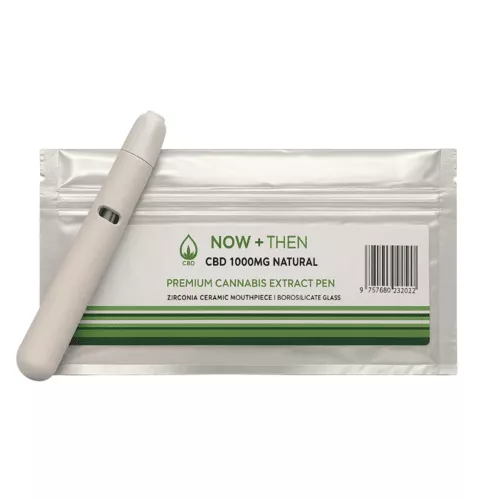

Full-spectrum CBD Vape Pen 1g – NOW+THEN
Whole-plant calm, fast. NOW+THEN's Full-Spectrum CBD pen holds a full gram of premium hemp oil in a sleek device — draw and the entourage of cannabinoids gets to work in moments, easing stress with no real high. Smooth, holistic, and effortless. The pocket-sized CBD pen for steadying anxious moments wherever you are.
- Entourage Effect Enhancement: Full-spectrum oil contains a comprehensive range of cannabinoids, terpenes, and natural compounds that work synergistically for enhanced therapeutic benefits beyond isolated CBD
- Stress Management Support: Supports natural relaxation response and daily stress management for improved emotional balance and mental clarity
- Sleep Quality Promotion: May promote restful sleep patterns and healthy recovery cycles through natural cannabinoid interaction with the endocannabinoid system
- Physical Comfort: Provides natural comfort for everyday physical discomfort, tension, and minor aches through anti-inflammatory properties
- Fast-Acting Relief: Delivers holistic plant-based wellness in a convenient, fast-acting format with effects typically felt within 2-5 minutes
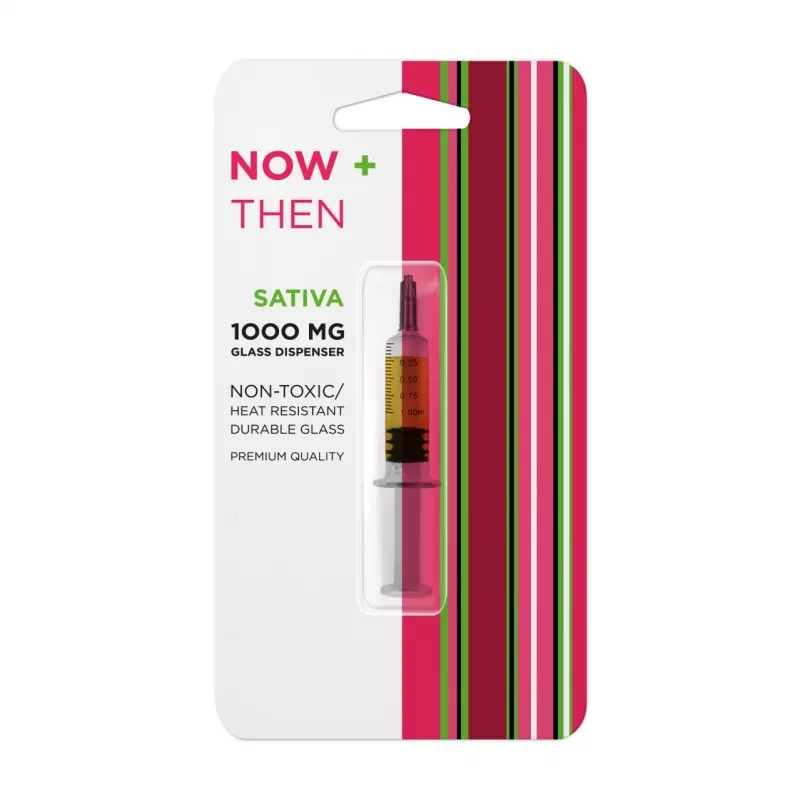
Sativa Extract Vegan Glass Dispenser 1g – NOW+THEN
Motivation, measured out. NOW+THEN's Sativa Extract dispenser houses 1000mg of energizing sativa oil in a precision glass syringe — clear-headed, productive lift dosed exactly how you like it. Dab, ingest, or add to a session. The daytime concentrate for people who want energy and control in equal measure.
- Controlled Energy : Precise dosing for perfect productivity
- Enhanced Focus : Sativa clarity on demand
- Creative Dosing : Adjust for different projects
- Vegan Ethics : Sustainable stimulation
- Versatile Application : Use multiple ways
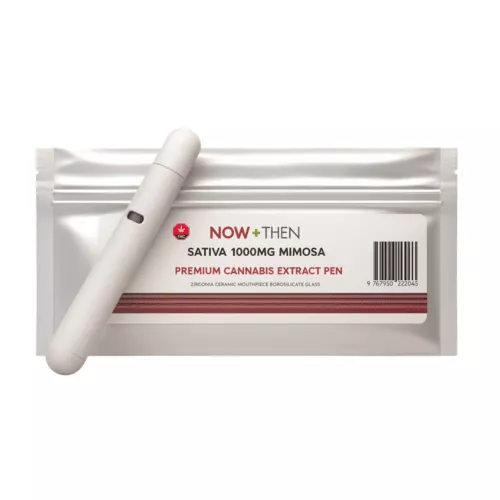
Mimosa Sativa THC Vape Pen 1g – NOW+THEN
Brunch vibes, any time of day. NOW+THEN's Mimosa Sativa pen packs a full gram of energizing sativa oil into a sleek disposable — draw and the bright, citrusy lift kicks in. Uplifting, social, and effortless, it's the daytime pen for turning an ordinary afternoon up a notch. No setup, all sparkle.
- Energizing Effects : Sativa uplift without jitters
- Mental Clarity : Enhances focus and creativity
- Social Enhancement : Perfect for gatherings
- Mood Elevation : Instant positivity boost
- Quick Onset : Effects within minutes
CBD Vape Pen vs THC Vape Pen: Final Takeaways
The choice between a CBD vape pen and a THC vape pen ultimately hinges on a single decision: do you want to feel relaxed and clear, or do you want the intoxicating, euphoric effects of cannabis? CBD offers a non-impairing path to calm that fits seamlessly into daytime life, while THC delivers the classic high along with potent relief that's better suited to downtime—and legal only where cannabis is permitted.
Beyond that core distinction, the smart-buyer fundamentals apply to both. Prioritize lab-tested products from transparent sources, start with a low dose and build up slowly, and choose hardware that matches how often you'll actually use it. Pay attention to extraction quality, terpene content, and the certificate of analysis rather than chasing the highest potency number or the flashiest packaging.
Whether your ideal session is a clear-headed afternoon with CBD or a relaxed wake and bake with a THC pen, the best experience comes from informed, moderate use. Know what's in your cartridge, respect the potency, and let your own response guide your dosing. With that foundation, you'll find the format—and the cannabinoid—that genuinely fits your lifestyle.

Comments