


Does CBD Really Provide Health Benefits for Pets? The Truth 2026
Does CBD help pets with pain, anxiety, and skin issues?
If you have ever watched an aging dog struggle to climb the stairs or a cat hide for hours during a thunderstorm, you have probably wondered whether CBD could genuinely help. The conversation around CBD for pets has exploded over the past few years, and with that growth comes a flood of bold claims, anecdotal miracle stories, and a fair amount of marketing hype. Cutting through the noise to find what actually holds up under scrutiny is harder than it should be.
This guide takes an honest, research-grounded look at what CBD can and cannot do for your animals. We will examine how cannabidiol interacts with a pet's body, what the current science actually shows, where the evidence is still thin, and how to choose and dose a product responsibly. The goal is not to sell you on a trend but to give you the information you need to make a sound decision for the animal that depends on you.
What Is CBD for Pets and How Does It Work
The endocannabinoid system is the key: CBD, short for cannabidiol, is one of more than a hundred compounds found in the cannabis and hemp plant. Unlike THC, it does not produce intoxication, which is precisely why it has become the focus of pet wellness products. Dogs, cats, horses, and virtually all mammals possess an endocannabinoid system, a network of receptors that helps regulate mood, pain perception, appetite, sleep, and immune response. CBD appears to influence this system by interacting indirectly with its receptors and slowing the breakdown of the body's own natural endocannabinoids.
How CBD differs from THC for animals: This distinction matters enormously for pet owners. THC is genuinely toxic to dogs in meaningful quantities and can cause a frightening syndrome of disorientation, incontinence, and sensitivity to stimuli. Quality CBD products formulated for pets either contain no THC or only trace amounts well below the threshold of concern. When researchers and educational organizations such as Project CBD discuss companion animal use, they consistently emphasize selecting THC-free or low-THC formulations designed specifically for animals.
The plant chemistry also extends beyond cannabinoids. Full-spectrum extracts carry terpenes like terpinolene, whose effects may contribute to the overall calming profile through what researchers loosely call the entourage effect. While much of the entourage research focuses on humans, the same biochemical pathways exist in your pet, which is part of why whole-plant formulas remain popular among informed owners.
Does CBD Really Help Pets According to Research
The evidence is promising but young: The honest answer is that research on CBD for pets is encouraging but still in its early stages. The most robust studies to date come from veterinary schools investigating osteoarthritis in dogs, and several of these have produced genuinely positive results, showing measurable improvements in comfort and activity. That said, the body of peer-reviewed evidence remains far smaller than the marketing volume would suggest, and good scientists are careful to distinguish what is proven from what is merely plausible.
Where the science is strongest, it tends to cluster around a few specific applications: joint pain, certain seizure disorders, and stress-related behaviors. Where it is weakest, it involves the sweeping wellness claims that suggest CBD is a cure-all for any ailment. A reputable product and a responsible owner both respect that line.
It is also worth understanding why pet research lags behind. Regulatory hurdles, funding limitations, and the relatively recent legalization of hemp have all slowed the pace of clinical trials. The trajectory, however, is clearly upward, and each year brings better-designed studies that help replace anecdote with data.
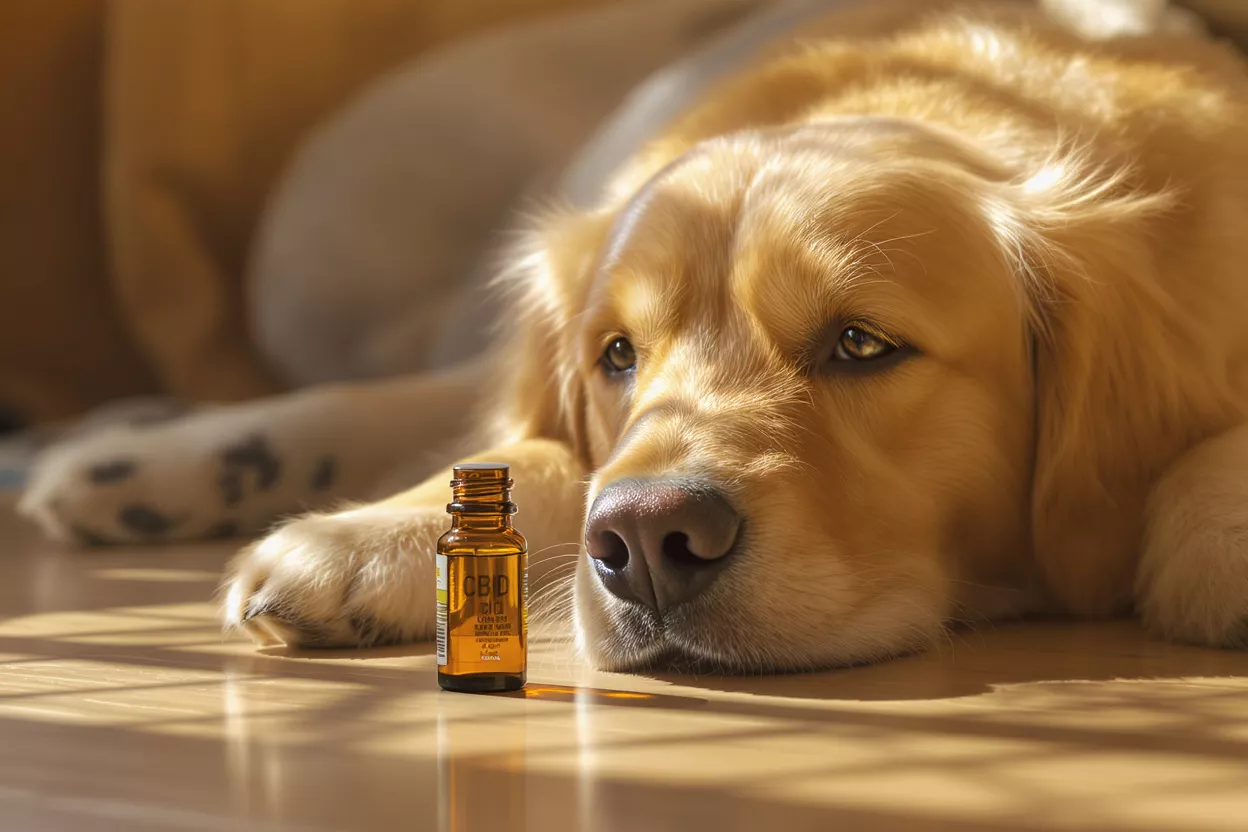
CBD for Pets Benefits Backed by Science
When you separate the substantiated benefits from the wishful ones, a focused list emerges. These are the areas where evidence, clinical experience, and owner reports converge most strongly. A well-made organic CBD oil for pets tends to be the delivery method studied most often in these contexts.
- 🦴 Joint comfort: The strongest evidence supports relief from osteoarthritis pain, with multiple canine trials showing improved mobility.
- 😌 Stress reduction: Many owners report calmer behavior during storms, travel, and separation, supported by emerging behavioral research.
- ⚡ Seizure support: Some studies suggest CBD may reduce seizure frequency in dogs with epilepsy, often as a complement to prescribed medication.
- 🌿 Inflammation: CBD's anti-inflammatory properties may benefit a range of conditions from skin irritation to digestive discomfort.
- 🍽️ Appetite and nausea: Animals recovering from illness sometimes eat more readily with CBD support.
Why each benefit needs a real mechanism: The reason these particular benefits hold up is that each connects to a plausible biological pathway through the endocannabinoid system rather than vague wellness language. Pain modulation, immune regulation, and neurological signaling are all systems CBD genuinely touches. When a claim cannot be traced to such a mechanism, treat it with healthy skepticism.
The flip side is that CBD is not a substitute for veterinary diagnosis. A limping dog might have arthritis, or it might have a torn ligament that needs surgery. Reaching for a tincture before understanding the underlying problem can delay treatment that actually matters.
Can CBD Calm Pet Anxiety and Stress
How CBD influences the stress response: Anxiety is one of the most common reasons owners reach for CBD, and the mechanism here is genuinely interesting. By supporting endocannabinoid tone and interacting with serotonin-related pathways, CBD may help blunt the body's stress response without the heavy sedation of traditional tranquilizers. Animals stay alert and themselves rather than groggy and disconnected.
Common triggers where owners report the most benefit include thunderstorms, fireworks, car travel, vet visits, and separation when left alone. The compound that calms a human during a stressful day, sometimes paired with theanine in human supplements, draws on overlapping pathways in your pet. A measured-dose calming pet tincture given ahead of a known stressor often works better than scrambling to dose during a meltdown.
Timing matters more than most people realize. CBD is not a fast-acting rescue medication; it generally needs thirty to sixty minutes to take effect when given as an oil, and longer if given in a treat that must be digested. Planning ahead of a predictable trigger is far more effective than reactive dosing.

How CBD Helps With Pet Pain and Arthritis
The best-documented use case: If there is one application where the science genuinely shines, it is canine osteoarthritis. Veterinary studies have measured improvements in pain scores and activity levels in dogs given consistent daily CBD, and the results have been strong enough to spur larger follow-up trials. For older animals whose quality of life is shaped by chronic joint pain, this is meaningful.
CBD works for pain through two complementary routes: it dampens inflammation in affected tissues and it modulates how pain signals are processed in the nervous system. This dual action is why some animals show improvement that simple anti-inflammatory diet changes alone cannot match. It is not a replacement for prescribed pain medication in severe cases, but it can be a valuable part of a broader plan.
Consistency is the secret most owners miss. Pain management with CBD works best as a steady daily regimen that maintains stable levels in the body, not as an occasional treat handed out on bad days. Think of it like a maintenance supplement rather than an emergency painkiller, and pair it with vet-guided weight management and gentle exercise for the best outcome.
CBD for Pets With Skin Conditions and Allergies
Topical and internal approaches: Skin problems are among the most maddening conditions for pet owners, and CBD has shown intriguing potential here thanks to its anti-inflammatory and immune-modulating properties. Allergic dermatitis, hot spots, and general itchiness all involve inflammatory cascades that CBD may help calm, whether delivered orally or applied directly to affected skin.
The endocannabinoid system is densely represented in skin tissue, which gives a topical CBD balm a logical pathway to soothe localized irritation. For broader allergic conditions, an internal tincture addresses the systemic inflammation driving the flare. Many owners find that a CBD balm for irritated skin works well alongside an oral routine for stubborn cases.
As with every other use, skin issues warrant a proper diagnosis. Allergies, parasites, infections, and hormonal imbalances can all look similar from the outside but require very different treatments. CBD may ease symptoms while you and your veterinarian identify the root cause, but it should not replace that investigation.
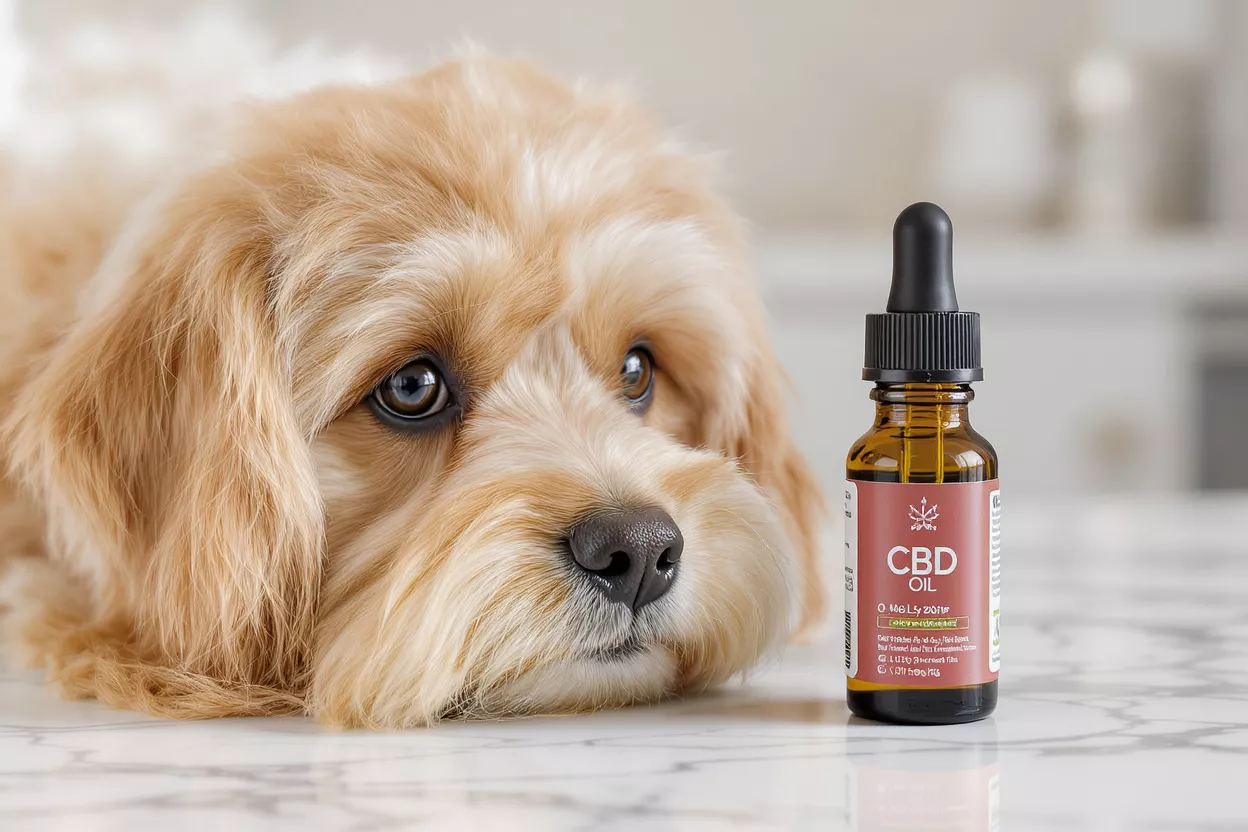
Types of CBD for Pets in Canada
Not all pet CBD is created equal, and the format you choose affects dosing precision, onset time, and how easily you can actually administer it to a reluctant animal. Understanding the main categories helps you match the product to your pet's temperament and needs.
- 💧 Tinctures and oils: The most flexible and precise option, allowing fine dose adjustments drop by drop; a pet CBD tincture 300mg is a common starting strength.
- 🦷 CBD pet treats: Easy to give and well accepted, though dosing is less granular; CBD pet treats sold in Canada are popular for daily routines.
- 🧴 Topical balms: Best for localized skin issues and joint areas you can target directly.
- 🥣 Capsules: Convenient for owners who prefer a fixed dose and can hide them in food.
Full-spectrum versus isolate: Beyond format, you will encounter full-spectrum, broad-spectrum, and isolate products. Full-spectrum retains the plant's complete profile including trace terpenes and minor cannabinoids, broad-spectrum removes THC while keeping other compounds, and isolate is pure CBD alone. For pets, broad-spectrum often strikes a sensible balance, delivering the entourage benefit without any THC concern.
Quality varies dramatically between brands, so the format matters less than the manufacturer's standards. An organic CBD oil for pets from a transparent producer with third-party testing beats a cheap treat of unknown origin every time, regardless of which category it falls into.
CBD for Pets Dosage Guide
Start low and go slow: Dosing is where most owners feel uncertain, and the guiding principle could not be simpler: start with a low dose and increase gradually. A widely used starting point is roughly 0.2 to 0.5 milligrams of CBD per kilogram of body weight, given twice daily, then adjusted upward over a week or two based on your pet's response. There is no single perfect number because individual animals metabolize CBD differently.
Weight is your anchor, but it is not the whole story. A nervous small dog and a stoic large one may need very different amounts to reach the same effect, and the condition you are treating matters too. Joint pain often responds to higher sustained doses than situational anxiety. Keep a simple log of dose and behavior so you can spot what actually works.
The table-free rule of thumb most veterinarians suggest is to give it time before judging. CBD's effects on chronic conditions build over days and weeks rather than appearing instantly. Resist the urge to escalate the dose too quickly; patience usually reveals the right level without overshooting.

Is CBD Safe for Pets
Generally well tolerated, with caveats: The reassuring news is that CBD has a strong safety profile in animals when used appropriately. Studies and clinical experience suggest it is generally well tolerated, with side effects that tend to be mild when they appear at all. The most commonly reported are drowsiness, mild digestive upset, and occasional dry mouth, most of which resolve with a dose adjustment.
The most important safety consideration is drug interactions. CBD is processed by the same liver enzymes that metabolize many prescription medications, which means it can affect how those drugs work. If your pet takes any regular medication, especially seizure drugs, anti-inflammatories, or heart medication, consult your veterinarian before adding CBD. This is not optional caution; it is genuinely important.
Product quality is the other safety pillar. The unregulated corners of the market contain products with inaccurate labels, contaminants, or hidden THC that could harm your pet. Sticking to brands that publish third-party lab results for potency and purity removes most of this risk and is the single best habit a responsible owner can adopt.


Unflavoured CBD Pet Tincture 500mg – Natuur
Pure support, no flavour fuss. Natuur's unflavoured 500mg pet tincture gives you full control — mix it into any food or treat, dose it up or down, and skip the added flavours sensitive pets react to. Versatile and clean, it's the flexible choice for picky eaters and households that want their CBD straightforward.
- Maximum Flexibility : Mix with any food or treat
- Allergy Safe : No flavor ingredients to react to
- Pure CBD Benefits : Unmasked therapeutic effects
- Custom Dosing : Easy to adjust for any pet
- Sensitive Pet Friendly : Perfect for picky eaters
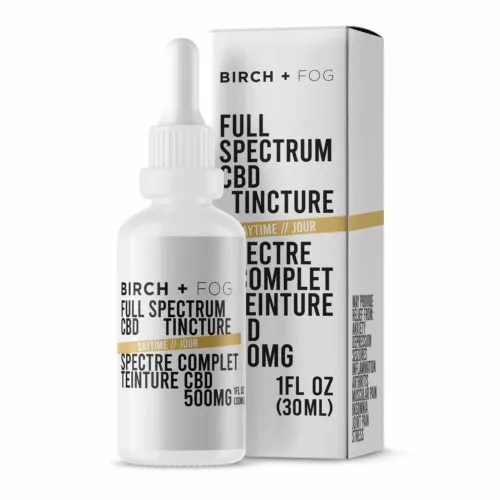
Full Spectrum CBD Tincture Daytime 500mg – BIRCH+FOG
Easygoing daytime calm for newcomers and light days alike. Birch+Fog's 500mg full-spectrum tincture, lifted with energizing sativa terpenes, takes the nervous edge off without the afternoon crash or mental fog. A few drops under the tongue keep you balanced and alert through demanding stretches — a gentle, approachable place to start with full-spectrum CBD.
- Anxiety Targeting : Specifically formulated to address daily stress and nervous tension naturally
- Clear-Headed Relief : Calms anxiety without mental fog or afternoon crashes
- Gentle Effectiveness : Perfect potency for anxiety newcomers seeking real results
- Sustained Balance : Maintains emotional equilibrium throughout demanding days
- Confidence Building : Helps manage social anxiety and performance nervousness
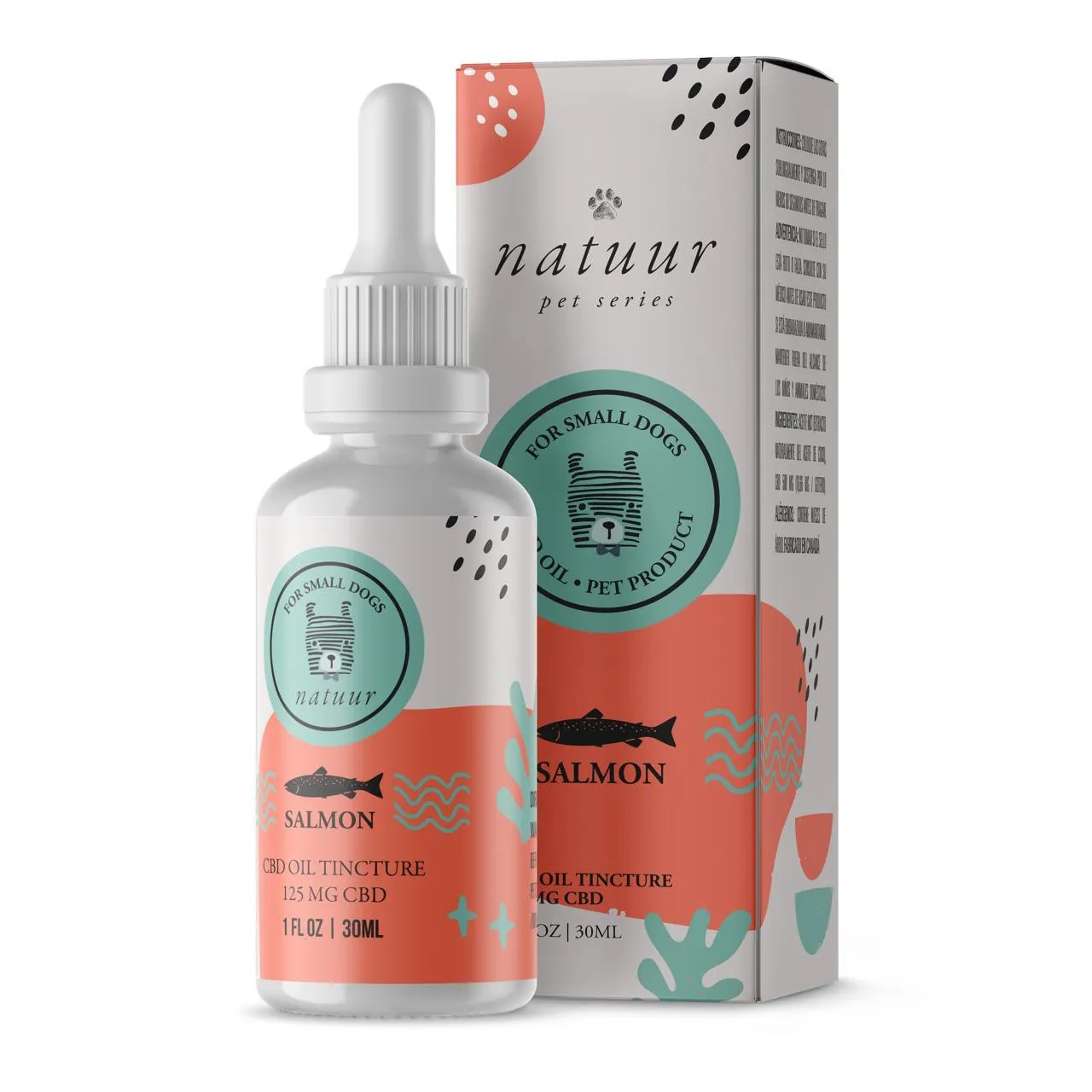
Salmon CBD Tincture for Small Dogs 125mg – Natuur
Tiny-dog wellness with a flavour they'll beg for. Natuur's 125mg salmon oil tincture is crafted gently for pups under 25 pounds, easing little-dog worries and supporting small joints without overdoing it. A few drops on food turn care into a treat — soft, savoury, and sized right for your smallest companion.
- Sized Right Relief : Perfect for small breed needs
- Anxiety Soother : Calms little dog worries
- Joint Care : Supports tiny joints gently
- Appetite Helper : Encourages healthy eating
- Senior Support : Gentle on aging systems
Choosing the Best CBD for Pets
What separates a good product from a gimmick: With countless options on the shelf, a few non-negotiable criteria cut through the marketing. Look for organic hemp sourcing, clear milligram labeling, and current third-party lab reports you can actually read. A trustworthy producer makes this information easy to find rather than burying it. Formulations made specifically for animals, rather than human products repurposed for pets, also tend to be safer and more appropriately dosed.
Match the product to your animal and your goals. A picky cat may refuse an oil but happily accept a flavored treat, while a dog with arthritis benefits most from a precise, adjustable tincture. Consider onset time, ease of administration, and whether you need broad-spectrum or isolate based on your THC tolerance and your pet's sensitivity.
In the end, the question of whether CBD truly helps pets has a measured but genuinely positive answer: for joint pain, certain anxiety situations, seizure support, and some inflammatory conditions, the evidence and real-world experience are encouraging, while sweeping cure-all claims deserve skepticism. Approach it as a thoughtful supplement, work alongside your veterinarian, choose quality over hype, and give it time to work. Do that, and CBD can be a meaningful tool for improving the comfort and quality of life of the animals who share your home.




Comments