


How Do You Use Rick Simpson Oil for Cancer Treatment Effectively 2026?
Learn how to use Rick Simpson Oil for cancer support—oral, sublingual & topical methods, dosing guide & where to buy RSO in Canada.
If you have been reading about natural cannabis extracts, you have almost certainly run into Rick Simpson Oil — a thick, dark concentrate that people also call Phoenix Tears. It carries a reputation that far outstrips most cannabis products, largely because of the story attached to it and the anecdotal reports of people using it alongside cancer treatment. Yet the same potency that draws people in is exactly what makes newcomers hesitate. Do you swallow it, put it under your tongue, rub it on your skin, or vaporize it? This guide walks through what the extract actually is, how it behaves in the body, and the practical, careful ways people use it.
Before anything else, one honest framing matters: Rick Simpson Oil is not a proven cure, and no reputable source claims otherwise. What we can do is explain how it is made, how it is dosed, and how it fits into a broader wellness picture so you can make informed decisions in partnership with a qualified clinician. Consider this a map rather than a prescription.
What Is Rick Simpson Oil and Where Did It Come From
The origin story behind the name: Rick Simpson Oil is named after a Canadian engineer and medical cannabis advocate who, in the early 2000s, developed a whole-plant extract and used it on his own skin lesions. He then published his extraction method freely online rather than patenting it, which is why the recipe spread so widely and why the nickname Phoenix Tears travelled alongside it. The result is a full-spectrum concentrate that captures the plant's cannabinoids, terpenes, and other compounds rather than isolating a single molecule.
What makes RSO different from other extracts: Unlike a light vape oil or a CBD tincture, RSO is deliberately concentrated. THC content commonly lands between 60 and 90 percent, which is why it arrives as a dense, sticky, near-black paste usually dispensed from an oral syringe for accuracy. That syringe format is not marketing flourish — when a rice-grain-sized amount can be a full dose, precise measurement genuinely matters. Because it is a full-spectrum product, it sits in the same family as other lipophilic cannabis concentrates that dissolve in fats rather than water.
A few defining traits worth keeping in mind before you use it:
- 💧 High potency: typically 60–90% THC, far stronger than most flower or standard oils.
- 🖤 Thick, dark consistency: a sticky paste that is easiest to portion straight from a syringe.
- 🌿 Full-spectrum profile: the entire cannabinoid and terpene range from the plant, not an isolate.
- 🔄 Versatile: can be taken orally, applied topically, or vaporized.
How Does Rick Simpson Oil Work in the Body
The reason cannabis extracts affect us at all comes down to the endocannabinoid system — a network of receptors that helps regulate pain signalling, appetite, mood, and sleep. THC, the dominant compound in Rick Simpson Oil, binds to these receptors and nudges those systems, which is why users report changes in how they perceive pain or how readily they feel hungry. The Cleveland Clinic and other institutions describe this receptor activity as the mechanism behind most of cannabis's noticeable effects. You can read more general background from the Cleveland Clinic.
Why the full-spectrum matters: RSO is not just THC. It carries a spread of minor cannabinoids and aromatic terpenes, and many researchers believe these compounds interact — an idea often called the entourage effect. Whether that synergy is dramatic or subtle is still being studied, but it is one reason people gravitate toward whole-plant extracts like live rosin and ice water hash instead of single-molecule products. Because these compounds are lipophilic, they are stored in and released from fat tissue over time, which affects how long effects linger.
It is also worth understanding that route of intake changes everything. Swallowed RSO passes through the liver, where THC is converted into a longer-lasting, more sedating metabolite. Held under the tongue, it bypasses much of that first pass and acts faster. Inhaled, it hits within minutes but fades sooner. None of these routes is inherently superior — they simply suit different goals, which the sections below unpack.
Rick Simpson Oil Benefits for Cancer Patients
Most of the interest in RSO clusters around symptom management for people going through cancer treatment. The honest picture is that the strongest evidence supports quality-of-life improvements rather than tumour destruction, even though the latter is what draws headlines. Chemotherapy and radiation are punishing, and anything that meaningfully eases nausea, restores appetite, or calms pain can make a real difference to daily life.
Where the reported benefits are strongest: Pain relief and appetite are the two areas where cannabis has the most clinical support, and cancer patients frequently struggle with both. THC's tendency to stimulate hunger — the effect casually known as the munchies — is genuinely useful when treatment has stripped away any desire to eat. Many people also find that a well-timed dose smooths out sleep and lifts a low mood that a diagnosis can bring. For those exploring gentler entry points, low-dose Phoenix Tears capsules offer a measured way to test these effects without committing to a full paste dose.
A concise summary of the commonly reported benefits:
- 🩹 Pain relief: may ease chemotherapy-related neuropathy and general treatment discomfort.
- 🍽️ Appetite support: counters the appetite loss and nausea that often follow treatment.
- 🌙 Better sleep: the sedating metabolite from oral use can help with rest.
- 🧘 Mood support: some users report reduced anxiety and a steadier emotional baseline.
Preclinical laboratory studies have hinted at anti-tumour activity from certain cannabinoids, but these are early-stage findings in cells and animals, not confirmation of benefit in people. RSO should never replace conventional oncology care; it works best, if at all, as a complementary support alongside it.
How to Take Rick Simpson Oil Orally and Sublingually
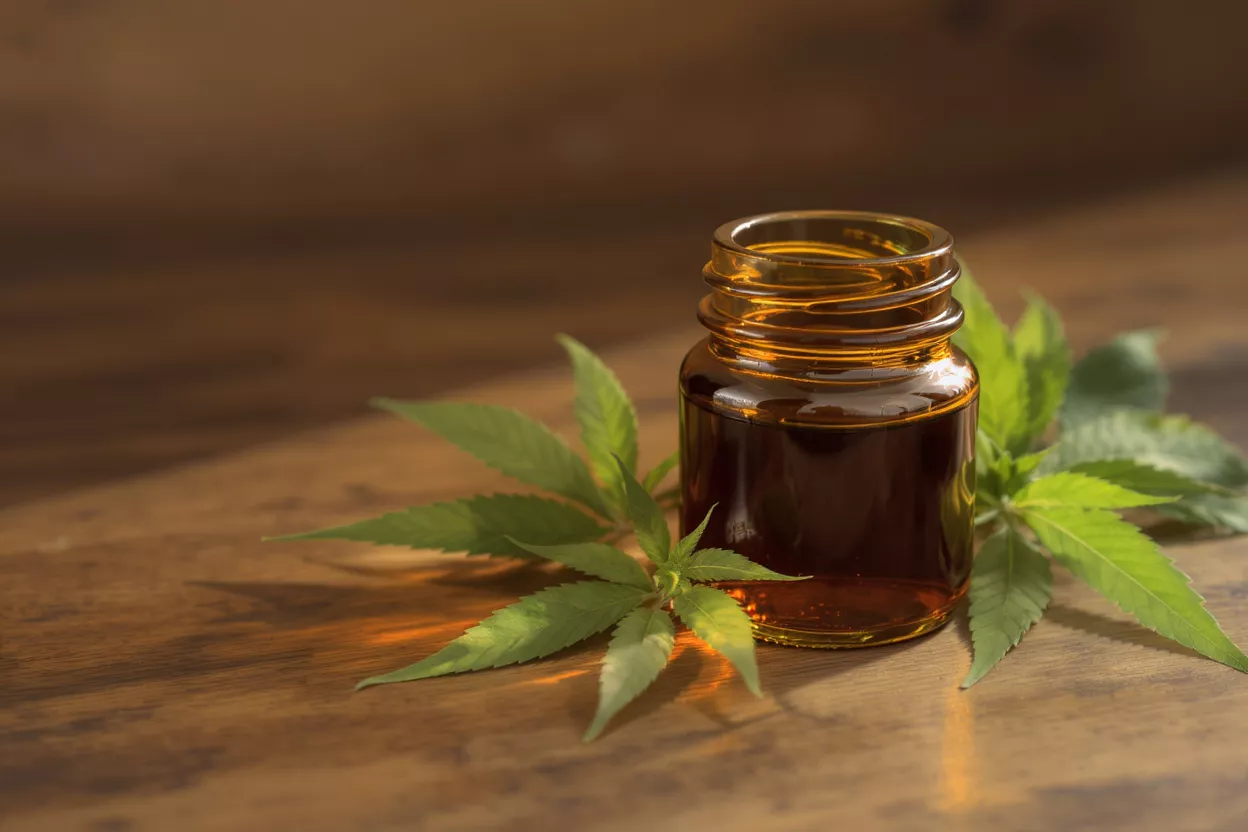
Swallowing versus holding under the tongue: Oral ingestion is the most common route, and it splits into two styles. Swallowing the oil — or taking it in a capsule — sends it through the digestive tract and liver, producing slower but longer and more body-heavy effects that suit overnight symptom control. Placing a rice-grain portion under the tongue lets some of it absorb through the mucous membranes directly, giving a somewhat faster onset. Many people begin with capsules simply because dosing is predictable and there is no bitter taste to manage.
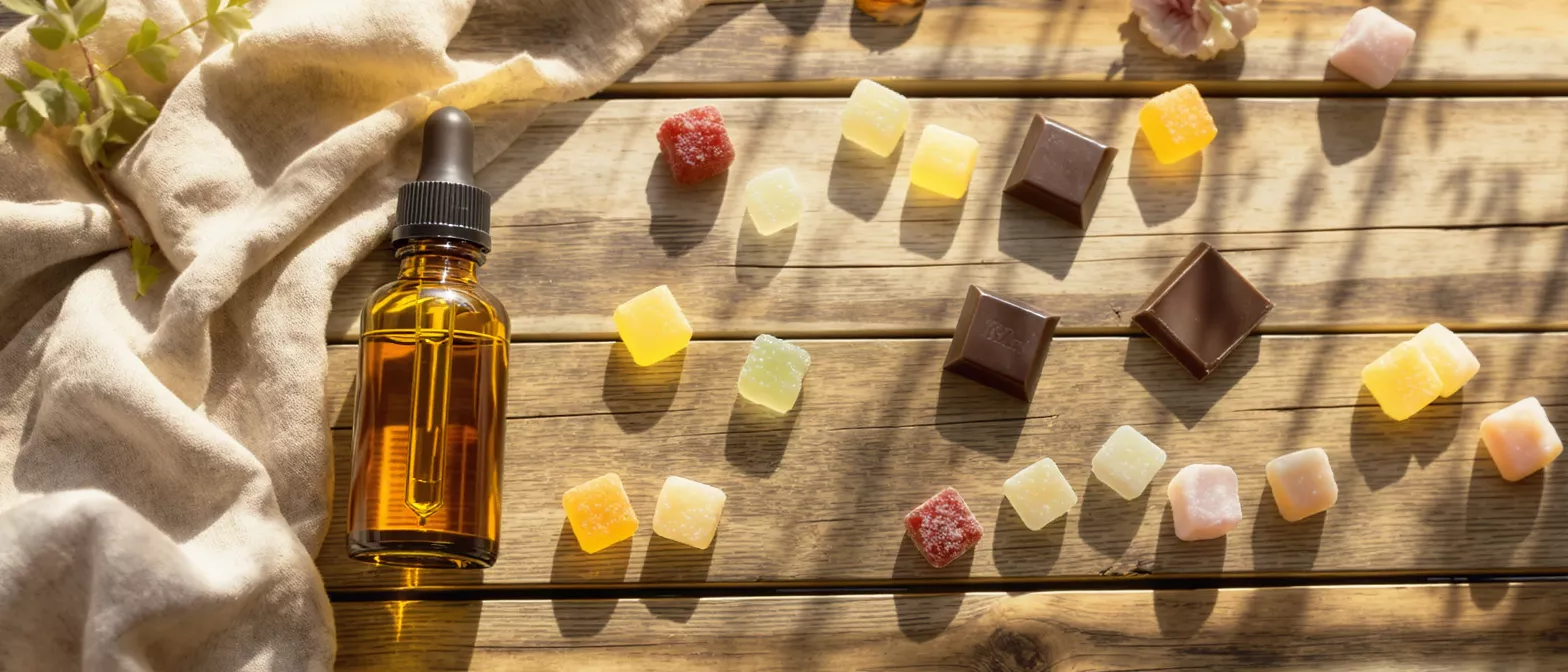
For those who find the raw paste unpalatable, edibles offer a friendlier format. Products such as high-dose orange THC gummies deliver a concentrated distillate in a measured, flavoured form, which removes the guesswork of portioning sticky oil by eye. The trade-off is that pre-made edibles fix your dose per piece, so they suit people who already know their comfortable range.
Whichever oral method you choose, timing and consistency matter more than any single dose. Because swallowed cannabinoids can take one to two hours to peak, the classic mistake is redosing too early, chasing an effect that has not arrived yet. Patience here prevents an uncomfortable overshoot. Maltodextrin and similar carriers sometimes appear in commercial capsule formulations to stabilize the oil, which is normal and nothing to be alarmed by.
Rick Simpson Oil for Topical Use and Vaping
Topical application for localized relief: RSO can be rubbed onto the skin, either straight or blended with a carrier like coconut oil. Applied this way, the cannabinoids interact with receptors in the skin itself and generally do not produce the head-and-body intoxication of swallowing it. This makes topicals appealing for a specific sore spot, inflamed joint, or surface skin concern, since you get targeted contact without the systemic high. It is the same logic that makes many people reach for a soothing THC topical balm when the issue is one localized area rather than whole-body discomfort.
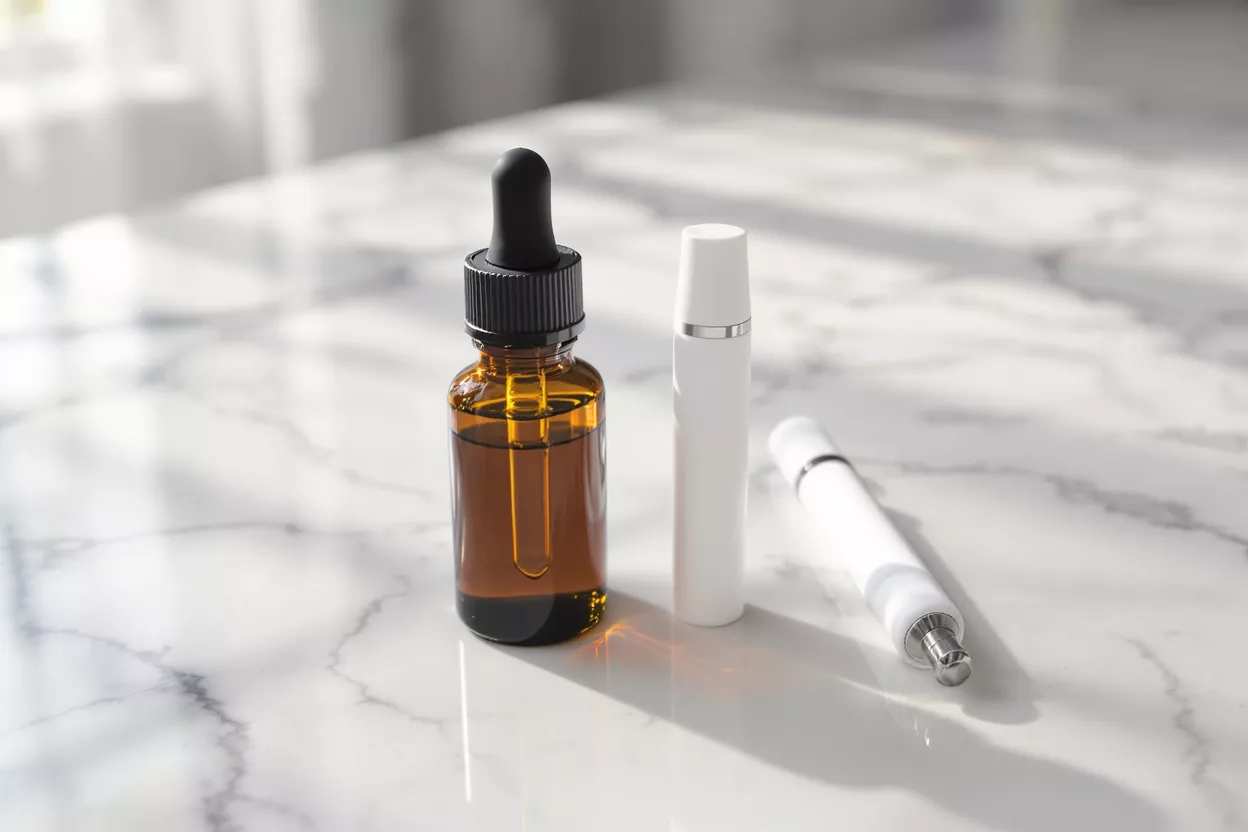
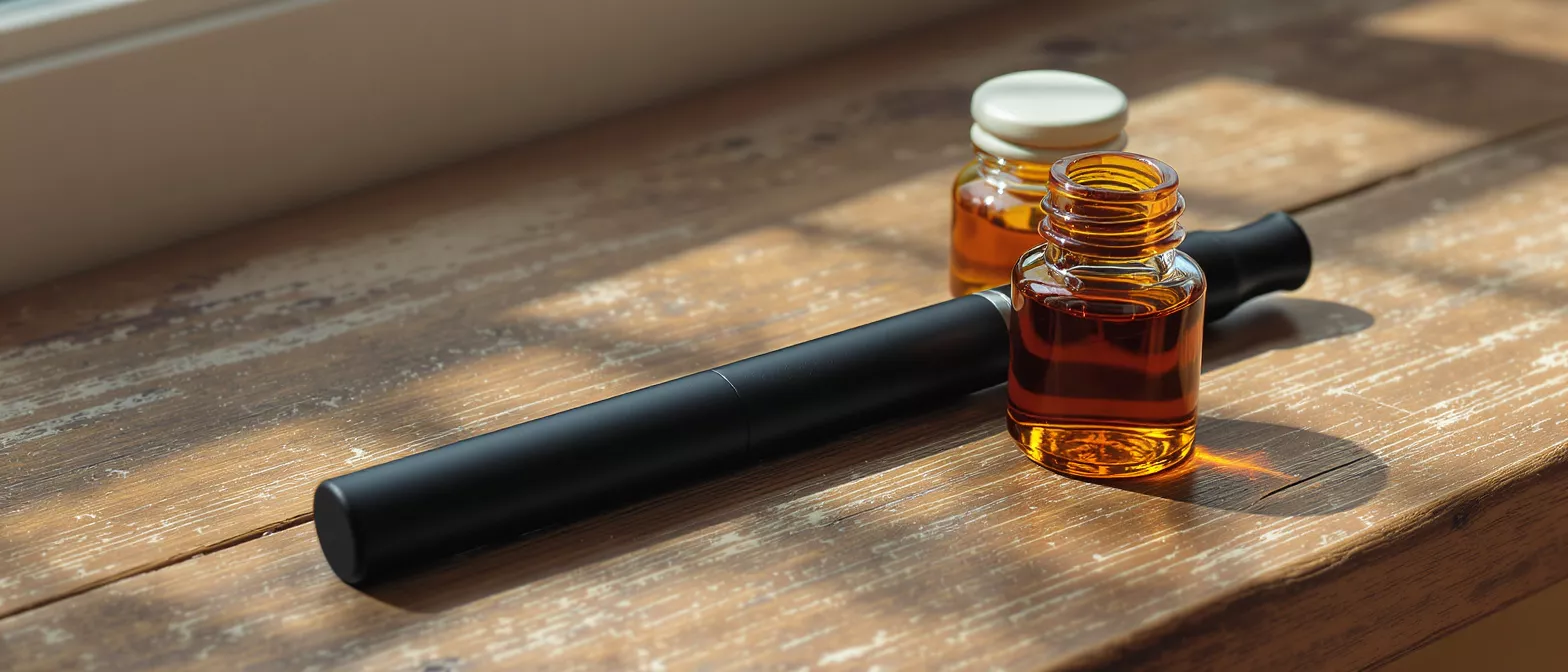
Vaporizing concentrates: Some users prefer inhalation for how quickly it acts. RSO can be vaporized with a device built for concentrates, and because absorption happens through the lungs, relief tends to arrive within minutes. The catch is significant: inhalation is a poor fit for anyone with respiratory illness or lung cancer, and it is arguably the least appropriate route for the exact population most interested in the oil. The rapid onset also makes it easier to overshoot, so restraint is essential.
Many people ultimately mix methods to match the moment — a capsule for steady daytime coverage, a topical for a nagging joint, and so on. There is no rule that you must pick one channel and stick to it, provided your total daily intake stays sensible. Avoid hotboxing or any enclosed-space inhalation approach, which offers no dosing control and simply irritates the lungs.
Rick Simpson Oil Dosing Guide and the 90-Day Protocol
Start low and go slow: The single most important principle with RSO is beginning with a tiny amount — a portion roughly the size of a grain of rice or even a half grain. This lets you gauge your sensitivity before the potent THC content has any chance to overwhelm you. From there, increases should be gradual and spaced out over days, never rushed within a single afternoon.
Rick Simpson's own widely-circulated protocol builds over roughly 90 days toward a target of about one gram of oil per day, divided into three doses spaced through the day. That endpoint is far too strong for a newcomer to jump to, which is exactly why the protocol ramps up so slowly. Structured programs mirror this arc — a graduated capsule course, for instance, might open at a single 5mg dose and climb toward larger 50mg servings only once tolerance is established.
Practical dosing reminders worth internalizing:
- 🌾 Begin microscopic: a rice-grain amount is a real starting dose, not a token gesture.
- ⏳ Space it out: divide the daily amount into three, and wait for full onset before judging.
- 📈 Climb gradually: tolerance builds over weeks, letting you raise the dose without harsh psychoactivity.
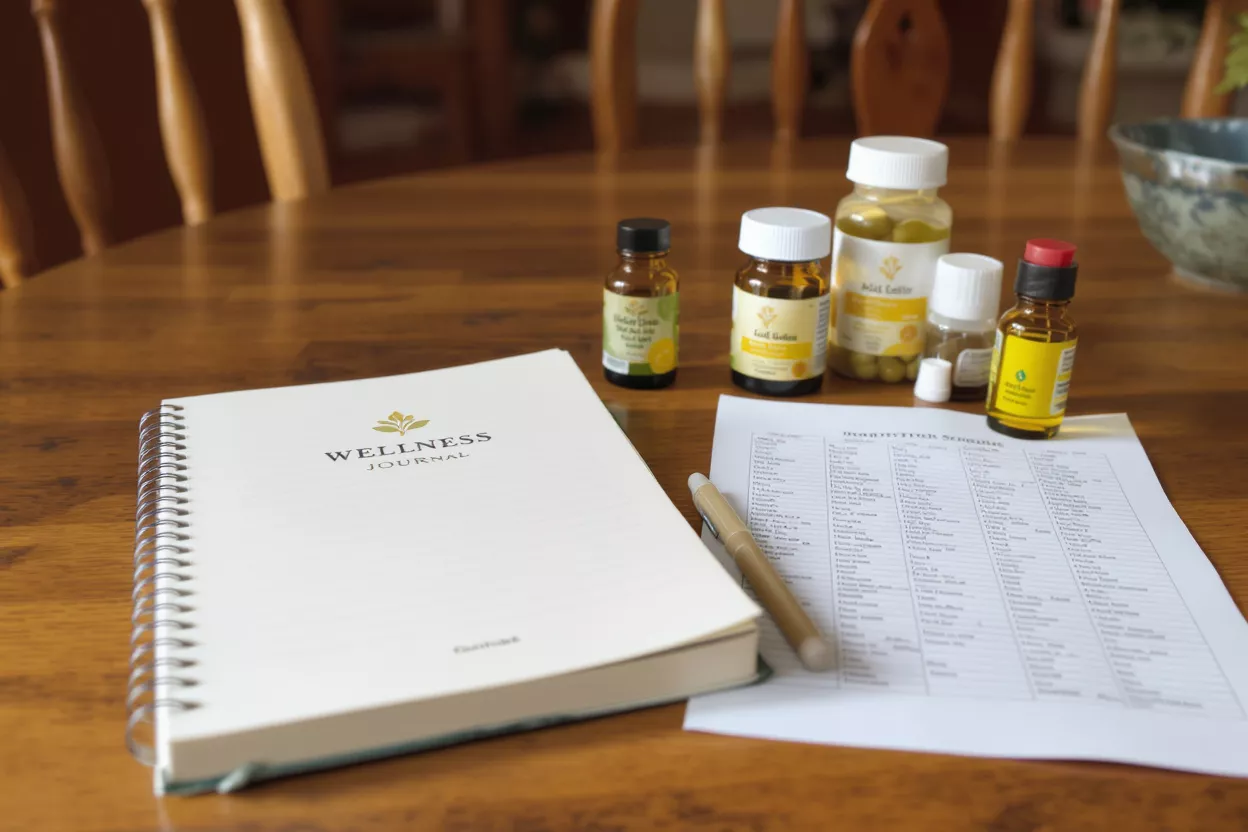
- 👤 Individualize: body weight, metabolism, and symptom severity all shift the right amount for you.
The goal is never the biggest dose you can tolerate — it is the smallest dose that delivers the relief you are after. If a lower amount does the job, there is no benefit to pushing higher.
Are Phoenix Tears Safe and What Are the Side Effects
RSO is generally well tolerated, but its potency means side effects are common, especially for people new to concentrated THC. Most are mild and pass as the body adjusts, though they can feel intense at first if the dose was too ambitious. Knowing what to expect takes the fear out of them.
The common, manageable effects: Drowsiness, dry mouth, dizziness, a faster heartbeat, and short-term trouble with memory or concentration top the list. These typically resolve on their own and are the body's normal response to THC rather than signs of harm. Reducing the dose or taking a break almost always settles them. This is precisely why the start-low approach matters — a smaller amount rarely triggers the disorienting reactions that a large one can.
When to be genuinely cautious: RSO can interact with medications such as blood thinners and certain anti-anxiety drugs, and it may not suit people with liver disease or a personal history of psychosis. These are not reasons for blanket avoidance, but they are firm reasons to talk with a clinician before starting, particularly if you take daily prescriptions. Full-spectrum extracts sit in the lipophilic camp, so they are processed and cleared differently than water-soluble, hydrophilic products, which further underscores checking for interactions.

How to Buy Rick Simpson Oil in Canada Safely
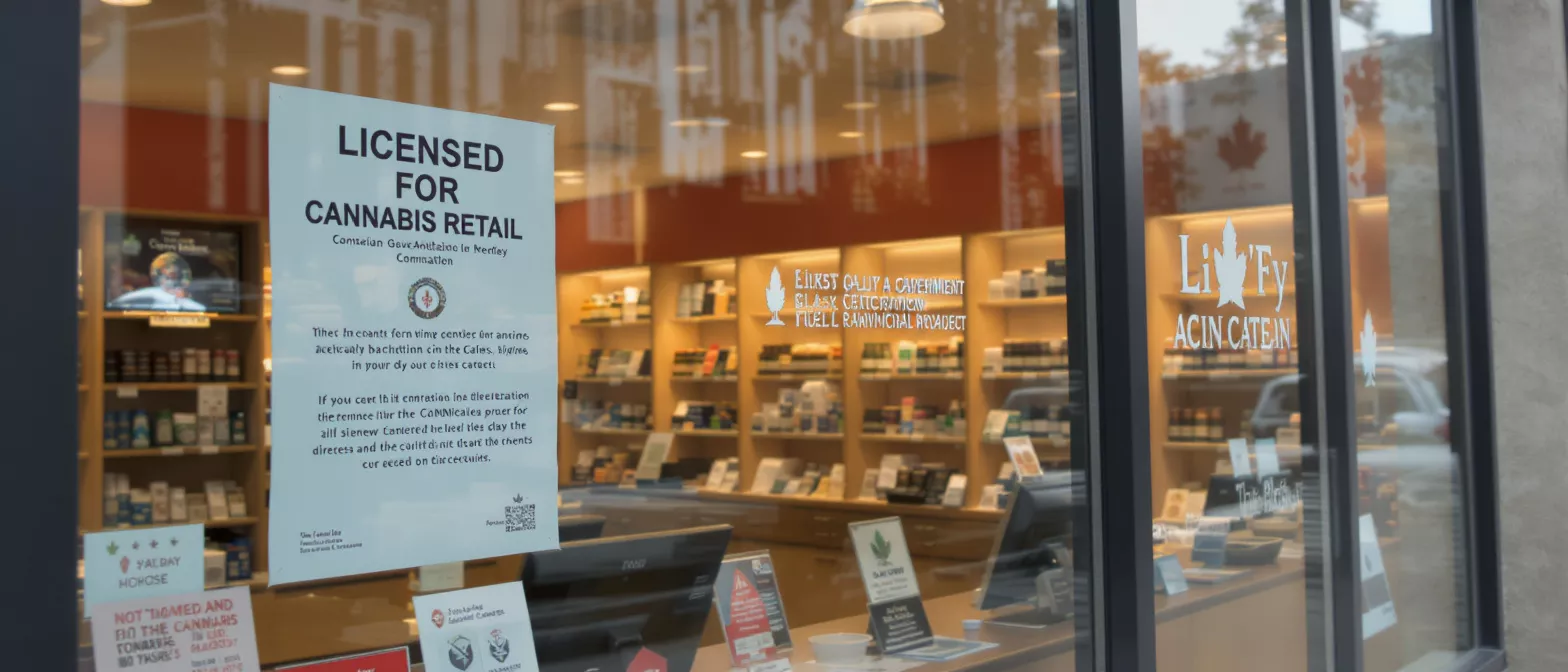
Because RSO is so concentrated, the quality of what you buy directly affects both safety and results. Poorly made oil can concentrate pesticides, residual solvents, or heavy metals right alongside the cannabinoids, so sourcing from a licensed facility with proper testing is not optional — it is the whole game. Anyone searching for Phoenix Tears oil for sale should treat lab testing as the first filter, not an afterthought.
What quality sourcing looks like: A trustworthy product comes with third-party lab results confirming potency and screening for contaminants, clear labelling of THC and CBD content, and transparency about how the oil was made. Cannabis grown organically and processed carefully carries less risk than an anonymous product of unknown origin. Reputable makers describe their KD or distillate inputs and are happy to answer questions rather than dodging them.
Use this quick checklist when evaluating a source:
- 🔬 Lab-tested: verified for potency and screened for pesticides, solvents, and metals.
- 🏷️ Clear labelling: exact THC and CBD figures plus any added ingredients.
- 🏭 Licensed source: produced in a regulated, licensed facility rather than an unverified seller.
- 💬 Transparent maker: open about extraction methods and responsive to questions.
Avoid unlicensed sources entirely. An untested syringe of oil might be underdosed, overdosed, or contaminated, and with a product this strong those variances carry real consequences.
Fitting RSO Into a Complete Cancer Care Plan
The healthiest way to think about Rick Simpson Oil is as one supportive thread woven into a larger fabric of care, never as a standalone treatment that replaces oncology. People who report the best experiences tend to keep their medical team fully informed and continue their prescribed chemotherapy, radiation, or surgery while using RSO to ease symptoms around those treatments.
Building around it thoughtfully: Complementary practices — good nutrition, adequate rest, gentle movement, and stress management through techniques like meditation or acupuncture — tend to amplify quality of life more than any single product can on its own. Some people also fold in supportive supplements such as Lion's Mane for cognitive support, though these should be discussed with a clinician too. The point is that RSO works within a system, not in isolation.
Open communication is the connective tissue that holds all of this together. Telling your oncologist you are using RSO is not an admission of doing something wrong — it lets them watch for interactions, adjust other medications intelligently, and support you properly. Cancer care is deeply individual, and a plan built collaboratively will always serve you better than one assembled in secret from internet forums.


Phoenix Tears 60 Day Program PHASE 2 – NOW+THEN
The committed next step in the RSO journey. NOW+THEN's Phoenix Tears 60-Day Program Phase 2 is a structured, progressive regimen that advances to full-strength dosing for dedicated, experienced users. Guided, methodical, and serious, it's RSO with a roadmap — for those ready to follow the protocol all the way through.
- Therapeutic Dosing : Reaches levels needed for serious conditions
- Continued Progression : Builds on Phase 1 tolerance
- Deep Healing : Addresses chronic and severe symptoms
- Full Spectrum Power : Maximum entourage effect
- Systematic Approach : Structured for safety and efficacy

Grape High Dose Phoenix Tears THC Gummies 1000mg x 3pcs (3000mg) – KANDY KANDY
Extreme strength, handle with care. KANDY KANDY's Grape Phoenix Tears gummies deliver a colossal 1000mg of THC per piece across three grape-flavoured candies — among the most potent edibles available, with effects that last and last. Strictly for the most experienced, high-tolerance users; a fraction of one is a serious dose. Start very low and go very slow.
- Extreme-Strength Pain Support : A 1000mg dose for the highest tolerances managing severe pain
- Long Duration : A single high dose delivers especially long-lasting effects
- Cancer Support : Designed for severe medical needs
- Total Symptom Control : Addresses multiple severe conditions
- Great Value : A high dose per piece means a little goes a long way

Phoenix Tears Capsules 25mg x 30pcs – NOW+THEN
Legendary RSO, finally mess-free. NOW+THEN's Phoenix Tears capsules deliver 25mg of full-spectrum Rick Simpson Oil each across 30 precise doses — the whole-plant power of RSO without the syringe or the taste. Comprehensive and consistent, they bring the entourage effect to a simple swallow-and-go format. Substantial, reliable support, one capsule at a time.
- Enhanced Relief : 25mg provides substantial effects
- Full Plant Medicine : Complete cannabinoid and terpene profile
- Versatile Support : Addresses multiple symptoms
- Consistent Dosing : Exact 25mg every capsule
- Entourage Effect : Compounds work synergistically
The Future of Rick Simpson Oil Research
Interest in cannabis as a complementary cancer therapy keeps growing, and with it comes more serious scientific attention. The gap right now is stark: compelling personal stories on one side, and a thin body of rigorous human trials on the other. Closing that gap is exactly what the coming years of research aim to do, and it will ultimately tell us far more than anecdote ever can.
Where the science is heading: Researchers are pursuing controlled clinical trials to test safety and efficacy in patients, working out which dosages and routes suit different cancers, and probing whether specific cannabinoids and terpenes carry the anti-tumour activity that lab studies have hinted at. There is also movement toward standardized, pharmaceutical-grade extracts so that a dose in one study means the same thing in the next.
Until that evidence matures, the sensible posture is cautious optimism. RSO clearly helps some people feel better through a brutal process, and that alone is meaningful. But feeling better and being cured are different claims, and only careful research will clarify where the true value lies.
To pull the threads together: Rick Simpson Oil is a potent, full-spectrum cannabis extract that people use orally, sublingually, topically, and occasionally through vaporization to manage the symptoms that accompany cancer and its treatment. The reliable through-lines are starting with an almost absurdly small dose, increasing slowly over weeks, sourcing only lab-tested oil from a licensed facility, and keeping your healthcare team in the loop at every step. Its strongest documented value is in comfort and quality of life rather than as a cure, and the smartest way to use it is as one carefully chosen part of a complete, professionally guided care plan. Approach it with respect for its strength, patience with the process, and honesty with the clinicians walking beside you.


Comments