


How Long Does it Take for CBD Oil to Work for Pain Relief?
Wondering how long CBD oil takes for pain relief?
If you have ever swallowed a dropper of CBD oil and then stared at the clock wondering when something is supposed to happen, you are not alone. The honest answer to how long it takes for CBD oil to work for pain relief is that it depends on the delivery method, your body, and the type of pain you are treating. Some people feel a subtle shift within fifteen minutes, while others need several days of consistent use before the benefit becomes obvious. This guide breaks down the realistic timelines for every common format so you know what to expect and when to adjust.
How Long Does CBD Oil Take to Work for Pain?
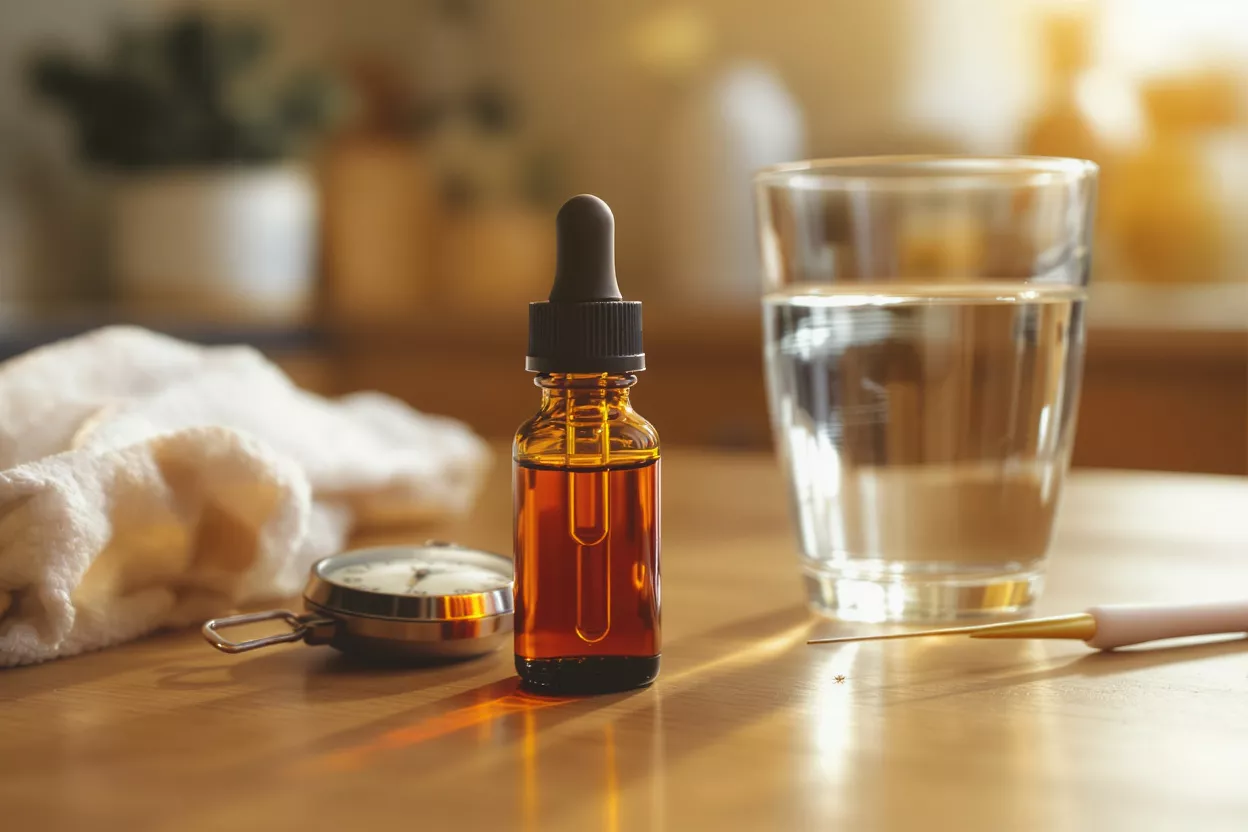
Sublingual oil is the middle-ground option for speed. When you place CBD oil under your tongue and hold it for sixty to ninety seconds, the cannabinoid absorbs through the thin mucous membranes directly into your bloodstream, bypassing the digestive tract. Most people notice the first effects within fifteen to forty-five minutes, with the peak landing somewhere around the ninety-minute mark. That makes it considerably faster than a capsule but slower than inhalation.
Acute pain and chronic pain follow different clocks. If you are dealing with a flare of sharp, situational discomfort, you may register relief in that first half hour. Chronic pain rooted in inflammation behaves differently. The molecular processes that drive ongoing pain take time to modulate, so the meaningful results often arrive only after days or weeks of daily dosing as cannabinoid levels build in your system.
It helps to separate two questions that people tend to blur together: when does CBD enter my bloodstream, and when does my pain actually feel better. The first can happen quickly. The second depends on whether your discomfort responds to immediate signaling changes or requires a slower anti-inflammatory effect to take hold. Setting that expectation early saves a lot of premature disappointment.
What Affects How Fast CBD Oil Works
No two people metabolize cannabinoids identically, which is why your friend's experience is a poor predictor of your own. Body weight, metabolic rate, the severity of your pain, and even whether you have eaten recently all shift the timeline. A few variables matter more than the rest, and understanding them helps you troubleshoot when results feel slow.
- ⚖️ Body chemistry: Your endocannabinoid tone, liver enzyme activity, and overall metabolism determine how quickly CBD is processed and how strongly you feel it.
- 🍽️ Food in the stomach: Taking CBD with a meal containing healthy fats can increase absorption for oral forms, though it also slightly delays onset.
- 💧 Product quality: Full-spectrum extracts carry supporting compounds and terpenes that may enhance results compared with isolate.
- 📏 Dose accuracy: An underdose stretched too thin produces nothing; a measured, consistent dose produces a measurable response.
Bioavailability is the hidden variable. This term describes how much of a dose actually reaches your bloodstream. Sublingual oil delivers more than a swallowed capsule because it skips first-pass liver metabolism, while inhaled products deliver the most but fade fastest. According to Prevention, the form you choose has a real impact on both how fast and how completely a cannabinoid takes effect, so matching the format to your goal matters.
The presence of complementary compounds also plays a role. Full-spectrum products contain trace cannabinoids like THCV alongside aromatic terpenes such as Terpinolene, and the terpinolene effects some users report include a subtle, balanced quality to the experience. This synergy, often called the entourage effect, is one reason many people prefer whole-plant extracts over purified isolate for persistent pain.
CBD Oil for Back Pain: Timing and Expectations
Back pain is one of the most common reasons people reach for CBD, and it is also one of the trickier targets because back discomfort can stem from muscle tension, nerve irritation, disc issues, or inflammation, each responding on its own schedule. A good full-spectrum CBD oil for back pain taken consistently gives your body the steady baseline it needs to address the inflammatory component.
Muscular back pain often responds first. If your discomfort is largely tension-driven, the muscle-relaxing and calming qualities of CBD may bring noticeable relief within the first hour of a sublingual dose. Tightness that has been holding for days can ease as your nervous system settles, which is why some people pair an evening dose with gentle stretching before bed.
Nerve-related and structural back pain is a longer game. These mechanisms rarely shift in a single session, and realistic expectations mean committing to two to four weeks of daily use before judging whether oil is working for you. Keeping a simple symptom journal helps you spot gradual improvement that day-to-day memory tends to miss.
How CBD Cream for Back Pain Compares to Oil
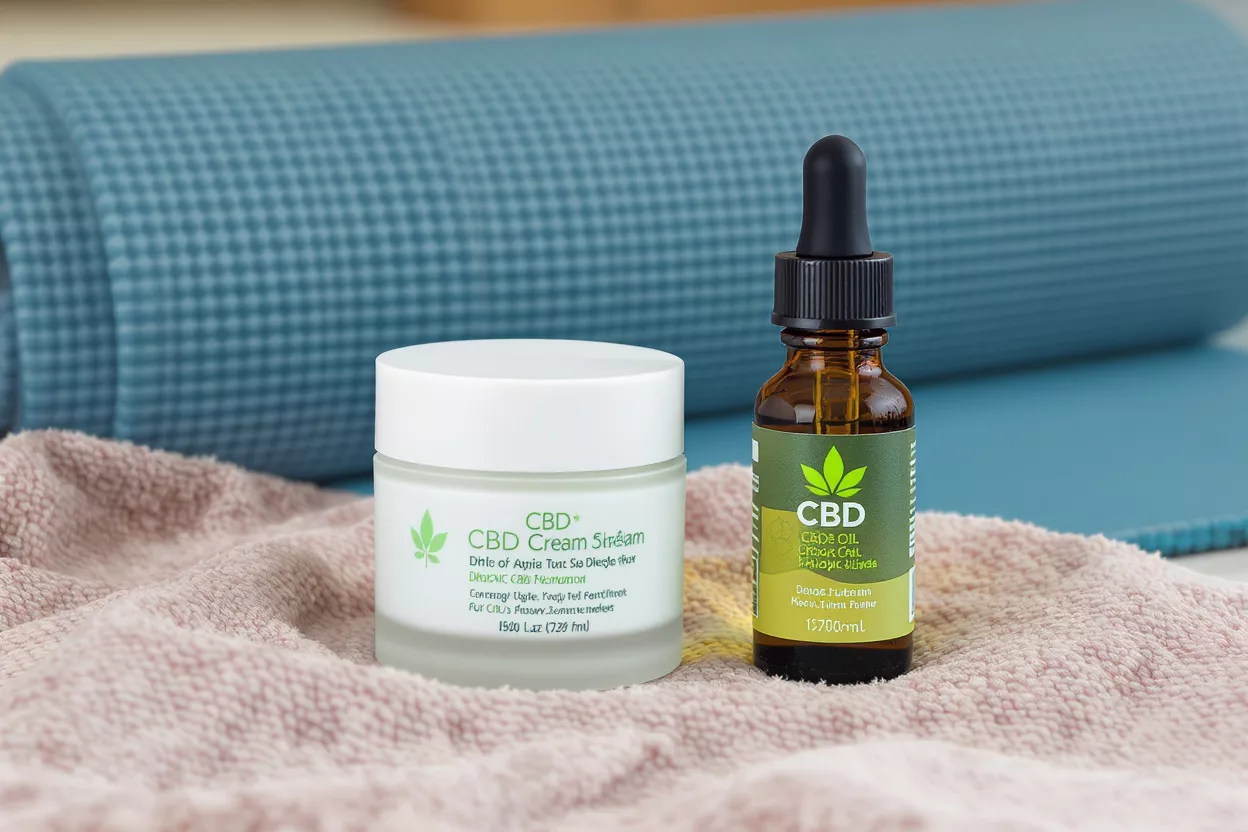
Topicals work on an entirely different principle than oils. Rather than entering your bloodstream, a CBD cream for back pain is absorbed into the skin and underlying tissue, interacting with cannabinoid receptors concentrated in that localized area. This makes creams ideal for targeted, surface-level relief without any systemic effect.
Topical onset is often faster for localized pain. Because you are applying the cannabinoid directly to the affected spot, many people feel a warming or soothing sensation within minutes to half an hour. The trade-off is duration and depth: a topical will not reach deep structural pain the way an absorbed oral dose can, but for a sore lower back after a long day, a quality CBD pain relief cream can be remarkably effective.
- 🎯 CBD cream: Fast, localized, surface relief lasting two to four hours; ideal for joints, muscles, and specific sore spots.
- 💧 CBD oil: Slower onset but whole-body, longer-lasting effect; better for widespread or internal pain.
- 🔄 Combined approach: Many users layer a topical for immediate comfort over a daily oil for sustained baseline support.
For Canadians shopping a cbd pain cream Canada has plenty of regulated options, and choosing a product with a transparent certificate of analysis ensures you get the potency the label promises. Pairing a cream with an oral routine often delivers the best of both worlds.
CBD Pills for Pain: Slow but Steady
Capsules and softgels are the slowest delivery method, but they offer advantages that make the wait worthwhile for many people. When you swallow a CBD pill for pain, it passes through your digestive system and liver before entering the bloodstream, a process that typically takes thirty minutes to two hours to produce noticeable effects.
Predictable dosing is the capsule's strongest selling point. Each pill contains a precise, pre-measured amount, eliminating the guesswork of counting dropper drops. For anyone building a consistent daily pain-management routine, that reliability is genuinely valuable, and the slower onset is paired with a longer, steadier duration of effect.
The delayed onset means capsules are not the right tool for sudden flares, but they shine for around-the-clock baseline coverage. Many people who use CBD pills for pain take one in the morning and another in the evening to maintain steady cannabinoid levels, much the way you might approach a daily supplement like Theanine for ongoing calm rather than acute relief.
CBD for Joint Pain: What the Research Suggests
Joint pain, particularly the kind driven by arthritis and inflammation, is among the most studied applications for cannabinoids. The appeal is straightforward: CBD interacts with receptors involved in both immune response and pain signaling, two systems central to inflammatory joint conditions.
Inflammation-driven pain rewards patience. Unlike a quick muscle relaxation, calming the inflammatory cascade in a joint is a cumulative process. Most people exploring CBD for joint pain find that consistent daily dosing over several weeks produces a more meaningful reduction in stiffness and discomfort than any single dose ever could.
Combining delivery methods tends to work especially well for joints. A daily oral dose builds the systemic anti-inflammatory baseline while a topical applied directly to a swollen knuckle or knee delivers targeted, on-demand comfort. A well-formulated CBD joint and muscle balm applied morning and night complements the internal routine nicely for hands, knees, and other accessible joints.
CBD Dosage for Pain: Finding Your Range
There is no universal CBD dosage for pain because the right amount depends on your body weight, the severity of your condition, your individual sensitivity, and the concentration of your product. The smartest approach is to start low and increase gradually until you find the dose that delivers relief without unnecessary excess.
Start low and titrate upward. A common starting point is ten to twenty milligrams per day, held steady for several days while you observe the effect. If relief is incomplete, increase by small increments every few days rather than making large jumps. This methodical approach helps you land on the minimum effective dose, which is both economical and gentle on your system.
Keep in mind that more is not always better. Research suggests CBD follows a bell-shaped response curve in some contexts, meaning very high doses do not necessarily outperform moderate ones and can sometimes feel less effective. Tracking your intake and your symptoms in a simple log removes the guesswork and gives you a clear picture of what actually works.
- 🌱 Microdose (5–15 mg): Good for mild discomfort, daytime use, and first-time users gauging sensitivity.
- ⚖️ Standard dose (15–45 mg): The common working range for moderate chronic pain managed daily.
- 🔧 Higher dose (45 mg+): Reserved for severe pain under guidance, ideally after lower doses have been tested.
Best CBD Pain Relief Products by Use Case
The best CBD product is the one matched to your specific pain and lifestyle, not the one with the loudest marketing. Matching format to need is the single most important decision you will make, and it is worth a moment of honest reflection about what kind of relief you are actually chasing.
Match the format to the problem. For sudden, localized discomfort, a topical wins on speed. For all-day systemic coverage, capsules deliver consistency. For a flexible balance of onset and duration that you can fine-tune dose by dose, sublingual oil remains the versatile workhorse that most people start with and stick to.
Quality markers matter as much as format. Look for third-party lab testing, a clearly stated cannabinoid content, and clean extraction methods. Some users appreciate the variety of modern formats, from a discreet thc beverage to infused thc tea for evening wind-down, though for pure pain management a focused CBD product usually serves better than a novelty format.
Is CBD Oil for Pain Safe to Use Daily?
For most healthy adults, daily CBD use is well tolerated, and many people take it consistently for months as part of an ongoing pain-management routine. The cannabinoid has a favorable safety profile, with side effects that tend to be mild when they occur at all, such as drowsiness, dry mouth, or minor digestive changes.
Drug interactions deserve real attention. CBD can affect how your liver metabolizes certain medications, particularly those carrying a grapefruit warning. If you take prescription drugs, especially blood thinners or medications with a narrow therapeutic window, a conversation with your doctor before starting CBD is not optional caution but basic good sense.
Quality is also a safety issue. A poorly made product can contain contaminants, residual solvents, or inaccurate cannabinoid levels, which is why a current certificate of analysis from an independent lab matters so much. Buying from a reputable source that publishes its testing protects both your wallet and your health, and it ensures the product you take daily is what it claims to be.
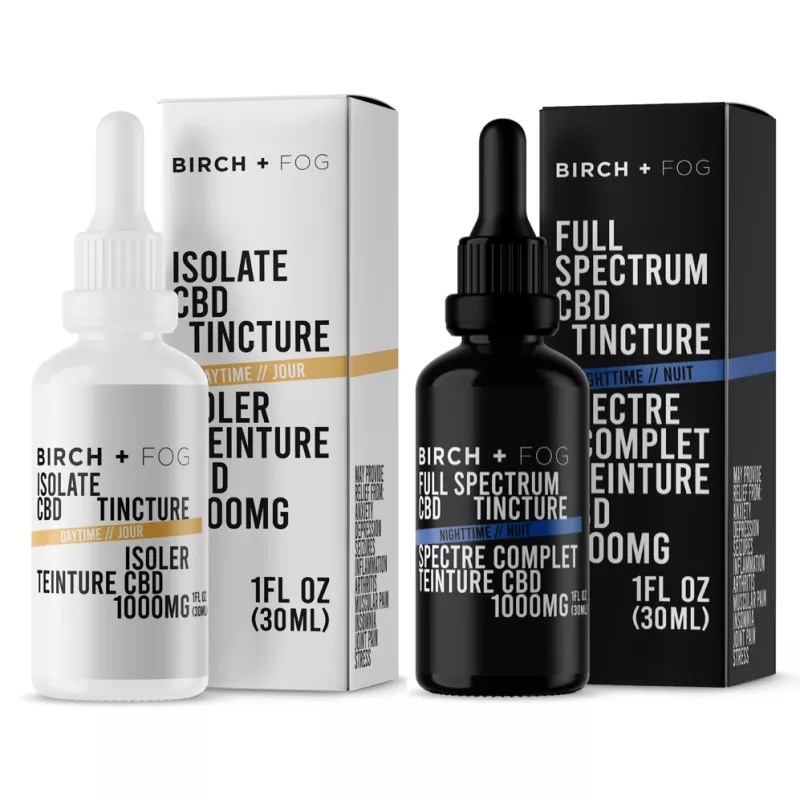

Day + Night CBD Tincture Duo 1000mg – BIRCH+FOG
Around-the-clock relief, tuned to your body clock. Birch+Fog's 1000mg Day + Night duo targets stress differently across two bottles — energizing sativa terpenes keep daytime focus calm and clear, while the evening blend quiets racing thoughts and physical tension for better sleep. One simple system that meets the morning and the night each on their own terms.
- Daytime Anxiety Management : Reduces social and performance anxiety while maintaining mental sharpness
- Evening Stress Relief : Calms racing thoughts and physical tension for better sleep preparation
- Circadian Rhythm Support : Works with natural body clocks to optimize anxiety relief timing
- Cognitive Function Preservation : Morning formula provides calm focus without drowsiness or impairment
- Sleep Quality Enhancement : Nighttime blend promotes deeper, more restorative sleep cycles

CBD CBN Sleep Tincture 1500mg – NOW+THEN
Serious rest, in a dropper. NOW+THEN's CBD+CBN Sleep tincture merges relaxing CBD with naturally sedating CBN at a potent 1500mg — built to tackle stubborn, sleepless nights head-on. A measured dropper before bed quiets the mind and eases you toward deeper sleep, with no high and a clear morning. The nightcap for when ordinary sleep aids fall short.
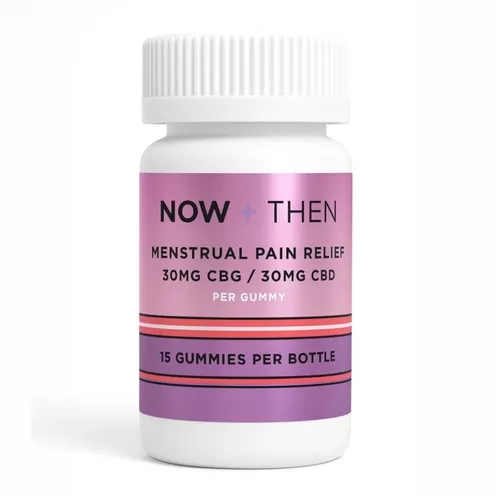
Menstrual Pain Relief Gummies 30mg CBD : CBG x 15 pcs (900mg) – NOW+THEN
Period relief, reimagined. NOW+THEN's Menstrual gummies pair 30mg of CBD with 30mg of CBG in each tropical-flavoured piece — a dual-cannabinoid approach to the cramps and tension that come with that time of the month. No high, just steady, comforting support in a chewable you'll actually look forward to. Fifteen sweet, soothing bites for tougher days.
- Pain Receptor Modulation: CBG directly influences endocannabinoid receptors responsible for pain signaling in reproductive tissues
- Inflammatory Response Management: CBD reduces prostaglandin production that causes uterine contractions and cramping intensity
- Nervous System Regulation: Cannabinoid interaction with GABA pathways promotes relaxation and anxiety reduction
- Circulatory Enhancement: Improved blood flow reduces tissue hypoxia that contributes to menstrual pain severity
- Endocrine System Support: Natural compounds help regulate hormonal fluctuations without disrupting natural cycles
Getting the Most From CBD Oil for Pain
Once you have chosen a quality product and a sensible dose, a few habits help you get the fullest benefit. Consistency is the single most important factor for chronic pain, because cannabinoid levels build over time and the anti-inflammatory effect is cumulative rather than instant.
Build a routine and give it time. Take your dose at the same times each day, pair oral doses with a small amount of healthy fat to improve absorption, and resist the urge to abandon the routine after a single underwhelming day. Most people who report lasting relief committed to several weeks of consistent use before evaluating the result. Stacking calming supportive habits, like a wind-down ritual or a dose of Theanine in the evening, can amplify the sense of overall relief.
To sum up, how long CBD oil takes to work for pain depends on the format you choose and the pain you are treating. Topicals and inhalation act fastest, sublingual oil strikes a balance, and capsules trade speed for steady, predictable coverage. Acute discomfort may ease within the hour, while inflammatory and chronic pain rewards patience and consistency over weeks. Match your format to your goal, start with a modest dose and titrate up, prioritize lab-tested quality, and keep a simple symptom log. With the right product and realistic expectations, CBD can become a dependable part of a thoughtful pain-management plan.



Comments