

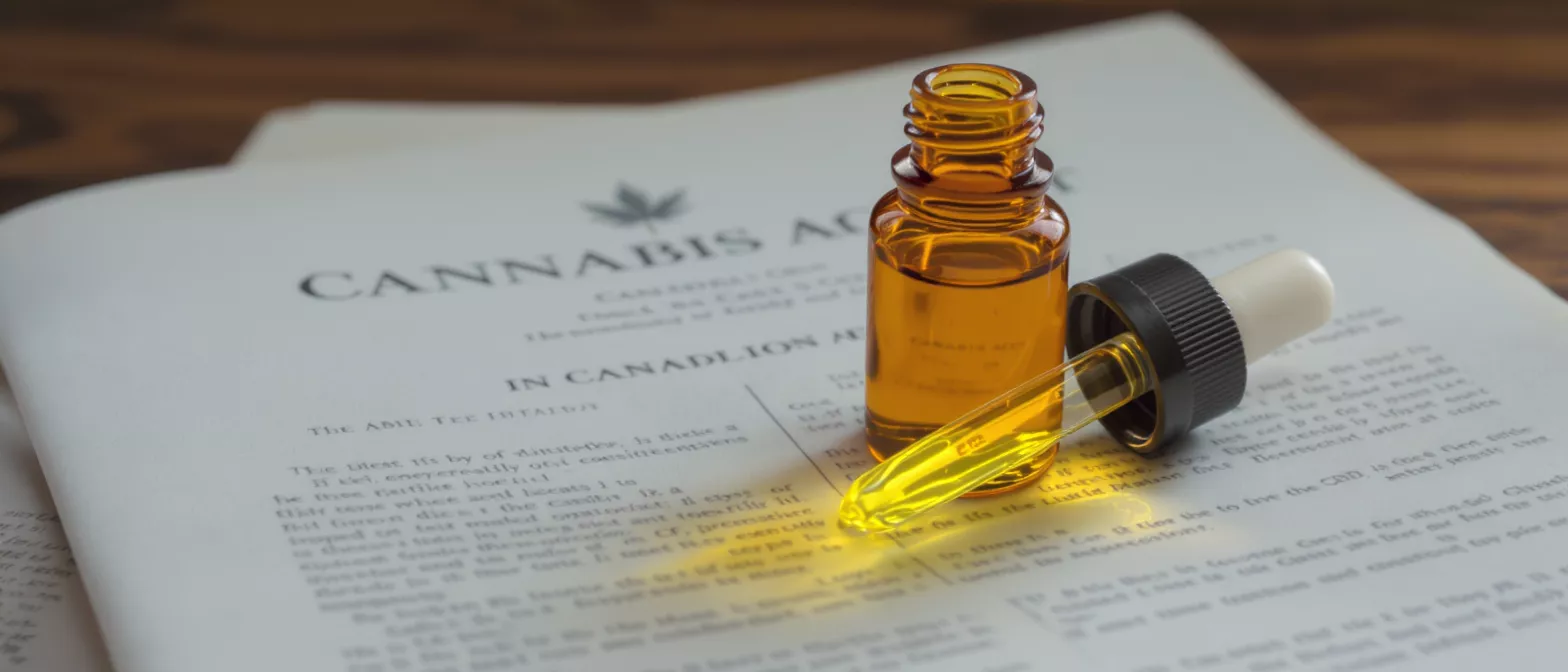
How Much CBD is Legal to Use and Possess in Canada Safely?
Learn how much CBD is legal in Canada, from possession limits to Phoenix Tears.
How Much CBD Is Legal in Canada Right Now
Figuring out how much CBD is legal in Canada sounds like it should be a simple question with a simple answer, but the reality is layered across federal law, provincial rules, and the exact form your product takes. Since October 2018, both CBD and THC products have been legal nationwide, and you can buy them with or without a prescription depending on their potency. That single fact reshaped an entire market, yet plenty of confusion lingers about the actual numbers you can carry, share, and store.
The core of the framework is conversion math. The federal government defines your possession allowance in terms of "dried cannabis equivalent," so a bottle of oil, a package of gummies, and a bag of flower all get measured against the same reference point. This matters because CBD oil is classed as a liquid product, and liquids convert generously. Understanding this conversion is the difference between guessing and knowing exactly where you stand.
Provincial nuance is the part most people overlook. While the federal Cannabis Act sets the ceiling, each province and territory can layer its own rules on top for age limits, retail access, and public consumption. Before you buy or travel with any amount, checking your local regulations is never wasted effort. The rest of this guide breaks the numbers down clearly, then moves into one of the most potent products in the space: Phoenix Tears oil.
Do You Need a Prescription for CBD or Phoenix Tears?
The short answer for most products: no prescription is required. You can legally buy and consume CBD, THC, and even Phoenix Tears Canada recreationally, purchasing from a licensed facility or a licensed producer's online store. This applies to adults of legal age in their province, and it covers the vast majority of consumer wellness products on the market today.
The exception involves high-THC medical formulations. If you are seeking a specific medical supply arrangement, or products managed through a physician's authorization for a documented condition, a prescription pathway still exists and offers larger possession allowances. This route is designed for patients whose therapeutic needs exceed what recreational limits comfortably cover, and it comes with its own registration and documentation requirements.
The confusion often stems from how quickly the landscape shifted. Peer-reviewed medical literature on cannabinoids continues to mature, and institutions like Johns Hopkins Medicine have contributed research that helps physicians and patients make informed decisions. Whether you choose the prescription route or buy recreationally, the same underlying principle applies: know the potency of what you are holding, because that determines which rules govern it.
Public Possession Limits Explained
Public possession became legal in October 2018, and the headline number is thirty. An adult may carry up to 30 grams of dried legal cannabis in public, or an equivalent amount in another form. That "equivalent" clause is where the real detail lives, because almost nobody carries their limit as raw flower.
The Cannabis Act publishes conversion ratios so every product can be compared against dried flower. One gram of dried cannabis equals a specific quantity of each other form, and for liquids the ratio is dramatically higher. Here is how the common categories break down:
- 🌿 Dried flower: 1 gram counts as 1 gram — the baseline reference for every other calculation.
- 💧 Liquid product (like CBD oil): 1 gram of dried cannabis equals 70 grams of liquid, so 30 grams of allowance becomes up to 2,100 grams or 2,100 ml in public.
- 🧊 Solid or liquid concentrates: 1 gram of dried cannabis equals 0.25 grams of concentrate — a much tighter ratio reflecting potency.
- 🌱 Fresh cannabis: counted at 5 grams of fresh per 1 gram of dried.
- 🌰 Cannabis seeds: one seed equals one gram of dried cannabis for possession purposes.
Because CBD oil is a liquid, recreational users can lawfully hold a substantial volume in public — far more than the flat "30 grams" figure suggests at first glance. The Act also permits you to share dried cannabis from licensed producers, up to the 30-gram equivalent, with other legal adults. For anyone building a routine around daily wellness, a well-chosen daily CBD wellness oil fits comfortably within these limits.

Possession Limits for Medical Patients
Authorized medical patients operate under a different and more generous set of rules. For medicinal cannabis users, public possession is limited to 150 grams of dried cannabis or a 30-day medical supply — whichever of those two figures is lower. This structure protects patients who genuinely need larger quantities while keeping the framework sensible.
Medical and recreational allowances stack. A registered patient is entitled to the same extra 30 grams of dried cannabis (or equivalent) that every adult in Canada can possess, layered on top of their medical supply. In practice, that means a patient carrying a prescription amount can also hold up to 2,100 grams or 2,100 ml of CBD oil in addition to their 150-gram or 30-day dried allowance.
Caregiver provisions matter too. If a medical patient cannot cultivate cannabis at home themselves — due to health, mobility, or living circumstances — they may legally designate a caregiver to grow it on their behalf. This keeps home production accessible to the patients most likely to rely on it. Some patients pair their oil with a gentler product like a 1:1 CBD:CBN sleep gummy to round out an evening routine without exceeding any limit.
What Changed in the Cannabis Act After 2019
The original 2018 legalization covered dried flower, fresh cannabis, oil, seeds, and plants — but it deliberately left edibles and topicals for a later phase. That phase arrived in 2019, when licensed producers were permitted to apply to Health Canada for approval of cannabis edibles and topical products. This is why gummies, chocolates, and infused creams appeared on shelves roughly a year after flower did.
A quieter but important reclassification followed. On October 17th, 2020, cannabis oil was withdrawn from the Act's definitions as a standalone product category. Instead, oil products are now classified based on their intended use — as topicals, edibles, or extracts. The practical effect for shoppers is minimal, but it explains why product labels describe items by function rather than simply calling everything "oil."
These amendments were fundamentally about accessibility and clarity. By defining products by how they are actually used, regulators made it easier to apply the correct possession ratio and safety standard to each item. It also opened the door for the diverse product formats — capsules, candies, chocolates, tinctures — that make cannabinoid wellness approachable for people who have no interest in smoking anything.
Can You Travel With CBD in Canada?
Domestic travel within Canada is straightforward. You can carry your legal possession amount across provincial borders, though it is wise to keep products in their original packaging and to respect the destination province's consumption and age rules. Flying domestically with cannabis is permitted within possession limits, but always confirm current airline and airport guidance before you go.
Crossing international borders is where the rule becomes absolute. Bringing CBD, THC, or Phoenix Tears THC into or out of Canada is illegal — full stop. This holds true even when travelling to a jurisdiction where cannabis is legal, and even for products containing only CBD. Cannabis remains a controlled substance, and border services treat it accordingly regardless of the destination's own laws.
The reason is jurisdictional: Canadian legalization only governs conduct inside Canada. The moment you approach a border, you enter the authority of federal customs law and potentially another country's rules entirely. The safest approach is simple — buy what you need where you are going, and never pack cannabis products in luggage bound across a border.
What Are Phoenix Tears and Why the Name?
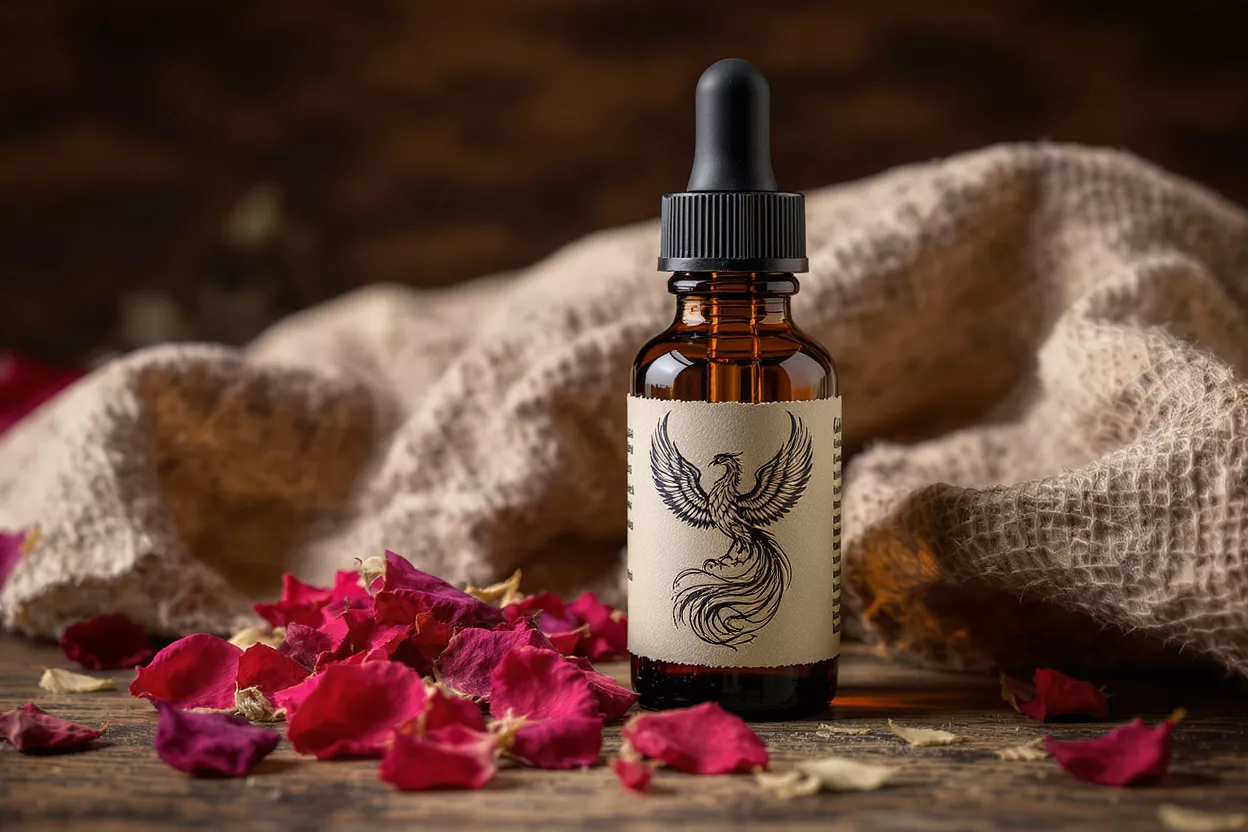
Phoenix Tears is a THC-rich cannabis extract, and one of the most potent forms of cannabis oil available. You may also encounter it under several other names: Rick Simpson Oil (RSO), FECO (fully extracted cannabis oil), hashish oil, or simply "cannabis extract." All describe a thick, concentrated oil that captures a broad spectrum of the plant's compounds.
The name traces back to Rick Simpson, who began applying the oil to his own skin daily and reported dramatic personal results. His story spread through word of mouth and eventually gave the extract its enduring, almost mythical reputation. What distinguishes Phoenix Tears from ordinary tinctures is its sheer potency and versatility — it can be taken orally or applied topically, giving patients real flexibility in how they use it.
Because the extraction captures compounds that are both lipophilic and, in certain formulations, made more hydrophilic for better absorption, the finished oil delivers a substantial cannabinoid dose in a small volume. That concentration is exactly what makes it appealing for patients seeking meaningful effect from a manageable amount. As with any potent product, starting low and going slow is the sensible path, and many people prefer to ease in with a milder CBD dark chocolate bar before exploring stronger extracts.
Phoenix Tears Benefits Worth Understanding
Phoenix Tears earned much of its reputation through anecdotal cancer-support stories, and there is genuine scientific curiosity behind that. Laboratory research has shown that certain cannabis compounds can influence cancer cells in various ways, including encouraging apoptosis — the process by which damaged cells are programmed to self-destruct. It is important to frame this honestly: these are early findings, not a guarantee of treatment, and Phoenix Tears is not a substitute for medical care.
Beyond that headline, patients turn to concentrated cannabis oil for a wide range of everyday concerns. Reported uses include support for pain, inflammation, sleeplessness, anxiety, and appetite — the last being especially relevant for patients undergoing treatments that suppress hunger. Here is a scannable summary of where people most commonly reach for it:
- 🌙 Sleep and rest: the sedating profile of a THC-rich extract helps some users settle into deeper, more consistent sleep.
- 🔥 Inflammation and pain: concentrated cannabinoids are widely used for persistent aches and inflammatory discomfort.
- 🍽️ Appetite support: particularly valued by patients whose treatment or condition blunts their desire to eat.
- 🧘 Stress and mood: many report a calming effect that eases anxiety and low mood.
The realistic takeaway is that potency cuts both ways. A high-strength extract can offer relief a mild tincture cannot, but it also demands respect for dosing. Always research a new supplement, consult a healthcare professional where appropriate, and introduce it gradually rather than diving in at full strength.
Growing and Making CBD at Home Legally
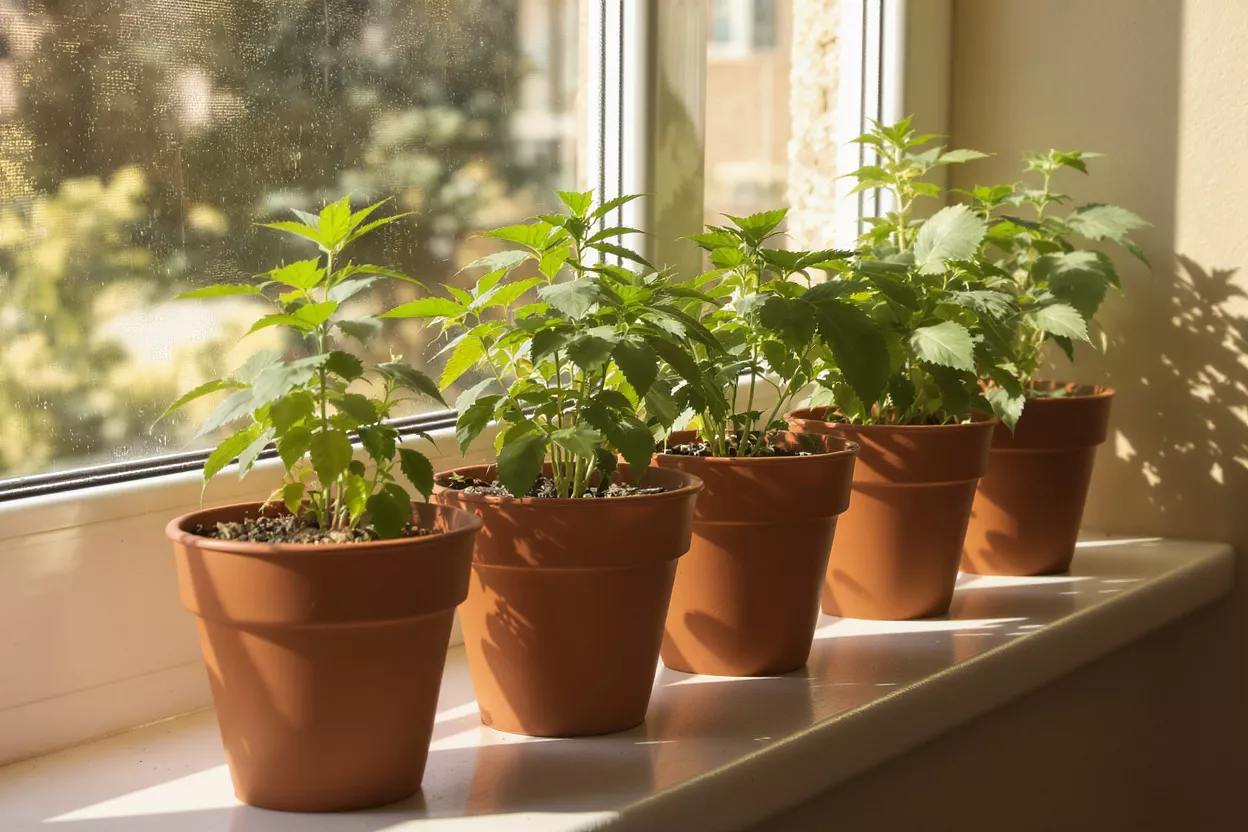
Home cultivation is legal, but it comes with conditions. To grow cannabis for personal use, you must register the intent appropriately and grow only from approved seeds or seedlings. Each household — not each person — is limited to four plants, a rule that trips up roommates and families who assume the limit is per adult.
You are also free to make your own cannabis-infused foods, beverages, and other items at home once you have legal plant material or product. This is where terms like head stash and honeycomb disc surface among hobbyists, and where techniques ranging from simple infusions to ice water hash and live rosin production capture serious enthusiasts. Whether you prefer hydroponics or soil, the plant itself is forgiving of experimentation.
One firm restriction governs home processing. You cannot use organic solvents to alter the concentration of a cannabis product at home. That rule effectively rules out DIY high-potency extractions in your kitchen — the kind of concentrated oil found in Phoenix Tears must come from a licensed facility with proper equipment and testing. It is a safety line worth respecting, because solvent-based extraction done improperly is genuinely dangerous. For consistent, tested strength, a professionally produced 1:1 THC:CBD chocolate removes the guesswork entirely.
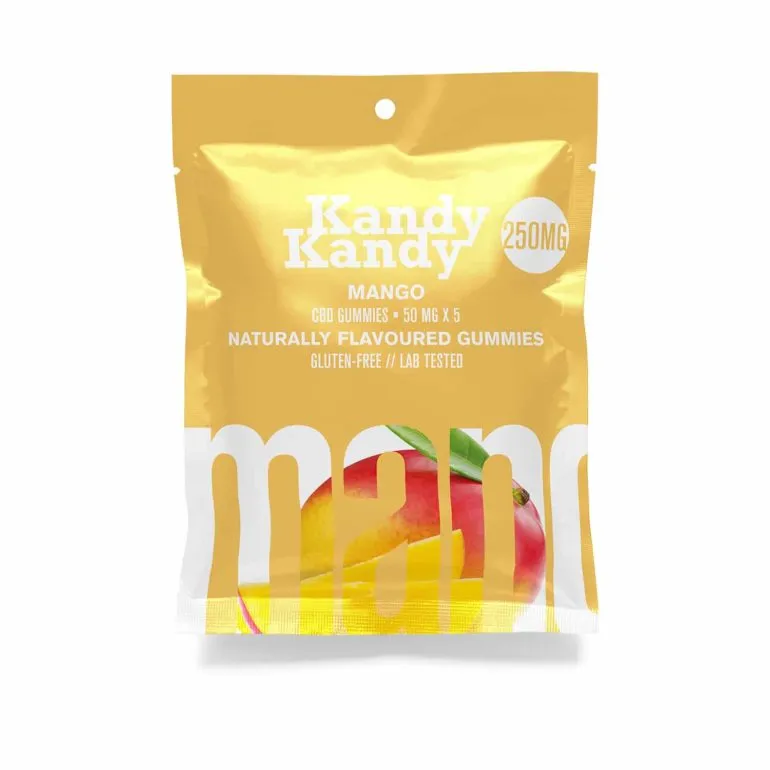

Mango Full Spectrum CBD Gummies 50mg x 5pcs (250mg) – KANDY KANDY
Tropical wellness, full spectrum. KANDY KANDY's Mango CBD gummies pack 50mg of whole-plant CBD into each of five tropical candies — sunshine-sweet flavour and steady, no-high relief that draws on the plant's full entourage. Calm, comfort, and a little escape in every bite.
- Strong Pain Support : A 50mg dose often chosen for chronic, persistent discomfort
- Severe Anxiety Relief : High dose provides comprehensive calm
- Systemic Inflammation Control : Reduces inflammation body-wide
- Enhanced Sleep Quality : Promotes deeper, more restorative rest
- Digestive System Support : CBD helps regulate gut health

CBD Isolate Tincture 1000mg – Natuur
Refined CBD with nothing to flag. Natuur's 1000mg isolate tincture is pure crystalline cannabidiol — no THC, no drug-test worries, no extra compounds. Tasteless and easy to dose precisely, it blends into food or coffee without a trace. The workplace-safe, athlete-friendly choice for predictable, everyday relief.
- Workplace-Friendly : THC-free formula
- Dosing Precision : Isolated compound allows exact effect prediction
- Dietary Integration : Tasteless formula blends into any meal or beverage
- Athletic Compliance : Meets strict anti-doping requirements for competitors
- Isolate Formula : Free of other cannabis compounds for those sensitive to them
Where to Buy Phoenix Tears Oil in Canada
Despite its extreme strength and remarkable healing reputation, Phoenix Tears Canada is fully legal and easy to purchase from a trusted, licensed source. Phoenix Tears oil Canada comes in several convenient forms — oil, capsules, and candies — so you can match the format to your lifestyle and dosing comfort. The oil offers maximum flexibility, capsules deliver precise repeatable doses, and candies make the experience approachable.
When you shop for Phoenix Tears oil for sale, quality of ingredients should be your first filter. Look for products made with natural, non-toxic substances and backed by proper testing from a licensed producer. This is exactly the kind of scrutiny that separates a genuinely medicinal extract from a novelty, and it is why buying from a reputable retailer matters more with potent oils than with any mild product.
To wrap up: knowing how much CBD is legal in Canada comes down to understanding conversion ratios, the thirty-gram baseline, the generous liquid allowance, and the stacked limits available to medical patients. Keep your products in their original packaging, never carry them across a border, and respect your province's specific rules. When you are ready to explore something more potent, Phoenix Tears offers pharmaceutical-grade concentration — just start low, research carefully, and buy only from a licensed source you trust. Armed with the numbers and the context in this guide, you can navigate Canada's cannabinoid landscape with genuine confidence.

Comments