THC Pain: How THC Helps Manage Chronic Pain
Discover how THC pain relief works in the body to ease chronic conditions.
What Is THC Pain Relief and How Does It Work
THC pain management has moved from the fringes of alternative medicine into mainstream conversation, and for good reason. Tetrahydrocannabinol, the primary psychoactive compound in cannabis, interacts with a sprawling network of receptors throughout your nervous system that govern how you perceive discomfort. For millions living with chronic conditions, THC pain relief offers an avenue that conventional pharmaceuticals sometimes fail to address, particularly when standard treatments lose effectiveness or carry their own burdens.
The endocannabinoid connection is where the story begins. Your body produces its own cannabinoids that regulate mood, appetite, inflammation, and pain signaling. THC mimics these natural compounds, slotting into receptor sites and modulating the intensity of pain messages before they fully register in your brain. This is fundamentally different from how an opioid works, which is part of why THC pain approaches have drawn so much clinical curiosity.
It helps to think of THC not as a numbing agent but as a translator that softens how loudly your nervous system shouts. According to Consumer Reports, a growing share of adults are turning to cannabis-based options specifically to manage persistent discomfort, often after exhausting other avenues. The appeal lies in flexibility: you can adjust dose, format, and timing in ways that rigid prescription schedules rarely allow.
How THC Pain Signals Work in the Body
To understand why THC pain relief works, you have to follow the signal. When tissue is damaged or inflamed, nerve endings fire electrical messages up your spinal cord to the brain, which interprets them as pain. THC intervenes at multiple checkpoints along this pathway, dampening the volume at the source, along the transmission route, and in the brain regions that assign emotional weight to suffering.
The CB1 receptors, concentrated in your brain and central nervous system, are where THC produces both its pain-modulating and psychoactive effects. CB2 receptors, found largely in immune tissue, play a quieter but important role in calming inflammation. This dual action explains why THC pain management can feel comprehensive rather than narrowly targeted, addressing both the raw sensation and the inflammatory engine driving it.
Why inflammation matters deserves a closer look. Many chronic pain conditions, from arthritis to autoimmune disorders, are fueled by persistent low-grade inflammation. By engaging CB2 receptors, THC and other cannabinoids may help quiet the immune overactivity that keeps pain alive long after the original injury has healed. For people who have cycled through anti-inflammatory drugs without lasting success, this represents a meaningfully different mechanism worth exploring with a full-spectrum tincture under proper guidance.
THC Pain Relief vs CBD for Chronic Conditions
One of the most common questions newcomers ask is whether they need THC at all, or if CBD alone will do the job. The honest answer is that they work differently and often work best together. CBD is non-intoxicating and excels at tempering anxiety and certain types of inflammation, while THC delivers the direct pain-modulating punch that many severe conditions require.
The entourage effect describes how cannabinoids and terpenes amplify one another. Compounds like Borneol and Carene, naturally present in many cannabis strains, contribute their own subtle anti-inflammatory and analgesic properties. When THC, CBD, and these terpenes work in concert, users frequently report better relief than any isolated compound delivers on its own. This synergy is why whole-plant preparations remain popular among experienced patients.
Choosing between them often comes down to symptom severity and personal tolerance for intoxication. Here is a quick comparison to frame the decision:
- 🌿 THC: Stronger direct pain relief, psychoactive, ideal for moderate to severe chronic pain.
- 💧 CBD: Non-intoxicating, gentle anti-inflammatory, better for mild pain and anxiety overlap.
- ⚖️ Balanced blends: Combine both to soften THC's high while preserving analgesic power.
- 🔬 Terpene-rich extracts: Add Borneol and Carene for enhanced entourage benefits.
Types of THC Pain Products to Consider
The format you choose shapes how quickly relief arrives and how long it lasts. Inhaled options act fast but fade quickly, while edibles take longer to kick in but provide hours of sustained coverage. Matching the delivery method to your pain pattern is one of the most underrated skills in THC pain management.
Edibles and infused foods appeal to people who want discreet, long-lasting relief without inhaling anything. A cannabis baked good, a cannabis lollipop, or even cannabis jelly can deliver steady effects for six hours or more, making them excellent for overnight pain or all-day conditions. The tradeoff is the delayed onset, which can stretch to two hours, so patience and careful dosing matter.

Concentrates offer the other extreme. Products like Badder/Batter and other BHO (Butane hash oil) extracts pack intense potency for severe breakthrough pain, though they demand experience and care. For those who prefer not to dab, a cannabis disposable vape provides convenient, controllable dosing, while a low-dose gummy suits anyone easing in slowly. Cannabis cough drops and a soothing cannabis bath bomb round out gentler topical and oral options.
Best THC Pain Relief for Chronic Pain
There is no single best product for everyone, because chronic pain is wildly individual. The right choice depends on whether your pain is neuropathic, inflammatory, or musculoskeletal, and on how much intoxication you can comfortably accommodate during your day. That said, certain patterns emerge among long-term patients.
For nerve pain, balanced THC and CBD blends tend to outperform high-THC products alone, since neuropathic discomfort responds well to the calming overlap both compounds provide. Many patients find that a steady tincture taken on schedule, supplemented by a fast-acting format for flare-ups, gives them the most consistent control over unpredictable symptoms.
For inflammatory and joint pain, topicals and edibles often shine because they deliver sustained, body-focused relief without the rapid peaks of inhalation. Here are the formats most chronic pain patients gravitate toward:
- 🎯 Tinctures: Precise dosing and reliable baseline relief throughout the day.
- 🍬 Edibles: Long duration, ideal for overnight and persistent pain.
- 💨 Vapes: Fast onset for sudden flare-ups and breakthrough pain.
- 🧴 Topicals: Localized relief for joints and muscles without intoxication.
THC Pain Dosing Guide for Beginners
Dosing is where most newcomers stumble, and getting it wrong can sour an otherwise promising experience. The golden rule is to start low and go slow, especially with edibles where the delayed onset tempts people into taking a second dose before the first has registered. A common starting point is 2.5 to 5 milligrams of THC, then waiting a full two hours before considering more.
Building tolerance thoughtfully is part of the long game. Your endocannabinoid system adapts over time, so a dose that overwhelms you in week one may feel mild by week four. Rather than constantly escalating, many patients take periodic tolerance breaks to reset their sensitivity, which keeps doses modest and effects reliable. Overdoing it rarely improves pain relief and often just amplifies side effects.
Keep in mind that body weight, metabolism, and the specific condition all shift the equation. A few practical guardrails help anyone find their footing without an unpleasant surprise or a cashed cartridge before relief even sets in.
- 📏 Start small: 2.5 to 5 mg THC for edibles, less if you are sensitive.
- ⏱️ Wait it out: Allow two full hours before redosing edibles.
- 📓 Track results: Log dose, format, and effect to find your sweet spot.
- 🔄 Reset regularly: Take tolerance breaks to keep doses low and effective.
THC Pain Benefits Beyond Symptom Relief
The conversation around THC pain relief often fixates on the pain itself, but the secondary benefits frequently prove just as valuable to quality of life. Chronic pain rarely travels alone; it drags sleeplessness, anxiety, and appetite loss in its wake, and THC happens to address several of these companions simultaneously.
Better sleep ranks among the most cited improvements. Pain that keeps you tossing through the night creates a vicious cycle, since poor sleep lowers your pain threshold the following day. By easing discomfort and promoting relaxation, an evening dose of cannabis milk or an infused edible can help break that loop and restore restorative rest.
Mood and appetite often improve as well, which matters because untreated chronic pain wears down mental resilience and can suppress the desire to eat. Some patients lean on a balanced ratio capsule to capture these broader wellness effects without an overpowering high. The goal is not euphoria but a return to functioning, eating, sleeping, and moving through life with less burden weighing on every moment.

Is THC Pain Relief Safe for Daily Use
Safety is a legitimate concern, and honest answers serve readers better than blanket reassurance. For most adults, THC carries a favorable safety profile compared to long-term opioid or NSAID use, with no risk of fatal overdose and a gentler footprint on the liver and stomach. That said, daily use is not without considerations, and individual factors matter enormously.
Who should be cautious includes people with a history of psychosis, certain heart conditions, or those who are pregnant or breastfeeding. THC can elevate heart rate temporarily and may interact with other medications, so a conversation with a knowledgeable healthcare provider should precede any daily regimen. Responsible use also means never driving while impaired and storing products safely away from children and pets.
One genuine risk worth naming is Cannabinoid Hyperemesis Syndrome, a rare condition in heavy long-term users marked by cyclic nausea and vomiting. It is uncommon and reversible with cessation, but awareness helps frequent users recognize it early. The vast majority of patients using moderate doses for pain never encounter it, yet transparency about the full picture matters.
THC Pain Side Effects to Watch For
Even a well-tolerated compound has a list of possible side effects, and knowing them in advance takes the alarm out of the experience. Most are mild, temporary, and dose-dependent, meaning they fade as your body clears the THC or as you dial in a lower amount. The classic culprits are dry mouth, red eyes, mild dizziness, and the occasional bout of anxiety when doses run high.
Overconsumption is the most common cause of an unpleasant experience, and it is almost always self-limiting. If you take too much, the sensible response is rest, hydration, and reassurance that the effects will pass within a few hours. Some people find that a small amount of CBD or even black pepper, which shares terpenes with cannabis, helps take the edge off an uncomfortable high.
Here are the side effects most users should keep on their radar so nothing catches them off guard:
- 👄 Dry mouth: Extremely common, easily managed with water and hard candy.
- 😴 Drowsiness: Helpful at night, inconvenient during the day, so time doses well.
- 😵 Dizziness: Usually mild and brief, more likely at higher doses.
- 😰 Anxiety: Rises with overconsumption; lower the dose or add CBD to counter it.


CBD CBG Pain Tincture 1500mg – NOW+THEN
Targeted relief where regular CBD stops short. NOW+THEN's CBD+CBG Pain tincture combines two complementary cannabinoids at a robust 1500mg — a focused, whole-body approach to persistent aches. A measured dropper delivers steady, no-high comfort that builds into your routine. The higher-strength bottle for discomfort that needs more than CBD alone.
- Synergistic Pain Relief : Two cannabinoids work together
- Anti-Inflammatory Power : Reduces swelling and pain
- Neuropathic Support : Effective for nerve pain
- Fast Acting : Sublingual absorption in minutes
- Precise Control : Adjust dose for pain levels

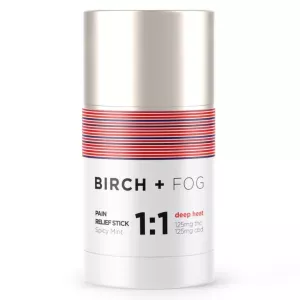
CBD THC Spicy Mint Pain Relief Stick 250mg – BIRCH+FOG
This Birch+Fog stick turns a simple roll-on into a warming ritual for tired, tight spots. Inside is 250mg of CBD blended with capsaicin and warming botanicals, so the heat builds gradually over the first several minutes and settles into a deep, comforting warmth. A cool mint top note keeps it fresh rather than medicinal. The twist-up format glides on clean and mess-free — easy to target shoulders, lower back, or legs after a long day or a hard session. Many keep one in the gym bag and another by the bed for the spots that ask for a little extra heat.
- 250mg CBD in a mess-free, twist-up topical stick
- Warming capsaicin and cinnamon build gentle, lasting heat
- Cool mint top note keeps it fresh, not medicinal
- Glides on clean for easy targeting of shoulders, back, or legs
- Pocket- and gym-bag-friendly for use on the go

CBD THC Peppermint Pain Relief Stick 250mg – BIRCH+FOG
Roll-on relief that goes exactly where it hurts. This Birch+Fog stick pairs 250mg of CBD and THC with bright peppermint and menthol, so the cooling lands the moment it touches skin while the cannabinoids settle into tight, overworked muscle underneath. The no-mess format glides on clean for shoulders, knees, or a stiff lower back — a quick, targeted reset you can keep in a gym bag or a desk drawer.
- Instant Cooling Relief : Menthol provides immediate comfort sensation
- Anti-Inflammatory Action : CBD reduces inflammation at pain source
- Targeted Application : Precise stick format for specific pain areas
- Muscle Recovery : Perfect for post-exercise soreness
- Joint Support : Helps with arthritis and joint discomfort
THC Pain Research and What Comes Next
The science of THC pain relief is still maturing, hampered for decades by legal restrictions that made rigorous study difficult. That landscape is shifting fast as more regions legalize and fund research, and the emerging evidence increasingly supports what patients have reported anecdotally for years: cannabis genuinely helps many people manage chronic pain.
Where the evidence stands today is encouraging but incomplete. Studies on neuropathic pain, multiple sclerosis spasticity, and cancer-related discomfort show meaningful benefits, while research on other conditions remains thinner. The most exciting frontier involves understanding how specific cannabinoid and terpene combinations target particular pain types, which could eventually allow truly personalized formulations.
As cultivation and extraction techniques advance, the products themselves keep improving in precision and consistency. The future likely holds finely tuned ratios, novel delivery systems, and a deeper scientific consensus that finally matches the lived experience of patients. For anyone weighing THC pain management today, the takeaway is clear: start low, choose your format thoughtfully, work with a knowledgeable provider, and approach the journey with both optimism and informed caution. Chronic pain is relentless, but the tools to soften its grip have never been more accessible or better understood.