THC Vape Pen Safety Guide for New Users
Essential THC vape pen safety guide for new users.
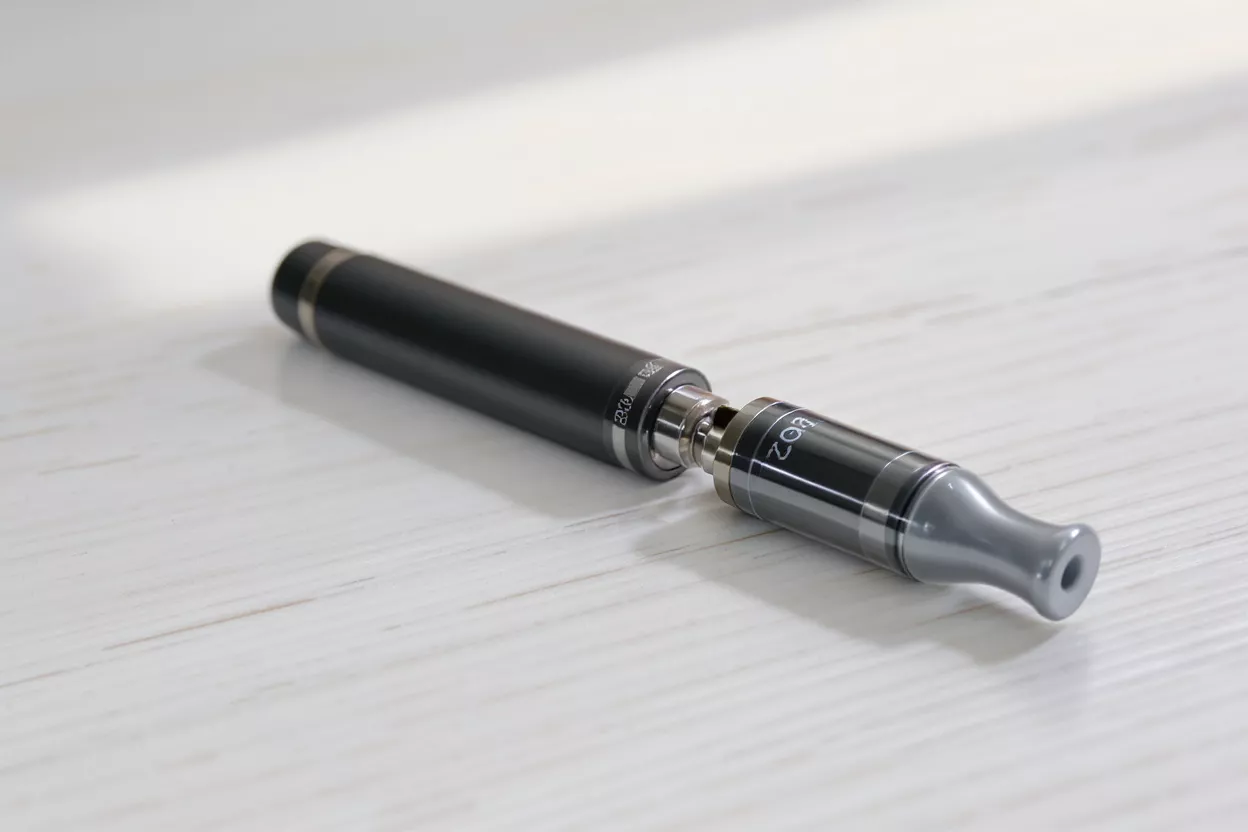
Vintage-style e-cigarette on a leather book beside an amber liquid bottle on wood, blending classic elegance with modern innovation.
THC Vape Pen Safety Guide for New Users: Essential Protocols for Safe Cannabis Consumption
Safety Foundations for THC Vaping
Introduction to THC Vape Pen Safety
THC vape pen safety represents the most critical aspect of cannabis consumption for new users, establishing protective protocols that prevent adverse experiences while enabling positive exploration of cannabis benefits. Understanding and implementing comprehensive safety measures transforms potentially risky experimentation into controlled, beneficial experiences that support both immediate wellbeing and long-term cannabis relationships.
🛡️ The Foundation of Safe Cannabis Use
Safety protocols for THC vaping extend beyond simple device operation to encompass dosing strategies, product selection, environmental considerations, and emergency preparedness that collectively create comprehensive protection against potential risks. This holistic approach to safety enables confident exploration while minimizing the anxiety and uncertainty that often accompany first cannabis experiences.
New users face unique safety challenges including unknown tolerance levels, unfamiliarity with cannabis effects, and lack of experience recognizing appropriate dosing and timing. Systematic safety education addresses these vulnerabilities while building knowledge and confidence that support positive long-term cannabis relationships.
🎯 Preventing Common New User Mistakes
The majority of negative cannabis experiences result from preventable mistakes including overconsumption, inappropriate timing, poor product selection, and inadequate preparation rather than inherent dangers of cannabis itself. Understanding and avoiding these common pitfalls dramatically improves safety outcomes while enabling optimal experiences.
Comprehensive safety education empowers new users to make informed decisions about consumption while developing intuitive understanding of their personal response patterns, optimal dosing ranges, and situational considerations that affect safety and satisfaction.
Understanding THC Safety Fundamentals
🧠 THC’s Effects on the Body and Mind
THC produces psychoactive effects by interacting with CB1 receptors in the brain, creating changes in perception, mood, coordination, and cognitive function that new users must understand to maintain safety during and after consumption. These effects typically begin within minutes of vaping and can last 1-4 hours depending on dose and individual factors.
Understanding normal THC effects helps new users distinguish between expected experiences and potential problems while setting appropriate expectations that reduce anxiety and enable enjoyment of cannabis benefits without unnecessary concern about normal psychoactive effects.
⚖️ Individual Variation and Sensitivity
Individual responses to THC vary dramatically based on genetics, body weight, metabolism, tolerance, and psychological factors that affect both sensitivity and optimal dosing. New users cannot predict their response based on others’ experiences and must discover their personal patterns through careful, systematic exploration.
Factors affecting THC sensitivity include previous cannabis exposure, medication use, health conditions, stress levels, and even daily variations in physical and mental state that can influence response to identical doses on different occasions.
🕐 Timing and Duration Considerations
THC vaping provides rapid onset (2-5 minutes) but effects continue developing for 10-15 minutes after consumption, requiring patience and restraint to avoid impatient redosing that leads to overconsumption. Understanding this timing prevents the most common cause of negative experiences among new users.
Effect duration varies based on dose, individual metabolism, and consumption method, with vaping typically lasting 1-3 hours but potentially affecting sleep, driving ability, and cognitive function for longer periods that require planning and preparation.
⚠️ Recognizing Personal Limits
Safe THC use requires developing awareness of personal tolerance limits and optimal dosing ranges through gradual experimentation rather than attempting to achieve maximum effects. This conservative approach enables positive experiences while building tolerance gradually and safely.
Personal limits change over time based on tolerance development, life circumstances, stress levels, and health factors that require ongoing attention and adjustment rather than assuming static tolerance and optimal dosing levels.
Device Safety and Dosing Protocols
Device Safety and Hardware Protection
🔋 Battery Safety and Electrical Hazards
THC vape pen batteries contain lithium-ion cells that require proper handling to prevent overheating, short circuits, and potential fire hazards. Use only manufacturer-approved chargers and avoid overcharging, extreme temperatures, or physical damage that could compromise battery safety.
Signs of battery problems include excessive heat, swelling, unusual odors, or performance changes that indicate potential safety hazards requiring immediate discontinuation and proper disposal. Never attempt to repair damaged batteries or use devices showing signs of electrical problems.
🔌 Proper Charging and Power Management
Charge THC vape pens using appropriate chargers in safe locations away from flammable materials while monitoring charging progress to prevent overcharging. Avoid charging overnight or in unattended locations where potential problems could escalate without intervention.
Disconnect chargers when batteries reach full charge and avoid completely depleting batteries which can damage cells and reduce operational life. Store devices with partial charge (30-70%) for optimal battery health during extended storage periods.
🛠️ Device Maintenance and Inspection
Regular inspection of THC vape pens helps identify potential safety issues including loose connections, damaged threads, cracked cartridges, or component wear that could affect safety or performance. Address problems immediately rather than continuing to use potentially dangerous devices.
Clean devices regularly using appropriate methods and materials that remove residues without damaging components or introducing contaminants. Proper maintenance prevents many safety issues while extending device life and maintaining optimal performance.
⚠️ Recognizing Device Malfunctions
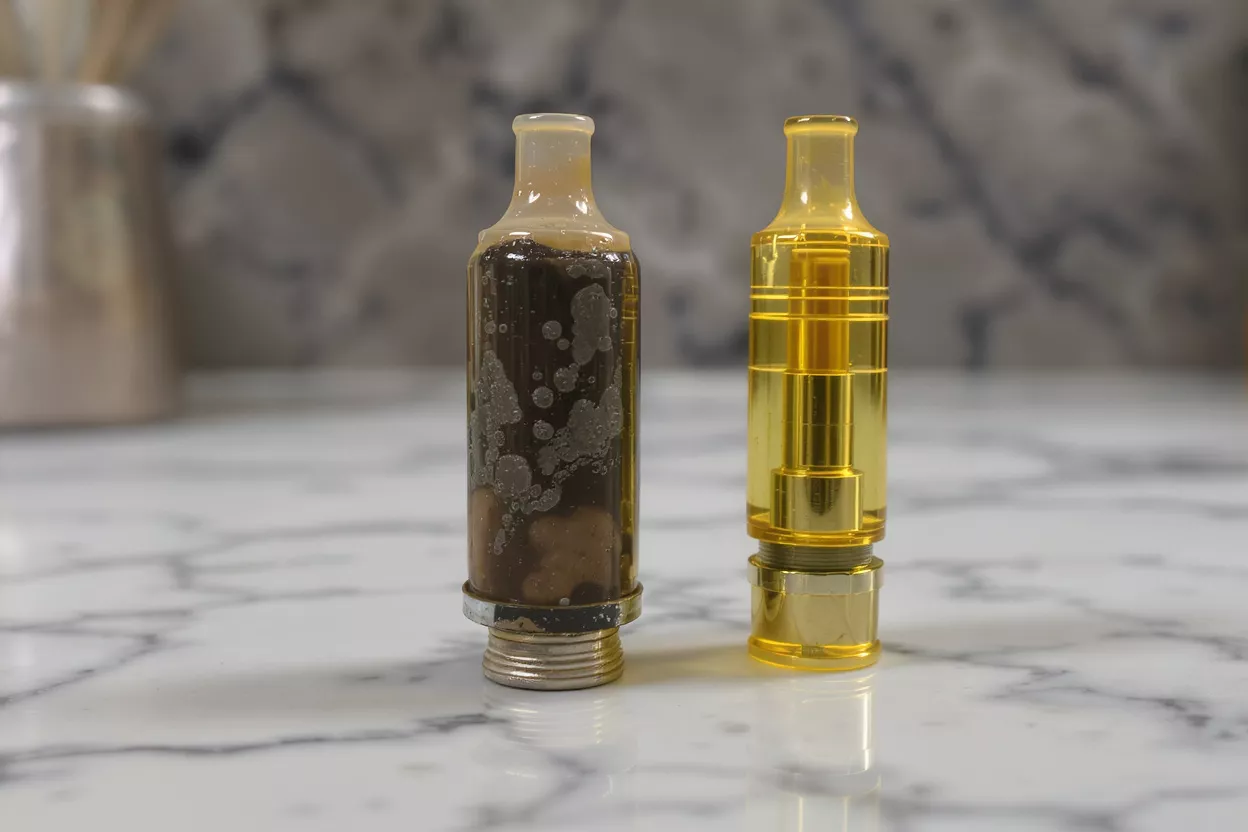
Learn to identify signs of device malfunction including unusual heating, inconsistent performance, strange tastes or odors, or visible damage that indicates safety concerns requiring immediate attention. When in doubt, discontinue use and seek expert evaluation or replacement.
Never use damaged devices or attempt repairs without proper knowledge and tools. The relatively low cost of replacement devices makes repair attempts unnecessarily risky for most users, particularly those lacking technical expertise.
Dosing Safety for New Users
📏 Start Low and Go Slow Philosophy
The fundamental principle of safe THC dosing for new users involves starting with minimal doses (1-2mg) and waiting at least 15-20 minutes before consuming more, regardless of how mild initial effects seem. This patient approach prevents overwhelming experiences while enabling safe tolerance assessment.
Many new users underestimate their sensitivity and overestimate their tolerance, leading to overconsumption that creates negative experiences and potential safety concerns. Conservative initial dosing prevents these problems while building positive associations with cannabis use.
⏰ Timing and Patience Protocols
Safe THC vaping requires disciplined timing that allows full effect development before considering additional consumption. Set timers and commit to waiting periods that prevent impatient redosing during the onset period when effects are still building.
Plan THC use around schedules that allow adequate time for effects to develop and subside without rushing or pressure to return to baseline quickly. This relaxed approach reduces anxiety while enabling optimal experiences without time pressure.
📊 Progressive Dose Escalation
Gradually increase doses over multiple sessions rather than making large jumps that could result in uncomfortable experiences. Small incremental increases (0.5-1mg) enable fine-tuning of optimal doses while maintaining safety margins.
Document dose amounts, effects, and timing to build personal dosing guidelines based on actual experience rather than guesswork. This systematic approach enables optimization while maintaining safety through evidence-based decisions.
🎯 Situational Dose Adjustment
Different situations may require different dosing approaches based on environment, activities, stress levels, and desired outcomes. Develop situation-specific protocols that account for these variables while maintaining safety as the primary consideration.
Consider factors including food consumption, hydration, sleep quality, and stress levels that affect THC sensitivity and adjust doses accordingly to maintain consistent, safe experiences across varying circumstances.
Recognizing and Managing Overconsumption
🚨 Early Warning Signs
Recognize early signs of THC overconsumption including increased anxiety, rapid heartbeat, dizziness, paranoia, or feeling “too high” for the situation. Early recognition enables intervention strategies that can prevent more severe discomfort and reduce recovery time.
Physical signs may include dry mouth, red eyes, coordination problems, or nausea while psychological signs include anxiety, paranoia, confusion, or feeling overwhelmed. Understanding these indicators helps distinguish between normal effects and problematic overconsumption.
🛡️ Immediate Response Strategies
If overconsumption occurs, move to a safe, comfortable environment with supportive companions who understand the situation. Focus on controlled breathing, hydration, and calming activities while remembering that effects are temporary and will subside with time.
Avoid additional substances including alcohol, caffeine, or other drugs that could complicate the situation. Simple interventions including changing environment, listening to calming music, or engaging in light distraction can significantly improve comfort during difficult experiences.
🌿 CBD as a Safety Tool
CBD can help counteract excessive THC effects through CB1 receptor modulation that reduces anxiety and paranoia while maintaining safety. Having CBD products available provides a reliable intervention option for managing uncomfortable overconsumption experiences.
CBD administration during THC overconsumption can provide noticeable relief within 10-30 minutes, making it valuable for new users who may accidentally consume too much THC despite safety precautions.
📞 When to Seek Help
While cannabis overconsumption is rarely dangerous, severe anxiety, panic reactions, or persistent discomfort may warrant support from experienced users or medical professionals who can provide reassurance and appropriate assistance.
Trust instincts about when professional help might be appropriate and don’t hesitate to contact emergency services if genuinely concerned about safety, particularly if pre-existing health conditions could complicate cannabis effects.
Product Quality, Environment, and Health Safety
Product Quality and Source Safety
🏪 Licensed Dispensary Importance
Purchase THC vape products only from licensed dispensaries that provide tested, regulated products with verified potency and safety profiles. Licensed sources ensure compliance with safety standards while providing consumer protections and quality assurance that protect health and safety.
Avoid black market or unlicensed sources that may offer untested products containing harmful contaminants, inaccurate potency labeling, or dangerous additives that pose serious health risks. The cost savings are never worth the potential health consequences.
🔬 Lab Testing and Certificates of Analysis
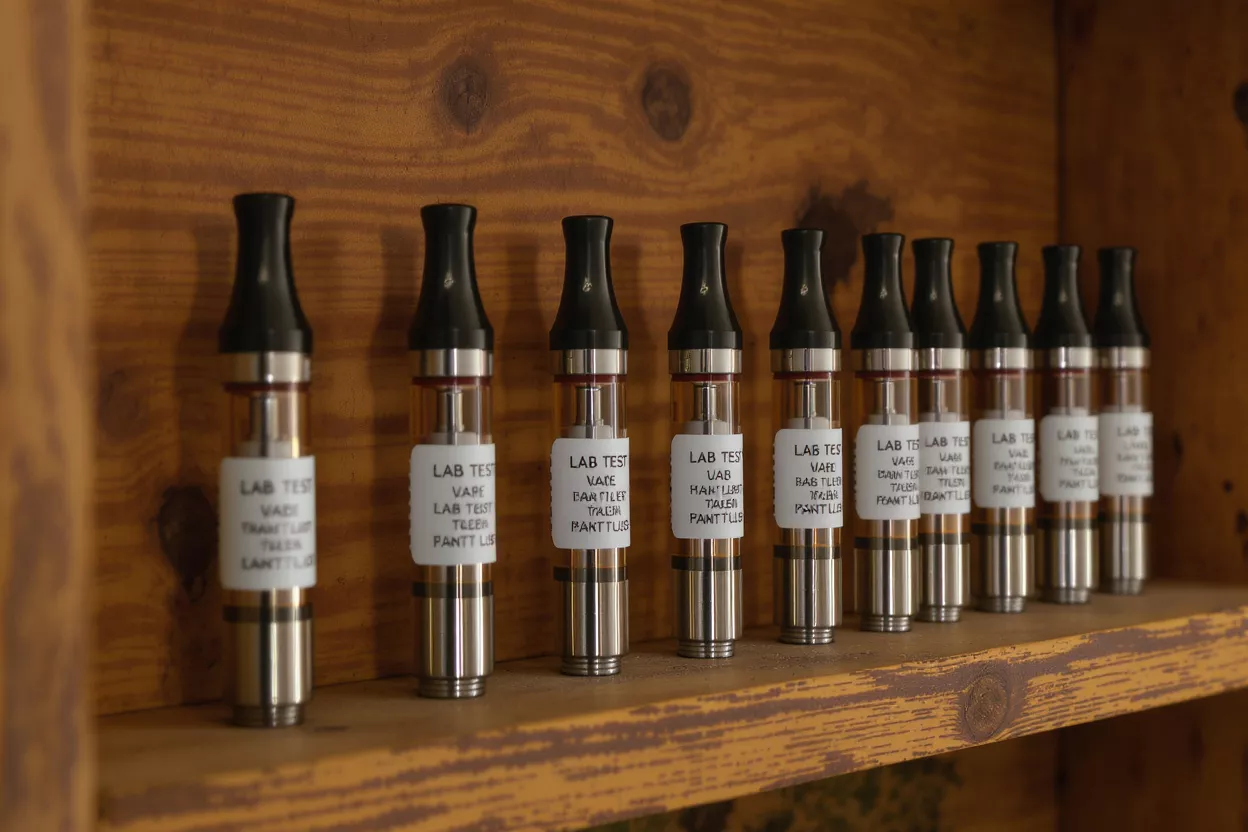
Quality THC vape products include comprehensive lab testing results (COAs) that verify potency while confirming absence of pesticides, heavy metals, residual solvents, and microbial contamination. Learn to read and interpret these documents to make informed safety decisions.
Verify that COAs are current, batch-specific, and conducted by accredited laboratories rather than accepting generic or outdated testing information that may not accurately reflect the specific product being purchased.
⚠️ Identifying Counterfeit Products
Learn to recognize signs of counterfeit THC vape products including poor packaging quality, missing lab results, suspiciously low prices, or products sold through unlicensed channels. Counterfeit products pose significant safety risks through unknown contents and quality.
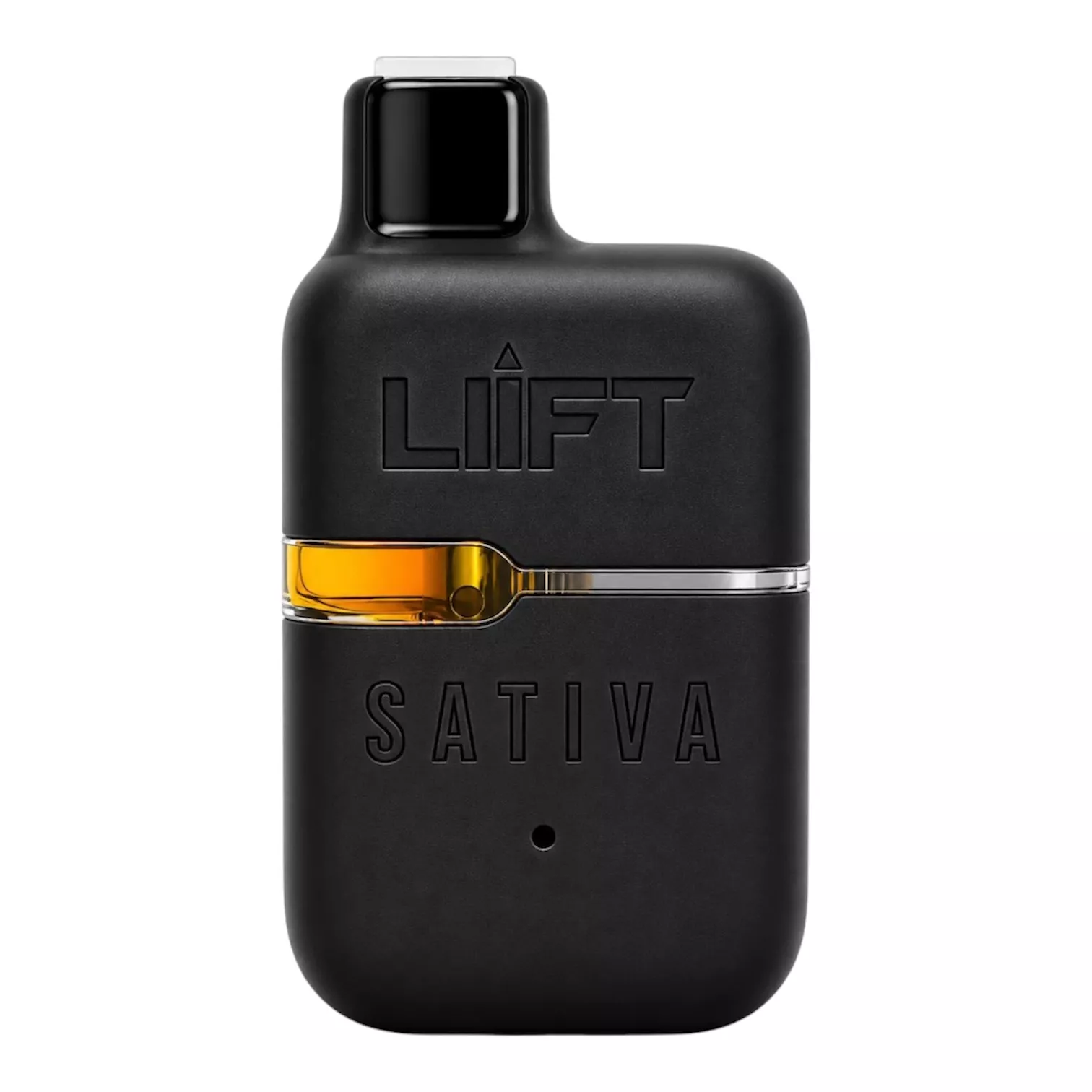
Authentic products feature professional packaging, proper regulatory compliance labeling, batch tracking information, and are sold only through licensed retailers with proper documentation and tracking systems.
🧪 Understanding Ingredients and Additives
Review ingredient lists to identify potentially harmful additives including vitamin E acetate, propylene glycol, or artificial flavorings that could pose health risks when vaporized. Quality products use minimal, safe ingredients with transparent labeling.
Avoid products with long ingredient lists, vague labeling, or ingredients you cannot identify. Premium THC vape products typically contain only cannabis extract and minimal, food-grade additives necessary for proper vaporization.
Environmental and Usage Safety
🏠 Safe Consumption Environments
Choose safe, comfortable environments for THC vaping, particularly during initial experiences when effects and personal response patterns are unknown. Familiar settings with supportive companions provide security while enabling focus on the cannabis experience without external stressors.
Avoid consumption in unfamiliar locations, around strangers, or in situations requiring alertness and coordination until personal tolerance and response patterns are well understood through experience in controlled settings.
👥 Companion Safety and Support
Having experienced, trustworthy companions during initial THC vaping provides safety support while reducing anxiety and enabling assistance if problems arise. Choose companions who understand cannabis effects and can provide appropriate guidance and reassurance.
Inform companions about consumption plans, dosing intentions, and any concerns or medical conditions that could affect safety. This preparation enables appropriate support while ensuring companions can provide effective assistance if needed.
🚗 Transportation and Mobility Safety
Never drive or operate machinery while under the influence of THC, and plan transportation alternatives before consumption begins. THC affects reaction time, coordination, and judgment in ways that significantly impair driving ability and create serious safety risks.
Plan activities and transportation needs in advance to avoid situations requiring driving or complex decision-making while under THC influence. This preparation prevents potentially dangerous situations while enabling relaxed enjoyment of cannabis effects.
📱 Communication and Check-in Protocols
Establish communication protocols with trusted friends or family members who can provide support or assistance if needed during THC consumption. This safety net provides peace of mind while ensuring help is available if situations become uncomfortable.
Consider check-in schedules or predetermined contact times that enable monitoring of wellbeing without being intrusive or anxiety-provoking during positive experiences.
Health Considerations and Contraindications
⚕️ Medical Conditions and Cannabis Interactions
Certain medical conditions including heart problems, mental health disorders, respiratory issues, or seizure disorders may be affected by THC consumption. Consult healthcare providers familiar with cannabis before beginning use, particularly with pre-existing health conditions.
THC can interact with medications and may affect blood pressure, heart rate, and psychological state in ways that could complicate existing health conditions or interfere with medical treatments requiring professional evaluation.
💊 Medication Interactions and Contraindications
THC can interact with various medications including blood thinners, seizure medications, and psychiatric drugs through effects on liver metabolism and direct pharmacological interactions. Discuss cannabis use with prescribing physicians to avoid potentially dangerous interactions.
Never discontinue prescribed medications to use cannabis without medical supervision, and monitor for changes in medication effectiveness or side effects that could indicate interactions requiring professional attention.
🧠 Mental Health Considerations
Individuals with anxiety disorders, depression, psychosis, or other mental health conditions should approach THC use with particular caution as cannabis can affect psychological state in unpredictable ways that may worsen existing conditions.
Start with minimal doses and monitor psychological responses carefully, discontinuing use if cannabis appears to negatively affect mental health symptoms or interfere with psychiatric treatment effectiveness.
🤰 Special Populations and Safety
Pregnant or nursing women should avoid THC use due to potential effects on fetal development and limited safety data. Young adults under 25 should exercise particular caution as cannabis may affect brain development that continues into the mid-twenties.
Elderly users may have increased sensitivity to THC effects and greater risk of drug interactions requiring adjusted dosing and enhanced safety monitoring during initial use and dose adjustments.
Emergency Protocols, Legal Safety, and Habit Formation
Emergency Protocols and Response
🆘 Emergency Response Planning
Develop emergency response plans for potential THC-related problems including overconsumption, adverse reactions, or unexpected complications that require immediate intervention. Having prepared responses reduces panic while ensuring appropriate action during stressful situations.
Emergency plans should include contact information for trusted companions, medical professionals familiar with cannabis, and emergency services while outlining specific steps for different types of problems that could arise.
📞 When to Contact Emergency Services
While cannabis overconsumption rarely requires emergency medical intervention, certain situations including severe panic reactions, respiratory problems, cardiac symptoms, or complications with pre-existing health conditions may warrant professional medical attention.
Trust instincts about when professional help is appropriate and don’t hesitate to contact emergency services if genuinely concerned about safety, particularly if symptoms seem disproportionate to THC consumption or involve concerning physical manifestations.
🧰 Safety Kit and Preparation
Maintain a safety kit including CBD products for managing overconsumption, emergency contact information, medical information cards detailing relevant health conditions and medications, and comfort items that can help during difficult experiences.
Include items such as water, healthy snacks, calming music, comfortable clothing, and entertainment options that can provide distraction and comfort during challenging experiences while waiting for effects to subside.
📋 Documentation and Learning
Document any safety incidents or concerning experiences to identify patterns and prevention opportunities while building personal safety knowledge based on actual experience rather than theoretical concerns.
Learning from both positive and negative experiences enables continuous improvement of safety protocols while building confidence and competence in managing various situations that may arise during THC use.
Legal Safety and Compliance
⚖️ Understanding Local Cannabis Laws
Cannabis laws vary significantly by jurisdiction with complex regulations governing possession, consumption, transportation, and purchase that new users must understand to avoid legal complications. Research local laws thoroughly before beginning THC vaping.
Legal requirements may include age restrictions, possession limits, consumption location limitations, and transportation regulations that affect how and where cannabis can be used legally and safely.
🏠 Home and Property Considerations
Understand property-specific restrictions including rental agreements, homeowner association rules, and local ordinances that may restrict cannabis use in certain locations or impose additional requirements beyond state laws.
Even in legal jurisdictions, property owners may prohibit cannabis use on their premises, creating potential lease violations or other legal complications that could affect housing and employment situations.
🚗 Transportation and Public Use Laws
Learn regulations governing cannabis transportation including container requirements, vehicle storage limitations, and passenger restrictions that prevent legal violations during transport of THC vape products.
Public consumption laws often prohibit cannabis use in public spaces, vehicles, or near schools and other sensitive locations regardless of overall legal status, requiring careful attention to consumption location selection.
💼 Employment and Professional Considerations
Many employers maintain drug-free workplace policies that prohibit cannabis use regardless of legal status, potentially affecting employment through drug testing programs. Consider workplace policies and professional licensing requirements before beginning THC use.
Professional licenses in healthcare, transportation, law enforcement, and other fields may be affected by cannabis use even in legal jurisdictions, requiring careful consideration of career implications.
Building Safe Usage Habits
📅 Developing Consistent Safety Routines
Establish consistent safety routines that become automatic habits including preparation rituals, environment checking, dose measurement, and timing protocols that ensure safety measures are followed consistently rather than being forgotten during excitement or distraction.
Consistent routines reduce the cognitive load of safety decision-making while ensuring that important safety measures become habitual rather than requiring conscious effort and memory during each use occasion.
📊 Tracking and Monitoring Systems
Implement systematic tracking of dosing, effects, timing, and any safety concerns to build comprehensive personal data that guides future safety decisions and enables identification of patterns or problems requiring attention.
Use apps, journals, or other documentation systems that capture relevant safety information while enabling analysis of patterns and trends that inform ongoing safety optimization and risk management.
🎯 Continuous Safety Education
Stay informed about cannabis safety research, product developments, and best practices through reputable sources that provide evidence-based information rather than relying on anecdotal reports or marketing claims that may be inaccurate or misleading.
Engage with cannabis communities, educational resources, and healthcare professionals who can provide ongoing guidance and support for maintaining optimal safety practices as experience and circumstances change.
🔄 Regular Safety Protocol Review
Periodically review and update safety protocols based on accumulated experience, changing circumstances, and evolving knowledge about cannabis safety to ensure that practices remain optimal and appropriate for current situations.
Regular reviews enable identification of complacency or developing bad habits while ensuring that safety measures adapt to changing tolerance, life circumstances, and risk factors that may require protocol modifications.
Long-term Safety Considerations
🔬 Monitoring Health and Wellness
Regular monitoring of physical and mental health enables early identification of any negative effects from long-term THC use while ensuring that cannabis consumption supports rather than compromises overall wellness and life goals.
Schedule regular health check-ups with healthcare providers who understand cannabis use and can provide appropriate monitoring and guidance for maintaining optimal health while using THC products regularly.
⚖️ Tolerance and Dependence Awareness
Monitor tolerance development and consumption patterns to prevent problematic use that could lead to dependence or interfere with life responsibilities and relationships. Maintain awareness of consumption frequency and motivations.
Regular tolerance breaks and consumption pattern evaluation help maintain healthy relationships with cannabis while preventing escalation into problematic use patterns that could affect safety and wellbeing.
🌱 Lifestyle Integration and Balance
Ensure that THC use integrates positively with overall lifestyle goals and responsibilities rather than becoming a dominant focus that interferes with work, relationships, health, or personal development objectives.
Maintain balance between cannabis benefits and other wellness practices including exercise, social connections, creative pursuits, and personal growth activities that support comprehensive wellbeing and life satisfaction.
📈 Continuous Improvement and Adaptation
Approach THC safety as an ongoing learning process that benefits from continuous improvement based on experience, education, and changing circumstances rather than assuming that initial safety measures will remain optimal indefinitely.
Stay open to modifying approaches based on new information, changing life circumstances, or evolving personal needs that may require adjustments to safety protocols and consumption patterns over time.
Your Safety-First Cannabis Journey
Conclusion
THC vape pen safety for new users encompasses a comprehensive approach to risk management that enables confident exploration of cannabis benefits while maintaining protection against potential problems. The investment in thorough safety education and systematic protocol development creates a foundation for positive, sustainable cannabis relationships that enhance rather than complicate life experiences.
🛡️ Safety as the Foundation of Positive Experiences
Comprehensive safety protocols transform potentially risky cannabis experimentation into controlled, beneficial experiences that build confidence while protecting physical and psychological wellbeing. This safety-first approach enables optimal exploration of cannabis potential while minimizing risks that could create negative associations or dangerous situations.
The time and effort invested in learning and implementing proper safety measures pays dividends through improved experiences, reduced anxiety, and enhanced confidence that supports continued positive cannabis exploration and integration into wellness routines.
🎯 Personalized Safety Through Systematic Learning
Effective safety protocols require personalization based on individual health factors, tolerance patterns, lifestyle considerations, and risk tolerance rather than accepting generic recommendations that may not address specific needs and circumstances.
Systematic documentation and analysis of personal experiences enables refinement of safety approaches over time while building comprehensive understanding of individual response patterns and optimal safety measures for specific situations and goals.
🌟 Building Confidence Through Competence
Mastery of THC vape pen safety creates confidence that enables relaxed enjoyment of cannabis benefits without constant worry about potential problems. This confidence enhances experiences while supporting positive relationships with cannabis that contribute to overall wellness and life satisfaction.
Competent safety management enables focus on cannabis benefits rather than anxiety about risks while providing skills and knowledge that support helping others who may be beginning their own cannabis exploration journeys.
🚀 Long-term Safety and Wellness Integration
Effective safety protocols support long-term cannabis use that integrates positively with overall health and wellness goals rather than creating complications or conflicts with other aspects of life and wellbeing.
The skills and knowledge developed through comprehensive safety education extend beyond cannabis use to support general risk management and health advocacy skills that benefit overall life management and decision-making capabilities.
🤝 Community and Ongoing Support
Building connections with experienced, safety-conscious cannabis users provides ongoing support and education opportunities while contributing to overall community safety through shared knowledge and mutual support for responsible consumption practices.
Engaging with cannabis communities that prioritize safety and education enables continued learning while supporting others who are beginning their own cannabis journeys with appropriate guidance and evidence-based information.
THC vape pen safety represents more than just risk avoidance – it creates the foundation for optimal cannabis experiences that enhance life quality while protecting health and wellbeing. The comprehensive approach to safety outlined in this guide provides new users with the knowledge and tools necessary for confident, beneficial cannabis exploration that supports long-term wellness and positive experiences.
We have an incredible wealth of information in the tabs above, listed in point form Q & A to help answer any questions you could possibly have in regards to this category of cannabis products. If you would like to read even more information, please check out the Fog Blog where we make entire articles about the most important aspects of how to benefit from cannabis products safely and effectively, as well as ideas for how to get the most from your experience in our store, and with respect to your use of THC & CBD products.