thc vape pen
Everything you need to know about the THC vape pen — how it works, types, dosing & safety tips.
What Is a THC Vape Pen
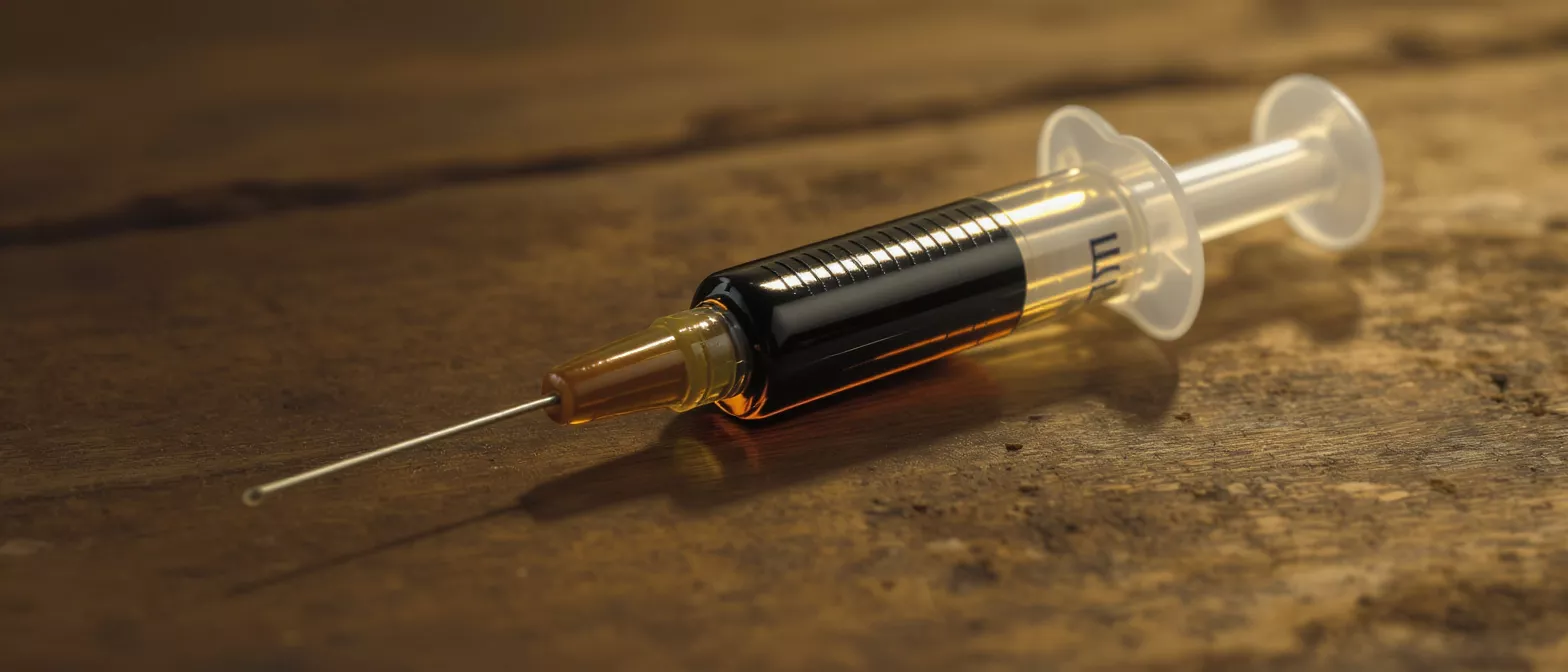
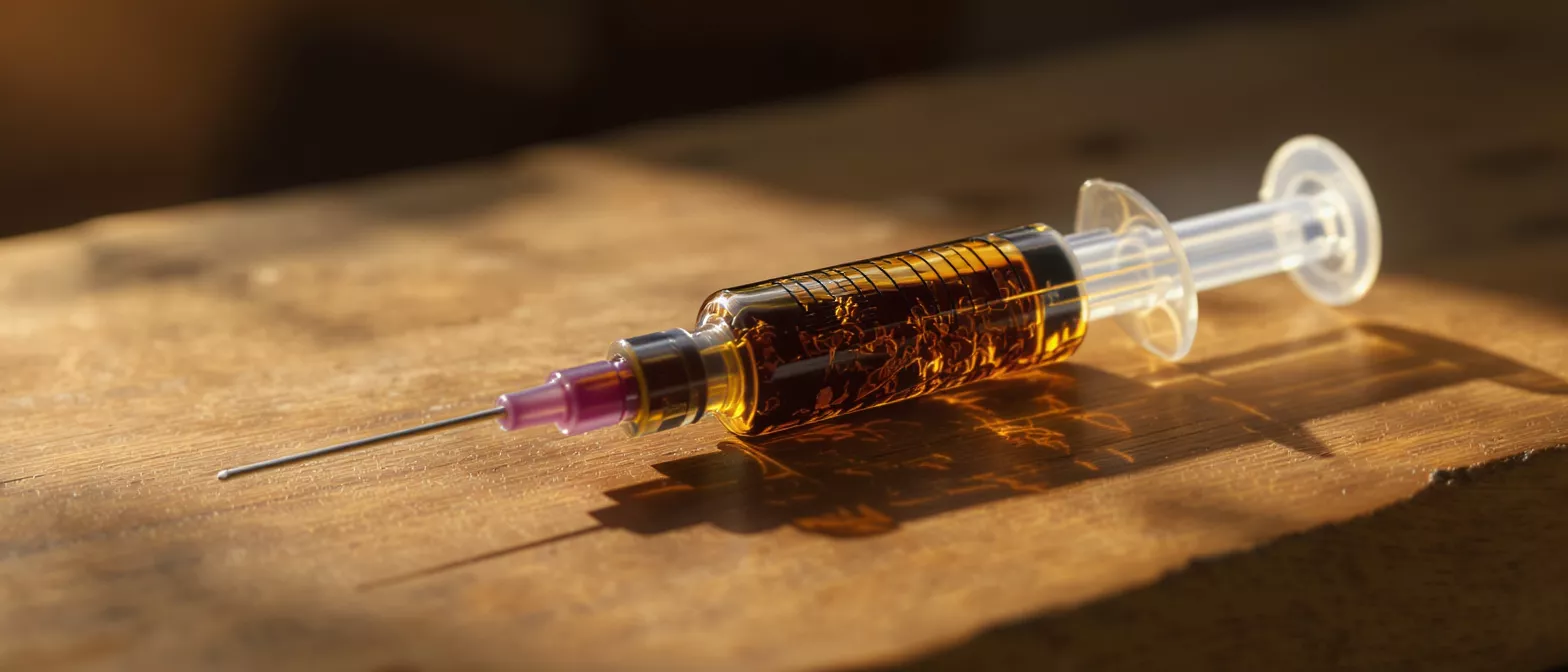
A THC vape pen is a compact, battery-powered device designed to heat cannabis oil or concentrate into an inhalable vapor rather than smoke. The appeal comes down to convenience and discretion: no grinding, no rolling a cone, no crutch to tuck into one end, and far less of the lingering odor that combustion produces. For many people stepping away from flower, the THC vape pen represents the simplest entry point into modern cannabis consumption.
The technology itself borrows heavily from nicotine vaporizers, but the chemistry inside is different. Instead of e-liquid, a THC vape pen heats a thick concentrate slurry derived from cannabis cultivation, usually a distillate or live resin that has been refined to isolate cannabinoids and terpenes. That refinement is why a few small puffs can deliver effects that would otherwise require a much larger amount of dried flower.
Because they vaporize rather than burn, these devices operate through convection or conduction heating at temperatures below the point of combustion. According to WebMD, vaporizing cannabis exposes the user to fewer of the tar and particulate byproducts associated with smoking, though it is not entirely risk-free. Understanding how the device manages heat is central to understanding why it has become so popular.
How Does a THC Vape Pen Work
Every THC vape pen relies on three core components working in sequence: a battery, an atomizer, and a reservoir holding the oil. When you draw on the mouthpiece or press a button, the battery sends current to a small heating coil inside the atomizer. That coil warms the concentrate just enough to produce vapor without igniting it.
Draw-activated versus button-activated firing: Many disposable pens are draw-activated, meaning a sensor detects your inhale and triggers the coil automatically. More advanced reusable devices use a button you press to fire the coil, often paired with adjustable voltage so you can fine-tune vapor density. Lower voltages preserve flavor and terpenes; higher voltages produce bigger clouds but can scorch the oil and introduce a harsh, burnt taste.
Temperature and terpene preservation: The heating style matters more than most beginners realize. Convection pens warm the air around the oil for an even, flavorful draw, while conduction pens heat the oil through direct contact with the coil. Volatile compounds like citronellol and cymene, which shape aroma and effect, degrade at high heat, so a well-engineered pen aims to vaporize cannabinoids while protecting these delicate molecules.
Types of THC Vape Pen Devices
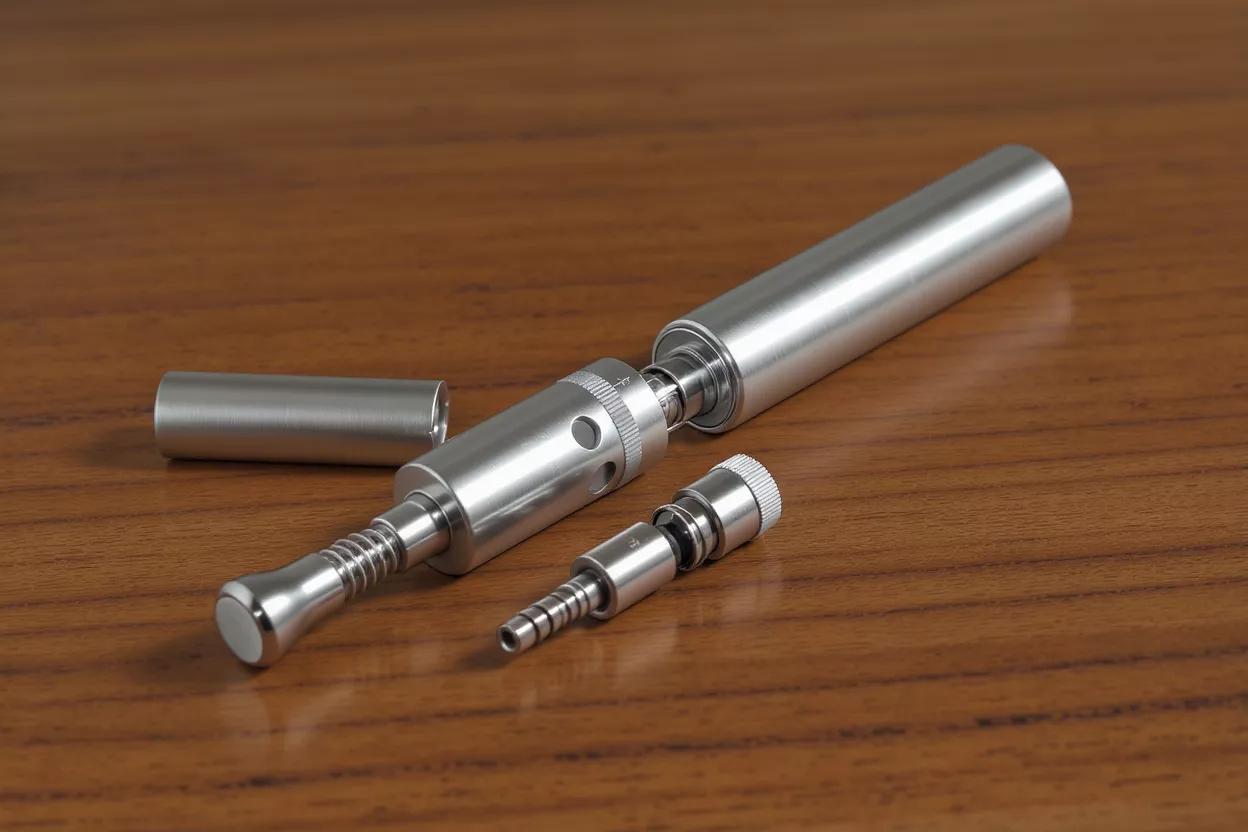
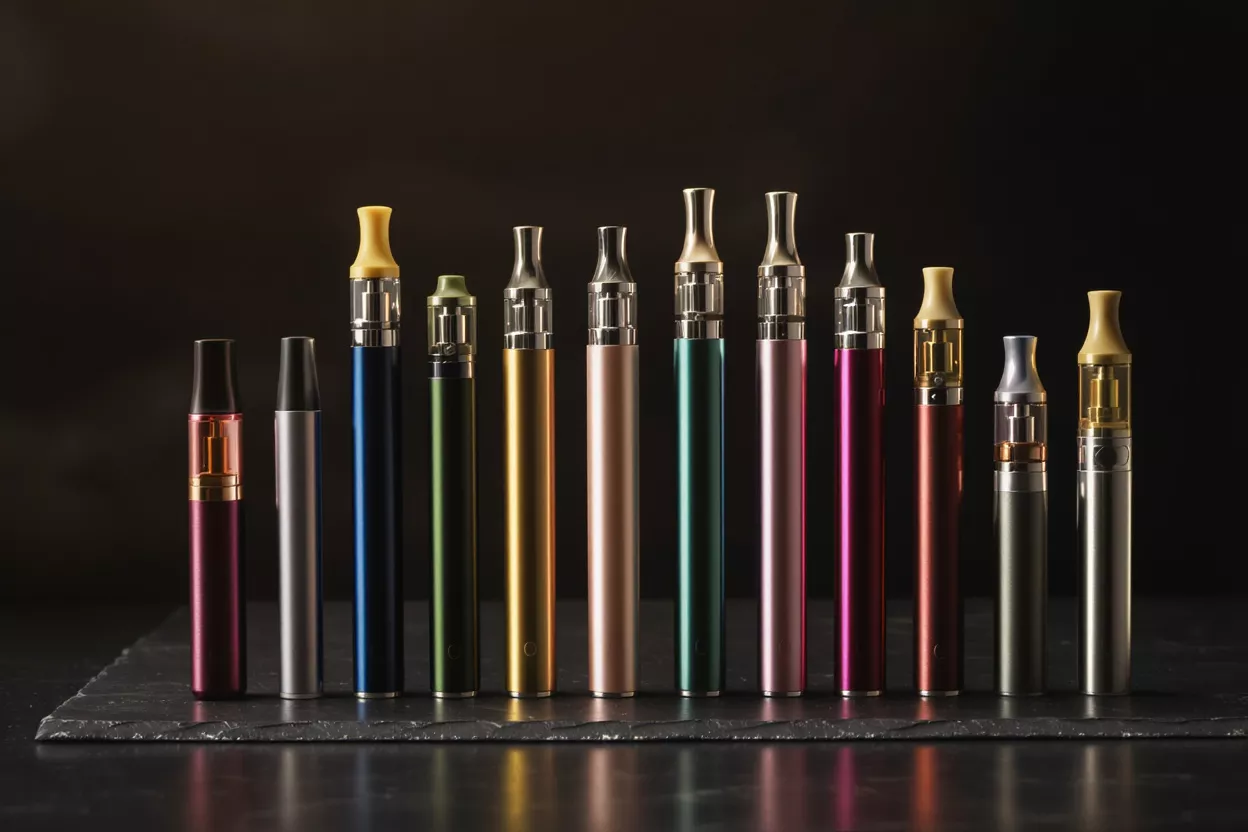
Not all vape pens are built the same, and the category splits into a few clear families. Choosing among them depends on how often you plan to use the device, your budget, and how much control you want over your sessions. A rechargeable 510-thread battery opens the widest range of compatible cartridges, while all-in-one disposables prioritize grab-and-go simplicity.
Below is a quick comparison of the most common device types and who each one tends to suit best.
- 🔋 Disposable pens: Pre-filled and pre-charged, used until empty, then recycled. Ideal for newcomers or occasional users who want zero maintenance.
- 🔌 510-thread batteries: Reusable batteries that screw onto standardized cartridges, offering the broadest selection and best long-term value.
- 🧩 Pod-based systems: Proprietary pods that click into a branded battery, often with leak-resistant designs and refined airflow.
- 💨 Concentrate vaporizers: Built for crumble, wax, and other dabs rather than oil cartridges, delivering potent hits for experienced users.
The 510-thread standard deserves special mention because it dominates the market. Its universal compatibility means you can pair a single quality battery with cartridges from countless brands, mixing and matching strains the way a grower might cross two genetics to chase a specific profile. That flexibility is a large part of why reusable systems remain popular among regular consumers.
What's Inside a THC Vape Pen Cartridge
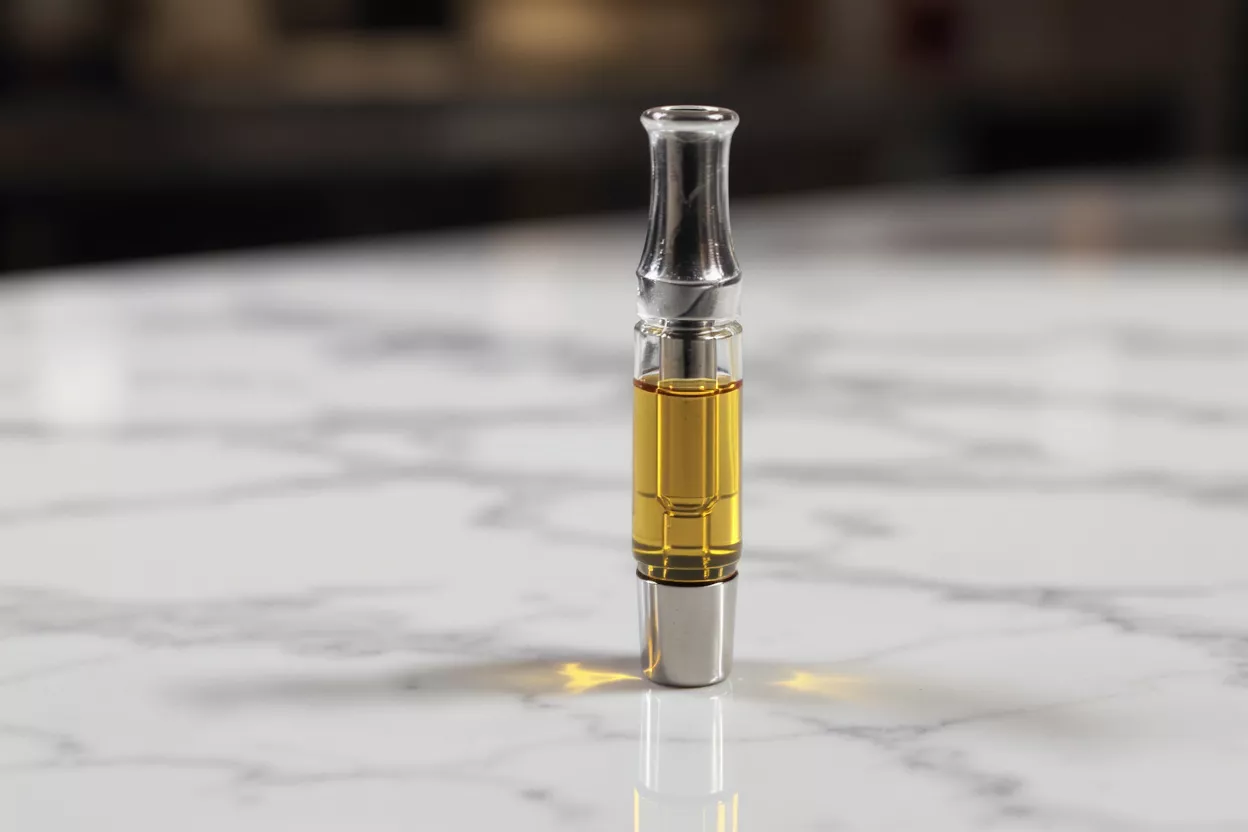
The oil inside a cartridge is rarely raw cannabis extract. It usually begins with CO2 extraction or hydrocarbon processing that pulls cannabinoids and terpenes from cultivated flower, leaving behind plant material. The resulting CO2 oil is then refined, and sometimes terpenes are reintroduced to recreate the flavor and effect of a specific strain or its parent cross.
Distillate, live resin, and full-spectrum oils: Distillate is highly purified THC, prized for potency but often stripped of natural terpenes unless they are added back. Live resin captures more of the original plant's aromatic compounds because it is made from flash-frozen material, preserving terpenes like citronellol that would otherwise be lost during curing. Full-spectrum oils aim to retain the broadest range of cannabinoids and minor compounds.
Quality cartridges disclose exactly what is inside, and reputable brands publish lab results confirming cannabinoid content and screening for residual solvents. As WebMD notes, additives and cutting agents have been linked to lung injury in unregulated products, which is why a transparent ingredient list matters far more than a low price tag.
THC Vape Pen Benefits and Effects
The most cited advantage of a THC vape pen is speed of onset. Inhaled cannabinoids reach the bloodstream through the lungs within seconds to minutes, compared with the thirty-to-ninety-minute lag of edibles. That rapid feedback makes it easier to gauge your dose, since you can take one puff, wait, and decide whether you need more.
Effects vary enormously depending on the strain and cannabinoid profile loaded into the cartridge. An indica-leaning oil may produce the heavy-bodied relaxation often described as couch lock, while a sativa profile leans toward alertness and creativity. Some users deliberately layer cannabis on top of alcohol in what is called a crossfade, though combining substances amplifies side effects and is best approached with caution.
Discretion and portability: Beyond the chemistry, the practical benefits are real. A pen slips into a pocket, produces minimal odor, and requires no accessories. For people managing discomfort throughout the day, a low-dose discreet vape offers measured relief without announcing itself to everyone in the room. Common short-term effects still include dry mouth, sometimes called cottonmouth, and mild dehydration, so keeping water nearby is sensible.
How to Choose the Best THC Vape Pen
Picking the right device starts with honest assessment of your habits. An occasional user rarely needs an adjustable-voltage system, while a daily consumer benefits from the flexibility and cost savings of a refillable setup. Battery capacity, charging speed, and cartridge compatibility should all factor into the decision before aesthetics or brand name.
Lab transparency is the single most important quality signal. A trustworthy product comes with a certificate of analysis you can actually read, confirming potency and the absence of pesticides, heavy metals, and cutting agents. Beyond safety, this is also where curcumin-free, additive-free formulations stand apart from products padded with fillers that dilute the oil.
- 🔬 Lab results: Look for a current certificate of analysis from an accredited third-party lab.
- ⚙️ Hardware quality: Ceramic coils and a circ perc-style airflow design generally produce smoother, cleaner vapor.
- 🌿 Strain transparency: Clear labeling of strain, cannabinoid ratio, and whether terpenes are cannabis-derived or botanical.
- 🔁 Refillable options: A quality refillable concentrate cartridge reduces waste and long-term cost.
Reading those signals takes only a minute and saves you from harsh, low-quality oil. The cheapest pen on the shelf is rarely the best value once you factor in flavor, consistency, and peace of mind.
THC Vape Pen Dosing Guide for Beginners
Dosing a vape pen is more art than exact science because each puff varies, but the guiding principle is simple: start low and go slow. A single short inhale of one to three seconds is plenty for a first-timer. Wait a full five to ten minutes before deciding whether to take another, since inhaled effects peak quickly and stacking puffs too fast leads to discomfort.
Tolerance changes everything. A seasoned consumer may take several deep draws without much effect, while a newcomer could feel significantly altered from a single puff. Because distillate cartridges are highly concentrated, even experienced flower smokers often underestimate how potent a few seconds of vapor can be.
If you do overshoot, the symptoms are uncomfortable but not dangerous: anxiety, a racing heart, dry mouth, and that heavy couch lock sensation. Hydrate, find a calm space, and wait it out. Some people keep a CBD product handy, since cannabidiol may temper the intensity of a strong THC experience for certain users.
Are THC Vape Pens Safe
Safety hinges almost entirely on product quality and sourcing. Regulated, lab-tested cartridges from licensed producers have a very different risk profile than counterfeit products sold outside legal channels. The 2019 wave of vaping-related lung injuries was traced largely to illicit cartridges cut with vitamin E acetate, a thickening agent that should never appear in a legitimate THC oil.
Reading lab results to avoid contaminants: A clean certificate of analysis screens for residual solvents from extraction, pesticides carried over from cultivation, heavy metals that can leach from cheap hardware, and microbial contaminants. According to WebMD, the long-term respiratory effects of vaping cannabis are still being studied, so even with clean products, moderation is wise.
Beyond contaminants, hardware matters. Low-quality coils can overheat oil and release undesirable byproducts, while well-made ceramic atomizers vaporize more cleanly. Sticking to reputable brands, storing pens away from extreme heat, and avoiding any product without verifiable testing covers most of the controllable risk.
How to Maintain a THC Vape Pen
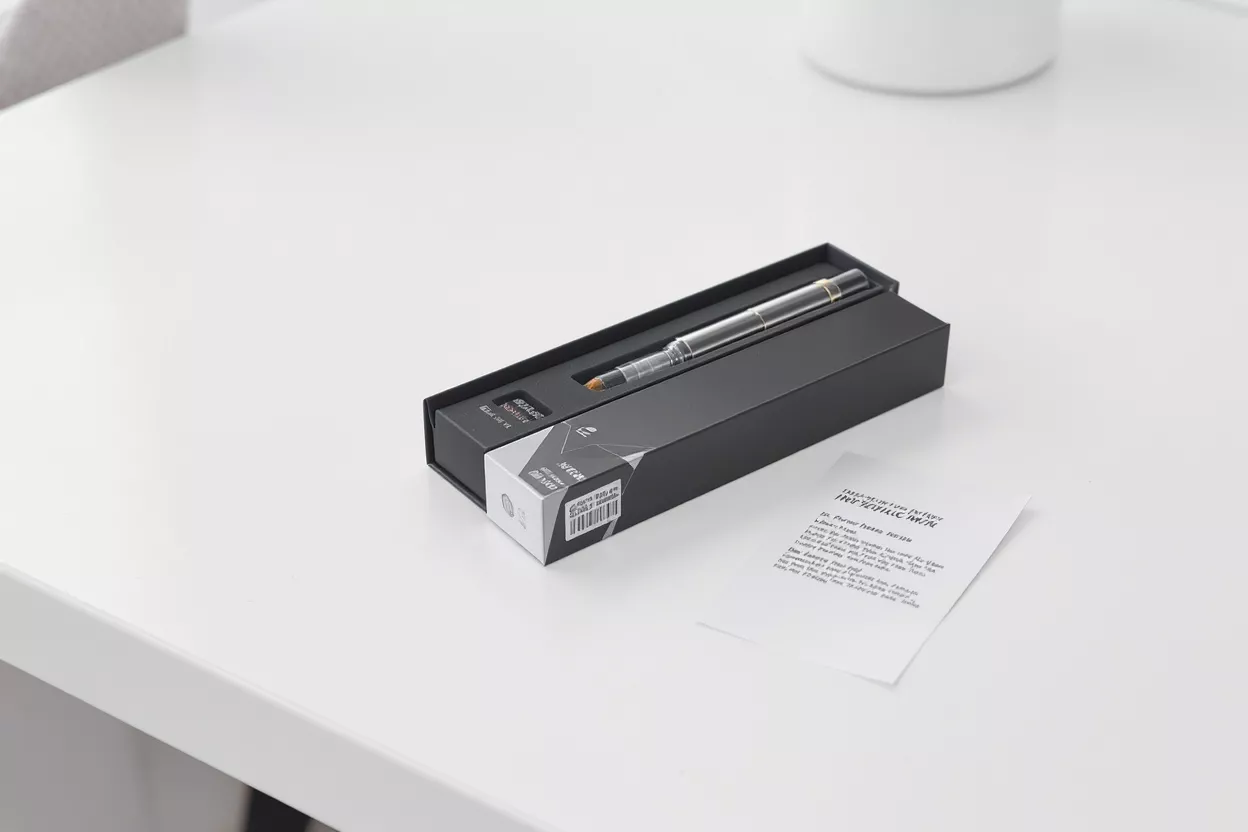
A little maintenance extends the life of a reusable pen and keeps every draw tasting clean. The most common issues come down to clogged airflow, dirty connections, and improper storage rather than genuine device failure. Wiping the mouthpiece and the battery threading regularly prevents most performance problems.
Preventing clogs and leaks: Store cartridges upright at room temperature to keep the oil from migrating into the airflow channels. Extreme cold thickens oil and restricts draws, while excessive heat thins it and encourages leaks. If a cartridge clogs, a gentle warm-up with a few seconds of body heat in your hand often clears it without firing the coil.
Battery care is equally important. Charge with the cable designed for your device, avoid draining the battery completely before recharging, and keep the charging port free of residue. A quality 510 battery treated well can outlast dozens of cartridges, making it the most durable part of your kit.
THC Vape Pen vs Other Consumption Methods
Choosing a vape pen over flower, edibles, or concentrates comes down to priorities. Vaping offers fast onset and discretion, edibles offer long-lasting effects and zero inhalation, and traditional flower offers the full ritual and terpene complexity that some connoisseurs prize. None is objectively superior; they simply serve different moments.
Concentrates like crumble and wax sit at the potent end of the spectrum and require dedicated hardware, while a vape cartridge delivers a similar refined experience with far less effort. For those who want potency without a full dab rig, a strain-specific oil cartridge bridges the gap nicely, offering concentrate-level strength in a pocket-sized format.
Ultimately, a THC vape pen earns its popularity by balancing convenience, control, and consistency. Whether you are managing your first low-dose session or fine-tuning the voltage on a favorite live resin, the device rewards a little knowledge with a reliable, repeatable experience. Pair it with lab-tested oil, store it sensibly, and respect the dose, and the THC vape pen becomes one of the most approachable ways to enjoy cannabis today.