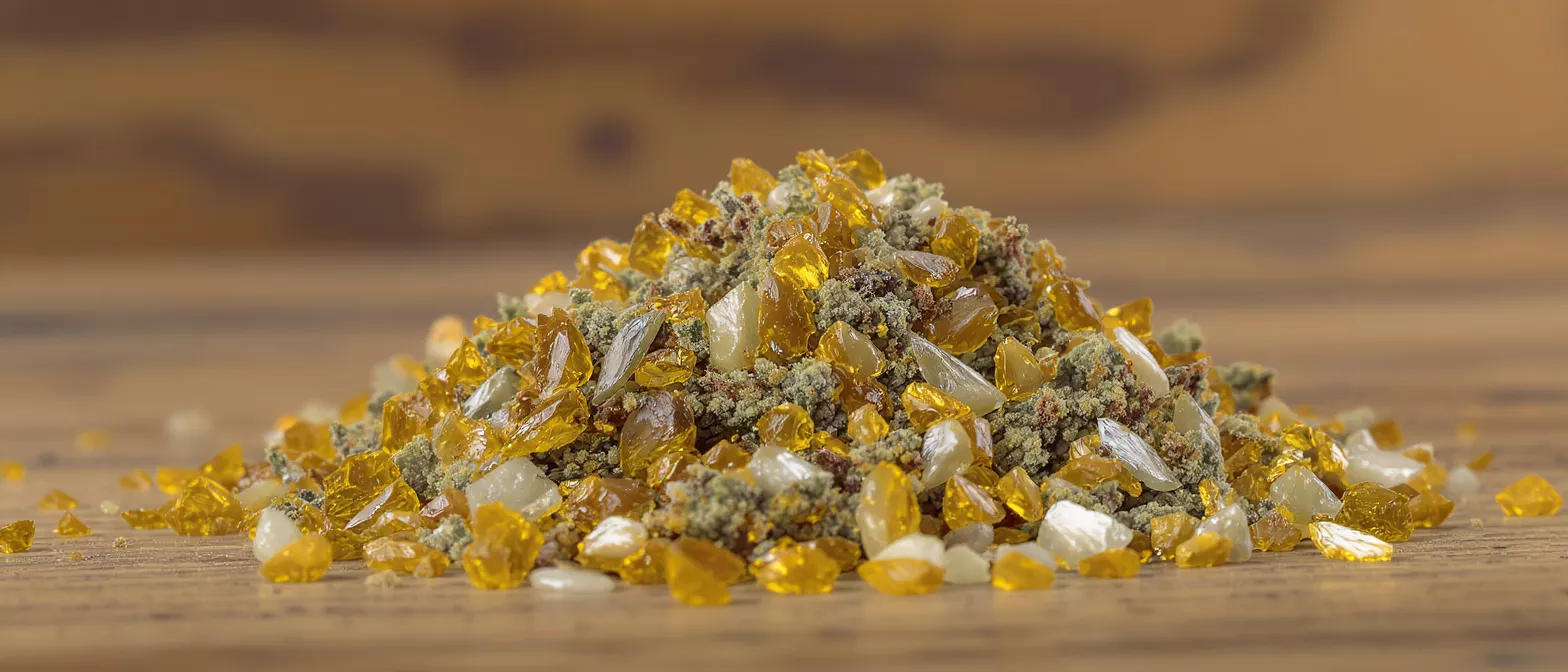
Top 10 Uses for Phoenix Tears
Explore the top 10 phoenix tears uses for pain, sleep, skin & more.
Few cannabis products inspire as many questions as Phoenix Tears, the thick, concentrated oil that has become a byword for serious whole-plant wellness. The name conjures images of potent, last-resort relief, but the reality is more practical and far more useful than the mythology suggests. Whether you are a curious newcomer or a seasoned user looking to refine your routine, this guide walks through the ten most meaningful ways people actually use Phoenix Tears — with honest dosing advice, real safety context, and a clear-eyed look at what the science currently supports.
What Are Phoenix Tears
Phoenix Tears is a widely used name for a dark, viscous cannabis oil extracted from whole flower and concentrated into a small, intensely potent form. The term overlaps heavily with full extract cannabis oil, and it earned its reputation through stories of people pursuing powerful, plant-based support when other options had run dry. Because the oil packs so many cannabinoids into a tiny dose, understanding concentration is the first and most important step before you ever try it.
How Phoenix Tears differ from everyday CBD oil: A standard CBD oil or cbd tincture is usually measured in milligrams per dropper and designed for gentle, repeated use throughout the day. Phoenix Tears, by contrast, are often dosed by the grain of rice and carry a much broader spectrum of compounds. This whole-plant character preserves minor cannabinoids such as CBDA, CBDV, CBG, and a rich band of terpenes that many users credit with producing a fuller, more rounded effect.
The real draw is adaptability. One jar of concentrated oil can be swallowed, tucked into a capsule, or diluted for the skin, which makes it among the most flexible formats in the cannabis world. That versatility is precisely why a clear map of its genuine uses — and its limits — is so valuable for anyone considering it.
How Are Phoenix Tears Made
The extraction process explained: Phoenix Tears are produced by washing cannabis flower with a solvent — traditionally an alcohol such as ethanol — to pull cannabinoids and terpenes away from the plant matter. The solvent is then slowly and carefully evaporated, leaving behind the signature thick oil. The quality of the starting flower and the patience applied during evaporation largely determine how clean and consistent the finished concentrate turns out.
Residual solvent is the single biggest safety concern with any concentrate, which is why serious producers send every batch to an independent laboratory. According to Drugs.com, the potency and contaminant profile of cannabis products can vary dramatically between sources, so verified third-party testing is one of the few reliable ways to know what you are actually consuming.
Some modern makers favor CO2 extraction, which avoids flammable solvents entirely and can preserve a slightly different terpene fingerprint. The technique matters less than the outcome: a stable, well-characterized oil where you can reasonably estimate how much THC, CBD, and minor cannabinoids sit in each measured dose. Without that information, sensible dosing becomes guesswork.
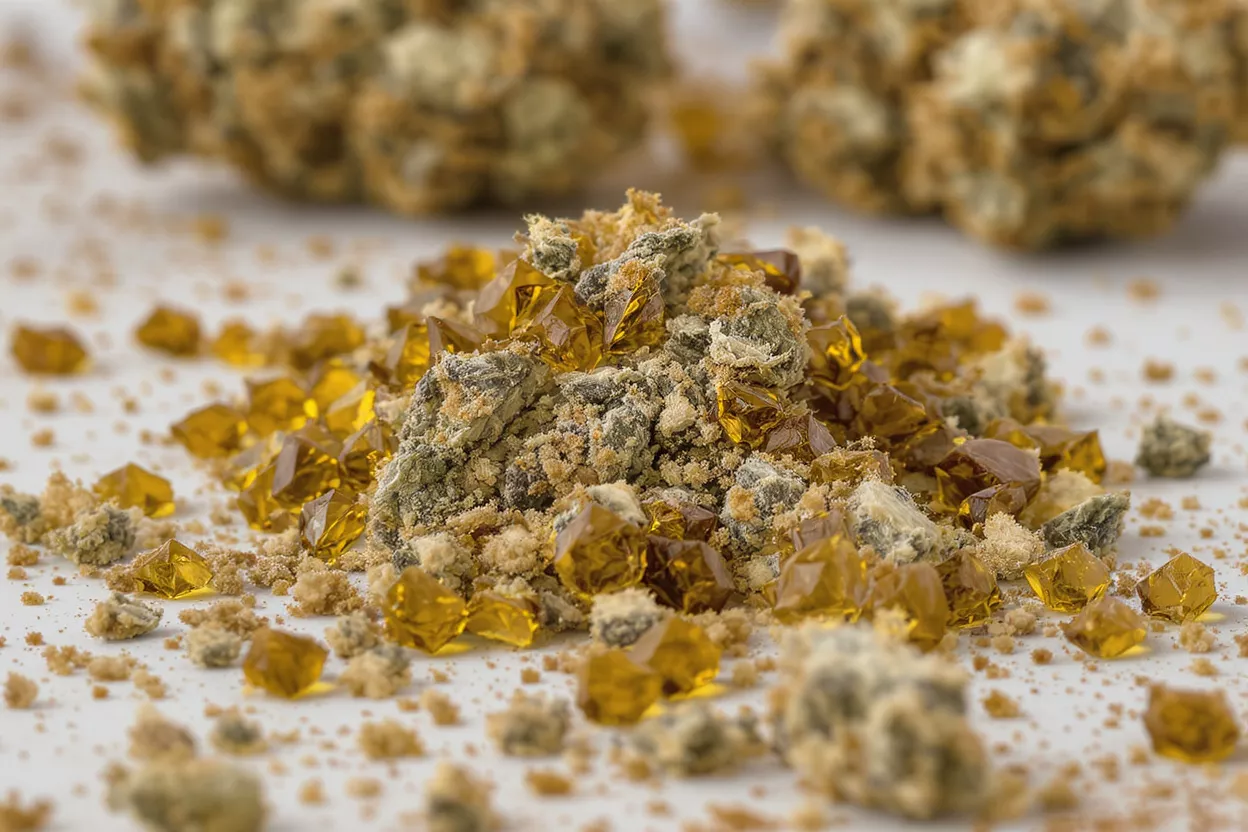
Phoenix Tears for Chronic Pain Relief
Chronic pain is far and away one of the most common reasons people reach for concentrated cannabis oil. The pairing of THC and CBD in Phoenix Tears appears to influence how the nervous system registers persistent discomfort, which can be meaningful for conditions like neuropathy and arthritis where conventional treatments either fall short or bring side effects people would rather avoid.
Why whole-plant oil may outperform isolates for pain: Many users find that the interplay of several cannabinoids and terpenes — often called the entourage effect — feels more useful than a single purified compound. For pinpointed aches, some people combine an oral dose with a cbd stick for pain relief rubbed directly onto the troublesome joint or muscle. Coverage from Drugs.com notes that cannabinoids show genuine promise for certain pain conditions, though individual responses remain highly variable.
Set expectations carefully. Phoenix Tears are not a fast-acting painkiller, and a workable routine usually takes a week or two of gradual adjustment to land on a dose that helps without leaving you overly sedated. Consistency beats intensity here — a steady, modest regimen almost always outperforms a single large dose taken in frustration.
Phoenix Tears for Sleep and Anxiety
Using Phoenix Tears for better sleep: A small evening dose is among the most frequently reported uses for this oil. The sedating quality of higher-THC formulas can quiet a busy mind and smooth the slide into sleep, while CBD-forward versions tend to calm the body without the heavy morning grogginess some people dislike. Timing matters as much as dose, since oral oil takes a while to come on.
Anxiety is more nuanced. Low to moderate amounts of a CBD-rich oil may ease everyday tension, but large doses of THC can occasionally backfire and heighten unease instead. That is why cautious newcomers usually begin with a CBD-dominant formula and introduce THC only slowly. A gentler daytime companion such as cbd tea or a soothing cbd cough drops habit can round out a Phoenix Tears routine without overwhelming a sensitive system.
Sleep and mood are deeply personal, so a simple journal beats guesswork every time. Jot down the dose, the time you took it, and how you felt the next morning. Within a couple of weeks those notes reveal patterns that turn random experimentation into a dependable personal protocol you can actually trust.

Types of Phoenix Tears Formulas
Not all Phoenix Tears are alike, and the ratio of cannabinoids defines how any given oil will feel. Choosing the right formula is arguably the single most important decision a new user makes, because it shapes everything from raw potency to whether the oil is even appropriate for daytime use. Read the label before the marketing.
Here is a quick comparison of the formats you are most likely to encounter:
- 🌙 THC-dominant: The strongest psychoactive and sedating effects, best reserved for nighttime and experienced users.
- ⚖️ Balanced 1:1: Equal THC and CBD for a gentler, more functional experience with softer intensity.
- 🌿 CBD-dominant: Minimal intoxication, favored for daytime calm, inflammation, and anxiety support.
- 🔬 Raw acidic blends: Rich in CBDA and CBGA for those exploring non-intoxicating, unheated cannabinoids.
Beyond the core ratio, some producers craft specialty oils enriched with minor cannabinoids like CBDV, CBL, or terpene blends aimed at specific goals. If you are just starting out, a balanced or CBD-dominant formula offers by far the safest learning curve before you ever consider stepping up to something stronger.
Phoenix Tears Dosing Guide for Beginners
The grain-of-rice method: Because Phoenix Tears are so concentrated, the classic starting dose is a portion roughly the size of half a grain of rice. That deceptively tiny amount can hold a meaningful quantity of THC, so resisting the urge to take more too quickly is essential for a comfortable first encounter with the oil.
The golden rule of any concentrate is to start low and go slow. Take your small dose, wait a full one to two hours — oral cannabis is genuinely slow to take effect — and only then decide whether to adjust. Guidance compiled by Drugs.com consistently stresses that swallowed cannabis can have a delayed and surprisingly intense onset compared with inhaled products.
A simple titration schedule keeps the whole process safe and predictable:
- 💧 Days 1–3: Half a grain of rice once at night to gauge your sensitivity.
- 📈 Days 4–7: If well tolerated, increase slightly or add a small morning dose.
- 📓 Week 2 onward: Fine-tune against your journal until you find the minimum effective amount.
If you ever feel uncomfortable, remind yourself the effects are temporary; rest, hydrate, and let the dose run its course. A measured, methodical approach makes Phoenix Tears far more manageable than their dramatic reputation would suggest.
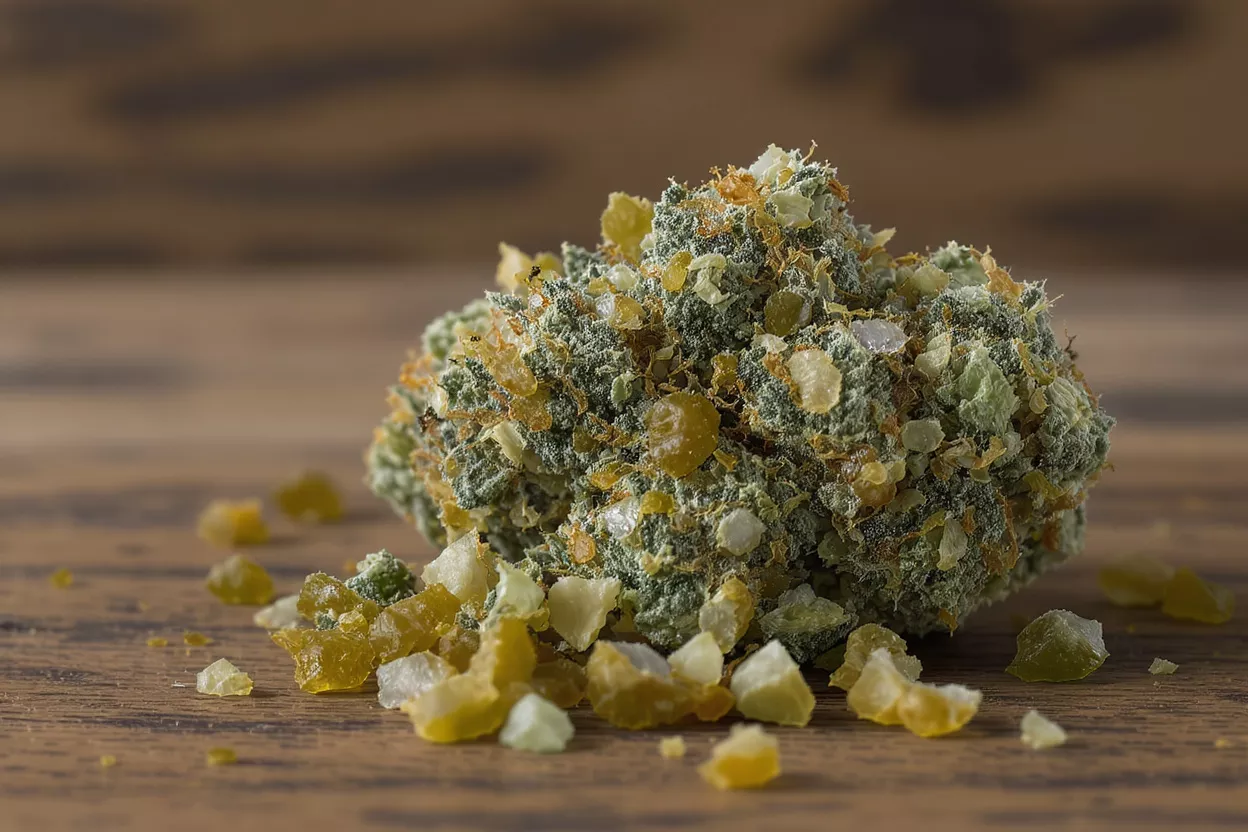
Phoenix Tears for Skin and Topical Use
Beyond ingestion, concentrated cannabis oil has a long tradition of topical application. Diluted into a carrier oil or balm, Phoenix Tears can be massaged into the skin to target localized irritation, soreness, and certain stubborn surface concerns without the strong whole-body effects that come with an oral dose. The skin acts as a buffer, keeping things local.
Topical pairings worth building around: Many people assemble a small skin-care lineup anchored by cannabinoids, layering a concentrated oil with gentler products like a cbd infused face oil for daily moisture or a cbd exfoliating scrub used a couple of times each week. For broad muscle coverage, a cbd topical roll-on offers convenient, mess-free application that pairs neatly with deeper Phoenix Tears massage. Even a cbd pet balm follows the same diluted, localized logic for animal companions.
Topical cannabinoids generally do not enter the bloodstream in significant amounts, which makes them appealing to anyone wanting relief without intoxication. That said, the skin is a barrier, so concentration and consistency matter — a faint smear rarely delivers noticeable results, while a properly formulated balm applied regularly often does the job.
Phoenix Tears Benefits for Appetite and Nausea
One of the most thoroughly documented effects of THC-rich cannabis oil is its ability to stimulate appetite. For people coping with the appetite loss that often accompanies demanding medical treatments or chronic illness, even a modest dose of Phoenix Tears can make eating feel achievable again when food has otherwise lost its appeal.
How appetite and nausea support actually works: THC interacts with receptors in the brain that govern hunger signals and the perceived reward of eating, which is why a carefully timed dose before a meal can help. According to Drugs.com, cannabinoids have been studied specifically for appetite stimulation and nausea relief in patients undergoing chemotherapy and other intensive therapies.
Naturally, this benefit is dose-dependent and personal. CBD-dominant formulas are far less likely to trigger hunger, so anyone specifically seeking appetite support will generally want a formula carrying a meaningful share of THC, introduced gradually and ideally under appropriate medical guidance rather than improvised on a whim.
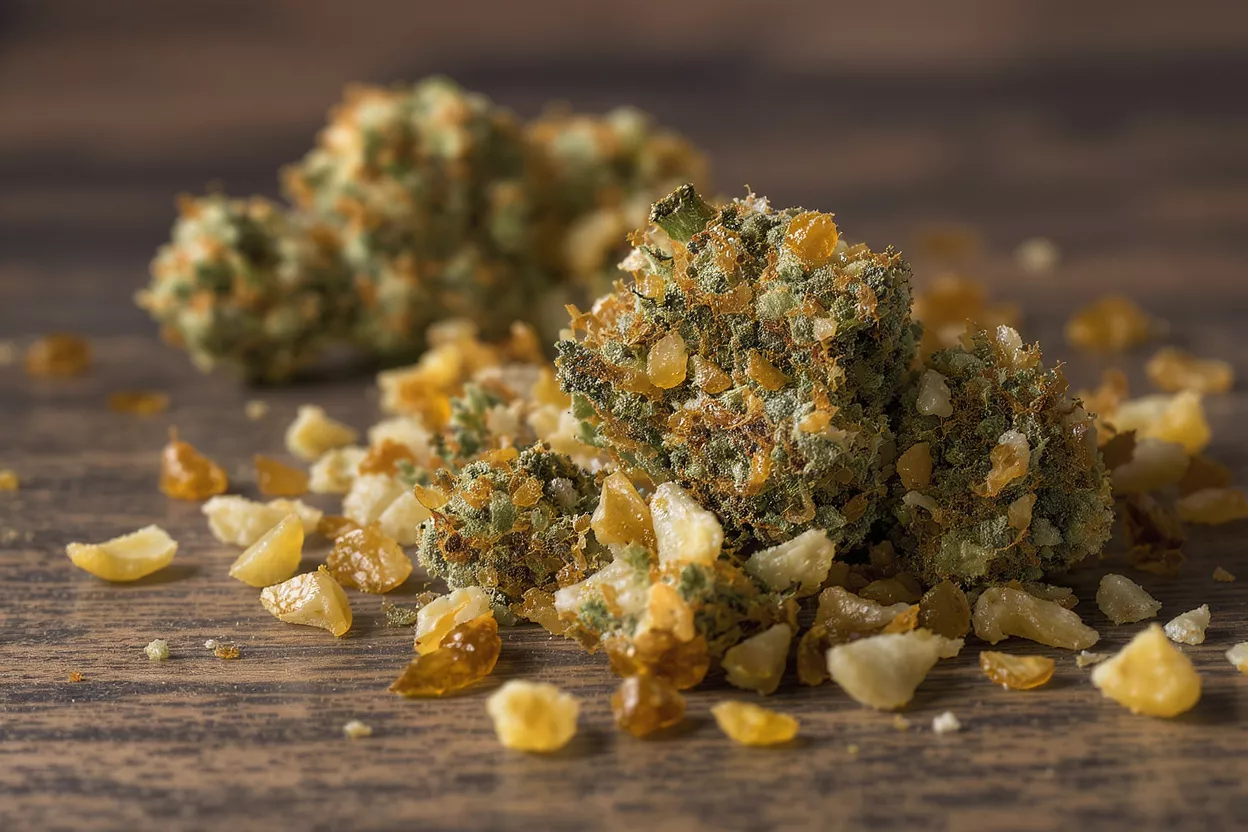
Are Phoenix Tears Safe to Use
Safety with Phoenix Tears comes down to three things: product quality, sensible dosing, and honest awareness of your own health situation. The oil itself is potent rather than inherently dangerous, but its sheer concentration means careless use can lead to an uncomfortable — though not life-threatening — experience that could easily be avoided.
Who should be especially cautious: Anyone taking prescription medications, people who are pregnant or breastfeeding, and those with a history of heart conditions or significant psychiatric concerns should speak with a healthcare provider before starting. Drugs.com highlights that cannabinoids can interact with many common medications by competing for the same liver enzymes that metabolize a wide range of drugs.
Quality handles the other half of the equation. Always favor oils backed by current lab results, store them well away from children and pets, and never drive or operate machinery after an active dose. Treated with genuine respect, Phoenix Tears can be a remarkably manageable addition to a thoughtful wellness routine rather than a gamble.

Phoenix Tears Capsules 25mg x 30pcs – NOW+THEN
Legendary RSO, finally mess-free. NOW+THEN's Phoenix Tears capsules deliver 25mg of full-spectrum Rick Simpson Oil each across 30 precise doses — the whole-plant power of RSO without the syringe or the taste. Comprehensive and consistent, they bring the entourage effect to a simple swallow-and-go format. Substantial, reliable support, one capsule at a time.
- Enhanced Relief : 25mg provides substantial effects
- Full Plant Medicine : Complete cannabinoid and terpene profile
- Versatile Support : Addresses multiple symptoms
- Consistent Dosing : Exact 25mg every capsule
- Entourage Effect : Compounds work synergistically


Phoenix Tears Capsules 10mg x 30pcs – NOW+THEN
Gentle RSO, the easy way. NOW+THEN's Phoenix Tears capsules carry 10mg of full-spectrum Rick Simpson Oil each across 30 doses — the complete cannabinoid and terpene profile in a softer, beginner-friendly amount. No mess, no guesswork, no taste. A measured introduction to whole-plant RSO that's simple to fold into your routine.
- Full Spectrum Relief : Complete cannabinoid profile works synergistically
- Gentle Introduction : 10mg perfect for beginners
- Multi-Symptom Support : Addresses various conditions
- Entourage Benefits : Terpenes enhance cannabinoid effects
- Consistent Dosing : Precise 10mg every time

Phoenix Tears Vegan Glass Dispenser 1g – NOW+THEN
Legendary RSO, with surgical control. NOW+THEN's Phoenix Tears dispenser holds 1000mg of vegan full-spectrum Rick Simpson Oil in a medical-grade glass syringe — measure precise doses of the whole-plant extract, exactly as you intend. Potent and versatile, it's RSO the controlled way. For experienced users who want the real thing, precisely.
- Precise Dosing : Control therapeutic amounts exactly
- Full Spectrum Relief : All cannabinoids working together
- Legendary Effects : The oil that inspired a movement
- Vegan Friendly : Ethical therapeutic option
- Versatile Medicine : Multiple application methods
How to Buy Quality Phoenix Tears
The market is crowded, and not every product wearing the Phoenix Tears name meets a high standard. Knowing what to look for protects both your wallet and your safety, and it cleanly separates genuine full extract cannabis oil from poorly made imitations that promise much and deliver little.
The checklist before you buy: Put transparency ahead of marketing every time. A trustworthy seller publishes a certificate of analysis, lists the exact cannabinoid breakdown, and explains their extraction method without dodging questions. If you also enjoy other formats — perhaps a cbd vape pen for fast onset or a relaxing soak — a reputable shop will be equally open about those products too.
Use these criteria to evaluate any potential purchase:
- 🔬 Lab tested: Current third-party results for both potency and contaminants.
- 📋 Clear labeling: Exact THC, CBD, and minor cannabinoid content per dose.
- 🌱 Source transparency: Honest detail on cultivation and the extraction process.
- 💬 Knowledgeable support: Staff who guide dosing rather than simply upsell.
Phoenix Tears reward an informed buyer above all else. Whether your goal is pain relief, deeper sleep, appetite support, or simply a careful exploration of whole-plant cannabis, beginning with a quality product and a patient, low-dose mindset is the surest path to a positive experience. Use this guide as your foundation, listen closely to your body, and adjust slowly — that measured approach is exactly what turns a powerful concentrate into a genuinely useful tool.