phoenix tears
Learn what phoenix tears are, how they're made, and how to dose safely.
Few cannabis products carry as much mystique as phoenix tears. The name evokes something almost mythical, and for good reason: this thick, potent cannabis oil has built a reputation among patients and enthusiasts who want a concentrated, full-spectrum experience without smoke or vapor. Whether you have heard the term whispered in dispensary aisles or read about it in patient forums, understanding what phoenix tears actually are — and how to use them responsibly — separates informed consumers from those simply chasing a buzzword.
In this guide we will break down the science, the production methods, the dosing realities, and the safety considerations behind phoenix tears. The goal is not hype but clarity, so you can decide whether this concentrate belongs in your wellness toolkit or your shelf of curiosities.
What Are Phoenix Tears in Cannabis?
Phoenix tears are a highly concentrated cannabis oil traditionally extracted to preserve the full range of cannabinoids and terpenes found in the plant. The term is often used interchangeably with Rick Simpson Oil (RSO), though purists draw subtle distinctions based on extraction solvent and intended use. What unites them is potency: a single gram of phoenix tears can contain the cannabinoid equivalent of many grams of dried flower.
The oil is typically dark, viscous, and resinous — closer to molasses than to the clear sap of a dab concentrate. Unlike diamonds or other crystalline isolates, phoenix tears are deliberately full-spectrum, retaining Delta-9 THC alongside minor cannabinoids and the aromatic terpenes that shape each strain's character. This "entourage" composition is central to its appeal among medical users who believe the whole-plant profile matters.
The name itself is rooted in the idea of renewal and resilience, a nod to the patient stories that popularized the oil. While marketing language can run hot, the underlying product is straightforward: a decarboxylated, solvent-extracted cannabis concentrate meant primarily for oral or sublingual use rather than inhalation. Organizations such as the Society of Cannabis Clinicians emphasize that concentrated oils like these should be approached with the same caution as any potent medicine.
How Phoenix Tears Are Made
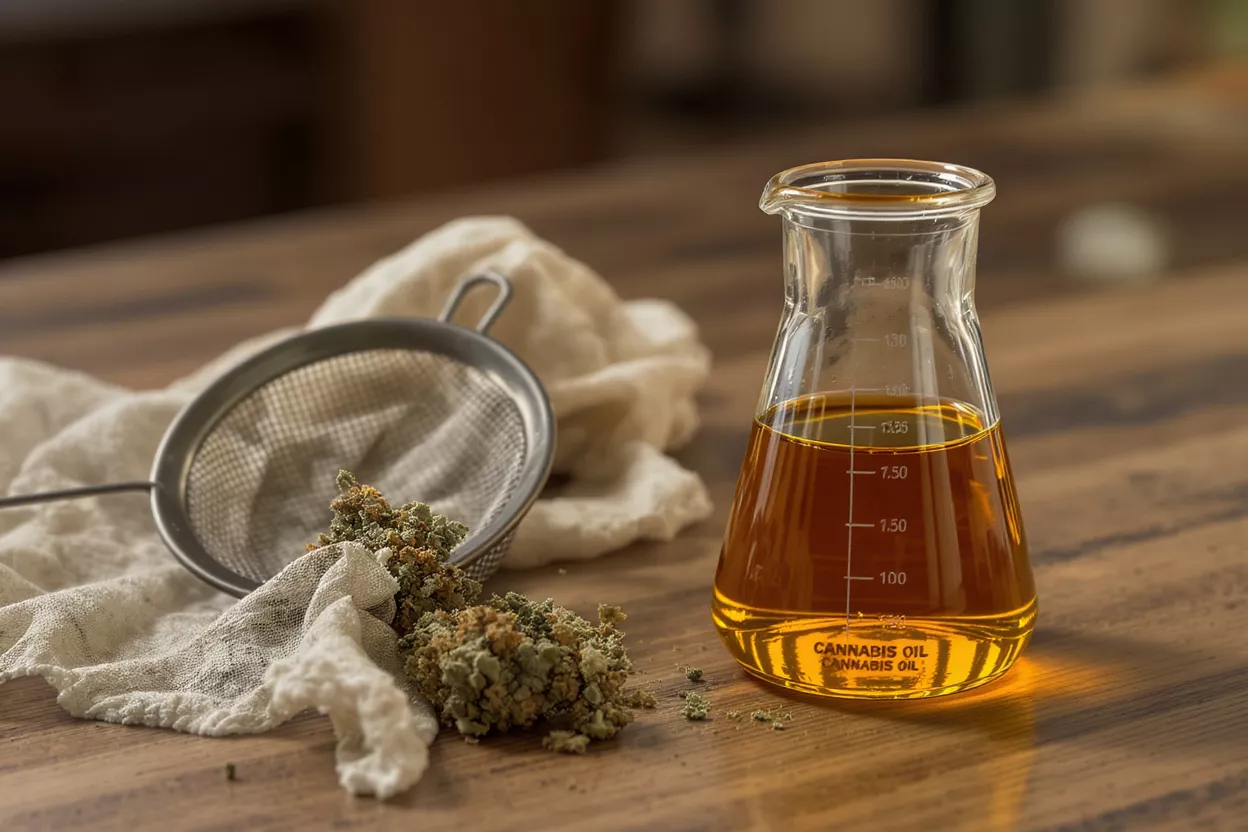
Solvent extraction is the heart of the process. Producers soak ground cannabis in a solvent — most commonly high-proof food-grade ethanol, producing what is sometimes called ethanol hash oil (EHO) — to strip the cannabinoids and terpenes from the plant material. The solvent is then carefully evaporated, leaving behind the thick, concentrated oil. Quality producers use closed-loop systems and lab testing to ensure no residual solvent remains.
Decarboxylation is the step that transforms raw cannabis acids into their active forms. Gentle heat converts THCA into Delta-9 THC, which is why phoenix tears deliver effects when swallowed rather than smoked. Skipping or rushing this step yields an oil that is far less psychoactive, while overheating degrades both potency and flavor. Precision matters, and reputable labs document their temperatures and times.
Some makers refine the oil further through winterization or dewaxing to remove fats and waxes, producing a cleaner final product. Others leave it crude to preserve the broadest spectrum of compounds. For consumers exploring full-spectrum options, a quality full-spectrum cannabis oil tincture offers a more standardized alternative to homemade preparations, with consistent dosing and verified lab results.
Phoenix Tears vs Other Cannabis Concentrates
The concentrate category is crowded, and labels matter. Phoenix tears differ from shatter, wax, and live resin primarily in their intended route of consumption and their full-spectrum, decarboxylated nature. Where a dabber might reach for an e-rig and a domeless nail to vaporize shatter, phoenix tears are designed to be eaten or placed under the tongue.
Diamonds, by contrast, are crystalline THCA structures prized for purity and dabbing potency, often paired with terpene-rich sauce. Distillates strip everything down to a single cannabinoid. Phoenix tears sit at the opposite end of that spectrum, deliberately preserving the messy, aromatic complexity of the whole plant. The table below summarizes the key differences:
- 🧪 Phoenix tears: full-spectrum, decarboxylated, oral/sublingual use, very high potency per gram.
- 💎 Diamonds: crystalline THCA, dabbed via e-nail or e-rig, prized for purity and flavor.
- 🔥 Shatter/wax: glassy or soft concentrates, inhaled, valued for fast onset.
- 🌿 Live resin: flash-frozen extraction, terpene-forward, often dabbed.
- 💧 Distillate: stripped to a single cannabinoid, near-flavorless, used in vapes and edibles.
Understanding these distinctions prevents costly mistakes. Trying to dab phoenix tears, for example, wastes product and produces harsh smoke, while eating a gram of distillate-based concentrate without dosing knowledge can lead to an uncomfortably long high — sometimes described as an edible hangover the following day.
Types of Phoenix Tears and Cannabinoid Profiles
Not all phoenix tears are created equal. The cannabinoid profile depends heavily on the starting material, and producers now offer formulations targeting different needs. A high-THC oil drawn from a potent indica or a pungent diesel strain delivers strong psychoactive effects, while CBD-rich versions aim for relief with minimal intoxication.
Ratio-based oils have grown popular among medical users. A 1:1 THC-to-CBD oil balances effects, while 4:1 or higher CBD ratios suit those sensitive to Delta-9 THC. Some specialty oils incorporate minor cannabinoids like Delta-8 or Delta-10 for milder, differently textured experiences, though research on these isomers remains limited compared to the well-studied major cannabinoids.
Strain lineage shapes the terpene profile and, by extension, the aroma and reported effects. The categories below capture the most common types you will encounter:
- 🌙 High-THC indica oils: sedating, often chosen for evening use and sleep support.
- ☀️ Sativa-leaning oils: brighter, more uplifting terpene profiles for daytime.
- ⚖️ Balanced 1:1 oils: moderate intoxication with added CBD for a smoother experience.
- 🌱 CBD-dominant oils: high-CBD, low-THC formulas for relief without strong psychoactivity.
When shopping, the strain name on the label hints at character — a classic diesel cut will smell sharp and fuel-like, while a fruity hybrid may carry sweeter notes. These details flow directly from the flower that started the extraction.
Phoenix Tears Benefits and Reported Uses
Patient interest drives most of the demand. Many people turn to phoenix tears for the same reasons they explore other cannabis products: discomfort management, sleep difficulties, appetite support, and general wellness. The concentrated, smoke-free format appeals especially to those who cannot or prefer not to inhale. It is worth stressing that rigorous clinical evidence for many of these uses is still developing.
The full-spectrum nature is central to the perceived benefits. Advocates point to the entourage effect — the theory that cannabinoids and terpenes work better together than in isolation. While the science is promising but not settled, resources from the Society of Cannabis Clinicians note that whole-plant preparations are an active area of clinical interest.
Convenience and discretion round out the appeal. A small vial of oil is easy to store and dose, and for patients juggling multiple products, a single concentrated measured-dose cannabis applicator syringe can simplify a daily routine. Still, benefits should be weighed against potency: phoenix tears are not a casual product, and expectations should be grounded in personal tolerance rather than testimonials.
How to Use Phoenix Tears
Oral and sublingual use are the standard methods. Most users place a rice-grain-sized portion under the tongue and hold it before swallowing, which allows partial absorption through the mucous membranes for a faster, more predictable onset than swallowing alone. Others incorporate the oil into food or capsules, though this slows onset and can intensify the eventual peak.
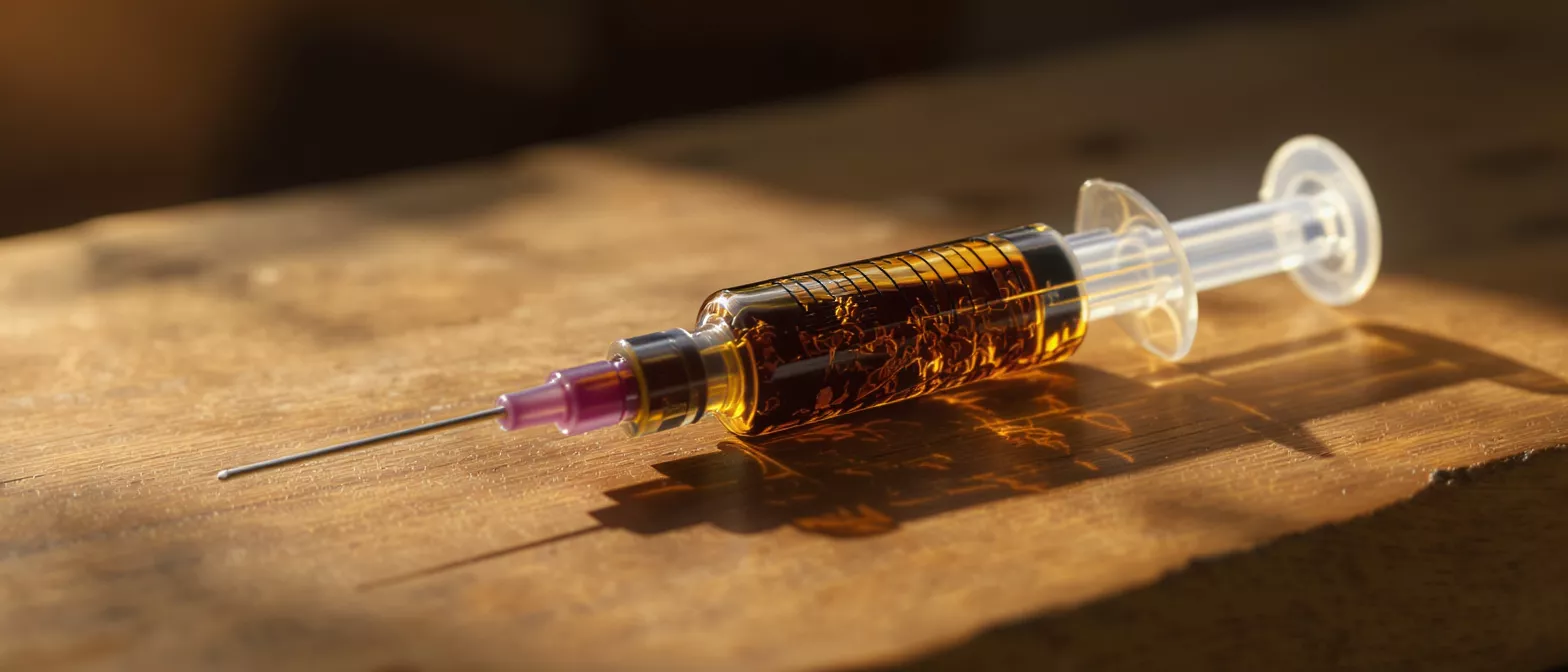
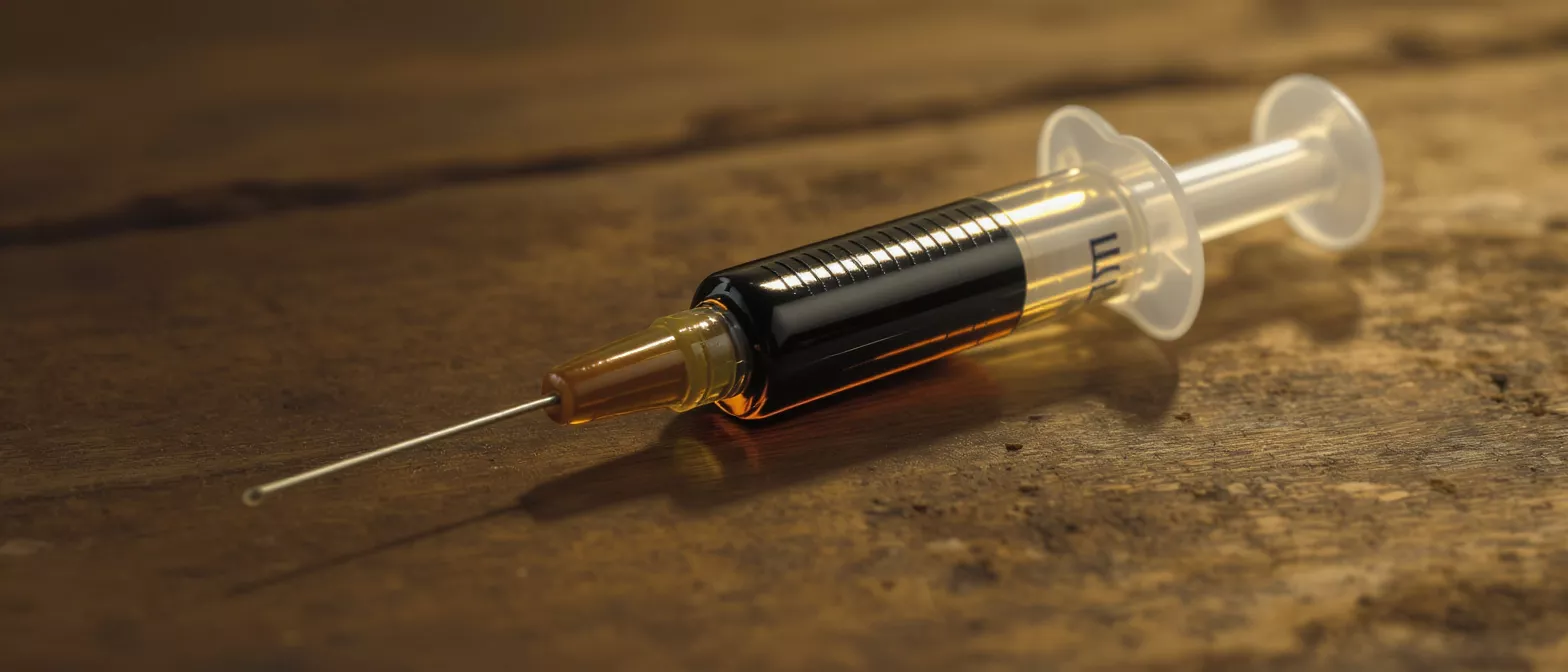
Because the oil is so thick and potent, an applicator syringe is the preferred dispensing tool. Warming the syringe slightly in your hands makes the viscous oil easier to express. A measured bead about the size of half a grain of rice is a common starting reference, but actual milligram content varies enormously between products, which is why lab-tested potency labels matter so much.
Some experienced users add tiny amounts to capsules with enteric coating to delay release and smooth out the experience, while others prefer the immediacy of the sublingual route. Whatever the method, the cardinal rule holds: start low, go slow, and wait a full two hours before considering more.

Phoenix Tears Dosing Guide for Beginners
Microdosing is the safest entry point. For newcomers, a dose smaller than a grain of rice — often just 5 to 10 milligrams of total cannabinoids or less — is plenty to gauge sensitivity. Because phoenix tears are decarboxylated and orally active, effects can take 45 minutes to two hours to arrive and may last six hours or more, far longer than smoking.
The single most common mistake is redosing too soon. Impatience leads people to take a second dose before the first has peaked, resulting in an overwhelming experience. The progression below offers a conservative roadmap, though individual tolerance varies widely:
- 🌱 Days 1–3: a half-grain-of-rice portion, once at night, to assess baseline sensitivity.
- 📈 Week 1–2: gradually increase only if comfortable, adding small increments every few days.
- ⏱️ Always: wait a minimum of two hours before considering any additional dose.
- 📓 Track everything: log amount, time, and effects to find your personal sweet spot.
Higher therapeutic protocols popularized by patient communities can climb to a gram or more per day over weeks, but those regimens build tolerance gradually and are best pursued with medical guidance. For most recreational and casual wellness users, a tiny consistent dose delivers what they are looking for without the intensity.
Are Phoenix Tears Safe?
Potency is the primary safety concern. Phoenix tears are among the strongest cannabis products available, and accidental overconsumption is unpleasant though not life-threatening. The greatest risks come from edge cases: keeping potent oil where children or pets might access it, or combining it with alcohol or other sedatives. Childproof storage is non-negotiable.
Solvent residue is the other major concern, which is why lab testing matters. Poorly made oil can retain traces of extraction solvents, and homemade batches carry real fire risk during production. Purchasing from regulated sources that publish certificates of analysis is the surest way to avoid contaminated product. The Society of Cannabis Clinicians stresses that patients should always know the source and testing status of any concentrate they use.
Interactions deserve attention too. Cannabis can affect how the liver metabolizes certain medications, so anyone on prescription drugs should consult a healthcare provider before using a high-potency oil. A reliable childproof storage vial for cannabis oil is a small investment that prevents the most common accidents in households where potent concentrates are kept.

How to Store Phoenix Tears Properly
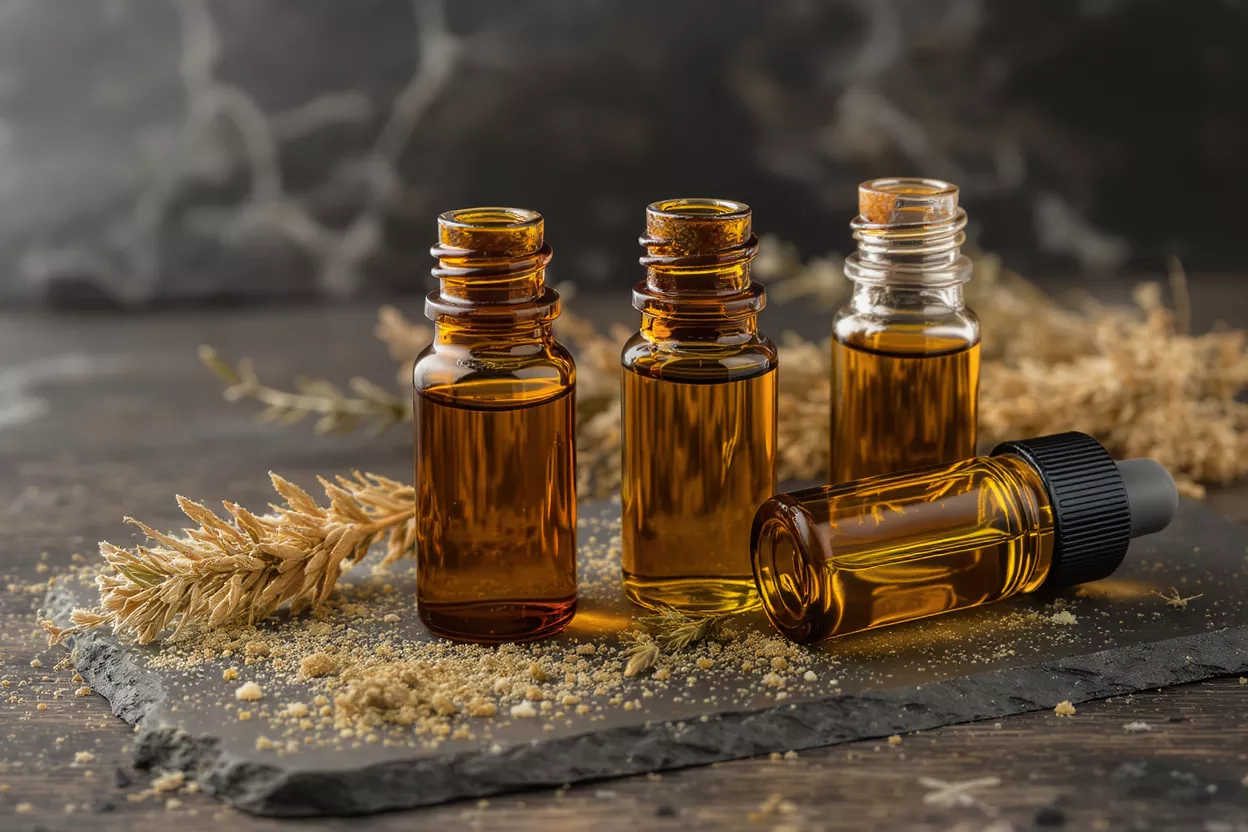
Proper storage preserves both potency and safety. Light, heat, and air are the enemies of any cannabis concentrate — they degrade cannabinoids and terpenes over time, dulling effects and flavor. Phoenix tears keep best in an airtight, opaque container stored in a cool, dark place, away from direct sunlight.
Temperature control extends shelf life considerably. Many users keep their oil in a refrigerator, though this thickens the viscous concentrate and makes dispensing harder; a brief warming in the hand restores workability. Avoid repeated heating and cooling cycles, which can accelerate degradation and cause the oil to separate.
Stored correctly, a well-made oil can retain its quality for a year or more. Label your container with the date and potency, keep it out of reach of children and pets, and resist the temptation to leave it sitting on a sunny windowsill. These simple habits protect a product that represents a significant amount of concentrated plant material.
Choosing Quality Phoenix Tears
Lab testing is the single most important indicator of quality. A trustworthy producer provides a certificate of analysis showing cannabinoid content, terpene profile, and screening for residual solvents, pesticides, and heavy metals. If a seller cannot or will not show test results, treat the product with skepticism regardless of how appealing the packaging looks.
Source transparency matters nearly as much. Knowing the strain, the extraction method, and whether the oil was winterized or dewaxed tells you what to expect. A reputable distributor will happily share these details, while vague marketing language — calling something "the best dope oil ever" with no data — is a red flag. The points below distill what to look for:
- 📋 Certificate of analysis: verified potency and contaminant screening from an accredited lab.
- 🏷️ Clear labeling: total cannabinoids in milligrams, not just vague "high potency" claims.
- 🌿 Strain and method: known genetics and a documented extraction process.
- 📦 Proper packaging: opaque, airtight, childproof containers with batch dates.
Ultimately, choosing phoenix tears comes down to informed shopping. The strongest products are not necessarily the best for you — the right oil matches your tolerance, your goals, and your comfort with potency. Take the time to read labels, ask questions, and start conservatively.
Phoenix tears occupy a unique niche in the cannabis world: a smoke-free, full-spectrum concentrate prized for its potency and whole-plant character. Used thoughtfully — with attention to dosing, storage, and lab-verified quality — they can be a valuable tool for patients and enthusiasts alike. The key takeaways are simple: start with a tiny dose, wait patiently for effects, buy only tested products from transparent sources, and store the oil safely away from children and pets. Treat phoenix tears with the respect any potent preparation deserves, and they reward you with consistency and clarity rather than surprises.