


Best Vegan Edibles Guide: What to Know in 2026 Clearly
Discover vegan edibles: how they're made, key ingredients, dosing tips & label reading.
If you've made the shift to a plant-based lifestyle, you've probably realized that vegan eating extends far beyond your dinner plate. From supplements to wellness products, the question of what's actually plant-based touches nearly every purchase. Vegan edibles sit right at this intersection, offering a way to enjoy CBD, functional ingredients, and treats without animal-derived components. Whether you're brand new to plant-based living or a seasoned vegan looking to refine your routine, understanding what makes an edible genuinely vegan can save you frustration and help you shop with confidence.
The market for vegan edibles has exploded in recent years, driven by demand for cleaner labels and ethical sourcing. But not every product that looks plant-friendly truly is, and the fine print matters. This guide walks through everything from manufacturing methods to dosing, label reading, and how to separate genuinely vegan products from clever marketing. By the end, you'll know exactly what to look for and why it matters.
What Are Vegan Edibles and How Are They Made
The core definition of a vegan edible is simple in theory: it contains no ingredients derived from animals. That means no gelatin, no honey, no beeswax, no dairy, no carmine coloring from insects, and no animal-based glazing agents. In practice, this requires manufacturers to rethink some of the most common ingredients in conventional candy and supplement production, because many traditional gummies and chews rely heavily on gelatin sourced from animal collagen.
Vegan edibles replace these components with plant-derived alternatives. Pectin, sourced from fruit, takes the place of gelatin as a gelling agent. Plant-based glycerin replaces animal glycerin, and natural fruit and vegetable extracts provide color where carmine once did. Stabilizers like xanthan gum keep textures consistent without any animal input. Some products also include functional botanicals such as theanine for calm focus or valerian root for evening wind-down, both of which are naturally plant-based and pair well with a clean-label philosophy.
The manufacturing process for plant-based edibles demands extra care to avoid cross-contamination. According to Healthline, the rise of plant-based diets has pushed manufacturers to adopt clearer sourcing standards and dedicated production lines. Reputable producers often run separate equipment or thoroughly sanitize shared lines to ensure no animal residue makes its way into the final product, which matters enormously to consumers who choose vegan living for ethical as well as dietary reasons.
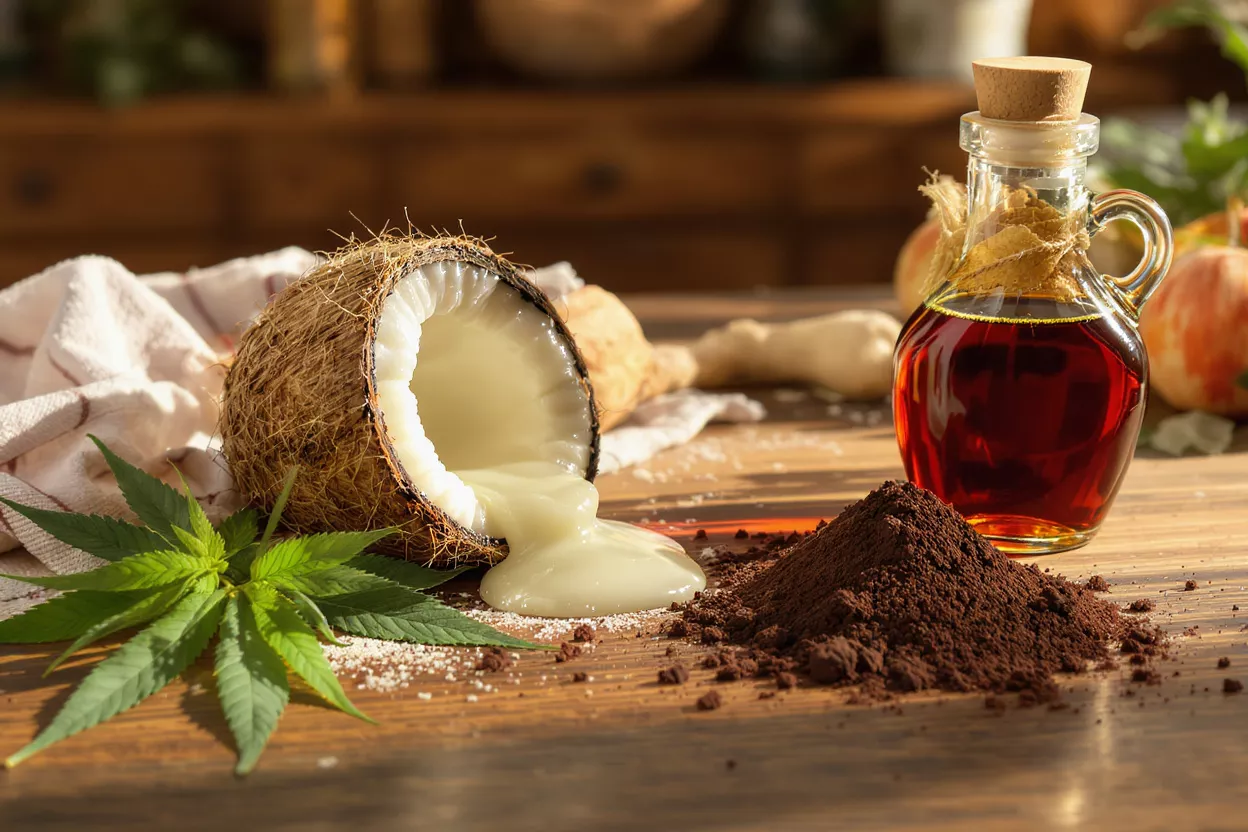
Vegan CBD Gummies Explained: Pectin vs Gelatin
The gelatin problem is the single biggest hurdle separating conventional gummies from vegan ones. Gelatin is a protein derived from boiling animal bones, skin, and connective tissue, and it's the workhorse behind the bouncy, chewy texture most people associate with gummy candy. For anyone committed to a plant-based lifestyle, gelatin is an automatic disqualifier, which is why vegan CBD gummies turn to pectin instead.
Pectin's plant-based advantage goes beyond simply being vegan. Pectin comes from the cell walls of fruits like apples and citrus, and it produces a slightly different texture, often a bit softer and more like a fruit jelly than a dense chew. Many people actually prefer this mouthfeel, comparing it to a high-quality taffy. Pectin gummies also tend to hold up better in warm conditions and carry fruit flavors cleanly, which is part of why so many premium plant-based CBD gummies have shifted to pectin formulations even when not exclusively marketing to vegans.
There are real differences in how these two gelling agents behave during production and storage. The texture, melting point, and even the way each binds with CBD oil all vary. Below is a quick comparison to help you understand what's actually going on inside your gummy.
- 🍎 Pectin: Plant-derived from fruit, vegan-friendly, softer jelly-like texture, more heat-stable, carries fruit flavor well.
- 🦴 Gelatin: Animal-derived from collagen, not vegan, classic bouncy chew, melts more easily, neutral flavor base.
- 🌿 Agar: Seaweed-based, fully vegan, firmer set, sometimes used in specialty plant-based confections.
- 🧪 Carrageenan: Also seaweed-derived, vegan, used as a secondary gelling and stabilizing agent.
Types of Vegan Edibles You Can Find in 2026
Gummies dominate the vegan edible market, and for good reason. They're portable, pre-dosed, and come in a huge range of flavors and functional formulations. From CBD vegan gummies aimed at relaxation to multivitamin gummies fortified with plant-based nutrients, the category keeps expanding. The pre-measured nature of gummies makes them especially appealing to beginners who want consistency without measuring anything out.
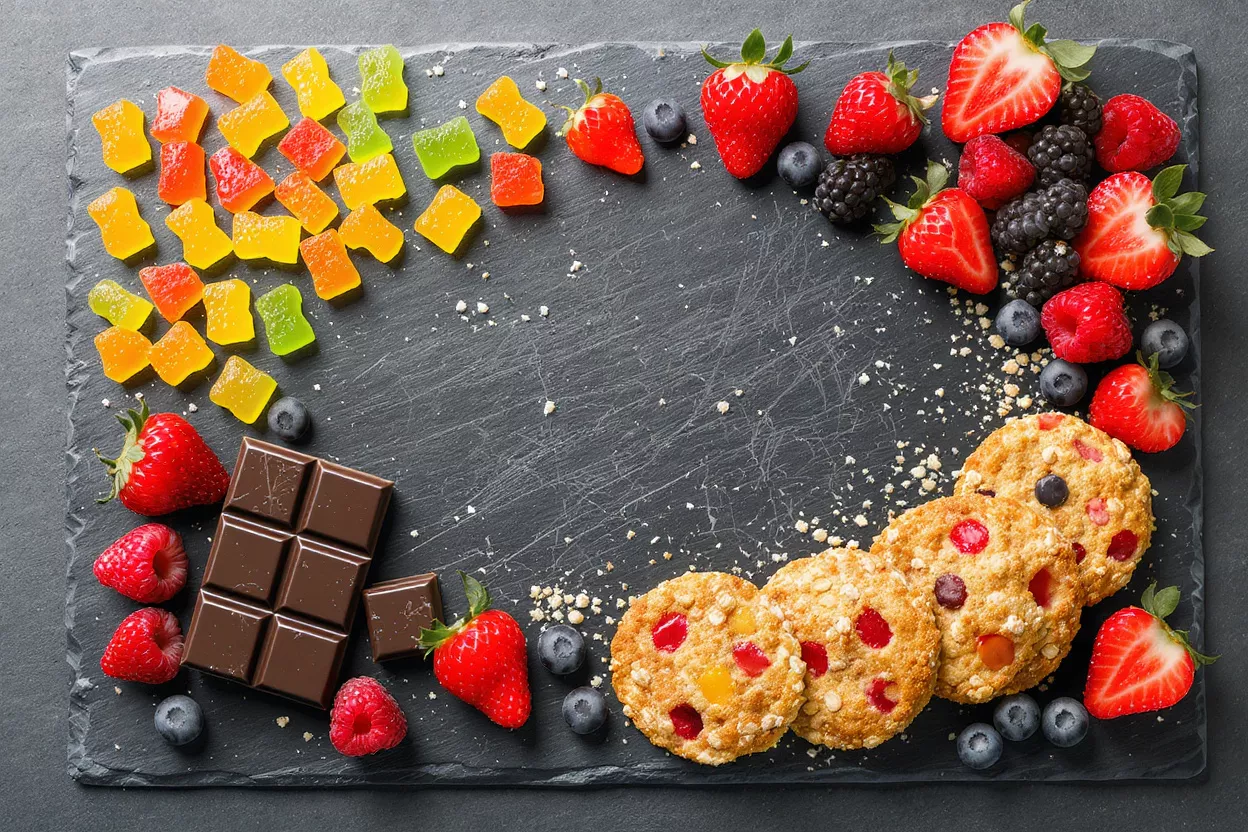
Beyond gummies, the world of vegan edibles includes chocolates made with plant milk, hard candies, baked goods, and beverages. Chocolate has become a popular delivery method because high-quality dark chocolate is naturally vegan when made without dairy, and it masks earthy CBD or botanical flavors beautifully. Some enthusiasts even craft their own vegan-friendly infusions at home, treating an evening treat like a relaxed wake and bake ritual minus anything animal-derived.
The format you choose affects more than taste. Onset time, dosing precision, and how the product fits your day all depend on the type of edible. Here's a breakdown of the main categories you'll encounter when shopping for plant-based options.
- 🍬 Gummies: Pre-dosed, portable, beginner-friendly, widely available in vegan pectin formulas.
- 🍫 Chocolates: Made with plant milk or dark chocolate, rich flavor that masks botanicals.
- 🥤 Beverages: Infused drinks and powders, faster onset, easy to dose by volume.
- 🍪 Baked goods: Cookies and brownies using flax or aquafaba instead of eggs.
- 🍯 Soft chews: Caramel and taffy-style treats made without dairy or gelatin.
Vegan Edibles Benefits for Body and Mind
Cleaner ingredient profiles are one of the most tangible benefits of choosing vegan edibles. Because plant-based formulations avoid animal-derived fillers and often steer clear of artificial additives, you frequently end up with a shorter, more recognizable ingredient list. For people who read labels carefully, this transparency is reassuring, and it aligns with the broader wellness mindset that draws many to plant-based living in the first place.
Ethical and environmental alignment gives vegan edibles a dimension that goes beyond personal health. Choosing cruelty free, plant-based products means your wellness routine reflects your values. Animal agriculture carries a significant environmental footprint, and opting for plant-derived gelling agents like pectin and agar reduces reliance on animal byproducts. For many consumers, this ethical consistency is just as important as any physical benefit.
From a wellness standpoint, many vegan edibles pair CBD with complementary plant compounds. Terpenes like valencene, found in citrus, contribute aroma and may play a role in the entourage effect, while amino acids such as theanine support a calm, focused state. These naturally vegan additions make plant-based edibles a natural fit for anyone building a thoughtful, ingredient-conscious routine, whether the goal is better sleep, a smoother topical 2025 wellness regimen, or simply a daily moment of calm.
Are Vegan Edibles Safe and What to Watch For
Vegan does not automatically mean clean or safe. This is a critical distinction. A product can be perfectly plant-based and still contain high amounts of sugar, artificial colors, or low-quality CBD. The vegan label speaks only to the absence of animal ingredients, not to overall quality. That's why label literacy matters so much, and why you shouldn't let a vegan claim do all your decision-making for you.
Third-party lab testing is the gold standard for safety, especially with CBD products. A reputable brand will provide a certificate of analysis confirming cannabinoid content and screening for pesticides, heavy metals, and residual solvents from processes like winterization. Without this documentation, you're essentially trusting marketing copy, so always look for accessible, recent lab results before buying any lab-tested CBD wellness products.
Be mindful of dosing and individual tolerance as well. Edibles take longer to take effect than other delivery methods because they pass through your digestive system, so patience prevents the common mistake of taking more too soon. Start low, wait at least an hour or two, and adjust gradually. If you take any medications, it's worth checking with a healthcare provider, since CBD can interact with certain prescriptions.
How to Read Vegan Friendly Labels
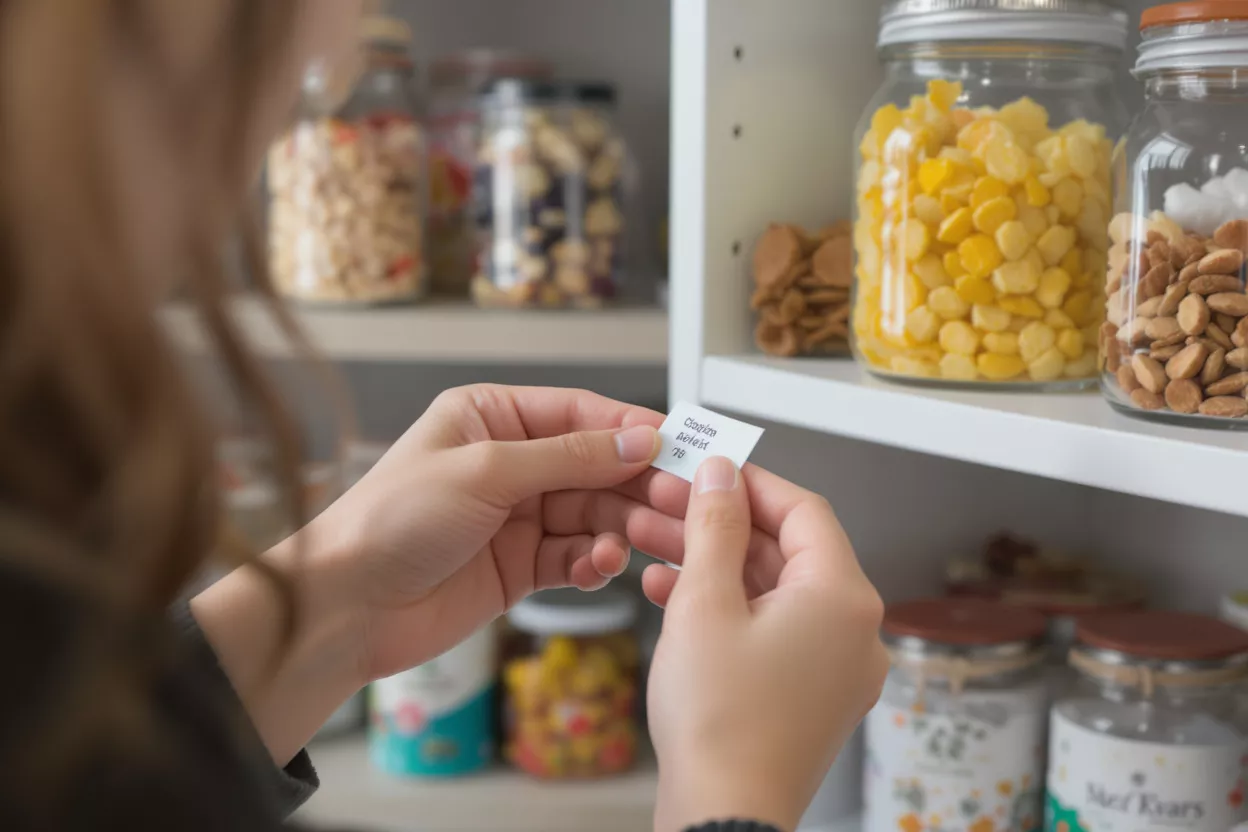
Hidden animal ingredients trip up even experienced shoppers. Some components aren't obviously animal-derived. Gelatin is the obvious one, but glycerin can come from either plant or animal sources, and certain colorings like carmine come from insects. Confectioner's glaze, sometimes listed as shellac, is derived from insects too. A genuinely vegan product will use plant glycerin, fruit and vegetable colorants, and plant-based glazes.
Look for certifications, but don't rely on them blindly. Certified vegan logos from recognized organizations offer a layer of assurance, but plenty of legitimately vegan products skip certification due to cost. When there's no certification, read the full ingredient panel. Stabilizers like xanthan gum, gelling agents like pectin or agar, and natural flavors are all good signs. Anything ambiguous is worth a quick search or a question to the brand.
Here are the red-flag ingredients to scan for whenever you're evaluating whether a product is genuinely plant-based and vegan friendly.
- ⚠️ Gelatin: Animal collagen, the most common non-vegan gelling agent.
- ⚠️ Carmine: Red coloring made from crushed insects.
- ⚠️ Shellac: Insect-derived glaze, sometimes labeled confectioner's glaze.
- ⚠️ Beeswax and honey: Bee products that disqualify a vegan claim.
- ⚠️ Ambiguous glycerin: Can be plant or animal derived, verify the source.
Best Vegan Edibles for Beginners
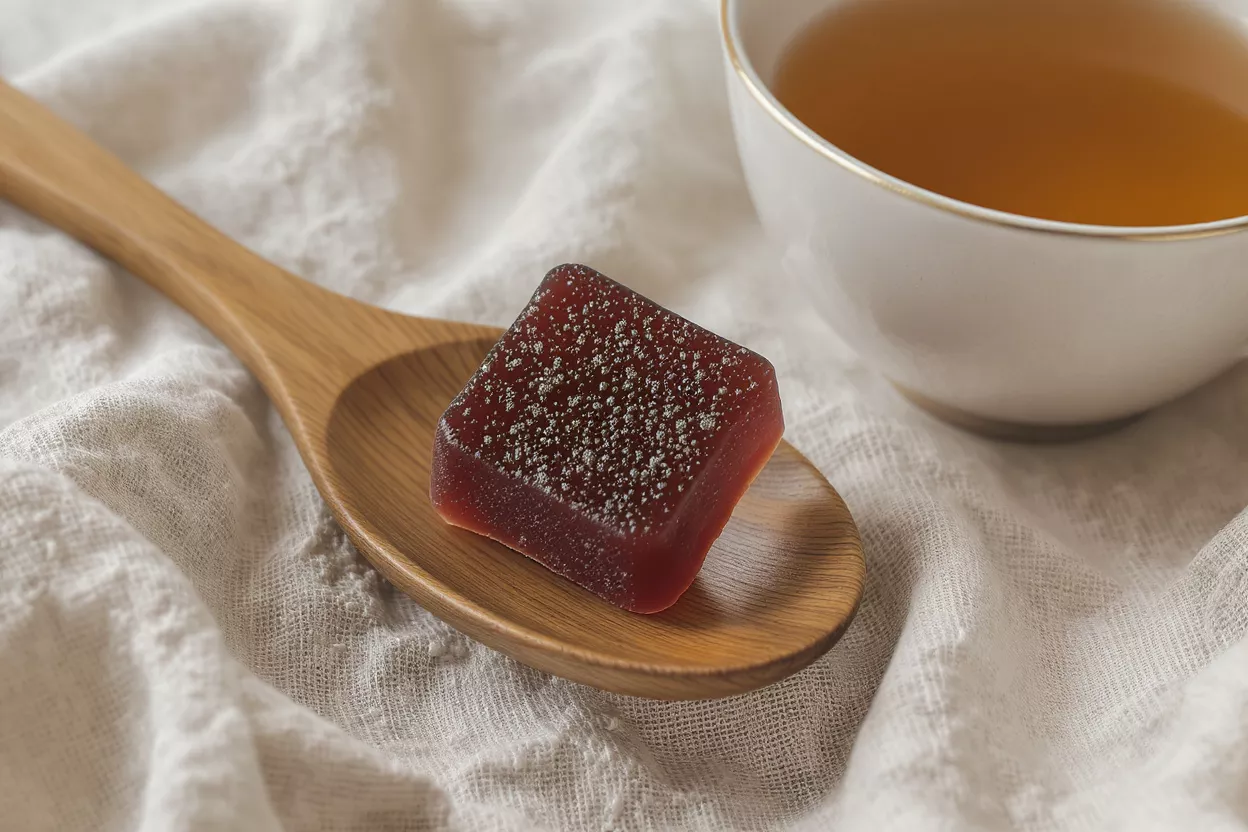
Start with low-dose pectin gummies if you're new to vegan edibles. They offer the most predictable experience: pre-measured, easy to halve, and forgiving if you misjudge your tolerance. A gummy in the 5 to 10 milligram range gives newcomers room to learn how their body responds without overwhelming them. The familiar candy format also removes any intimidation factor that tinctures or capsules might carry.
Flavor and texture matter more than beginners expect. Because pectin produces a softer, fruitier bite, many first-timers find vegan gummies more pleasant than gelatin-based ones. Look for products that lean on real fruit flavors rather than heavy artificial sweetness. Brands that get the flavor right make consistent dosing far easier, since you'll actually enjoy the routine rather than enduring it.
For those exploring functional benefits, beginner-friendly calming vegan gummies that combine CBD with theanine or a touch of valerian can ease you into the category gently. These blends are formulated for balance rather than intensity, making them a sensible entry point. As you grow comfortable, you can explore higher potencies, broader-spectrum formulas, or different formats like chocolates and beverages.
Vegan Edibles Dosing Guide
The golden rule is start low and go slow. Edibles behave differently from inhaled or sublingual products because they must be digested and metabolized before you feel anything. This means onset can take anywhere from forty-five minutes to two hours. The single most common mistake is impatience, where someone takes a second dose before the first has kicked in and ends up far more affected than intended.
Individual factors shape your ideal dose. Body weight, metabolism, whether you've eaten, and your prior experience all influence how an edible affects you. A good starting point for CBD is often in the range of 5 to 15 milligrams, adjusting upward over several sessions only after you understand your baseline response. Keeping a simple log of dose and effect can help you dial in what works.
Below is a general framework to guide your approach. Treat these as starting reference points rather than strict prescriptions, since everyone's physiology differs.
- 🌱 Microdose (2.5–5 mg): Subtle effects, ideal for first-timers and daytime use.
- 🍃 Standard (5–15 mg): Common range for relaxation and general wellness.
- 🌿 Moderate (15–30 mg): For experienced users seeking stronger effects.
- ⏰ Timing: Wait at least 90 minutes before considering more.
- 🍽️ With food: Taking edibles with a meal can smooth and extend onset.
Cruelty Free vs Vegan: What's the Difference
These two terms are not interchangeable, though marketing often blurs them. Cruelty free means a product wasn't tested on animals at any stage of development. Vegan means the product contains no animal-derived ingredients. A product can be one without being the other: something might be cruelty free yet still contain honey or beeswax, while a vegan product could theoretically have been tested on animals somewhere in its history.
For consumers who care about animal welfare comprehensively, the ideal product is both vegan and cruelty free. The good news is that many ethically minded brands pursue both standards together, recognizing that their customers expect consistency. When a brand explicitly states both claims and backs them with certifications or transparent sourcing, you can shop with greater confidence that your values are fully respected.
Understanding the distinction also helps you ask better questions. If a label only says cruelty free, it's reasonable to check the ingredients for animal components. If it only says vegan, you might inquire about testing practices. The most trustworthy companies make both pieces of information easy to find rather than burying them, and that transparency is itself a quality signal worth weighing.


High Dose Vegan Dark Sativa Shatter Bar 1200mg / 24pcs – Opulence
Concentrated daytime power, plant-based. Opulence's 1200mg Sativa Shatter bar packs a serious 50mg of pure sativa concentrate into each of 24 sugar-free vegan dark squares — sharp, energizing, and built for high tolerances. Strictly for experienced users who know their limits, it brings real concentrate potency to clean dark chocolate. Start low; this one means business.

High Dose Vegan Dark Indica Shatter Bar 1200mg / 24pcs – Opulence
Maximum sedation, no sugar. Opulence's 1200mg Indica Shatter bar delivers a heavy 50mg of pure indica concentrate per square across 24 sugar-free vegan dark pieces — deep, body-anchoring relief for the highest tolerances. Plant-based and glycemic-friendly, it's a genuine knockout. Reserved for experienced users who need serious nighttime power.
- Maximum Sedation : 50mg indica per piece
- Deep Body Relief : Shatter preserves indica effects
- Sugar-Free Safety : No blood sugar impact
- Vegan Power : Plant-based knockout
- Severe Symptom Relief : For high tolerance/needs
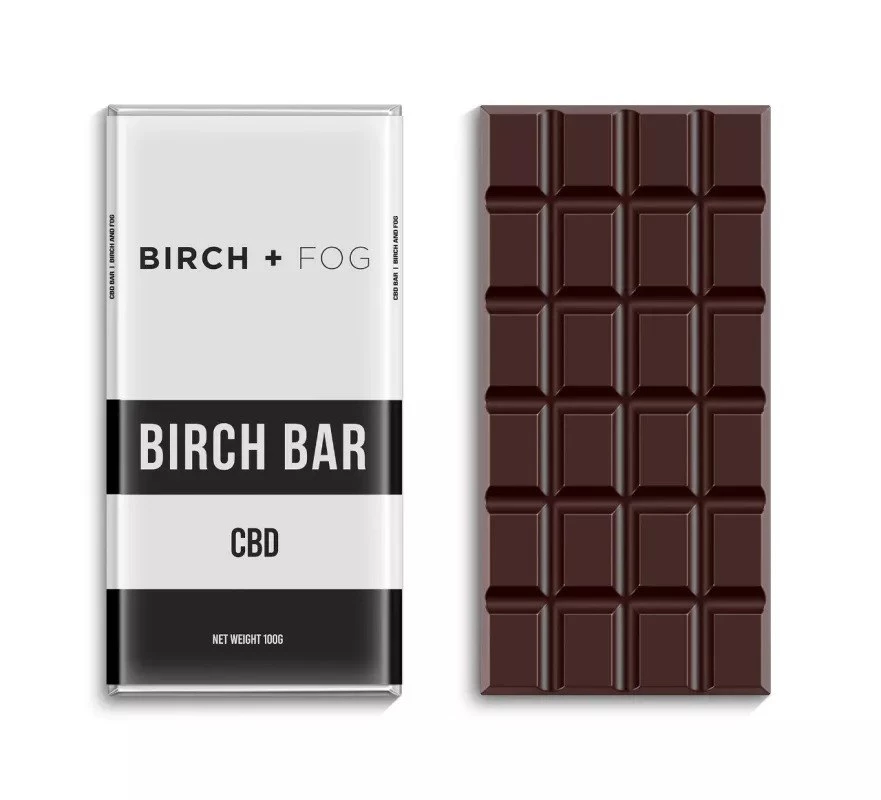
CBD Vegan Dark Chocolate Bar 500mg / 24pcs – BIRCH+FOG
Indulgence without the trade-offs. Birch+Fog's sugar-free vegan dark chocolate bar folds 500mg of CBD into twenty-four richly scored squares — no glucose spikes, no guilt, just deep cocoa and calm. Snap off a square or two to make your daily CBD feel like a reward, the bitterness of good dark chocolate amplifying the wind-down. Precise, plant-based, genuinely delicious dosing.
- Delicious Dosing : Makes daily CBD enjoyable rather than medicinal
- Anti-Inflammatory : CBD plus dark chocolate combat inflammation
- Mood Boost : Chocolate compounds enhance CBD's calming effects
- Blood Sugar Friendly : No glucose spikes or crashes
- Precise Control : Easy to adjust dose with scored squares
Choosing Quality Vegan Products
Transparency separates great brands from forgettable ones. The best vegan products come from companies that publish their ingredient sourcing, lab results, and manufacturing practices openly. When a brand is proud of how it makes things, it tends to share the details freely. Vague claims and missing documentation, by contrast, are reasons to look elsewhere, regardless of how appealing the packaging looks.
Ingredient quality is where vegan and excellent should overlap. A truly premium plant-based edible uses high-grade CBD, real fruit and botanical flavors, and thoughtful additions like theanine, valerian, or terpenes such as valencene rather than cheap fillers. The goal is a product that's genuinely good, not merely free of animal ingredients. Top shelf 2025 formulations increasingly demonstrate that vegan and high-quality go hand in hand when a producer cares about the whole experience.
Ultimately, choosing the best vegan edibles comes down to combining your ethical priorities with practical quality markers: clean labels, third-party testing, transparent sourcing, and formulations that actually deliver. As plant-based living continues its rise, the variety and craftsmanship of vegan products only keep improving, which means there's never been a better moment to align your wellness routine with your values. Read carefully, start with reputable brands, dose thoughtfully, and you'll find that a fully plant-based approach to edibles is not a compromise but an upgrade.



Comments