Vape Batteries: The Complete Guide to Cannabis Cartridge Power
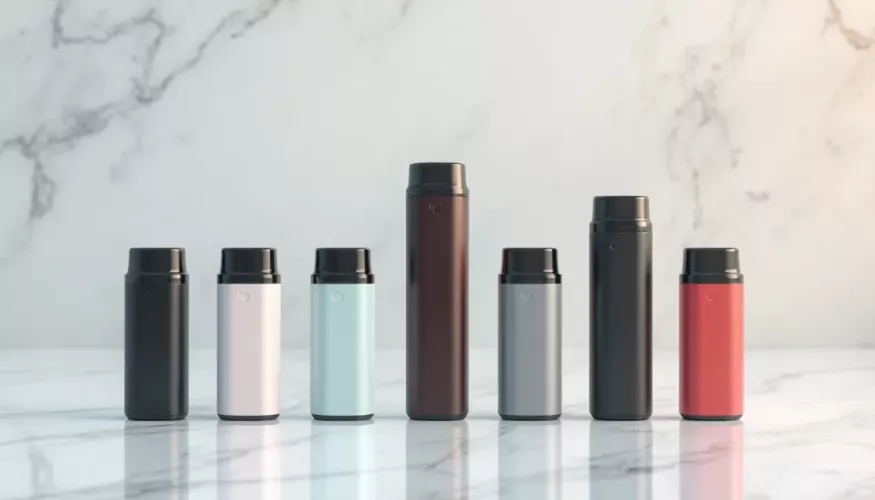
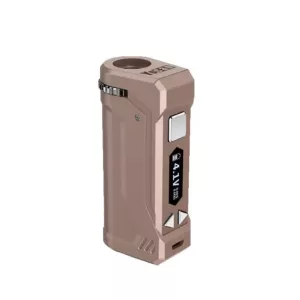
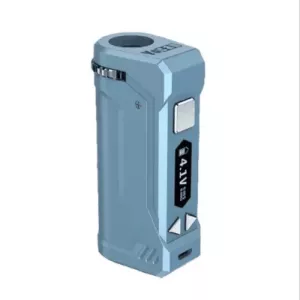
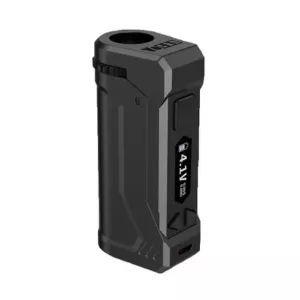
Vape batteries are the unsung heroes of the cannabis experience, powering your favorite THC and CBD cartridges with precision and reliability. Whether you're a seasoned vaper or just starting your journey, understanding how these compact powerhouses work can dramatically improve your sessions. From buttonless auto-draw models to sophisticated variable voltage systems, the right vape battery transforms ordinary cartridges into personalized wellness tools. 🔋
What Are Vape Batteries and How Do They Work
The Science Behind Vape Battery Technology
How Vape Batteries Power Cannabis Cartridges
Vape batteries operate through a simple yet elegant process that converts stored electrical energy into the precise heat needed to vaporize cannabis oil. When you activate your vaporizer, the battery sends power to a heating element (typically a ceramic coil) inside your cartridge, which reaches temperatures between 315-440°F to create smooth, flavorful vapor without combustion. Most modern vape batteries use lithium-ion technology, offering consistent power output and hundreds of charge cycles while maintaining a compact form factor that fits comfortably in your pocket. ⚡
Types of Vape Batteries for Cannabis Cartridges
Buttonless Auto-Draw Vape Batteries
Manual Button-Activated Vape Batteries
The vape battery landscape offers diverse options to match every preference and usage style. Auto-draw batteries provide the ultimate in simplicity – just inhale and the built-in sensor activates the heating element automatically, making them perfect for discreet, on-the-go sessions. Button-activated batteries give you complete control over timing and duration, allowing for precise temperature management and extended draws when desired.
🎯 Buttonless Models: Breath-activated sensors, ultra-discreet operation, perfect for beginners
📱 Smart Batteries: App connectivity, usage tracking, temperature presets
🔄 Variable Voltage: Multiple power settings, flavor optimization, cartridge compatibility
🏃 Ultra-Portable: Pen-style design, pocket-friendly, lightweight construction
510 Thread Battery Compatibility Guide
Understanding 510 Thread Standards
Magnetic vs Threaded Connection Systems
The 510 thread standard has become the universal language of cannabis vaping, ensuring your cartridges work seamlessly across different battery platforms. Named after its 5mm diameter and 0.5mm thread pitch, this connection system provides secure attachment while allowing easy cartridge swapping. Modern 510 thread batteries often feature magnetic adapters that eliminate the need for screwing and unscrewing cartridges, reducing wear on delicate threading while speeding up your switching process between different strains or formulations. 🔗
Best Vape Battery Features to Look For
Battery Capacity and Runtime Performance
Build Quality and Durability Factors
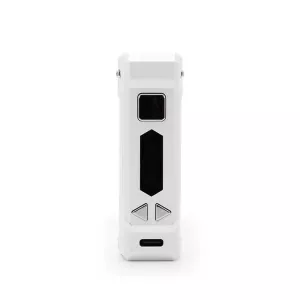
Premium vape batteries distinguish themselves through thoughtful engineering and user-focused features that enhance every aspect of your vaping experience. Look for batteries with at least 350mAh capacity for all-day performance, while variable voltage settings between 2.0-4.0V give you precise control over vapor production and terpene preservation. The best models incorporate preheat functions that gently warm thick oils for smoother draws, LED indicators that clearly display battery life and voltage settings, and robust construction that withstands daily use without compromising performance. Quality matters when it comes to consistent heating and safety features. 🌟
VB-PREM-002
Variable Voltage Vape Batteries Explained
Optimizing Voltage for Different Cartridge Types
Temperature Control and Flavor Enhancement
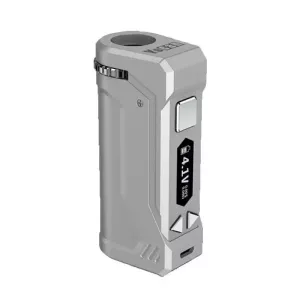
Variable voltage functionality transforms your vape battery from a simple power source into a precision instrument for cannabis enjoyment. Lower voltages (2.0-2.8V) preserve delicate terpene profiles and provide smooth, flavorful hits ideal for live resin and full-spectrum cartridges, while higher settings (3.2-4.0V) generate thicker clouds and stronger effects from distillate-based products. This flexibility allows you to optimize each cartridge's performance based on its oil consistency, cannabinoid profile, and your desired experience intensity.
⚖️ Medium Voltage (2.8-3.2V): Balanced vapor production, good for most cartridges
🔥 High Voltage (3.2-4.0V): Maximum vapor density, stronger effects, faster consumption
Vape Battery Safety and Maintenance Tips
Proper Storage and Handling Guidelines
Recognizing Battery Wear and Replacement Signs
Vape battery safety combines common sense practices with specific lithium-ion care protocols to ensure reliable, hazard-free operation throughout your device's lifespan. Always store batteries at room temperature away from extreme heat or cold, avoid overcharging by unplugging once fully charged, and inspect connections regularly for oil buildup or corrosion that could affect performance. Quality batteries include built-in protections against overheating, short circuits, and voltage fluctuations, but proper handling remains your first line of defense against issues. 🛡️
How to Charge Vape Batteries Properly
USB Charging Best Practices
Extending Battery Lifespan Through Smart Charging
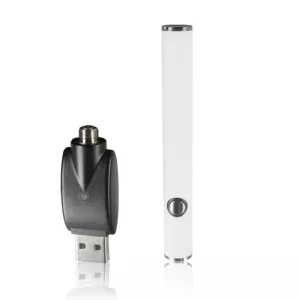
Proper charging technique significantly impacts your vape battery's performance and longevity, with smart habits preventing the gradual capacity loss that shortens device lifespan. Most modern vape batteries feature USB charging ports that work with standard phone chargers, but using the included cable ensures optimal charging rates and prevents potential compatibility issues. Charge your battery when it reaches 20-30% capacity rather than waiting for complete depletion, and avoid leaving it plugged in overnight once charging completes to prevent stress on the lithium-ion cells. VB-CHAR-004 A dedicated charging station keeps multiple batteries ready while protecting them from damage. ⚡
Choosing the Right Vape Battery for Your Cartridges
Matching Battery Power to Cartridge Requirements
Budget vs Premium Battery Considerations
Selecting the ideal vape battery involves balancing your usage patterns, cartridge preferences, and desired features to create a personalized vaping system. Heavy users benefit from higher-capacity batteries (500mAh+) with fast-charging capabilities, while occasional users find compact, buttonless models perfectly adequate for their needs. Consider the viscosity of your preferred concentrates – thicker oils like live resin require batteries with preheat functions, while distillates work well with standard heating profiles. The right battery becomes an extension of your preferences, delivering consistent results that enhance rather than complicate your cannabis experience. VB-COMP-006 Your perfect match combines reliability, functionality, and intuitive operation. 🎯
The world of vape batteries continues evolving with innovations in efficiency, safety, and user experience, making this an exciting time to explore the options available. From basic buttonless models to sophisticated variable voltage systems, each type serves specific needs within the diverse cannabis community. Remember that quality batteries represent an investment in consistent, enjoyable sessions – choose wisely, maintain properly, and your device will provide reliable service for months or years of satisfying vapor production. 🌿
Frequently Asked Questions
What voltage should I use for my vape battery?
Start with 2.8V for most cartridges and adjust based on vapor production and flavor. Lower voltages (2.0-2.8V) preserve terpenes while higher settings (3.2-4.0V) create thicker vapor.
How long do vape batteries typically last?
Quality vape batteries last 6-18 months with regular use, providing 300-500 charge cycles. Battery lifespan depends on usage frequency, charging habits, and storage conditions.
Are all vape batteries compatible with 510 thread cartridges?
Most modern vape batteries use the universal 510 thread standard, ensuring compatibility with virtually all cannabis cartridges. Always verify thread compatibility before purchasing.
How do I know when my vape battery needs charging?
Most vape batteries feature LED indicators showing charge levels. Charge when the indicator turns red or when vapor production becomes weak, typically at 20-30% capacity.
Can I use any USB charger with my vape battery?
While many vape batteries accept standard USB chargers, using the included cable ensures optimal charging rates and prevents potential compatibility issues that could damage the battery.
What's the difference between auto-draw and button-activated batteries?
Auto-draw batteries activate automatically when you inhale, offering convenience and discretion. Button-activated models provide manual control over heating duration and timing for customized sessions.
How do I clean my vape battery connections?
Use cotton swabs dipped in isopropyl alcohol to gently clean the threading and connection points monthly. This prevents oil buildup that can interfere with proper cartridge connection.
Why does my vape battery get warm during use?
Slight warming is normal during operation as the battery powers the heating element. Excessive heat may indicate overuse, high voltage settings, or the need for cleaning and maintenance.
Popular Categories
Canada's #1 Online Cannabis Dispensary: Over 600 Premium Products with Daily Deals
Battery safety is the foundation of safe vaping practices. Whether you're using 18650, 21700, or other lithium-ion batteries in your vape devices, understanding proper safety protocols protects both you and your equipment. This comprehensive guide covers essential safety practices, from identifying authentic batteries to recognizing dangerous warning signs that require immediate attention.
Understanding Battery Safety
Lithium-ion vape batteries are powerful energy storage devices that require respect and proper handling. These batteries operate under high discharge rates and can become dangerous when damaged, overheated, or misused. Understanding the basic principles of battery safety begins with recognizing that these cells contain volatile chemicals under pressure, making proper handling essential for preventing thermal runaway, venting, or catastrophic failure.
The primary safety concerns with vape batteries include thermal runaway, where the battery generates excessive heat and can ignite or explode, and chemical venting, where toxic gases escape from damaged cells. These risks increase dramatically when using counterfeit batteries, damaged wraps, or exceeding the battery's continuous discharge rating. Quality batteries from reputable manufacturers include built-in safety features, but these protections can fail if the battery is abused or damaged.
Battery chemistry plays a crucial role in safety performance. High-drain batteries designed for vaping applications use specific chemistry formulations that can safely handle the high current demands of modern vape devices. Understanding your device's power requirements and matching them to appropriate battery specifications prevents dangerous situations and ensures optimal performance.
Temperature management is critical for battery safety. Lithium-ion cells perform best at room temperature and can become dangerous when exposed to extreme heat or cold. High temperatures accelerate chemical reactions within the cell, potentially leading to thermal runaway, while cold temperatures can cause permanent damage to the battery's internal structure.
Identifying Authentic Batteries
Counterfeit batteries pose significant safety risks and are unfortunately common in the vaping market. Authentic batteries feature consistent branding, clear specification printing, and proper safety certifications. Reputable manufacturers like Sony, Samsung, LG, and Molicel use specific fonts, colors, and layout designs that counterfeiters often replicate poorly.
Examine the wrapper quality carefully. Authentic batteries have high-quality shrink wraps with sharp, clear printing that doesn't smudge or fade easily. The text should be perfectly aligned, with consistent color saturation and no spelling errors. Counterfeit batteries often have blurry printing, misaligned text, or colors that don't match authentic specifications.
Weight and physical dimensions provide additional authenticity clues. Genuine high-capacity batteries have specific weights that counterfeiters struggle to replicate accurately. Authentic 18650 batteries typically weigh between 45-50 grams, while 21700 batteries range from 65-75 grams. Significantly lighter batteries often contain lower-quality cells with inflated capacity ratings.
Serial numbers and batch codes on authentic batteries can often be verified through manufacturer databases or authorized distributor websites. Many genuine batteries include QR codes or authentication features that allow verification of authenticity. Be suspicious of batteries lacking these verification methods or selling at prices significantly below market rates.
Purchase batteries only from reputable retailers like BIRCH+FOG that source directly from manufacturers or authorized distributors. Avoid batteries sold without proper packaging, safety documentation, or specification sheets. Authentic batteries always include detailed safety information and proper handling instructions.
Physical Inspection Checklist
Regular physical inspection of your vape batteries is essential for identifying potential safety hazards before they become dangerous. Develop a routine inspection process that covers all critical safety points, performing these checks each time you handle your batteries.
Start with the battery wrapper, examining the entire surface for any tears, nicks, dents, or damage. The wrapper serves as critical insulation, preventing short circuits between the positive and negative terminals. Even small tears near the positive end can create dangerous short-circuit conditions. Any wrapper damage requires immediate attention, either through professional rewrapping or battery replacement.
Inspect the positive button top for damage, corrosion, or unusual wear patterns. The positive terminal should be clean, properly formed, and free from any green or white corrosion. Damage to the positive terminal can affect electrical contact and potentially create safety hazards. Similarly, examine the negative terminal (flat end) for dents, scratches, or other damage that might affect performance.
Check for any signs of venting, including discoloration, unusual odors, or residue around the pressure relief valve. Batteries that have vented or show signs of internal damage must be disposed of immediately and safely. Never continue using batteries that show any evidence of internal failure or chemical leakage.
Measure battery voltage using a quality multimeter or battery tester. Healthy batteries should maintain voltage within normal ranges for their charge state. Batteries that won't hold a charge, discharge rapidly, or show unusual voltage readings may have internal damage and should be retired from service.
Document any changes in battery performance, including reduced runtime, excessive heat generation, or longer charging times. These changes can indicate developing problems that may compromise safety. Keep records of battery age, usage patterns, and performance changes to help identify when replacement becomes necessary.
Safe Handling Practices
Proper handling techniques prevent accidents and extend battery life. Always treat vape batteries with respect, recognizing their potential dangers while following established safety protocols. Never carry loose batteries in pockets, bags, or containers where they might contact metal objects like keys, coins, or other batteries.
Use dedicated battery cases for transportation and storage. Quality battery cases provide individual compartments that prevent batteries from contacting each other or metal objects. Hard-shell cases offer superior protection against physical damage, while silicone cases provide good insulation and impact resistance.
When installing batteries in devices, ensure proper polarity alignment. Reversed batteries can cause device damage or create dangerous conditions. Insert batteries carefully to avoid damaging the wrapper or terminals, and never force batteries that don't fit properly.
Handle batteries with clean, dry hands to prevent contamination of terminals or wrapper surfaces. Oils, moisture, or debris on battery surfaces can affect electrical contact or create corrosion over time. Avoid touching battery terminals unnecessarily, as skin oils can cause contact problems.
Never exceed the battery's continuous discharge rating, which represents the maximum safe current the battery can provide continuously. High-drain vaping applications require batteries specifically rated for these demands. Using inappropriate batteries or exceeding their ratings creates serious safety risks.
Allow overheated batteries to cool completely before handling or charging. Batteries that become hot during use should be inspected carefully for damage and may need replacement if overheating occurs regularly. Temperature is a critical safety indicator that should never be ignored.
Warning Signs & When to Replace
Recognizing warning signs of battery deterioration or damage is crucial for preventing dangerous situations. Several indicators suggest immediate battery replacement, while others indicate developing problems that require close monitoring.
Immediate replacement indicators include any physical damage to the wrapper, terminals, or battery body. Dented, torn, or punctured batteries pose serious safety risks and should be removed from service immediately. Similarly, batteries showing signs of venting, unusual odors, or chemical residue require immediate disposal.
Excessive heat generation during normal use indicates potential internal damage or inappropriate application. Batteries should remain relatively cool during typical vaping sessions. Consistent overheating suggests the battery cannot safely handle the current demands or has developed internal problems.
Significant capacity loss, typically more than 20% of original capacity, indicates aging that may compromise safety. Batteries that discharge rapidly, won't hold a full charge, or require frequent recharging have likely reached the end of their safe service life.
Voltage irregularities, including voltage sag under load or inability to reach full charge voltage, suggest internal damage or aging that affects safety and performance. Regular voltage testing helps identify these problems before they become dangerous.
Age alone can be a replacement factor. Most high-drain lithium-ion batteries begin showing performance degradation after 300-500 charge cycles or 1-2 years of regular use. Batteries used in demanding applications may need replacement more frequently.
Changes in charging behavior, such as extended charging times, failure to reach full charge, or unusual heat generation during charging, indicate developing problems that may compromise safety. These batteries should be closely monitored and potentially replaced.
Emergency Procedures
Understanding proper emergency procedures for battery incidents can prevent injuries and minimize damage. Battery emergencies require immediate, decisive action to ensure safety and prevent escalation of dangerous conditions.
If a battery begins venting or producing smoke, immediately move to fresh air and avoid inhaling any gases. Battery venting releases toxic chemicals that can cause respiratory irritation or injury. Remove the battery from any device if safely possible, handling it minimally and with appropriate protection.
For thermal runaway situations where the battery becomes extremely hot or begins smoking heavily, evacuate the immediate area and allow the battery to burn out in a safe location away from flammable materials. Never attempt to extinguish a lithium-ion battery fire with water, as this can worsen the situation. Use appropriate fire suppression methods like sand, foam, or specialized lithium-ion fire extinguishers.
Battery explosions, while rare, require immediate medical attention for any injuries and careful cleanup of debris. Battery fragments can be sharp and may contain toxic materials. Ventilate the area thoroughly and avoid inhaling any residual gases or particles.
For skin contact with battery electrolyte or vented materials, flush immediately with copious amounts of clean water and seek medical attention. Battery electrolyte is caustic and can cause chemical burns. Remove contaminated clothing and continue flushing affected areas.
Document any battery incidents, including photos of damaged batteries, circumstances leading to the problem, and any injuries or property damage. This information can be valuable for warranty claims, insurance purposes, or preventing future incidents.
Keep emergency contact information readily available, including poison control, local emergency services, and medical facilities familiar with battery-related injuries. Quick access to appropriate help can significantly improve outcomes in emergency situations.
Transportation Safety
Transporting vape batteries safely prevents accidents and ensures compliance with regulations. Transportation presents unique challenges, as batteries may be subjected to temperature changes, physical impacts, or pressure variations that can compromise safety.
Always use dedicated battery cases for transportation, never carrying loose batteries in pockets, purses, or bags where they might contact metal objects. Quality transportation cases provide individual compartments and protective features that prevent short circuits and physical damage.
Remove batteries from devices when traveling, especially for air travel where pressure changes and temperature variations can affect battery performance. Separated batteries and devices also reduce the risk of accidental activation during transport.
Be aware of transportation regulations, particularly for air travel where lithium-ion batteries are subject to specific restrictions. Most airlines allow personal-use quantities of lithium-ion batteries in carry-on luggage but prohibit them in checked baggage. Always check current regulations before traveling.
Protect batteries from extreme temperatures during transportation. Hot cars, cold weather, or direct sunlight can damage batteries or create safety hazards. Plan transportation routes and timing to minimize temperature exposure.
Carry spare batteries in quantities appropriate for your needs without creating safety risks. Large quantities of batteries may require special handling or documentation, depending on transportation method and local regulations.
Include battery safety information and emergency contacts when traveling with batteries, especially for extended trips or international travel. This information can be crucial if problems arise in unfamiliar locations.
Proper Battery Disposal
Proper disposal of spent or damaged vape batteries protects the environment and prevents safety hazards. Lithium-ion batteries contain materials that can be harmful if released into the environment but are valuable for recycling when processed correctly.
Never dispose of batteries in household trash, where they can create fire hazards in collection vehicles or landfills. Lithium-ion batteries can maintain enough energy to cause fires or explosions even when apparently dead, making proper disposal essential for public safety.
Locate authorized battery recycling facilities in your area, including electronics retailers, recycling centers, or hazardous waste facilities that accept lithium-ion batteries. Many jurisdictions provide free battery recycling services to encourage proper disposal.
Prepare batteries for disposal by taping over the terminals with electrical tape or other non-conductive material to prevent short circuits during collection and transportation. This simple step prevents accidental discharge or thermal events during the recycling process.
Separate damaged or vented batteries from normal spent batteries when preparing for disposal. Damaged batteries may require special handling procedures and should be clearly marked to alert recycling facility personnel to potential hazards.
Keep records of battery disposal, including dates, quantities, and disposal locations. This documentation can be useful for environmental compliance, especially for businesses or individuals who dispose of large quantities of batteries.
Consider the environmental impact of battery choices when purchasing new batteries. High-quality, long-lasting batteries reduce the frequency of disposal and minimize environmental impact over time. Investing in quality batteries from reputable manufacturers supports both safety and environmental responsibility.
Battery safety requires constant vigilance and proper knowledge, but following these guidelines ensures safe enjoyment of your vaping devices while protecting yourself, others, and the environment. Regular inspection, proper handling, and immediate attention to warning signs create a foundation for safe battery use that will serve you well throughout your vaping experience.
Charging Best Practices for Vape Batteries
Proper charging practices are fundamental to maximizing the performance, safety, and longevity of your vape batteries. Whether you're using high-drain 18650 batteries for powerful box mods or integrated batteries in pod systems, understanding the principles of lithium-ion charging can mean the difference between batteries that last hundreds of cycles and those that degrade prematurely or pose safety risks. This comprehensive guide covers everything from basic charging fundamentals to advanced techniques for extending battery life.
Understanding Battery Chemistry and Charging
Most modern vape batteries use lithium-ion chemistry, which requires specific charging parameters to operate safely and efficiently. Lithium-ion batteries charge through a two-stage process: constant current (CC) and constant voltage (CV). During the CC phase, the charger delivers a steady current while voltage gradually rises. Once the battery reaches its maximum voltage (typically 4.2V for most lithium-ion cells), the charger switches to CV mode, maintaining constant voltage while current tapers off.
This charging profile is crucial because lithium-ion batteries are sensitive to both overcharging and undercharging. Exceeding 4.2V can cause thermal runaway, electrolyte breakdown, and potentially dangerous venting or fire. Conversely, allowing batteries to discharge below their minimum voltage (usually 2.5V) can cause permanent capacity loss and internal damage.
The charging rate, measured in C-rating, indicates how quickly a battery charges relative to its capacity. A 1C charge rate means the battery charges at a current equal to its capacity - so a 3000mAh battery charging at 1C receives 3000mA (3A) of current. Most high-quality vape batteries can safely handle charge rates between 0.5C and 2C, though slower charging generally produces less heat and stress.
Essential Charging Equipment
Investing in quality charging equipment is one of the most important decisions you can make for battery safety and longevity. A dedicated lithium-ion battery charger offers precise control over charging parameters and built-in safety features that USB charging often lacks. Look for chargers with individual channel monitoring, which allows each battery bay to charge independently at its optimal rate.
Key features to prioritize include automatic charge termination, reverse polarity protection, and temperature monitoring. Smart chargers can detect battery type, capacity, and condition, automatically adjusting charging parameters accordingly. Some advanced models offer battery testing modes, capacity measurement, and charge/discharge cycling for battery maintenance.
Avoid cheap, unbranded chargers that may lack proper safety circuits. Poor-quality chargers have been responsible for numerous battery failures and fires. Instead, choose reputable manufacturers known for their charging technology and safety standards. While quality chargers represent a larger upfront investment, they protect your batteries and provide peace of mind.
For devices with integrated batteries, use only the manufacturer-provided charging cable and adapter when possible. If replacement charging equipment is needed, ensure it meets the device's specifications for voltage and current output. USB-C charging has become increasingly common and generally offers better power delivery control than older USB standards.
Step-by-Step Charging Process
Begin every charging session by inspecting your batteries for physical damage, including dents, tears in the wrapper, or signs of venting. Damaged batteries should never be charged and must be safely disposed of immediately. Clean battery contacts with a dry cloth or cotton swab to remove any residue that could interfere with proper charging.
Insert batteries into the charger with correct polarity, ensuring positive and negative terminals align properly. Most quality chargers have clear markings and may include reverse polarity protection, but double-checking prevents potential issues. For external chargers, verify that batteries are seated fully and making good contact with the charging terminals.
Select appropriate charging parameters if your charger offers manual control. For most vape batteries, a 0.5A to 1A charge rate provides a good balance between charging speed and battery health. Higher rates may charge faster but generate more heat and potentially reduce battery lifespan. When in doubt, slower charging is generally safer.
Monitor the charging process, especially during the first few minutes when problems are most likely to occur. Batteries should warm slightly during charging, but excessive heat indicates a problem. If any battery becomes uncomfortably hot, smoking, or emits unusual odors, immediately disconnect the charger and move batteries to a safe location away from flammable materials.
Allow the charger to complete its full cycle, including the CV phase tapering. Removing batteries prematurely may result in incomplete charging and reduced runtime. Quality chargers will indicate when charging is complete, often with LED color changes or display messages.
Charging Safety Protocols
Never leave batteries charging unattended, especially overnight or when away from home. While modern chargers include safety features, active monitoring allows immediate response to any problems. Charge batteries in a well-ventilated area away from flammable materials, preferably on a non-combustible surface like ceramic tile or metal.
Maintain a safe charging environment by keeping batteries and chargers away from heat sources, direct sunlight, and moisture. Extreme temperatures can affect charging behavior and safety. Ideal charging temperatures range from 60-80°F (15-27°C). Charging in very cold conditions may cause lithium plating, while hot conditions increase thermal stress.
Use appropriate fire safety measures when charging. Keep a Class D fire extinguisher nearby if possible, or at minimum, sand or a fireproof container for emergency containment. Water should never be used on lithium-ion battery fires as it can spread burning electrolyte and conduct electricity.
Implement a rotation system if you own multiple batteries. This ensures even usage patterns and prevents some batteries from sitting unused for extended periods while others cycle frequently. Label batteries with purchase dates and track their performance over time to identify degradation patterns.
Optimal Charging Conditions
Temperature control significantly impacts charging efficiency and safety. Lithium-ion batteries charge most effectively at moderate temperatures, typically between 32-113°F (0-45°C). Charging at the lower end of this range generally produces less stress and longer battery life, while higher temperatures enable faster charging but may reduce cycle life.
Humidity levels should be kept moderate to prevent condensation and corrosion of battery contacts and charger components. While batteries themselves are sealed, moisture can cause problems with external connections and electronic components in chargers.
Ensure adequate ventilation around charging equipment to dissipate heat generated during the charging process. Avoid charging in enclosed spaces like drawers or cabinets where heat buildup could occur. Good airflow helps maintain stable temperatures and reduces thermal stress on batteries.
Consider the electrical environment where you charge. Use surge protectors to guard against power spikes, and avoid charging during electrical storms when power fluctuations are more likely. Stable, clean power input helps chargers maintain proper charging profiles and prevents potential damage to both chargers and batteries.
Charging Frequency and Timing
Lithium-ion batteries don't suffer from memory effect, so partial charging won't harm capacity. In fact, frequent partial charges often produce better longevity than deep discharge cycles. Aim to recharge batteries when they reach approximately 20-30% capacity rather than waiting for complete discharge.
Avoid storing batteries at full charge for extended periods, as this maintains high voltage stress that can accelerate capacity loss. If batteries won't be used for several days or weeks, store them at approximately 40-60% charge level. This provides the best balance between storage stability and readiness for use.
Plan charging sessions around your usage patterns. If you vape primarily in the evenings, charging in the morning allows batteries to cool and stabilize before use. This timing also enables monitoring the charging process during active hours rather than overnight.
For heavy users with multiple batteries, establish a charging rotation that ensures you always have charged batteries available while others are in use. This prevents the temptation to use marginal charging methods or push batteries beyond safe discharge limits when you need immediate power.
Common Charging Mistakes to Avoid
One of the most dangerous mistakes is using inappropriate charging equipment, particularly car chargers or quick-charge adapters not designed for your specific device. These may deliver incorrect voltage or current, potentially damaging batteries or creating safety hazards. Always verify compatibility before using any charging equipment.
Overcharging represents another significant risk, though modern chargers typically prevent this through automatic termination. However, leaving batteries in chargers for days after completion can maintain them at 100% charge, which creates voltage stress and reduces lifespan. Remove batteries promptly after charging completes.
Charging damaged batteries is extremely dangerous and should never be attempted. Even minor wrapper damage can expose the metal can to potential short circuits during charging. Similarly, batteries that have been dropped, crushed, or exposed to liquids should be safely disposed of rather than charged.
Using mismatched batteries in multi-battery devices creates charging complications. Batteries with different capacities, ages, or charge levels will charge at different rates and may cause imbalances that affect performance and safety. Always use matched pairs or sets of batteries and charge them together when possible.
Ignoring temperature warnings is another common mistake. If batteries become hot during charging, this indicates a problem that requires immediate attention. Continuing to charge overheated batteries can lead to thermal runaway and potentially dangerous situations.
Troubleshooting Charging Issues
When batteries won't charge or charge slowly, start by checking physical connections. Dirty or oxidized contacts can create resistance that interferes with proper charging. Clean battery terminals and charger contacts with isopropyl alcohol and a cotton swab, ensuring all surfaces are completely dry before attempting to charge.
If cleaning doesn't resolve the issue, test batteries in different charger bays or with a different charger if available. This helps determine whether the problem lies with the battery or charging equipment. Batteries that won't charge in any bay may have reached end of life or suffered internal damage.
Extremely slow charging often indicates high internal resistance, typically a sign of battery degradation. While such batteries may still function, they're approaching replacement time and should be monitored closely for other signs of failure.
Charger error messages or unusual LED patterns usually indicate specific problems. Consult your charger's manual for error code interpretations, as these can provide valuable diagnostic information. Common issues include reverse polarity, over-discharge, or battery temperature problems.
For integrated battery devices that won't charge, try different cables and power adapters first. USB port issues on computers or wall adapters can prevent proper charging. If the device still won't charge with known-good equipment, internal battery failure may require professional service or replacement.
Extending Battery Lifespan Through Proper Charging
Implementing optimal charging practices can significantly extend battery life. Slower charging rates, while requiring more time, generate less heat and reduce electrochemical stress. When you're not in a hurry, choose the slowest appropriate charge rate your charger offers.
Partial charging cycles are generally better for lithium-ion longevity than full cycles. Try to keep batteries between 20-80% charge when possible, as the voltage extremes at very low and very high charge states create the most stress on battery chemistry.
Temperature management during charging pays long-term dividends. Cooler charging conditions, within the acceptable range, typically result in better cycle life. If batteries feel warm during charging, consider reducing charge rate or improving ventilation to lower temperatures.
Regular battery rotation ensures even aging across your collection. If you have multiple batteries, avoid always using the same ones while others sit unused. Rotating usage patterns helps all batteries age similarly and prevents premature failure of heavily-used cells.
Periodic calibration charging can help maintain accurate charge level readings and optimize battery management system function. Occasionally allow batteries to charge to 100% and discharge to normal cutoff levels to recalibrate internal monitoring circuits.
Charging Different Battery Types
High-drain batteries used in powerful mods require careful charging attention due to their ability to deliver high currents. While they can typically handle faster charging rates, monitor temperatures closely as high-drain cells often generate more heat during charging. These batteries benefit from quality chargers with accurate current control and temperature monitoring.
Protected batteries include internal safety circuits that may affect charging behavior. These circuits can terminate charging early or prevent charging if they detect anomalies. While this provides additional safety, it may occasionally cause compatibility issues with certain chargers. If protected batteries won't charge properly, try a different charger before assuming battery failure.
Integrated battery devices require different approaches since you can't remove batteries for external charging. Follow manufacturer guidelines strictly, as internal charging circuits are designed for specific parameters. Avoid fast charging unless specifically supported, as many integrated battery systems aren't designed for high charging rates.
Different capacity batteries require adjusted charging times and may benefit from different charge rates. Higher capacity batteries take longer to charge but can often handle slightly higher charging currents. However, don't assume higher capacity always means higher acceptable charge rates - always check manufacturer specifications.
Proper charging practices form the foundation of safe, effective vape battery use. By understanding battery chemistry, using appropriate equipment, following safety protocols, and implementing best practices for longevity, you can maximize both the performance and lifespan of your batteries. Remember that charging is when batteries are most vulnerable to problems, making careful attention to proper procedures essential. Whether you're charging high-drain 18650s for powerful mods or integrated batteries in compact devices, these fundamental principles will help ensure safe, reliable operation and extended battery life.
18650 vs 21700: The Complete Vape Battery Comparison
When selecting vape batteries, the choice between 18650 and 21700 formats represents one of the most significant decisions you'll make for your vaping setup. Both battery types have revolutionized the vaping industry, but they serve different purposes and excel in distinct scenarios. Understanding the fundamental differences between these two powerhouse formats will help you make an informed decision that matches your vaping style, device requirements, and performance expectations.
Understanding Battery Formats
The numerical designations 18650 and 21700 aren't arbitrary – they directly describe the physical dimensions of each battery format. The first two digits represent the diameter in millimeters, while the next two indicate the length, with the final zero denoting the cylindrical shape.
18650 batteries measure 18mm in diameter and 65mm in length, making them the longtime standard in the vaping industry. These batteries gained widespread adoption due to their optimal balance of size, capacity, and power output, fitting comfortably in most mod designs while delivering reliable performance.
21700 batteries, measuring 21mm in diameter and 70mm in length, represent the newer generation of vape batteries. Originally developed for electric vehicles and power tools, these batteries have found their way into high-performance vaping devices due to their superior capacity and power delivery capabilities.
The lithium-ion chemistry remains consistent between both formats, but the increased internal volume of 21700 batteries allows for more active material, resulting in enhanced performance characteristics across multiple metrics.
Size and Capacity Differences
The most immediately noticeable difference between 18650 and 21700 batteries lies in their physical dimensions and the resulting capacity implications. While the 3mm diameter and 5mm length increase might seem minimal, this translates to approximately 50% more internal volume in 21700 batteries.
Standard 18650 batteries typically range from 2500mAh to 3500mAh capacity, with high-drain variants often sacrificing some capacity for increased current delivery. The most popular 18650 models for vaping usually fall between 2500mAh and 3000mAh when prioritizing amperage rating.
21700 batteries capitalize on their larger size to achieve capacities ranging from 3000mAh to over 5000mAh. Even high-drain 21700 batteries designed for vaping applications typically offer 3000mAh to 4000mAh, providing significantly longer runtime between charges.
This capacity advantage directly translates to extended vaping sessions. A 4000mAh 21700 battery can potentially provide 30-60% longer usage time compared to a 2500mAh 18650, depending on your device's power consumption and vaping habits.
Power Output Comparison
Power delivery capabilities represent another crucial distinction between these battery formats. The increased surface area and internal volume of 21700 batteries allow for improved current delivery without the same level of voltage sag experienced in 18650 batteries under high loads.
High-drain 18650 batteries typically offer continuous discharge ratings between 20A and 35A, with some specialized cells reaching 40A. However, achieving these higher current ratings often requires compromising battery capacity, creating a trade-off between runtime and power output.
21700 batteries can achieve similar or superior current ratings while maintaining higher capacities. Many 21700 models designed for vaping offer 25A to 35A continuous discharge rates with capacities exceeding 4000mAh, effectively eliminating the traditional capacity-versus-power compromise.
The superior power delivery of 21700 batteries becomes particularly evident in high-wattage applications. Devices operating above 100W benefit significantly from the reduced voltage sag and improved efficiency of 21700 batteries, maintaining consistent performance throughout the discharge cycle.
Device Compatibility
Device compatibility represents a practical consideration that often influences battery format selection. The vaping industry's long reliance on 18650 batteries means that a vast majority of existing devices are designed around this format, creating extensive compatibility across manufacturers and price points.
Single 18650 devices range from compact pod systems to high-performance regulated mods, while dual and triple 18650 configurations power some of the most powerful vaping devices available. The standardization around 18650 format ensures broad compatibility and easy battery sourcing.
21700 compatibility, while growing rapidly, remains more limited to newer device designs. Manufacturers increasingly recognize the advantages of 21700 batteries, leading to more single 21700 devices that offer comparable or superior performance to dual 18650 setups in a more compact form factor.
Many recent high-end mods feature 21700 compatibility as a primary design consideration, with some offering adapters or sleeves to accommodate 18650 batteries as well. This dual compatibility provides flexibility while taking advantage of 21700 performance benefits.
The trend toward 21700 adoption is accelerating, with many manufacturers now designing flagship devices around this format. However, 18650 batteries remain relevant due to their established ecosystem and continued innovation in chemistry and construction.
Performance Characteristics
Beyond basic specifications, the real-world performance characteristics of 18650 and 21700 batteries reveal important differences in how they behave during actual use. These performance variations can significantly impact your vaping experience and device efficiency.
18650 batteries exhibit predictable discharge curves with moderate voltage sag under load. Quality 18650 cells maintain relatively stable output through most of their discharge cycle, with noticeable performance degradation typically occurring in the final 20-30% of capacity.
21700 batteries demonstrate superior voltage stability under load, maintaining higher voltages longer during the discharge cycle. This characteristic is particularly beneficial for unregulated devices, where consistent voltage translates directly to consistent vapor production and flavor delivery.
Heat generation during high-current discharge scenarios favors 21700 batteries due to their larger thermal mass and improved current distribution. Lower operating temperatures contribute to increased battery longevity and safer operation during demanding vaping sessions.
Charge acceptance represents another performance advantage for 21700 batteries. The improved thermal characteristics allow for faster charging rates without excessive heat buildup, reducing charging time despite the increased capacity.
Internal resistance typically runs lower in 21700 batteries, contributing to improved efficiency and reduced energy waste. This efficiency gain translates to longer runtime and cooler operation, particularly beneficial in high-power applications.
Cost and Availability
Economic considerations play a significant role in battery format selection, encompassing both initial purchase price and long-term value proposition. The mature 18650 market offers competitive pricing due to widespread adoption and manufacturing scale.
18650 batteries benefit from extensive manufacturing infrastructure and market competition, resulting in affordable options across all performance categories. Premium 18650 cells from established manufacturers typically cost less per unit than equivalent 21700 batteries.
21700 batteries command premium pricing due to newer technology and more limited production volumes. However, the improved capacity and performance characteristics often provide better value when calculated on a per-mAh or per-performance basis.
Availability considerations favor 18650 batteries in terms of immediate accessibility and variety of options. Most vape shops and online retailers maintain extensive 18650 inventory, while 21700 selection may be more limited.
The long-term cost equation increasingly favors 21700 batteries for many users. The extended runtime and improved longevity characteristics can result in fewer battery replacements and reduced total cost of ownership over time.
Choosing the Right Format
Selecting between 18650 and 21700 batteries requires careful consideration of your specific vaping requirements, device compatibility, and performance priorities. Several key factors should guide your decision-making process.
For users prioritizing maximum device compatibility and budget-conscious purchasing, 18650 batteries remain an excellent choice. The mature ecosystem ensures wide availability, competitive pricing, and proven performance across diverse applications.
High-wattage vapers and those seeking maximum runtime between charges will find 21700 batteries increasingly attractive. The superior capacity and power delivery characteristics make 21700 batteries ideal for demanding applications and extended vaping sessions.
Device form factor preferences also influence battery selection. Single 21700 devices often provide comparable performance to dual 18650 setups in a more compact package, appealing to users who value portability without sacrificing performance.
Consider your charging infrastructure and habits when making this decision. 21700 batteries require compatible chargers and may take longer to charge despite faster charging rates due to increased capacity.
Future-proofing considerations favor 21700 batteries as the industry trend moves toward this format for new device designs. Investing in 21700 batteries positions you for compatibility with upcoming devices and technologies.
Popular Models Comparison
Understanding the specific characteristics of popular battery models in each format provides practical insight for making informed purchasing decisions. The leading models in both categories represent the current state of battery technology and performance capabilities.
Among 18650 batteries, the Samsung 25R series has established itself as a reliable workhorse, offering 2500mAh capacity with 20A continuous discharge rating. The Sony VTC series pushes higher current capabilities, with the VTC5A delivering 25A continuous discharge from a 2600mAh cell.
LG HG2 batteries provide an alternative approach, prioritizing capacity with 3000mAh while maintaining 20A discharge capability. These batteries appeal to moderate-power users seeking extended runtime without extreme current demands.
In the 21700 category, Samsung 40T batteries represent the current performance benchmark, delivering 4000mAh capacity with 25A continuous discharge rating. This combination provides exceptional runtime with ample power for most vaping applications.
Sony VTC6A batteries offer 4000mAh capacity optimized for high-drain applications, while Molicel P42A batteries push the performance envelope with 4200mAh and 30A ratings, representing the cutting edge of 21700 technology.
The performance gap between formats becomes evident when comparing similar-tier models. A premium 21700 battery typically provides 30-50% more capacity while maintaining comparable or superior discharge capabilities compared to high-end 18650 alternatives.
When evaluating specific models, consider your device's requirements and your vaping style. Conservative users may prioritize capacity, while cloud chasers and high-wattage enthusiasts should focus on current delivery capabilities and thermal performance.
The choice between 18650 and 21700 batteries ultimately depends on your specific needs, device compatibility, and performance priorities. While 18650 batteries continue to serve many vapers excellently with their proven reliability and broad compatibility, 21700 batteries represent the future of vaping power with superior capacity, performance, and efficiency. Consider your current device ecosystem, future upgrade plans, and vaping habits when making this important decision. Both formats offer excellent options from reputable manufacturers, ensuring reliable performance regardless of your choice.
Battery Life Tips
Maximizing the lifespan of your vape batteries is essential for both performance and value. Quality batteries from trusted manufacturers can last hundreds of charge cycles when properly maintained, but poor habits can dramatically reduce their useful life. Understanding the science behind battery degradation and implementing proven longevity strategies will help you get the most from your investment while maintaining safe, reliable operation.
Understanding Battery Cycles
Battery cycles are the foundation of understanding battery longevity. A complete cycle occurs when a battery is discharged from full capacity to empty and recharged back to full. However, partial cycles also contribute to overall wear. For example, discharging from 100% to 50% and recharging back to 100% counts as half a cycle.
High-quality 18650 and 21700 lithium-ion batteries typically handle 300-500 complete cycles before capacity drops to 80% of original performance. Premium batteries can exceed 1000 cycles under ideal conditions. The key is that shallow discharge cycles cause less stress than deep discharge cycles, meaning frequent top-ups are actually better for battery health than complete drain-and-charge routines.
Cycle counting helps predict when battery replacement becomes necessary. Most vapers notice performance decline around the 300-400 cycle mark, with reduced session time and slower voltage delivery. Tracking your charging habits provides valuable insight into expected battery lifespan and replacement timing.
Modern battery chemistry improvements have significantly extended cycle life compared to older technologies. The high-drain batteries available at BIRCH+FOG are specifically engineered for vaping applications, with enhanced cycle stability and capacity retention that outperforms generic alternatives.
Temperature Management
Temperature is the single most critical factor affecting battery longevity. Lithium-ion batteries degrade rapidly when exposed to excessive heat or extreme cold. The optimal operating temperature range is 60-70°F (15-21°C), with acceptable performance extending from 32-95°F (0-35°C).
Heat accelerates chemical reactions inside batteries, causing permanent capacity loss and increased internal resistance. Common heat sources include direct sunlight, car dashboards, heated vaping sessions, and fast charging. Each 18°F (10°C) increase in temperature can double the rate of capacity degradation, making temperature control essential for maximum lifespan.
Cold temperatures temporarily reduce battery performance but cause less permanent damage than heat exposure. However, charging cold batteries below 32°F (0°C) can cause lithium plating, permanently reducing capacity and creating safety risks. Always allow cold batteries to reach room temperature before charging.
Device-generated heat during heavy vaping sessions affects battery longevity. Chain vaping at high wattages creates significant heat buildup that transfers to the battery. Allowing cooling periods between intense sessions and using proper ventilation helps maintain optimal battery temperatures and extends lifespan.
Optimal Discharge Patterns
How you discharge your batteries significantly impacts their longevity. Shallow discharge patterns between 20-80% capacity cause minimal stress and maximize cycle life. Deep discharges below 20% capacity create more chemical stress and reduce overall battery lifespan, while overdischarge protection circuits help prevent dangerous voltage levels.
The 40-80 rule represents the optimal charging window for maximum longevity. Keeping batteries between 40% and 80% charge minimizes stress on the electrode materials and electrolyte. While not always practical for daily use, following this pattern when possible can significantly extend battery life.
Voltage sag during high-current draws is normal but indicates discharge stress. Quality batteries maintain stable voltage longer during demanding sessions. When voltage drops noticeably during normal use, it signals either battery degradation or the need for charging. Continuing to use batteries with significant voltage sag accelerates wear and reduces performance.
Variable wattage devices allow discharge optimization by matching power output to battery capacity. Lower wattage settings extend session time and reduce stress, while maximum wattage settings drain batteries quickly and generate more heat. Balancing performance needs with longevity goals helps optimize discharge patterns for your usage style.
Battery Maintenance Routines
Regular maintenance routines keep batteries performing optimally throughout their lifespan. Physical inspection should occur monthly, checking for wrapper damage, dents, corrosion, or unusual wear. Battery wraps protect against short circuits and should be replaced immediately if damaged. Positive terminal button tops can flatten over time, affecting connection quality.
Contact cleaning prevents voltage loss and heat buildup from poor connections. Use isopropyl alcohol and cotton swabs to clean battery terminals and device contacts monthly. Remove any residue, oxidation, or debris that impedes electrical flow. Clean contacts ensure maximum efficiency and reduce unnecessary stress on battery and device components.
Capacity testing helps track battery health over time. Many vapers notice reduced session time before formal testing reveals capacity loss. Simple capacity meters or multimeter voltage testing under load can identify degraded batteries before they affect vaping experience. Replace batteries showing significant capacity reduction or voltage sag.
Rotation schedules for multiple battery sets prevent overuse of individual cells. Using 2-3 battery sets in rotation allows each set to rest between uses, reducing heat buildup and cycle stress. Mark batteries with purchase dates and cycle counts to track usage patterns and replacement needs across your collection.
Smart Usage Habits
Daily usage habits have cumulative effects on battery longevity that become significant over time. Session timing affects heat buildup and chemical stress. Shorter, more frequent sessions generate less heat than extended chain-vaping marathons. Allowing 5-10 minute cooling periods between intensive sessions helps maintain optimal battery temperatures.
Power management optimizes battery stress and session time. Starting sessions at lower wattages and gradually increasing power allows batteries to warm gradually rather than experiencing sudden high-current demands. This approach reduces voltage sag and heat generation while extending session time.
Environmental awareness prevents unnecessary battery stress from external factors. Avoiding extreme temperatures, humidity, and electromagnetic fields protects battery chemistry and performance. Store devices in climate-controlled environments when possible, and never leave batteries in hot cars or cold outdoor areas.
Device compatibility ensures optimal battery performance and longevity. Using batteries within manufacturer specifications prevents overstress and safety issues. The high-drain batteries available at BIRCH+FOG are matched to popular device requirements, ensuring safe operation and maximum lifespan when properly used.
Recognizing Battery Degradation
Early recognition of battery degradation allows proactive replacement before performance becomes unacceptable. Reduced session time is usually the first noticeable sign, with batteries requiring more frequent charging for the same usage patterns. Track charging frequency to identify gradual capacity loss that might not be immediately obvious.
Voltage performance changes indicate internal battery degradation. Fresh batteries maintain stable voltage throughout most of their discharge curve, with rapid voltage drop only near depletion. Degraded batteries show voltage sag earlier in discharge and struggle to maintain power under high-current demands. This manifests as weaker vapor production and inconsistent performance.
Physical changes often accompany chemical degradation. Batteries may become slightly swollen, develop unusual heat during charging or use, or show discoloration around terminals. Any physical deformation or damage requires immediate battery retirement for safety reasons, regardless of remaining electrical capacity.
Charging behavior changes as batteries age. Degraded batteries may charge more quickly than when new, indicating reduced actual capacity despite showing full charge. They may also become warm during charging or fail to reach full voltage. These symptoms suggest internal resistance increases and capacity loss that warrant replacement.
Advanced Longevity Techniques
Advanced techniques can further extend battery lifespan beyond basic maintenance. Capacity balancing for multiple batteries ensures even wear across sets. When using dual-battery mods, pairing batteries with similar capacity and internal resistance prevents one battery from working harder than the other. Replace battery pairs together even if only one shows degradation.
Charge management systems optimize charging patterns for longevity. Smart chargers with multiple charging rates allow selection of slower charging speeds that generate less heat and stress. While faster charging is convenient, slower charging at 0.5C or less significantly extends battery lifespan compared to maximum rate charging.
Storage cycling maintains battery health during extended storage periods. Batteries stored for months should be charged to 50-60% capacity and recharged every 3-6 months to prevent deep discharge and maintain electrolyte health. This is particularly important for backup batteries or seasonal vaping equipment.
Performance monitoring helps optimize usage patterns for individual batteries. Tracking voltage curves, charging times, and session performance reveals how specific batteries respond to different usage patterns. This data enables customized care routines that maximize each battery's potential lifespan based on its individual characteristics and degradation patterns.
Implementing these battery life tips will significantly extend the useful lifespan of your vape batteries while maintaining optimal performance and safety. Quality batteries from BIRCH+FOG, combined with proper care techniques, provide excellent value and reliability for serious vapers. Remember that battery longevity is an investment in both performance and safety, making these practices essential for any vaping enthusiast.
Vape Battery Compatibility Check: Finding the Right Power Source
Ensuring proper battery compatibility is crucial for optimal vaping performance and safety. The wrong battery can lead to poor performance, shortened device lifespan, or even dangerous situations. This comprehensive guide helps you identify the perfect battery match for your specific vaping device, covering everything from technical specifications to practical testing methods.
Understanding Battery Specifications
Battery specifications provide the roadmap to compatibility, but understanding what each number means is essential for making informed decisions. The most critical specifications include continuous discharge rating (CDR), capacity measured in milliamp hours (mAh), nominal voltage, and physical dimensions.
The continuous discharge rating represents the maximum current a battery can safely deliver continuously without overheating or experiencing voltage sag. This rating, typically expressed in amperes, must meet or exceed your device's power requirements. A battery rated at 20A CDR can safely power devices that draw up to 20 amperes of current, but using it in a device requiring 25A would create unsafe conditions.
Capacity determines how long your battery will last between charges. Higher mAh ratings mean longer usage times, but often come with trade-offs in maximum discharge capability. A 3500mAh battery might last longer than a 2500mAh alternative, but the higher-capacity option may have a lower CDR, making it unsuitable for high-power applications.
Nominal voltage, typically 3.7V for lithium-ion batteries, affects how your device interprets battery life and regulates power output. Some devices are calibrated for specific voltage ranges, and using batteries with significantly different characteristics can lead to inaccurate battery meters or suboptimal performance regulation.
Physical dimensions go beyond simple length and diameter measurements. Positive terminal height, known as button top versus flat top design, affects how batteries make contact in different devices. Wrapper thickness and overall build quality influence how batteries fit in tight battery compartments.
Device Type Requirements
Different vaping device categories have distinct power requirements and compatibility considerations. Regulated mods, mechanical mods, pod systems, and specialized devices each demand specific battery characteristics for optimal performance and safety.
Regulated mods incorporate safety circuits and power management systems that provide some protection against incompatible batteries. However, these devices still require batteries capable of delivering sufficient current for the desired wattage range. A 100W regulated mod typically needs batteries with at least 20A CDR, while higher-wattage devices may require 25A or 30A rated cells.
Mechanical mods present the highest compatibility requirements since they lack safety circuits. These devices directly connect battery power to the coil, meaning battery selection becomes critical for both performance and safety. The coil resistance directly determines current draw, following Ohm's law calculations that must stay within the battery's CDR limits.
Pod systems and low-wattage devices often prioritize battery life over maximum power output. These devices typically work well with higher-capacity, moderate-discharge batteries. However, some pod systems have specific size requirements or proprietary battery designs that limit compatibility options.
Multi-battery devices introduce additional compatibility considerations. Batteries must be matched pairs or sets, meaning identical models, ages, and charge states. Mixing different battery types, capacities, or wear levels in multi-battery devices can lead to uneven discharge, reduced performance, and potential safety hazards.
Voltage and Wattage Matching
Proper voltage and wattage matching ensures your device operates within its designed parameters while delivering the performance you expect. Understanding how battery voltage affects device behavior helps optimize both performance and compatibility.
Fresh lithium-ion batteries start at approximately 4.2V when fully charged, dropping to their nominal 3.7V during normal use, and reaching cutoff voltage around 3.0V when depleted. Your device's voltage range compatibility determines how it responds throughout this discharge cycle. Some devices perform consistently across the entire range, while others may show decreased performance as voltage drops.
Wattage calculations help determine whether your chosen battery can safely power your device at desired settings. Using the formula P = V × I (Power = Voltage × Current), you can calculate current requirements and compare them against battery CDR specifications. A device running at 60W with a 3.7V battery draws approximately 16.2 amperes, requiring a battery rated for at least 20A CDR with safety margin.
Variable wattage devices allow you to adjust power output, but maximum settings may exceed your battery's capabilities. Understanding your battery's limitations helps you set appropriate wattage limits and avoid pushing cells beyond safe operating parameters. Many advanced users maintain power setting profiles based on their current battery selection.
Temperature coefficient considerations affect how batteries perform under different conditions. High-drain applications generate more heat, which can reduce battery capacity and potentially create safety concerns. Batteries with better thermal characteristics maintain more consistent performance and safer operation under demanding conditions.
Physical Compatibility Factors
Physical compatibility extends beyond basic size measurements to include subtle design differences that can significantly impact device functionality and safety. Understanding these factors prevents compatibility issues and ensures reliable operation.
Battery length variations of even a few millimeters can affect device operation. Batteries that are too short may not make proper contact, leading to intermittent connections or complete failure to operate. Conversely, batteries that are too long can damage device contacts, create excessive pressure on internal components, or prevent battery compartments from closing properly.
Diameter tolerances are equally critical, especially in devices with tight battery compartments. Batteries with slightly larger diameters may bind in the compartment, making insertion and removal difficult or impossible. Smaller diameter batteries might have excessive play, leading to poor connections and rattling.
Terminal design significantly impacts compatibility. Flat-top batteries work best in devices with spring-loaded contacts or those designed specifically for flat terminals. Button-top batteries provide additional contact height but may not fit in devices with limited clearance above the positive terminal. Some devices are designed exclusively for one terminal type.
Wrapper quality and thickness affect both fit and safety. High-quality wrappers provide better insulation and durability, while thin or damaged wrappers can create short circuits. Wrapper damage is particularly dangerous in mechanical devices where any metal contact between battery and device body can cause catastrophic failure.
Safety Rating Verification
Verifying safety ratings and certifications ensures you're using genuinely tested and approved batteries in your devices. With counterfeit batteries flooding the market, proper verification becomes essential for safe operation.
Authentic manufacturer datasheets provide definitive specifications and safety ratings. Reputable battery manufacturers publish detailed technical documents that include continuous discharge ratings, pulse discharge capabilities, operating temperature ranges, and safety test results. These documents should be your primary reference for compatibility decisions.
Third-party testing from independent laboratories offers additional verification of manufacturer claims. Organizations like Battery Mooch and other testing entities provide real-world performance data that sometimes differs from manufacturer specifications. These independent tests often reveal important information about battery behavior under various conditions.
Certification markings indicate that batteries have undergone specific safety testing procedures. Look for UL listings, CE markings, or other recognized safety certifications. However, be aware that counterfeit batteries often display fake certification markings, making purchase source verification equally important.
Authenticity verification methods help identify genuine batteries versus dangerous counterfeits. Many manufacturers include authentication codes, holographic stickers, or other security features on their products. Learning to identify these features and verify them through manufacturer websites protects against counterfeit products that may have inflated or false specifications.
Brand-Specific Recommendations
Different device manufacturers often have specific battery recommendations or requirements that go beyond generic compatibility guidelines. Understanding these brand-specific considerations helps optimize performance and maintain warranty coverage.
Premium device manufacturers frequently test their products with specific battery models and provide compatibility lists or recommendations. These recommendations consider not just basic compatibility, but optimal performance characteristics, thermal behavior, and longevity. Following manufacturer recommendations often provides the best balance of performance, safety, and device lifespan.
Firmware optimization in advanced devices may be calibrated for specific battery characteristics. Battery life indicators, power regulation algorithms, and safety circuits may work most accurately with recommended battery types. Using different batteries might result in inaccurate battery meters or suboptimal power delivery curves.
Warranty considerations often include requirements for using approved or recommended batteries. Some manufacturers void warranties if incompatible or unapproved batteries cause device damage. Understanding these requirements before making battery selections protects your investment and ensures ongoing support.
Performance optimization varies significantly between battery brands and models, even when basic specifications appear similar. Real-world performance factors like voltage sag under load, consistency across discharge cycles, and long-term reliability can differ substantially. Brand-specific testing and user experience data help identify the best-performing options for your specific device.
Testing Compatibility Safely
Safe compatibility testing procedures help verify that your battery and device combination works properly without creating dangerous conditions. Proper testing protocols protect both you and your equipment during initial compatibility verification.
Initial fit testing should be performed with the device powered off and disconnected from any charging sources. Check that the battery inserts and removes smoothly without excessive force. Verify that all contacts align properly and that battery compartments close completely without binding or unusual pressure.
Low-power testing begins with the lowest possible device settings to verify basic functionality before progressing to higher power levels. Start with minimal wattage or voltage settings and gradually increase while monitoring for any unusual behavior, excessive heat generation, or performance issues.
Thermal monitoring during compatibility testing helps identify potential problems before they become dangerous. Use your hands to check for unusual heat buildup in the battery compartment, around contacts, or in other device areas. Excessive heat during testing indicates potential compatibility issues that require investigation.
Performance verification includes testing across your typical usage range to ensure consistent operation. Check battery life indicators for reasonable accuracy, verify that power delivery remains consistent throughout the discharge cycle, and monitor for any unusual device behavior or error messages.
Troubleshooting Compatibility Issues
When compatibility problems arise, systematic troubleshooting helps identify the root cause and determine whether issues can be resolved or require different battery selection. Understanding common problems and their solutions prevents frustration and potential safety hazards.
Connection problems often manifest as intermittent operation, device failure to turn on, or inconsistent power delivery. These issues typically stem from poor contact between battery terminals and device contacts. Clean battery terminals and device contacts with appropriate cleaners, check for damage or corrosion, and verify proper battery insertion orientation.
Power delivery issues may appear as reduced performance, voltage sag under load, or devices shutting off unexpectedly. These problems often indicate that battery CDR specifications don't meet device requirements. Verify that your battery's continuous discharge rating exceeds your device's maximum current draw with appropriate safety margin.
Fit problems include batteries that are too tight, too loose, or don't allow proper compartment closure. Measure battery dimensions carefully and compare against device specifications. Consider that battery wrappers can vary in thickness, and damaged wrappers may need replacement before batteries will fit properly.
Charging compatibility issues may occur when batteries don't charge properly in device-integrated chargers or external charging equipment. Verify that charging equipment is rated for your battery type and capacity. Some devices require specific battery types for proper charge management and safety monitoring.
Finding the right battery for your vaping device requires careful consideration of specifications, safety ratings, physical compatibility, and performance requirements. By understanding these factors and following proper testing procedures, you can ensure optimal performance, safety, and longevity from your vaping setup. Remember that compatibility extends beyond basic fit and function to include optimal performance, safety margins, and long-term reliability. When in doubt, consult device manuals, manufacturer recommendations, and independent testing data to make informed decisions about battery compatibility.
Storage Solutions
Proper storage of vape batteries is crucial for maintaining their performance, extending their lifespan, and ensuring your safety. Whether you're storing batteries for daily rotation, long-term backup, or travel purposes, the right storage solutions can make the difference between batteries that serve you well for years and those that degrade prematurely or pose safety risks. This comprehensive guide covers everything you need to know about storing your vape batteries safely and effectively.
Why Proper Storage Matters
Vape batteries are sophisticated energy storage devices that require careful handling even when not in use. Poor storage practices can lead to capacity loss, reduced lifespan, safety hazards, and in extreme cases, thermal runaway or fire. Understanding why proper storage matters helps you appreciate the importance of implementing good storage habits from day one.
Lithium-ion batteries, which power most modern vaping devices, are sensitive to environmental conditions. Temperature extremes, moisture, physical damage, and improper charge levels during storage can all contribute to battery degradation. When batteries are stored at full charge for extended periods, the high voltage stress accelerates chemical reactions that reduce capacity. Conversely, storing batteries at very low charge levels can lead to deep discharge, which may render them unusable.
Physical protection is equally important. Loose batteries rattling around in pockets, bags, or drawers can suffer scratches to their wrapper, dents to their terminals, or contact with conductive materials that could cause short circuits. Even minor damage to a battery's protective wrapper can create safety risks, as it may expose the metal casing and create potential short circuit points.
Proper storage also helps you maintain an organized system for battery rotation. When you can easily identify which batteries are charged, which need charging, and which are oldest in your rotation, you'll get better performance from your entire battery collection. This organization becomes increasingly important as you build up a larger battery inventory for different devices or usage scenarios.
Temperature and Humidity Control
Temperature is the most critical environmental factor affecting battery storage. Lithium-ion batteries perform best and last longest when stored in cool, stable temperatures. The ideal storage temperature range is between 15°C to 25°C (59°F to 77°F), with 20°C (68°F) being optimal for most battery chemistries.
High temperatures accelerate chemical reactions within the battery, leading to faster capacity loss and shorter overall lifespan. Storage temperatures above 35°C (95°F) can cause significant degradation over time, while temperatures above 45°C (113°F) can be dangerous. This means avoiding storage in hot cars, direct sunlight, near heating vents, or in other warm locations.
Cold temperatures are generally less damaging than heat, but extreme cold can temporarily reduce battery performance and capacity. Very low temperatures can also cause condensation issues when batteries are moved to warmer environments. Avoid storing batteries in freezers or unheated areas that might experience freezing temperatures.
Humidity control is equally important for long-term storage. High humidity can cause corrosion of battery terminals and may lead to moisture infiltration if battery wrappers are damaged. Aim for relative humidity levels between 45-65% in your storage area. If you live in a particularly humid climate, consider using silica gel packs or a dehumidifier in your storage space.
For most vapers, room temperature storage in a stable indoor environment provides ideal conditions. Avoid basements that might be damp, attics that experience temperature extremes, or areas near windows where temperatures might fluctuate with weather and sunlight exposure. A dedicated drawer, cabinet, or storage box in your main living space typically offers the best environmental conditions.
Battery Case Options
Investing in proper battery cases is one of the most important storage decisions you can make. Quality battery cases protect against physical damage, prevent accidental short circuits, and help you stay organized. There are several types of cases available, each suited to different storage needs and battery configurations.
Individual battery cases offer the highest level of protection for single batteries. These cases typically feature hard plastic construction with secure latching mechanisms. They completely encapsulate each battery, protecting it from impacts, moisture, and contact with conductive materials. Individual cases are ideal for travel or when you need maximum protection for premium batteries.
Multi-battery cases can hold anywhere from two to eight batteries in separate compartments. These cases offer good protection while maintaining organization and are perfect for daily carry or organizing your battery rotation. Look for cases with individual slots that prevent batteries from touching each other, as contact between batteries can potentially cause problems.
Modular storage systems allow you to customize your battery organization as your collection grows. These systems typically feature stackable or connectable components that let you expand your storage capacity while maintaining consistent organization. Some modular systems also include compartments for spare parts, tools, or other vaping accessories.
When selecting battery cases, prioritize features like secure latching mechanisms, impact-resistant materials, and proper sizing for your specific battery types. Cases should hold batteries snugly without being difficult to remove, and they should completely prevent contact with conductive materials. Avoid cases with loose fits that allow batteries to rattle around, as this can cause wrapper damage over time.
Some vapers prefer cases with transparent covers that allow easy identification of battery types and charge levels without opening the case. Others prioritize maximum protection and prefer opaque cases that also block light exposure. Consider your specific needs and usage patterns when choosing between these options.
Long-Term Storage Strategies
Long-term storage requires special considerations beyond daily or weekly storage practices. Whether you're storing seasonal batteries, backups for emergency use, or batteries for devices you don't use regularly, proper long-term storage techniques can preserve battery health for months or even years.
The most critical factor in long-term storage is charge level. Batteries should be stored at approximately 40-60% charge, which minimizes stress on the battery chemistry while preventing deep discharge. Storing batteries at full charge creates high voltage stress that accelerates aging, while storing them empty risks deep discharge that can permanently damage the battery.
Before long-term storage, inspect each battery carefully for any signs of damage, including wrapper tears, dents, or corrosion. Clean the terminals gently with a dry cloth to remove any residue, and ensure the wrapper is intact. Any damaged batteries should be recycled rather than stored, as damage can worsen over time.
Create a storage log that tracks when batteries were put into storage, their charge level, and any relevant notes about their condition. This information helps you manage your stored battery inventory and identify any that may need attention. Include the storage date and expected rotation or checking schedule.
Check stored batteries periodically, ideally every 3-6 months. Look for any signs of damage, swelling, or corrosion, and test the voltage if you have appropriate equipment. Batteries that have dropped significantly in voltage may need a refresh charge to prevent deep discharge damage. However, avoid repeatedly charging and discharging batteries that are in long-term storage, as this can cause unnecessary wear.
For very long-term storage (over a year), consider rotating batteries back into active use periodically. This allows you to verify their condition and performance while preventing them from sitting unused for too long. Some battery experts recommend using stored batteries at least once every 6-12 months to maintain optimal condition.
Travel and Portable Storage
Traveling with vape batteries requires specialized storage solutions that prioritize safety, security, and regulatory compliance. Whether you're traveling locally or internationally, proper portable storage protects your batteries and helps you comply with transportation regulations.
For air travel, batteries must be carried in carry-on luggage rather than checked baggage, and they must be protected against short circuits. Individual battery cases or multi-battery cases with separate compartments meet these requirements. Ensure that each battery is completely enclosed and cannot contact other batteries or conductive materials.
Portable battery cases should be more robust than home storage solutions to withstand the rigors of travel. Look for cases with impact-resistant construction, secure latching mechanisms that won't open accidentally, and water-resistant seals. Some travel cases also include foam padding or other shock-absorbing materials for additional protection.
Consider the capacity limitations for air travel when selecting batteries for trips. While there are no specific limits on the number of batteries you can carry, extremely large collections might draw unwanted attention from security personnel. Pack only the batteries you realistically need for your trip, plus one or two spares.
Organize your travel batteries logically, keeping charged and discharged batteries clearly separated. Some vapers use different colored cases or labels to distinguish between fresh and used batteries while traveling. This organization helps you manage your power supply efficiently during your trip.
For international travel, research the regulations in your destination country, as some locations have restrictions on vaping products or lithium batteries. Keep your batteries in their original cases and avoid transferring them to unmarked containers that might raise questions during security screening.
Organizing Multiple Batteries
As your battery collection grows, organization becomes increasingly important for both safety and efficiency. A well-organized battery storage system helps you track battery condition, manage rotation schedules, and quickly identify the right battery for each situation.
Develop a consistent labeling system for your batteries. Many vapers use small labels or tape to mark batteries with purchase dates, capacity ratings, or rotation numbers. This information helps you track battery age and performance over time. Some prefer color-coded systems, while others use numbering schemes that correspond to written logs.
Create dedicated storage zones for different battery states. Keep charged batteries separate from discharged ones, and have a designated area for batteries that need attention, such as those requiring cleaning or inspection. This separation prevents accidental use of discharged batteries and helps you maintain an efficient rotation schedule.
Consider organizing batteries by type and application. If you use different battery sizes or brands for different devices, keep these categories separated in your storage system. This organization reduces the risk of using incompatible batteries and makes it easier to grab the right battery for each device.
Implement a rotation system that ensures older batteries are used before newer ones. This practice, sometimes called "first in, first out," helps prevent batteries from sitting unused for extended periods while ensuring you get full value from your battery investment. Some vapers use physical positioning in storage cases to maintain rotation order.
Keep a battery inventory log that tracks important information about each battery, including purchase date, usage cycles, performance notes, and any maintenance performed. This log helps you identify batteries that may be nearing end of life and need replacement, and it provides valuable information for making future battery purchases.
Storage Mistakes to Avoid
Understanding common storage mistakes can help you avoid practices that might damage your batteries or create safety hazards. Many of these mistakes seem harmless but can have serious consequences over time.
Never store loose batteries in pockets, bags, or drawers where they might contact keys, coins, or other metal objects. Such contact can cause short circuits, leading to overheating, venting, or even fire. Always use proper battery cases or covers that completely protect the terminals and prevent contact with conductive materials.
Avoid storing batteries at extreme charge levels for extended periods. Both fully charged and completely discharged states create stress that accelerates battery aging. If you must store batteries for extended periods, aim for the 40-60% charge range and check them periodically to prevent deep discharge.
Don't ignore damaged battery wrappers or assume minor tears are harmless. Even small wrapper damage can expose the metal battery casing and create short circuit risks. Re-wrap damaged batteries immediately or take them to a vape shop for professional re-wrapping. Never use batteries with damaged wrappers in your devices.
Resist the temptation to store batteries in extreme temperature locations, even if they seem convenient. Hot cars, cold garages, and humid basements all create conditions that can damage batteries over time. The few extra steps to store batteries in appropriate conditions will pay off in longer battery life and better safety.
Never mix different battery types, ages, or charge levels in the same device or storage compartment without proper organization. Different batteries can have different voltage levels, and mismatched batteries in devices can lead to imbalanced charging and potential safety issues. Keep clear separation between different battery categories.
Avoid the mistake of forgetting about stored batteries for extended periods. Batteries need periodic attention even in storage, and forgotten batteries can develop problems that might have been prevented with regular checking. Set reminders to inspect your stored battery inventory regularly.
Monitoring Stored Batteries
Regular monitoring of stored batteries helps you catch potential problems early and maintain optimal battery health throughout the storage period. Developing a systematic monitoring routine ensures that your batteries remain safe and ready for use when needed.
Visual inspection should be your first line of monitoring. Check stored batteries monthly for any signs of physical damage, including wrapper tears, dents, corrosion, or swelling. Pay particular attention to the positive and negative terminals, looking for any signs of corrosion or damage that might affect performance or safety.
Monitor battery voltage periodically if you have a multimeter or dedicated battery tester. Stored batteries should maintain relatively stable voltage over time, with only gradual decline due to natural self-discharge. Rapid voltage drops or unusual readings may indicate battery problems that require attention.
Track the self-discharge rate of your stored batteries by noting voltage levels at regular intervals. Most lithium-ion batteries self-discharge at rates of 2-5% per month, so significant deviations from this range might indicate battery issues. Faster discharge rates could suggest internal damage or defects.
Keep detailed records of your monitoring activities, including dates, voltage readings, physical condition notes, and any actions taken. This documentation helps you identify patterns and trends that might not be obvious from single observations. It also provides valuable information for warranty claims or safety assessments.
Establish clear criteria for when stored batteries should be returned to active use, recharged, or retired from service. Having predetermined thresholds for voltage levels, physical condition, and storage duration helps you make consistent decisions about battery management and prevents potentially dangerous batteries from remaining in your inventory.
Consider using storage containers with built-in monitoring features, such as humidity indicators or temperature logs, for high-value battery collections. These tools provide additional data about storage conditions and can help you optimize your storage environment over time.
Proper battery storage is an essential skill for any serious vaper, directly impacting both safety and performance. By implementing the storage solutions and monitoring practices outlined in this guide, you can maximize the lifespan of your vape batteries while maintaining the highest safety standards. Remember that good storage habits, like other aspects of battery care, become more important as you build a larger battery collection and rely more heavily on your vaping devices.
Top 10 Vape Batteries
Choosing the right vape battery can make or break your vaping experience. The right battery delivers consistent power, reliable performance, and the safety features you need for peace of mind. Our countdown of the top 10 vape batteries available at BIRCH+FOG considers factors like capacity, discharge rate, safety features, brand reputation, and overall value to help you make the best choice for your specific vaping needs.
10. Basic Reliable Option
Starting our countdown with a dependable entry-level choice that proves you don't need to break the bank for reliable vaping power. This battery offers solid 18650 performance with adequate capacity for moderate vaping sessions and built-in safety features that protect against overheating and short circuits. While it may not have the highest capacity or fastest charging speeds, it provides consistent performance that many vapers rely on daily.
The straightforward design and proven chemistry make this an excellent choice for beginners or as a backup battery for experienced users. Its moderate price point and reliable track record have earned it a place in many vapers' rotation, especially those who prioritize dependability over cutting-edge features.
9. Budget Friendly Choice
This economical option delivers surprising performance considering its wallet-friendly price point. With decent capacity and acceptable discharge rates, it handles most standard vaping applications without issue. The battery includes essential safety protections and comes from a manufacturer with a solid reputation for quality control at lower price tiers.
While you won't get premium features or the longest runtime, this battery excels at providing consistent, safe power for everyday vaping. It's particularly popular among new vapers who want to try quality batteries without a major investment, often becoming a gateway to exploring higher-end options later.
8. Solid Mid-Range
Representing the sweet spot between price and performance, this mid-range battery offers enhanced capacity and improved discharge characteristics compared to budget options. The upgraded chemistry provides more consistent voltage output throughout the discharge cycle, resulting in more stable performance during extended vaping sessions.
This battery features improved safety circuits and better temperature management, making it suitable for moderate to high-wattage applications. Its balanced specifications make it versatile enough for various vaping styles while maintaining the reliability that mid-range batteries are known for.
7. Enhanced Capacity
Moving into higher-performance territory, this battery stands out for its impressive capacity that extends your vaping sessions significantly. The increased mAh rating means fewer battery swaps and longer periods between charges, making it ideal for heavy users or those who prefer extended vaping sessions without interruption.
Despite the higher capacity, this battery maintains good discharge rates and includes advanced safety features like thermal protection and pressure relief vents. The enhanced capacity comes with slightly larger dimensions, but the trade-off in runtime makes it worthwhile for many users who prioritize longevity over compactness.
6. Temperature Resistant
This specialized battery excels in challenging conditions, featuring advanced thermal management that maintains performance across a wide temperature range. Whether you're vaping in cold weather or dealing with high-temperature applications, this battery's enhanced temperature tolerance ensures consistent power delivery and extended lifespan.
The improved thermal characteristics come from advanced cell chemistry and enhanced safety circuits that monitor and regulate temperature more effectively. This makes it an excellent choice for users who vape in various environments or those using high-wattage devices that generate significant heat during operation.
5. Rapid Charge Ready
Designed for users who demand quick turnaround times, this battery supports rapid charging protocols while maintaining safety and longevity. The advanced chemistry allows for faster charge acceptance without compromising the cell's integrity or lifespan, making it perfect for busy vapers who need their batteries ready quickly.
Beyond fast charging capabilities, this battery offers excellent overall performance with good capacity and discharge rates. The combination of quick charging and solid runtime makes it particularly appealing to users who want minimal downtime between vaping sessions while maintaining high performance standards.
4. High Drain Performer
Engineered specifically for high-wattage applications, this battery excels when powering demanding devices that require significant current draw. Its high continuous discharge rating ensures stable performance even under heavy loads, while advanced internal construction maintains safety margins during intensive use.
The specialized design includes enhanced current-handling capabilities and improved heat dissipation, making it ideal for sub-ohm vaping and high-wattage configurations. Despite its high-performance specifications, it maintains good capacity and includes comprehensive safety features that protect both the battery and your device.
3. Extended Runtime
This premium battery prioritizes longevity above all else, featuring exceptional capacity that delivers all-day vaping power for even heavy users. The advanced cell chemistry provides not only high capacity but also excellent voltage stability throughout the discharge cycle, ensuring consistent performance from full charge to depletion.
The extended runtime comes with smart safety features and enhanced durability that maintains performance through hundreds of charge cycles. This battery represents an investment in long-term vaping satisfaction, reducing the frequency of battery changes while providing reliable power for extended periods.
2. Premium Power Solution
Approaching the pinnacle of battery technology, this premium option combines high capacity, excellent discharge characteristics, and advanced safety features in one exceptional package. The sophisticated cell chemistry delivers outstanding performance across all metrics while maintaining the reliability and safety standards expected from top-tier batteries.
This battery features cutting-edge protection circuits, enhanced thermal management, and superior construction quality that ensures consistent performance and extended lifespan. Its premium specifications make it suitable for the most demanding applications while providing the peace of mind that comes with industry-leading safety features and quality control.
1. Ultimate Performance Battery
Taking the top spot in our countdown, this exceptional battery represents the absolute best in vaping power technology. Combining maximum capacity, highest discharge rates, fastest charging capabilities, and most advanced safety features, it delivers uncompromising performance for the most demanding users and applications.
The cutting-edge technology includes proprietary cell chemistry, advanced protection circuits, and superior construction that sets new standards for battery performance and safety. Whether you're running high-wattage devices, need extended runtime, or demand the fastest charging speeds, this ultimate performance battery delivers on every front while maintaining the highest safety standards in the industry. Its premium price reflects the advanced technology and superior performance that make it the definitive choice for serious vapers who accept no compromises in their battery selection.
The right battery transforms your vaping experience from adequate to exceptional. While personal preferences and device requirements will influence your final choice, any battery from this top 10 list will provide the performance, safety, and reliability you need. Consider your specific usage patterns, device compatibility, and performance priorities when making your selection, and remember that investing in quality batteries is investing in better, safer vaping experiences.