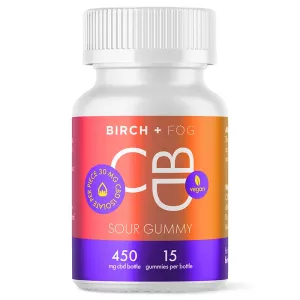
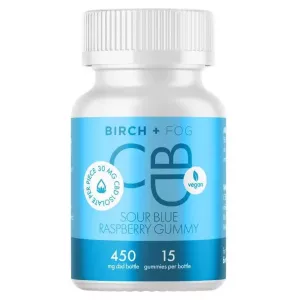
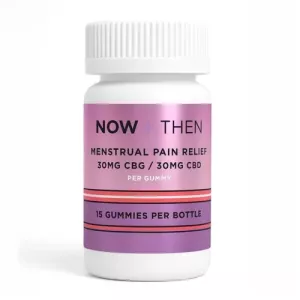
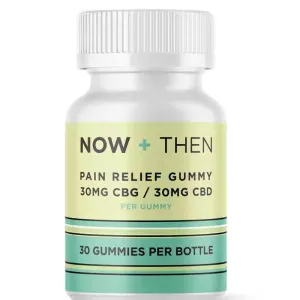
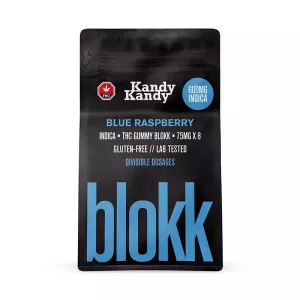
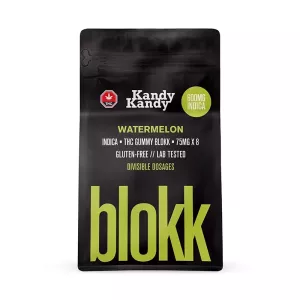
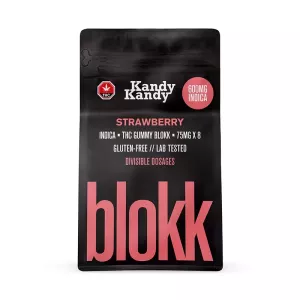
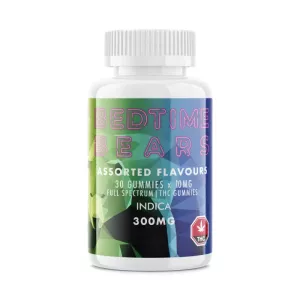
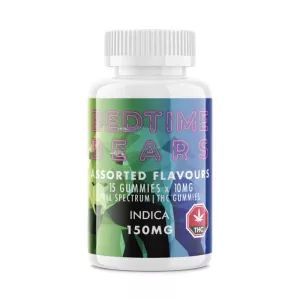
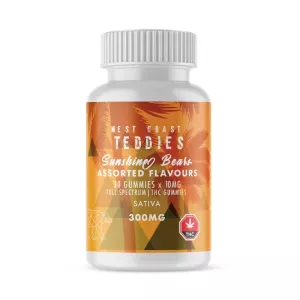
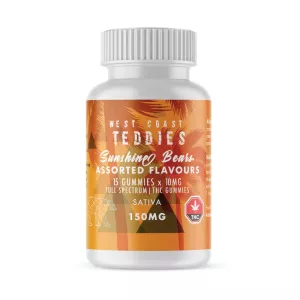
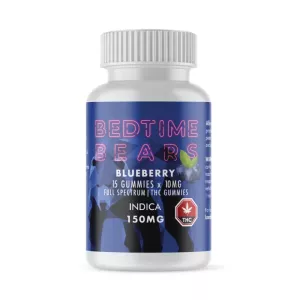
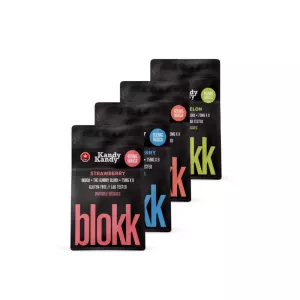
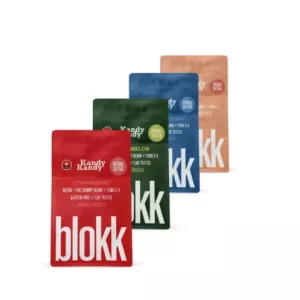
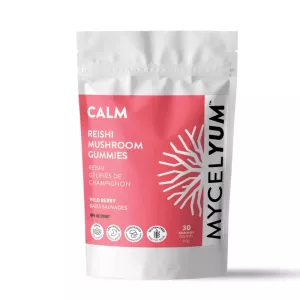
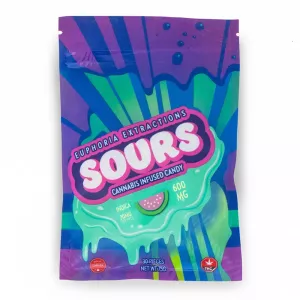
Expert Introduction to Cannabis Edibles
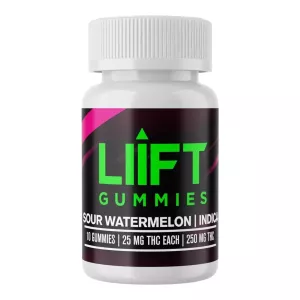
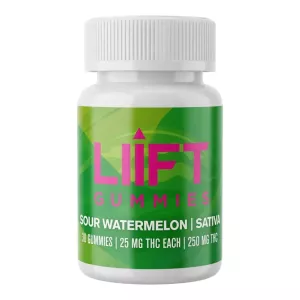
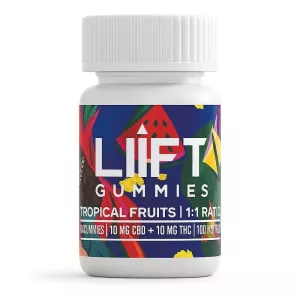
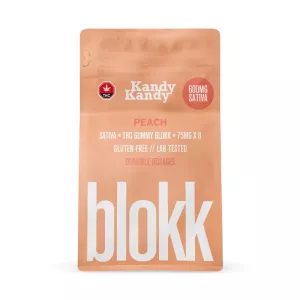
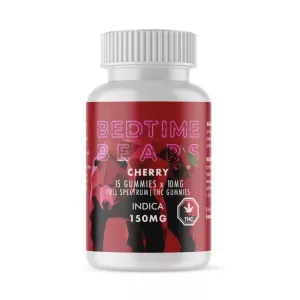
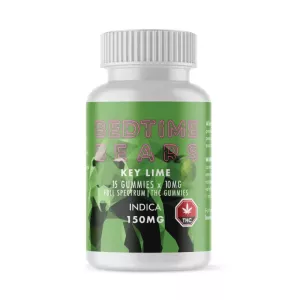
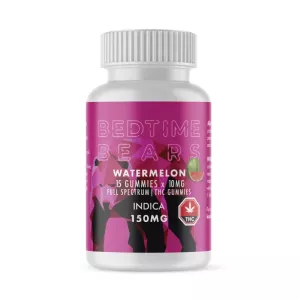
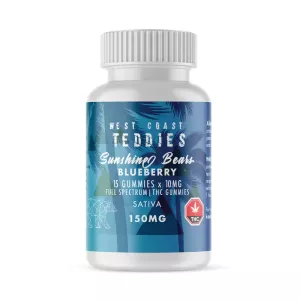
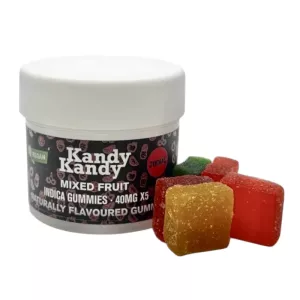
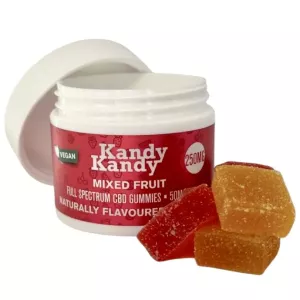
Cannabis edibles have evolved from unpredictable homemade brownies to precisely-dosed, professionally-manufactured products that offer consistent, reliable experiences. Whether you're exploring thc gummies for the first time or seeking to deepen your understanding of cannabis edibles canada, this comprehensive FAQ addresses every question from basic safety to advanced applications.
The modern cannabis edibles landscape offers unprecedented choice, quality, and safety. Today's products undergo rigorous testing, feature accurate labeling, and provide predictable effects that make them accessible to medical patients and recreational users alike. Understanding how to navigate this sophisticated market ensures optimal experiences while maintaining safety and legal compliance.
This master resource draws from years of experience in Canada's legal cannabis market, providing practical, actionable information that helps you make informed decisions about weed edibles. From dosing strategies to product selection, safety considerations to effect management, you'll find authoritative answers to your most pressing cannabis edibles questions.
40 What exactly are Cannabis Edibles?
Cannabis edibles are food and beverage products infused with cannabinoids like THC and CBD extracted from cannabis plants. Unlike smoking or vaping, edibles deliver cannabinoids through the digestive system, creating longer-lasting effects with different onset characteristics that make them ideal for sustained relief and controlled experiences.
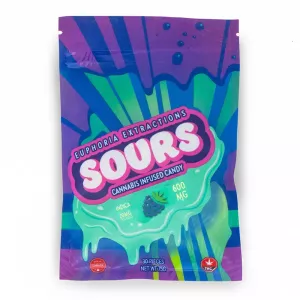
Modern cannabis edibles span far beyond traditional brownies, including thc gummies, chocolates, beverages, hard candies, baked goods, and gourmet confections. Each format offers unique advantages in terms of onset time, duration, and dosing precision, allowing users to choose products that match their specific needs and preferences.
When consumed, cannabinoids are absorbed through the digestive system and processed by the liver, which converts THC into 11-hydroxy-THC - a more potent compound than the delta-9-THC produced by smoking. This metabolic process explains why edibles often feel stronger and last longer than other consumption methods, typically providing 4-8 hours of effects compared to 1-3 hours from smoking.
Legal cannabis edibles undergo comprehensive testing for potency, purity, and safety, ensuring each piece contains exactly the labeled amount of cannabinoids. This pharmaceutical-grade precision enables consistent experiences and accurate dosing that was impossible with homemade products, making modern edibles safe and reliable for both medical and recreational applications.
39 What is the ideal edibles dosage to consume?
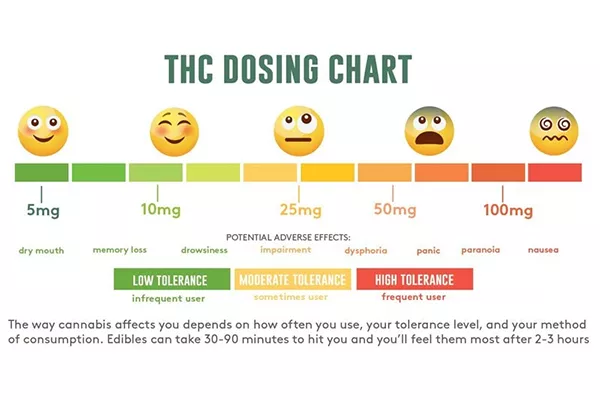
The ideal cannabis edibles dosage varies significantly based on individual factors including tolerance, body weight, metabolism, and desired effects. The universally recommended approach is "start low and go slow," beginning with 2.5-5mg THC for new users and waiting at least 2 hours before considering additional consumption.
Beginner dosing guidelines suggest starting with 1-2.5mg THC for complete newcomers, 2.5-5mg for those with some cannabis experience, 5-10mg for regular users, and higher amounts only for medical patients under professional guidance. These conservative starting points provide effective experiences while minimizing risk of uncomfortable overconsumption.
Timing considerations are crucial since cannabis edibles can take 30 minutes to 2 hours to produce effects, depending on individual metabolism, food consumption, and product type. The most common mistake is taking additional doses too quickly when effects don't appear immediately, leading to unexpectedly strong experiences when all doses take effect simultaneously.
Food interactions significantly impact edibles effects - taking them on an empty stomach may produce faster onset but can cause digestive discomfort, while consuming with fatty foods can enhance absorption and extend duration. Understanding these interactions helps optimize both timing and intensity of effects for individual preferences and needs.
38 Is it safe to use cannabis edibles?
Cannabis edibles are generally very safe when used responsibly and purchased from licensed dispensaries. Unlike alcohol or many pharmaceuticals, cannabis has an excellent safety profile with no recorded fatal overdoses. The primary risks involve temporary psychological discomfort from overconsumption rather than serious physical harm.
Licensed cannabis edibles undergo rigorous testing for pesticides, heavy metals, microbial contamination, and potency accuracy. Professional manufacturers follow strict quality standards comparable to pharmaceutical production, ensuring products are safe, consistent, and free from harmful contaminants that could pose health risks.
Potential side effects from excessive consumption include anxiety, paranoia, dizziness, nausea, or excessive sedation. While these effects can be uncomfortable, they are temporary and typically resolve within 4-8 hours without medical intervention. The key to avoiding negative experiences lies in proper dosing and patience with onset timing.
Certain populations should exercise extra caution or avoid cannabis edibles entirely, including pregnant and breastfeeding women, individuals with certain mental health conditions, and those taking medications that may interact with cannabinoids. Consulting healthcare providers helps identify any contraindications or special considerations for safe use.
37 What happens if you consume too many edibles?
Consuming too many cannabis edibles can cause uncomfortable but not dangerous effects including intense anxiety, paranoia, rapid heartbeat, dizziness, nausea, and extreme sedation. While these experiences are unpleasant, they are temporary and will resolve completely as the cannabis metabolizes out of your system over 4-12 hours.
Common overconsumption symptoms include racing thoughts, time distortion, difficulty concentrating, dry mouth, red eyes, and feeling "stuck" in repetitive thought patterns. Some people experience heightened sensory perception or feel disconnected from their surroundings, which can be frightening but is not medically dangerous for healthy individuals.
If you've consumed too much, find a calm, safe environment and remind yourself that the effects are temporary. Stay hydrated with water, try to rest or sleep if possible, and avoid driving or operating machinery. Having a trusted friend present can provide reassurance during uncomfortable periods.
Prevention strategies include starting with low doses, waiting at least 2 hours before taking more, avoiding alcohol combination, and purchasing products from licensed dispensaries with accurate labeling. Keeping a consumption log helps track your optimal dosing patterns and prevents future overconsumption incidents.
36 Why should you choose edibles over other alternatives?
Cannabis edibles offer numerous advantages over smoking including complete elimination of respiratory irritation, discrete consumption without odor, longer-lasting effects, precise dosing control, and no need for smoking equipment. These benefits make edibles particularly appealing to health-conscious users and those requiring sustained relief.
The extended duration of 4-8 hours makes edibles ideal for all-day symptom management, overnight pain relief, or long recreational experiences without frequent re-dosing. This sustained effect profile benefits medical patients requiring consistent therapeutic levels and recreational users seeking prolonged experiences.
Discrete consumption allows edibles use in situations where smoking would be inappropriate or impossible, such as workplaces, public spaces, or around non-cannabis users. The absence of smoke, vapor, or distinctive odors makes edibles completely private and socially acceptable in most circumstances.
Precise dosing through professional manufacturing enables accurate dose control impossible with smoking, where potency varies significantly between products and individual tolerance affects consumption amounts unpredictably. This pharmaceutical-grade precision helps users find optimal doses and maintain consistent experiences.
35 What are the benefits of consuming cannabis edibles?
Cannabis edibles provide unique therapeutic and recreational benefits including extended relief duration, enhanced bioavailability, discrete consumption, precise dosing, and versatile applications. The liver's conversion of THC to 11-hydroxy-THC often creates more potent and longer-lasting effects compared to smoking equivalent amounts.
Extended duration benefits make edibles particularly valuable for chronic pain management, sleep disorders, and anxiety conditions requiring sustained relief. The 4-8 hour effect window reduces dosing frequency and provides consistent therapeutic levels that improve quality of life for medical patients and enhance recreational experiences.
Enhanced bioavailability through digestive absorption, especially when consumed with fats, can provide superior therapeutic benefits compared to other consumption methods. This improved absorption efficiency often means lower overall cannabis consumption while achieving desired effects, making edibles cost-effective for regular users.
Nutritional integration opportunities allow edibles to provide additional health benefits through functional ingredients like vitamins, antioxidants, healthy fats, and protein. Many modern edibles are formulated as wellness products that combine cannabinoid therapy with nutritional support.
34 How can you know how much THC or CBD you've consumed?
Determining THC and CBD consumption involves reading product labels carefully, understanding serving sizes, and calculating total intake based on the amount consumed. Licensed cannabis edibles display precise cannabinoid content per piece and per package, enabling accurate dosing when labels are read correctly.
Product labels show total package content and per-serving amounts - for example, a package labeled "100mg THC, 10 pieces" contains 10mg THC per piece. Always verify serving size information, as some products contain multiple servings per piece, requiring division for appropriate dosing.
Dosage calculation requires dividing products appropriately - if you want 5mg THC from a 10mg gummy, consume exactly half the piece. Use kitchen scales for precise measurement when dividing products, and pill cutters for clean division of gummies or tablets to ensure accurate dosing.
Personal dosing logs help track consumption, effects, and optimal doses over time. Record product details, amounts consumed, onset times, effect duration, and subjective experiences to build a personal database that guides future dosing decisions and identifies tolerance changes.
33 What are the distinctions between eating edibles and smoking?
Cannabis edibles and smoking produce fundamentally different experiences due to distinct absorption pathways, metabolism processes, and effect profiles. Understanding these differences helps users choose appropriate consumption methods based on desired onset speed, duration, intensity, and practical considerations.
Onset speed differs dramatically - smoking produces effects within 1-5 minutes while edibles require 30 minutes to 2 hours. This timing difference means smoking allows immediate dose adjustment through additional puffs, while edibles require committing to a specific dose and waiting patiently for full effects to develop.
Duration varies significantly with smoking effects lasting 1-3 hours compared to edibles' 4-8 hour duration. This extended timeline makes edibles ideal for sustained relief or long recreational experiences, while smoking suits immediate, short-term applications requiring quick onset and offset.
Effect quality differs due to metabolism - edibles create 11-hydroxy-THC through liver processing, often producing more pronounced body effects and sedation. Smoking delivers delta-9-THC directly to the bloodstream, typically creating more cerebral, immediate effects with less physical heaviness.
32 Is there a cannabis smell in edibles?
High-quality cannabis edibles typically have minimal to no cannabis odor, especially gummies, hard candies, and beverages that use refined extracts and distillates. Professional manufacturers employ sophisticated flavor masking techniques and purified cannabinoid preparations that eliminate distinctive cannabis aromas.
Gummies, hard candies, capsules, and beverages generally produce no cannabis odor when opened or consumed because they use highly refined cannabinoid extracts that remove plant matter and terpenes responsible for characteristic cannabis smells. These products enable completely discrete consumption without telltale aromas.
Baked goods and chocolates may have subtle herbal undertones, but quality products mask these effectively through complementary flavors like vanilla, mint, or rich cocoa. Poor-quality products with strong cannabis tastes and odors often indicate inferior manufacturing processes or low-grade starting materials.
The absence of strong cannabis odors often indicates higher-quality products with superior manufacturing processes and refined ingredients. Products with overwhelming cannabis smells may suggest less sophisticated extraction methods that could affect both palatability and overall product quality.
31 How long do cannabis edibles take to work?
Cannabis edibles typically begin producing effects within 30 minutes to 2 hours after consumption, with most users experiencing onset around 45-90 minutes. This timing varies based on individual metabolism, food consumption, product type, and body chemistry factors that influence absorption and processing speed.
Individual metabolic factors significantly affect onset timing - fast metabolizers may feel effects within 30 minutes but experience shorter duration, while slow metabolizers require up to 2 hours for onset but enjoy extended effects lasting 8+ hours. Understanding your personal pattern helps predict timing and plan consumption appropriately.
Food consumption impacts onset speed and intensity - taking edibles on an empty stomach typically produces faster onset (30-60 minutes) but may cause digestive discomfort. Consuming with food delays onset (60-120 minutes) but provides more comfortable absorption and potentially enhanced effects through fat-soluble cannabinoid absorption.
Product type variations affect timing - gummies and hard candies that partially dissolve in the mouth may produce slightly faster onset through sublingual absorption. Beverages often work faster than solid foods, while baked goods and chocolates require complete digestion before effects begin.
30 What is the difference between edible potencies?
Cannabis edibles range from micro-doses of 1-2.5mg for beginners to high-potency medical formulations exceeding 100mg per package. Understanding potency levels helps users select appropriate products based on experience, tolerance, medical needs, and desired effect intensity while avoiding overconsumption.
Potency categories include: Micro-dose (1-2.5mg) for beginners or subtle effects, Low-dose (2.5-5mg) for new users seeking noticeable effects, Moderate-dose (5-15mg) for standard recreational use, High-dose (15-30mg) for experienced users, and Ultra-high (30mg+) for medical patients or very high tolerance individuals.
Tolerance considerations affect optimal potency selection - regular cannabis users typically require higher edibles doses for equivalent effects, though edibles tolerance develops differently than smoking tolerance due to distinct metabolism pathways. Some users maintain edibles sensitivity even with high smoking tolerance.
Medical versus recreational potency needs differ significantly - medical applications often require higher doses for therapeutic relief of chronic pain, severe nausea, or sleep disorders, while recreational users typically prefer moderate potencies that provide enjoyable experiences without overwhelming effects or prolonged impairment.
29 Can you get CBD edibles with low THC content?
CBD edibles with minimal THC content (typically under 0.3%) provide therapeutic benefits without psychoactive effects, making them ideal for users seeking wellness benefits while maintaining complete mental clarity and functionality throughout the day. These products offer anti-inflammatory, anxiolytic, and pain-relieving properties without euphoria or impairment.
Legal THC limits for hemp-derived CBD products require less than 0.3% THC content to be sold without medical authorization. This trace amount is insufficient to produce psychoactive effects but may contribute to enhanced therapeutic benefits through entourage effects between cannabinoids and terpenes.
Professional and daytime use applications make low-THC CBD edibles popular among working professionals, students, and others requiring wellness support without cognitive impairment. Many users incorporate CBD gummies into daily routines for stress management, focus enhancement, and anxiety reduction while maintaining job performance.
Enhanced bioavailability formulations sometimes include minor amounts of THC (1-3mg) to improve CBD absorption and effectiveness through entourage effects, while remaining below psychoactive thresholds for most users. This approach maximizes therapeutic benefits while minimizing any psychoactivity concerns.
28 Why do people take daily CBD edibles?
Daily CBD edibles consumption provides consistent wellness support for anxiety management, inflammation reduction, sleep quality improvement, and general health maintenance. Unlike THC, CBD doesn't cause tolerance development or dependence, making it suitable for long-term daily use as a health supplement similar to vitamins or other wellness products.
Consistent therapeutic levels achieved through daily dosing may provide cumulative benefits that become more pronounced over weeks or months of regular use. Many users report improved stress resilience, better sleep patterns, reduced chronic inflammation, and enhanced overall well-being with sustained CBD supplementation.
Professional integration makes daily CBD appealing to working individuals who need wellness support without impairment, odor, or obvious consumption signs. CBD edibles integrate seamlessly into morning routines, providing all-day anxiety and stress management while maintaining complete cognitive clarity and job performance.
No tolerance development with CBD means users can maintain consistent doses indefinitely without requiring increases, making daily use cost-effective and sustainable. This contrasts with THC, which often requires dose escalation or tolerance breaks to maintain effectiveness over time.
27 Can cannabis edibles help medical patients?
Cannabis edibles serve numerous medical applications including chronic pain management, anxiety and PTSD support, sleep disorder treatment, appetite stimulation, nausea control, and inflammation reduction. The extended duration and precise dosing make edibles particularly suitable for medical applications requiring sustained relief throughout the day.
Chronic pain management benefits from edibles' 4-8 hour duration, reducing dosing frequency while providing consistent relief for conditions like arthritis, fibromyalgia, and neuropathy. This sustained effect profile helps maintain functional capacity during work and daily activities while managing pain symptoms effectively.
Mental health applications include anxiety, depression, and PTSD symptom management through both CBD-dominant formulations for non-psychoactive relief and balanced THC:CBD ratios for comprehensive symptom control. The discrete nature of edibles enables medication use throughout the day without drawing attention or affecting others.
Appetite stimulation and nausea control through THC edibles help patients undergoing chemotherapy, those with eating disorders, or individuals experiencing medication-induced appetite loss. The gradual onset and extended duration provide sustained appetite support throughout treatment periods.
26 Can you get free cannabis edibles samples?
Licensed cannabis dispensaries cannot legally provide free edibles samples due to strict regulatory requirements governing cannabis distribution and taxation. All cannabis transfers must be tracked, documented, and taxed, making traditional product sampling impossible in legal markets while protecting public safety and ensuring regulatory compliance.
Alternative introduction options include discounted starter packs, small-format products, new customer promotions, and detailed consultation services that reduce initial costs while maintaining legal compliance. These approaches provide affordable ways to try different products and find optimal formulations without violating regulations.
Low-dose starter products offer safer alternatives to sampling by providing minimal-risk introduction to edibles effects. Products containing 1-2.5mg THC enable gentle experience building without overwhelming effects, allowing new users to assess tolerance and preferences safely and affordably.
Professional consultation services at quality dispensaries often prove more valuable than sampling for finding appropriate products. Experienced staff can recommend specific products based on individual needs, experience levels, and desired effects, leading to better initial product selection than random sampling.
25 Why do cannabis edibles make me feel sleepy?
Cannabis edibles often produce drowsiness due to THC's natural sedating properties, which become more pronounced when converted to 11-hydroxy-THC through liver metabolism. Individual sensitivity to cannabinoid sedation, consumption timing, product strain characteristics, and dosage levels all contribute to sleepiness effects.
Cannabinoid sedation occurs because THC, especially at higher doses, naturally promotes relaxation and sleep. The liver's conversion of THC to 11-hydroxy-THC during edibles processing often produces more pronounced sedating effects compared to smoking equivalent amounts, explaining why edibles feel "heavier" for many users.
Strain and terpene influences affect sedation levels - Indica-dominant edibles typically produce more drowsiness than Sativa varieties due to different cannabinoid and terpene profiles. Terpenes like myrcene, linalool, and terpinolene contribute to sedating effects, while limonene and pinene may provide more energizing experiences.
Managing unwanted drowsiness involves using lower doses, choosing Sativa-dominant products, consuming earlier in the day, staying hydrated, and engaging in light physical activity. These strategies help maintain alertness while enjoying cannabis benefits, though some sedation is natural and expected with most edibles.
24 How do you keep cannabis edibles away from children?
Child safety with cannabis edibles requires secure storage in locked, child-resistant containers placed in locations completely inaccessible to children. The candy-like appearance of many edibles makes them particularly attractive to children, demanding extra vigilance in storage, handling, and disposal to prevent accidental consumption.
Secure storage solutions include locked cabinets, high shelves beyond children's reach, specialized cannabis storage boxes with combination locks, and maintaining original child-resistant packaging. Never transfer edibles to unmarked containers or store them with regular food items where children might accidentally encounter them.
Clear labeling importance cannot be overstated - all cannabis products should maintain original packaging with obvious THC warnings and content information. Family education about cannabis storage areas and clear rules about not touching these products helps reinforce safety messages through age-appropriate discussions.
Emergency preparedness involves knowing signs of accidental consumption including excessive drowsiness, confusion, difficulty walking, or unusual behavior. Having poison control contact information readily available and understanding when to seek emergency medical care ensures rapid response if accidents occur despite preventive measures.
23 What should I do if my child eats cannabis edibles?
If a child accidentally consumes cannabis edibles, immediate action is required: stay calm to avoid additional distress, remove any remaining product from reach, contact poison control immediately (1-844-POISON-X), gather product packaging with THC content information, and prepare to seek emergency medical care if symptoms worsen.
Critical monitoring involves watching for excessive drowsiness, difficulty walking, confusion, rapid heartbeat, nausea or vomiting, dilated pupils, or unusual behavior. While cannabis is rarely medically dangerous for children, symptoms can be frightening and may require professional medical monitoring and supportive care.
Emergency medical attention should be sought for difficulty breathing, severe vomiting, extreme lethargy, high fever, or if the child becomes unresponsive. Even if symptoms appear mild, medical evaluation helps ensure proper monitoring and provides supportive care during the recovery period.
Recovery timeline typically involves effects peaking within 1-3 hours and lasting 6-12 hours total. Most children recover completely without lasting effects, but medical supervision ensures safety and provides comfort during uncomfortable symptoms that can be distressing for both child and parents.
22 Why should edibles and smoking be treated differently?
Cannabis edibles require fundamentally different approaches than smoking due to delayed onset, extended duration, enhanced potency through liver metabolism, and inability to adjust doses in real-time. These differences demand distinct safety protocols, dosing strategies, and consumption planning to ensure safe, enjoyable experiences.
Timing differences create the most significant safety considerations - smoking provides immediate feedback allowing dose adjustment through additional puffs, while edibles require committing to a dose and waiting 1-2 hours for effects. This timing gap means edibles mistakes are harder to correct and last much longer than smoking errors.
Metabolism pathway differences explain potency variations - smoking delivers THC directly to bloodstream through lungs, while edibles process THC through the liver, creating 11-hydroxy-THC that's often more potent and longer-lasting. This enhanced bioavailability means identical THC amounts feel stronger when eaten versus smoked.
Experience planning requirements differ dramatically between methods - edibles demand careful consideration of timing, environment, responsibilities, and commitments due to extended duration, while smoking allows more spontaneous use with shorter commitment periods and easier dose control throughout the session.
20 Can you get addicted to cannabis edibles?
Cannabis addiction potential exists but remains relatively low compared to alcohol, tobacco, or opioids. Studies suggest approximately 9% of cannabis users develop dependence, with rates increasing to 17% for those who start before age 18. Edibles may have lower addiction potential than smoking due to delayed onset and extended duration reducing frequent use patterns.
Dependence signs include unsuccessful attempts to quit, using cannabis despite negative consequences, tolerance requiring increased amounts for effects, withdrawal symptoms when stopping, and prioritizing cannabis use over important activities, relationships, or responsibilities. These patterns indicate problematic use requiring professional intervention.
Risk factors for cannabis dependence include early age of first use, genetic predisposition, mental health conditions, trauma history, and frequent high-dose consumption. Users with these risk factors should monitor their cannabis use patterns and seek professional guidance if concerning behaviors develop.
Prevention strategies include avoiding daily use, maintaining cannabis-free days, using lowest effective doses, avoiding use during stressful periods, and seeking professional help if use becomes compulsive or interferes with life responsibilities. Responsible use patterns significantly reduce dependence risk while maintaining therapeutic and recreational benefits.
19 What is the purpose of cannabis edibles?
Cannabis edibles serve diverse purposes including medical symptom management, recreational enjoyment, wellness support, and social consumption. The extended duration, discrete nature, and precise dosing make edibles suitable for sustained relief applications that other consumption methods cannot effectively address.
Medical applications focus on providing sustained relief for chronic conditions requiring consistent therapeutic levels throughout the day. Conditions like arthritis, fibromyalgia, anxiety disorders, and sleep disturbances benefit from edibles' extended duration that reduces dosing frequency while maintaining symptom control.
Recreational purposes include social consumption, creative enhancement, relaxation, and experiential enjoyment without the respiratory irritation or obvious consumption signs associated with smoking. Many users prefer edibles for social gatherings where discrete consumption and extended effects create more enjoyable shared experiences.
Wellness applications position edibles as daily supplements for stress management, sleep quality improvement, inflammation reduction, and general health maintenance. This preventive approach treats cannabis as a wellness tool rather than reactive medicine, supporting overall health and quality of life enhancement.
18 What effects do cannabis edibles have on a person?
Cannabis edibles effects vary significantly based on individual factors including prior cannabis experience, genetics, gender, metabolism, tolerance level, product potency, consumption timing, and concurrent food or medication intake. These variables create highly personalized responses that require individual experimentation to understand optimal dosing and timing.
Common effects include relaxation, euphoria, altered time perception, enhanced sensory experiences, increased appetite, pain relief, anxiety reduction, and sedation. The specific combination and intensity of effects depend on THC:CBD ratios, terpene profiles, individual brain chemistry, and environmental factors during consumption.
Onset patterns typically involve gradual effect building over 30-120 minutes, peak effects lasting 2-4 hours, and gradual diminishing over the following 2-6 hours. This extended timeline creates different experience dynamics compared to smoking, with more sustained but less immediately controllable effects.
Individual variation means identical products and doses can produce different experiences between users and even within the same user across different occasions. Factors like stress levels, sleep quality, food consumption, hydration, and social environment all influence how edibles effects manifest and develop over time.
17 Can you become dependent on cannabis edibles?
Physical dependence on cannabis edibles can develop with regular use, though it's generally milder than dependence on alcohol, tobacco, or opioids. Approximately 9% of cannabis users develop dependence, with higher rates among daily users and those who begin use before adulthood. Edibles may have lower dependence potential due to their delayed onset and extended duration.
Withdrawal symptoms from cannabis dependence include irritability, anxiety, sleep difficulties, decreased appetite, restlessness, and mood changes. These symptoms typically begin 1-3 days after stopping use and resolve within 1-2 weeks. While uncomfortable, cannabis withdrawal is not medically dangerous like alcohol or benzodiazepine withdrawal.
Tolerance development requires increasing doses to achieve the same effects, though edibles tolerance often develops more slowly than smoking tolerance due to different metabolism pathways. Taking regular tolerance breaks every few weeks helps reset sensitivity and maintain effectiveness at lower doses.
Risk reduction strategies include avoiding daily use, maintaining cannabis-free days, using lowest effective doses, avoiding use during emotional distress, and seeking professional help if use becomes compulsive. These approaches help maintain beneficial use patterns while preventing problematic dependence development.
16 What happens when you mix edibles with alcohol or medications?
Mixing cannabis edibles with alcohol significantly increases intoxication levels and impairment beyond either substance alone, creating heightened risks of accidents, poor judgment, nausea, and dangerous behavior. The combination also makes it difficult to gauge total impairment level, leading to potentially unsafe situations.
Prescription medication interactions can be serious, particularly with blood thinners, seizure medications, heart drugs, and sedatives. Cannabis can affect how the liver processes many medications, potentially increasing or decreasing their effectiveness and causing dangerous side effects. Always disclose cannabis use to healthcare providers.
Tobacco combination, while common, exposes users to additional harmful compounds and increases cardiovascular and respiratory risks. The combined effects can also mask individual substance effects, making it harder to determine appropriate dosing for either substance and potentially leading to overconsumption.
Safety protocols include avoiding alcohol entirely when using edibles, consulting healthcare providers about medication interactions, waiting several hours between substance use, and never driving or operating machinery when using any combination of impairing substances. These precautions prevent dangerous interactions and maintain personal safety.
15 Can you consume cannabis edibles while breastfeeding?
Cannabis edibles consumption during breastfeeding is not recommended due to potential infant exposure through breast milk and unknown long-term developmental effects. THC and other cannabinoids pass into breast milk and can be stored in fat tissues, potentially exposing nursing infants to cannabis compounds.
Limited research exists on cannabis effects in breastfeeding infants, but available studies suggest potential concerns including altered sleep patterns, decreased muscle tone, and possible developmental impacts. The lack of comprehensive safety data makes cannabis use during breastfeeding a significant unknown risk to infant health.
THC storage in fat tissues means exposure can continue even after stopping cannabis use, as stored cannabinoids release slowly over time. This prolonged exposure potential makes timing cessation before breastfeeding challenging and emphasizes the importance of avoiding use throughout the breastfeeding period.
Alternative pain and anxiety management options during breastfeeding include physical therapy, meditation, counseling, and medications considered safe for nursing mothers. Consulting healthcare providers helps identify effective alternatives that don't pose potential risks to infant development and health.
14 Which is safer: smoking cannabis or eating edibles?
Cannabis edibles are generally considered safer than smoking due to elimination of respiratory irritation, carcinogens from combustion, and secondhand exposure risks. However, edibles carry higher risk of accidental overconsumption due to delayed onset and extended duration that can lead to unexpectedly intense experiences.
Respiratory safety strongly favors edibles, which completely eliminate lung irritation, coughing, and potential long-term respiratory damage associated with smoking any substance. This makes edibles particularly beneficial for people with asthma, other respiratory conditions, or concerns about lung health impacts.
Dosing safety considerations favor smoking for its immediate feedback and ability to adjust doses in real-time, while edibles require more careful planning and patience to avoid overconsumption. New users often find smoking more forgiving for learning personal tolerance levels and optimal dosing ranges.
Overall safety profiles suggest edibles are safer for long-term health due to respiratory protection, while smoking may be safer for new users learning cannabis effects due to better dose control. Both methods are relatively safe when used responsibly with proper education and safety precautions.
13 What's the difference between THC and CBD?
THC (tetrahydrocannabinol) and CBD (cannabidiol) are the two primary cannabinoids in cannabis, with THC producing psychoactive "high" effects while CBD provides therapeutic benefits without intoxication. Understanding these differences helps users select appropriate products based on desired effects and functionality needs.
THC effects include euphoria, altered perception, increased appetite, pain relief, and potential anxiety or paranoia at high doses. THC binds directly to brain receptors, creating the classic cannabis "high" that can impair coordination, memory, and judgment while providing therapeutic benefits for pain, nausea, and sleep.
CBD effects include anxiety reduction, anti-inflammatory properties, pain relief, and seizure control without psychoactive impairment. CBD doesn't bind directly to brain receptors, instead modulating the endocannabinoid system indirectly to provide therapeutic benefits while maintaining complete mental clarity and functionality.
Combination benefits occur when THC and CBD are used together, creating "entourage effects" that can enhance therapeutic benefits while reducing THC side effects. Many users find balanced ratios provide optimal symptom relief with minimal impairment, making combination products popular for medical applications.
12 Do cannabis edibles make you high?
THC-containing cannabis edibles do produce psychoactive "high" effects, often more intense and longer-lasting than smoking due to liver conversion of THC to 11-hydroxy-THC. CBD-only edibles provide therapeutic benefits without any psychoactive effects, allowing users to choose products based on desired outcomes.
THC edibles create euphoria, altered perception, relaxation, and potential impairment lasting 4-8 hours. The liver's processing of THC often produces more pronounced body effects and sedation compared to smoking, which many users describe as a "heavier" or more physical high experience.
CBD edibles provide pain relief, anxiety reduction, anti-inflammatory effects, and other therapeutic benefits without any intoxication or impairment. Users can function normally while experiencing CBD's wellness benefits, making these products suitable for daytime use and professional environments.
Combination products with various THC:CBD ratios allow users to customize psychoactive levels while maintaining therapeutic benefits. Low-THC formulations (1-3mg THC with higher CBD) may provide mild mood enhancement without significant impairment, while higher THC content produces more pronounced psychoactive effects.
11 Is today's cannabis more potent than before?
Modern cannabis is significantly more potent than historical varieties, with THC levels increasing from approximately 4% in the 1990s to 15-25% or higher in current products. This increased potency, combined with advanced extraction techniques, has created edibles with much higher cannabinoid concentrations than previously possible.
Selective breeding and cultivation improvements have produced cannabis strains with dramatically higher THC content and specific cannabinoid profiles optimized for particular effects. This genetic advancement allows edibles manufacturers to create products with precise potency levels and targeted therapeutic applications.
Extraction technology advances enable concentration of cannabinoids to 70-90%+ purity in distillates and isolates used in edibles production. These concentrated extracts allow much higher potency products while maintaining accurate dosing and consistent effects across batches.
Consumer implications include need for more careful dosing with modern products, as historical consumption amounts could lead to unexpectedly strong effects with today's potent formulations. New users especially should start with minimal doses regardless of any past cannabis experience with lower-potency products.
10 What's the difference between sativa and indica edibles?
Sativa and indica distinctions in edibles relate to the original cannabis strains used for extraction, with sativa varieties traditionally associated with energizing, cerebral effects and indica strains linked to relaxing, sedating experiences. However, individual cannabinoid and terpene profiles matter more than strain classification for predicting effects.
Sativa-dominant edibles typically provide uplifting, creative, and energizing effects that may enhance focus, sociability, and daytime activities. These products often contain terpenes like limonene and pinene that contribute to alertness and mental clarity, making them popular for creative projects and social situations.
Indica-dominant edibles generally produce relaxing, sedating effects ideal for evening use, pain relief, and sleep promotion. Terpenes like myrcene and linalool contribute to sedation and muscle relaxation, making indica edibles popular for stress relief, insomnia, and chronic pain management.
Modern cannabis science emphasizes that specific cannabinoid ratios and terpene profiles matter more than traditional sativa/indica classifications for predicting effects. Many products now focus on specific terpene blends and cannabinoid combinations rather than relying solely on strain heritage for effect descriptions.
9 What's the difference between eating and smoking cannabis?
Eating cannabis produces fundamentally different effects than smoking due to distinct absorption pathways and metabolism processes. Edibles create 11-hydroxy-THC through liver processing, often producing more potent, longer-lasting, and physically-oriented effects compared to smoking's immediate delta-9-THC delivery.
Bioavailability differences mean smaller amounts of cannabis in edibles can produce effects equivalent to larger smoked amounts due to enhanced liver metabolism and improved absorption when consumed with fats. This efficiency makes edibles cost-effective for regular users despite potentially higher upfront costs.
Duration contrasts dramatically - smoking effects last 1-3 hours while edibles provide 4-8 hours of sustained effects. This extended timeline benefits medical patients requiring all-day symptom control and recreational users seeking prolonged experiences without frequent re-dosing.
Onset timing creates the most significant practical differences - smoking works within minutes allowing real-time dose adjustment, while edibles require patience and pre-planning due to 30-120 minute onset delays. This timing difference demands different consumption strategies and safety approaches.
8 Do cannabis edibles give you the munchies?
THC-containing cannabis edibles commonly produce increased appetite known as "the munchies" through cannabinoid interaction with brain receptors that regulate hunger and food pleasure. This effect can be beneficial for medical patients requiring appetite stimulation but may be unwanted for recreational users concerned about overeating.
Appetite stimulation occurs because THC enhances the brain's endocannabinoid system, which naturally regulates hunger, food enjoyment, and satiety signals. THC amplifies these natural processes, making food taste better and increasing motivation to eat even when not physically hungry.
Individual variation in munchies intensity depends on THC dosage, individual sensitivity, tolerance levels, and timing of last meal before edibles consumption. Some users experience intense food cravings while others notice minimal appetite changes, even with identical products and doses.
Management strategies include eating a satisfying meal before consuming edibles, preparing healthy snacks in advance, staying hydrated, and choosing CBD-dominant products that don't typically increase appetite. These approaches help control food intake while maintaining desired cannabis effects.
7 What are the legal considerations for cannabis edibles?
Cannabis edibles legality varies by jurisdiction, with Canada allowing recreational possession and consumption under federal Cannabis Act regulations, while maintaining provincial variations in purchase limits, public consumption rules, and age restrictions. Understanding local laws prevents legal complications and ensures compliant use.
Possession limits in Canada allow adults to carry up to 30 grams of dried cannabis equivalent in public, with edibles calculated using specific conversion ratios. Exceeding these limits or possessing cannabis in prohibited locations can result in fines or criminal charges despite general legalization.
Public consumption restrictions generally prohibit edibles use in vehicles, workplaces, schools, playgrounds, and many public spaces. These restrictions aim to protect children and non-users while allowing private consumption in homes and designated areas where local laws permit.
Travel considerations include complete prohibition of cannabis transport across international borders, even between legal jurisdictions, and varying restrictions on interprovincial transport within Canada. These restrictions carry serious legal penalties including criminal charges for international transport violations.
6 How are cannabis edibles made?
Cannabis edibles production involves extracting cannabinoids from cannabis plants, creating cannabis-infused oils or butters, and incorporating these infusions into food products through precise manufacturing processes. Professional production ensures consistent potency, safety, and quality through pharmaceutical-grade equipment and testing protocols.
Extraction methods include CO2 extraction for pure, solvent-free concentrates, ethanol extraction for full-spectrum oils, and distillation for high-purity THC or CBD isolates. Each method produces different cannabinoid profiles suitable for specific product types and effect goals.
Infusion techniques involve combining cannabis extracts with fats, oils, or other carriers that enable even distribution throughout food products. Professional manufacturers use specialized equipment to ensure homogeneous mixing and consistent cannabinoid distribution in every piece.
Quality control measures include testing raw materials, monitoring extraction processes, verifying infusion accuracy, and testing finished products for potency, contaminants, and safety. These comprehensive protocols ensure every batch meets strict standards for consistency, purity, and labeled accuracy.
5 What should you do if a child eats cannabis edibles?
If a child accidentally consumes cannabis edibles, immediately contact poison control (1-844-POISON-X in Canada), stay calm to avoid frightening the child further, remove any remaining product from reach, gather product packaging with THC content information, and prepare to seek emergency medical care if advised or if symptoms worsen.
Monitor symptoms including excessive drowsiness, difficulty walking, confusion, rapid heartbeat, nausea, vomiting, dilated pupils, or unusual behavior. While cannabis rarely causes serious medical complications in children, symptoms can be frightening and may require professional medical monitoring and supportive care.
Emergency medical attention should be sought if the child experiences difficulty breathing, severe vomiting, extreme lethargy, high fever, or becomes unresponsive. Even with mild symptoms, medical evaluation helps ensure proper monitoring and provides peace of mind during the recovery period.
Prevention measures include storing all cannabis products in locked, child-resistant containers in locations completely inaccessible to children, maintaining original packaging with clear warnings, and educating family members about cannabis safety and storage requirements to prevent future incidents.
4 Are there healthier cannabis edibles alternatives?
Healthier cannabis edibles alternatives include tinctures, capsules, beverages, and products made with organic ingredients, natural sweeteners, functional additives, and minimal processing. These options provide cannabis benefits while supporting overall health goals and dietary restrictions.
Tinctures offer the healthiest option by eliminating added sugars, calories, and artificial ingredients while providing precise dosing control and fast sublingual absorption. They integrate easily into any diet without contributing excess calories or interfering with nutrition goals.
Sugar-free and low-calorie options include products sweetened with stevia, monk fruit, or other natural alternatives that provide cannabis benefits without blood sugar impacts. These formulations suit diabetic users and those following ketogenic or low-carb dietary approaches.
Functional edibles incorporate beneficial ingredients like vitamins, antioxidants, adaptogens, and healthy fats that provide additional health benefits alongside cannabinoids. Products combining cannabis with superfoods create wellness-focused alternatives to traditional candy-style edibles.
3 Where should beginners start with cannabis edibles?
Beginners should start with low-dose products containing 1-2.5mg THC, choose reputable licensed dispensaries, seek professional consultation, and prioritize products with accurate labeling and testing certificates. Starting conservatively with quality products and expert guidance ensures safe, positive introduction to cannabis edibles.
Product selection for beginners should emphasize consistent, low-potency options like micro-dose gummies rather than homemade or high-potency products. Professional products provide reliable potency and safety that prevents the negative experiences that can occur with inconsistent homemade edibles.
Dosing strategy involves starting with the smallest available dose, waiting at least 2 hours before considering additional consumption, and gradually increasing doses over multiple sessions rather than within single sessions. This patient approach prevents overconsumption while building understanding of personal tolerance.
Educational preparation includes reading product information, understanding onset timing, learning about potential effects and side effects, and preparing safe consumption environments. Knowledge preparation significantly improves first experiences and builds confidence for future use.
2 How do cannabis edibles affect academic and work performance?
Cannabis edibles can significantly impact academic and work performance through cognitive effects, motivation changes, and attention alterations that vary based on dosage, timing, individual tolerance, and product selection. Understanding these impacts helps users make informed decisions about cannabis use in relation to professional and educational responsibilities.
Cognitive effects from THC edibles may include short-term memory impairment, reduced attention span, altered decision-making, and decreased processing speed during intoxication periods. These effects can interfere with learning, work tasks requiring focus, and complex problem-solving activities.
Timing considerations become crucial for maintaining performance - using edibles well before work or study periods, choosing appropriate dosages that don't cause impairment during productive hours, and understanding individual metabolism help minimize performance impacts while maintaining cannabis benefits.
CBD-dominant edibles may actually support performance through anxiety reduction, improved focus, and stress management without psychoactive impairment. Many professionals use CBD products during work hours for wellness support while avoiding THC products that could affect job performance.
1 What are the safest cannabis edibles to buy?
The safest cannabis edibles come from licensed dispensaries with comprehensive testing, accurate labeling, child-resistant packaging, and established quality standards. Look for products with certificates of analysis, clear potency information, reputable brand names, and compliance with local regulations to ensure safety and quality.
Quality indicators include third-party laboratory testing for potency, pesticides, heavy metals, and microbial contamination, professional packaging with clear dosing information, batch tracking numbers for traceability, and manufacturing by licensed facilities following good manufacturing practices.
Brand reputation matters significantly - established companies with positive reviews, transparent business practices, detailed product information, and responsive customer service typically produce safer, more reliable products than unknown manufacturers or unlicensed producers.
Regulatory compliance ensures products meet safety standards, undergo required testing, use approved ingredients, and follow labeling requirements that protect consumers. Always purchase from licensed dispensaries that verify product compliance and maintain proper storage conditions.
For the most current information about cannabis edibles safety, product recommendations, and industry updates, visit the BIRCH+FOG Blog where we regularly publish expert insights and educational content to help you make informed cannabis decisions.