thc edibles
Discover everything about THC edibles — how they work, dosing tips, and types available.
What Are THC Edibles?
THC edibles are food and beverage products infused with tetrahydrocannabinol, the primary psychoactive compound in cannabis. Instead of inhaling smoke or vapor, you eat or drink your dose, and your digestive system handles the rest. This single shift in delivery method changes nearly everything about the experience, from how quickly effects arrive to how long they linger. For many people, edibles offer a discreet, smoke-free way to enjoy cannabis without the harshness of combustion.
The category is broader than most newcomers expect. THC edibles span gummies, chocolates, baked goods, hard candies, mints, and an expanding lineup of infused drinks. What unites them is the active ingredient, typically derived through methods like CO2 extraction, which pulls clean cannabinoids from plant material to create a versatile CO2 oil that can be measured and mixed into recipes with precision.
Why edibles feel different from smoking: When you eat THC, your liver metabolizes it into a compound called 11-hydroxy-THC, which is more potent and longer-lasting than the THC that reaches your bloodstream through the lungs. This metabolic step is the reason edible highs feel deeper and more sedating than inhaled cannabis. According to WebMD, the delayed and intensified effect of edibles is a frequent source of accidental overconsumption, which is why understanding the basics matters before you ever take a bite.
How THC Edibles Work in the Body
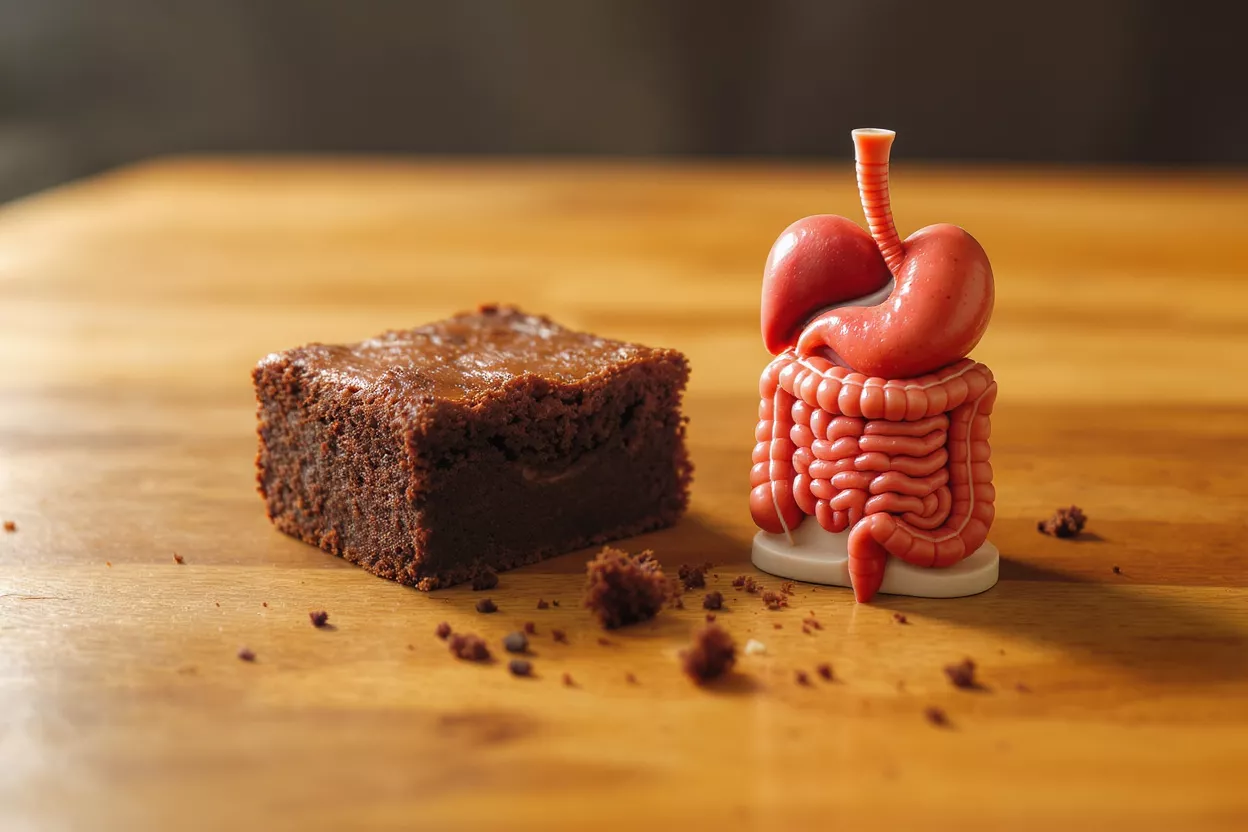
The journey of a THC edible begins the moment it enters your digestive tract. Unlike inhaled cannabis, which passes almost instantly into the bloodstream through the lungs, edibles must first be broken down in the stomach and absorbed through the intestines. From there, the cannabinoids travel to the liver before circulating throughout the body and reaching the endocannabinoid system, the network of receptors that governs mood, appetite, pain perception, and sleep.
The first-pass metabolism effect: This liver processing stage is the defining feature of edibles. The conversion of delta-9 THC into 11-hydroxy-THC produces effects that many describe as more full-bodied, often accompanied by that heavy, relaxed sensation known as couch lock. It is also why effects build gradually rather than hitting all at once, and why a dose that felt mild after thirty minutes can become overwhelming an hour later.
Individual factors heavily influence how edibles affect you. Metabolism, body weight, tolerance, and whether you have eaten recently all play a role. Some people find that supplements like cordyceps or curcumin form part of their broader wellness routine, but cannabis interacts with your body through its own dedicated receptor system rather than these pathways.
Types of THC Edibles You Can Buy
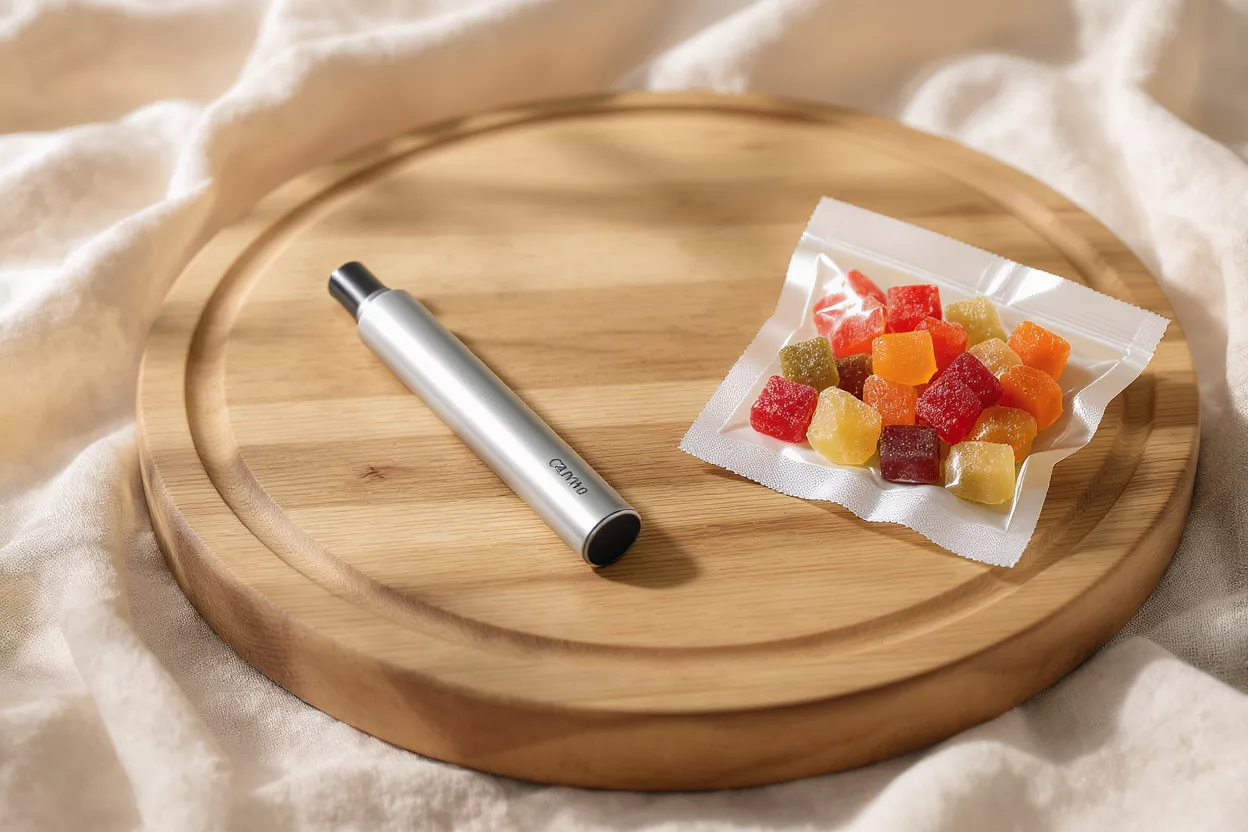
The modern edibles market is remarkably diverse, offering something for nearly every taste and preference. Gummies dominate the category thanks to their consistent dosing, portability, and familiar candy format. Chocolates come in close behind, prized for the way cannabis pairs with rich cocoa flavors. Beyond these staples, you will find infused beverages, baked goods, mints, lozenges, and even savory products.
Here is a quick overview of the most popular formats and what makes each appealing:
- 🍬 Gummies: Precise, pre-measured doses in a flavorful chewable form, ideal for beginners who want control.
- 🍫 Chocolates: Rich and indulgent, often divided into squares for easy dose splitting.
- 🥤 Beverages: Infused sodas, teas, and tonics that tend to absorb faster than solid foods.
- 🍪 Baked goods: The classic brownie or cookie, though dosing can be less consistent.
- 🌿 Mints and lozenges: Discreet, slow-dissolving options with partial sublingual absorption.
For those new to the category, a well-formulated low-dose THC gummy is often the easiest entry point because the dosing is reliable and the format is approachable. As your comfort grows, you can branch into other products and discover which formats suit your routine and desired effects.
How Long THC Edibles Take to Kick In
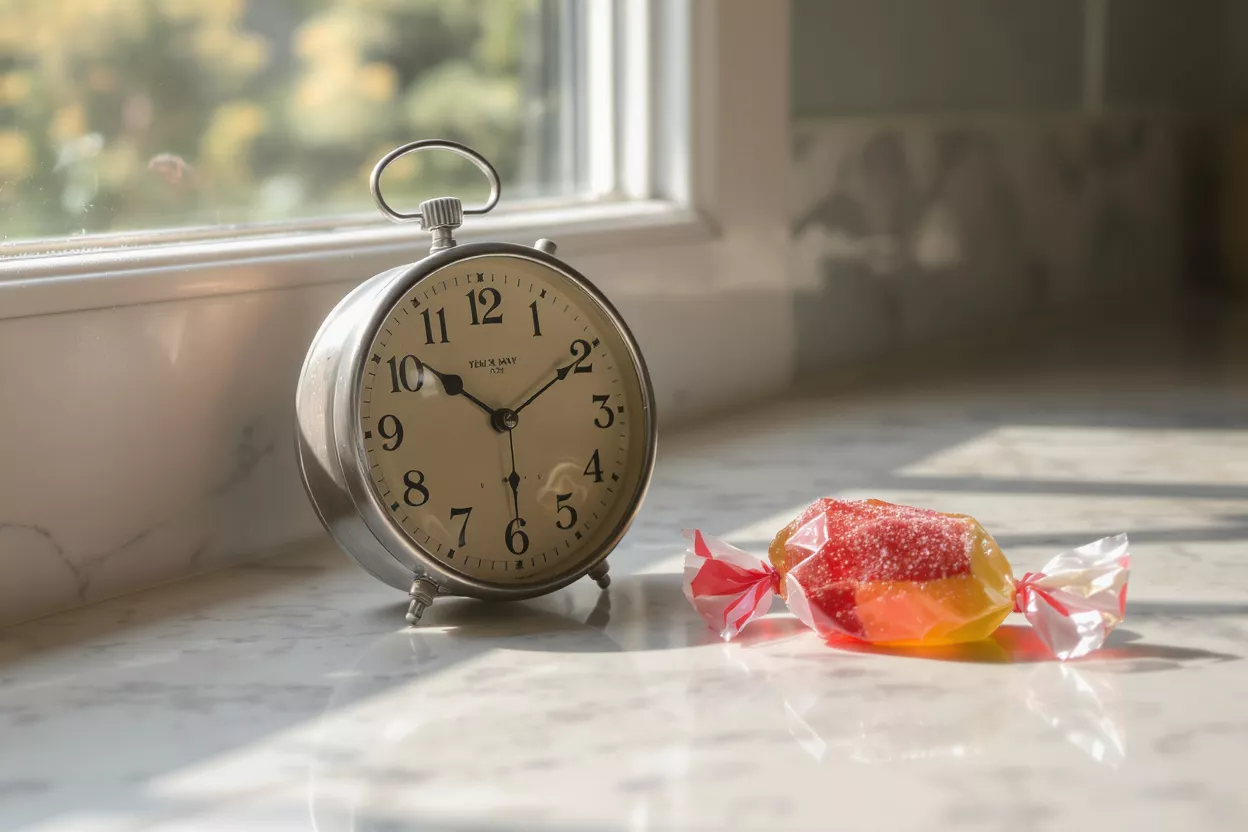
Patience is the single most important virtue when it comes to THC edibles. Because the active compounds must travel through your digestive system and liver before reaching your bloodstream, onset is much slower than smoking or vaping. Most people feel the first effects somewhere between thirty minutes and two hours after consumption, with the peak often arriving two to four hours in.
Why edibles can sneak up on you: The delayed onset is the most common reason people overconsume. Someone unfamiliar with the timeline eats a gummy, feels nothing after forty-five minutes, and takes another, only to be hit with the combined dose later. The classic mistake of stacking doses too quickly is entirely avoidable with a wait-and-see approach. WebMD notes that edible effects can last considerably longer than inhaled cannabis, sometimes stretching six to eight hours or more.
Several factors influence onset speed. An empty stomach generally produces faster but sometimes more intense effects, while a recent meal slows absorption. Beverages and products designed for sublingual absorption, where some THC enters through the tissues of the mouth, can kick in faster than a brownie that has to be fully digested.
THC Edibles Dosing Guide for Beginners
Getting the dose right is the key to a positive edibles experience. THC content is measured in milligrams, and the right amount varies enormously from person to person based on tolerance, body chemistry, and goals. The golden rule among experienced users is simple: start low and go slow. You can always take more next time, but you cannot undo a dose already swallowed.
Use this general framework as a starting reference for understanding common dosing tiers:
- 🟢 1 to 2.5 mg: Microdose territory, ideal for first-timers seeking mild relief without strong intoxication.
- 🟡 2.5 to 5 mg: A standard beginner dose, offering noticeable relaxation and mood lift.
- 🟠 5 to 15 mg: Moderate experience for regular users with established tolerance.
- 🔴 15 mg and above: Strong effects suited to experienced consumers only.
For anyone just starting out, a precise milligram-measured edible removes the guesswork that makes homemade products risky. Wait at least two full hours before considering a second dose, and never judge an edible by how you feel in the first half hour. The crossfade effect of combining edibles with alcohol can intensify everything unpredictably, so it is wise to keep your first experiences simple and substance-free.
THC Edibles Benefits and Common Uses
THC edibles appeal to a wide audience for reasons that extend well beyond recreation. The smoke-free delivery is a major draw for people who want to avoid the respiratory irritation associated with combustion. Edibles are also discreet, producing no telltale odor and looking indistinguishable from ordinary candy or snacks, which makes them convenient for consumption in a variety of settings.
Long-lasting relief is a frequent reason people choose edibles. Because the effects unfold slowly and persist for hours, many users find edibles particularly suited to evening relaxation and supporting restful sleep. The full-body relaxation that edibles produce, sometimes drifting into couch lock at higher doses, can be exactly what someone seeking deep rest is looking for at the end of a long day.
Beyond relaxation, people turn to edibles for help managing discomfort, easing tension, and lifting mood. Some users prefer pairing a balanced edible with a CBD-to-THC blend to soften the intensity and add a calming counterweight. As always, individual results vary, and edibles should complement rather than replace professional medical guidance for any serious health concern.
Are THC Edibles Safe to Use?
For most healthy adults, THC edibles are considered safe when used responsibly and in appropriate doses. The most common adverse experiences come from overconsumption rather than any inherent danger in the product itself. Taking too much can lead to uncomfortable but temporary symptoms such as anxiety, rapid heartbeat, dizziness, dry mouth often called cottonmouth, and a sense of disorientation that resolves as the effects wear off.
The biggest safety concern is accidental overdose. Because edibles look like ordinary treats and take so long to kick in, they pose a real risk to children and pets if left within reach. Always store edibles in clearly labeled, child-resistant containers and keep them well out of sight. WebMD emphasizes that edible cannabis is a leading cause of accidental pediatric exposure, making secure storage non-negotiable in any household.
Certain groups should exercise extra caution or avoid THC altogether, including people who are pregnant or breastfeeding, individuals with a history of cardiovascular issues, and anyone taking medications that may interact with cannabis. If you have underlying health conditions, consulting a healthcare provider before trying edibles is the prudent path.
THC Edibles vs Smoking and Vaping
Choosing between edibles and inhalation comes down to the experience you want and how much control you need over timing. Smoking and vaping deliver near-instant effects, letting you titrate your dose in real time and feel results within minutes. The tradeoff is a shorter duration, typically one to three hours, and the respiratory exposure that comes with inhaling combusted plant material or vapor.
Edibles flip these tradeoffs. The onset is slow and the effects are long, deep, and harder to fine-tune once you have eaten. Here is how the two approaches compare on the factors that matter most:
- ⏱️ Onset: Inhalation works in minutes, edibles take 30 minutes to 2 hours.
- 🕐 Duration: Smoking lasts 1 to 3 hours, edibles can last 6 to 8 hours.
- 💪 Intensity: Edibles often feel stronger due to 11-hydroxy-THC.
- 🫁 Lung health: Edibles involve no inhalation or combustion byproducts.
- 🎯 Dose control: Inhalation is easier to titrate moment to moment.
Neither approach is universally better. Someone seeking quick, manageable relief might lean toward inhalation, while a person wanting prolonged, smoke-free relaxation may prefer edibles. Many experienced users keep both on hand and choose based on the occasion.
How THC Edibles Are Made
Quality THC edibles begin long before the kitchen, starting with careful cultivation of cannabis plants chosen for their cannabinoid profiles. Once harvested, the flower goes through curing, a slow drying and aging process that preserves potency and refines flavor. From there, manufacturers extract the active compounds using methods such as CO2 extraction, which uses pressurized carbon dioxide to isolate cannabinoids cleanly without leaving solvent residue behind.
From raw extract to finished product: The resulting CO2 oil or concentrate slurry must be decarboxylated, a heating step that activates the THC so it produces effects when eaten. This activated extract is then blended into the edible base, whether that is a gummy mixture, melted chocolate, or a beverage formulation. Precise mixing is critical to ensure each piece contains a consistent, accurate dose rather than hot spots of concentrated THC.
Reputable producers test every batch in independent laboratories to verify potency and screen for contaminants. This testing is what separates a trustworthy commercial edible from a homemade batch where dosing is essentially guesswork. The flavor chemistry can be sophisticated too, with terpenes like citronellol and cymene contributing aroma and subtle taste notes that round out the final product.
Tips for Using THC Edibles Responsibly
Responsible use transforms THC edibles from an unpredictable gamble into a reliable, enjoyable experience. The foundation is always dosing discipline. Begin with a low dose, give it ample time to take effect, and resist the urge to redose prematurely. Keeping a simple log of what you took and how it felt helps you dial in your ideal amount over time.
These practical habits make every edibles session safer and more enjoyable:
- 📋 Read the label: Confirm the total THC and per-serving milligrams before eating.
- 🕒 Wait two hours: Never redose until you know how the first dose lands.
- 🍽️ Mind your stomach: Food slows onset, an empty stomach speeds and intensifies it.
- 🚫 Skip the crossfade: Avoid mixing edibles with alcohol, especially early on.
- 🔒 Store securely: Keep edibles locked away from children and pets.
If you do take too much, remember that the experience, however unpleasant, is temporary and not life-threatening. Find a calm space, stay hydrated, and let it pass. Staying relaxed and breathing steadily helps tremendously.
THC edibles offer a discreet, long-lasting, and smoke-free way to enjoy cannabis, but their delayed onset and amplified potency demand respect. By understanding how they work, starting with a sensible dose, waiting patiently for effects, and storing them safely, you set yourself up for a positive experience every time. Whether you reach for a gummy, a chocolate, or an infused drink, knowledge is the ingredient that makes all the difference, turning THC edibles into a rewarding part of a thoughtful wellness routine.