Anxiety THC: How THC Affects Stress and Anxiety
Discover how anxiety THC works in the brain, find the right dose, and manage stress effectively.
What Is Anxiety THC and Why It Matters
The relationship between anxiety THC and the human body is one of the most debated topics in modern cannabis science, and for good reason. THC, the primary psychoactive compound in cannabis, can either calm a racing mind or send it spiraling, sometimes within the same person on different days. Understanding why this happens is the difference between using cannabis as a helpful tool and stumbling into an uncomfortable experience that reinforces the very stress you were trying to escape.
Anxiety is the body's natural alarm system, a cascade of stress hormones and heightened alertness designed to protect us from threats. The problem arises when that alarm fires too often or too loudly with no real danger present. People increasingly turn to cannabis hoping to quiet that alarm, but THC is a paradoxical molecule. At the right dose it can ease tension and promote a sense of ease, while at higher doses it frequently does the opposite, amplifying worry and triggering a pounding heart.
The biphasic nature of THC is the single most important concept to grasp. Biphasic simply means a substance produces opposite effects at low versus high doses. A small amount of THC tends to be relaxing and mood-lifting, but cross your personal threshold and the same compound becomes anxiogenic, meaning anxiety-provoking. This is why two people can have completely different reactions to identical products, and why your own experience can shift from session to session depending on dose, setting, and tolerance.
How THC Affects Anxiety in the Brain
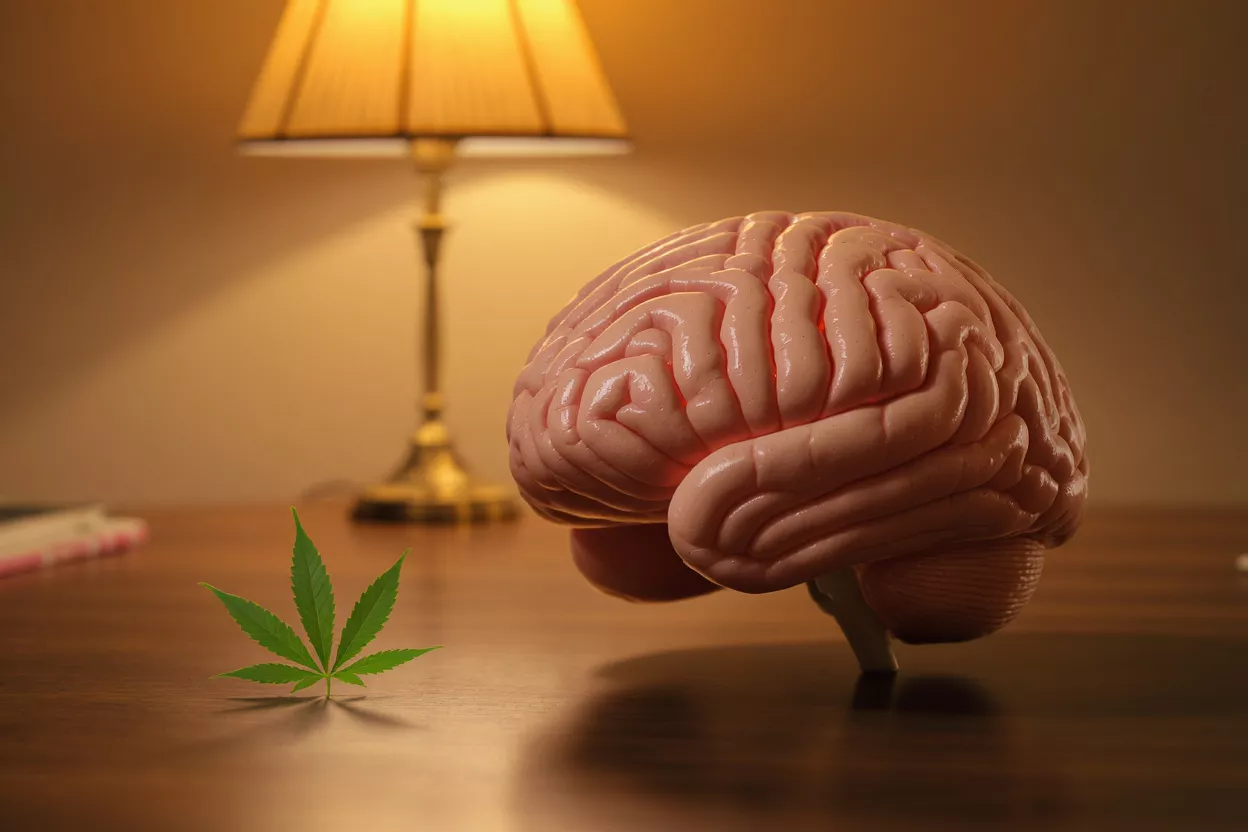
THC exerts its effects by binding to cannabinoid receptors that are part of the endocannabinoid system, the vast signaling network that helps regulate mood, sleep, appetite, and stress response. When THC docks onto CB1 receptors concentrated in the amygdala and prefrontal cortex, it directly influences the brain regions responsible for fear processing and emotional regulation.
At modest concentrations, THC appears to dampen activity in the amygdala, the almond-shaped structure that acts as the brain's fear center. This dampening is why a low dose can feel like the volume on your worries has been turned down a few notches. According to reporting compiled by Forbes, consumer interest in cannabis for stress relief has grown dramatically as more people seek alternatives to traditional pharmaceuticals, even as the research continues to mature.
The dopamine and cortisol connection adds another layer. THC can transiently boost dopamine, contributing to that pleasant, mellow feeling, but it also influences cortisol, the primary stress hormone. At higher doses THC may actually raise cortisol levels, which helps explain the jittery, paranoid edge that can creep in when you overshoot. The endocannabinoid system was not designed to be flooded, and overwhelming it tends to backfire.
Why THC Causes Anxiety for Some People
If THC can be calming, why does it leave so many people feeling anxious or even panicked? The answer lies in a combination of dose, individual brain chemistry, genetics, and the environment in which you consume. Some people carry genetic variations that affect how their endocannabinoid system processes THC, making them far more sensitive to its anxiogenic effects.
Set and setting matter enormously. The same dose that feels blissful on a relaxed evening at home can feel threatening in a crowded, unfamiliar, or stressful environment. Your mindset going in shapes the experience, and anyone already in a state of worry is more likely to have that worry magnified rather than soothed. This is why beginners are encouraged to consume in calm, familiar surroundings with trusted company.
Overconsumption is the most common culprit behind a bad experience, and edibles deserve special mention here. Because a cannabis baked good or a cannabis jelly must be digested before the THC reaches your bloodstream, the onset is delayed by an hour or more. Impatient users often eat a second dose before the first has kicked in, leading to a much stronger high than intended. In rare cases, chronic heavy use can contribute to Cannabis Hyperemesis Syndrome, a condition marked by cyclic nausea that itself fuels anxiety.
THC Dose and Anxiety: Finding the Sweet Spot
Because THC is biphasic, dose is the most powerful lever you control. The guiding principle that experienced users repeat like a mantra is start low and go slow. Finding your personal sweet spot, that window where THC relieves anxiety without crossing into the anxiogenic zone, takes patience and a willingness to experiment carefully.
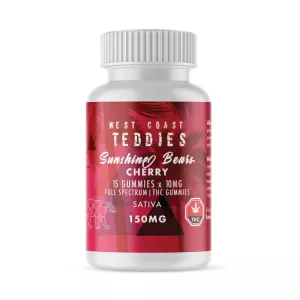
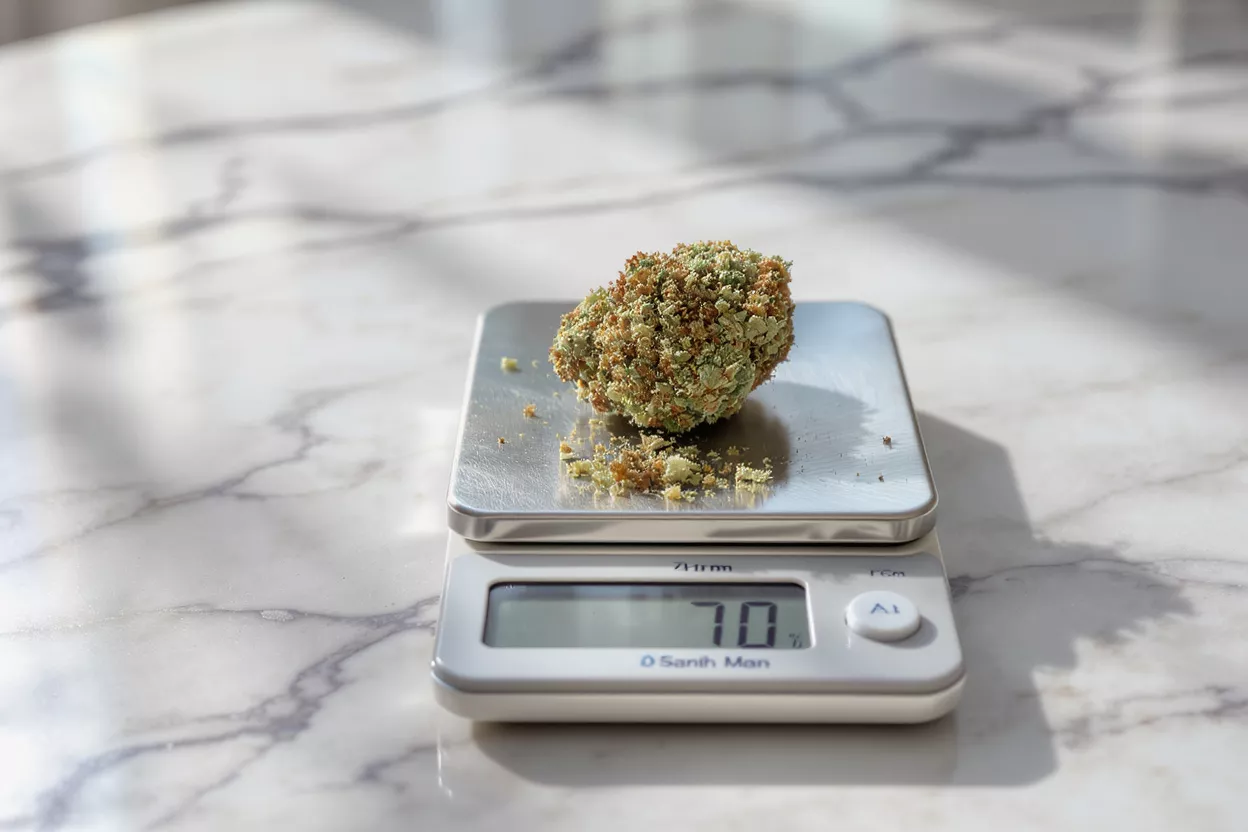
For most people new to cannabis or returning after a break, a starting dose in the low single digits of milligrams is wise. A well-formulated low-dose THC gummy makes this kind of careful titration far easier than trying to estimate the dose from a joint or a homemade edible. Precise, consistent dosing removes much of the guesswork that leads to anxious overconsumption.
- 🌱 Microdose (1-2.5 mg): Subtle relief with minimal impairment, ideal for daytime anxiety management and beginners testing their sensitivity.
- 🍃 Low dose (2.5-5 mg): Noticeable relaxation and mood lift for most people without significant intoxication.
- ⚖️ Moderate dose (5-15 mg): Stronger effects that suit experienced users but increase the risk of anxiety if your tolerance is low.
- ⚠️ High dose (15 mg+): Reserved for high-tolerance consumers; for anxiety-prone people this range often backfires.
Keep a simple log of what you take and how you feel. Tracking the product, dose, time, and your emotional state turns vague impressions into useful data, helping you zero in on the amount that consistently works for your body.
Best THC CBD Ratio for Anxiety Relief
One of the most effective strategies for keeping THC anxiety in check is pairing it with CBD. CBD is non-intoxicating and appears to buffer some of THC's anxiogenic and psychoactive intensity, smoothing out the experience and widening the comfortable dose window. Many anxiety-focused consumers find that a balanced or CBD-dominant ratio gives them the relief they want without the edge.
How CBD tempers THC comes down to several mechanisms. CBD may slow the breakdown of your natural endocannabinoids and influence serotonin signaling, both of which contribute to a calmer baseline. It also appears to counteract some of THC's effect on the receptors that drive paranoia, which is why products combining the two often feel more balanced than THC alone.
- 🧘 1:1 THC to CBD: A balanced ratio that delivers gentle relaxation with reduced anxiety risk, popular for everyday stress.
- 🛡️ 1:2 or higher CBD: CBD-dominant blends emphasize calm and clarity, ideal for anxiety-prone or sensitive users.
- 🌙 2:1 THC to CBD: More pronounced THC effects while CBD still softens the edges, suited to experienced consumers.
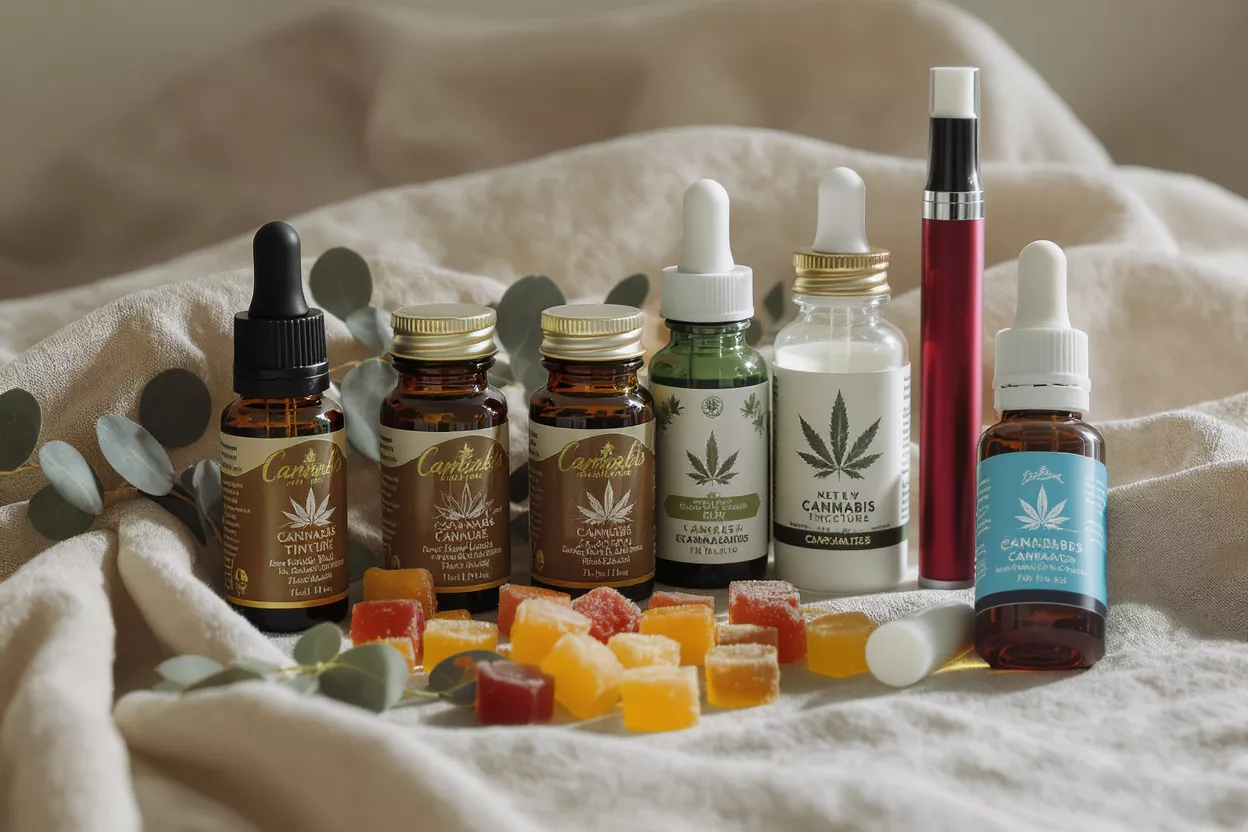
If anxiety is your primary concern, a high-quality balanced THC and CBD tincture offers flexible, fast-acting dosing that lets you fine-tune the ratio drop by drop. Sublingual products take effect faster than a cannabis baked good while still being discreet and easy to control.
Which THC Strains Are Best for Anxiety
Strain selection plays a meaningful role, though the old indica-versus-sativa framework is more marketing than science. What actually shapes the experience is the full chemical profile, especially the terpenes that accompany the cannabinoids. These aromatic compounds interact with THC in what is often called the entourage effect.
Terpenes that promote calm are worth seeking out on a product label. Myrcene tends to be relaxing and sedating, while linalool, the same compound found in lavender, has well-documented calming properties. Borneol and carene are lesser-known terpenes that some users associate with grounding, soothing effects. Limonene, by contrast, is uplifting and can be too stimulating for some anxious users in large amounts.
Generally, strains marketed as relaxing indicas with higher myrcene content and modest THC levels are gentler on anxiety than potent, high-THC sativas. That said, individual response varies so much that the terpene and cannabinoid profile is a better guide than the strain name. When browsing, a high-myrcene relaxation strain is often a safer bet for someone prone to cannabis-induced worry.
THC Product Types for Managing Anxiety
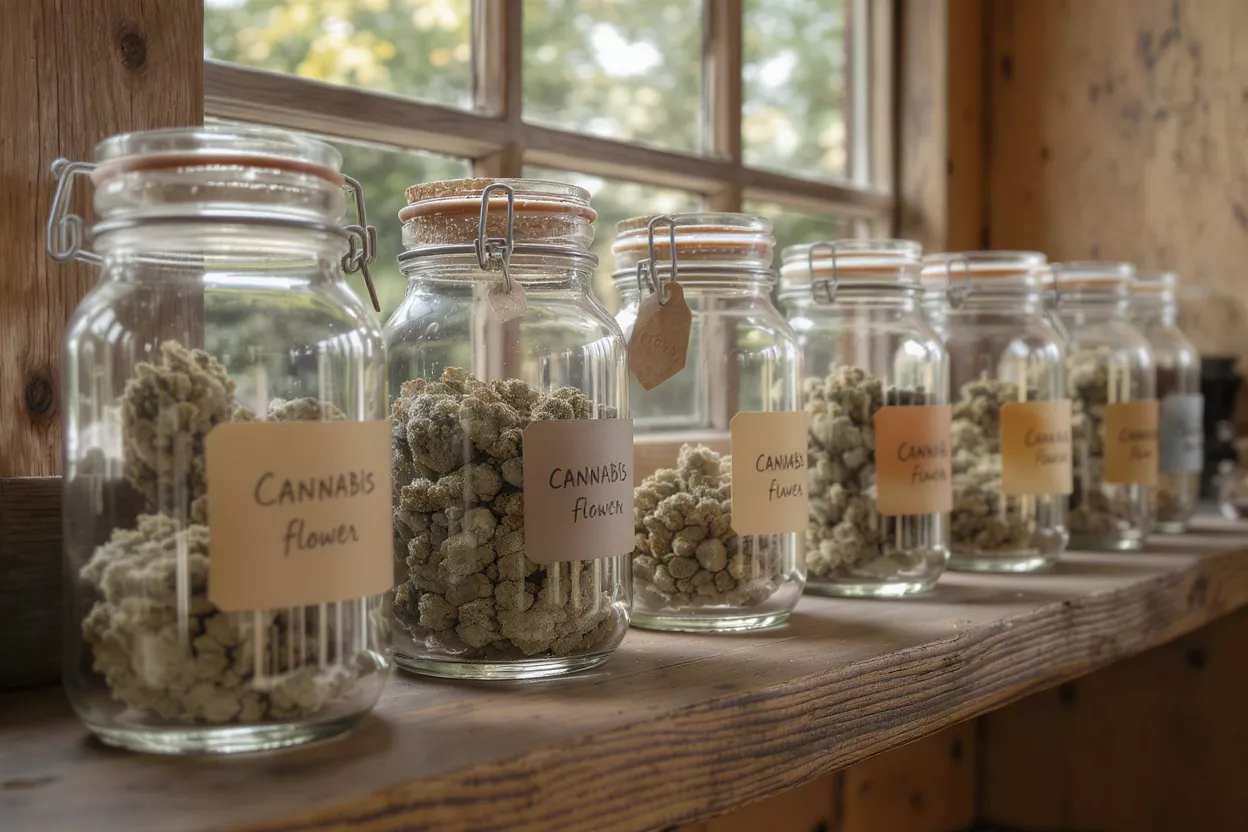
The format you choose affects onset speed, duration, and how easily you can control your dose, all of which influence anxiety outcomes. Inhaled products act within minutes, making them easy to titrate but short-lived, while edibles are slow to start and long-lasting, which is a double-edged sword for anxiety-prone users.
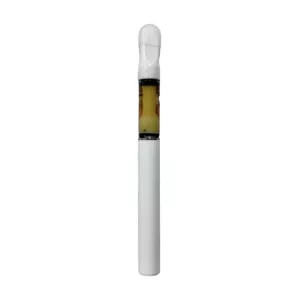
Vaporizers and a cannabis disposable vape offer rapid onset and precise control, letting you take a single small puff and wait to gauge the effect before continuing. This immediate feedback loop makes inhalation one of the more forgiving methods for people learning their limits, since you are far less likely to accidentally overshoot than with a delayed edible.
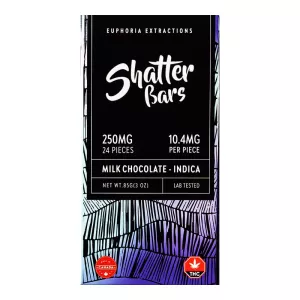
Edibles span a huge range, from a cannabis lollipop and cannabis cough drops to a cannabis bath bomb infused for topical relaxation. Cannabis-infused oil forms the base of countless products, including capsules and a cannabis jelly. The key with any edible is patience, because the delayed onset is the single biggest trap for anxious overconsumption.
- 💨 Inhalation: Fast onset and easy titration, but shorter duration and respiratory considerations.
- 🍬 Edibles: Long-lasting and discreet, but delayed onset demands patience to avoid overdoing it.
- 💧 Tinctures: Sublingual absorption offers a middle ground of moderate onset and good dose control.
- 🛁 Topicals: Localized relaxation with little to no intoxication, gentle on anxiety.
THC Anxiety Side Effects to Watch For
Even when used thoughtfully, THC can produce side effects that overlap with or feed into anxiety. Recognizing these signs early helps you respond calmly rather than spiraling. The most common acute effects include a racing heartbeat, dry mouth, dizziness, and a heightened sense of self-consciousness or paranoia.
The pounding-heart effect deserves attention because it so easily becomes a feedback loop. THC can temporarily increase heart rate, and an anxious person who notices their heart racing may interpret it as a sign something is wrong, which spikes anxiety further, which raises the heart rate even more. Knowing in advance that mild tachycardia is a normal, temporary THC effect can stop that spiral before it starts.
Other effects worth noting include temporary impairment of short-term memory and coordination, which is why you should never drive while impaired. Being aware that a session leaves you feeling drained or anxious afterward, sometimes called being cashed, is a signal to lower your dose next time. Persistent anxiety after use often simply means the dose was too high for your sensitivity.
How to Reduce THC Anxiety in the Moment
If you do find yourself feeling anxious after consuming too much THC, the most important thing to remember is that the feeling is temporary and not dangerous. No one has died from a THC overdose. The discomfort will pass, usually within an hour or two for inhaled products and longer for edibles, and there are practical steps that genuinely help.
Black pepper and calming terpenes are a surprisingly effective folk remedy with a plausible mechanism. Chewing or smelling black peppercorns delivers beta-caryophyllene and other terpenes that may counteract THC-induced anxiety. Some people keep peppercorns on hand specifically for this purpose, and the simple act of focusing on the task can itself be grounding.
- 🫁 Slow breathing: Deliberate, deep breaths activate the parasympathetic nervous system and lower a racing heart.
- 💧 Hydrate: Sip water or juice; a little sugar can help with lightheadedness.
- 🌶️ Smell black pepper: The terpenes may blunt anxiety and paranoia within minutes.
- 🧴 CBD on hand: A dose of CBD can counteract some of THC's intensity.
- 🛋️ Change your environment: Move somewhere calm, dim, and comfortable and distract yourself.
Reminding yourself that you simply took too much, that it is wearing off, and that you are safe is often the single most powerful intervention. Anxiety thrives on catastrophic thinking, so countering it with calm reassurance breaks the cycle.

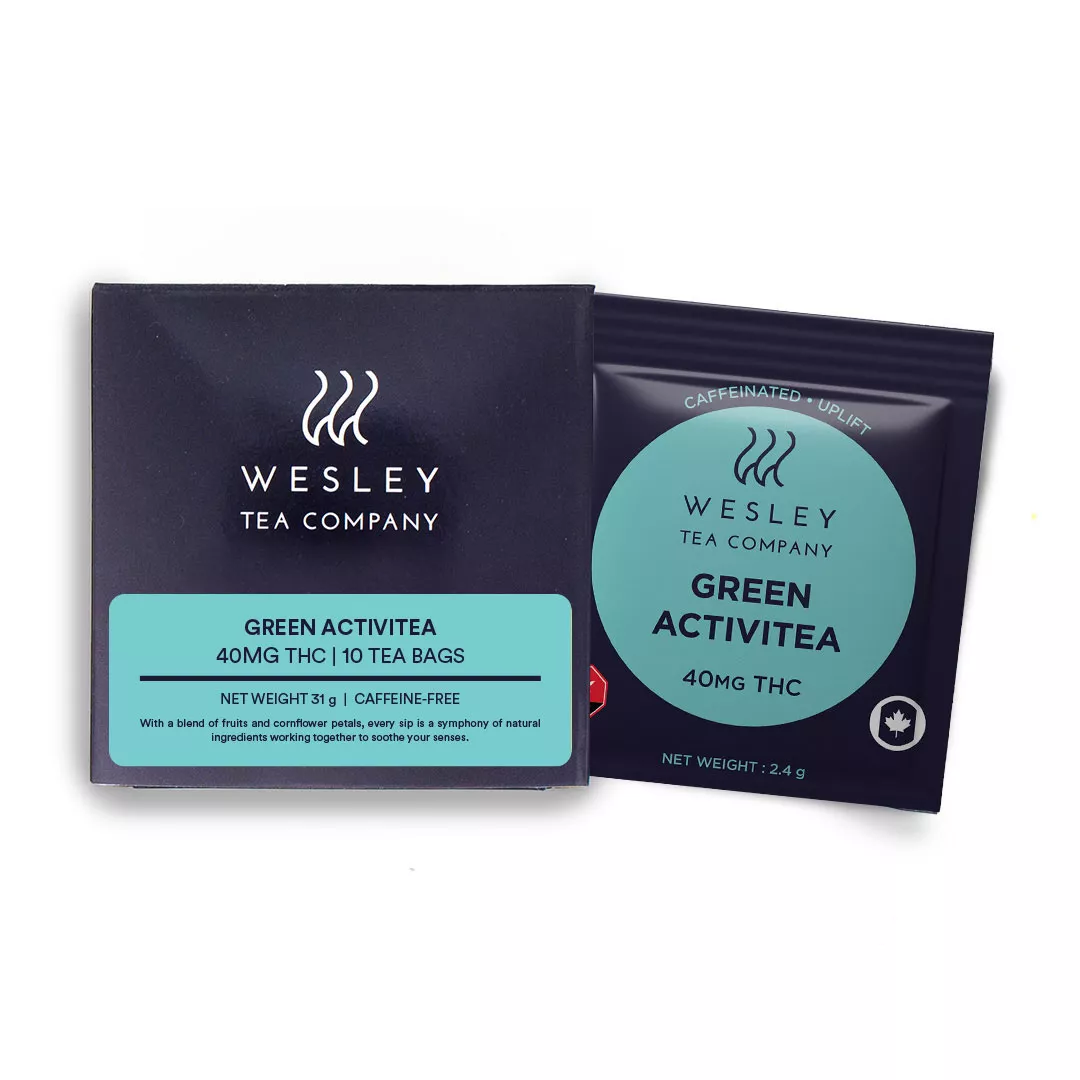

ACTIVITEA THC Green Tea 40mg / 1 Tea Bag – Wesley
Tea time, elevated. Wesley's ACTIVITEA pairs antioxidant-rich green tea with a precise 40mg of THC and a touch of MCT, for a smooth, sophisticated lift that arrives the civilized way — by the cupful. Toasted, mellow, and easy to dose, it's a refined alternative to the usual edible: brew, sip, and let a measured glow unfold over a slow afternoon.
- Metabolic Enhancement : Green tea catechins boost fat oxidation while providing sustained energy without jitters or crashes
- Digestive Optimization : Brown rice fiber promotes healthy gut bacteria while delivering slow-release carbohydrates for stable blood sugar
- Therapeutic Synergy : Cannabis leaf terpenes enhance THC effects through entourage interactions that amplify mood stabilization
- Cognitive Fuel : MCT oil crosses blood-brain barrier rapidly, providing immediate mental clarity alongside improved cannabinoid uptake
- Consistent Potency : THC distillate purification removes plant matter variability, ensuring predictable psychoactive responses across batches
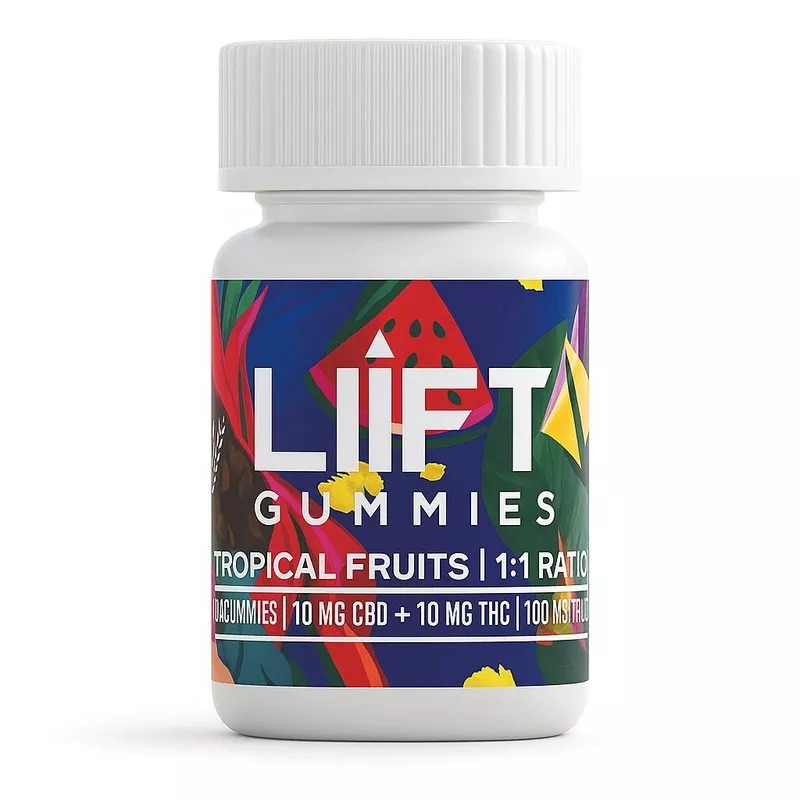
Tropical 1:1 Ratio Fruit Gummies 10mg CBD : THC x 10pcs (100mg) – LIIFT
Balance you can taste. LIIFT's Tropical 1:1 gummies pair 10mg of CBD with 10mg of THC in each tropical bite — a gentle, even-keeled lift where the CBD keeps the edges soft. Made for sensitive users and easy afternoons, they let you stay present and relaxed without the intensity. Ten bites of effortless, fruit-forward calm.
- Balanced High : CBD and THC work together
- Calming Support : Built-in calm from CBD
- Gentle Effects : Perfect for sensitive users
- Mood Enhancement : Uplifting without intensity
- Functional Relief : Stay present while relaxed

Mango Vegan Indica THC Gummies 30mg x 5pcs (150mg) – KANDY KANDY
Potency meets paradise. KANDY KANDY's Mango Indica gummies offer a manageable 30mg of THC per piece across five vegan candies — tropical mango flavour with relaxed, easy-going effects. Enough to settle in without overdoing it, easy to adjust up or down. The balanced indica gummy for a mellow evening.
- Reliable Sleep Support : 30mg provides rest without morning fog
- Manageable Pain Relief : Perfect for moderate discomfort
- Anxiety Balance : Calms without causing couch-lock
- Mood Enhancement : Tropical flavors boost positive feelings
- Flexible Dosing : Easy to adjust up or down
Is THC Safe for People With Anxiety
For most adults, THC is reasonably safe when used responsibly, but safety depends heavily on the individual and how it is used. People with a personal or family history of psychotic disorders, certain heart conditions, or those who are pregnant should approach THC with particular caution or avoid it entirely. Anyone managing an anxiety disorder should ideally discuss cannabis with a knowledgeable healthcare provider.
The honest truth is that THC is a tool that works beautifully for some anxious people and poorly for others. The key variables are well within your control: dose, ratio with CBD, product format, terpene profile, and the setting in which you use it. Approaching cannabis with respect, patience, and self-awareness dramatically improves the odds that it helps rather than harms.
To sum up, anxiety THC is not a simple yes-or-no proposition but a nuanced relationship governed by THC's biphasic nature. Low doses tend to calm, high doses tend to provoke, and CBD, terpenes, set, and setting all shape where you land. Start low, go slow, favor balanced ratios if you are prone to worry, and remember that any uncomfortable experience is temporary. With that knowledge, you can make informed choices that put you in control of your own experience rather than leaving it to chance.