


Cannabis Tolerance Breaks: A Practical Guide
Take a tolerance break and feel more from less.
What Is a Tolerance Break and Why It Matters
If your once-modest evening ritual has crept into a multi-gram habit that barely lifts you off the couch, a tolerance break is the reset your body is quietly asking for. A tolerance break — often shortened to "t-break" — is a deliberate pause from cannabis that lets your endocannabinoid system recalibrate. Over time, regular THC exposure blunts the receptors that produce that familiar lift, and no amount of extra flower, PHO, or HTFSE fully restores the sensation. Stepping away, even briefly, is the most reliable way to feel more from less.
Why tolerance builds in the first place: THC works by binding to CB1 receptors in the brain and nervous system. When those receptors are stimulated day after day, the body responds by pulling some of them off the cell surface — a process called downregulation. The result is that the same dose of a phytocannabinoid produces a weaker effect. This is not a character flaw or a sign of dependence in the clinical sense; it is ordinary neurobiology, and it reverses when you give the system room to breathe.
The stakes are practical as well as physiological. Heavier consumption to chase a fading high means more money spent, more product burned through nug run after nug run, and often more grogginess. A t-break interrupts that spiral. Many people who reset find that a single, well-grown flower delivers the effect they used to need double the amount to achieve — a meaningful shift for anyone comparing quality low-dose THC flower against a habit that quietly doubled over the past year.
Signs You Need a Tolerance Break
Recognizing when to take a tolerance break is easier once you know the tells. The clearest signal is diminishing returns: you consume more, more often, and feel less each time. When the ceiling on your high keeps dropping while your intake climbs, your receptors are waving a flag.
Physical and mental cues worth noticing: beyond the fading high, watch for morning fog that lingers, disrupted sleep once the sedation wears off, and a creeping sense that cannabis has shifted from enhancement to maintenance. According to Consumer Reports, consumers frequently underestimate how quickly daily use reshapes their baseline, which is exactly why an honest self-audit matters before you decide anything.
Here are the most common signs you need a tolerance break, distilled into a quick scan:
- 📉 Diminishing high: the same dose barely registers, and you keep nudging the amount upward.
- 💸 Rising cost: your monthly spend has climbed noticeably with no extra enjoyment to show for it.
- 🌫️ Morning grogginess: you wake foggy and lean on cannabis to feel "normal" rather than elevated.
- 😴 Sleep dependence: you can no longer fall asleep without it, even when tired.
- 🔁 Autopilot use: you consume out of habit or boredom rather than intention.
How Tolerance Break Benefits Work in the Body
The core tolerance break benefit is receptor recovery. When you stop feeding CB1 receptors a constant stream of THC, the body begins returning them to the cell surface. This upregulation is what restores sensitivity, and it is why the first session after a genuine break can feel startlingly strong.
Beyond the receptors: a reset does more than sharpen the high. Sleep architecture often normalizes, dreams return vividly during the first nights, and mental clarity improves for many people. Appetite and mood settle into their natural rhythm rather than orbiting your consumption schedule. Some users also report that terpene-driven effects — the subtle differences a phellandrene- or phytol-rich cultivar contributes — become noticeable again once the THC noise quiets down.
There is a financial and appreciation angle too. Coming back with fresh receptors turns modest products into satisfying experiences. A well-crafted vape cartridge or a single moon rocks nugget suddenly does the job that used to require a full session. For people exploring terpene-rich vape cartridges, a reset is the difference between tasting the nuance and drowning it out.

How Long for a Tolerance Break to Reset THC Tolerance
The most common question is simply how long for a tolerance break to work. The honest answer is that it depends on how heavily and how long you have been consuming, but the research points to a useful window. Meaningful receptor recovery begins within the first 48 hours and continues over the following weeks.
A realistic timeline: studies on chronic users show that CB1 receptor density starts rebounding after roughly two days of abstinence and returns close to baseline within about four weeks. Lighter users often feel substantially reset in as little as a week, while daily long-term consumers benefit from the full three-to-four-week window. There is no magic number, but the trend is consistent — the longer the pause, the more complete the reset.
Use this rough guide to match break length to your habits:
- 🌤️ 48 hours: the bare minimum; receptors begin recovering but the reset is partial.
- 📆 1 week: noticeable sensitivity returns for light or occasional users.
- 🗓️ 2 weeks: a strong middle-ground reset for moderate daily users.
- ✅ 3–4 weeks: near-complete receptor recovery, ideal for heavy long-term consumers.
Tolerance Break Symptoms and Withdrawal
For heavier consumers, the first days of a break can bring mild tolerance break withdrawal. These symptoms are real but almost always temporary, peaking within the first week and fading soon after. Knowing what to expect removes most of the anxiety.
Common tolerance break symptoms: irritability, vivid or unsettling dreams as REM sleep rebounds, reduced appetite, restlessness, and mild sleep disruption are the usual suspects. These stem from the body readjusting to life without a steady phytocannabinoid supply, not from any lasting harm. The intensity tracks closely with how much you were consuming — a light user may notice almost nothing, while a heavy daily user feels the shift more clearly.
The discomfort is manageable and short-lived. Hydration, exercise, and a consistent sleep routine blunt the edges considerably. If sleep is your biggest hurdle, calming rituals matter more than any substitute — a warm shower, screens off early, and a wind-down routine do more than most people expect. For those who want gentle non-intoxicating support, some reach for a CBD sleep tincture to ease the transition without touching THC and undoing the reset.

How to Survive a Tolerance Break: Practical Tips
Knowing how to survive a tolerance break is mostly about redirecting habit and momentum. The physical side is minor for most people; the psychological pull of a familiar ritual is the real challenge. Replace the ritual rather than white-knuckling through it.
Fill the space intentionally: the moments you would normally reach for cannabis are the moments to schedule something else. Exercise is the single most effective tool — it stimulates natural endocannabinoids and delivers a genuine mood lift. A brisk walk, a workout, or even a hotbox-free evening of a hobby you enjoy fills the void that habit leaves behind. Permaculture gardening, cooking, and long-form reading are all popular because they occupy the hands and mind together.
Tools that make it easier: a little structure goes a long way. Consider the tactics below, which experienced consumers lean on to get through the first tough days:
- 🏃 Move daily: exercise boosts natural endocannabinoids and speeds the reset.
- 💧 Stay hydrated: water supports sleep, mood, and general recovery.
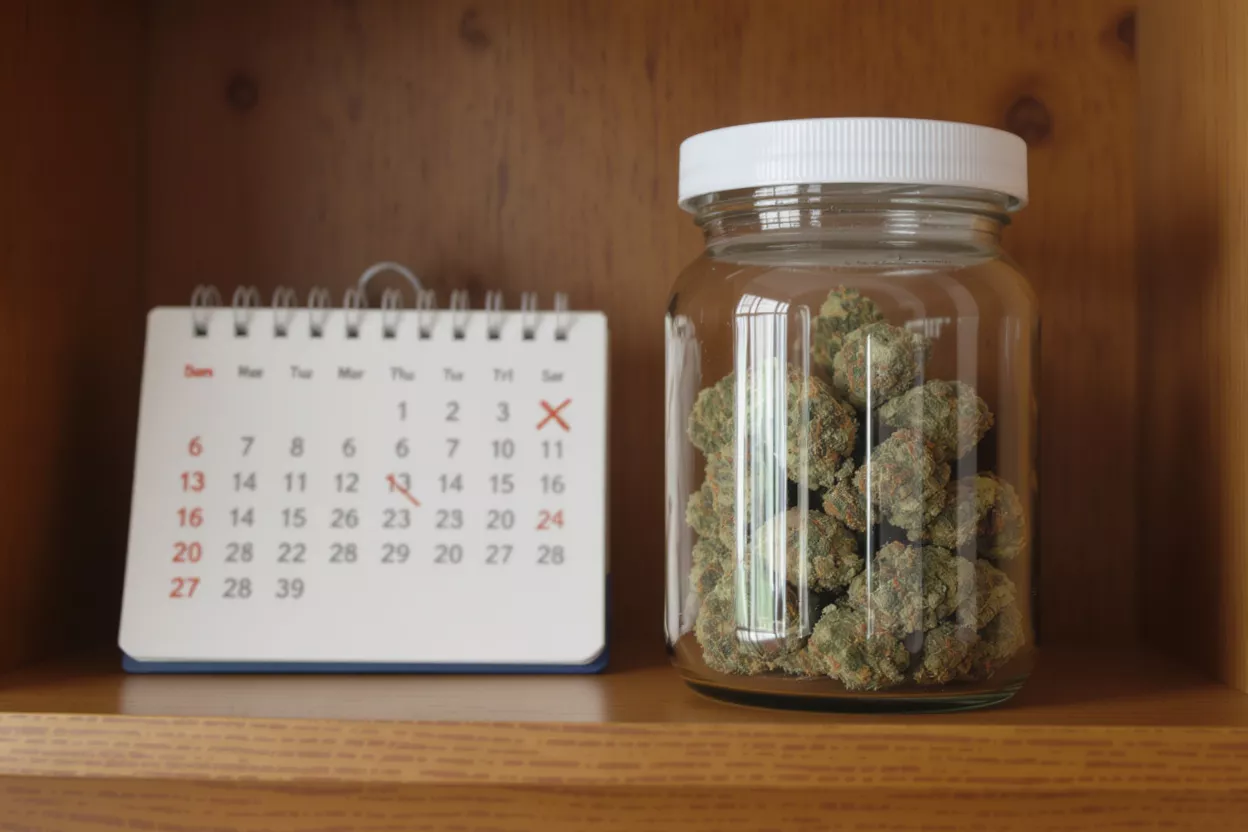
- 📝 Track the days: a simple calendar or app turns abstract willpower into visible progress.
- 🤝 Tell a friend: a break buddy or accountability partner dramatically improves follow-through.
- 🧹 Stash out of sight: put your gear, from your percolator rig to your octobowl, somewhere inconvenient.
Building a Cannabis Break Schedule
A cannabis break schedule turns good intentions into a plan you can actually follow. Some people prefer a single extended reset; others build recurring micro-breaks into their routine to keep tolerance from ever climbing too high in the first place.
The scheduled-break approach: instead of one grueling month, some consumers take two or three days off every week or a full week off each month. This keeps CB1 receptors from fully downregulating, so the effect of each session stays strong year-round. It is a preventive strategy — you never let tolerance run away, which means you rarely need a dramatic reset. Think of it as maintenance rather than repair.
Whichever route you choose, anchor the break to your calendar rather than your willpower. Picking clear start and end dates, ideally around a naturally quieter stretch of your life, removes the daily negotiation. Many find that pairing the schedule with pheno-hunting research or planning their next purchase keeps them engaged with the hobby while abstaining — the anticipation itself becomes part of the reward.

When to Take a Tolerance Break Around Life
Timing shapes how easy a break feels. The best moment to reset is a stretch with lower stress and fewer triggers — not the week of a major deadline or a stressful family event when your usual coping tool is off the table.
Work with your calendar, not against it: a slow week at work, a vacation where your routine is already disrupted, or the quiet start of a new month all make natural launch points. Travel is a surprisingly effective backdrop because your environment and habits are shaken up anyway, which weakens the automatic cues that normally trigger consumption. The less your ordinary routine reminds you of cannabis, the smoother the first few days go.
It is also worth timing a break before an occasion where you actually want cannabis to hit hard. A reset in the weeks leading up to a festival, a vacation, or the release of a cultivar you have been anticipating means that first post-break session lands with full force. You are not just enduring the break — you are banking a better experience on the other side. 🎯
Returning to Cannabis After a Break Safely
Returning to cannabis after a break is the payoff, but it comes with one important caveat: your tolerance is now genuinely low. The dose that felt mild a month ago can hit far harder than expected, and overshooting on the first session is the most common post-break mistake.
Start low and go slow: treat your first session like a beginner would. Take a fraction of your old dose — a single small hit, half a gummy, or one modest draw — and wait a full fifteen minutes for edibles-adjacent products or a few minutes for inhalation before deciding whether to continue. Your fresh receptors will do far more with far less, which is precisely the outcome you worked for.
This is also the ideal moment to appreciate quality over quantity. With a clean slate, subtle products shine: the entourage of a full-spectrum extract, the terpene profile of a well-cured flower, the layered effect of a nug run concentrate. Take notes on what genuinely satisfies at low doses so you can rebuild your habit intentionally rather than drifting back to the volume that prompted the break in the first place.
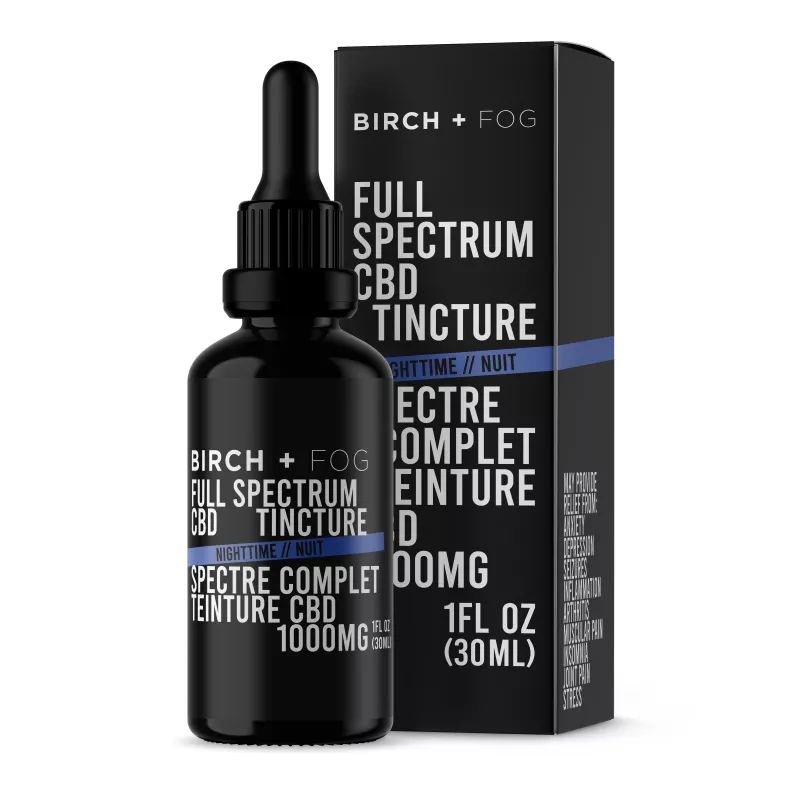

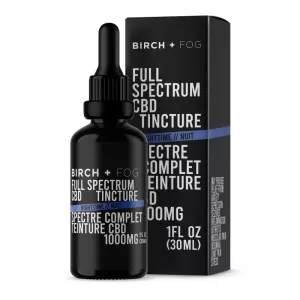
Full Spectrum CBD Tincture Nighttime 1000mg – BIRCH+FOG
For nights when your thoughts won't clock out. Birch+Fog's 1000mg full-spectrum nighttime tincture blends potent cannabinoids with sleep-friendly compounds to loosen physical tension and hush the mental chatter that keeps you staring at the ceiling. A dropper before bed helps you drift down into deeper, steadier sleep — and wake clear rather than groggy.
- Deep Sleep : Achieve restorative REM and deep sleep cycles
- Anxiety Relief : Quiet racing thoughts that prevent rest
- Physical Relaxation : Release muscle tension and restlessness
- Natural Rhythm : Support healthy circadian patterns
- Morning Clarity : Wake refreshed without grogginess
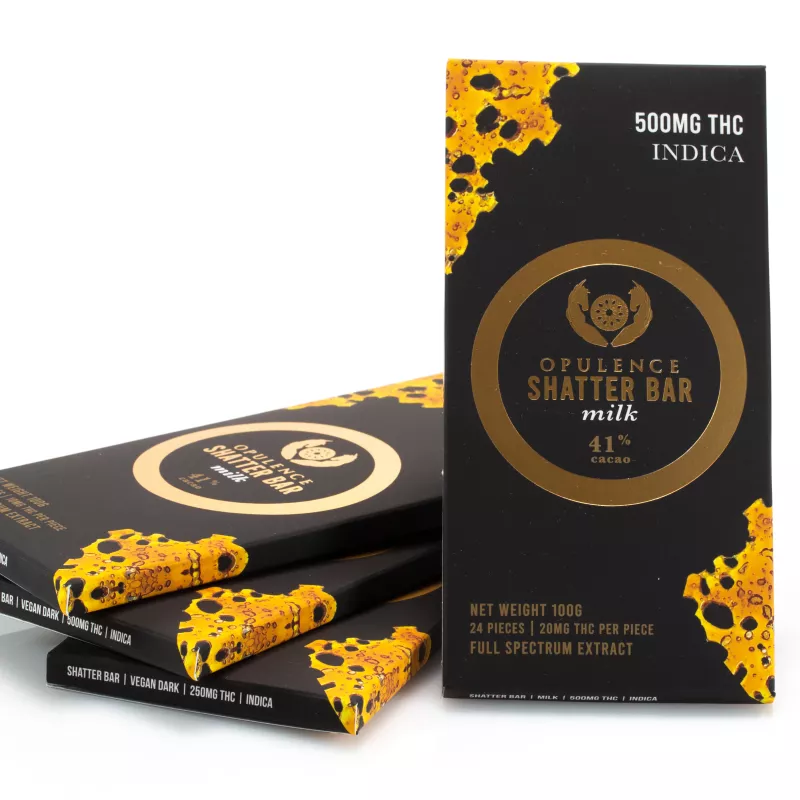
Milk Chocolate Indica Shatter Bar 500mg / 24pcs – Opulence
Heavyweight indica in a comforting form. Opulence's 500mg Indica Shatter bar delivers about 21mg of pure indica concentrate per square across 24 pieces of creamy milk chocolate — strong enough for stubborn nights and real aches. Familiar flavour, serious sedation, easy portioning. The bar for regular users who want deep, full-body calm.
- Powerful Sedation : 21mg indica per piece
- Deep Sleep Support : Strong enough for insomnia
- Pain Relief : Higher dose for real symptoms
- Comfort Factor : Familiar flavor eases consumption
- Tolerance Friendly : For regular users
Are Tolerance Breaks Worth It Long Term
After weighing the effort against the reward, the verdict for most consumers is a clear yes — tolerance breaks are worth it. The combination of restored potency, lower spending, better sleep, and a renewed appreciation for the plant makes the temporary discomfort a genuine bargain.
The long-term picture: people who build occasional resets into their relationship with cannabis tend to consume less overall, spend less, and enjoy each session more than those who let tolerance climb unchecked. A reset is not a punishment or a sign that something went wrong; it is routine maintenance, the same way you would rest a muscle to let it grow stronger. Approached that way, a t-break becomes a normal, even welcome, part of the cycle.
The takeaway is simple: tolerance is a natural response to steady use, and it reverses just as naturally when you step away. Whether you choose a single month-long reset or a rhythm of smaller scheduled breaks, the endocannabinoid system recovers, sensitivity returns, and modest products regain their impact. Reset thoughtfully, return gently, and you will get far more from far less — which is exactly what every thoughtful consumer is after.




Comments
The diminishing high thing hit home. I was going through way more flower than I used to and getting way less out of it. Two weeks off and honestly one bowl does the job now.
Nobody warned me about the vivid dreams! Glad the article mentioned it because I thought something was wrong with me the first few nights.
I like the scheduled break idea a lot better than one big month off. Doing two days a week now and it’s way more sustainable for me.
Started low when I came back like you said and still got wrecked off half a gummy lol. Fresh receptors are no joke.
The exercise tip is real. Going for a run whenever I’d normally light up made the first week so much easier than I expected.
Good breakdown of the timeline. The 48 hour minimum vs the 4 week full reset chart made it easy to plan around my schedule.
Wish I’d read this a year ago before my tolerance got out of control. Doing a proper reset now.
Timing my break before a trip next month so it actually hits when I want it to. Never thought of it that way before, smart.