

CBD Pain Management: A Beginner’s Guide to Finding Relief
Discover CBD pain management with our beginner's guide.
What Is CBD Pain Management?
Navigating persistent discomfort often feels like an endless cycle of masking symptoms, but CBD pain management offers a different, more foundational approach. By leveraging hemp-derived cannabidiol, this practice works subtly with the body's internal regulatory networks rather than attempting to override them. Instead of chasing pain signals with harsh pharmaceuticals, cannabidiol gently nudges the endocannabinoid system back toward a state of healthy equilibrium. For beginners, understanding this distinction is crucial because it sets realistic expectations: relief builds gradually and consistently, layered into your daily rhythm rather than delivered in one overwhelming, instantaneous burst.
One of the most appealing aspects for newcomers is that pure CBD is entirely non-intoxicating. You can incorporate it into a busy workday or a demanding training schedule without losing mental clarity or feeling foggy. Unlike traditional cannabis products that might leave you feeling stoned, high-quality cannabidiol isolates the therapeutic benefits of the plant while leaving the psychoactive effects behind. This clear-headed profile is exactly why so many people searching for a sustainable way to manage persistent aches are gravitating toward hemp-derived wellness tools as a safe, daily intervention.
The underlying philosophy of using cannabinoids for discomfort is holistic by nature. Rather than blunting a single isolated pain pathway, plant compounds support the interconnected systems that govern inflammation, nerve signaling, and physical recovery. As your endocannabinoid system becomes more efficient at self-regulation, you may notice your overall baseline comfort improving over weeks and months. This makes CBD pain management a long-term investment in your body's resilience, treating discomfort as a system to nurture rather than a mere alarm to silence.
How Does CBD Help Pain Relief?
Working through the endocannabinoid system: Your body naturally produces its own endocannabinoids that bind to receptors scattered throughout the brain, nervous system, and immune tissue. CBD does not forcefully bind to these receptors the way THC does; instead, it influences them indirectly, particularly the CB2 receptors heavily clustered in immune tissue. By modulating these specific pathways, cannabidiol helps soften how pain signals are amplified before they ever reach your conscious awareness, turning down the volume on systemic discomfort.
Calming inflammatory cytokines: A significant portion of chronic discomfort is driven not just by physical injury, but by an immune system stuck in overdrive. When the body continually pumps out inflammatory proteins called cytokines, tissue remains swollen, tender, and highly sensitive. Research summarized by health authorities like canada.ca highlights growing scientific interest in how cannabinoids interact with these inflammatory pathways. This is why a consistent CBD inflammation reducer routine is increasingly recommended for people dealing with persistent, systemic inflammatory issues.
By actively helping the body hold homeostasis, cannabidiol discourages the immune system from overreacting to everyday stress, exertion, or autoimmune triggers. Patience is essential here, as the most profound benefits often come from cumulative use rather than sporadic, high-dose interventions. Many people find that their baseline comfort slowly rises, meaning they need fewer acute interventions over time. Ultimately, using CBD for pain relief is less about a single dramatic event and more about gradually recalibrating an overactive internal alarm system to restore natural balance.
Types of CBD for Chronic Pain
Choosing the right extract is the first practical decision you will make in your CBD pain management journey, and there are three broad categories worth understanding. Full spectrum extracts contain the widest array of naturally occurring cannabinoids, terpenes, and trace amounts of THC, producing what is known as the entourage effect, where all plant compounds work together more effectively than any single molecule could alone. Broad spectrum sits comfortably in the middle, retaining most of the beneficial cannabinoids and terpenes for enhanced effect while stripping out the THC entirely, which is perfect for anyone facing strict workplace drug testing. CBD isolate is pure cannabidiol with nothing else along for the ride, offering precise, predictable dosing for those who prefer a single, isolated variable to track.
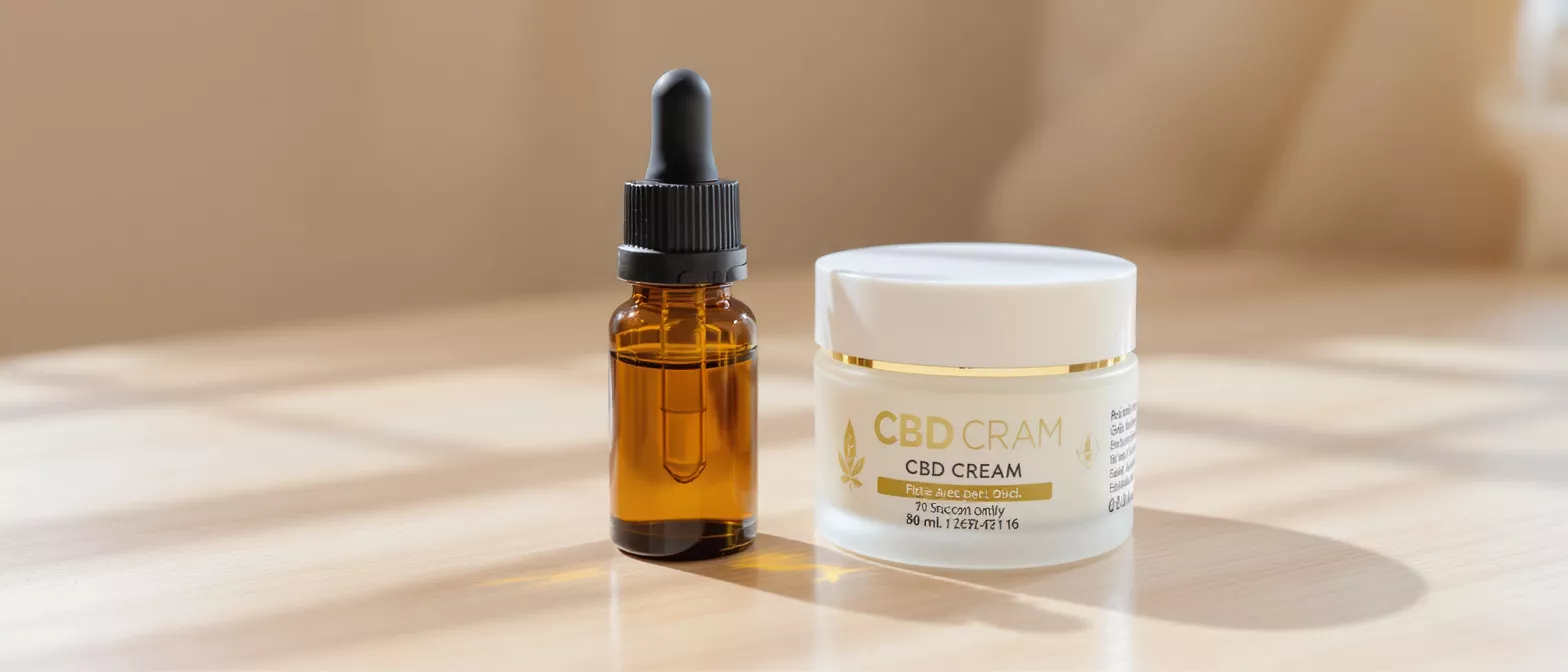
The delivery method you choose matters just as much as the extract type, as different formats map directly to different kinds of physical discomfort. Sublingual oils held under the tongue absorb quickly into the bloodstream, making them ideal for whole-body issues like widespread inflammation or systemic nerve pain. Topicals like a CBD cream for joint pain are perfect for localized aches, engaging surface receptors without entering the general circulation. Edibles, including options like CBD edibles for body pain, take longer to kick in due to digestion but provide slow, long-lasting relief that can stretch through the night.
Here is a quick comparison of how the main delivery formats map to specific wellness goals:
- 💧 Sublingual oils: Best for systemic issues like widespread inflammation, offering rapid absorption and adjustable dosing for whole-body relief.
- 🌿 Topicals: Ideal for targeted, localized aches such as arthritic knuckles or a stiff lower back, keeping cannabinoids concentrated in the affected tissue.
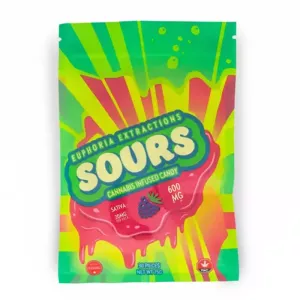
- 🍬 Edibles: Suited for slow, sustained relief that lasts for hours, making them a strong choice for overnight recovery and prolonged discomfort management.
Best CBD Cream for Joint Pain
Why topicals win for localized aches: When a specific joint is the root cause of your discomfort, targeted topicals are often the smartest first move. Applied directly to an arthritic knee or an aching shoulder, the active compounds sink deeply into the skin to engage cannabinoid receptors right in the affected tissue. For localized arthritis discomfort, this targeted delivery entirely avoids the need for systemic dosing, putting the soothing relief exactly where it hurts most without affecting the rest of your body.
Enhancing penetration with complementary ingredients: Quality creams frequently pair cannabidiol with menthol, camphor, or essential oils to deliver an immediate cooling or warming sensation that distracts the nerves while the CBD works beneath the surface. For deeper, more stubborn aches, look for advanced formulas built around carrier oils that boost dermal penetration, ensuring the cannabinoids actually reach the underlying joint rather than just resting on top of the epidermis. A well-formulated cooling CBD balm for stiff joints can quickly become a daily staple in your mobility routine.
Consistency is the secret to why topicals shine in a long-term pain management routine. Applying a liberal dose two or three times a day allows cannabinoids to accumulate steadily in the local tissue, supporting joint mobility and easing the morning stiffness that so many arthritis sufferers dread. Plenty of users find success by layering a morning topical over their daily sublingual oil, effectively pairing localized targeting with systemic support for the most complete and reliable coverage.
CBD Oil for Pain Dosing Guide
Finding the right CBD dosage for pain is a deeply personal process, primarily because everyone's endocannabinoid system responds a little differently to external cannabinoids. The most reliable rule for beginners is to start low and go slow: begin with 10 to 20 milligrams per day and carefully observe how your body reacts across the first week of use. If nothing shifts or your discomfort persists, nudge the dose up by 5 to 10 milligrams every few days until you land on your personal sweet spot, rather than overshooting with a massive dose right from the start.
Factors like your metabolism, body weight, and the severity of the underlying condition all shape how efficiently your body puts cannabinoids to work. Acute flare-ups may call for a temporarily higher dose to regain control, while daily maintenance for chronic pain usually settles into a lower, steady amount that keeps the endocannabinoid system engaged. Keeping a simple journal to track your daily intake alongside your perceived pain levels turns guesswork into actionable data, making it far easier to fine-tune your regimen over a few weeks.
For those who want to remove the guesswork entirely, capsules and softgels offer a fixed, measured amount of cannabidiol in every dose, bypassing the imprecise drop-counting required by a glass dropper. Whatever format you ultimately choose, remember that consistency beats volume every time. A moderate dose taken twice daily generally serves chronic conditions far better than one large dose taken sporadically, as maintaining steady cannabinoid levels in the bloodstream is key to effective, long-term relief.
CBD Versus Ibuprofen for Inflammation
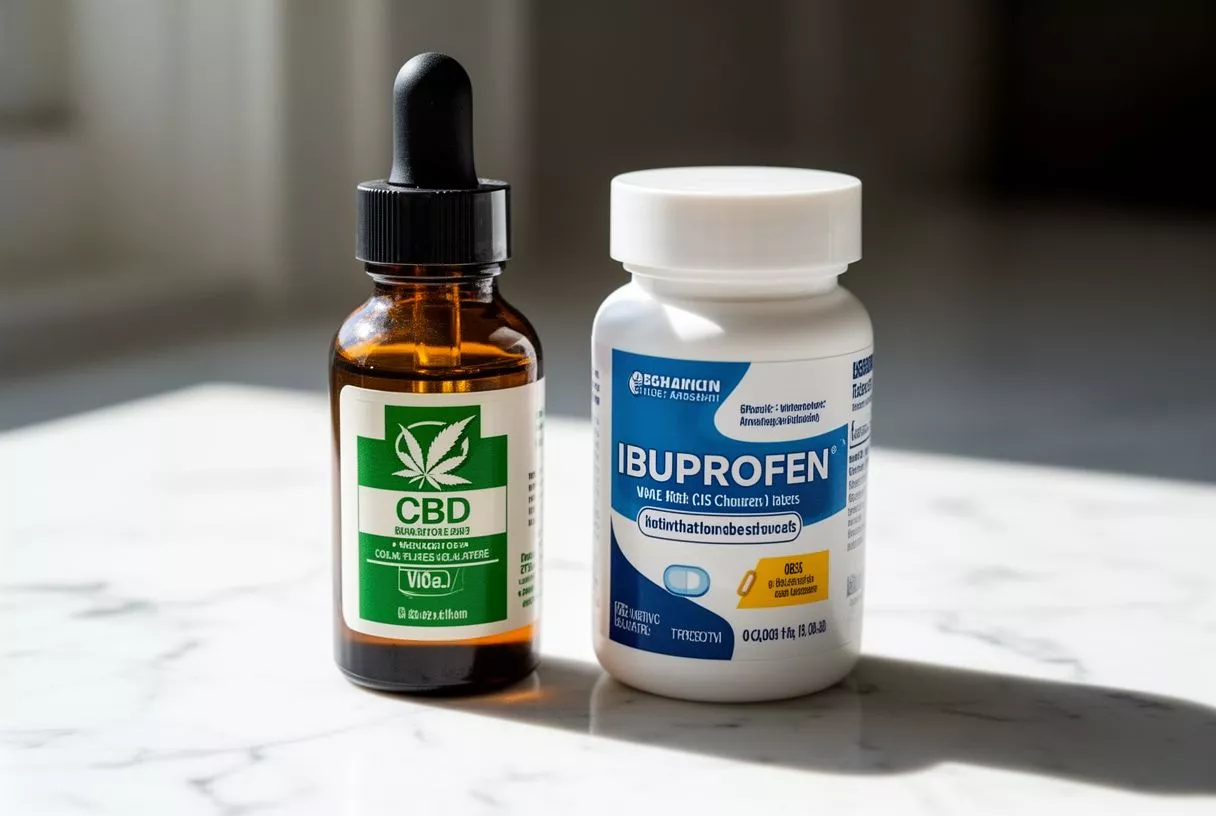
Many people default to over-the-counter NSAIDs like ibuprofen for everyday aches, yet frequent, long-term use carries real and documented risks, including gastrointestinal bleeding, kidney strain, and elevated cardiovascular concerns. The core difference in the CBD versus ibuprofen comparison lies in their mechanism of action. Ibuprofen blocks the COX enzymes that create prostaglandins, forcibly shutting down the inflammatory response. Cannabidiol instead modulates the immune system to naturally dial back cytokine production, encouraging a more balanced, regulated response rather than a hard, sudden stop.
Ibuprofen is genuinely fast and highly effective for acute, short-term injuries, but it ultimately masks pain signals without actively supporting the body's underlying repair work. CBD offers a gentler, far more sustainable path for managing chronic swelling, making it better suited to daily, long-term use without the harsh toll on the stomach lining or renal system. For a severe acute episode, some people successfully combine both, using ibuprofen for an immediate knockdown effect while cannabidiol works on systemic balance underneath.
Leaning on a natural CBD inflammation reducer also spares the liver and kidneys the constant, exhausting burden of metabolizing pharmaceuticals day after day. While cannabidiol may take noticeably longer to reach its full cumulative effect than an instant-release tablet, the trade-off is a considerably safer health profile for the kind of ongoing, everyday use that chronic pain demands. Over time, this natural modulation supports the body's resilience rather than depleting its internal resources.
CBD for Nerve Pain and Fibromyalgia
Neuropathic pain is notoriously stubborn because it stems from damaged or overactive nerves firing false alarms, not from ordinary, localized tissue injury that heals on its own. This is exactly where CBD for nerve pain shows real, documented promise: cannabinoids interact with TRPV1 receptors, which help govern temperature and pain perception in the nervous system. By gradually desensitizing those specific hyperactive pathways, cannabidiol can quietly soothe the sharp, burning sensations that typically define neuropathy and nerve damage.
Fibromyalgia is its own complex puzzle, layering widespread musculoskeletal pain with profound fatigue, poor sleep quality, and mood disruption. Because the endocannabinoid system is deeply intertwined with sleep regulation, effective CBD sleep and pain protocols often overlap significantly. Many individuals fold a soothing evening ritual into their week to calm the central nervous system before bed, easing the physical tension that keeps them awake and interrupting the relentless pain-poor-sleep cycle that fibromyalgia symptoms thrive on.
For comprehensive fibromyalgia relief, a two-front approach usually works best: sublingual oils to steady the whole nervous system paired with targeted topicals dabbed onto specific, highly sensitive tender points. Addressing the central nervous system directly helps recalibrate exaggerated pain responses over time, slowly lowering overall sensitivity to daily stimuli. This gradual recalibration can give a person's overall quality of life a meaningful, noticeable lift without the heavy sedation of traditional pharmaceutical interventions.

CBD Muscle Recovery for Athletes
Hard physical training inevitably creates micro-tears in muscle fibers, sparking an acute inflammatory response that is necessary for growth but often shows up as delayed onset muscle soreness. A dedicated CBD muscle recovery routine helps moderate that post-workout inflammation, letting athletes rebound faster without fully suppressing the biological adaptation that makes training worthwhile in the first place. Applying a topical rub right after a tough session can keep deep stiffness from settling into the fascia and connective tissue.
Some athletes reach for transdermal patches or roll-ons infused with cooling botanicals to target specific, heavily worked muscle groups like the calves or shoulders. Unlike oral relievers that need to digest and metabolize first, a localized topical application gives near-immediate feedback to the targeted nerves, offering rapid comfort right where you need it most. Making a muscle rub part of your standard cool-down builds a reliable recovery habit that anchors the larger fitness routine.
By blunting excess oxidative stress and actively supporting cellular repair, cannabinoids become a genuine, powerful tool for athletic longevity. Whether you are a marathoner absorbing repetitive joint impact or a heavy lifter nursing chronic shoulder fatigue, keeping your endocannabinoid system optimized helps ensure your recovery keeps pace with your ambition. This allows you to train harder and more frequently without breaking your body down in the process.
Are CBD Pain Products Safe?
Safety is a fair and necessary first question for anyone exploring a new daily supplement. The good news is that pure CBD is remarkably well tolerated by the human body, with most reported side effects remaining quite mild, including slight drowsiness, dry mouth, or minor appetite changes. The most important safety consideration involves drug interactions. Because cannabidiol is metabolized by the liver's CYP450 enzyme system, it can alter how your body processes certain prescription medications.
This makes a conversation with your primary doctor absolutely essential before starting any CBD pain management regimen if you currently take blood pressure medication, blood thinners, or antidepressants. Equally important is the source of your products; you must buy exclusively from reputable providers who publish third-party lab testing. These certificates of analysis confirm you are getting a clean, accurately labeled extract free of harmful contaminants rather than an unverified mystery bottle.
Navigating the unregulated corners of the wellness market requires a bit of diligence. Knowing precisely what is in your product, and what is deliberately left out, is the true foundation of responsible cannabinoid use. A little research up front protects you from low-quality extracts and turns the use of CBD from a leap of faith into an informed, measured decision that safely supports your long-term health.


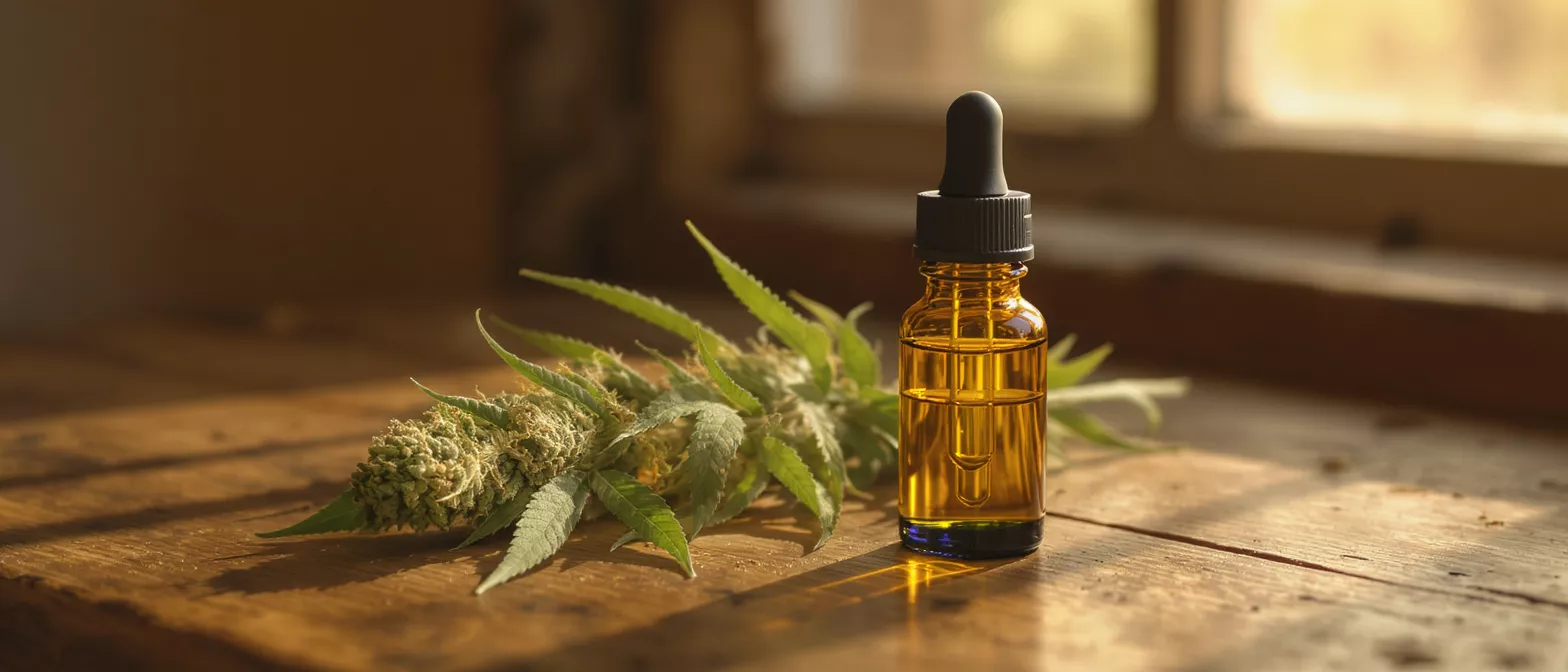
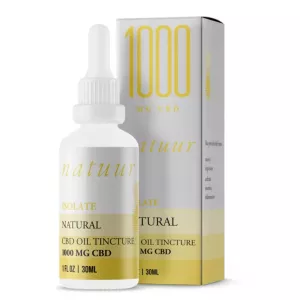
CBD CBG Pain Tincture 1500mg – NOW+THEN
Targeted relief where regular CBD stops short. NOW+THEN's CBD+CBG Pain tincture combines two complementary cannabinoids at a robust 1500mg — a focused, whole-body approach to persistent aches. A measured dropper delivers steady, no-high comfort that builds into your routine. The higher-strength bottle for discomfort that needs more than CBD alone.
- Synergistic Pain Relief : Two cannabinoids work together
- Anti-Inflammatory Power : Reduces swelling and pain
- Neuropathic Support : Effective for nerve pain
- Fast Acting : Sublingual absorption in minutes
- Precise Control : Adjust dose for pain levels

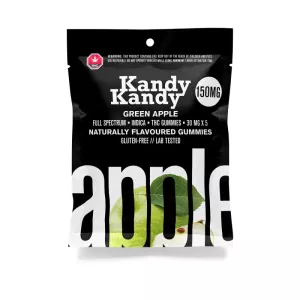
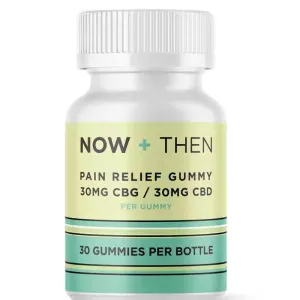
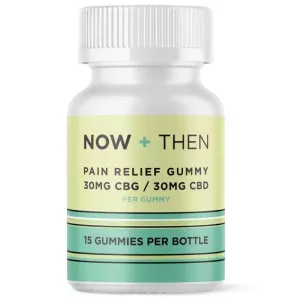
Pain Gummies 60mg CBD : CBG x 15 pcs (900mg) – NOW+THEN
Dual-cannabinoid comfort, in a smaller pack. NOW+THEN's Pain gummies deliver 30mg of CBD and 30mg of CBG per piece across 15 chewables — science-backed cannabinoid synergy in a sweet, no-high format. Easy to dose, easy to enjoy. The everyday gummy for taking the edge off aches without the fuss.
- Dual Pain Relief : CBD and CBG work synergistically
- Anti-Inflammatory Power : Reduces swelling and discomfort
- Neuropathic Support : Effective for nerve-related pain
- No Psychoactive Effects : THC-free formula
- Flexible Dosing : 15 pieces for customized relief
Building Your CBD Pain Relief Routine
The final step in this journey is turning all of this information into a reliable routine you will actually maintain. Successful CBD pain management is rarely about finding one magic dose; instead, it rests on the cumulative effect of steady, mindful use carefully tuned to your body's natural rhythms. A practical framework often looks like starting the morning with a sublingual oil for a systemic baseline of relief, while keeping a targeted topical easily within reach for the unexpected flare-ups that arrive without warning.
Stay constantly attentive to the feedback your body provides. As your endocannabinoid system grows more efficient and balanced, you may actually need less product to reach the same level of relief you experienced early on. It also helps to remember that diet, daily stress levels, and sleep hygiene all profoundly shape your overall inflammatory load, meaning cannabidiol performs best as one piece of a broader healthy-lifestyle picture rather than a standalone, cure-all fix.
With a solid understanding of how these plant compounds interact with your biology, you are now fully equipped to make informed choices on the path to natural relief. Whether you are managing age-related joint stiffness, recovering from hard athletic training, or navigating complex neuropathic conditions, a thoughtful approach to hemp-derived wellness can unlock a more comfortable daily life. Here are the key takeaways worth remembering:
- 🌱 Start low, go slow: Begin with around 10-20 mg daily and adjust your dose gradually while carefully tracking your body's results.
- 🎯 Match the format to the pain: Use oils for systemic issues, topicals for localized aches, and edibles for lasting overnight relief.
- 🧪 Demand lab testing: Only buy extracts that are fully backed by third-party certificates of analysis to ensure purity and safety.
- 🩺 Check interactions: Always consult a healthcare provider before starting if you take prescription medications.




Comments
The section on dosing really helped clear things up. I’ve been taking way too much and wondering why I felt sluggish. Starting low and keeping a journal is a game changer for my daily routine.
This guide breaks down the dosing perfectly. I started at 15mg a day and kept a journal like suggested, and it took about two weeks to really feel the systemic shift in my joint comfort. Definitely sharing this with my running group for our post-marathon CBD muscle recovery routines!
I deal with fibromyalgia and the nighttime muscle relaxation tip is exactly what I needed. Sleep is so hard when everything aches. Going to try adding some bath bombs to my evening wind-down this week.
Really appreciated the CBD versus ibuprofen breakdown. My stomach couldn’t handle daily NSAIDs anymore so this gave me a real reason to switch, not just marketing.
Does the full spectrum tincture leave a strong taste? I’m very sensitive to the earthy flavor of hemp and usually stick to gummies, but I want the systemic benefits mentioned in the chronic pain section.
Honestly, I was skeptical about comparing it to ibuprofen, but after dealing with stomach issues from NSAIDs for years, making the switch to a natural inflammation reducer has been worth the patience it requires.
Been using isolate for a while because of work drug testing, but the breakdown of the entourage effect makes me want to look into broad spectrum options for my arthritis pain.
Great guide. I use a topical roll-on after my leg days and the difference in DOMS the next morning is crazy. It’s become just as important as my protein shake for muscle recovery.
I appreciate that you mentioned checking for third-party lab tests. There is so much low-quality stuff out there, knowing exactly what is in the bottle is incredibly reassuring for a beginner like me.