

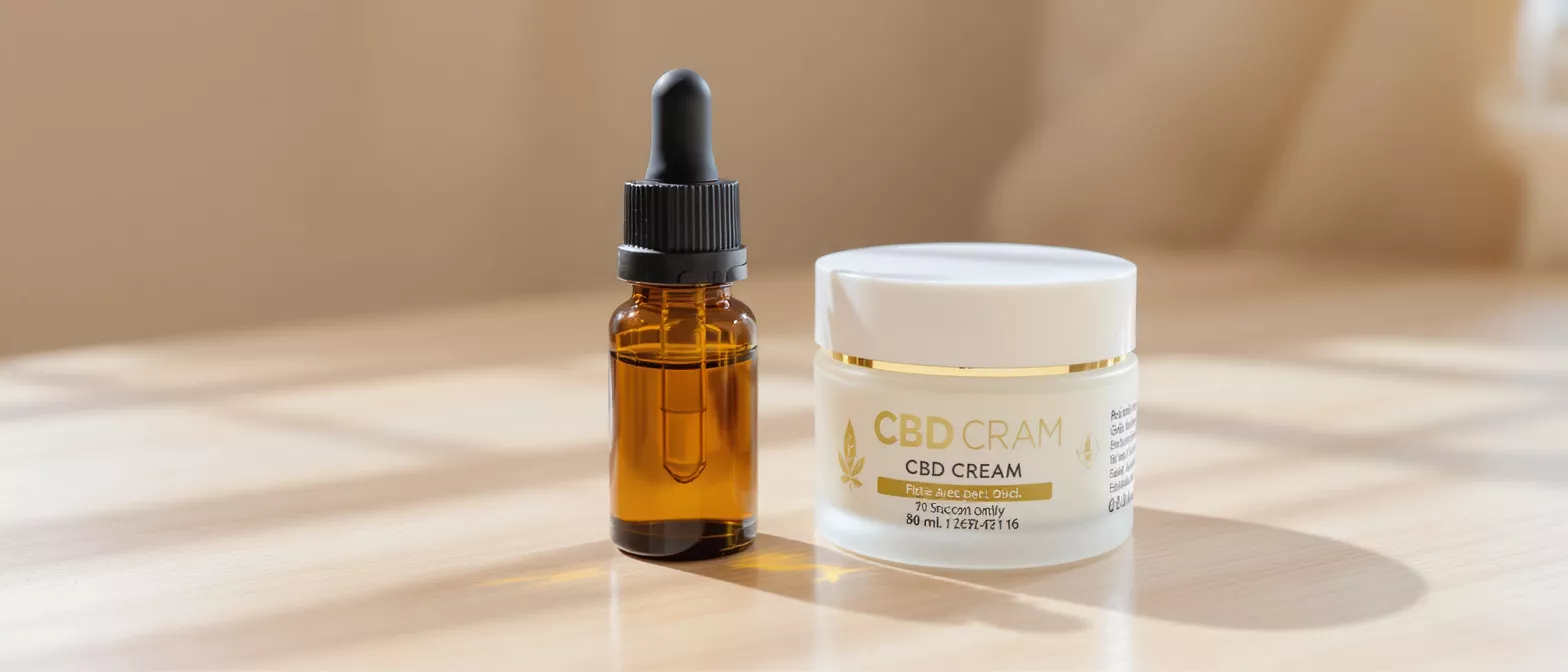
CBD Pain Relief: How to Choose the Right Product for You
Discover CBD pain relief tailored to your needs.
Living with persistent aches, stiff joints, or post-workout soreness can shrink your world one skipped activity at a time. That is why so many people are turning to CBD pain relief as a gentler alternative or companion to conventional options. But walking into the world of CBD can feel like stepping into a dispensary for the first time — shelves of tinctures, creams, capsules, and patches, each promising relief. This guide cuts through the noise so you can match the right product to your specific type of pain, understand realistic expectations, and shop with confidence.
CBD, or cannabidiol, is one of the primary compounds derived from the cannabis and hemp plant. Unlike THC, it does not produce the classic "high" associated with a reefer or a shared pinner joint. Instead, it works quietly with your body's own systems. Below we break down how CBD pain relief actually functions, which delivery methods suit which problems, and how to avoid the common mistakes that leave first-timers disappointed.
What Is CBD Pain Relief and How Does It Work
The endocannabinoid system is the key. Your body contains a network of receptors called the endocannabinoid system (ECS), which helps regulate pain signaling, inflammation, sleep, and mood. CBD interacts indirectly with this system, influencing how receptors respond and how much inflammation your tissues generate. Rather than blunt-force numbing like an over-the-counter painkiller, CBD nudges your body toward its own balance. Research summarized by organizations such as the Society of Cannabis Clinicians suggests CBD may modulate both inflammatory and neuropathic pain pathways.
Not all CBD is created equal. The quality of the starting material matters enormously. Premium CBD comes from carefully grown plants, whereas low-grade extract — the equivalent of schwag or reggie in the flower world — can carry inconsistent cannabinoid levels and residual solvents. When you shop, look for third-party lab reports (called a Certificate of Analysis) that confirm potency and purity. A reputable product will tell you exactly how many milligrams of CBD per serving you are getting.
It is worth setting expectations early: CBD is not an instant switch. For localized aches, topical formulas can bring relief within 20 to 45 minutes, while oral products build a steadier baseline over days of consistent use. Think of it as recalibration rather than a rescue medication. Patience and consistency separate the people who swear by CBD from those who give up after one dose.
CBD Topical vs Oral: Which Works Better for Pain
One of the most common questions is whether to rub CBD on the sore spot or swallow it. The honest answer is that they solve different problems, and many people use both. A CBD rub for sore muscles targets a specific area — a shoulder, a knee, a lower back — delivering cannabinoids directly to the tissue without much entering the bloodstream. Oral products like tinctures and capsules travel through your whole system, addressing widespread or internal pain.
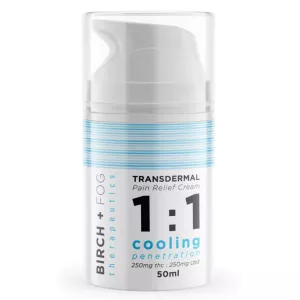
Topicals shine for surface-level and joint pain. Because they act locally, creams, balms, and roll-ons are ideal for arthritis flare-ups, tendon strain, and muscle knots. You can reapply as needed without worrying about systemic buildup. Many users keep a jar of CBD muscle recovery balm in their gym bag for exactly this reason.
Oral CBD builds full-body coverage. For nerve pain, chronic conditions, or discomfort that seems to move around, ingesting CBD makes more sense. Tinctures placed under the tongue absorb faster than capsules or a CBD edible, though edibles last longer. The trade-off is onset time: sublingual tinctures kick in around 15 to 30 minutes, while anything you digest can take up to two hours. According to consumer health resources like the Society of Cannabis Clinicians, combining a topical for spot relief with a low daily oral dose is a popular layered strategy.
Best CBD Pain Relief Products by Pain Type
Choosing the "best" CBD pain product depends entirely on what hurts and how. Someone with wrist arthritis needs a very different tool than a marathon runner managing calf fatigue. Rather than chasing a single miracle product, match the format to the problem. Below is a quick-reference breakdown to help you narrow the field before you shop.
- 🧴 Localized joint pain: CBD cream or balm applied directly, two to three times daily, works best for knees, hands, and elbows.
- 💧 Widespread or internal pain: Full-spectrum CBD oil taken sublingually gives steady, whole-body coverage.
- 🌙 Nighttime and sleep-disrupting pain: A CBD edible or capsule with a longer duration carries you through the night.
- 🏃 Post-workout soreness: A cooling menthol-CBD rub plus a small oral dose speeds muscle recovery.
- ⚡ Nerve and neuropathic pain: Higher-potency full-spectrum oil, dosed gradually over weeks, tends to help most.
Notice that no single product wins every category. The people who get the best results treat CBD like a toolkit, keeping a couple of formats on hand. A tincture for daily baseline management and a topical for flare-ups is a sensible starter combination that covers the majority of everyday pain scenarios.
Before committing to a large purchase, buy a modest amount and test how your body responds over a week or two. If a friend offers to let you try theirs — a small re-up to sample — that can save money before you invest in a full bottle. Everyone's ECS is slightly different, so what transforms one person's mornings may feel subtle to another.
CBD for Chronic Pain and Inflammation
Chronic pain — the kind that lingers for months and reshapes daily life — is where CBD has drawn the most research interest. Conditions like fibromyalgia, inflammatory bowel discomfort, and long-standing joint disease often involve a stubborn inflammatory component that ordinary painkillers only mask. CBD's appeal here lies in its ability to influence inflammation at the source rather than simply dulling the sensation.
Consistency beats intensity for chronic conditions. Unlike acute pain, where you want fast relief, chronic pain responds better to a steady presence of cannabinoids in your system. This is why many people managing chronic conditions choose a daily oral routine, taking the same dose at the same time each day. Over two to four weeks, the cumulative effect often outperforms occasional high doses.
Inflammation is the common thread linking many chronic pain conditions, and this is where a quality full-spectrum CBD tincture earns its keep. Full-spectrum extracts retain a spectrum of minor cannabinoids and terpenes — compounds like phytol and pulegone among the plant's natural chemistry — that appear to work together, an effect researchers call the entourage effect. This synergy is one reason full-spectrum products frequently outperform pure isolate for inflammatory pain.
Keep a simple pain journal when starting out. Note your dose, timing, and pain levels on a one-to-ten scale each day. Patterns emerge quickly, and this data helps you fine-tune your routine far better than memory alone. It also gives your healthcare provider concrete information if you decide to discuss CBD as part of your broader pain management plan.
CBD Cream for Arthritis and Joint Pain
Arthritis is one of the leading reasons people first reach for CBD, and topicals are the natural entry point. When you massage a CBD cream into an arthritic knuckle or knee, the cannabinoids interact with receptors concentrated in the skin and nearby tissue, easing localized inflammation and stiffness without traveling through your digestive system.
Look for supporting ingredients that amplify relief. The best arthritis creams pair CBD with complementary actives: menthol for a cooling sensation, camphor for warmth, or arnica for bruise-like soreness. These give an immediate perceptual boost while the CBD works on the underlying inflammation. A thicker balm stays put on hands and fingers, whereas a lighter lotion spreads easily over larger joints.
Application technique matters more than people realize. Rub the cream in for a full 30 to 60 seconds so it penetrates rather than sitting on the surface. Reapply every four to six hours during a flare, and do not be shy with the amount over larger joints. Many arthritis sufferers keep a dedicated CBD arthritis cream at their bedside and reapply first thing in the morning when stiffness is at its worst. Consistency across the day matters as much as the strength of any single application.
CBD Oil for Back Pain and Neuropathy
Back pain and nerve pain present a unique challenge because the source often sits deep beneath the surface, out of reach of a topical alone. This is where CBD oil taken orally comes into its own, delivering cannabinoids systemically so they can reach nerve pathways and spinal structures that a cream cannot touch.
Neuropathic pain — the burning, tingling, electric sensations caused by nerve damage or conditions like diabetes and sciatica — is notoriously difficult to treat with standard medications. CBD's interaction with pain-signaling pathways offers a different mechanism, and early studies are cautiously encouraging. For this type of pain, patience is essential: neuropathy typically requires several weeks of consistent dosing before meaningful change appears.
For lower back pain that combines muscular tension and nerve involvement, a combined approach works best. Use an oral tincture for the deep, systemic component and a topical rub for the surface muscle tightness. Warm the area first, apply your topical, and take your daily oil dose on a consistent schedule. This two-front strategy addresses back pain from both angles rather than betting everything on a single format.
CBD Dosage for Pain Management
Dosing is where most beginners stumble, either taking so little they feel nothing or so much they waste product. The golden rule is "start low, go slow." Begin with a modest dose, hold it for several days to gauge your response, then increase gradually until you reach the sweet spot where pain eases without unwanted grogginess.
- 🌱 Start: Begin with 10–15 mg of CBD once or twice daily for the first three to five days.
- 📈 Adjust: Increase by 5–10 mg every few days if relief is insufficient.
- 🎯 Find your zone: Most pain users land between 20–60 mg daily, though severe cases may need more.
- 📓 Track: Log dose, timing, and pain scores to identify your personal optimal range.
- ⏰ Stay consistent: Take oral doses at the same times each day for stable blood levels.
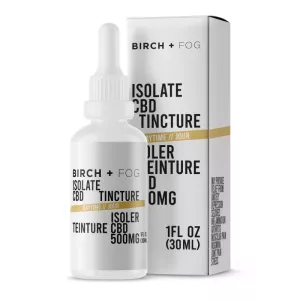
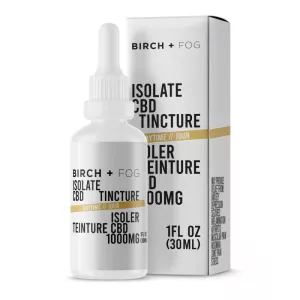
Body weight, metabolism, and pain severity all shift the numbers. A larger person with intense chronic pain will naturally need more than a lighter person with occasional soreness. Products vary wildly in concentration too, so always read the label rather than assuming one dropper equals a standard dose. A tincture labeled 1000 mg per bottle delivers far more per drop than a 250 mg version.
If you take prescription medications, especially blood thinners, speak with a healthcare provider before starting, since CBD can interact with how your liver processes certain drugs. This single conversation prevents the most common avoidable problems and lets you dose with genuine peace of mind.
Full Spectrum vs Isolate CBD for Pain
When you shop, you will encounter three broad categories: full spectrum, broad spectrum, and isolate. Understanding the difference helps you pick the right formula for pain rather than paying for the wrong one. The distinction comes down to which parts of the plant survive the extraction process.
Full spectrum keeps the whole plant profile. This includes trace THC (under legal limits), minor cannabinoids, and aromatic terpenes. Together they produce the entourage effect, which most evidence suggests makes full spectrum the strongest choice for pain and inflammation. The trace THC is far too low to cause intoxication but appears to enhance CBD's effectiveness.
Isolate is pure CBD and nothing else. It contains zero THC, making it the safe pick for anyone facing drug testing or who is sensitive to even trace THC. The trade-off is that isolate tends to be less potent for pain, milligram for milligram, because it lacks the supporting compounds. Broad spectrum sits in the middle — most of the entourage benefits without the THC. For pure pain relief where THC is not a concern, full spectrum usually wins; when it is a concern, broad spectrum is the smart compromise.
CBD for Muscle Recovery After Exercise
Athletes and weekend warriors have embraced CBD for recovery, and the reasoning is sound. Intense exercise creates microscopic muscle damage and inflammation — the very processes that leave you sore for days. CBD's anti-inflammatory properties may help you bounce back faster, so you can train more consistently without extended downtime.
The most effective recovery routine layers formats. Apply a cooling CBD rub to worked muscles immediately after training while they are still warm, then take an oral dose in the evening to support overnight recovery, when most muscle repair actually happens. Some athletes also find CBD improves sleep quality, which is arguably the single most important recovery factor of all.
Beyond soreness, CBD may help manage the minor aches and joint stress that accumulate from repetitive training. Rather than reaching for anti-inflammatories after every session — which can carry their own long-term risks — many athletes rotate in CBD as a gentler daily option. As always, the effect is cumulative and subtle rather than dramatic, so build it into your routine and judge results over weeks, not single sessions.
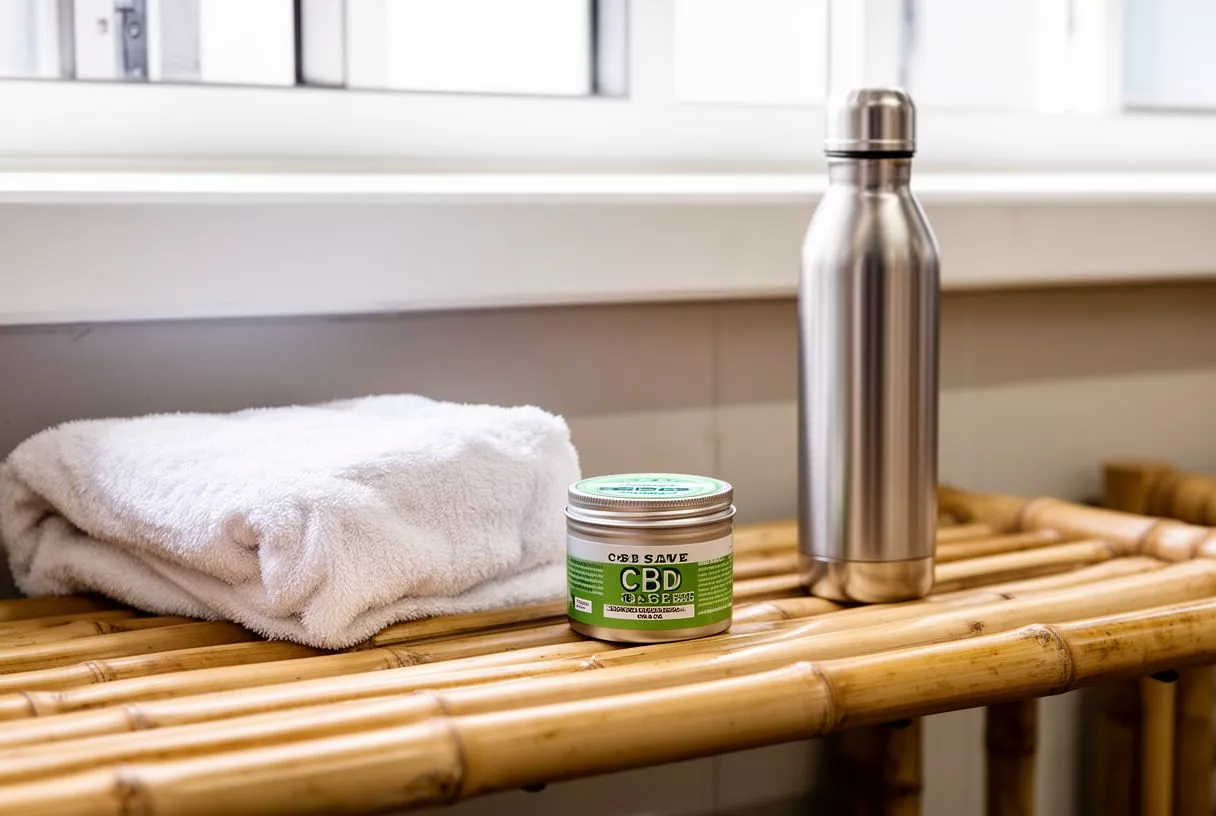


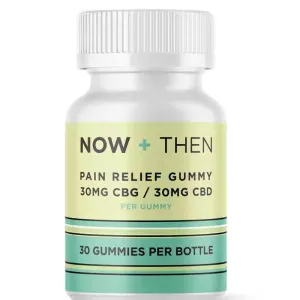
Pain Gummies 60mg CBD : CBG x 15 pcs (900mg) – NOW+THEN
Dual-cannabinoid comfort, in a smaller pack. NOW+THEN's Pain gummies deliver 30mg of CBD and 30mg of CBG per piece across 15 chewables — science-backed cannabinoid synergy in a sweet, no-high format. Easy to dose, easy to enjoy. The everyday gummy for taking the edge off aches without the fuss.
- Dual Pain Relief : CBD and CBG work synergistically
- Anti-Inflammatory Power : Reduces swelling and discomfort
- Neuropathic Support : Effective for nerve-related pain
- No Psychoactive Effects : THC-free formula
- Flexible Dosing : 15 pieces for customized relief

Pain Gummies 60mg CBD : CBG x 30 pcs (1800mg) – NOW+THEN
Serious relief, seriously tasty. NOW+THEN's Pain gummies pair 30mg of CBD with 30mg of CBG in each of 30 pieces — a dual-cannabinoid approach to everyday aches in a chewable you'll actually enjoy. No high, just steady, comprehensive comfort. The flavourful daily option for managing discomfort the gentle way.
- Synergistic Relief : CBD and CBG enhance each other's effects
- Powerful Anti-Inflammatory : Double cannabinoid action
- Nerve Pain Support : CBG specifically targets neuropathy
- Non-Intoxicating : Zero THC for anytime use
- Month Supply : Consistent daily management
Is CBD Pain Relief Safe to Use
CBD carries a strong safety profile, and it is generally well tolerated even at higher doses. The World Health Organization has noted that CBD shows no potential for abuse or dependence, which sets it apart from many conventional pain medications. That said, "generally safe" does not mean "risk-free for everyone," so a little awareness goes a long way.
Side effects are usually mild when they occur. The most common are drowsiness, dry mouth, mild digestive upset, or changes in appetite — typically dose-related and easily resolved by lowering your amount. Starting low and increasing gradually minimizes the odds of encountering any of these in the first place.
The most important safety consideration is drug interactions. CBD is processed by the same liver enzymes that metabolize many prescription drugs, so it can raise or lower their levels in your blood. If you take medication for heart conditions, seizures, or blood clotting, treat a conversation with your doctor as non-negotiable. Buying from a reputable Canadian source with transparent lab testing also protects you from contaminants that plague unregulated products.
Choosing the right CBD pain relief product ultimately comes down to matching format to your specific pain, starting with a sensible dose, and giving your body time to respond. Topicals excel at localized joint and muscle relief, oral products handle chronic and systemic pain, and full-spectrum formulas generally outperform isolate when inflammation is involved. Keep expectations realistic, track your results, and consult a professional if you take other medications. With a thoughtful approach, CBD can become a reliable, gentle pillar of your everyday pain management.



Comments
The topical vs oral breakdown finally made it click for me. I’d been rubbing cream on my back for months wondering why it wasn’t helping the deeper pain. Ordered a tincture to layer with it.
Started a pain journal like you suggested and honestly the patterns showed up within a week. Turns out my mornings were the worst so I moved my dose earlier. Game changer.
Wish I’d read the dosage section a year ago. I was taking way too little and gave up thinking CBD didn’t work for me.
Good to see the drug interaction warning front and center. My pharmacist confirmed the same thing about the liver enzymes when I asked. Please talk to your doctor first, people.
Arthritis in my hands is brutal and the tip about rubbing the cream in for a full minute instead of just slapping it on made a real difference. Small thing, big result.
The full spectrum vs isolate explanation was exactly what I needed. Didn’t realize the trace THC actually helps rather than just getting you high. Switching to full spectrum for my knee.
As a runner the muscle recovery section hit home. Cooling rub after training plus evening dose is now part of my routine and my calves thank me.
Really appreciate that this didn’t oversell it as a miracle cure. The ‘recalibration not rescue medication’ line set realistic expectations. Two weeks in and I’m slowly noticing less stiffness.