

CBN for Sleep: What the Research Says
Explore CBN sleep research, dosing, and safety.
If you have watched the clock crawl past 2 a.m. more times than you would like to admit, you have probably stumbled across CBN for sleep in your late-night scrolling. Cannabinol, known simply as CBN, has quietly become one of the most talked-about minor cannabinoids in the wellness world, marketed as a gentle nudge toward deeper rest. But between the bold marketing claims and the thin evidence, it can be hard to know what is real. This guide cuts through the noise, weighing the actual science against the hype so you can decide whether CBN belongs on your nightstand.
CBN is often called the "sleepy cannabinoid," a nickname that has done as much to shape its reputation as any clinical trial. The truth is more nuanced. CBN forms as THC ages and oxidizes, meaning that old, poorly stored cannabis naturally accumulates more of it. That botanical origin story is fascinating, but it does not automatically translate into sedation. Understanding where CBN comes from, how it interacts with your body, and what researchers have actually measured is the only honest way to approach it.
Throughout this guide we will look at mechanisms, dosing, safety, and how CBN stacks up against more familiar compounds. Whether you are a seasoned cannabis enthusiast who knows a nug run from a nectar collector, or a curious newcomer who just wants to sleep through the night, the goal here is the same: give you enough grounded information to make a smart choice rather than a hopeful guess.
What Is CBN for Sleep
The oxidation origin story: CBN is a cannabinoid that does not exist in meaningful amounts in fresh cannabis. Instead, it forms when tetrahydrocannabinol (THC) is exposed to heat, light, and oxygen over time. In practical terms, that aged jar of flower forgotten in a warm drawer is slowly converting its THC into CBN. This is why old cannabis is sometimes associated with a heavier, couch-locked feeling, though that folklore predates any rigorous study of the compound itself.
Why people reach for CBN at night: The appeal is straightforward. Many people want something that eases them toward sleep without the intense psychoactivity of THC or the next-morning grogginess of pharmaceutical sedatives. CBN is only mildly psychoactive at most, so it slots neatly into the wellness category alongside melatonin and herbal blends. It frequently appears in products paired with terpenes like nerolidol, a compound with its own sedative reputation, and other cannabinoids to create a fuller effect.
It is worth being honest about what CBN is not. It is not a proven sleeping pill, and it is not a magic bullet. The molecule is genuinely interesting, and early signals are encouraging, but the marketing has run considerably ahead of the laboratory. Keeping that gap in mind will save you both money and disappointment as you experiment.
How CBN for Sleep Works in the Body
Interaction with the endocannabinoid system: Like other cannabinoids, CBN interacts with the endocannabinoid system, the vast signaling network that helps regulate mood, appetite, pain, and sleep-wake cycles. CBN binds to both CB1 and CB2 receptors, though it does so more weakly than THC. This partial, gentle activity is often cited as the reason CBN produces subtle effects rather than the pronounced high associated with its parent compound.
The entourage effect and terpenes: One of the most important concepts in cannabinoid science is the entourage effect, the idea that compounds work better together than in isolation. CBN rarely shines on its own. When combined with terpenes such as nerolidol, myrcene, or ocimene, and with cannabinoids like CBD, the collective effect on relaxation appears more reliable than CBN alone. This synergy is why so many sleep formulas are blends rather than single-molecule isolates, and it is a genuinely useful reason to seek out full-spectrum options.
Researchers have proposed that CBN may influence sleep less through direct sedation and more through adjacent pathways like pain relief and anxiety reduction. If discomfort or a racing mind is what keeps you awake, easing those upstream problems could improve sleep without the compound acting as a classic sedative. A review published by MDPI highlighted just how thin the direct human evidence remains, underscoring that much of what we believe about CBN is still extrapolation from preclinical work and anecdote.
What the Research Says About CBN for Sleep
Here is the uncomfortable truth that responsible sources will tell you: the direct human research on CBN for sleep is remarkably sparse. Much of the "CBN makes you sleepy" belief traces back to a small handful of decades-old observations and a game of scientific telephone. One frequently cited study from the 1970s tested CBN in a tiny group of participants and did not find dramatic sedation from CBN alone, yet the sleepy reputation stuck anyway.
The evidence gap explained: Modern interest has spurred new investigations, but well-controlled, placebo-driven human trials measuring objective sleep metrics remain limited. Most of what circulates online blends preclinical animal data, survey responses, and product-sponsored studies. That does not mean CBN is useless; it means the confident claims you see on packaging are outpacing the peer-reviewed literature. A healthy dose of skepticism is warranted.
What early signals suggest: The more promising recent work tends to examine CBN alongside other cannabinoids rather than in isolation. Combination products containing CBN and CBD have shown modest improvements in self-reported sleep quality in some studies. Whether that benefit comes from CBN specifically or from the supporting cast is difficult to untangle, which is precisely the methodological challenge holding the field back.
- 🔬 Isolated CBN trials: Very few, and mostly small or dated, with weak evidence of standalone sedation.
- 🌙 Combination studies: More common and more promising, but they cannot isolate CBN's individual contribution.
- 📋 Survey data: Users often report better sleep, though placebo and expectation effects are significant.
- 🧪 Animal models: Suggest mechanisms worth exploring but do not translate directly to humans.
CBN vs CBD for Sleep: What Is the Difference
Different molecules, different jobs: CBD and CBN are frequently confused, but they behave quite differently. CBD is non-intoxicating and widely studied for anxiety and inflammation, and it can be alerting for some people at lower doses. CBN, being an oxidation product of THC, carries a faint psychoactive edge and is marketed specifically toward rest. Many people find that a narrow-spectrum blend using both delivers a smoother experience than either alone.
When you are shopping, a well-formulated full-spectrum sleep tincture often outperforms a single-cannabinoid product precisely because it leverages the entourage effect. The combination of CBD's calming influence and CBN's mellow character, rounded out by sleep-friendly terpenes, tends to feel more complete than a lone isolate that asks one molecule to do everything.
Cost and labeling also differ. CBN is more expensive to produce because it must be converted or carefully aged, so pure CBN products command a premium. That price gap sometimes tempts brands to under-dose CBN while leaning on cheaper CBD, which is why reading the certificate of analysis matters more than reading the front of the box.

Best CBN for Sleep Products and Formats
Gummies for convenience: Edibles are the most popular CBN format for a reason. They are pre-dosed, discreet, and easy to fold into a bedtime routine. The trade-off is timing; because they pass through digestion, effects can take 45 to 90 minutes to arrive, so they suit people who plan ahead rather than those seeking instant relief. A quality CBN sleep gummy with a clearly labeled milligram count is one of the friendliest entry points for beginners.
Tinctures for control: Oils and tinctures let you fine-tune your dose drop by drop and tend to act faster than edibles when held under the tongue. This precision makes them ideal for the careful experimentation this compound demands. Vaporized options work fastest of all, but they introduce inhalation into the equation and are less about gentle wellness and more about immediacy.
Beyond the delivery method, formulation quality separates a good product from a gimmick. Look for items that name their supporting terpenes and cannabinoids, that publish third-party lab results, and that avoid vague "proprietary blend" language. A transparent terpene-rich nighttime oil tells you exactly what you are taking, which is the whole point when you are trying to learn how your body responds.
- 🍬 Gummies: Convenient and pre-dosed, slower onset, great for consistent nightly use.
- 💧 Tinctures: Adjustable dosing, faster sublingual onset, best for dialing in your amount.
- 💨 Vapor: Fastest onset but adds inhalation; better for occasional rather than routine use.
- 💊 Softgels: Precise and travel-friendly, similar timing to gummies without the sugar.
CBN for Sleep Dosing Guide
Start low and go slow: The golden rule of any cannabinoid is to begin with the smallest reasonable dose and increase gradually. Many CBN sleep products offer 2.5 to 5 milligrams per serving, and some blends layer this with modest THC or CBD. Beginning at the low end lets you gauge sensitivity without overshooting, since more is not automatically better with these compounds.
Timing matters as much as amount. Because edibles take time to kick in, taking your dose about an hour before bed lines the peak up with when you want to fall asleep. Tinctures act faster, so 20 to 30 minutes ahead is usually sufficient. Keeping a short journal of dose, timing, and how you slept turns guesswork into a personal protocol you can actually trust.
Individual response varies enormously. Body weight, metabolism, tolerance, and even what you ate that day all shift how CBN feels. According to guidance echoed by Healthline, there is no universal cannabinoid dose, which is exactly why the cautious, self-observing approach beats copying whatever worked for a friend.
CBN for Sleep Benefits Beyond Rest
Potential pain and comfort support: One of the more compelling angles on CBN is that its sleep benefits may be indirect. Preclinical work suggests CBN could have analgesic and anti-inflammatory properties, and if physical discomfort is what keeps you tossing, easing that may naturally improve rest. This reframes CBN as a comfort aid that supports sleep rather than a pure sedative that forces it.
Relaxation without heavy intoxication: For people who dislike the anxious, racing edge that high-THC products can bring, CBN's mellow profile is appealing. It offers a sense of settling down without a strong high, which many describe as more sustainable for nightly use. Pairing it with a calming ritual, dim lights, a warm drink, no doom-scrolling, tends to amplify that gentle wind-down effect.
It is important not to overstate these secondary benefits. The research supporting CBN's pain and anti-inflammatory effects is early and largely preclinical, so treat these as promising possibilities rather than established facts. The most reasonable expectation is a subtle, cumulative sense of ease rather than a dramatic overnight transformation.
Is CBN for Sleep Safe
A favorable early safety picture: CBN appears to be well tolerated in the amounts typically found in consumer products, and cannabinoids as a class have a wide margin of safety compared with many sleep pharmaceuticals. Most users report few issues beyond mild drowsiness, which is arguably the intended effect. That said, the long-term safety data specific to CBN is thin, simply because rigorous studies are recent and few.
Quality control is where real-world safety concerns concentrate. Because the cannabinoid market is loosely regulated in many places, contaminants, inaccurate labeling, and inconsistent potency are genuine risks. A product from a reputable maker with current third-party lab testing protects you far more than any marketing promise, and organizations like the FDA have repeatedly flagged mislabeling as a persistent problem in the cannabinoid space.
Certain groups should be extra cautious. People who are pregnant or breastfeeding, those with existing liver conditions, and anyone taking prescription medications should consult a healthcare provider before trying CBN. The same goes for anyone operating heavy machinery, since even mild sedation and safety-sensitive tasks do not mix.

CBN for Sleep Side Effects and Interactions
Common and mild effects: The side effects associated with CBN are generally minor. Drowsiness is the most reported, followed occasionally by dry mouth, mild dizziness, or grogginess if the dose was too high or taken too late. Lowering your amount or shifting your timing earlier usually resolves next-morning fog, which is one more reason the start-low approach pays off.
Drug interaction awareness: Like CBD, CBN may interact with the liver enzymes responsible for metabolizing many prescription drugs. This means it could theoretically raise or lower the levels of certain medications in your system. If you take anything metabolized by the CYP450 pathway, blood thinners and some antidepressants among them, a conversation with your pharmacist is genuinely worthwhile before combining them.
Combining CBN with alcohol or other sedatives can compound drowsiness in ways that are easy to underestimate. Stacking depressants is rarely a good idea, and the gentle nudge you want from CBN can turn into unwanted heaviness when layered on top of a nightcap. Keeping CBN as a standalone part of your routine is the cleaner path.


Sleep Capsules 60mg CBD : CBN x 30caps – NOW+THEN
The dream team for deep sleep. NOW+THEN's Sleep Capsules pair 30mg of CBD with 30mg of CBN in each of 30 doses — a natural, non-habit-forming nudge toward restful nights. No flavour, no fuss, just an easy capsule before bed. The dependable nightly ritual for winding the mind down and staying asleep.
- Natural Sleep Induction : CBN promotes genuine drowsiness
- Anxiety Reduction : CBD calms racing thoughts
- Deep Sleep Support : Improves sleep quality and duration
- Gentle Formula : A natural, easygoing nightly option
- Morning Clarity : Wake refreshed without grogginess

CBD CBN Sleep Tincture 1500mg – NOW+THEN
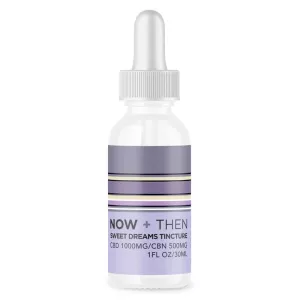
Serious rest, in a dropper. NOW+THEN's CBD+CBN Sleep tincture merges relaxing CBD with naturally sedating CBN at a potent 1500mg — built to tackle stubborn, sleepless nights head-on. A measured dropper before bed quiets the mind and eases you toward deeper sleep, with no high and a clear morning. The nightcap for when ordinary sleep aids fall short.
How to Choose CBN for Sleep the Right Way
Read the certificate of analysis: The single most valuable habit you can build is checking third-party lab results, often called a COA. This document verifies cannabinoid content and screens for pesticides, heavy metals, and solvents. If a brand cannot readily provide one, treat that as a reason to walk away. Transparency is the closest thing to a guarantee in this loosely regulated market.
Match format to your life: Think honestly about your routine before buying. If you value convenience and consistency, gummies or softgels win. If you want to experiment with precise doses, a tincture gives you control. If discomfort is your barrier to sleep, a full-spectrum blend that leans on the entourage effect may serve you better than a lone CBN isolate.
Ultimately, CBN for sleep sits in an honest middle ground: genuinely intriguing, modestly supported by early evidence, and best approached with realistic expectations. It is not a cure for insomnia, but for many people it becomes a welcome, low-drama part of a broader wind-down ritual. Start with a quality product, dose thoughtfully, observe how you respond, and let your own experience, rather than the loudest marketing, be the final judge. Sleep well, and sleep smart.









Comments
Finally an article that admits the research is thin instead of promising miracles. I appreciated the honesty about the 1970s study not actually showing much sedation.
The point about CBN working indirectly through pain relief rather than pure sedation really clicked for me. My discomfort is what keeps me up, so this reframes how I think about it.
I switched from pure CBN to a full-spectrum blend after reading about the entourage effect a while back and honestly the difference was real. Nice to see it explained clearly here.
Wish I’d read the dosing section sooner. I was taking way too much too late and waking up groggy every morning.
Great reminder to check the COA. I’ve definitely been guilty of buying based on packaging alone.
The tincture vs gummy timing breakdown was super helpful. I had no idea sublingual was that much faster.
Question answered before I could ask it, the part about CBN interacting with liver enzymes like CBD does. I’m on an antidepressant so that’s a conversation for my pharmacist.