


CBN
Learn what CBN is, how it forms from aging THC, and its calming effects.
What Is CBN (Cannabinol)?
CBN, short for cannabinol, is one of the most quietly fascinating compounds in the cannabis plant. While THC and CBD dominate dispensary shelves and marketing copy, CBN occupies a different niche entirely. It is not something the plant produces in any meaningful quantity while alive. Instead, it appears slowly over time, a chemical fingerprint of how a flower has aged. That single fact shapes nearly everything interesting about this cannabinoid, from its mellow character to its reputation as a wind-down companion.
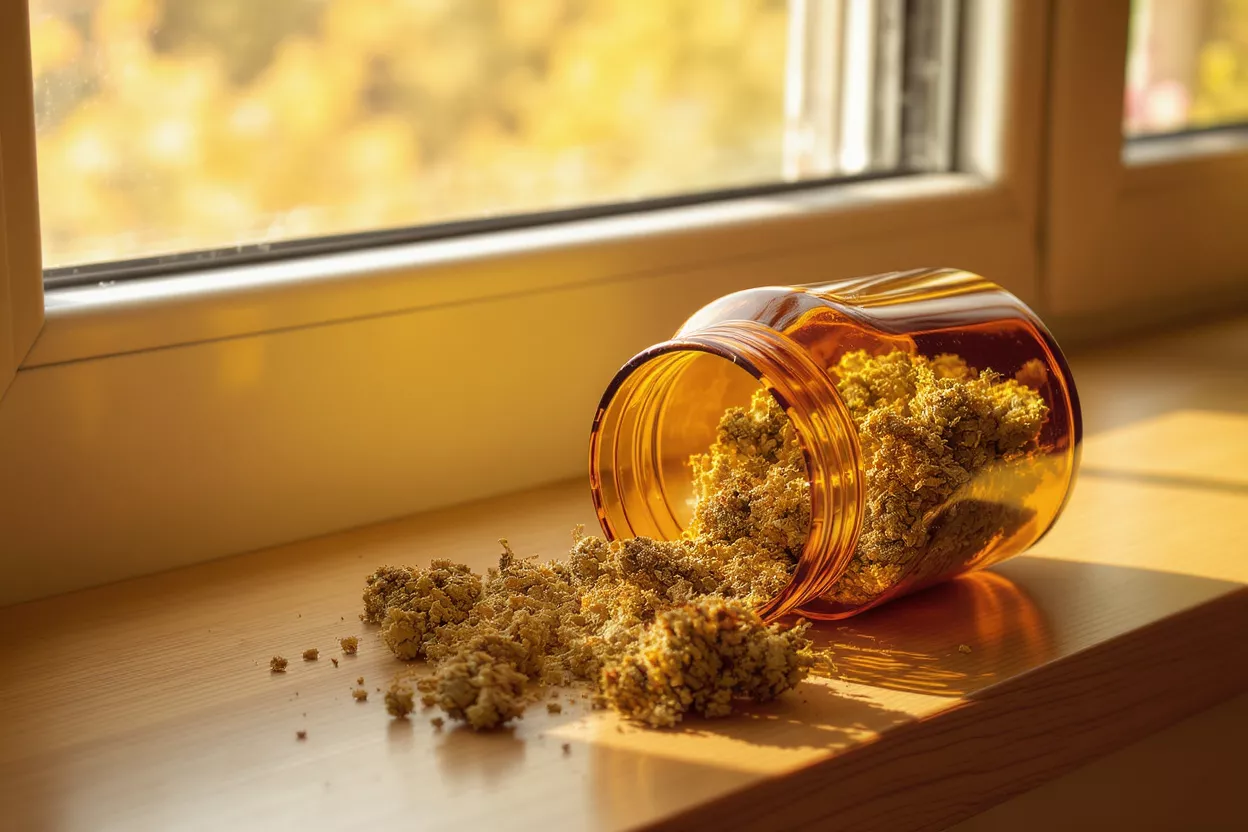
A cannabinoid born from time: CBN is what chemists call a degradation product. As cannabis sits in storage and its THC slowly breaks down, cannabinol accumulates in its place. This explains why an old, forgotten jar of flower so often delivers a heavier, drowsier experience than the fresh batch you bought last week. The plant did not make that CBN on purpose; oxygen and time did the work.
Historically, CBN holds a special place in cannabis science. It was actually one of the first cannabinoids ever isolated by researchers, predating the identification of THC. According to Harvard Health, cannabinoids interact with the body's endocannabinoid system, a network that helps regulate sleep, mood, and pain perception. CBN fits squarely into the growing interest around minor cannabinoids that promise targeted effects rather than raw potency.
How CBN Forms From THC Over Time
To understand CBN, you really need to understand what happens when THC grows old. Fresh trichomes are packed with THCA, the acidic precursor that converts to THC when heated. But leave that THC exposed to the elements, and a slow chemical drama unfolds that ends with cannabinol. The genetics of the plant matter far less here than what happens to the harvested flower afterward.
The role of oxidation: The primary pathway from THC to CBN is oxidation. Oxygen molecules attack the THC structure, gradually rearranging it into cannabinol. Ultraviolet light dramatically speeds this along, which is why flower stored in clear glass on a sunny shelf loses its punch and gains CBN faster than the same buds tucked away in a cool, dark cupboard. Heat acts as an accelerant, nudging the whole reaction forward.
Because natural aging is slow and unpredictable, most modern CBN does not come from dusty old jars. Producers at a licensed facility manufacture it deliberately, aging THC distillate under controlled conditions or using targeted conversion methods to concentrate the compound. This is the only practical way to guarantee consistent CBN content in a finished product, since waiting for nature to do the job yields wildly variable results.
Is CBN Psychoactive or Just Sedating?
Perhaps the most common question newcomers ask is whether CBN will get them high. The honest answer requires some nuance. CBN is considered mildly psychoactive, but it is a far cry from THC. Most people describe its character as heavy and settling rather than euphoric or mentally stimulating. You should not expect the racing, cerebral buzz that potent THC products deliver.
Why the effects feel gentle: CBN binds only weakly to the CB1 receptor sites in the brain, which are the same receptors THC activates strongly to produce intoxication. With that weaker affinity, CBN's mental footprint stays subdued. The sensation most users report is body-focused and grounding, a quality that appeals to anyone wanting relaxation without losing their head.
It is worth being skeptical of CBN's old reputation as a knockout sedative. Much of that legend comes from anecdotal reports about aged cannabis, which contains not just CBN but also degraded terpenes like humulene that shift the overall feel. The experience of smoking old flower reflects that full chemical picture, not CBN in isolation. For predictable results, a purpose-built CBN sleep gummy is far more reliable than rummaging through a forgotten stash.
CBN Effects and Reported Benefits
CBN has drawn interest for several wellness applications, though it is important to frame this honestly. Most of the supporting evidence is preliminary, pulled from small studies and user testimony rather than large, rigorous clinical trials. Even so, the reported patterns are consistent enough to explain why cannabinol keeps showing up in new formulations year after year.
What people use CBN for: The most frequently cited reasons consumers reach for this cannabinoid cluster around relaxation and physical ease. Here is a snapshot of the effects users report most often:
- 😴 Relaxation support: A gentle, body-centered calm that many find welcome in the evening hours.
- 🌿 Physical comfort: Anecdotal accounts suggest it may ease everyday aches and tension.
- 🍽️ Appetite nudge: Some notice a mild uptick in hunger, a softer echo of THC's well-known effect.
- 🧘 Wind-down ritual: Favored as part of a nightly routine rather than a daytime boost.
Cannabinoids rarely act alone, and CBN is no exception. Through what researchers call the entourage effect, it may behave quite differently when paired with CBD, THC, and a full terpene profile than it does in isolation. Harvard Health notes that the interplay between these plant compounds is still an active research frontier, and teasing apart any single molecule's contribution remains genuinely challenging.

Does CBN Work as a Sleep Aid?
The headline claim about CBN is that it functions as a natural sleep aid, a reputation so sticky that "the sleepy cannabinoid" has become its unofficial nickname. Whether the science fully earns that label is a more complicated story, and it deserves a clear-eyed examination rather than blind acceptance.
What the research actually says: Direct clinical work isolating CBN's sedative power is surprisingly sparse. Much of the sleep association traces back to the broader effects of aged whole-plant cannabis rather than purified cannabinol. That said, user reports of better rest are remarkably consistent, which keeps scientists curious. Pairing CBN with a touch of THC or with calming terpenes appears to amplify the drowsy effect for many people, hinting that synergy matters more than CBN alone.
For anyone building a bedtime routine, a slow-release CBN sleep capsule is a popular pick because edibles produce a longer, steadier effect than inhaling. Formulators often add lecithin to these products to help the cannabinoids disperse, since CBN is not water-friendly and benefits from an emulsifier. Small details like this can meaningfully shape how a product actually feels when you take it.
None of this replaces fundamental sleep hygiene. CBN may complement a healthy routine, but it cannot substitute for consistent sleep and wake times, dimmed screens before bed, and a cool, comfortable room. Treat it as one tool among many rather than a magic switch.
CBN vs CBD vs THC Compared
The three-letter acronyms in cannabis can blur together fast, and confusing them leads to disappointing purchases. Understanding how CBN stacks up against CBD and THC clears the fog and lets you shop with genuine intention rather than guesswork.
Origin and intoxication: THC is the primary intoxicating compound, CBD is fully non-intoxicating, and CBN lands in the middle as mildly psychoactive. THC and CBD are both produced in abundance by the living plant, whereas CBN forms almost entirely through the slow degradation of THC. That difference in origin is the single biggest distinction separating CBN from its better-known cousins.
Here is a quick reference to keep the trio straight:
- 🔥 THC: Strongly psychoactive, abundant in fresh flower, responsible for the classic high.
- 💧 CBD: Non-intoxicating, heavily studied, popular for general wellness and daytime calm.
- 🌙 CBN: Mildly psychoactive, formed as THC ages, linked to relaxation and rest.
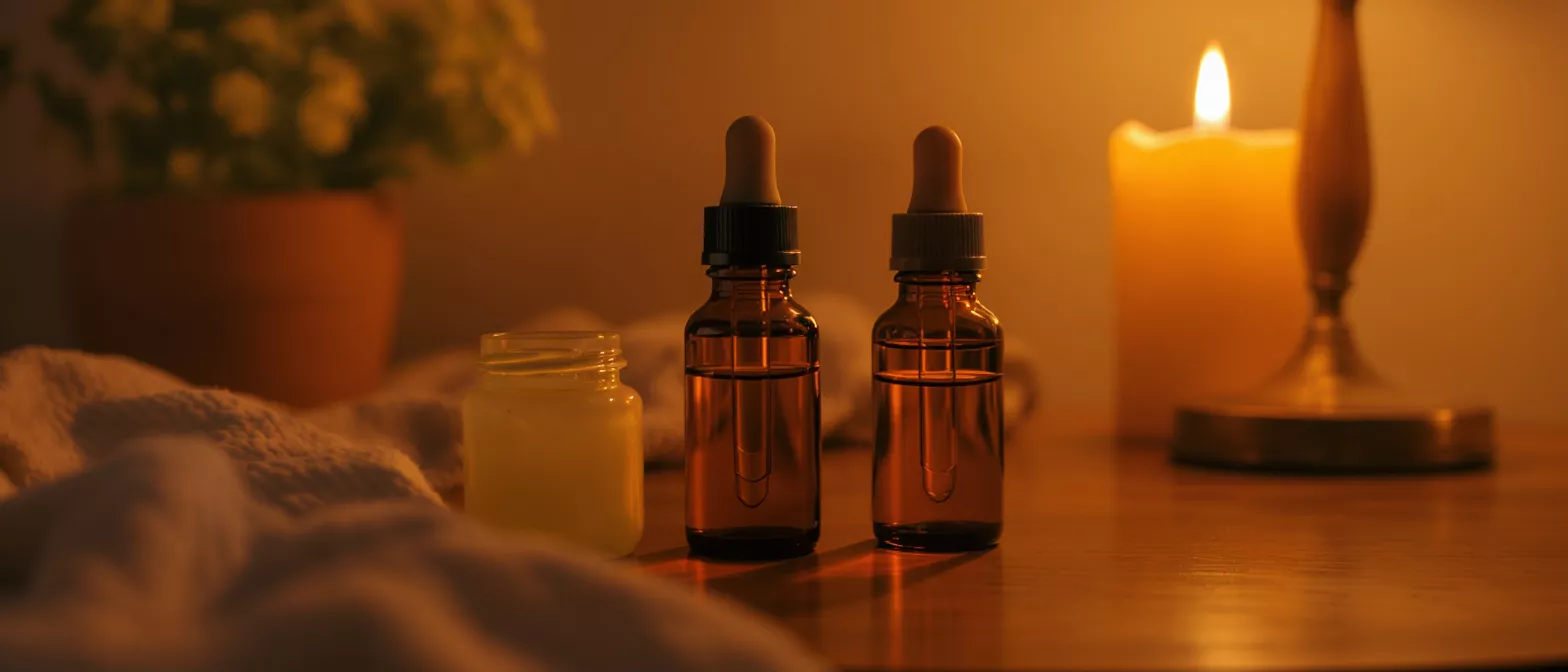
For those curious about minor cannabinoids, a balanced full-spectrum nighttime tincture can deliver CBD, trace THC, and CBN together. This lets the compounds collaborate the way the plant intended, rather than forcing any single molecule to carry the entire experience on its own.
Types of CBN Products to Try
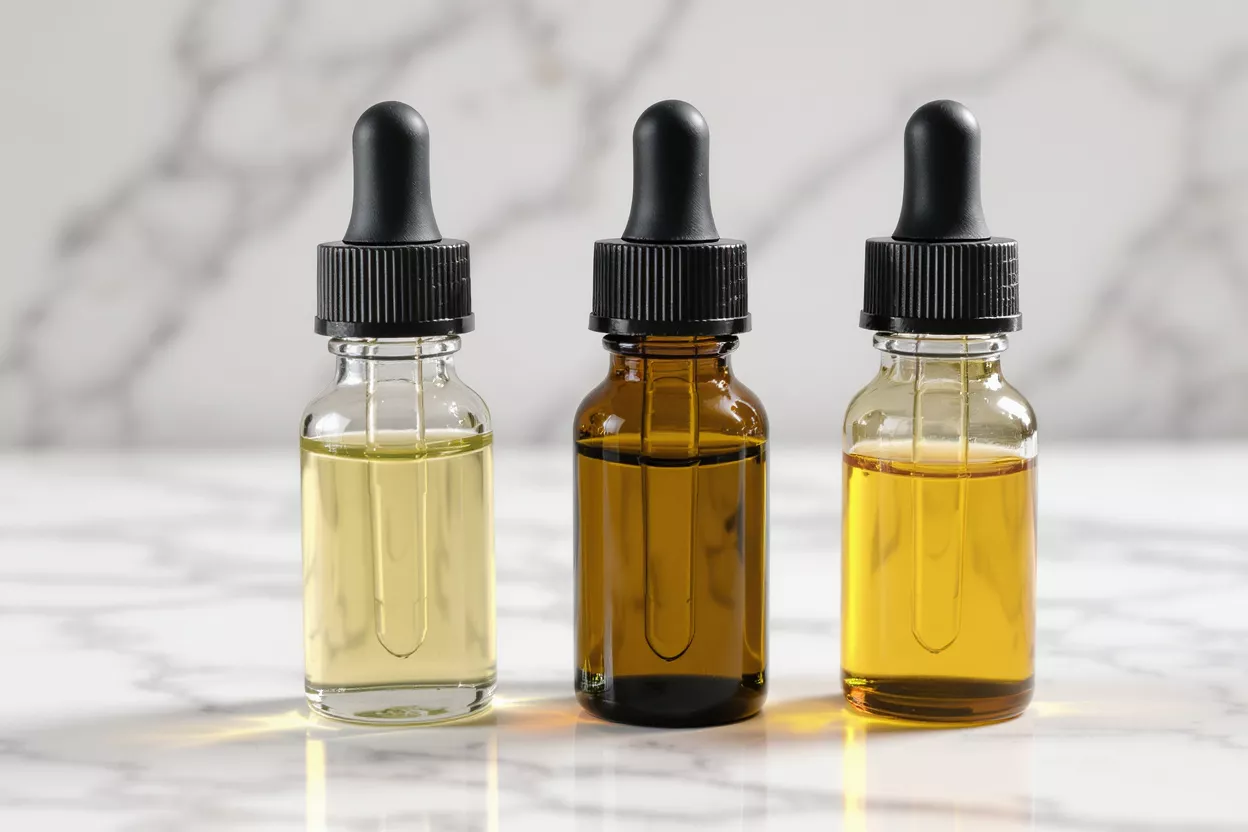
As consumer demand has climbed, the CBN product landscape has expanded well beyond simple oils. Each format delivers cannabinol differently, with its own onset speed and duration, so the right choice really depends on how fast you want the effect and how long you want it to linger.
Popular CBN formats: Today's options span the full spectrum of cannabis delivery methods. The most common include:
- 💧 Tinctures: Sublingual oils offering flexible dosing and a moderately quick onset.
- 🍬 Gummies and edibles: Pre-measured, long-lasting, and convenient for nightly use.
- 💊 Capsules: Precise, flavorless dosing for anyone who dislikes the taste of hemp extract.
- 🌬️ Concentrates: Full-spectrum extracts that preserve minor cannabinoids alongside aromatic terpenes.
- 🌿 Aged flower: Naturally richer in CBN, occasionally sold specifically for evening relaxation.
Concentrate enthusiasts may encounter CBN in artisanal forms where the full plant profile is preserved. These rich extract products often retain a fuller cannabinoid and terpene spectrum than stripped-down distillate, which is exactly why connoisseurs gravitate toward them. The complete plant experience tends to feel rounder and more nuanced than any isolated compound can manage on its own.
CBN Dosing Guide for Beginners
Dialing in the right CBN dose is a personal process, and no universal number works for everyone. Body weight, tolerance, the product format, and your individual chemistry all influence how much you need. The smart strategy is the same one seasoned users always recommend: start low and increase gradually until you discover your comfortable range.
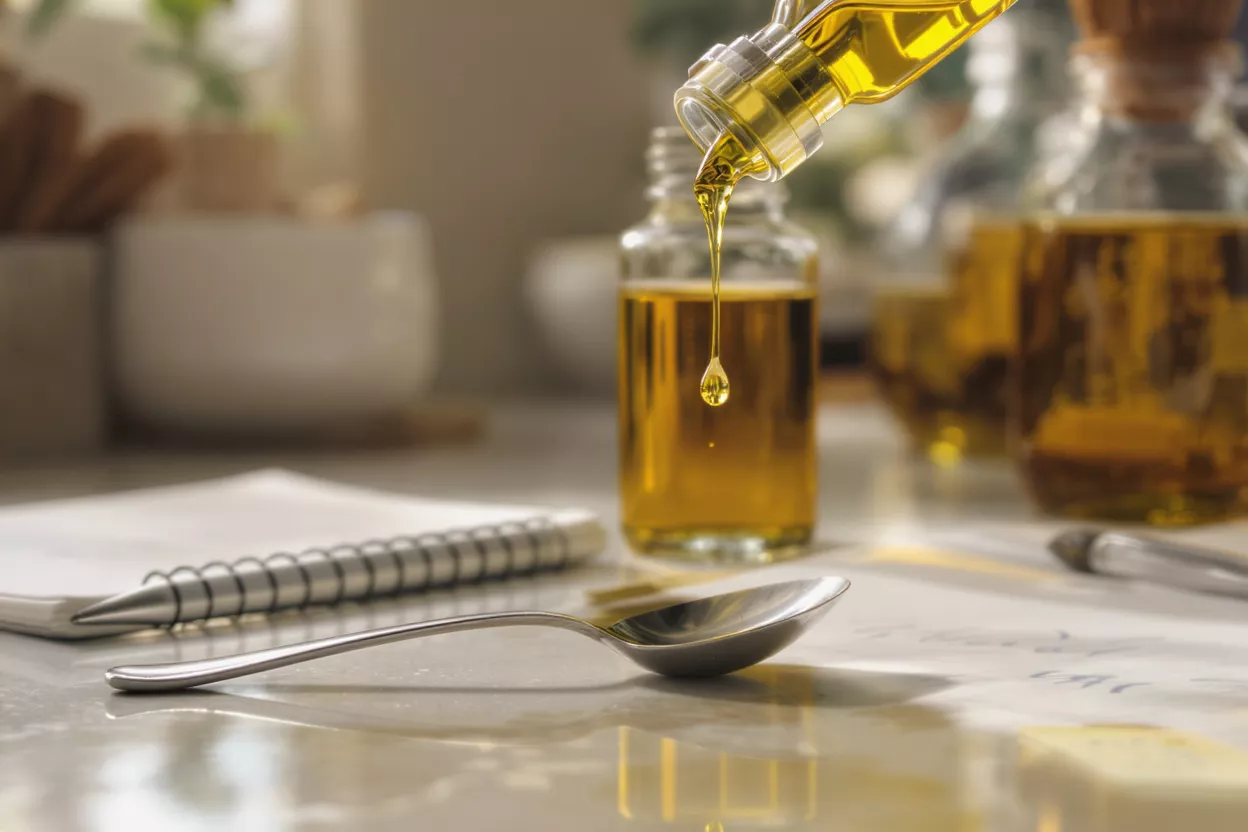
Start low and go slow: Many people begin somewhere around 2.5 to 5 milligrams and watch how they respond over several nights before adjusting. Because edibles take time to activate, patience is essential; wait at least an hour, often longer, before considering a top-up. Increasing the dose too quickly is the single most common rookie mistake, and rushing rarely improves the outcome.
CBN frequently appears blended with complementary ingredients designed to round out a nighttime routine. Some formulas pair it with calming botanicals or functional mushrooms, though the evidence behind those combinations is largely anecdotal. Whenever you encounter bold claims, weigh them against credible sources like Harvard Health rather than trusting marketing language at face value.
If you take prescription medication, both the timing and amount of CBN deserve extra attention. A brief conversation with a healthcare provider is the most responsible first step before adding any new cannabinoid to your regimen.
Is CBN Safe to Use?
For most healthy adults, CBN appears to be well tolerated, with a side effect profile that resembles other minor cannabinoids. Still, the research foundation is young, so responsible use means appreciating both what we understand today and what remains genuinely uncertain about long-term effects.
Possible side effects: The most commonly reported reactions are drowsiness, mild dizziness, and dry mouth. Given CBN's leaning toward sedation, it makes sense to avoid driving or operating machinery until you know exactly how it affects you. Mixing CBN with alcohol or other sedatives can compound that drowsiness and is best avoided altogether.
Who should take care: Anyone who is pregnant, breastfeeding, or managing prescription medications should consult a healthcare professional before trying CBN, as should people with existing medical conditions. Product quality matters enormously too. Choosing items tested at a licensed facility helps ensure the cannabinoid content is accurate and free of contaminants, while clearly labeled ingredient lists signal a transparent, trustworthy brand worth your money.
How Aged Cannabis Builds CBN
Since CBN is born from the aging of THC, understanding storage is the key to understanding the cannabinoid itself. The very conditions that gradually erode fresh potency are exactly what generate cannabinol, creating a curious paradox that fascinates cannabis enthusiasts who pay attention to their stash.
The three drivers of conversion: Air, light, and heat work together to transform THC into CBN. Oxygen fuels the oxidation reaction, ultraviolet light supplies energy that breaks chemical bonds, and warmth accelerates the entire process. Flower left in a warm, bright, loosely sealed jar accumulates CBN dramatically faster than the same buds kept cold and dark. This is precisely why some people who crave a sleepier effect deliberately let a portion of their flower age.
It helps to separate degradation from cultivation. The plant's genetics set the ceiling for how much THC it can produce, but time and storage determine how much of that THC eventually becomes CBN. Aromatic terpenes fade with age too, shifting the smell toward the musty, hay-like note many associate with old flower. The aroma itself becomes a rough clue to how much cannabinol has accumulated inside.
In summary, CBN is a genuinely intriguing minor cannabinoid that rewards a closer look. Formed as THC ages, it is only mildly psychoactive, widely associated with relaxation and rest, and increasingly available across tinctures, edibles, capsules, and full-spectrum concentrates. While the research is still catching up to the hype, CBN offers a gentler, body-focused alternative for anyone seeking calm rather than intensity. Whether you choose a purpose-made product or simply notice the sleepy character of an aged jar, understanding how CBN forms empowers you to make smarter, more intentional decisions about the cannabis you consume.

Comments