


CBD Dosage for Sleep 2026: Finding Your Perfect Bliss and Sweet Dreams
Discover the right CBD dosage for sleep tonight.
If you have spent more nights than you would like staring at the ceiling, you are not alone, and dialing in the right CBD dosage for sleep may be the gentle nudge your nervous system needs to finally power down. Cannabidiol has earned a reputation as a calming, non-intoxicating compound that supports the body's natural wind-down process, but the question almost everyone asks is deceptively simple: how much should I actually take? The honest answer is that there is no universal milligram number that works for every person, because sleep is shaped by body chemistry, stress, metabolism, and the form of CBD you choose.
This guide cuts through the noise to give you a practical, research-informed framework for finding your personal sweet spot. We will walk through how CBD interacts with your sleep cycle, realistic starting doses, the variables that move the needle, and how to compare CBD against other wind-down tools like Theanine and melatonin. By the end, you will have a repeatable method for adjusting your dose until restful, uninterrupted sleep becomes your new normal rather than a lucky accident.
What Is the Right CBD Dosage for Sleep
Defining a starting point: The right CBD dosage for sleep is the smallest amount that reliably helps you fall asleep and stay asleep without leaving you groggy the next morning. For most adults new to cannabidiol, that range typically falls somewhere between 25 mg and 50 mg taken roughly an hour before bed. Some people respond beautifully to as little as 15 mg, while others with higher tolerance or more stubborn sleep issues climb toward 75 mg or more. The goal is never to chase the biggest dose but to find the floor at which your body responds.
Why milligrams matter more than product hype: Marketing often emphasizes potency or flashy extraction methods, but what actually governs your results is the total milligrams of CBD delivered and how consistently you take them. A clearly labeled tincture that tells you exactly how many milligrams sit in each dropper is far more useful than a vague "full-spectrum blend" with no numbers. According to research compiled by the National Center for Biotechnology Information, cannabidiol's effects on sleep appear to be dose-dependent, meaning the amount you take genuinely changes the outcome.
Think of your first week as a calibration period rather than a test you can fail. Start low, hold the dose steady for several nights, and observe patterns before adjusting. Sleep improvements from CBD often build gradually as your endocannabinoid system settles into a rhythm, so patience during this phase pays off far more than aggressive dose-jumping.
How Does CBD for Sleep Work in the Body
CBD does not knock you out the way a sedative does. Instead, it works indirectly by supporting the endocannabinoid system, a network of receptors that helps regulate mood, stress response, and your circadian rhythm. When this system is balanced, the racing thoughts and physical tension that keep you awake tend to quiet down on their own, making it easier to drift off naturally.
Calming the stress response: Much of the sleeplessness people experience is rooted in an overactive stress response. CBD appears to influence serotonin signaling and may help lower the cortisol spikes that keep your mind alert at the wrong time of night. This is why many users describe the effect as "taking the edge off" rather than a heavy sedation. Studies catalogued by the National Center for Biotechnology Information suggest CBD may reduce anxiety-driven wakefulness, which is one of the most common barriers to falling asleep.
It is worth noting that full-spectrum products contain trace cannabinoids and terpenes that may enhance the calming effect through what is often called the entourage effect. Terpenes like myrcene and the subtle profile shaped by terpinolene effects can contribute to relaxation, while compounds such as THCV and CBN are increasingly studied for their distinct roles in the sleep and wakefulness cycle.
How Much CBD Oil for Sleep Should You Take
CBD oil tinctures remain the most popular format for sleep because they offer precise, adjustable dosing and a faster onset than capsules or gummies when held under the tongue. To find your amount, you need to know two numbers: the total milligrams in the bottle and the volume of the bottle. Dividing one by the other tells you the milligrams per milliliter, and from there you can measure a consistent dropper dose every night.
A simple starting protocol: Begin with 20 to 25 mg about 60 minutes before bed, held sublingually for 60 to 90 seconds before swallowing. Hold that dose for three to four nights and journal your results. If you are still struggling to fall asleep or waking frequently, increase by 5 to 10 mg and repeat. This slow titration prevents you from overshooting and helps you identify the true minimum effective dose for your body.
For those who prefer not to measure droppers, a quality CBD sleep tincture with clearly marked graduations takes the guesswork out of nightly dosing. Sublingual oils strike a nice balance between the speed of a thc vape pen and the convenience of an edible, which is part of why they remain a go-to for people refining their routine.
Factors That Affect Your CBD Dosage for Sleep
No two people metabolize cannabidiol identically, which is why a dose that leaves your friend deeply rested might do little for you. Understanding the variables at play helps you interpret your own results instead of blindly copying someone else's routine.
The biggest variables to consider: Body weight, metabolism, the severity of your sleep issues, and whether you take CBD on an empty or full stomach all shift how much you need. Taking CBD oil with a small amount of healthy fat can improve absorption, while an empty stomach may produce a faster but shorter effect.
- ⚖️ Body weight: Heavier individuals often require higher doses to feel the same effect.
- 🔥 Metabolism: A faster metabolism may break down CBD quicker, shortening its duration.
- 🌙 Severity of insomnia: Occasional restlessness needs less than chronic, long-standing sleep trouble.
- 🍽️ Food intake: Pairing your dose with dietary fat boosts bioavailability noticeably.
- 🧬 Tolerance: Regular users may gradually need slight adjustments over time.
Your existing medications matter too. CBD can interact with the same liver enzymes that process many prescription drugs, so consulting a healthcare provider before starting is genuinely important if you take anything regularly. Research from the National Center for Biotechnology Information highlights these enzyme interactions, underscoring why a personalized approach beats a one-size-fits-all dose.
Best CBD Products for Sleep and Relaxation
The format you choose shapes both how fast CBD works and how long it lasts, so matching the product to your specific sleep pattern matters. If you struggle to fall asleep, fast-acting formats help. If you wake in the middle of the night, longer-lasting options serve you better.
Matching format to your sleep problem: Tinctures and a calming thc tea work quickly and suit people who lie awake at bedtime, while capsules and gummies release more slowly and support those who wake at 3 a.m. A soothing thc beverage before bed has become a popular ritual, and for full-body relaxation some people layer in a full-spectrum CBD oil alongside their evening routine.
- 💧 Tinctures: Fast onset, easy to fine-tune dose, ideal for falling asleep.
- 🍬 Gummies: Slow, steady release that supports staying asleep through the night.
- ☕ Beverages: A relaxing pre-bed ritual with gentle, gradual onset.
- 💊 Capsules: Consistent, pre-measured dosing for routine-driven users.
- 🌿 Full-spectrum oils: Entourage effect for deeper, more rounded relaxation.
Functional mushroom blends featuring Lion’s Mane are sometimes paired with evening CBD for cognitive support, though Lion's Mane is more commonly a daytime ally. For winding down specifically, look for formulas that combine CBD with sleep-supportive ingredients like Theanine, magnesium, or a touch of melatonin.

CBD for Sleep Dosing Guide by Body Weight
While individual response always trumps a chart, body weight offers a reasonable starting framework when you have no other reference point. The general principle is that larger bodies often need more milligrams to reach the same blood concentration, though sensitivity varies widely.
A weight-based starting reference: As a rough guide, lighter individuals under 130 pounds might begin around 15 to 20 mg, those between 130 and 200 pounds around 20 to 35 mg, and individuals over 200 pounds in the 30 to 50 mg range. These are starting points, not destinations. The aim is to begin conservatively and titrate upward until you find reliable, restful sleep.
Always remember that these numbers describe a launchpad rather than a prescription. Someone light who is highly sensitive may thrive on 10 mg, while a larger person with chronic sleep struggles might eventually settle higher. Track your nights, adjust slowly, and let your body's actual response be the final authority on your ideal dose.
CBD vs Other Natural Sleep Aids
CBD is one tool in a broader toolkit of natural sleep supports, and understanding how it stacks up against the alternatives helps you build a routine that fits your needs. Each option works through a different mechanism, so they are not strictly interchangeable.
How CBD compares to popular options: Melatonin directly signals your brain that it is time to sleep, making it useful for circadian disruptions and jet lag, but it can leave some people groggy. Theanine, the calming amino acid found in green tea, promotes relaxation without sedation and pairs beautifully with CBD. CBD itself tends to address the underlying stress and tension that prevent sleep rather than forcing drowsiness, which is why many people find it gentler.
Some users combine these thoughtfully, layering a low dose of melatonin with CBD for nights when their schedule is off, or adding Theanine for stress-heavy evenings. The antioxidant Tocopherol, a form of vitamin E, often appears in well-formulated oils to preserve freshness, a small detail that signals a quality product. The point is that CBD does not have to stand alone, and a thoughtfully layered approach often outperforms any single ingredient.
Is CBD for Sleep Safe to Use Nightly
For most healthy adults, nightly CBD use is considered well tolerated, and research has not flagged the kind of dependency or next-day impairment associated with many conventional sleep medications. That said, "generally safe" is not the same as "risk-free for everyone," and a few considerations deserve your attention.
Side effects to watch for: The most commonly reported effects are mild and dose-related, including dry mouth, slight drowsiness, lightheadedness, and occasional digestive upset at higher doses. These usually fade as your body adjusts or when you lower the dose. Starting low and increasing slowly is the simplest way to minimize any unwanted effects while you find your sweet spot.
The more important safety conversation concerns drug interactions and quality. Because CBD is processed by liver enzymes that also handle many medications, anyone on prescriptions should speak with a doctor first. Equally critical is buying from brands that publish third-party lab results, since the unregulated corners of the market can hide inaccurate labeling or contaminants. A trustworthy lab-tested CBD oil with a current certificate of analysis removes most of that uncertainty.
How Long CBD Takes to Work for Sleep
Timing your dose correctly is just as important as getting the milligrams right, because each format has a different onset window. Take it too late and you may still be waiting to feel calm as you lie in bed; take it at the right moment and the effect aligns perfectly with your wind-down.
Onset times by format: Sublingual tinctures held under the tongue typically begin working within 15 to 30 minutes, making them the fastest non-inhaled option. Edibles, capsules, and a thc beverage must pass through digestion, so they can take 45 minutes to two hours to kick in, but the effect lasts considerably longer. Knowing this lets you time your dose so peak relaxation coincides with lights-out.
Consistency also shapes how well CBD works over time. Many people notice that the benefits deepen after a week or two of nightly use as cannabidiol accumulates and the endocannabinoid system finds its rhythm. Rather than judging CBD on a single night, give any new dose at least four to seven nights before deciding whether to adjust it.


Full Spectrum CBD Tincture Nighttime 500mg – BIRCH+FOG
A gentle on-ramp to better evenings. This 500mg full-spectrum tincture leans on the plant's natural entourage to quiet a busy mind and ease you toward sleep — without the heavy, over-sedated morning after. Low and forgiving, it's the ideal first nighttime CBD: a few drops after dinner to soften the day's edges and settle into a calmer wind-down.
- Gentle Sedation : Promotes sleep without heavy drowsiness
- Stress Relief : Calms end-of-day anxiety naturally
- Easy Introduction : Perfect first CBD sleep product
- Flexible Use : Works for sleep or daytime calm
- Natural Rhythm : Supports healthy sleep patterns

CBD CBN Sleep Tincture 1500mg – NOW+THEN
Serious rest, in a dropper. NOW+THEN's CBD+CBN Sleep tincture merges relaxing CBD with naturally sedating CBN at a potent 1500mg — built to tackle stubborn, sleepless nights head-on. A measured dropper before bed quiets the mind and eases you toward deeper sleep, with no high and a clear morning. The nightcap for when ordinary sleep aids fall short.
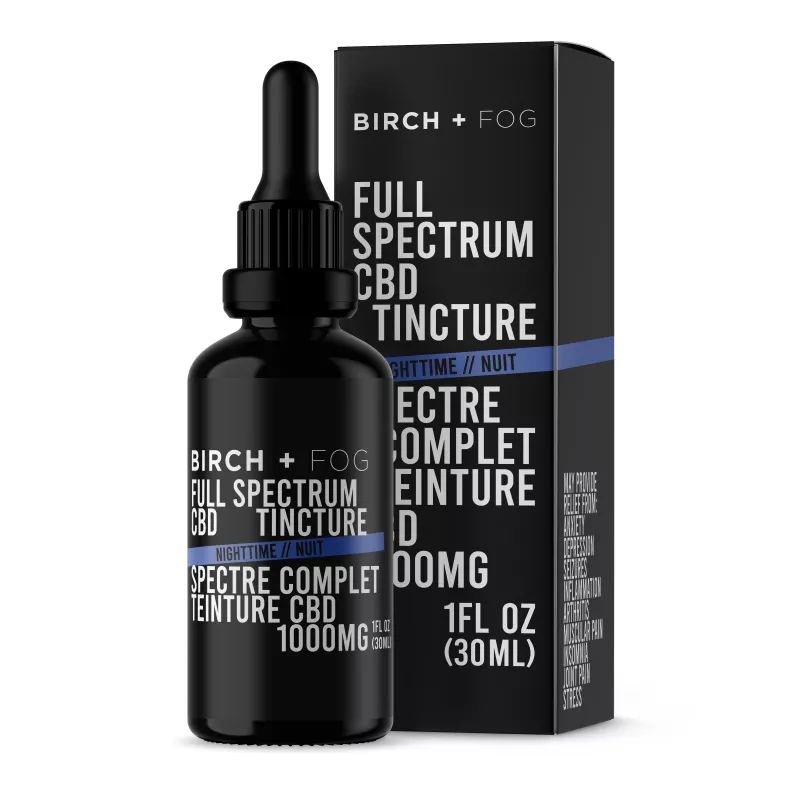
Full Spectrum CBD Tincture Nighttime 1000mg – BIRCH+FOG
For nights when your thoughts won't clock out. Birch+Fog's 1000mg full-spectrum nighttime tincture blends potent cannabinoids with sleep-friendly compounds to loosen physical tension and hush the mental chatter that keeps you staring at the ceiling. A dropper before bed helps you drift down into deeper, steadier sleep — and wake clear rather than groggy.
- Deep Sleep : Achieve restorative REM and deep sleep cycles
- Anxiety Relief : Quiet racing thoughts that prevent rest
- Physical Relaxation : Release muscle tension and restlessness
- Natural Rhythm : Support healthy circadian patterns
- Morning Clarity : Wake refreshed without grogginess
CBD Dosage for Sleep Tips and Best Practices
Finding your ideal CBD dosage for sleep is a process of patient experimentation rather than a one-time guess, and a few practical habits dramatically improve your odds of success. The goal is to build a repeatable routine your body can rely on.
Habits that maximize results: Take your dose at the same time each night, pair it with good sleep hygiene like dimmed lights and reduced screen time, and keep a simple journal noting your dose, timing, and how you slept. This record turns vague impressions into clear patterns you can act on. Avoid jumping your dose up dramatically out of impatience, since overshooting can occasionally produce mild alertness rather than calm.
Remember that CBD works best as part of a holistic approach rather than a magic bullet. Managing caffeine intake, keeping a consistent sleep schedule, and creating a calm pre-bed environment all amplify what cannabidiol can do. A relaxing thc tea, a warm room, and a steady nightly dose together create conditions in which restful sleep becomes far more likely.
In the end, the perfect CBD dosage for sleep is deeply personal, built through careful observation rather than copied from a chart. Start low, titrate slowly, prioritize quality lab-tested products, and pay attention to how your body responds. With patience and consistency, most people find a comfortable nightly dose that helps transform restless nights into the kind of deep, restorative sleep that leaves you genuinely refreshed. Sweet dreams are well within reach. 🌙



Comments