

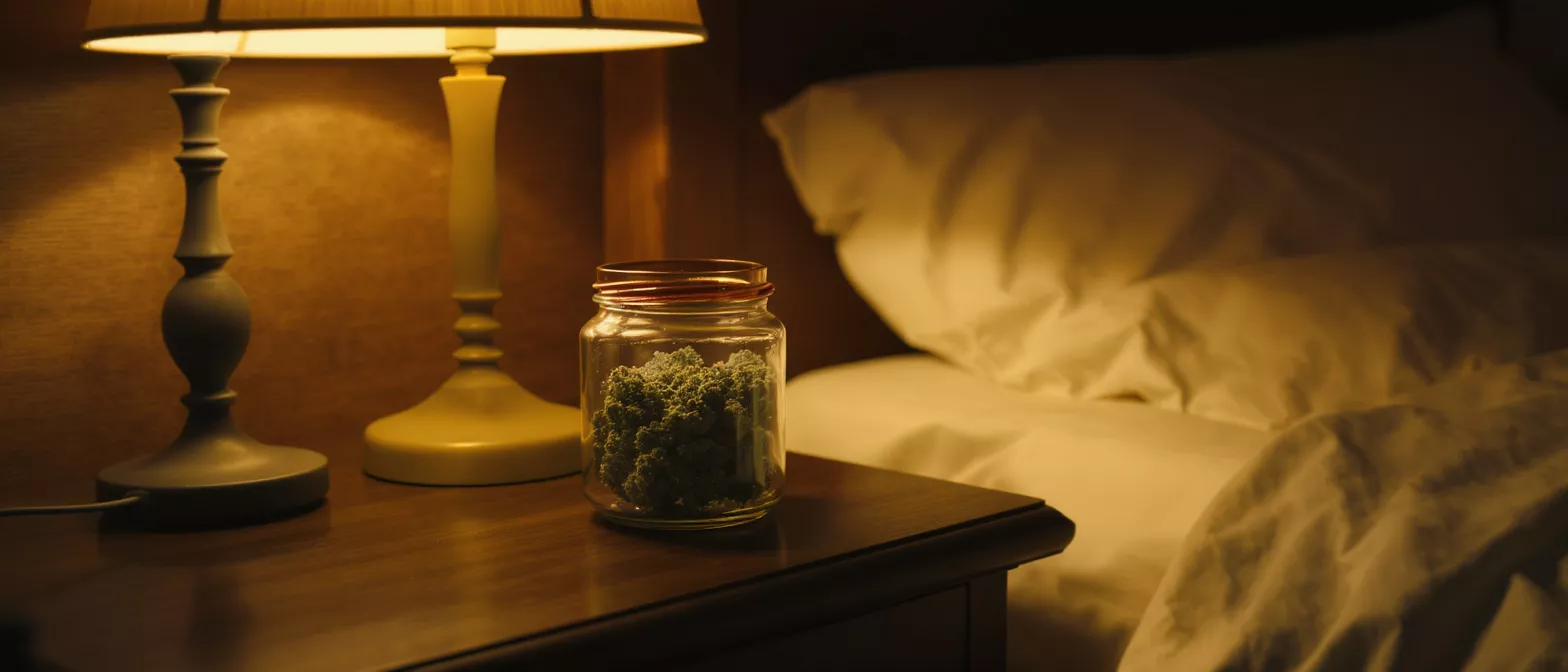
Indica vs Sativa for Sleep
Tired of guesswork?
What Does Indica vs Sativa for Sleep Actually Mean
If you have ever stood in a dispensary at closing time trying to decide what will actually help you fall asleep, the indica vs sativa for sleep question is probably the first thing on your mind. The shorthand most budtenders repeat is simple: indica for nighttime, sativa for daytime. That rule of thumb is not useless, but it is a massive oversimplification of what is really happening inside the plant and inside your body when you consume cannabis before bed.
The terms indica and sativa originally described the physical structure of the plant, not its effects. Indica plants tend to be short and bushy with broad leaves, while sativa plants grow tall and lanky with narrow blades. Over decades of breeding, these botanical categories became marketing labels for effect profiles, which is why the indica vs sativa for sleep framework persists even though the science has moved well beyond it.
What matters far more than the label on the jar is the chemical fingerprint of the specific cultivar you are holding. Two products both labeled indica can produce wildly different results depending on their cannabinoid content and terpene mix. Understanding that nuance is the difference between guessing and actually engineering a good night of rest.
How Indica Affects Sleep and the Body
The classic body high: When people describe an indica as sedating, they are usually talking about the heavy, relaxed, couch-locked sensation that settles into the limbs and quiets a racing mind. This is the effect most sleepers are chasing, and it is real, but it comes from the interaction of cannabinoids and terpenes rather than from anything inherent to the word indica itself.
THC is the primary driver of that drowsiness at moderate doses, interacting with the endocannabinoid system to reduce the time it takes to fall asleep for many users. Research summarized by ScienceDirect has explored how cannabinoids influence sleep architecture, including effects on how quickly people drift off and how their sleep stages are distributed through the night. A fast-acting sleep tincture can be a smart entry point for anyone who wants to feel effects before their head hits the pillow.
Physical relaxation and pain relief: A large part of why indica-leaning products help with sleep is indirect. If chronic aches, tension, or restlessness are keeping you awake, the muscle-relaxing and analgesic qualities of a heavy cultivar remove the physical barriers to rest. Concentrates like nug run extracts and jelly hash are prized among nighttime users precisely because they deliver a dense, full-bodied effect that melts tension quickly. 😴
Why Sativa Is Usually Wrong for Bedtime
Sativa-leaning cultivars are typically described as uplifting, cerebral, and energizing. For a lot of people that translates to racing thoughts, increased heart rate, and a wired feeling that is the exact opposite of what you want when you are trying to wind down. If you have ever felt anxious or overly alert after cannabis, there is a good chance a sativa-dominant product was the culprit.
The energizing reputation of sativas often traces back to their terpene profiles rather than their cannabinoids. Terpenes like limonene and ocimene are common in these cultivars and are associated with brighter, more stimulating experiences. Ocimene in particular shows up in many daytime strains and contributes to that alert, buzzy quality that works against sleep.
That said, the line is blurrier than most people assume. A narrow-spectrum product or a carefully bred hybrid can carry a sativa label while still producing relaxing effects, which is exactly why relying on the category alone leads people astray. The smarter move is to read the actual lab panel and ignore the two-word shorthand when your goal is deep, uninterrupted rest.

Why Terpenes Matter More Than Indica vs Sativa
The entourage effect: Terpenes are the aromatic compounds that give cannabis its scent, and mounting evidence suggests they shape the effects just as much as the ratio of THC to CBD. This synergy between cannabinoids and terpenes is often called the entourage effect, and it explains why two products with identical THC levels can feel completely different.
Myrcene is the terpene most strongly associated with sedation, and it happens to be abundant in many cultivars sold as indicas. Linalool, the same compound that makes lavender calming, is another heavy hitter for sleep. On the flip side, nerolidol has a subtle sedative reputation of its own, while brighter terpenes like ocimene and limonene tend to keep you up. When you shop for sleep, scanning for myrcene and linalool on the label is far more useful than scanning for the word indica.
Here is a quick reference for the terpenes most relevant to nighttime use:
- 😴 Myrcene: The heaviest sedative terpene, common in classic indica cultivars and linked to that couch-lock feeling.
- 💜 Linalool: The lavender compound, prized for calming anxiety and easing the transition to sleep.
- 🌙 Nerolidol: A woody, floral terpene with mild sedative and relaxing qualities.
- ⚡ Ocimene: Bright and stimulating; a red flag if your only goal is rest.
- 🍋 Limonene: Citrusy and mood-lifting, better suited to daytime than to bedtime.
Best Indica Strains and Products for Sleep
Time-tested cultivars: Certain indica-dominant strains have earned their reputation over many years. Granddaddy Purple, Northern Lights, and Bubba Kush consistently rank among the most sedating options because they combine moderate to high THC with myrcene-forward terpene profiles. When someone asks which strain will actually knock them out, these are the names that come up again and again.
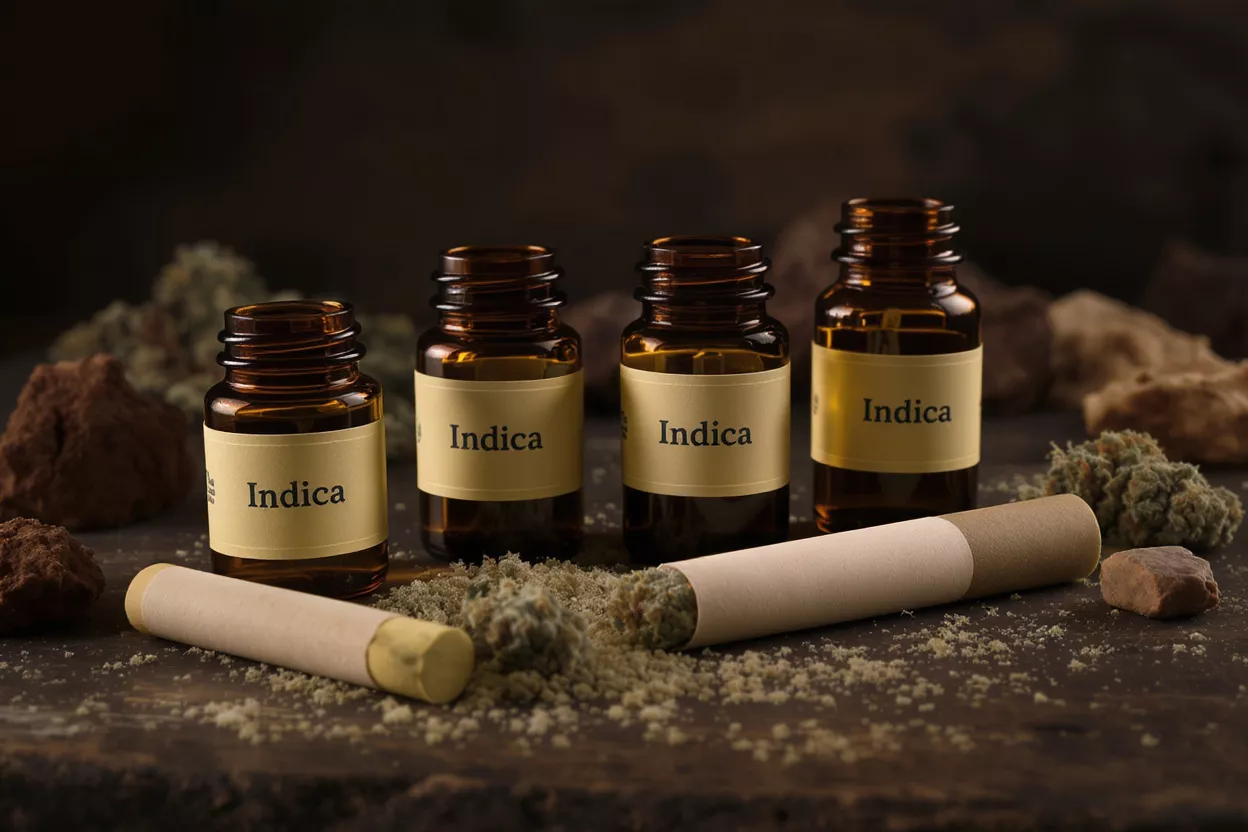
Beyond flower, the format you choose matters enormously. Moon rocks, which are nugs dipped in concentrate and rolled in kief, deliver an intense, long-lasting effect that many heavy sleepers appreciate. Full-spectrum extracts like HTFSE preserve the plant's complete terpene profile, giving you the richest possible entourage effect for sleep. For anyone who prefers to avoid smoking entirely, a high-myrcene indica edible offers a slow, deep body effect that lasts through the night.
Consider these formats when building your nighttime lineup:
- 🌸 Indica flower: Classic cultivars ground in a micron screen or picked apart by hand, then combusted or vaporized for fast onset.
- 🍯 Concentrates: Nug run, jelly hash, and HTFSE for potent, terpene-rich sessions using a nectar collector or dab rig.
- 🍬 Edibles: Long-lasting effects ideal for staying asleep through the night rather than just falling asleep.
- 💧 Tinctures: Fast, controllable dosing including nano cbd and nano thc formulas that absorb quickly.
THC vs CBD for Sleep: Getting the Ratio Right
THC and CBD play very different roles when it comes to rest, and understanding their balance is more important than fixating on indica vs sativa for sleep. THC is the sedating, sleep-inducing compound at moderate doses, but push it too high and it can cause anxiety or grogginess that undermines the very rest you are seeking.
The case for balanced ratios: CBD does not make you drowsy on its own, but it takes the edge off THC's more intense effects and appears to help with the anxiety that keeps many people awake. A product with a modest ratio of CBD to THC often produces smoother, more manageable sleep than THC alone. Newer formats such as nano cannabis seltzer make precise, low-dose experimentation easy because they onset quickly and clear the body faster than traditional edibles.
For sensitive users, starting with a CBD-forward blend and gradually introducing more THC is the safest path. This lets you find the minimum effective dose that gets you to sleep without the next-morning fog. Some people find that a CBN-enhanced formula, with its reputation as the sleepiest minor cannabinoid, rounds out the effect even further.
Dosing Indica for Sleep Without Overdoing It
The most common mistake sleepers make is taking too much. More THC does not equal better sleep past a certain point, and overshooting your dose often leads to a groggy, hungover feeling the next morning that people mistakenly blame on cannabis generally rather than on their portion size.
Start low and go slow: For edibles, this means beginning with 2.5 to 5 milligrams of THC and waiting a full two hours before considering more. Inhaled products act within minutes, so one or two draws and a short pause will tell you where you stand. The goal is the lowest dose that reliably gets you to sleep, because your tolerance will climb if you routinely overshoot.
Timing is the other half of the equation. Edibles can take 45 to 90 minutes to kick in, so dosing right at bedtime often backfires by peaking in the middle of the night. Take edibles about an hour before you want to be asleep, and save fast-acting formats like tinctures or a low-dose nano seltzer for nights when you need effects sooner. Avoid the temptation to hotbox a room for stronger effect; controlled, measured dosing beats brute force every time.
Best Consumption Methods for Nighttime Use
Inhalation for fast onset: Smoking or vaporizing indica flower delivers effects within minutes, which is ideal if you want tight control over how much you consume before bed. A vaporizer set to a moderate temperature preserves sedating terpenes like myrcene that can be lost to higher heat. Concentrate users often reach for a nectar collector or a rig fitted with a honeycomb disc for smooth, cool draws.
Edibles are the go-to for people who wake up in the middle of the night, because their long duration keeps effects active through the small hours. The tradeoff is the delayed onset and the harder-to-predict intensity, which is why dosing discipline matters most with this format. Tinctures split the difference, offering faster onset than edibles when taken under the tongue while still being smoke-free.
Emerging fast-onset formats are changing the game entirely. Nano thc and nano cbd products, including nano cannabis seltzer, use tiny particle sizes to absorb rapidly, delivering effects closer to inhalation speed without any smoke. For nighttime use this means you can dose closer to bedtime and still fall asleep on schedule.
Is Indica Safe for Sleep Every Night
Using cannabis for sleep is generally considered low-risk for healthy adults, but there are real tradeoffs to understand. The most discussed concern is that regular high-THC use can suppress REM sleep, the dreaming stage important for memory and emotional processing. Many nightly users report vivid dreams during the first week after stopping, which is thought to reflect a rebound in REM.
Tolerance and dependence: The body adapts to nightly THC, meaning the dose that worked last month may not work today. Building in periodic tolerance breaks keeps your effective dose low and preserves the benefit. Some people find they can lean on lower-THC options, adaptogens like Lion's Mane, or CBD-forward products on off nights to bridge the gap without a full reset.
If you have a diagnosed sleep disorder, cannabis should complement rather than replace proper medical guidance. It can be a genuinely useful tool for occasional insomnia and for the anxiety or pain that disrupts rest, but relying on it as a permanent crutch may mask an underlying issue worth addressing. Used thoughtfully and in moderation, an indica-leaning product is a reasonable part of a healthy sleep toolkit.
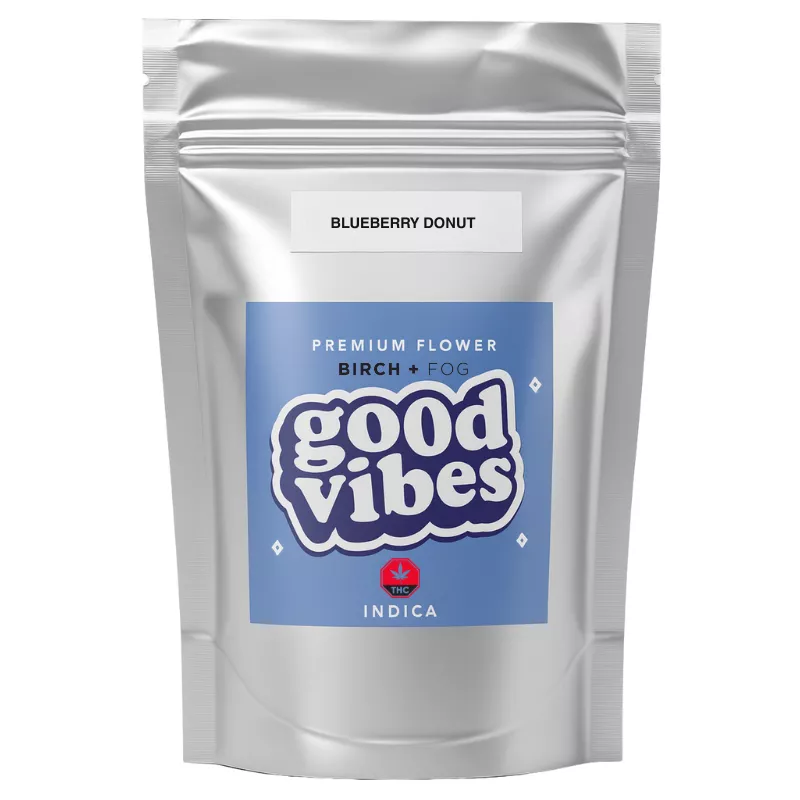

Good Vibes Blueberry Donut Indica Weed 3.5G – BIRCH+FOG
Sweet flavour and deep calm in 3.5g of pure comfort. Good Vibes' Blueberry Donut tastes like its name — freshly baked blueberry sweetness — over premium indica genetics built for full-body relaxation. It quiets a busy mind, eases physical tension, and helps set the stage for genuine rest. Smooth, aromatic, and consistent, it's a dessert-flavoured end to a long day.
- Deep Relaxation Properties: Powerful indica genetics deliver full-body calm and mental tranquility for comprehensive stress management
- Sleep Enhancement: Natural sedative qualities help establish healthy sleep patterns and combat restlessness or insomnia
- Pain & Tension Relief: Effective muscle relaxation and analgesic properties provide comfort for physical discomfort and chronic conditions
- Premium Quality Experience: Rich terpene content and high-grade cultivation ensure smooth consumption and consistent potency
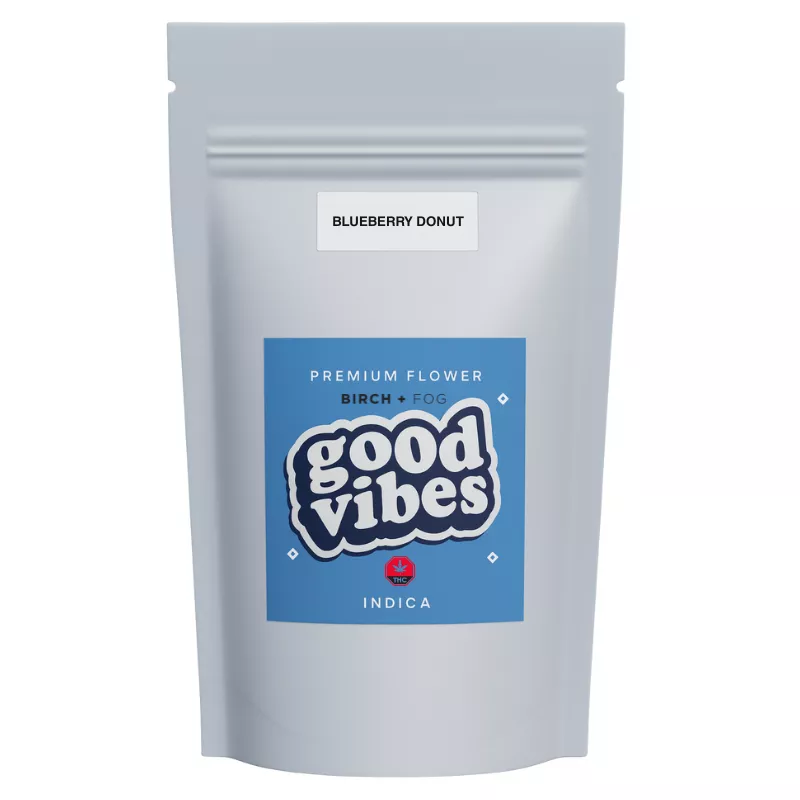
Good Vibes Blueberry Donut Indica Weed 7G – BIRCH+FOG
Dessert-inspired calm, in a full 7g jar. Good Vibes' Blueberry Donut wraps sweet bakery aromas and ripe blueberry notes around a deeply relaxing indica core — the sort of strain that softens mental and physical tension and ushers you toward sleep. Rich in cannabinoids and terpenes for a smooth, flavourful smoke, it's a treat of a nightcap for easing into the evening.
- Premium Indica Weed delivers profound calmness and helps ease mental and physical tension.
- Perfect for nighttime use, supporting deep, restful sleep and easing insomnia.
- Provides effective relief from pain and muscle soreness, ideal for relaxation and recovery.
- Contains a rich profile of cannabinoids and terpenes for a smooth and enjoyable flavor.
Building a Nightly Routine Around Indica
The best results come from treating cannabis as one piece of a larger sleep-hygiene puzzle rather than a magic switch. Dimming lights, avoiding screens, keeping a consistent bedtime, and cooling your bedroom all amplify the effects of a good indica and reduce how much you need to take.
Stacking supportive habits: Pairing your dose with a wind-down ritual trains your brain to associate the routine with sleep. Some people combine their tincture with a calming tea, a warm shower, or a few minutes of reading. Others explore natural adjuncts like magnesium or Lion's Mane earlier in the evening to support overall nervous-system balance, saving the cannabis for the final step before bed.
Ultimately, the indica vs sativa for sleep debate matters far less than paying attention to cannabinoid ratios, terpene profiles, dose, and timing. Reach for myrcene- and linalool-rich cultivars, start with a low dose, choose a format that matches whether you struggle to fall asleep or to stay asleep, and build supportive habits around it. Do that consistently and you will get more from cannabis than any label on a jar could ever promise. Sweet dreams. 🌙





Comments
The terpene breakdown finally made this click for me. I’ve been buying anything labeled indica and getting mixed results, but once I started checking for myrcene the difference was night and day.
Wish I’d read the dosing section a year ago. I was taking way too much and waking up foggy every morning, blaming it on the weed itself. Cut back to 5mg and I actually feel rested now.
Great point about REM rebound. I stopped for a week and the dreams were absolutely wild, glad to know that’s normal and not something to worry about.
The nano seltzer tip is gold. I could never time edibles right and they’d peak at 3am. These onset way faster.
So a sativa can still be relaxing depending on the terpenes? That explains why one of my “sativa” carts actually mellows me out. The label is basically marketing at this point.
Appreciate that this didn’t just say indica good sativa bad and call it a day. The CBD to THC ratio stuff is the part nobody explains properly.
Northern Lights and Granddaddy Purple are my two go-tos and this confirms I’m not imagining things. Bubba Kush is next on my list.