Ratio Pain: Balanced CBD:THC Formulas for Pain Relief
Discover how ratio pain formulas use balanced CBD:THC blends to ease chronic pain.
What Is Ratio Pain Relief and Why It Matters
Ratio pain relief refers to using cannabis products formulated with a specific, measured balance of CBD to THC to target discomfort more precisely than single-cannabinoid products can. Rather than reaching for a high-THC product that leaves you couch-locked or a CBD isolate that feels too mild, ratio formulas let you dial in the exact proportion that calms your nervous system while keeping you functional. This balance is the foundation of modern medicinal cannabis design, and it has reshaped how patients approach long-term symptom management.
The appeal of ratio pain products comes down to the two cannabinoids working as partners rather than competitors. THC engages the body's pain pathways directly and can blunt sharp, acute sensations, while CBD softens the psychoactive edge and contributes its own anti-inflammatory activity. When combined in a deliberate ratio, the result is often steadier, longer-lasting relief with fewer of the side effects that scare people away from THC alone. Many users describe the experience as relief without the "high" overwhelming their day.
Understanding ratios matters because pain is not one experience. Nerve pain, muscle soreness, migraine, and arthritis each respond differently to cannabinoid balance, and the wrong ratio can feel like a waste of money. As cannabis science has matured, manufacturers have responded with a spectrum of formulas, and a thoughtful balanced CBD:THC tincture has become a staple in many home medicine cabinets.

How CBD:THC Ratios Work for Pain
The endocannabinoid system as the control panel: Your body has a built-in network of receptors called the endocannabinoid system, which helps regulate pain signaling, inflammation, mood, and sleep. CBD and THC interact with this system in distinct ways. THC binds directly to CB1 receptors concentrated in the brain and nervous system, which is why it produces both pain relief and intoxication. CBD takes a more indirect route, influencing receptor sensitivity and slowing the breakdown of your body's own pain-managing compounds.
The entourage effect in plain terms: When CBD and THC are present together, they appear to amplify each other's therapeutic benefits while moderating the downsides, a phenomenon often called the entourage effect. Supporting compounds like terpenes add another layer. Borneol, carene, and other aromatic molecules each carry mild pharmacological activity, which is why two products with identical CBD:THC numbers can still feel noticeably different. According to reporting compiled by Forbes, consumer interest in these balanced formulas has grown alongside broader acceptance of cannabis wellness.
The practical takeaway is that the ratio sets the tone, but the full formula determines the song. A 1:1 product hits very differently from a 20:1 product, and learning how those numbers translate to felt experience is the single most useful skill a new patient can build.
Types of Ratio Pain Formulas Explained
Ratio formulas are typically labeled CBD first, THC second, so a 4:1 product contains four parts CBD to one part THC. The higher the CBD number relative to THC, the less intoxicating the experience tends to be. Here is how the common tiers generally break down in real-world use:
- 🌿 High-CBD (20:1, 10:1): Minimal psychoactivity, ideal for daytime relief, anxiety-prone users, and those new to cannabis.
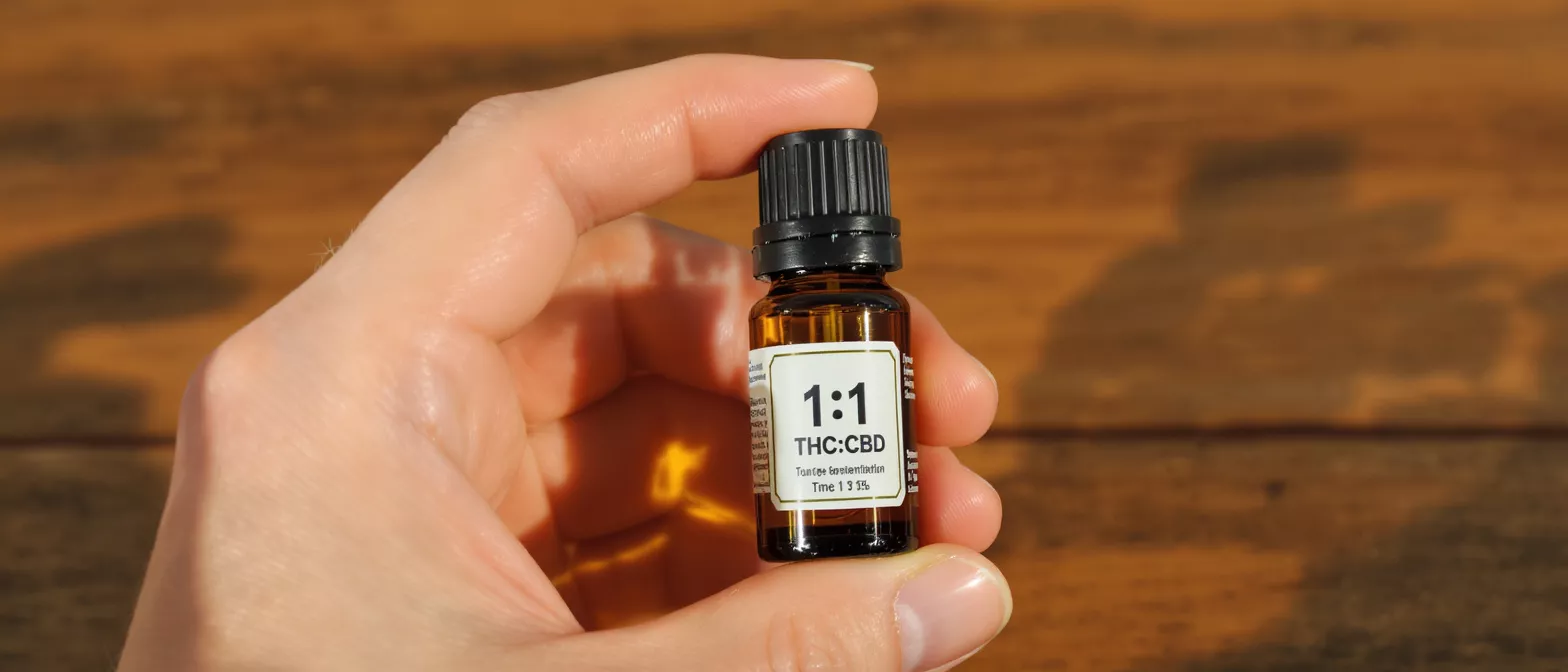
- ⚖️ Balanced (1:1): The workhorse pain ratio, blending meaningful relief with manageable, predictable effects.
- 🔥 THC-forward (1:2, 1:4): Stronger relief for severe or breakthrough pain, best reserved for evening or experienced users.
- 🌙 Specialty blends: Formulas with added CBN or CBG to target sleep, nerve pain, or inflammation specifically.
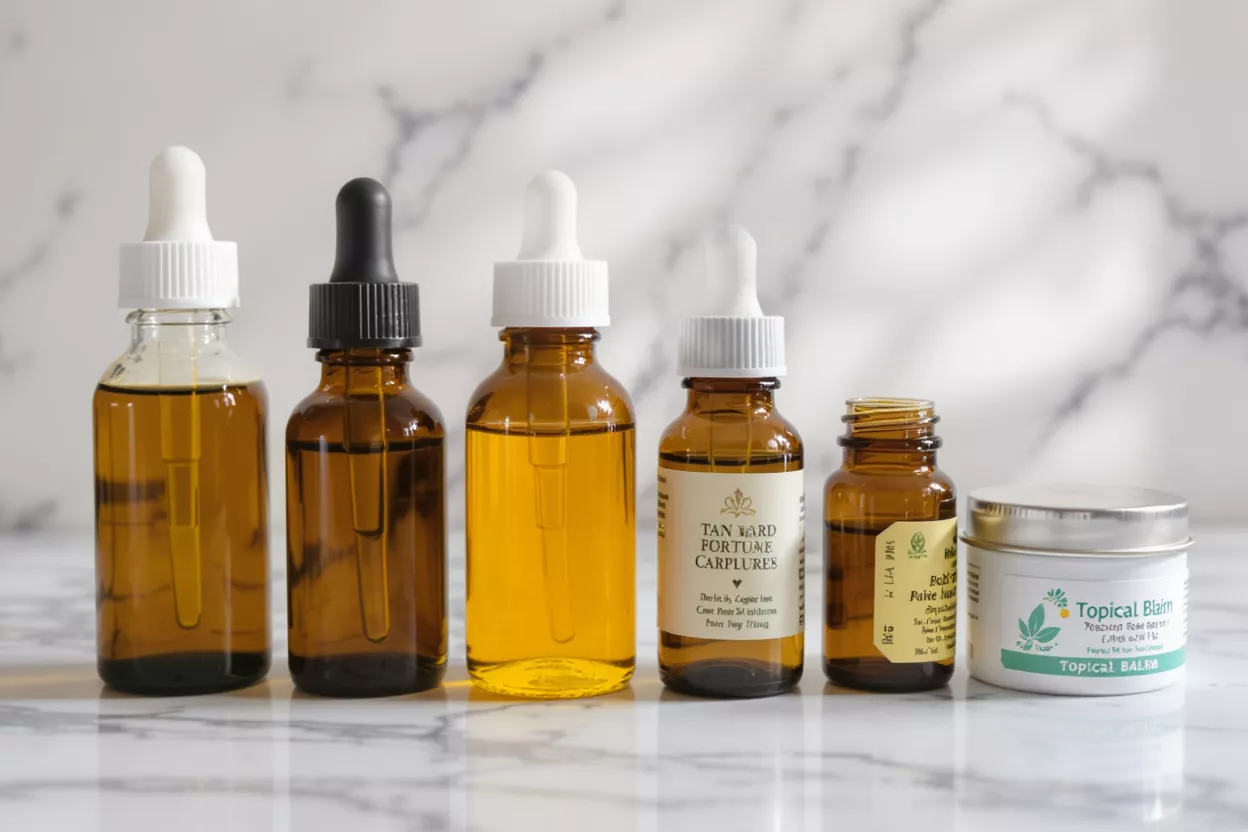
Why delivery format changes the math: The same ratio behaves differently depending on how you take it. A cannabis-infused oil tincture held under the tongue acts faster than a cannabis baked good, which must pass through digestion before the cannabinoids reach your bloodstream. Topicals, by contrast, work locally and rarely produce any head effect at all, making them a strong starting point for joint and muscle complaints.
Beginners often do best exploring options through a curated high-CBD ratio gummies pack before graduating to more THC-forward formats. Edibles like a cannabis jelly or a cannabis lollipop offer discreet, pre-measured dosing, which removes much of the guesswork that trips up newcomers.
Best Ratio Pain Products for Chronic Pain
Chronic pain demands consistency, and that changes which ratio products tend to perform best. Where an occasional flare-up might call for a fast-acting tincture, a persistent condition like arthritis or fibromyalgia usually benefits from steady, all-day coverage. This is where longer-lasting formats and moderate ratios shine, because they keep cannabinoid levels stable rather than spiking and crashing.
Matching format to pain pattern: For widespread, deep aching, ingestible products such as capsules and edibles provide the longest duration, often six to eight hours. For localized joint pain, a topical balm or a cannabis bath bomb delivers relief directly to the affected area without systemic effects. Many patients build a layered routine, combining a daytime high-CBD oral dose with a targeted topical and an evening THC-forward product for sleep.
Vape formats including a cannabis disposable vape offer the fastest onset for breakthrough pain, though their effects fade quickest. The chart below summarizes how common formats compare for chronic use:
- 💊 Capsules and edibles: Longest duration, slow onset, best for baseline daily control.
- 💧 Tinctures: Moderate onset and flexible dosing, easy to fine-tune your ratio.
- 🧴 Topicals: Localized, non-intoxicating, excellent for joints and muscles.
- 💨 Vapes: Near-instant relief for sudden flares, shortest duration.
Ratio Pain Dosing Guide for Beginners
Start low and go slow: The golden rule of ratio pain dosing is to begin with the smallest reasonable amount and increase gradually over several days. A common starting point is 2.5 to 5 milligrams of total cannabinoids, then waiting at least an hour for tinctures or two hours for edibles before considering more. Rushing this process is the most frequent mistake new users make, and it often leads to an uncomfortable experience that sours them on an otherwise effective tool.
Tracking your response is essential. Keep a simple log noting the product, ratio, dose, time, and how you felt over the following hours. This turns guesswork into data and helps you converge on your personal ideal ratio far faster. People metabolize cannabinoids differently, so your perfect dose may look nothing like a friend's.
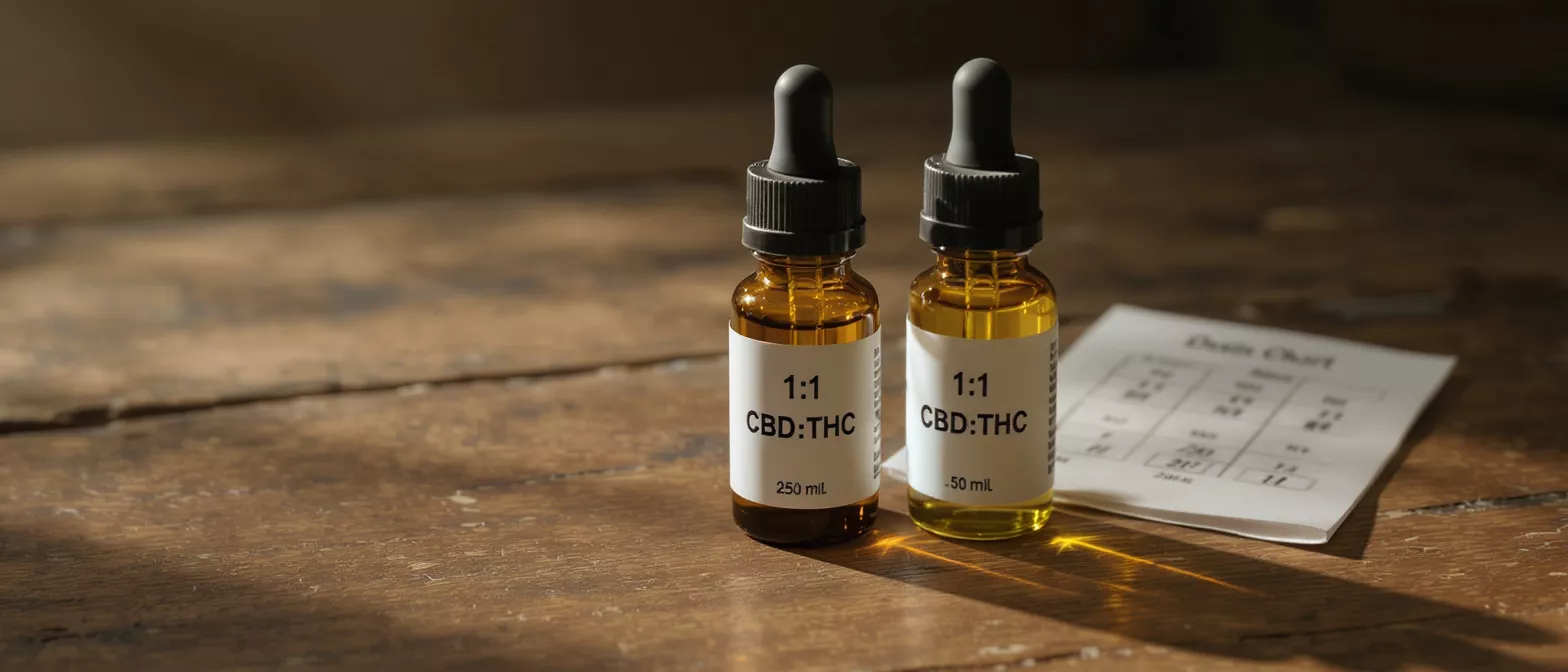
When to adjust the ratio versus the dose: If a product provides relief but leaves you too foggy, shift toward a higher-CBD ratio rather than simply taking less. If a high-CBD product feels like it is doing nothing, a modest move toward more THC often unlocks the relief you were missing. A reliable 1:1 ratio pain tincture gives you the flexibility to experiment within a single bottle.
Ratio Pain Benefits Beyond Simple Relief
While pain reduction is the headline, ratio formulas often deliver a cluster of secondary benefits that improve overall quality of life. Chronic pain rarely travels alone; it commonly brings poor sleep, anxiety, low mood, and reduced appetite. A well-chosen ratio can address several of these at once, which is part of why patients gravitate toward cannabis over single-target pharmaceuticals.
Sleep and recovery: Pain that disrupts sleep creates a vicious cycle, since poor rest lowers pain tolerance the next day. THC-forward evening ratios, sometimes paired with CBN, can help break that loop by easing both the discomfort and the racing mind that keeps people awake. Better sleep in turn accelerates physical recovery and lifts daytime mood.
Mood and function round out the picture. By calming the nervous system without the heavy sedation of some prescription options, balanced ratios can help people stay engaged with work, family, and exercise. That functional relief is the real goal for most patients, who want their life back rather than simply to be numbed into stillness.
Are Ratio Pain Formulas Safe to Use
For most healthy adults, ratio pain formulas have a strong safety profile, especially compared to long-term reliance on opioids or NSAIDs. Cannabis cannot cause a fatal overdose the way opioids can, and CBD's moderating presence further reduces the likelihood of an unpleasant THC experience. That said, "well tolerated" is not the same as "risk-free," and responsible use matters.
Side effects to watch for: The most common issues are mild and temporary, including dry mouth, drowsiness, dizziness, or a brief rise in appetite. Taking too much THC at once can cause anxiety or rapid heartbeat, which is precisely why higher-CBD ratios are recommended for beginners. A rare condition called Cannabinoid Hyperemesis Syndrome can affect very heavy, chronic users, causing cyclic nausea that resolves when cannabis is stopped.
Interactions and special cases: CBD can interact with certain medications, particularly blood thinners and drugs processed by the liver's enzyme system, so anyone on prescriptions should consult a healthcare provider before starting. Pregnant or breastfeeding individuals should avoid cannabis entirely. Used thoughtfully, though, ratio formulas remain one of the gentler entries in the pain-management toolkit.

Ratio Pain for Inflammation and Recovery
Much chronic pain is rooted in inflammation, and this is an area where the CBD half of a ratio formula truly earns its place. CBD has well-documented anti-inflammatory activity, and when paired with THC's direct pain-signaling effects, the combination addresses both the symptom and one of its underlying drivers. Athletes and active individuals have taken note, increasingly folding balanced ratios into their recovery routines.
Post-workout and injury recovery: After intense exercise, micro-inflammation in muscles and joints produces the familiar soreness of recovery days. A topical applied directly to worked muscles, or a low-dose oral ratio taken in the evening, can ease that inflammation without impairing performance the next morning. Some users supplement with a cannabis bath bomb for full-body soothing after long training sessions.
Terpene content matters here too. Aromatic compounds such as borneol and carene contribute their own subtle anti-inflammatory and analgesic notes, reinforcing the formula's effects. This is one more reason full-spectrum ratio products, which retain the plant's natural terpene profile, are often favored over isolate-based alternatives for recovery-focused use.
Choosing the Right Ratio Pain Product
With so many options, choosing your first ratio product can feel overwhelming, but a few guiding questions simplify the decision. Start by identifying your primary goal: daytime function, evening relief, localized soreness, or sleep. That single answer narrows the field dramatically and points you toward both a ratio range and a delivery format.
Reading a product label like a pro: Always check the total milligrams of each cannabinoid per serving, not just the ratio, since a 1:1 product could contain 2mg or 20mg of each. Look for third-party lab testing, often shown as a certificate of analysis, which verifies potency and screens for contaminants. Quality producers also list extraction methods; BHO, or butane hash oil, is common, but reputable brands purge residual solvents and prove it with testing.
Consider your sensitivity and schedule honestly. If you are new, intolerant of intoxication, or need to stay sharp, lean high-CBD. If you have used cannabis comfortably and need stronger relief, a balanced or THC-forward product may serve you better. Sampling formats such as a cannabis baked good versus a fast-acting tincture also reveals which onset speed and duration suit your daily rhythm.


CBD CBG Pain Tincture 1500mg – NOW+THEN
Targeted relief where regular CBD stops short. NOW+THEN's CBD+CBG Pain tincture combines two complementary cannabinoids at a robust 1500mg — a focused, whole-body approach to persistent aches. A measured dropper delivers steady, no-high comfort that builds into your routine. The higher-strength bottle for discomfort that needs more than CBD alone.
- Synergistic Pain Relief : Two cannabinoids work together
- Anti-Inflammatory Power : Reduces swelling and pain
- Neuropathic Support : Effective for nerve pain
- Fast Acting : Sublingual absorption in minutes
- Precise Control : Adjust dose for pain levels

Pain Gummies 60mg CBD : CBG x 15 pcs (900mg) – NOW+THEN
Dual-cannabinoid comfort, in a smaller pack. NOW+THEN's Pain gummies deliver 30mg of CBD and 30mg of CBG per piece across 15 chewables — science-backed cannabinoid synergy in a sweet, no-high format. Easy to dose, easy to enjoy. The everyday gummy for taking the edge off aches without the fuss.
- Dual Pain Relief : CBD and CBG work synergistically
- Anti-Inflammatory Power : Reduces swelling and discomfort
- Neuropathic Support : Effective for nerve-related pain
- No Psychoactive Effects : THC-free formula
- Flexible Dosing : 15 pieces for customized relief

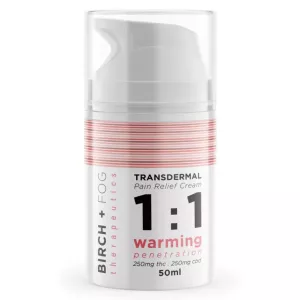
CBD THC Warming Transdermal Pain Relief Cream 500mg – BIRCH+FOG
For the aches that respond to heat, this 500mg CBD+THC cream answers back. Massaged in, it warms gradually as the transdermal base carries cannabinoids past the surface and into deep, stubborn tension — the kind that settles into joints and the small of your back on cold mornings. Rich but never greasy, it's made for slow, deliberate rub-downs after a long day or a hard workout.
- Heat Therapy : Warming increases blood flow and healing
- Enhanced Absorption : Heat helps THC + CBD penetrate more deeply
- Deep Tissue Relief : Transdermal delivery reaches below surface
- Chronic Pain Support : Ideal for conditions that prefer warmth
- Muscle Relaxation : Heat helps release tension and knots
Ratio Pain FAQs and Common Mistakes
Even well-informed users stumble over the same handful of issues, so addressing them directly saves frustration. The most persistent myth is that more THC always means more relief. In practice, overshooting THC often increases side effects while delivering diminishing pain benefits, which is exactly the problem ratio formulas were designed to solve.
Common mistakes worth avoiding: Many beginners give up after one disappointing session rather than adjusting the ratio or dose. Others mix formats carelessly, stacking an edible on top of a vape without accounting for the delayed onset of the former. Patience and record-keeping prevent nearly all of these missteps.
- 📒 Skipping the log: Without tracking, you cannot identify your ideal ratio efficiently.
- ⏱️ Redosing too soon: Edibles can take two hours to peak, so wait before adding more.
- 🎯 Wrong ratio for the goal: Daytime function needs more CBD; deep sleep tolerates more THC.
- 🔬 Ignoring lab results: Unverified products risk inaccurate dosing and contaminants.
Ratio pain formulas represent one of the most thoughtful advances in modern cannabis wellness, giving patients a precise dial to match relief against their tolerance and lifestyle. By understanding how CBD:THC balance works, choosing a format that fits your pain pattern, dosing patiently, and tracking your results, you can transform a confusing category into a dependable part of your routine. Start low, stay curious, and let your own experience guide you toward the ratio that finally lets you feel like yourself again.