Best THC to CBD Ratios Guide: What to Know in 2026
Master THC CBD ratios in 2026.
What Are THC to CBD Ratios?
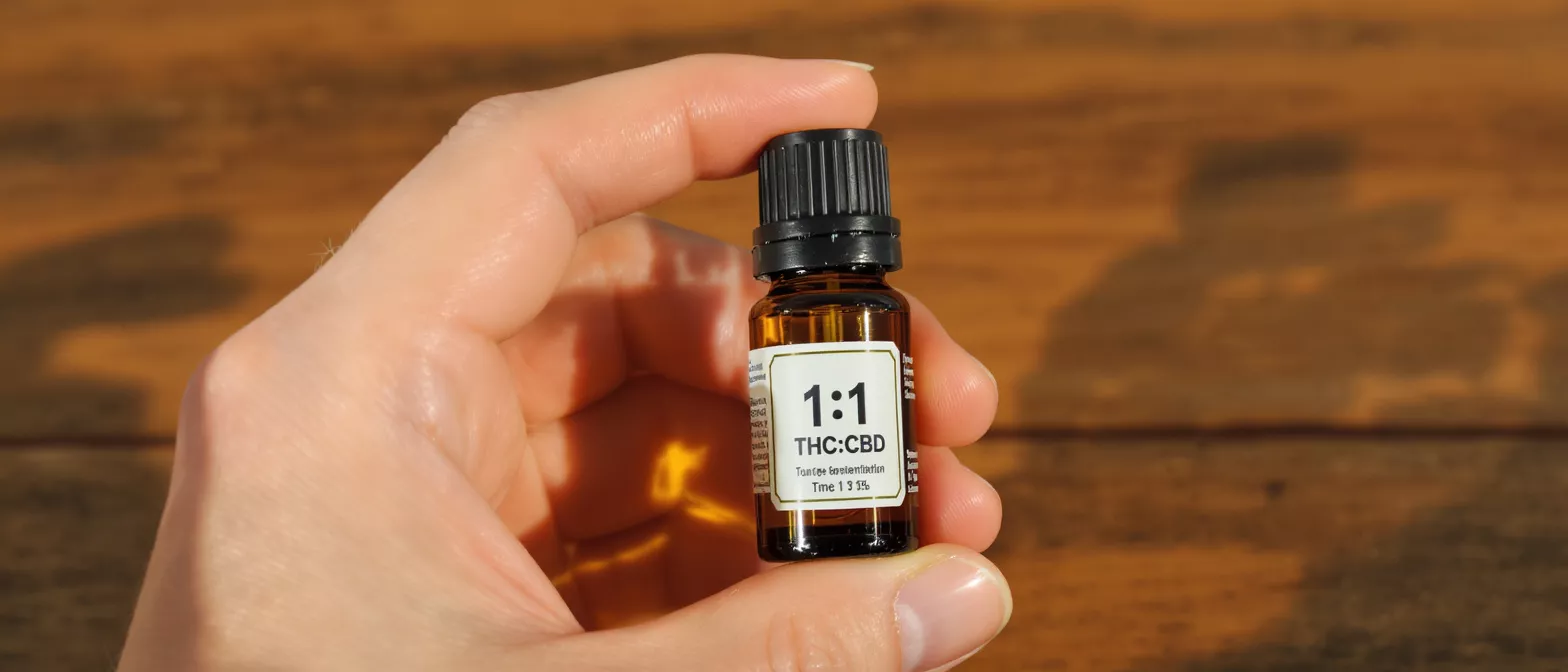
Understanding the best THC to CBD ratios is one of the single most useful skills for anyone navigating modern cannabis products. A ratio is simply the proportion of tetrahydrocannabinol (THC) to cannabidiol (CBD) in a given product, written as two numbers separated by a colon — 1:1, 2:1, 20:1, and so on. The first number almost always refers to THC, the second to CBD, though reputable brands will spell this out explicitly on the label. These two numbers shape nearly everything about how a product feels, from the intensity of intoxication to its potential to ease tension without overwhelming you.
The reason ratios matter so much comes down to the fact that THC and CBD do very different things, and they influence each other when consumed together. THC is the primary intoxicating compound responsible for the classic "high," while CBD is non-intoxicating and tends to temper, balance, or soften the THC experience. A product labeled 1:1 delivers equal parts of each, producing a gentler, more rounded effect than a 20:1 THC-dominant concentrate. Once you grasp this basic arithmetic, product labels transform from a wall of confusing numbers into a clear roadmap.
Why ratios beat potency alone: A common beginner mistake is shopping purely by THC percentage. Two products can both contain 20% THC, yet feel worlds apart depending on how much CBD rides alongside it. Ratios give you a far more honest preview of the actual experience than a single potency figure ever could, which is why dispensary budtenders increasingly steer customers toward ratio-based decisions rather than chasing the highest number on the shelf.
Where ratios show up: You will encounter THC to CBD ratios across nearly every product format — gummies, tinctures, capsules, vape cartridges, topicals, and even an elixir designed for measured sipping. Edibles and tinctures tend to advertise ratios most prominently because their effects last longer and the consequences of an unbalanced dose are more noticeable. When you see a tincture made through careful extraction, the extraction artist behind it has often dialed in the ratio deliberately to target a specific kind of relief.
How THC to CBD Ratios Work in the Body
To appreciate why ratios produce such different experiences, it helps to look at what happens after these compounds enter your system. Both THC and CBD interact with the endocannabinoid system, a vast signaling network that helps regulate mood, appetite, pain perception, and sleep. THC binds directly and enthusiastically to cannabinoid receptors, which is what drives its intoxicating punch. CBD works more indirectly, nudging the system without locking onto those same receptors in the same way.
The interplay between the two is where ratios earn their reputation. Research summarized by organizations like Project CBD suggests that CBD can modulate some of THC's more uncomfortable side effects, such as racing thoughts or an elevated heart rate. This is sometimes described as an "entourage effect," where cannabinoids and other compounds work in concert rather than isolation. The presence of CBD does not cancel the high outright, but it can round off the sharp edges, making higher-CBD ratios feel more functional and forgiving.
First-pass metabolism and edibles: The route of consumption changes how a ratio behaves. With edibles, both cannabinoids pass through the liver in a process called first-pass metabolism, where THC converts into a more potent metabolite. This is why a 1:1 edible can feel surprisingly strong despite its balanced label, and why patience matters — effects may take ninety minutes to fully arrive. Inhaled products skip much of this conversion, delivering a faster but often shorter experience that makes ratios feel slightly different than they do in gummy form.
Individual biology also plays an enormous role. Body weight, metabolism, tolerance, and even genetics influence how a given ratio lands. Two people taking the identical 2:1 capsule may report meaningfully different experiences, which is precisely why the "best" ratio is always partly personal. The numbers offer a reliable starting framework, not an ironclad guarantee.
Best THC to CBD Ratios for Beginners
If you are new to cannabis or returning after a long break, high-CBD ratios are your friend. A ratio in the range of 10:1 or 20:1 — meaning far more CBD than THC — provides the gentle wellness benefits associated with cannabinoids while keeping intoxication minimal. These ratios let you explore how your body responds without the risk of feeling overwhelmed, anxious, or couch-locked in a way that sours your first impressions.
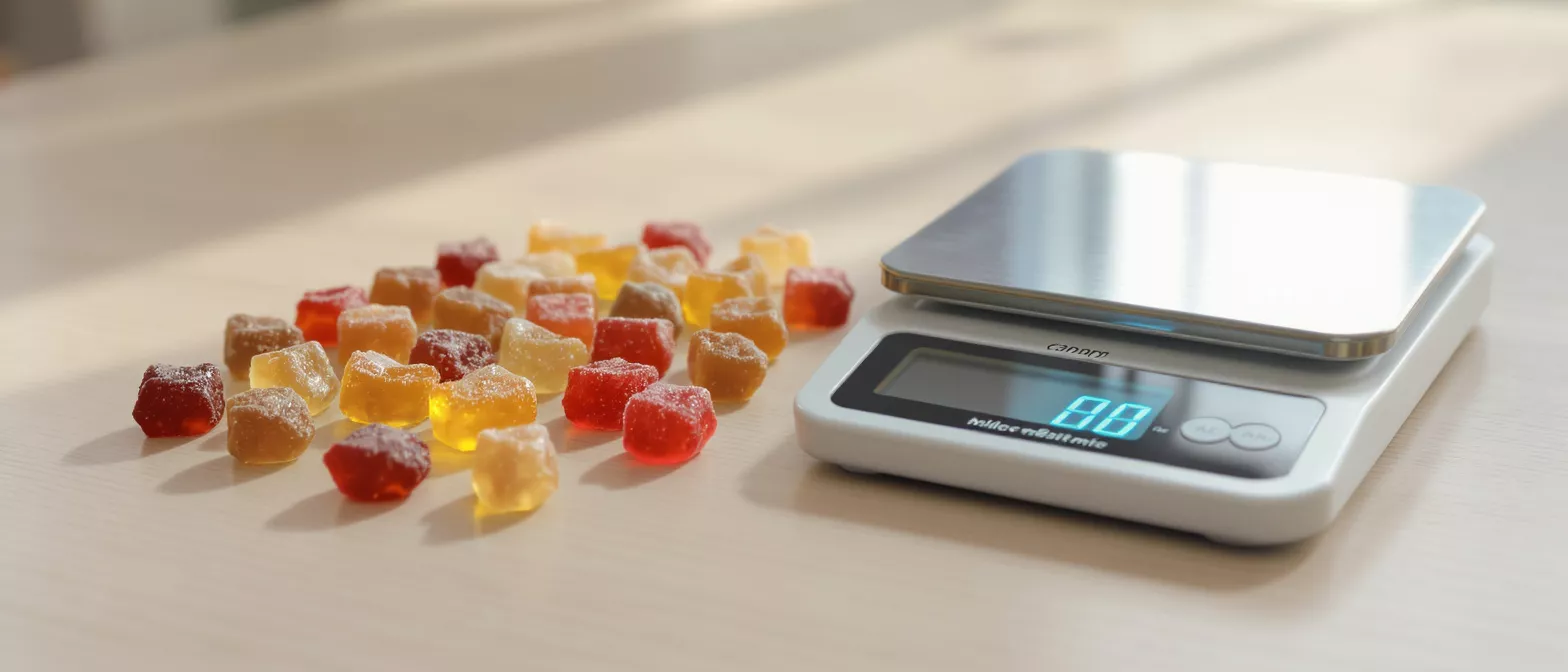
Starting low and going slow: The golden rule for newcomers never goes out of style. Begin with the lowest effective dose, wait the full onset window, and only then decide whether to increase. For beginners specifically, a balanced low-dose CBD-forward gummies product offers a controlled, predictable entry point. Because the CBD softens the THC, you get a smoother learning curve and far less chance of an unpleasant surprise.
Below is a quick reference for where many newcomers find their footing as they experiment with the best THC to CBD ratios for an easygoing introduction:
- 🌱 20:1 (CBD-dominant): Virtually no intoxication, ideal for daytime wellness and total beginners.
- 🍃 10:1 (CBD-forward): Mild, gentle relaxation with a faint lift; great for cautious first-timers.
- ⚖️ 2:1 (CBD-leaning): Noticeable but manageable effects; a good second step once you know your tolerance.
- 🌗 1:1 (balanced): Clear effects from both compounds; best approached after some experience.
Patience pays dividends here. Many beginners abandon cannabis after one bad experience with an overly strong product, when a thoughtfully chosen ratio would have made all the difference. Treating your first few sessions as gentle experiments, rather than destinations, sets you up for a sustainable relationship with these plants.
Types of THC to CBD Ratios Explained
Cannabis products span a wide spectrum of ratios, each suited to different goals and tolerances. Broadly, you can sort them into CBD-dominant, balanced, and THC-dominant categories. Knowing which family a product belongs to instantly tells you the kind of experience to expect before you ever read the fine print.
CBD-dominant ratios: These run from roughly 4:1 up to 30:1 in favor of CBD. They prioritize the calming, non-intoxicating properties of cannabidiol and are popular among people seeking relief during the workday or those who simply dislike feeling high. Many wellness-focused tinctures and an emulsion-based beverage fall into this category, designed so the active compounds disperse evenly for consistent dosing.
Balanced ratios: The 1:1 and 2:1 range represents the middle ground and is arguably the most versatile. Balanced products deliver meaningful relief alongside a manageable, pleasant lift. Patients managing chronic discomfort often gravitate here because they get therapeutic value without sacrificing too much clarity. A well-formulated balanced product can feel like the best of both worlds.
THC-dominant ratios, anything heavily weighted toward THC such as 10:1 THC or pure-THC concentrates, deliver the strongest intoxicating effects. These suit experienced users with established tolerances and specific goals. Here is how the three families compare at a glance:
- 🧘 CBD-dominant: Minimal high, maximum calm — best for daytime, work, and sensitive users.
- 🔄 Balanced (1:1–2:1): Therapeutic and gently euphoric — best for versatile, all-purpose use.
- 🔥 THC-dominant: Strong intoxication and potency — best for experienced users and evening relief.
Best THC to CBD Ratios for Pain Relief
Pain is one of the most common reasons people turn to cannabis, and ratios play a central role in finding effective, livable relief. For many types of chronic and inflammatory pain, a balanced 1:1 ratio has become something of a gold standard. The combination delivers THC's analgesic punch alongside CBD's anti-inflammatory and calming support, often producing relief that neither compound achieves as effectively alone.

Why balance often wins for pain: THC is a genuine painkiller, but at high doses its intoxication can interfere with daily life. By pairing it with equal CBD, a 1:1 product lets you stay functional while still addressing discomfort. People who need relief during working hours frequently prefer this approach because it keeps them clear-headed enough to drive, work, and parent. For targeted aches, a topical built around a 1:1 ratio can deliver localized comfort with little to no systemic high.
When to lean higher in CBD or THC: Nerve-related and inflammatory conditions sometimes respond better to CBD-forward ratios like 2:1 or 4:1, while severe or breakthrough pain may call for more THC. Some patients use a balanced 1:1 tincture as their daily baseline and reserve a higher-THC option for tougher flare-ups. Curcumin and other anti-inflammatory compounds are sometimes added to formulations as an excipient to broaden the effect, reflecting how the wellness world increasingly blends botanicals.
As always, individual response varies. Keeping a simple journal of which ratios and doses produce the best relief, with the fewest side effects, turns guesswork into a personalized plan that improves over time.
THC to CBD Ratios for Sleep and Relaxation
Sleep is another arena where the right ratio can be transformative. Many people find that THC helps them fall asleep faster, while CBD contributes to a calmer, less fragmented night. The interplay means a thoughtfully balanced product can support the full arc of a good night's rest rather than just the moment of dozing off.
Evening-friendly ratios: For sleep, ratios that include a meaningful dose of THC — such as 1:1 or even 2:1 in favor of THC — tend to work well because THC's sedating qualities come forward at higher doses. That said, too much THC can sometimes disrupt sleep architecture, so many people land on a moderate balanced dose rather than a heavy one. A nighttime gummy or capsule taken an hour before bed gives first-pass metabolism time to do its work.
Some users incorporate functional mushrooms into their evening routine alongside cannabinoids, with reishi and chaga prized for relaxation and cordyceps reserved for daytime energy instead. While these are not cannabinoids, they speak to the broader trend of stacking complementary botanicals for better rest. A measured approach — modest THC, supportive CBD, and a consistent bedtime — usually outperforms simply taking more.
If racing thoughts keep you awake, a slightly more CBD-forward blend can quiet mental chatter without the grogginess that heavy THC sometimes leaves behind. Experimenting within the 1:1 to 2:1 window, while noting how you feel the next morning, is the fastest route to a sleep ratio you can rely on night after night.
THC to CBD Ratios for Anxiety and Focus
Anxiety is where ratios prove their worth most dramatically, because THC and CBD can pull in opposite directions. High doses of THC are notorious for occasionally triggering anxiety or paranoia in sensitive individuals, while CBD tends to have a steadying, anxiolytic influence. For anyone prone to nervous energy, a CBD-forward ratio is almost always the smarter choice.
Why CBD-dominant ratios calm rather than crank: A ratio of 10:1 or 20:1 delivers the soothing benefits of cannabidiol with just enough THC to add subtle warmth without tipping into overstimulation. Many people who once swore off cannabis because it made them anxious discover that a high-CBD product changes everything. The CBD acts as a kind of buffer, keeping the experience grounded and pleasant.
Staying focused and productive: For daytime use where you need to remain sharp, CBD-dominant ratios shine. They take the edge off stress without clouding your thinking, making a CBD-rich daytime tincture a popular companion for busy schedules. Some users pair their cannabinoids with adaptogens or a curcumin supplement to support overall calm, building a routine that addresses both mind and body.
The key insight is that more THC is not better for anxiety — often the opposite. Letting CBD lead, and treating THC as a minor accent, gives you the relaxation you want without the spiral you fear. If anxiety is your primary concern, start CBD-heavy and adjust only in small, deliberate increments.
How to Find Your Ideal THC to CBD Ratio
There is no universal best ratio, only the best ratio for you, your goals, and your body on a given day. Finding it is a process of structured experimentation rather than luck. The good news is that a methodical approach gets you there quickly and spares you the frustration of random trial and error.
Build a simple ratio journal: Track the product, ratio, dose, time taken, and how you felt at thirty, sixty, and ninety minutes. Note both the benefits and any downsides. Within a couple of weeks, clear patterns emerge — perhaps a 2:1 daytime dose keeps you comfortable while a 1:1 evening dose helps you unwind. This personal data is more valuable than any generic chart.
Consider your goal first, then your tolerance, then the time of day. A daytime worker managing stress will land in very different territory than a seasoned user seeking deep evening relaxation. Here are the practical variables worth weighing as you home in on your ideal ratio:
- 🎯 Primary goal: Pain, sleep, anxiety, and recreation each favor different ratio ranges.
- ⏰ Time of day: CBD-forward for daytime clarity, more THC for evening unwinding.
- 📊 Tolerance: Beginners lean CBD-heavy; experienced users can handle THC-dominant blends.
- 🍽️ Format: Edibles hit harder via first-pass metabolism; inhalation is faster and shorter.
Remember that your ideal ratio can evolve. Tolerance shifts, life circumstances change, and the product that served you last year may not be the perfect fit today. Revisiting your journal periodically keeps your routine aligned with what your body actually needs.
Are High THC to CBD Ratios Safe?
Safety is a fair and important question, especially as products grow more potent. High-THC ratios are not inherently dangerous for healthy adults, but they do carry a greater chance of uncomfortable side effects like anxiety, rapid heart rate, dizziness, and impaired coordination. The risk scales with dose and inversely with experience, which is why tolerance and patience matter so much.
Understanding the real risks: Cannabis has a remarkably favorable safety profile compared to many substances, with no known fatal overdose from THC alone. The genuine concerns are impairment, dependency with very heavy chronic use, and adverse interactions for people on certain medications or with specific health conditions. Pregnant individuals, adolescents, and those with a history of psychosis should be especially cautious and consult a healthcare provider.
The presence of CBD in a ratio is itself a safety feature. Because CBD can blunt some of THC's harsher effects, balanced and CBD-forward products are generally more forgiving than pure-THC concentrates. This is one more reason the best THC to CBD ratios for most everyday users skew toward balance rather than maximum potency. If you do choose a high-THC product, respecting dose and setting goes a long way toward keeping the experience positive.
Quality and transparency matter enormously too. Buy from sources that provide third-party lab testing so you know exactly what ratio you are getting and that the product is free of contaminants. A trustworthy label is the foundation of a safe experience, and reputable brands make their test results easy to find.

Pain Gummies 60mg CBD : CBG x 30 pcs (1800mg) – NOW+THEN
Serious relief, seriously tasty. NOW+THEN's Pain gummies pair 30mg of CBD with 30mg of CBG in each of 30 pieces — a dual-cannabinoid approach to everyday aches in a chewable you'll actually enjoy. No high, just steady, comprehensive comfort. The flavourful daily option for managing discomfort the gentle way.
- Synergistic Relief : CBD and CBG enhance each other's effects
- Powerful Anti-Inflammatory : Double cannabinoid action
- Nerve Pain Support : CBG specifically targets neuropathy
- Non-Intoxicating : Zero THC for anytime use
- Month Supply : Consistent daily management
THC to CBD Ratios in 2026: Trends and Takeaways
The cannabis landscape continues to mature, and 2026 brings a clear shift toward precision and personalization. Consumers are moving away from the "highest THC wins" mentality toward thoughtful, ratio-based choices tailored to specific outcomes. Brands have responded with a wider menu of carefully formulated ratios, clearer labeling, and products engineered for particular times of day and goals.
What is shaping the market now: Minor cannabinoids, terpenes, and botanical blends are increasingly part of the conversation, with formulators treating ratios as just one layer in a more sophisticated recipe. Compounds like eucalyptol and fenchol, alongside flavonoids and other plant molecules, are being studied for how they shape the overall effect. The result is products that feel intentional rather than blunt, with ratios fine-tuned for nuance.
The biggest takeaway is also the simplest. The best THC to CBD ratio is the one that meets your goal with the fewest downsides, and finding it is well within reach. Start CBD-forward if you are new or anxious, lean toward balance for pain and versatility, and add THC deliberately for sleep or seasoned recreational use. Keep notes, respect onset times, and buy lab-tested products from transparent sources.
Armed with an understanding of how these two compounds dance together, you can read any product label with confidence and choose with intention rather than guesswork. Ratios turn cannabis from a gamble into a tool — one you can dial in precisely to support the life you want to live. Treat the numbers as your guide, listen to your body, and let your personal experience refine the rest.