

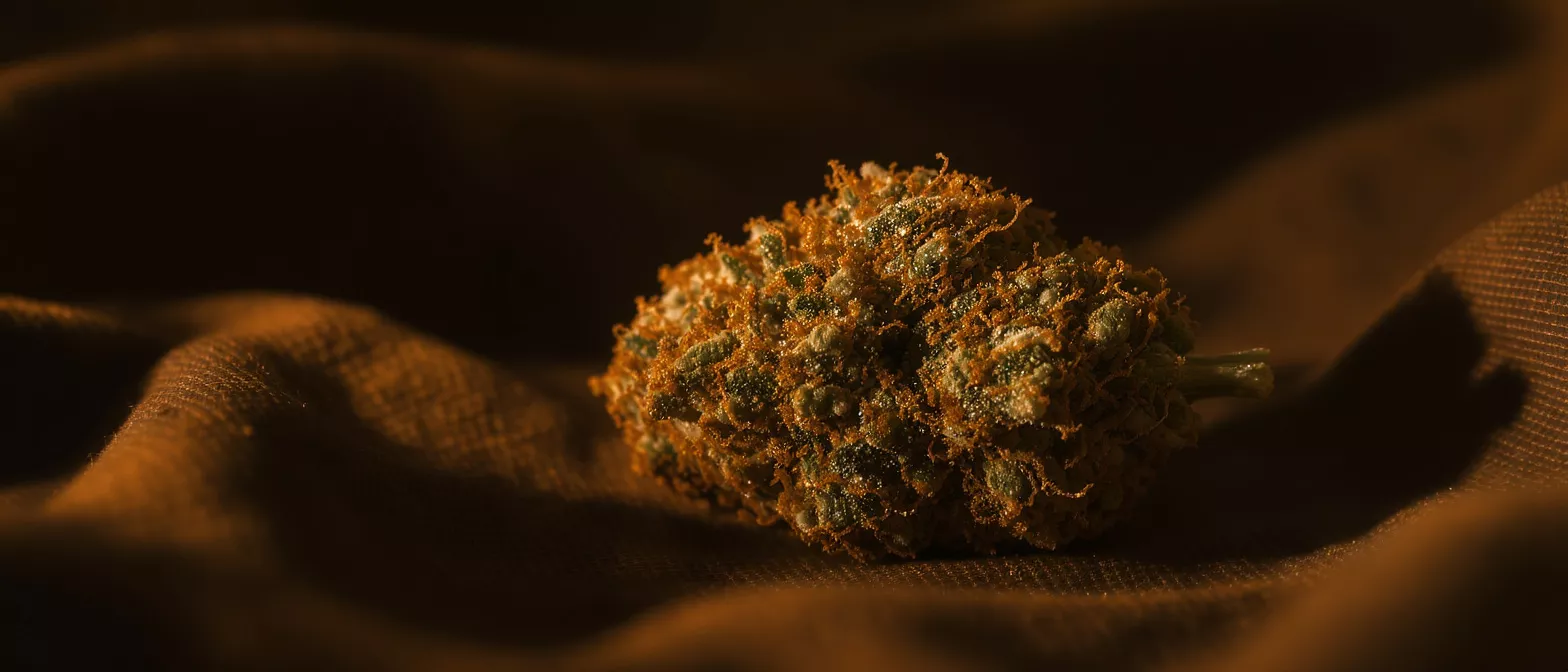
Terpenes and Sleep: Why Myrcene Matters
Learn how myrcene sleep benefits work and which high-myrcene strains help you rest deeper.
If falling asleep feels like a nightly negotiation, the answer may sit inside the aromatic molecules of the plant itself. Myrcene sleep science has become one of the most discussed corners of cannabis wellness, and for good reason — this single terpene shapes how relaxed, heavy, and ready-for-bed a given flower makes you feel. Understanding myrcene turns strain selection from guesswork into strategy, letting you match a terpene profile to the rest you actually need.
Below, we unpack what myrcene is, how it behaves in the body, which strains carry it in abundance, and how it stacks up against other sedative terpenes. Whether you battle occasional restlessness or chronic insomnia, this guide gives you the working knowledge to choose smarter and sleep deeper.
What Is Myrcene and How Does It Affect Sleep
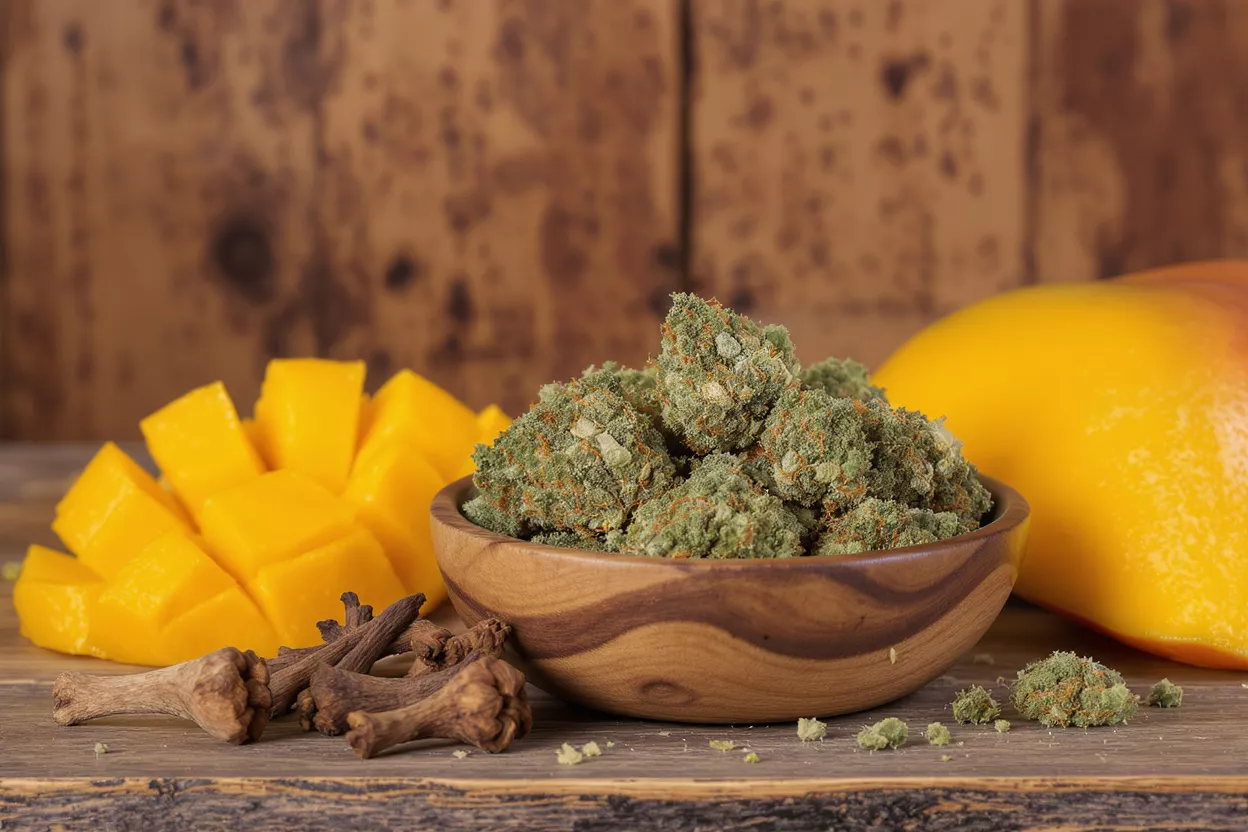
Myrcene is a monoterpene — a small, volatile aromatic compound — and it is the single most abundant terpene in modern cannabis. It carries an earthy, musky, slightly clove-like scent that many people instinctively associate with heavy, relaxing indica flower. Beyond cannabis, myrcene appears in hops, lemongrass, thyme, and ripe mangoes, which is part of why those plants have long-standing folk reputations for calming the nerves.
Why myrcene dominates indica terpene profiles: Strains bred for evening use tend to accumulate myrcene as their leading terpene, sometimes exceeding half of the total terpene content. This concentration is no accident. Growers pheno-hunting for sedative, body-heavy phenotypes naturally select the plants that express the most myrcene, reinforcing the terpene's link to deep relaxation over generations of cultivation.
Myrcene and the entourage effect: Terpenes rarely act alone. Myrcene is believed to modulate how cannabinoids like THC interact with the body, a concept researchers call the entourage effect. Reporting on the growing cannabis wellness market from Forbes has highlighted how consumers increasingly shop by terpene profile rather than THC percentage alone, a shift that puts myrcene at the center of the sleep conversation.
Does Myrcene Make You Sleepy
The short answer is that myrcene appears to promote sedation, though the mechanism is more nuanced than internet folklore suggests. Preclinical studies have shown myrcene to have muscle-relaxant and sedative properties in animal models, lengthening sleep duration and reducing motor activity. These effects are dose-dependent, meaning the amount matters as much as the presence of the terpene itself.
The mango myth, examined: You have probably heard that eating a mango before consuming cannabis intensifies the high because mangoes contain myrcene. The pharmacokinetics here are shaky — the myrcene content of a single fruit is small relative to what would be needed for a measurable systemic effect. That said, the underlying idea that dietary myrcene could influence cannabinoid absorption is not entirely baseless, just overstated. Treat it as a fun experiment rather than a reliable protocol.
What we can say with confidence is that flower rich in myrcene consistently reads as more relaxing to most users. If you are chasing genuine rest, a high-myrcene indica flower is a sensible starting point rather than a random strain chosen for potency alone. Combined with good sleep hygiene, the terpene becomes one tool among several rather than a magic switch.

How Myrcene Terpene Effects Work in the Body
To understand myrcene's calming reputation, it helps to look at pharmacodynamics — how a compound produces its effect once it reaches its target. Myrcene is thought to interact with GABA pathways, the primary inhibitory system that quiets neural activity and prepares the brain for sleep. Enhancing GABA signaling is precisely how many conventional sedatives work, which offers a plausible framework for myrcene's sedative-leaning behavior.
Blood-brain barrier permeability: One frequently cited hypothesis holds that myrcene increases the permeability of the blood-brain barrier, potentially allowing cannabinoids to cross more readily. If accurate, this would help explain why high-myrcene chemovars often feel stronger and more physically anchoring than their THC numbers would predict. The research is still maturing, so treat this as a leading theory rather than settled fact.
Anti-inflammatory and analgesic angles: Sleep is not only about drowsiness — it is also about comfort. Myrcene has demonstrated anti-inflammatory and pain-modulating activity in laboratory settings, which matters because physical discomfort is a leading cause of fragmented sleep. By dampening low-grade aches, a myrcene-rich profile may help the body settle rather than fidget through the night.
- 🌙 Sedation: Interaction with GABA pathways supports the transition into rest.
- 💪 Muscle relaxation: Documented muscle-relaxant effects ease physical tension.
- 🥭 Everyday sources: Found in mangoes, hops, thyme, and lemongrass beyond cannabis.
- 🔬 Absorption theory: May influence how readily cannabinoids reach the brain.
Best Terpenes for Sleep Beyond Myrcene
Myrcene may lead the sleep conversation, but it works best in company. A well-rounded sedative terpene profile layers several compounds that reinforce one another, and knowing the supporting cast helps you read a lab report like a map. When you scan a certificate of analysis, look for the combinations below rather than fixating on a single number.
Linalool and terpinolene: Linalool is the floral terpene that gives lavender its calming reputation, and it pairs beautifully with myrcene for a rest-oriented profile. Terpinolene, while more common in uplifting cultivars, can contribute a mild sedative note at higher concentrations. Together with myrcene, these terpenes create a layered, mellowing experience rather than a one-dimensional heaviness.
- 🌿 Myrcene: The heavyweight — earthy, musky, and reliably relaxing.
- 💜 Linalool: Floral lavender notes that soothe the nervous system.
- 🍇 Caryophyllene: Peppery and comforting, it engages CB2 receptors directly.
- 🌲 Terpinolene: Subtle sedation at higher concentrations.
Caryophyllene deserves a special mention because it is the only terpene that behaves like a cannabinoid, binding directly to CB2 receptors. This gives it comforting, tension-easing qualities that complement myrcene's heaviness. For anyone building a bedtime ritual, a terpene-rich indica pre-roll that pairs myrcene with these supporting compounds tends to outperform a high-THC flower with a flat, uninteresting terpene profile.

Myrcene vs Linalool for Sleep
Myrcene and linalool are the two terpenes most often crowned as the best terpenes for sleep, but they take different routes to the same destination. Myrcene works primarily through body-heavy sedation and muscle relaxation, producing that grounded, sink-into-the-mattress sensation. Linalool leans more toward anxiolytic calm — quieting a racing mind rather than weighing down the body.
Which one you actually need: If your sleeplessness stems from physical restlessness, tension, or discomfort, myrcene's muscle-relaxant character is likely the better fit. If your nights are hijacked by anxious, looping thoughts, linalool's nervous-system soothing may serve you better. The happiest outcome, for most people, is a strain that carries both in meaningful amounts.
Reading the ratio: On a certificate of analysis, a genuinely sleep-oriented cultivar often shows myrcene as the dominant terpene with linalool present as a secondary note. That combination signals a profile built for winding down rather than one that merely happens to be labeled indica. Don't trust marketing labels alone — the terpene percentages tell the real story, and mids with a strong myrcene reading can outperform pricier flower with a lackluster profile.
High Myrcene Strains and Indica Terpene Profiles
Certain cultivars have earned reputations as myrcene powerhouses. Classic examples include Granddaddy Purple, Blue Dream (surprisingly, given its balanced reputation), OG Kush, and many members of the Kush and Purple families. These strains frequently test with myrcene as their leading terpene, which aligns neatly with their traditional use for evening relaxation.
Why indica profiles skew high-myrcene: The historical association between indica and sedation owes a great deal to terpene chemistry rather than the indica-versus-sativa taxonomy itself, which many scientists now consider unreliable. A better predictor of a sleepy experience is a lab-verified terpene profile led by myrcene, regardless of what the plant's morphology is called. When you shop, prioritize the numbers over the label.
- 🍇 Granddaddy Purple: A grape-forward classic with heavy myrcene content.
- 🌌 Northern Lights: A legendary indica prized for deep, body-anchoring rest.
- 🔥 OG Kush: Earthy and fuel-forward with reliable myrcene expression.
- 💤 Bubba Kush: A coffee-and-cocoa nose paired with couch-locking sedation.
When browsing, a lab-tested high-myrcene strain with a published terpene breakdown removes the guesswork. Whether you prefer a full nug run flower, concentrate, or vape, the presence of dominant myrcene on the label is the signal worth chasing for restful nights.
The Myrcene Couch Lock Effect Explained
"Couch lock" is the affectionate term for that heavy, immovable sensation where getting off the sofa feels like a genuine expedition. Myrcene is widely credited as a primary driver of this effect, and understanding it helps you use it deliberately rather than being ambushed by it on a busy evening.
Is couch lock good or bad? It depends entirely on your goal. For someone winding down before bed, that leaden relaxation is exactly what the doctor ordered. For someone hoping to stay functional through the evening, it can feel excessive. The trick is matching the intensity of the myrcene profile to the time and task at hand.
Managing the intensity: If a high-myrcene strain leaves you too sedated, lowering the dose is the simplest lever. Micro-dosing a heavy indica an hour before bed often delivers the restful benefits without the full immobilizing weight. Method matters too — a one-hitter or a small bowl gives you far more control than a marathon session. Start low, observe, and titrate upward only if needed.
Myrcene Benefits for Relaxation and Insomnia
For people wrestling with insomnia, myrcene's appeal lies in its multi-pronged support: it may ease the body, quiet physical discomfort, and encourage the drowsiness that precedes sleep. Rather than sedating you into unconsciousness, a well-chosen myrcene profile tends to lower the barriers that keep you awake in the first place.
Relaxation without a hangover: Many conventional sleep aids leave users groggy the next morning. Anecdotally, terpene-forward cannabis used judiciously tends to produce a gentler morning, though individual responses vary widely and tolerance builds over time. Keeping doses modest and reserving high-myrcene flower for nights you genuinely need it helps preserve that clean-morning quality.
Stress, tension, and the wind-down window: Chronic stress is a notorious sleep thief, and myrcene's calming, muscle-easing character can help close the loop between a tense day and a restful night. Pairing it with a consistent pre-sleep routine — dim lights, no screens, a warm shower — turns the terpene into a reliable cue rather than a standalone solution.

Are High Myrcene Strains Safe for Nightly Use
Myrcene has a long history of safe dietary exposure — it is present in everyday foods and beverages — and is generally regarded as well tolerated. The more relevant safety questions revolve around the cannabis it accompanies: THC tolerance, dependency on any sleep aid, and the quality and purity of the product you consume.
Tolerance and cycling: Nightly use of any THC-containing product can build tolerance, meaning you may need more over time to achieve the same effect. Periodically cycling off, or reserving high-myrcene flower for nights of genuine need, helps preserve both effectiveness and that pleasant clean-morning feeling. Sleep aids of any kind work best when they remain occasional allies rather than nightly crutches.
Product quality matters: Because terpenes are volatile and can degrade with heat and age, freshness affects both aroma and effect. Choose lab-tested products from reputable licensed sources, store flower cool and dark, and avoid overly harsh consumption methods. Anyone managing a medical condition or taking prescription medication should consult a healthcare provider before adding cannabis to a sleep routine.
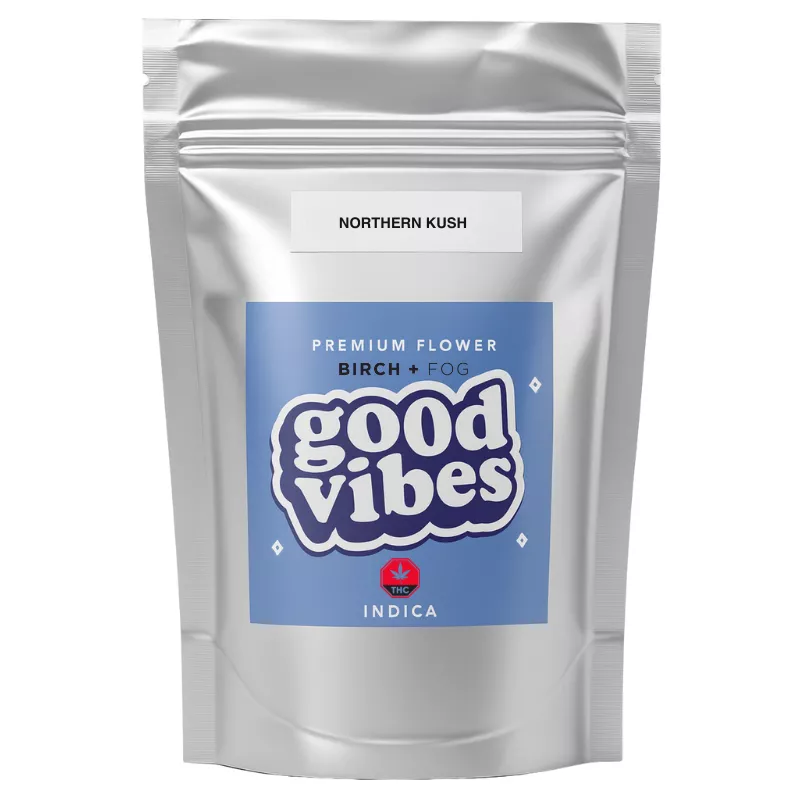

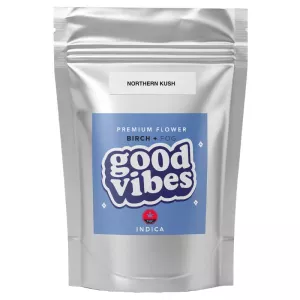
Good Vibes Northern Kush Indica Weed 3.5G – BIRCH+FOG
Peaceful evenings and premium quality in 3.5g of true kush. Good Vibes' Northern Kush layers rich earthy flavour with pine and a whisper of spice, then delivers the deep, full-body relaxation this classic is loved for. Powerful enough to melt physical tension and quiet a restless mind, it's a natural fit for winding down — the smooth, sedating companion to a slow night in.
- Deep Body Relaxation: Powerful sedating effects melt away physical tension and promote comprehensive muscle relief
- Sleep Enhancement: Natural properties support healthy sleep cycles and combat restlessness for rejuvenating rest
- Stress Management: Calming mental effects help quiet anxious thoughts and promote emotional balance
- Pain Relief Support: Anti-inflammatory terpenes work alongside cannabinoids to ease chronic discomfort
- Evening Ritual: Perfect companion for winding down and transitioning from active day to peaceful night
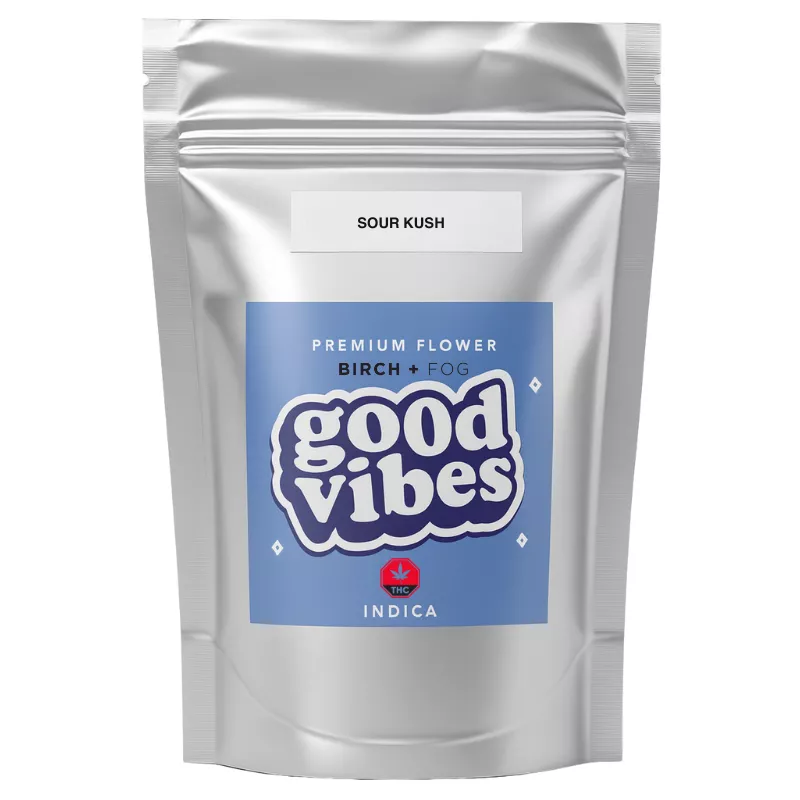
Good Vibes Sour Kush Indica Weed 3.5G – BIRCH+FOG
Dense, resinous, and seriously relaxing. Good Vibes' Sour Kush brings a distinctive sour-citrus aroma to a potent indica experience, melting muscle tension and settling racing thoughts into calm. This 3.5g jar showcases sticky, well-cured buds built for deep physical ease and longer, more restful nights. A flavourful, heavy-hitting pick for the end of a demanding day.
- Deep Physical Relaxation: Melts away muscle tension and physical stress throughout your entire body
- Sleep Enhancement: Natural sedative properties promote longer, more restful sleep cycles
- Pain Management: Effective relief for chronic pain conditions and inflammatory discomfort
- Anxiety Reduction: Calms racing thoughts and promotes mental tranquility
- Appetite Stimulation: Gentle increase in appetite supporting healthy eating patterns
Building a Myrcene Sleep Routine
Knowledge only pays off when it becomes practice. Building a myrcene-centered sleep routine means selecting the right profile, dialing in the right dose, and layering it into habits that reinforce rest. Think of the terpene as the anchor of a broader strategy rather than the whole plan.
A simple starting framework: Choose a lab-verified flower or extract with dominant myrcene and a supporting note of linalool or caryophyllene. Consume a modest amount roughly thirty to sixty minutes before your target bedtime, well within your personal wind-down window. Keep the environment dark and calm, and give the terpene profile the quiet space it needs to do its work.
Track what works: Everyone's chemistry is different, so keep a brief log of strain, dose, timing, and how you slept. Over a couple of weeks, patterns emerge that let you fine-tune your approach with real data rather than guesswork.
Myrcene is far more than a buzzword on a lab report — it is a genuine, research-supported ally for anyone chasing deeper rest. By understanding how it works, which strains carry it, how it partners with linalool and caryophyllene, and how to dose it sensibly, you transform your relationship with sleep from a nightly gamble into an informed, repeatable practice. Read the terpene numbers, start low, build a routine, and let this humble molecule earn its place in your bedtime toolkit.

Comments