

Myrcene
Discover what myrcene does in cannabis — from earthy aromas to relaxing effects.
What Is Myrcene in Cannabis?
Myrcene is the most abundant terpene in modern cannabis, frequently accounting for more than half of the total terpene content in a given cultivar. Chemically known as β-myrcene, it is a monoterpene built from two isoprene units, giving it the volatile, aromatic character that defines so much of what we recognize as the smell of fresh flower. When you open a jar and catch that earthy, almost dank wave of scent, myrcene is usually the molecule doing most of the talking.
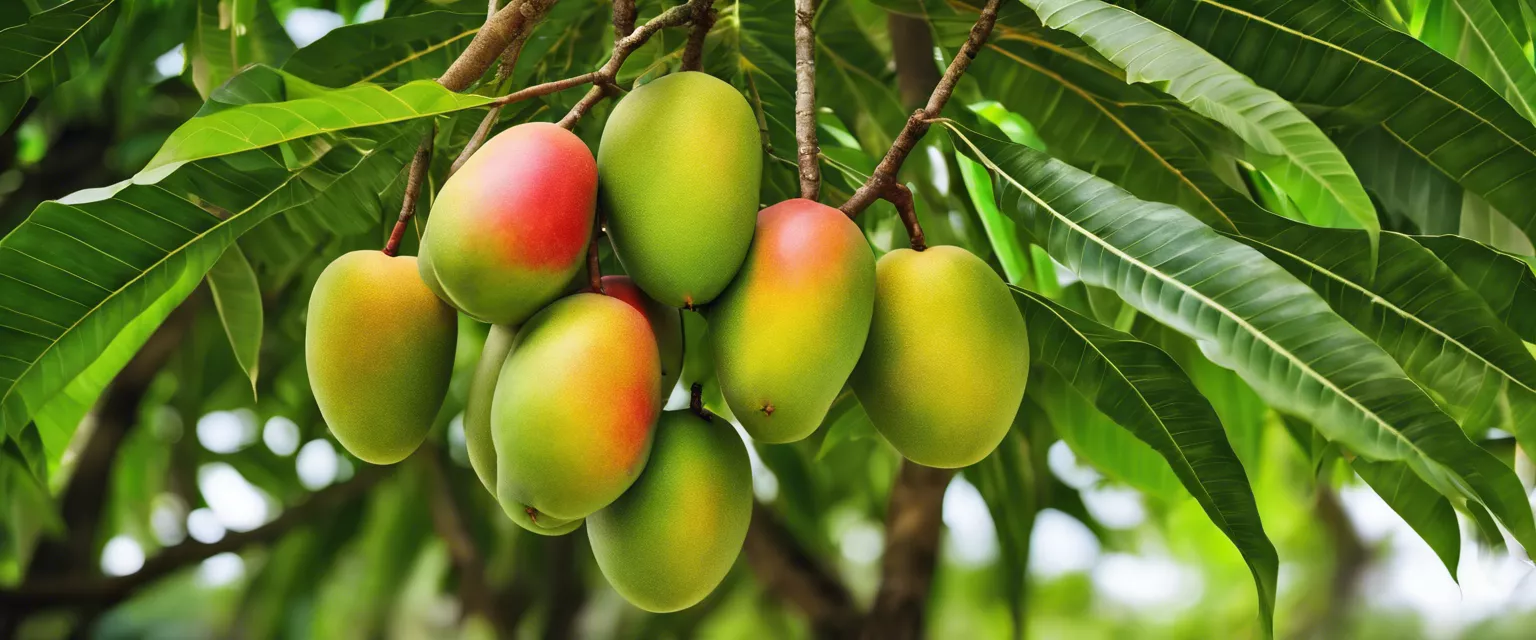
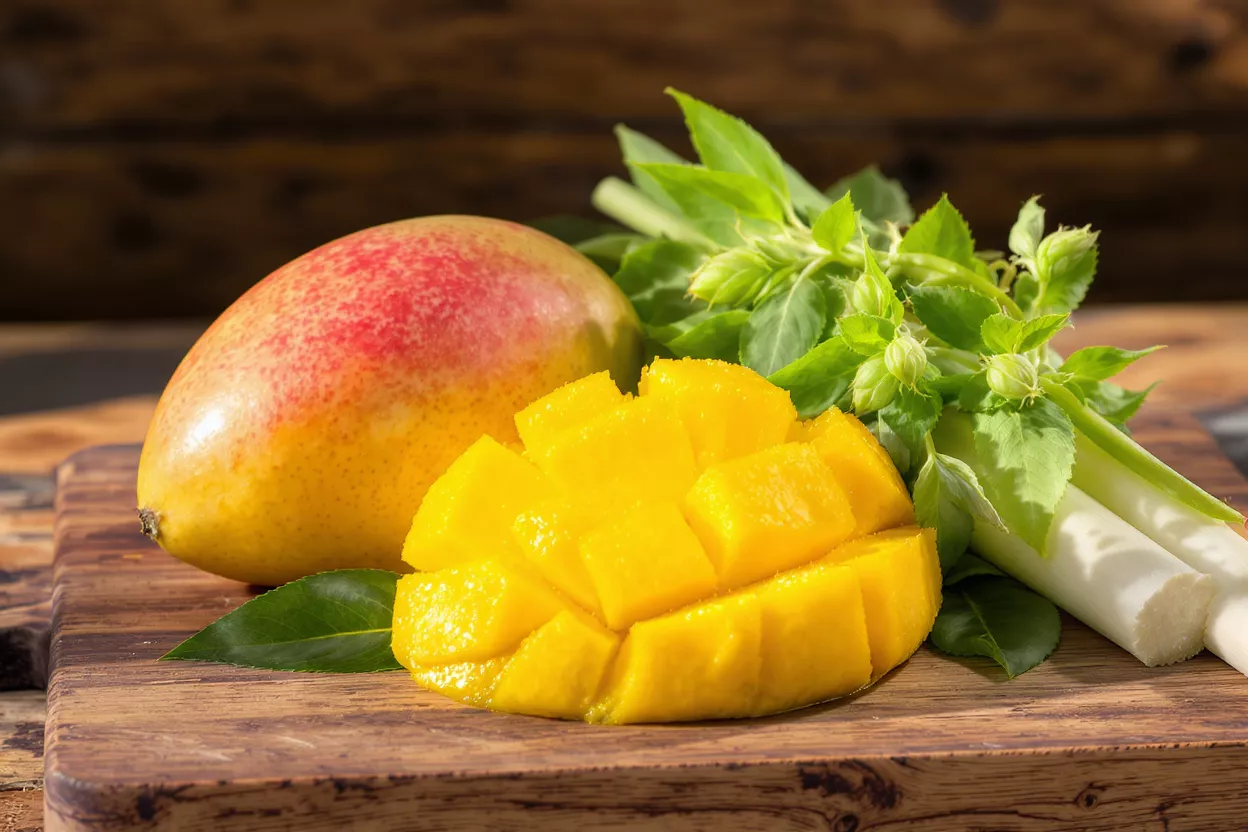
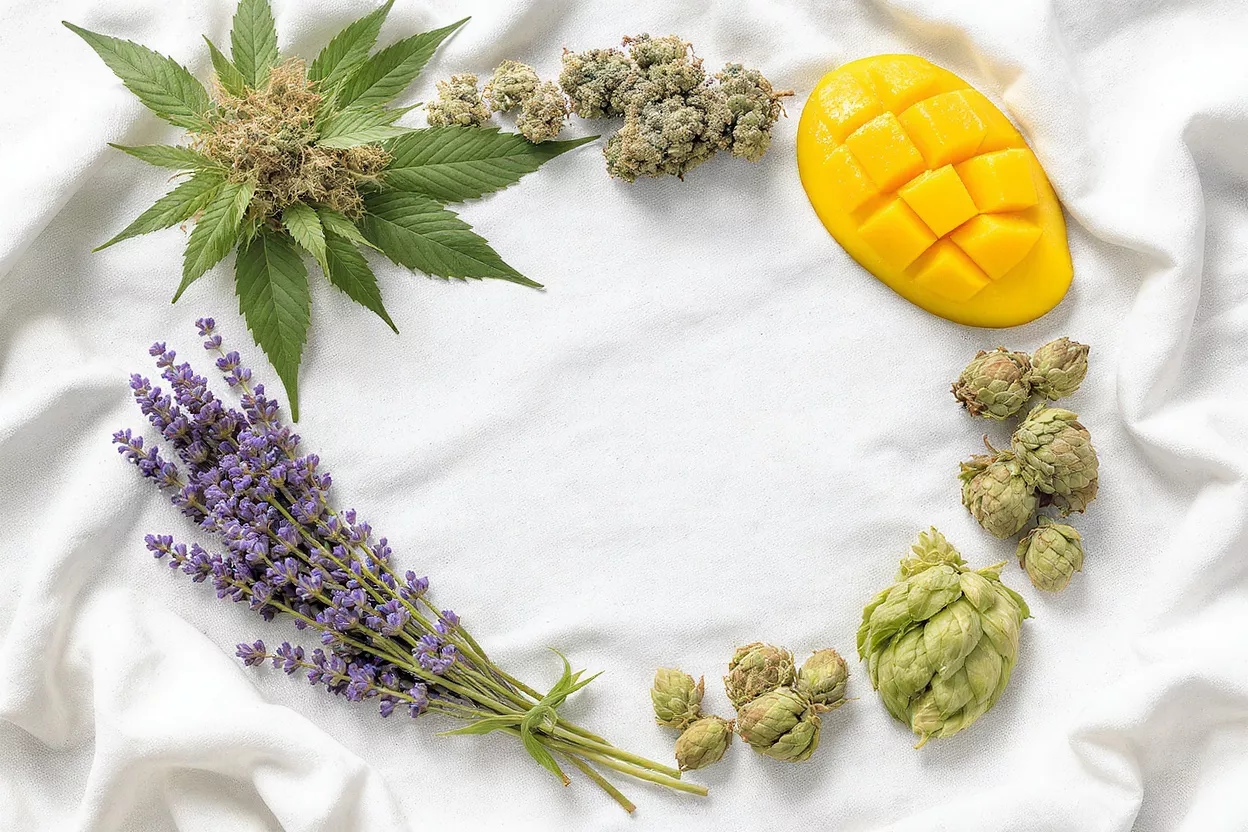
This terpene is not unique to cannabis. It occurs widely throughout the plant kingdom, appearing prominently in hops, lemongrass, thyme, basil, and the fruit that has become inseparable from its reputation: the mango. In cannabis specifically, myrcene's dominance has made it a useful chemical signpost. Cultivators and analysts often use its concentration as a rough predictor of how a particular harvest will feel once consumed.
Because myrcene is so prevalent, it has become one of the most studied terpenes in the wider conversation about how cannabis produces its effects. Understanding it offers a practical window into why two strains with similar THC percentages can deliver dramatically different experiences.
What Does Myrcene Smell and Taste Like?
The aroma of myrcene is layered and surprisingly complex for a single molecule. Most people describe it as earthy and musky, with undertones that drift toward ripe fruit, cloves, and a faint herbal bitterness. In high concentrations it can read as almost balsamic or resinous, the kind of deep base note that anchors a strain's entire scent profile.
Myrcene's flavor mirrors its aroma but tends to soften on the palate. On the inhale you may notice a mellow, slightly sweet earthiness; on the exhale, hints of clove and tropical fruit often emerge. This combination is part of why myrcene-rich cannabis is frequently described as "smooth" or "rounded" rather than sharp or piney.
It is worth remembering that no terpene works in isolation. Myrcene's musky foundation is constantly being shaped by companions like limonene and caryophyllene, which can brighten or deepen the overall impression depending on their ratios.
How Myrcene Works in the Body
Myrcene interacts with the body through several distinct pathways. Research suggests it influences neurotransmitter systems and may modulate the activity of TRP (transient receptor potential) channels, which play a central role in how we perceive pain, temperature, and inflammation. This activity is thought to underlie many of myrcene's reported analgesic and muscle-relaxing qualities.
One of the most discussed hypotheses involves the blood-brain barrier. Some researchers propose that myrcene may increase the permeability of cell membranes, potentially allowing cannabinoids like THC to reach receptor sites more efficiently. While this idea is often repeated and intuitively appealing, it remains an area where rigorous human data is still catching up to popular belief.
Myrcene has also demonstrated measurable effects in preclinical studies on inflammation and oxidative stress. It appears to interact with the body's endocannabinoid system indirectly, contributing to a broader network of signaling that shapes how the whole plant behaves once consumed.
Myrcene Effects on the Cannabis High
Myrcene has earned a reputation as the terpene most responsible for the heavy, relaxed body sensation often labeled "couch-lock." Strains rich in myrcene are frequently classified as deeply sedating, and many consumers report that high-myrcene flower leaves them feeling grounded, calm, and physically loosened rather than energized.
The "0.5% threshold" theory is a popular rule of thumb. A widely cited idea suggests that flower containing more than half a percent myrcene tends to produce sedative, indica-like effects, while concentrations below that line lean more uplifting. Although this benchmark is not absolute and oversimplifies a complex interaction, it captures a real pattern many users recognize from experience.
It is more accurate to say myrcene sets a tone than to claim it dictates an outcome. The terpene works alongside cannabinoids and its terpene neighbors, nudging the overall experience toward relaxation and physical ease. For people seeking rest, stress relief, or relief from tension, myrcene-forward cultivars are a logical starting point.

Myrcene Health Benefits and Research
Myrcene's analgesic potential is among its most studied properties. Animal research has shown that myrcene can reduce pain responses, and intriguingly, some of this effect appears to operate through pathways that are not blocked by standard opioid antagonists in every model, suggesting more than one mechanism may be at work. For anyone exploring cannabis for discomfort, this terpene is a meaningful part of the picture.
Beyond pain, myrcene has shown notable anti-inflammatory activity. Studies on cartilage and joint tissue have suggested it may help slow the breakdown of cells associated with osteoarthritis, hinting at protective applications that researchers continue to investigate. Its antioxidant behavior reinforces this, helping to counter the cellular stress that drives chronic inflammation.
The terpene's calming, muscle-relaxing qualities round out its therapeutic profile. Traditional herbal medicine has long used myrcene-rich plants like lemongrass as sedatives and sleep aids, and modern research has begun to validate those folk applications. Common areas of interest include:
- 😴 Sleep support: myrcene's sedative leaning makes it a frequent ally for those struggling with restlessness at night.
- 💪 Muscle relaxation: its ability to ease tension contributes to that signature "melt into the couch" feeling.
- 🌿 Anti-inflammatory action: demonstrated in multiple preclinical models targeting joints and tissue.
- 🛡️ Antioxidant defense: helps neutralize free radicals linked to cellular aging.
High-Myrcene Cannabis Strains
Many of the most famous relaxing strains owe their character to abundant myrcene. Classic cultivars frequently associated with high myrcene levels include Granddaddy Purple, OG Kush, Blue Dream, Mango Kush, and Grape Ape. These names recur across dispensary menus precisely because their soothing profiles have made them enduring favorites.
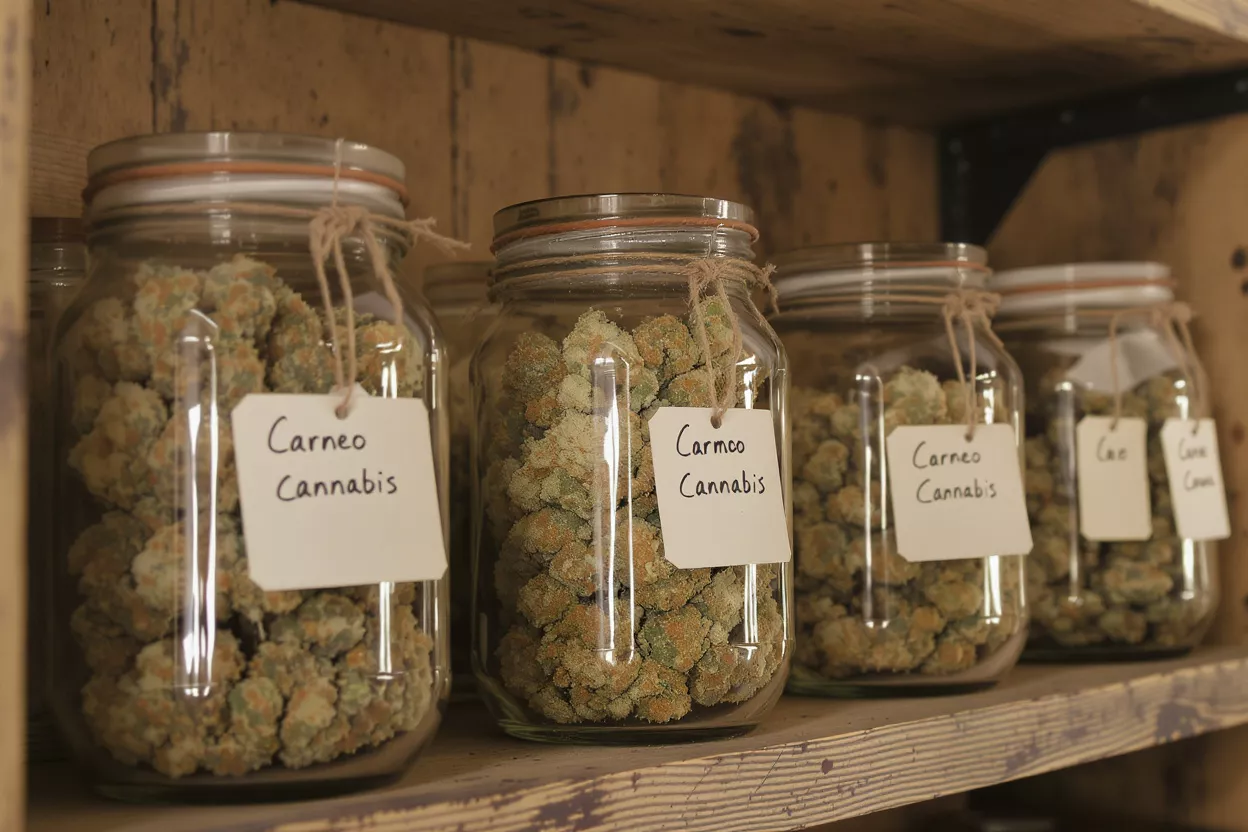
Lab results matter more than strain names. Because cannabis genetics express differently depending on growing conditions, the only reliable way to confirm a high-myrcene batch is to read its COA, or certificate of analysis. Two jars labeled with the same strain can carry meaningfully different terpene percentages.
If you are shopping with relaxation in mind, look for these signals on a lab report:
- 🥭 Myrcene as the dominant terpene: listed first or highest by percentage on the panel.
- 📊 Concentration above 0.5%: the rough threshold associated with sedative effects.
- 🌙 Supporting sedatives: the presence of linalool often reinforces calming qualities.
- 🧪 Recent test date: terpenes degrade over time, so fresher analysis is more trustworthy.
Myrcene in Mango and Other Foods
The connection between mangoes and cannabis is one of the most enduring pieces of folklore in the community. Because mangoes are rich in myrcene, a long-standing belief holds that eating one before consuming cannabis can intensify or extend the high, presumably by introducing extra myrcene into the bloodstream beforehand.
The science behind the mango trick is plausible but unproven. The mechanism rests on the same blood-brain barrier permeability hypothesis discussed earlier, and while many enthusiasts swear by it, controlled studies confirming the effect in humans are scarce. It is best treated as a fun, low-risk experiment rather than a guaranteed technique.
Myrcene's presence well beyond cannabis underscores how common and food-safe it is. You routinely encounter it in everyday ingredients, including:
- 🥭 Ripe mango: the most famous dietary source and the inspiration for countless experiments.
- 🍺 Hops: a major contributor to the aroma of many craft beers.
- 🌾 Lemongrass: traditionally brewed as a calming, sleep-promoting tea.
- 🌿 Thyme and basil: common culinary herbs carrying noticeable myrcene content.
Myrcene and the Entourage Effect
Myrcene is a cornerstone of the entourage effect, the theory that cannabis compounds work better together than in isolation. Rather than acting as a passive aroma molecule, myrcene appears to shape and amplify the activity of cannabinoids and fellow terpenes, contributing to the unique signature of each cultivar.
Its synergy with THC is the most frequently cited example. By potentially easing compounds across cell membranes and reinforcing sedative tendencies, myrcene is often credited with deepening the relaxing dimension of a high. Paired with CBD, it may contribute to a calmer, more balanced overall feel.
This interplay is why full-spectrum and whole-flower products are so prized. Isolating a single cannabinoid strips away the terpene context that gives cannabis its nuance, and myrcene is one of the loudest voices in that botanical chorus. Preserving it means preserving the character of the plant itself.
Is Myrcene Safe to Consume?
Myrcene enjoys a strong safety profile at the levels found in food and cannabis. It is widely used as a flavoring agent and fragrance ingredient, and regulatory bodies have long permitted its presence in everyday consumer products. The amounts you encounter through diet or inhaled flower are far below any threshold of concern.
As with any compound, context and dose matter. Toxicology studies that flagged potential issues involved extremely high, concentrated doses administered to animals in ways that bear no resemblance to normal human consumption. For a person enjoying mango, craft beer, or cannabis, those scenarios are not relevant.
The main practical caution relates to myrcene's sedative character rather than toxicity. Because high-myrcene cannabis can leave you noticeably relaxed and drowsy, it is wise to avoid driving or operating machinery after consuming it. Start with a modest amount, especially if you are new to terpene-forward flower, and let your own response guide you.
How to Preserve Myrcene in Your Flower
Like all terpenes, myrcene is volatile and degrades when exposed to heat, light, oxygen, and time. A jar of fragrant, myrcene-rich flower stored carelessly can lose much of its aromatic and effect-shaping power within weeks, flattening into something dull and less satisfying.
Proper storage is the single biggest factor in terpene preservation. Keeping cannabis in an airtight container, away from sunlight, and within a controlled humidity range slows the evaporation and oxidation that strip terpenes away. Cool, dark, and consistent conditions are the goal. Practical habits that protect myrcene include:
- 🫙 Airtight glass jars: minimize oxygen exposure far better than plastic bags.
- 🌑 Dark storage: light, especially UV, accelerates terpene breakdown.
- 💧 Humidity control: a 55–62% range keeps trichomes intact without inviting mold.
- ❄️ Cool temperatures: heat drives off volatile compounds quickly, so avoid warm spots.
Understanding myrcene transforms how you choose and enjoy cannabis. As the plant's most abundant terpene, it shapes aroma, anchors the relaxing body effects so many seek, and contributes real therapeutic potential through its analgesic, anti-inflammatory, and sedative qualities. Whether you read it on a lab panel, smell it in a fresh jar, or chase it through a ripe mango, myrcene is a foundational piece of what makes each strain distinct. Treat it with the storage care it deserves, and let it guide you toward the experiences that suit you best.





Comments