

Terpenes Explained: How Cannabis Smell Predicts Effect
Discover what are terpenes and how cannabis aroma predicts effects.
What are terpenes? If you've ever cracked open a jar of premium cannabis and been hit by a wave of lemon, pine, or earthy musk, you've already experienced them firsthand. These aromatic compounds do far more than make your craft flower strains smell incredible—they fundamentally shape how each strain affects your mind and body. Understanding terpenes transforms you from a passive consumer into an informed explorer who can predict effects before the first inhale.
The cannabis conversation has long been dominated by THC percentages and the oversimplified indica-sativa binary. But modern research reveals that terpenes in cannabis are equally powerful architects of your experience. A strain testing at 18% THC with a rich terpene profile often delivers more nuanced, satisfying effects than a 25% THC flower stripped of its aromatic compounds through poor curing or processing. This guide unpacks the science, profiles the major players, and shows you how to use your nose as a compass for finding your ideal cannabis experience.
By the end, you'll understand why a Analytical Cannabis analysis of terpene content has become as valuable as cannabinoid testing for discerning consumers. You'll also know how to read a terpene chart like a map, matching specific aromas to desired outcomes—whether that's deep relaxation, creative focus, or anxiety relief.
What Are Terpenes and Why Do They Matter?
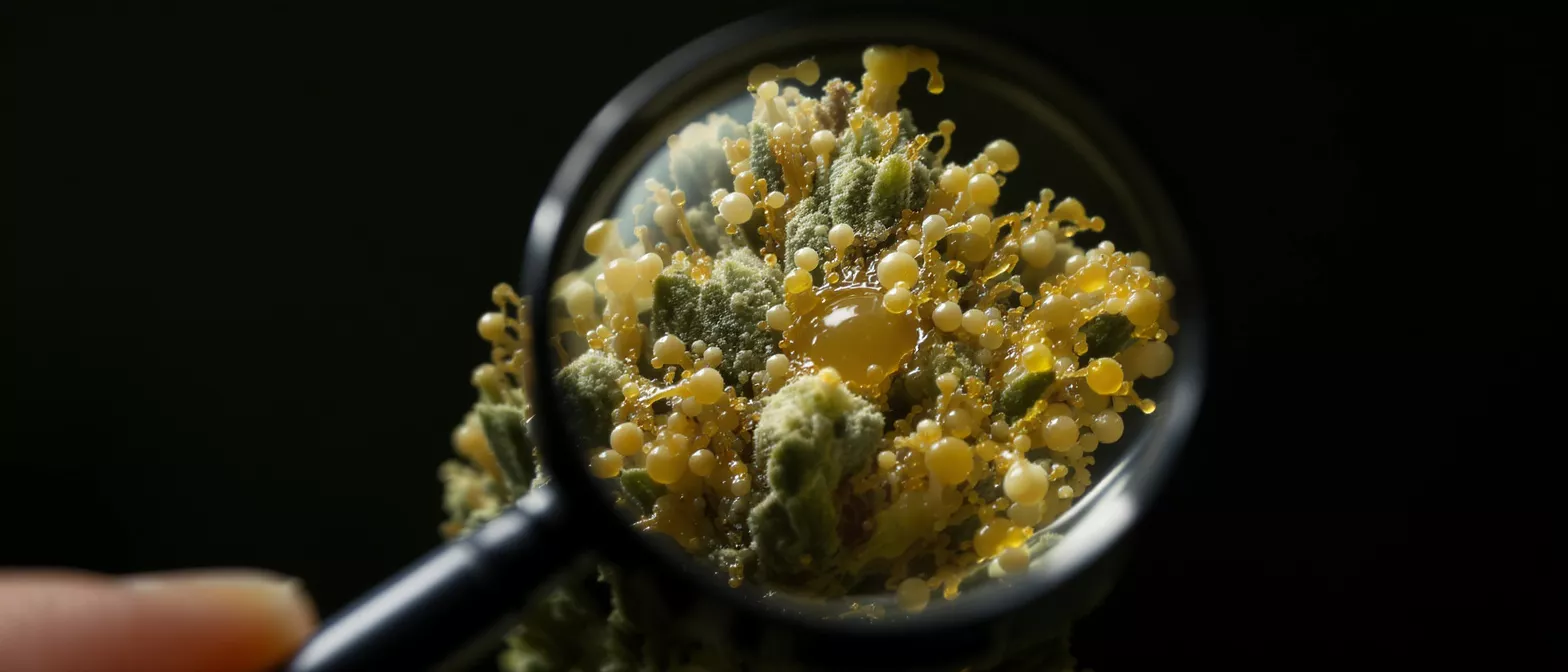
Natural compounds found across the plant kingdom. Terpenes are volatile aromatic molecules produced by countless plants, not just cannabis. They evolved primarily as defense mechanisms—repelling herbivores, attracting pollinators, and protecting against environmental stress. In cannabis, terpenes concentrate in the resinous trichomes that coat premium flower, working alongside cannabinoids to create each strain's unique character. The same compounds that give lavender its calming scent or black pepper its bite appear in your cannabis, often at concentrations exceeding 2-3% of total flower weight in well-cultivated specimens.
The "what are terpenes" question matters because these molecules are biologically active in humans. Unlike passive scent molecules, terpenes interact with neurotransmitter systems, modulate inflammation, and can cross the blood-brain barrier. When you smell a jar of live resin concentrates and feel an immediate mood shift—that's not placebo. Olfactory receptors connect directly to limbic brain regions governing emotion and memory, while inhaled terpenes exert direct pharmacological effects through multiple pathways.
Industry professionals increasingly recognize terpene preservation as a quality marker. Traditional cannabis grading emphasized visual appeal and THC potency, but connoisseur culture has shifted toward "terp hunting"—seeking strains with exceptional aromatic complexity. This mirrors developments in wine, coffee, and craft spirits, where flavor nuance signals careful cultivation and handling. A jar that reeks of diesel fuel and fresh mango isn't just pleasant; it promises a sophisticated, layered experience that generic, terpene-depleted flower cannot replicate.
How Terpenes Work in Cannabis
Beyond smell: direct biological activity. Terpenes operate through multiple mechanisms that extend far beyond nose-twitching aromatics. Many bind to neurotransmitter receptors—myrcene interacts with GABA-A receptors similar to sedatives, while limonene affects serotonin pathways. Others modulate cannabinoid receptor activity: β-caryophyllene uniquely acts as a selective CB2 agonist, making it technically both terpene and cannabinoid. This receptor-level activity explains why isolated THC feels different from whole-plant cannabis with intact terpene profiles.
The entourage effect—terpenes working synergistically with cannabinoids—represents perhaps the most significant concept for consumers to grasp. Proposed by Dr. Ethan Russo and supported by accumulating research, this theory suggests that cannabis compounds produce superior therapeutic outcomes together than in isolation. A 2011 paper in the British Journal of Pharmacology detailed how myrcene, limonene, and linalool each modify THC's effects: amplifying certain benefits while mitigating side effects like anxiety or short-term memory impairment. This synergy is why pharmaceutical isolates like Marinol (pure THC) consistently underperform whole-plant preparations in patient satisfaction.
Metabolism and bioavailability factors also matter. Terpenes are lipophilic—fat-soluble—meaning they absorb efficiently alongside cannabinoids when consumed with oils or through inhalation. Heat during vaporization or combustion releases terpenes from plant material, though excessive temperatures degrade delicate molecules. Optimal vaporization occurs between 315-440°F (157-227°C), with different terpenes vaporizing at specific points within this range. This temperature-specific behavior enables "temp stepping"—starting low to capture volatile pinene and limonene, then increasing to liberate heavier myrcene and linalool for a full-spectrum experience.
Terpenes vs Cannabinoids: What's the Difference?
Shared origins, distinct architectures. Both terpenes and cannabinoids derive from the same precursor molecules in cannabis biosynthesis—specifically, geranyl pyrophosphate combines with other compounds to initiate both pathways. Yet their final structures and primary functions diverge significantly. Cannabinoids like THC and CBD feature distinctive alkylresorcinol cores that interact predominantly with the endocannabinoid system's CB1 and CB2 receptors. Terpenes, being much smaller isoprenoid molecules, lack this specific receptor targeting but compensate through broader pharmacological promiscuity.
The terpenes vs cannabinoids distinction blurs in practice because both classes contribute to effects. A high-THC strain with minimal terpenes often produces a "flat," one-dimensional experience—euphoric but lacking depth. Conversely, moderate-THC flower rich in diverse terpenes frequently feels more sophisticated and functional. This explains the "indica vs sativa" confusion: traditional indica strains tend toward myrcene dominance (earthy, sedating), while sativa-leaning varieties often show higher pinene and limonene (alert, uplifting). However, these are terpene-driven patterns, not rigid genetic rules, and modern hybridization has scrambled simple correlations.
Testing protocols increasingly reflect this interdependence. Comprehensive cannabis analysis now reports both cannabinoid and terpene panels, with some laboratories calculating "total active compounds" rather than featuring THC alone. Consumers learning to read these co-analyses gain predictive power: a flower testing 15% THC with 3% total terpenes and balanced myrcene/limonene may offer more versatile effects than 22% THC with 0.5% degraded terpenes. The full-spectrum extract oils category specifically markets on this principle, preserving native terpene ratios through careful extraction.
Common Cannabis Terpenes and Their Effects
Understanding the major terpenes in cannabis enables strategic strain selection. While over 200 terpenes appear in the plant, roughly a dozen dominate most commercial varieties. Each carries a distinctive aroma fingerprint and associated effect profile, though individual responses vary based on genetics, tolerance, and consumption context.
The following profiles represent consensus patterns from pharmacological research and widespread user reporting—not guaranteed outcomes, but reliable starting points for exploration:
- 🍋 Limonene: Bright citrus aroma; associated with mood elevation, stress relief, and digestive support. Common in strains with "Lemon," "Sour," or "Haze" genetics.
- 🌿 Myrcene: Earthy, clove-like, sometimes fruity; the most prevalent cannabis terpene, linked to sedation, muscle relaxation, and anti-inflammatory action.
- 🌲 Pinene: Sharp pine needle scent; promotes alertness, bronchodilation, and may counteract THC-related memory impairment. Alpha-pinene and beta-pinene variants exist.
- 🌶️ Caryophyllene: Peppery, spicy, woody; the only terpene proven to directly activate CB2 receptors, showing particular promise for inflammation and pain modulation.
- 💜 Linalool: Floral lavender essence; anxiolytic and calming, with emerging research on neuroprotection and seizure reduction.
These common cannabis terpenes rarely appear in isolation. Most strains present 3-6 dominant terpenes in varying ratios, creating the "entourage" interactions discussed earlier. A terpene chart becomes invaluable for visualizing these relationships—many consumers photograph dispensary lab reports to build personal databases correlating specific profiles with preferred experiences.
Myrcene Effects: The Sedating Powerhouse
The indica signature molecule. Myrcene constitutes up to 50% of total terpene content in many strains, particularly those with Afghani landrace heritage. Its effects center on profound physical relaxation—muscles unclench, movement slows, and sleep becomes inviting. This isn't merely subjective: myrcene increases transdermal absorption of cannabinoids (hence the "couch lock" legend of mangoes enhancing cannabis effects) and demonstrates sedative properties in rodent studies at concentrations comparable to those inhaled from cannabis.
The myrcene effects profile explains why "indica" became synonymous with nighttime use. Strains like Granddaddy Purple, Blue Dream, and OG Kush all show elevated myrcene, though their other terpenes modify the experience significantly. Pure myrcene dominance without balancing pinene or limonene can feel heavy, even disorienting—pleasant for insomnia but potentially counterproductive for social or creative activities. This is where reading terpene ratios matters: a strain with 1.5% myrcene and 0.8% limonene offers different functionality than one with 2.0% myrcene and trace limonene.
Cultivation and curing practices dramatically impact myrcene preservation. This terpene is particularly volatile, degrading rapidly with heat, light, and oxidation. Properly "burped" curing jars, cold storage, and nitrogen-flushed packaging maintain myrcene levels that hasty drying and plastic packaging destroy. Discerning consumers learn to trust their noses: if a supposedly premium indica smells like hay rather than ripe mango and earth, its myrcene has likely degraded, and the promised sedating effects may disappoint regardless of THC percentage.
Limonene Cannabis: Uplifting Citrus Energy
The sunshine terpene. Limonene cannabis varieties announce themselves with unmistakable brightness—lemon zest, tangerine peel, grapefruit pith. This monocyclic terpene dominates citrus fruit rinds and appears prominently in strains like Super Lemon Haze, Durban Poison, and Jack Herer. Its effects trend toward the opposite pole from myrcene: energizing, mood-elevating, mentally clarifying. Many consumers specifically seek limonene-rich options for daytime functionality, creative projects, or social situations where sedation would be unwelcome.
Research into limonene's mechanisms reveals plausible biological foundations for these subjective reports. The terpene elevates serotonin and dopamine levels in animal models, suggesting antidepressant potential. It demonstrates anxiolytic effects in rodent studies, possibly through adenosine receptor modulation. For cannabis users prone to THC-induced anxiety, limonene's presence may provide natural buffering—one reason why some high-THC sativas feel paradoxically calmer than moderate-THC indicas lacking this compound.
The limonene cannabis connection extends beyond inhalation into topical and edible applications. This terpene's excellent bioavailability and pleasant taste make it a formulation favorite. However, heat sensitivity remains a concern: limonene vaporizes at relatively low temperatures (approximately 348°F/176°C), meaning combustion destroys significant portions. Vaporization or low-temp dabbing better preserves this delicate molecule. Consumers chasing the full limonene experience should also consider freshness—aged cannabis loses citrus brightness as limonene oxidizes, leaving heavier, less distinct aromas.
Caryophyllene, Pinene, and Linalool Explained
The supporting cast with starring potential. While myrcene and limonene dominate headlines, three additional terpenes deserve focused attention for their distinctive contributions to cannabis effects. Each occupies a unique pharmacological niche that sophisticated consumers increasingly target.
β-Caryophyllene: the cannabinoid-terpene hybrid. This sesquiterpene's unique molecular structure allows direct CB2 receptor binding—activity previously considered exclusive to cannabinoids. Found abundantly in black pepper, cloves, and cinnamon, caryophyllene contributes spicy, woody notes to strains like Girl Scout Cookies, Bubba Kush, and Candyland. Its CB2 selectivity suggests particular relevance for inflammatory conditions without CB1-mediated psychoactivity. Preclinical research indicates gastroprotective and analgesic properties, with human studies ongoing. For consumers seeking physical relief without mental clouding, caryophyllene-dominant profiles warrant exploration.
Pinene: nature's bronchodilator. Alpha-pinene and beta-pinene—distinct but related molecules—impart the sharp, fresh scent of pine forests and rosemary. Beyond aesthetic pleasure, pinene demonstrates measurable bronchodilation in human studies, potentially explaining why some cannabis users report easier breathing with certain strains. More intriguingly, pinene may attenuate THC's acetylcholinesterase inhibition, possibly reducing short-term memory disruption. This "alertness terpene" dominates strains like Jack Herer, Blue Dream, and various Haze varieties, often balancing myrcene's sedating tendency in hybrid profiles.
Linalool: lavender's calming cousin. This floral terpene underlies lavender's renowned relaxation effects and appears in cannabis at lower but significant concentrations. Amnesia Haze, Lavender Kush, and certain OG phenotypes express notable linalool. Research demonstrates anxiolytic, sedative, and anticonvulsant properties in animal models, with neuroprotective potential against excitotoxicity. Linalool's gentle character makes it ideal for anxiety-prone consumers who find limonene too stimulating or myrcene too heavy. Its presence often signals a "smooth," less edgy cannabis experience.
Terpene Smell and Effect: Reading Your Bud
Your nose as a predictive tool. The fundamental premise of this guide—that cannabis aroma predicts effects—relies on terpene stability and concentration. A properly cured and stored flower's smell offers remarkably reliable guidance because dominant terpenes directly correlate with their pharmacological activity. Learning to parse these aromas transforms purchasing from lottery to informed selection.
Practice systematic smelling. Before consumption, break a bud open (terpenes concentrate inside) and note immediate impressions. Citrus or candy signals limonene dominance and likely uplifting effects. Deep earth, musk, or ripe fruit suggests myrcene and sedation. Sharp pine or rosemary indicates pinene and alertness. Pepper, spice, or wood points toward caryophyllene and physical relief. Floral notes, especially alongside lavender associations, reveal linalool and calming potential. Most strains present combinations—earthy-citrus, pine-floral—indicating mixed effects.
However, terpene smell and effect correlation breaks down with degraded product. Oxidation converts volatile monoterpenes into less aromatic, less active forms. The generic "hay" or "grass" smell of poorly stored cannabis indicates terpene loss, meaning effects become less predictable and often less pleasant. Similarly, some processing methods—particularly aggressive CO2 extraction or high-temperature distillation—strip terpenes entirely, requiring reintroduction of botanical (non-cannabis) terpenes afterward. These "food grade" terpene formulations may smell similar but lack the nuanced ratios and minor compounds that characterize native profiles. Discerning consumers prioritize " cannabis-derived" or "full spectrum" labeling for authentic terpene experiences.
Best Terpenes for Anxiety, Sleep, and Focus
Strategic terpene targeting enables precise effect customization beyond broad indica-sativa categories. By identifying specific therapeutic goals and matching terpene profiles, consumers can significantly improve outcome predictability.
Best terpenes for anxiety: Linalool leads recommendations, supported by substantial anxiolytic research. Limonene follows closely, with mood-elevating properties that counter anxious rumination. Caryophyllene's CB2 activity may reduce stress-related inflammation. Notably, high pinene without balancing compounds can occasionally exacerbate anxiety in sensitive individuals—paradoxically "too alert." Ideal anxiety profiles typically show linalool or limonene dominance with moderate pinene and minimal myrcene (to avoid mental fog).
Best terpenes for sleep: Myrcene dominates this category, with documented sedative and muscle-relaxant effects. Linalool contributes calming depth, while humulene (a related sesquiterpene) appears in some sleep-targeted strains. The key is avoiding counterbalancing stimulants: pinene and limonene above trace levels may interfere with sleep onset. Look for "pure" indica heritage with myrcene exceeding 1.5% and minimal citrus or pine aroma. Some consumers find CBN (a cannabinoid degradation product) synergizes with myrcene for particularly heavy sedation.
Best terpenes for focus: Pinene stands virtually alone for cognitive clarity, with potential memory-supporting and bronchodilating benefits. Limonene adds motivational energy without jitters. Terpinolene—understudied but prevalent in strains like Jack Herer and Golden Goat—contributes a unique uplifting quality sometimes described as "creative stimulation." Focus seekers should minimize myrcene and linalool, which pull toward relaxation. The classic "productive sativa" terpene profile shows pinene and limonene co-dominance with trace sedatives.
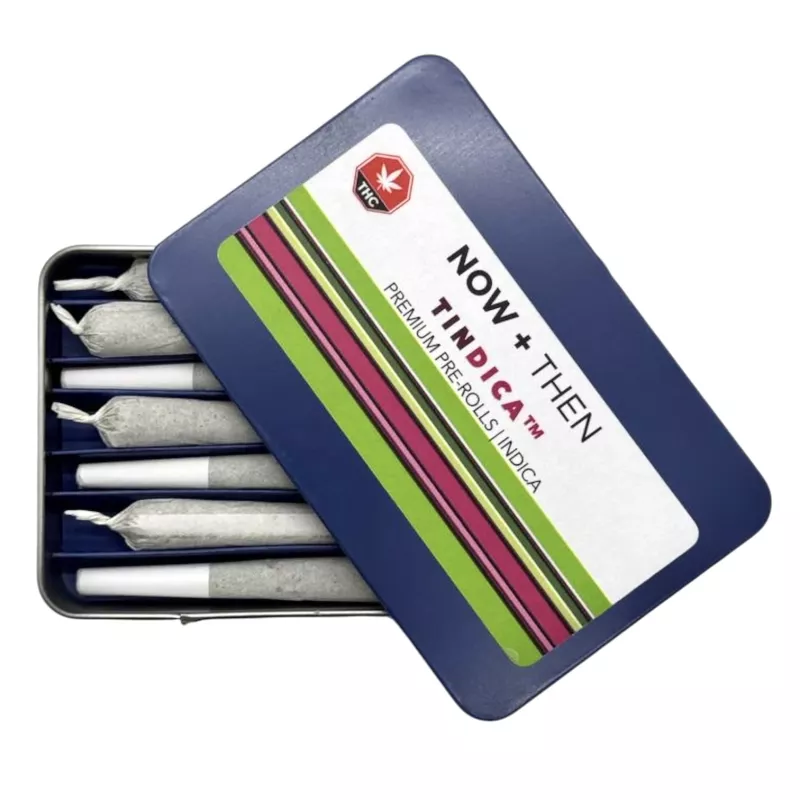

INDICA Prerolls 7g / 7pcs – NOW+THEN
No clever name needed. NOW+THEN's INDICA prerolls are seven full-gram joints of pure indica flower — classic, deep relaxation for those who know exactly what they want. Each one quiets the mind, settles the body, and eases you toward sleep. Seven straightforward sessions of honest, heavy indica calm.
- Pure Indica Effects : Classic deep relaxation
- Full Body Relief : Complete physical calm
- Mental Calm : Helps quiet racing thoughts
- Sleep Support : Natural sedation
- Pain Management : Effective relief
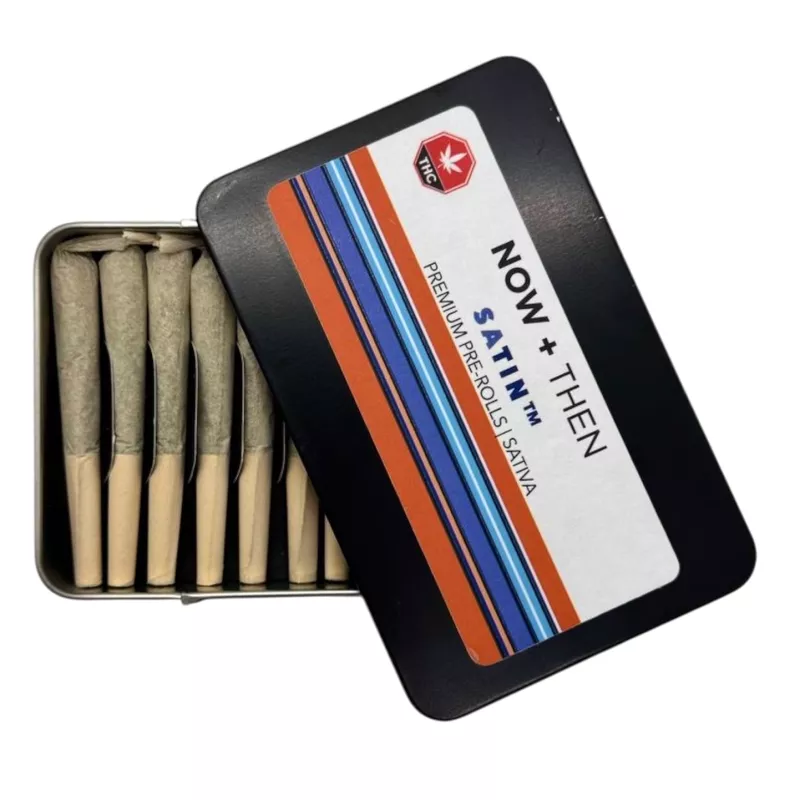
SATIN Sativa Prerolls 6g / 12pcs – NOW+THEN
Smooth as its namesake, energizing as sunshine. NOW+THEN's SATIN prerolls are twelve refined 0.5g sativa joints — gentle, anxiety-free uplift with no harsh edges. Silky and consistent, they suit morning, noon, or a social night out. Twelve easy sessions of clean, head-forward energy whenever you need a lift.
- Smooth Energy : Gentle, refined stimulation
- Anxiety-Free Uplift : No harsh edges
- Consistent Quality : Silky smooth every time
- Versatile Use : Morning, noon, or night
- Social Enhancement : Perfect for gatherings
Buying High Terpene Cannabis in Canada
Quality indicators beyond THC. The Canadian legal market has matured beyond potency obsession, with premium producers now competing on terpene content and preservation. Savvy shoppers examine several quality markers when seeking genuinely aromatic, effect-rich flower.
Packaging integrity matters enormously. Terpenes degrade through oxidation; nitrogen-flushed containers with humidity control maintain freshness far longer than standard plastic jars. Harvest and package dates indicate age—aim for product packaged within 60 days of purchase, with 30 days ideal. Some producers now list total terpene percentage prominently; values above 2% indicate careful handling, while 3%+ signals exceptional quality. Specific terpene breakdowns, when available, enable precise matching to desired effects.
Storage at home extends or wastes this investment. Glass jars with airtight seals, maintained at 60-65% relative humidity with Boveda or Integra packs, preserve terpenes for months. Refrigeration helps for long-term storage, though condensation risks require careful management. Never store in plastic bags (static strips trichomes) or direct light (UV degrades terpenes rapidly). These practices ensure that the limonene, myrcene, or pinene you paid for remains active until consumption.
Understanding what are terpenes ultimately empowers more satisfying, predictable cannabis experiences. The nose knows—train yours, trust it, and let terpene literacy guide your exploration of this remarkably complex plant.


Comments
Finally someone explaining why my 30% THC distillate hits different than 18% flower with actual smell. The entourage effect thing makes total sense now.
The temp stepping tip changed my vaping game. Started low for the limonene buzz then stepped up—night and day difference from just blasting everything at 420.
So if myrcene degrades fast, that explains why the same strain hits different from different shops. Package date is now the first thing I check.
Wish more Canadian LPs would put terpene percentages on the label. Some do, most don’t. How are we supposed to shop smart without the data?
Good breakdown but I’d love more on lesser terpenes like terpinolene and humulene. Those ‘supporting cast’ ones seem to matter in my favorite strains.
The caryophyllene CB2 thing blew my mind. Peppery strains always helped my gut issues way more than others and now I get why.
Tried the nose-reading technique with my latest pickup. Earthy-musky with zero citrus, slept like a rock. Myrcene don’t lie.
The nitrogen flush packaging point is so real. Bought two identical strains, one in fancy sealed glass vs basic plastic. Difference in smell and effect was embarrassing for the plastic one.