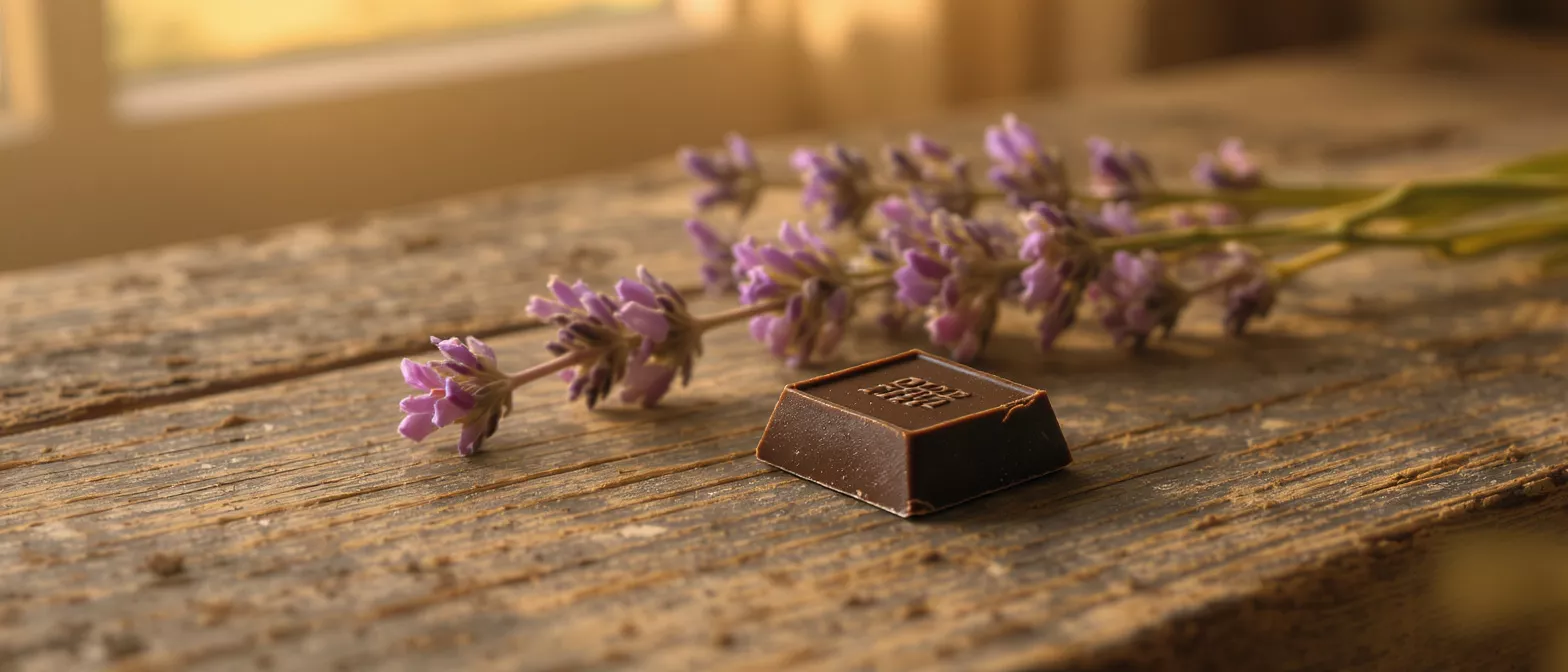
Top THC edibles to help with anxiety
Discover the best THC edibles for anxiety relief.
What Are THC Edibles for Anxiety
THC edibles for anxiety are cannabis-infused foods and beverages designed to deliver tetrahydrocannabinol through the digestive system rather than the lungs. Unlike smoking or vaping, edibles offer a slower, longer-lasting experience that many people find smoother and more manageable when the goal is to take the edge off persistent worry. They come in familiar formats — gummies, chocolates, mints, and drinks — making them an approachable option for newcomers who want relief without inhalation.
The appeal of edibles for anxiety lies in their predictability once you understand your own response. A measured dose can produce hours of mellow, body-forward calm, which is why so many wellness-focused consumers gravitate toward them. That said, the relationship between THC and anxiety is dose-dependent: low amounts tend to soothe, while high amounts can do the opposite.
Understanding that nuance is the foundation of everything that follows in this guide. Anxiety is deeply individual, and cannabis affects each person's endocannabinoid system a little differently. The right edible, taken at the right dose, can be a genuinely useful tool in a broader self-care routine — but it works best when you approach it with patience and a bit of knowledge.
How THC Edibles Work for Anxiety Relief
When you eat a THC edible, the compound travels through your stomach and into the liver, where it is metabolized into 11-hydroxy-THC — a more potent and longer-lasting form than what reaches your bloodstream through smoking. This is why edibles take 30 to 120 minutes to kick in and why their effects can persist for four to eight hours. For anxiety, that extended timeline can be a benefit, providing steady relief rather than a sharp peak and rapid decline.
The endocannabinoid connection explains much of the calming effect. THC binds to CB1 receptors concentrated in regions of the brain that regulate fear, stress, and emotional processing, including the amygdala. In modest amounts, this interaction can dampen the overactive stress response that drives anxious feelings, encouraging a sense of ease.
The biphasic nature of THC is the critical concept here. Research consistently shows that low-to-moderate doses tend to reduce anxiety, while high doses can amplify it — sometimes triggering the very racing thoughts and heightened heart rate people are trying to escape. This is precisely why edible dosing demands more care than other formats.
Best THC Edibles for Anxiety and Stress
The best THC edibles for anxiety usually share a few traits: low to balanced THC content, the presence of CBD to soften the high, and a reliable, lab-tested dose. Products built specifically with calm in mind tend to outperform high-potency edibles that prioritize intensity over comfort.
When shopping for anxiety-focused edibles, these categories consistently rise to the top:
- 🌿 1:1 THC:CBD gummies: Balanced ratios that provide gentle relaxation while CBD buffers THC's more intense psychoactive edges.
- 😌 Microdose mints: 2.5mg THC pieces that let you fine-tune your intake without overshooting into discomfort.
- 🍫 CBD-dominant chocolates: Higher CBD with a touch of THC for daytime calm that won't cloud your focus.
- 🌙 Nighttime formulas: Edibles paired with calming terpenes or melatonin for anxiety that interferes with sleep.
The standout option for most people managing anxiety is a balanced ratio product. The CBD component appears to counteract some of THC's anxiety-provoking potential, creating a more grounded experience. If you are new to edibles, starting here rather than with a pure THC product can make all the difference.
Types of THC Edibles to Help With Anxiety
The edible category has expanded dramatically, and the format you choose affects both onset and experience. Gummies remain the most popular thanks to their precise dosing and convenience, but they are far from the only option worth considering for anxiety relief.
Fast-acting vs traditional edibles is an important distinction. Conventional edibles route through the liver and take longer to work, while newer nano-emulsified or sublingual products can begin acting in 15 to 30 minutes. For anxiety that flares up unexpectedly, faster onset gives you more control over timing and dose.
Common edible formats for anxiety include the following:
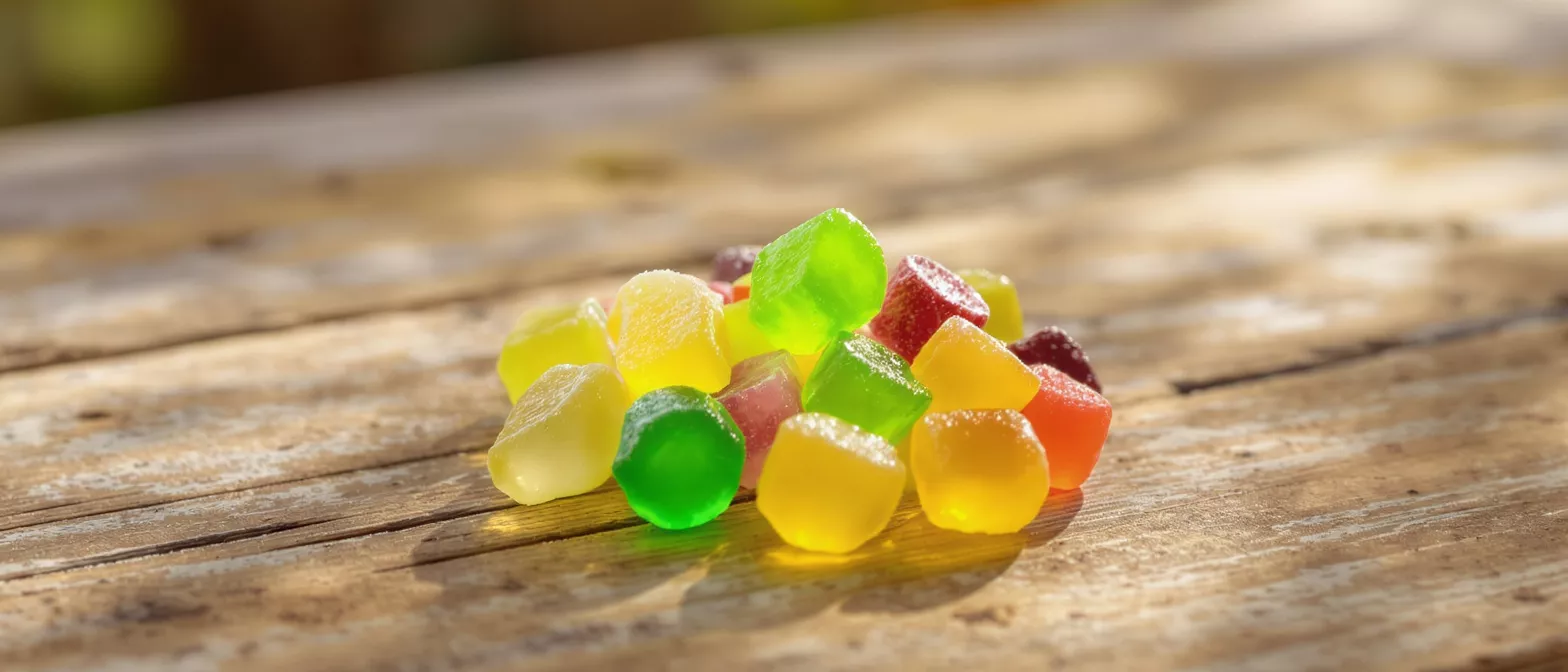
- 🍬 Gummies: Reliable, portioned, and easy to split for low doses.
- 🥤 Beverages: Infused drinks and seltzers that often act faster than chewables.
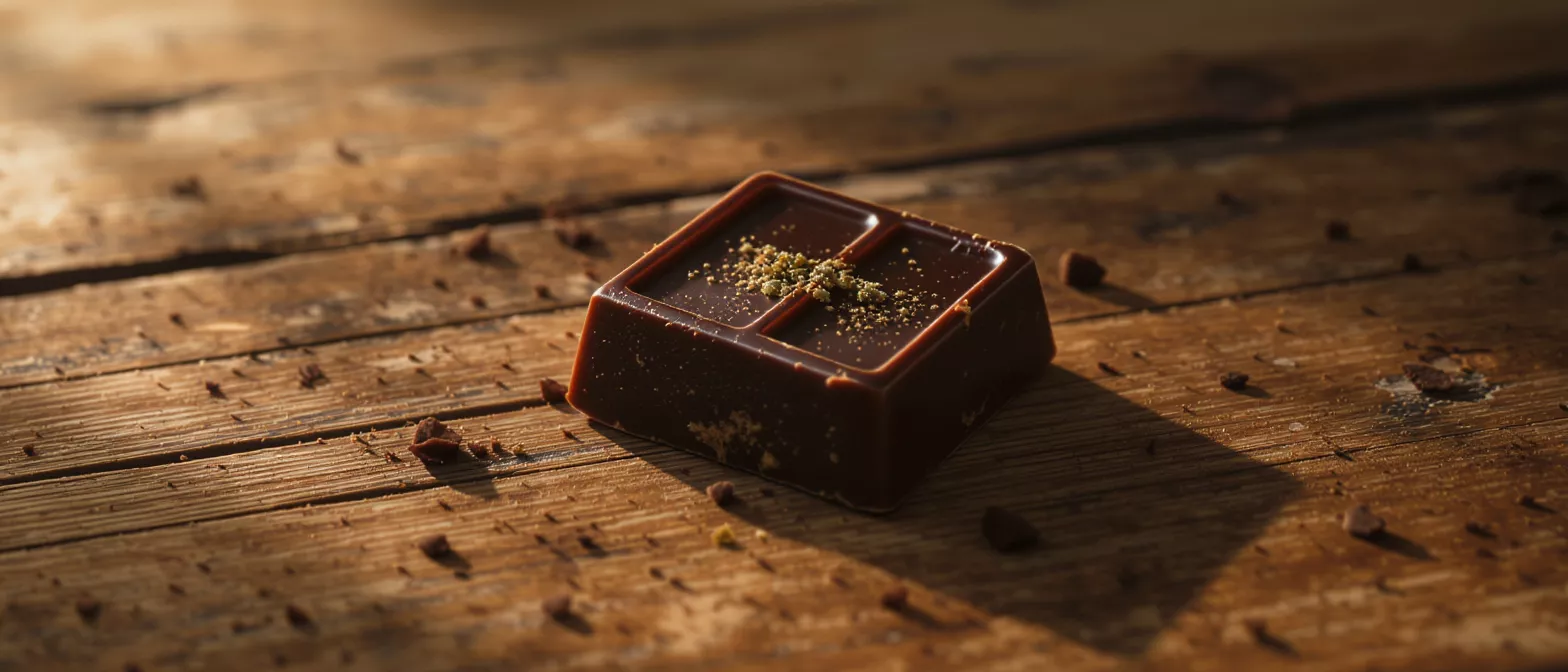
- 🍫 Chocolates: Rich, slow-onset treats ideal for evening relaxation.
- 💊 Capsules: Flavorless, consistent, and discreet for daily routines.
- 🍯 Tinctures: Technically sublingual, offering near-edible duration with quicker onset.
No single format is universally best. Your choice should reflect how quickly you need relief, how discreet you want to be, and whether you prefer a treat-like experience or a no-fuss daily supplement.
THC Edibles Dosing Guide for Anxiety
Dosing is the single most important factor when using THC edibles for anxiety. Because the biphasic effect means too much can worsen symptoms, the golden rule is to start low and go slow. For anxiety specifically, less is genuinely more.
Finding your minimum effective dose takes patience. Most anxiety-conscious users do best beginning at 2.5mg of THC, waiting a full two hours before considering more. This wait time is non-negotiable — the delayed onset of edibles is the leading cause of accidental overconsumption.
A practical starting framework looks like this:
- 🟢 Microdose (1–2.5mg): Subtle calm with minimal intoxication; ideal for daytime anxiety.
- 🟡 Low dose (2.5–5mg): Noticeable relaxation while staying functional.
- 🟠 Moderate dose (5–10mg): Stronger effects best reserved for evenings and experienced users.
- 🔴 High dose (10mg+): Generally too much for anxiety and more likely to provoke unease.
Keep a simple log of what you take and how you feel. Over a few sessions, you will identify your personal sweet spot — the dose that quiets anxious thoughts without tipping you into discomfort or grogginess.
THC Edibles Benefits for Calm and Sleep
Beyond acute anxiety relief, THC edibles offer a constellation of benefits that overlap with stress management. Many users report that the right dose helps quiet a racing mind, ease physical tension, and create the mental space to unwind after a demanding day.
Sleep and anxiety often travel together, and edibles can address both. Anxiety frequently sabotages sleep, and poor sleep worsens anxiety the next day. A modest evening edible — especially one with CBD or sleep-supporting terpenes — can help break that cycle by promoting both relaxation and easier sleep onset.
The longer duration of edibles is a meaningful advantage for nighttime use. Because the effects last for hours, a well-timed dose can support you through the night rather than wearing off and leaving you wide awake at 3 a.m. Just be mindful that very high doses can cause next-day grogginess, which undermines the goal.
Are THC Edibles Safe for Anxiety
For most healthy adults, THC edibles are considered low-risk when used responsibly. There is no known lethal dose, and serious adverse events are rare. The most common negative experience — feeling overwhelmed, paranoid, or more anxious — almost always stems from taking too much, which reinforces the importance of conservative dosing.
Who should be cautious is worth addressing honestly. People with a personal or family history of psychosis, those on certain medications, pregnant or breastfeeding individuals, and anyone with significant cardiovascular concerns should consult a healthcare provider before using THC. Edibles also pose accidental-ingestion risks to children and pets, so secure storage is essential.
It is also worth acknowledging that THC is not a cure for clinical anxiety disorders. It can be a helpful tool for situational stress and mild symptoms, but it should complement — not replace — professional care, therapy, or prescribed treatment when anxiety is severe or persistent.
CBD vs THC Edibles for Anxiety
One of the most common questions is whether to choose CBD, THC, or a blend. The two compounds affect anxiety quite differently, and understanding the contrast helps you make a smarter purchase.
CBD's calming profile is non-intoxicating, meaning it won't get you high. Many people find CBD alone takes the edge off mild anxiety without any psychoactivity, making it ideal for daytime use or for those wary of THC's effects. The tradeoff is that it may feel subtler and less reliably noticeable than THC.
Here is how the options generally compare:
- 🧘 CBD only: Non-intoxicating, gentle, great for daytime and THC-sensitive users.
- ⚖️ Balanced 1:1: The sweet spot for many — calming with a mild, manageable high.
- 🌀 THC dominant: Stronger relief potential but higher risk of dose-related anxiety.
For anxiety specifically, the evidence and anecdotal consensus both lean toward balanced or CBD-forward products. The CBD appears to temper THC's intensity, delivering relaxation with a lower chance of the overwhelm that pure THC can sometimes cause.
How to Choose THC Edibles for Anxiety
With countless products on the market, choosing the right THC edible can feel overwhelming. A few clear criteria cut through the noise and help you land on something genuinely suited to anxiety relief rather than recreational intensity.
Reading the lab results should be your first habit. Reputable edibles come with a certificate of analysis confirming the THC and CBD content per piece and verifying the absence of pesticides, heavy metals, and residual solvents. If a product lacks third-party testing, treat that as a reason to look elsewhere.
Beyond testing, prioritize products with low per-piece dosing, clear ratio labeling, and added terpenes known for relaxation, such as linalool or myrcene. These details signal that a brand designed the product with calm in mind rather than simply maximizing potency.
Tips for Using THC Edibles to Manage Anxiety
Even the best edible delivers better results when you use it thoughtfully. Setting, mindset, and preparation all shape how cannabis affects your anxiety, sometimes as much as the dose itself.
Set yourself up for a good experience by choosing a comfortable, familiar environment for your first few sessions, especially if you are new to edibles. Have water and a light snack nearby, avoid mixing with alcohol, and give yourself nowhere urgent to be. A calm setting reinforces the calming effect you are seeking.
Keep these practical takeaways in mind as you experiment:
- ⏳ Be patient: Wait at least two hours before redosing to avoid overshooting.
- 📓 Track your results: Note dose, product, and effect to refine over time.
- 💧 Stay grounded: If anxiety spikes, hydrate, breathe slowly, and remember it will pass.
- 🩺 Loop in a professional: Talk to a doctor if anxiety is severe or you take other medications.
Used with care, THC edibles can be a meaningful part of a broader strategy for managing everyday anxiety and stress. The keys are conservative dosing, balanced or CBD-forward products, and an honest understanding of your own response. Start low, stay patient, pay attention to how you feel, and you will be well positioned to find the calm you are looking for — without the guesswork that trips up so many first-time users.