









The Complete Guide to Vegan Chocolate
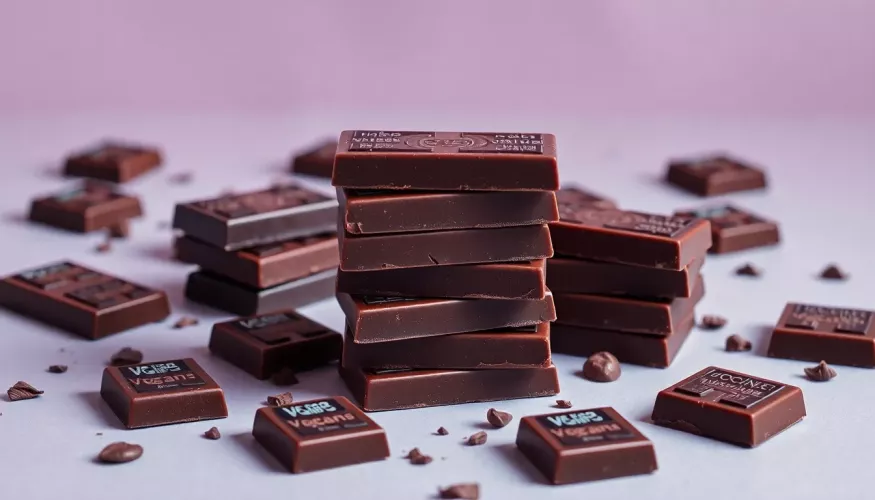
Vegan chocolate has transformed from a niche alternative into a sophisticated category that rivals traditional dairy chocolate in both taste and texture. Made without milk, butter, or any animal-derived ingredients, plant-based chocolate offers the same rich indulgence while aligning with ethical, environmental, and dietary preferences. Whether you're exploring veganism, managing dairy sensitivities, or simply seeking cleaner ingredients, understanding the world of vegan chocolate opens up exciting possibilities for conscious indulgence.
What Is Vegan Chocolate Made From
Cacao-based foundation: At its core, vegan chocolate starts with the same primary ingredient as traditional chocolate — cacao beans. The key difference lies in what's added to create smoothness and sweetness. While conventional milk chocolate relies on dairy milk powder and butter, vegan versions achieve creaminess through plant-based alternatives like coconut milk powder, almond milk, oat milk, or cashew cream. The cocoa butter, naturally occurring in cacao beans, remains the primary fat source and is completely plant-based. Many artisan producers also incorporate coconut oil or other plant fats to achieve specific textures and mouthfeel that closely mimic dairy chocolate.
How Vegan Chocolate Differs From Traditional Chocolate
The absence of dairy fundamentally changes both the production process and final characteristics of vegan chocolate. Traditional milk chocolate contains lactose, casein, and milk fats that create a specific creamy texture and mild flavor profile. Vegan alternatives must recreate this experience using plant proteins and fats, often resulting in more complex flavor notes and sometimes a slightly different melting point. Dark chocolate naturally tends to be vegan-friendly since it typically contains only cacao, sugar, and sometimes lecithin as an emulsifier, though cross-contamination during manufacturing can be a concern for strict vegans.
Types of Vegan Chocolate Available Today
Dark chocolate variations: The most straightforward vegan option, dark chocolate ranges from 60% to 100% cacao content, offering intense cocoa flavors without requiring dairy alternatives. Higher percentages deliver more antioxidants and complex flavor notes, while lower percentages provide gentler introduction for those transitioning from milk chocolate. Plant-based milk chocolate: These innovative formulations use various plant milks to recreate the familiar creamy, sweet experience of traditional milk chocolate, with each base — whether coconut, oat, or nut-based — contributing unique flavor undertones and textures.
- 🌱 Raw chocolate: Unroasted cacao processed at low temperatures to preserve maximum nutrients
- 🍄 Functional chocolate: Enhanced with adaptogens, mushrooms, or superfoods for additional wellness benefits
- 🍯 Alternative sweeteners: Using dates, coconut sugar, or monk fruit instead of refined sugar
- 🌰 Nut-based varieties: Incorporating almonds, hazelnuts, or cashews for added richness and protein
Vegan Chocolate Health Benefits and Nutrition
Vegan chocolate often provides superior nutritional profiles compared to conventional alternatives, primarily due to cleaner ingredient lists and higher cacao concentrations. The absence of dairy eliminates lactose, making it digestible for the majority of adults who experience some degree of lactose intolerance. Plant-based ingredients frequently contribute additional nutrients — coconut adds medium-chain triglycerides, nuts provide healthy fats and protein, and many vegan chocolates avoid artificial preservatives common in mass-produced dairy versions. The antioxidant content, particularly flavonoids from cacao, remains intact and may be enhanced when combined with other plant-based superfoods like berries or green tea extracts.
How to Choose Quality Vegan Chocolate
Ingredient transparency: High-quality vegan chocolate features short, recognizable ingredient lists with cacao or cocoa as the primary component. Look for specific plant milk sources rather than generic "plant-based" labels, and avoid products with excessive artificial flavoring or chemical emulsifiers. Certification standards: Authentic vegan products carry proper certification marks, while fair-trade and organic certifications indicate additional quality and ethical standards. The texture should be smooth without grittiness, and the flavor should develop complexity as it melts rather than delivering one-note sweetness or bitterness.
Best Vegan Chocolate for Different Preferences
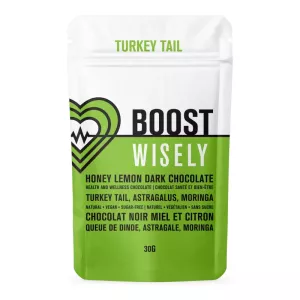
The expanding vegan chocolate market caters to diverse taste preferences and dietary requirements. For newcomers to plant-based chocolate, oat milk-based varieties often provide the closest approximation to traditional milk chocolate, with naturally sweet, creamy characteristics. Those seeking indulgent treats might gravitate toward coconut-based options that deliver rich mouthfeel, while health-conscious consumers often prefer darker varieties with minimal processing and organic ingredients. Functional chocolates that incorporate beneficial compounds like BOOST Functional Mushroom Honey Lemon Dark Chocolate 30g / 6pcs - Wisely $5.94 represent an emerging category where wellness meets indulgence, combining the pleasure of chocolate with targeted health benefits.
- 🎯 For chocolate newcomers: Start with 60-70% dark chocolate or oat milk varieties
- 💪 For health optimization: Choose 80%+ cacao content with minimal added sugars
- 🌟 For special occasions: Artisan brands with unique flavor combinations and premium ingredients
Understanding Vegan Chocolate Ingredients and Labels
Reading vegan chocolate labels requires understanding both what should be present and what to avoid. Essential ingredients include cacao or cocoa solids, plant-based sweeteners, and clearly identified plant milk sources. Watch for hidden animal products like milk fat, whey, or casein that can appear even in dark chocolates due to shared manufacturing equipment. Natural vanilla extract is preferable to artificial vanillin, and emulsifiers like sunflower lecithin indicate cleaner processing than synthetic alternatives. Premium vegan chocolates often feature single-origin cacao, which provides traceability and typically superior flavor complexity compared to mass-market blends.
Storing and Enjoying Vegan Chocolate Properly
Optimal storage conditions: Vegan chocolate requires similar storage considerations to conventional chocolate but may be more sensitive to temperature fluctuations due to different fat compositions. Store in cool, dry conditions between 60-70°F, away from direct sunlight and strong odors that can affect flavor. Plant-based chocolates often have shorter shelf lives than dairy versions due to the absence of preservatives, making proper storage crucial for maintaining quality. Serving and pairing suggestions: Allow vegan chocolate to come to room temperature before eating to experience full flavor development, and consider pairing with plant-based beverages like almond milk, herbal teas, or even wine to enhance the tasting experience without dairy interference.
The future of vegan chocolate continues to evolve with innovative ingredients and production techniques that push the boundaries of what plant-based treats can achieve. As consumer demand grows and technology advances, vegan chocolate is not just matching traditional chocolate but often surpassing it in terms of flavor complexity, nutritional value, and ethical production. Whether you're committed to plant-based living or simply exploring healthier indulgences, the diverse world of vegan chocolate offers something for every palate and preference.