


Can CBD Treat Coronavirus Symptoms? What Research Says
Can CBD treat coronavirus symptoms?
What Research Says About CBD and Coronavirus
The question of whether CBD can treat coronavirus symptoms has circulated widely since early 2020, and it deserves an honest, evidence-based answer rather than wishful thinking. Cannabidiol, the non-intoxicating compound derived from hemp and cannabis, has attracted serious scientific attention for its anti-inflammatory and calming properties. But there is a vast difference between "shows promise in preliminary studies" and "treats coronavirus," and any responsible guide must keep that distinction front and centre.
When the pandemic disrupted daily life across Canada, from Toronto to Vancouver, many people who already kept CBD in their homes naturally wondered whether it might offer protection or relief. That instinct is understandable, and some laboratory research has explored how cannabinoids interact with viral entry mechanisms and runaway inflammation. The science, however, remains early-stage and far from a clinical recommendation.
Early laboratory work, including widely cited preprint studies from cannabis researchers, examined whether certain high-CBD cannabis extracts might influence the ACE2 receptors that the virus uses to enter cells. According to Project CBD, these findings were intriguing but performed in artificial tissue models, not living patients, and should never be read as proof that CBD prevents or cures infection. The honest takeaway is that CBD is being studied, not validated, as a coronavirus treatment.
Can CBD Treat Coronavirus Symptoms Directly?
The short, responsible answer is no: there is no approved evidence that CBD treats, cures, or prevents COVID-19. What the research actually explores is far narrower — whether cannabidiol might modulate some of the body's inflammatory responses that contribute to severe illness. That is a meaningful research question, but it is not the same as a treatment you can rely on when you are sick.
Symptom comfort versus disease treatment is the key framing every reader should hold onto. CBD will not kill a virus or shorten an infection. What some people report is that it helps them cope with secondary discomforts of being unwell and stuck at home — restlessness, poor sleep, and the anxiety that accompanies uncertainty. Those are quality-of-life effects, not antiviral ones.
If you do develop respiratory symptoms, fever, or difficulty breathing, CBD is never a substitute for medical care. The appropriate response is to contact a healthcare provider or public health line, follow testing guidance, and isolate as recommended. Treating CBD as a stand-in for proper care is the single most dangerous misunderstanding in this entire topic.
How CBD May Affect the Immune Response
The immune system's relationship with cannabinoids is complex, and oversimplified claims in either direction tend to mislead. CBD interacts with the endocannabinoid system, a network of receptors that helps regulate immune signalling, inflammation, and homeostasis. This is why researchers find it scientifically interesting — not because it acts as an immune booster in the way supplement marketing often implies.
The cytokine storm connection is where much of the research interest concentrates. Severe respiratory illness is often driven less by the virus itself and more by an overactive immune response that floods the body with inflammatory cytokines. Because CBD has demonstrated anti-inflammatory effects in animal and cell models, scientists have asked whether it might help temper that overreaction. The hypothesis is reasonable, but human clinical proof simply does not yet exist.
It is worth being precise about what "immune support" means here. CBD does not appear to strengthen your defences against catching a virus, and no credible evidence suggests it should be used preventively for that purpose. Its theoretical value lies in calming excessive inflammation, which is a downstream concern, not a frontline shield. Compounds like Theanine and adaptogenic ingredients are often discussed in the same wellness conversations, but they share the same evidentiary caution.
CBD for Anxiety During Lockdown and Uncertainty
Here is where the evidence becomes considerably stronger and more relevant to everyday life. CBD for anxiety is one of the most studied applications of cannabidiol, and the pandemic created an enormous surge in stress, isolation, and disrupted routines. For many Canadians navigating lockdown, the appeal of CBD had little to do with the virus itself and everything to do with managing a frayed nervous system.
Why lockdown amplified anxiety comes down to a collision of factors: financial worry, social isolation, blurred work-home boundaries, and a constant drip of distressing news. Research on cannabidiol suggests it may help modulate the body's stress response and reduce situational anxiety, which is why so many people turned to a calming CBD oil tincture to take the edge off difficult days. The effect is supportive, not sedating into oblivion.
For readers exploring this route, dosing tends to be highly individual. Many start low — often 10 to 25 milligrams — and adjust gradually based on how they feel. Pairing CBD with grounding habits like walks, structured routines, and limited news consumption usually produces better results than relying on any single supplement. The goal is resilience, not numbness.

Does CBD Reduce Inflammation Linked to Respiratory Illness?
Inflammation is a double-edged sword in respiratory illness: it is part of how the body fights infection, but in excess it damages lung tissue and worsens outcomes. CBD's anti-inflammatory reputation rests largely on preclinical studies, where it has been shown to reduce certain inflammatory markers in controlled laboratory conditions. Translating that into a treatment for human respiratory disease is a leap the science has not made.
What the lab studies actually show is modulation of specific inflammatory pathways in cells and animals, often at doses and delivery methods that do not map cleanly onto how people use commercial CBD products. A few small clinical trials have begun examining cannabidiol in hospitalised patients, but results are preliminary and mixed. Reading too much into them would be a disservice to anyone seeking real guidance.
The practical implication is modest but honest. If CBD has any inflammation-related benefit for the average person, it more plausibly relates to everyday aches, exercise recovery, or general wellness rather than acute respiratory protection. People who want targeted relief sometimes choose a full-spectrum CBD softgel for consistent daily dosing, but even that is a wellness choice, not a medical intervention against any virus.
CBD and Sleep When Stress Disrupts Rest
Sleep was one of the quietest casualties of the pandemic, and poor rest compounds nearly every other health problem. Stress hormones, screen exposure, and disrupted schedules combined to wreck sleep quality for millions. CBD's potential role here is indirect but meaningful: by easing anxiety and physical tension, it may make falling and staying asleep easier for some people.
The anxiety-sleep loop is central to understanding why this matters. Anxious minds resist sleep, and sleep deprivation worsens anxiety the next day, creating a self-reinforcing cycle. Because CBD shows promise for situational anxiety, many users report that it helps quiet racing thoughts at bedtime. Some pair it with Theanine, a calming amino acid found in tea, to enhance the wind-down effect.
Product format influences the experience. A slow-acting THC beverage or a low-dose edible can deliver a gentle, long lasting effect, while a CBD tincture taken sublingually acts more quickly. There is no universal best choice; the right option depends on how fast you want onset, how long you want the effect to last, and your personal tolerance.
- 🌙 For falling asleep faster: a sublingual tincture taken 30 to 60 minutes before bed offers relatively quick onset.
- 🛌 For staying asleep: a slow-digesting edible or softgel provides a longer, more gradual release.
- 🍵 For gentle wind-down: CBD paired with Theanine or a calming herbal tea supports a relaxed bedtime routine.
- 📵 For best results: combine CBD with reduced screen time and a consistent sleep schedule.
Types of CBD Products People Reach For
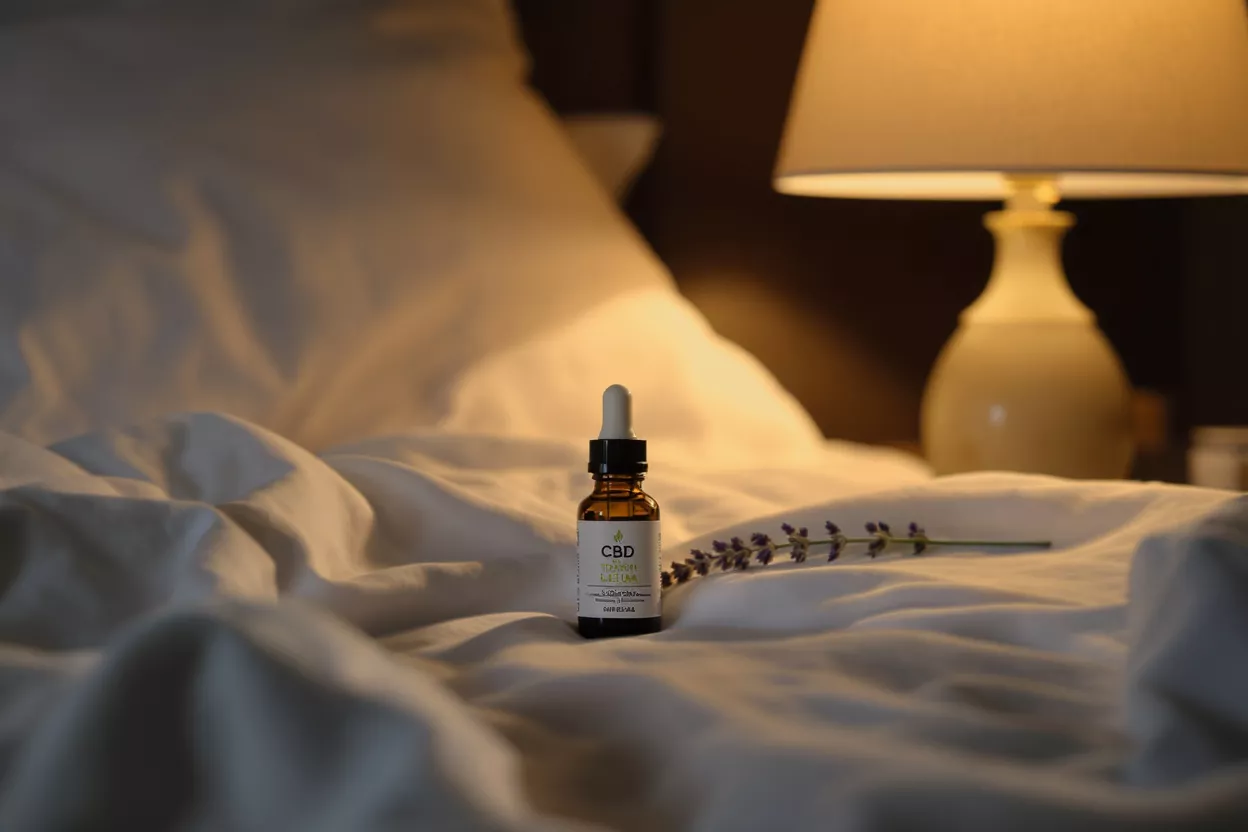
The CBD market has expanded dramatically, and the sheer number of formats can overwhelm newcomers. Each delivery method has trade-offs in onset speed, duration, dosing precision, and convenience. Understanding these differences helps you match a product to your actual goal, whether that is daytime calm, nighttime rest, or general wellness.
Tinctures and oils remain the most popular entry point because they offer flexible dosing and reasonably fast absorption when held under the tongue. Capsules and softgels trade speed for convenience and consistency, delivering a fixed dose with no taste. Edibles and beverages, including the growing category of thc beverage products, act more slowly but last longer, which suits people seeking sustained effects.
Beyond the classics, the market now includes everything from topicals to novelty items like thc lipstick, reflecting how broadly cannabinoids have entered the wellness and lifestyle space. Vaping formats such as a thc vape pen offer the fastest onset but raise respiratory considerations that make them a poor fit for anyone worried about lung health during a respiratory pandemic.
- 💧 Tinctures: flexible dosing, moderate onset, slightly earthy taste.
- 💊 Softgels and capsules: precise, tasteless, convenient for daily routines.
- 🍬 Edibles and beverages: slow onset, long lasting, easy to enjoy.
- 🧴 Topicals: localized comfort with no systemic intoxication.
Is CBD Safe to Use Alongside Other Treatments?
Safety is where careful readers should slow down, because "natural" does not mean "without interactions." CBD is generally well tolerated, with mild side effects like drowsiness, dry mouth, or digestive upset being the most common. The more serious concern is how it interacts with prescription medications, since cannabidiol can affect the liver enzymes that metabolise many common drugs.
The grapefruit warning rule is a useful shorthand: if your medication carries a grapefruit warning, CBD may interfere with it through the same metabolic pathway. This applies to certain blood thinners, antidepressants, and other prescriptions. Anyone managing a chronic condition or taking daily medication should consult a pharmacist or physician before adding CBD, full stop.
This caution matters even more in a coronavirus context. If you are being treated for any illness, combining supplements with prescribed therapy without medical guidance can be risky. CBD should complement, never replace, professional care, and it should be disclosed to your providers exactly like any other supplement you take.
What CBD Cannot Do: Honest Limits
An honest guide has to be as clear about limits as it is about possibilities. CBD does not prevent infection, does not cure COVID-19, and is not a vaccine substitute or a replacement for proven public health measures. Any product or seller claiming otherwise is making an illegal and potentially dangerous claim that should immediately erode your trust.
Why marketing hype is dangerous goes beyond mere exaggeration. When people believe a supplement protects them, they may relax genuinely protective behaviours, delay medical care, or skip vaccination. That false confidence can cause real harm. CBD's legitimate, modest benefits — stress relief, sleep support, everyday comfort — are valuable enough without inflating them into miracle cures.
The mature way to use CBD during any health crisis is as one small tool in a much larger toolkit. It can help you sleep, manage stress, and feel more grounded, and that genuinely matters for wellbeing. But it sits alongside, never above, vaccines, masks where appropriate, testing, and professional medical advice.
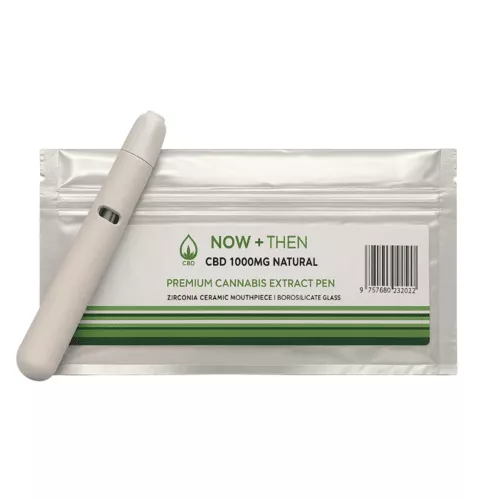

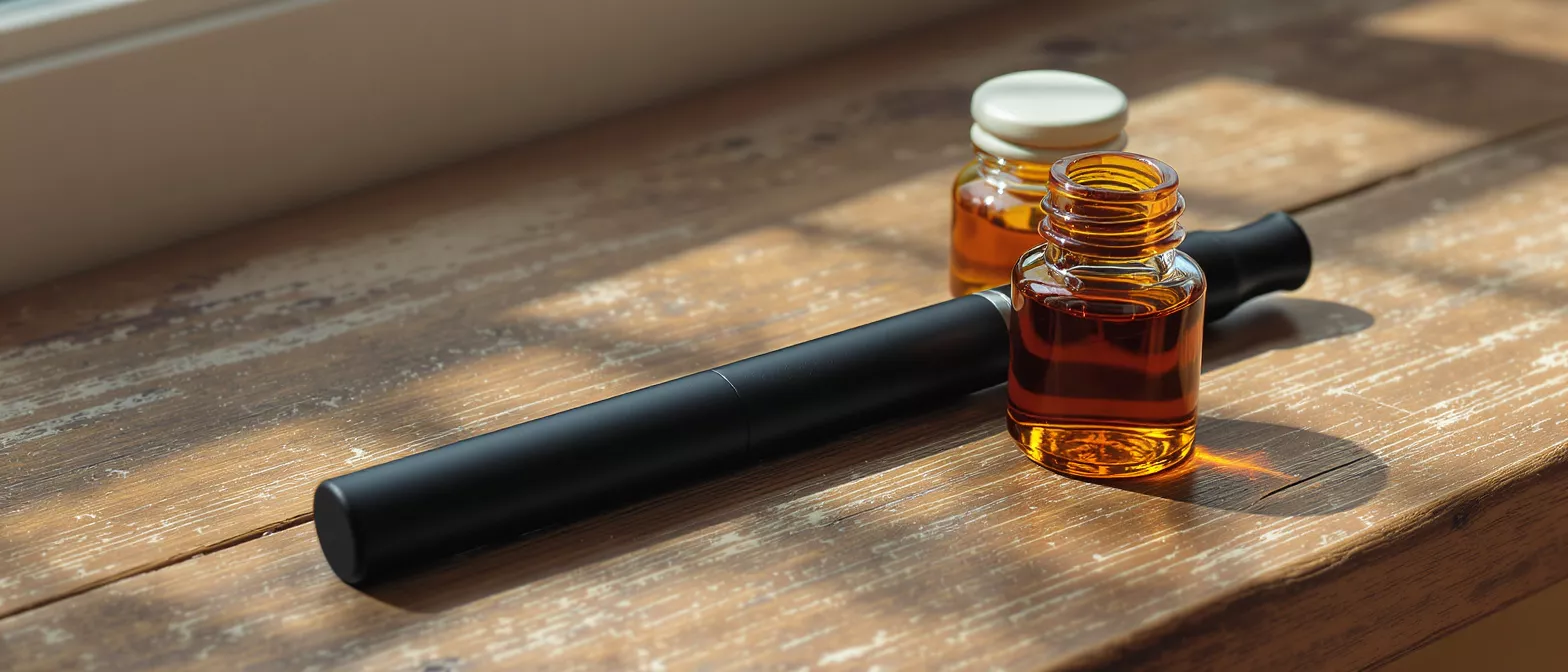
Full-spectrum CBD Vape Pen 1g – NOW+THEN
Whole-plant calm, fast. NOW+THEN's Full-Spectrum CBD pen holds a full gram of premium hemp oil in a sleek device — draw and the entourage of cannabinoids gets to work in moments, easing stress with no real high. Smooth, holistic, and effortless. The pocket-sized CBD pen for steadying anxious moments wherever you are.
- Entourage Effect Enhancement: Full-spectrum oil contains a comprehensive range of cannabinoids, terpenes, and natural compounds that work synergistically for enhanced therapeutic benefits beyond isolated CBD
- Stress Management Support: Supports natural relaxation response and daily stress management for improved emotional balance and mental clarity
- Sleep Quality Promotion: May promote restful sleep patterns and healthy recovery cycles through natural cannabinoid interaction with the endocannabinoid system
- Physical Comfort: Provides natural comfort for everyday physical discomfort, tension, and minor aches through anti-inflammatory properties
- Fast-Acting Relief: Delivers holistic plant-based wellness in a convenient, fast-acting format with effects typically felt within 2-5 minutes

CBD CBG Pain Tincture 1500mg – NOW+THEN
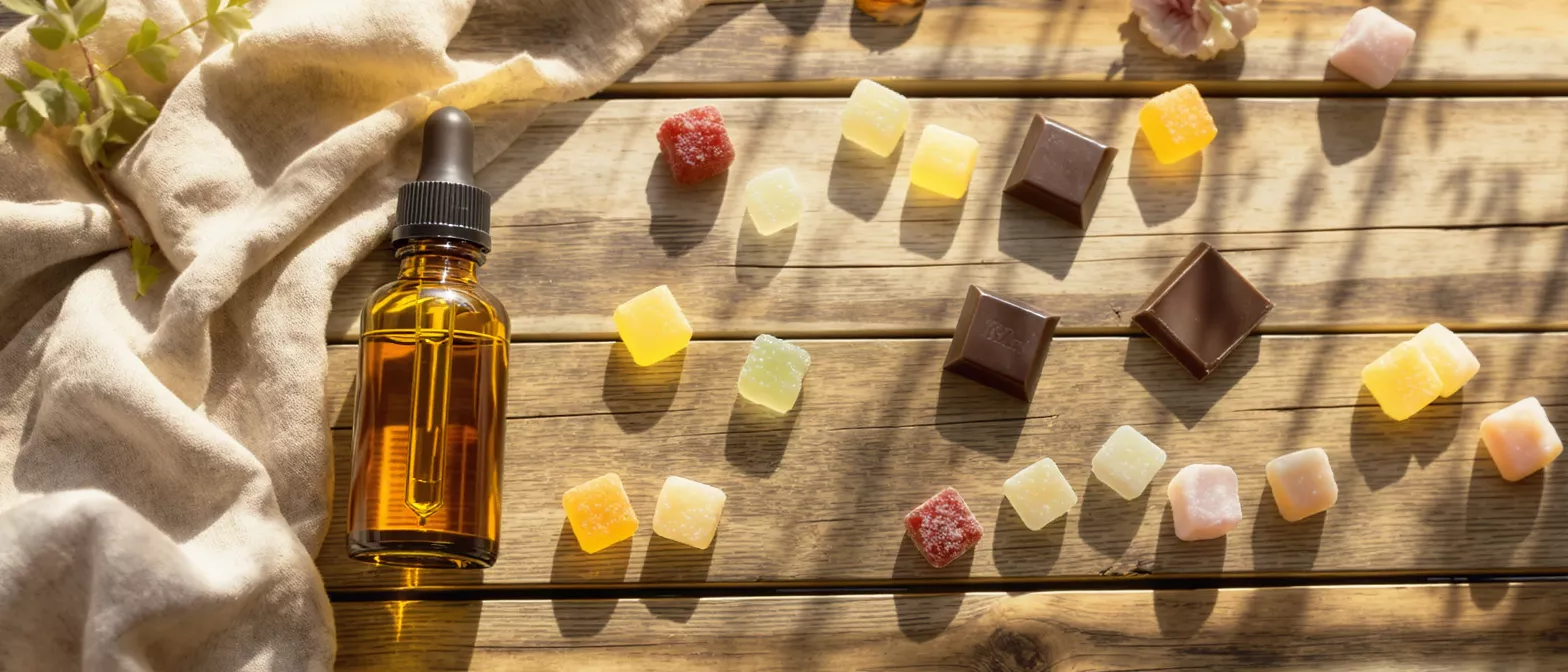
Targeted relief where regular CBD stops short. NOW+THEN's CBD+CBG Pain tincture combines two complementary cannabinoids at a robust 1500mg — a focused, whole-body approach to persistent aches. A measured dropper delivers steady, no-high comfort that builds into your routine. The higher-strength bottle for discomfort that needs more than CBD alone.
- Synergistic Pain Relief : Two cannabinoids work together
- Anti-Inflammatory Power : Reduces swelling and pain
- Neuropathic Support : Effective for nerve pain
- Fast Acting : Sublingual absorption in minutes
- Precise Control : Adjust dose for pain levels

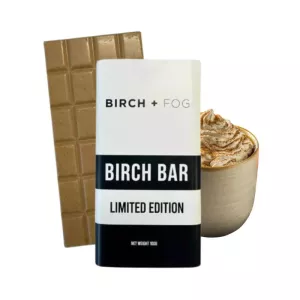
Pumpkin Spice Latte CBD Chocolate Bar 500mg / 24pcs – BIRCH+FOG
Autumn's favourite flavour, dosed for calm. Twenty-four squares of Belgian milk chocolate deliver authentic pumpkin-spice-latte warmth alongside 500mg of CBD — about 21mg per piece. It's the cozy ritual upgraded: a square with your afternoon coffee or under an evening blanket, comfort flavour and gentle ease arriving together. Familiar, seasonal, and precisely portioned for whatever unwind the day calls for.
- Stress Relief : 500mg CBD provides powerful anxiety and stress reduction
- Mood Enhancement : Comfort flavors combined with CBD create natural mood boost
- Pain Management : Anti-inflammatory properties help with chronic pain relief
- Portion Control : Pre-marked squares make dosing accurate and consistent
- Comfort Factor : Familiar flavors provide emotional comfort beyond CBD benefits
How to Choose Quality CBD in Canada
If you decide CBD belongs in your routine, product quality varies enormously, and choosing well protects both your health and your money. In Canada, regulated channels and reputable retailers in markets like Toronto and Vancouver offer transparency that unregulated online sellers often do not. The single most important habit is checking for third-party lab testing.
Reading a certificate of analysis is the skill that separates informed buyers from gambling ones. A proper certificate of analysis confirms cannabinoid potency and screens for pesticides, heavy metals, and residual solvents. Reputable brands publish these results openly. If a seller cannot or will not provide one, treat that as a clear signal to walk away.
Look beyond the label hype toward substance. Full-spectrum and broad-spectrum products preserve a wider range of compounds, while isolates contain CBD alone. Premium markers like a Top shelf 2025 designation can hint at quality sourcing, but no label replaces verified testing. As coronavirus reshaped how we think about health, the smartest response was never a miracle supplement — it was informed, evidence-based choices made with honesty and care.
- 🔬 Lab testing: insist on a current third-party certificate of analysis.
- 🌱 Source transparency: know where and how the hemp was grown.
- 📋 Clear labelling: verify cannabinoid content and serving size.
- 🇨🇦 Trusted retailers: buy from regulated Canadian channels.
To summarise honestly: CBD is not a coronavirus treatment, and no credible research claims it is. What the evidence does support is its role in easing anxiety, supporting sleep, and offering everyday comfort during stressful times — benefits that matter without any exaggeration. Use it thoughtfully, choose quality products, consult professionals about interactions, and keep it firmly in its place as a wellness aid rather than a medical cure.

Comments