

Concentrates
Discover every type of cannabis concentrates — shatter, wax, live resin & more.
What Are Cannabis Concentrates
Cannabis concentrates are processed cannabis products that strip away the bulk plant material and keep only the most valuable compounds: cannabinoids like THC and CBD, alongside aromatic terpenes. The result is a concentrated extract that can be many times more potent than dried flower, packing a far higher percentage of active compounds into a much smaller amount.
The name itself describes the process. Where a typical cannabis bud might test between 15% and 25% THC, concentrates routinely reach 60% to 90% or higher. That density is what makes them appealing to seasoned consumers, medical patients managing significant symptoms, and anyone who values efficiency over volume. A single dose is small, fast-acting, and intensely flavorful when made well.
Concentrates are not a modern invention. Humans have been collecting cannabis resin into hash for centuries. What has changed is the technology. Today's extraction methods produce a remarkable range of textures, flavors, and potencies, from glassy shatters to creamy budders to ultra-pure distillates, giving consumers more choice than ever before.
How Cannabis Concentrates Are Made
Every concentrate begins with the goal of separating trichomes, the tiny resin glands on the cannabis plant where cannabinoids and terpenes are produced, from the leaf and stem. How that separation happens defines the final product. Broadly, extraction falls into two camps: solvent-based methods and mechanical (solventless) methods.
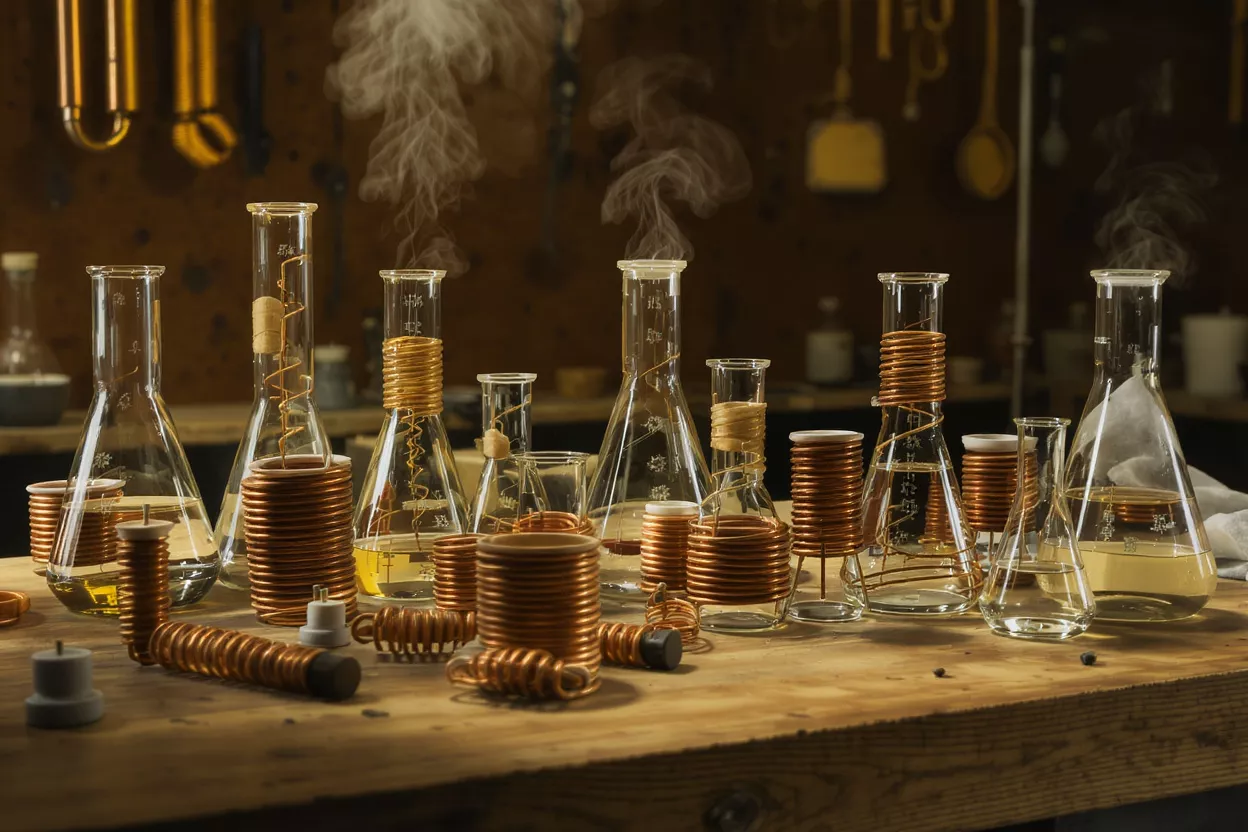
Solvent-based extraction uses a chemical to dissolve the desirable compounds out of the plant. Butane, propane, CO2, and ethanol are the most common. The solvent passes through the cannabis, carrying cannabinoids and terpenes with it, and is then purged away under heat and vacuum. When done properly in a licensed lab, the remaining product is clean and tested for residual solvents. Done improperly, it can be dangerous, which is why home butane extraction is strongly discouraged.
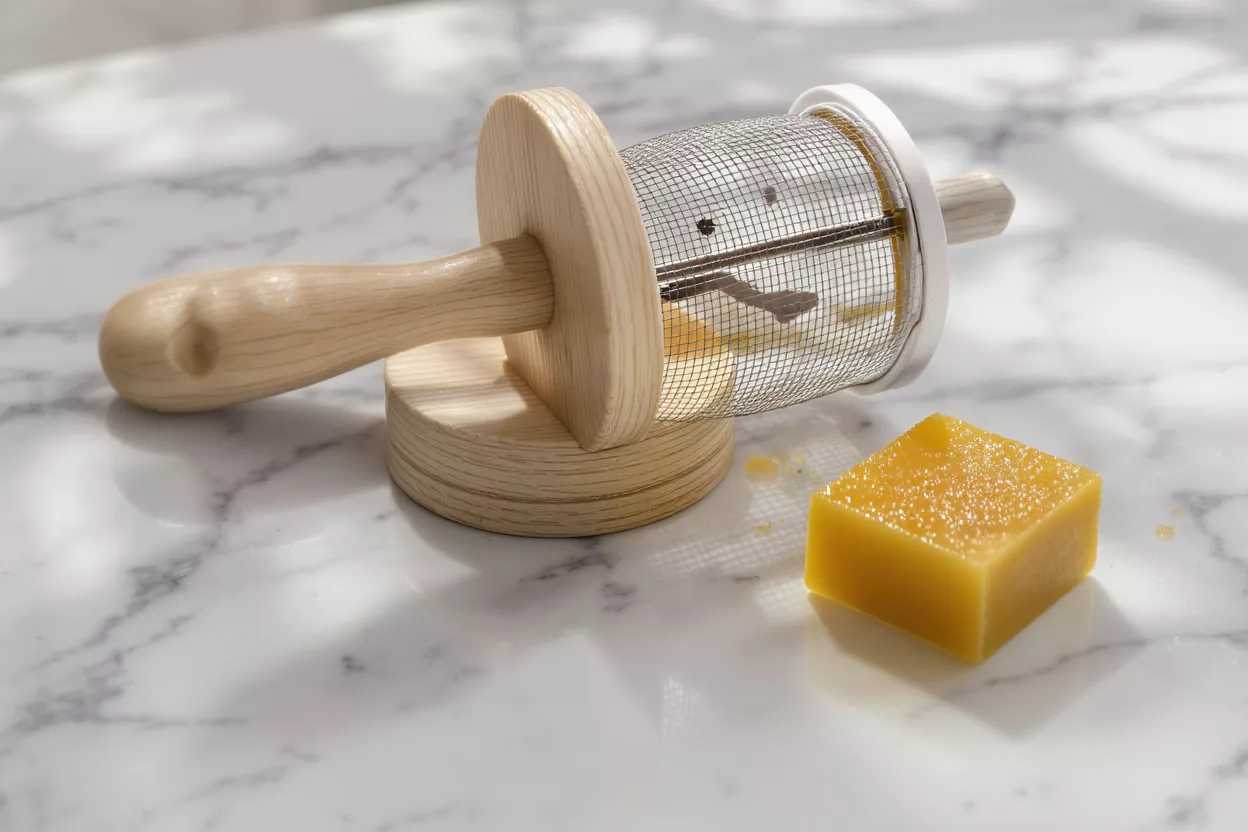
Mechanical extraction relies on physical force, temperature, and agitation rather than chemicals. Sifting dry trichomes through screens produces kief and dry-sift hash, while ice water and gentle agitation create bubble hash. Heat and pressure transform some of these into rosin. These approaches appeal to purists who want a product free of any solvent residue.
Types of Cannabis Concentrates Explained
The variety of concentrates on the market can be overwhelming at first. Each type has a distinct texture and consistency, shaped by how it was made and how it was handled afterward. Understanding the differences helps you pick something that matches your tolerance, your equipment, and your taste.
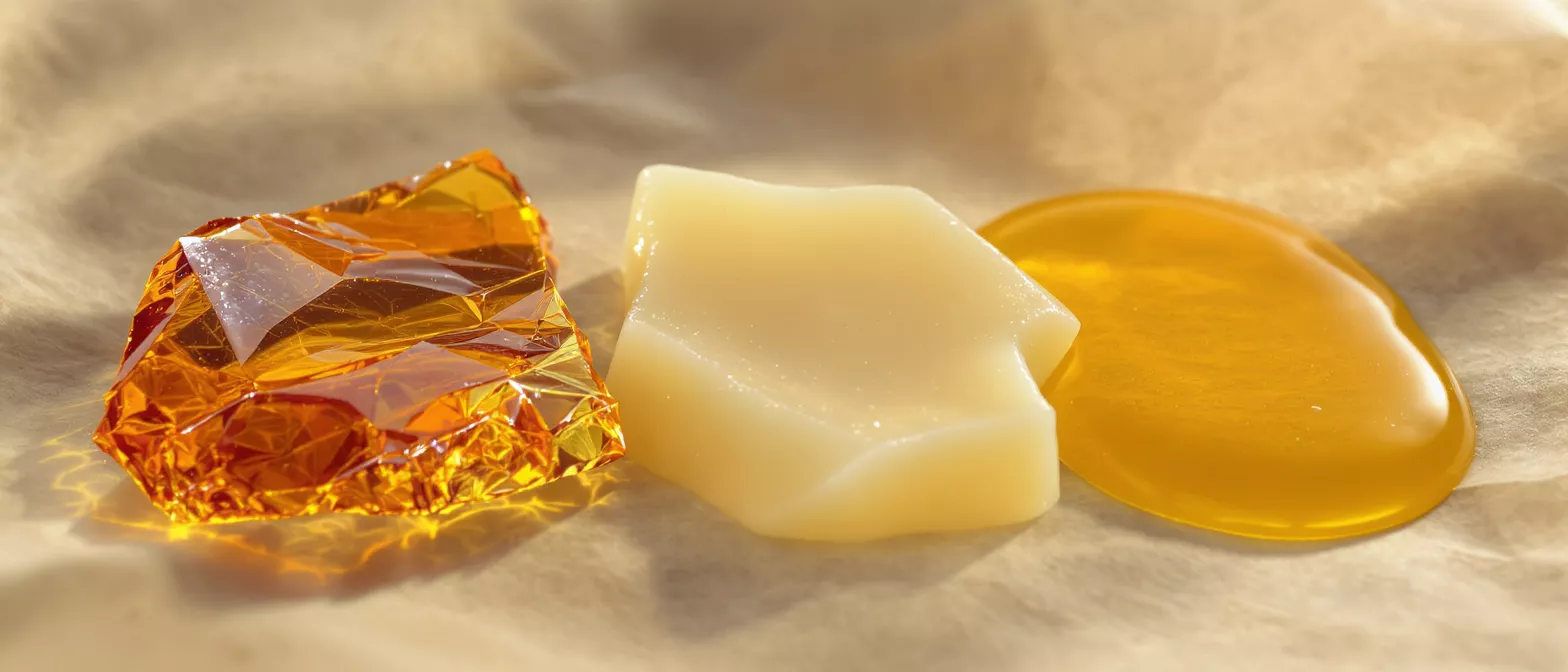
Texture often hints at the production process and the moisture or agitation involved. A glassy, brittle slab and a soft, whipped wax can come from the same starting extract handled in different ways. Here is a quick reference to the most common forms you will encounter:
- 💎 Shatter: A translucent, glass-like sheet that snaps cleanly. Prized for purity and a stable shelf life.
- 🧈 Budder and Wax: Whipped during processing into a soft, opaque, spreadable consistency that is easy to handle.
- 🍯 Live Resin: Made from flash-frozen fresh plants to capture a fuller terpene profile and richer aroma.
- 💧 Distillate: Highly refined oil stripped to near-pure cannabinoid content, often used in vape cartridges and edibles.
- 🪨 Hash and Rosin: Traditional and solventless options that retain a full-spectrum character.
No single type is objectively "best." Live resin wins on flavor for many users, distillate wins on potency and versatility, and rosin wins for those who refuse solvents. Your ideal concentrate depends entirely on what you value most.
Solventless Concentrates and How They Differ
Solventless concentrates have surged in popularity as consumers grow more interested in clean, minimally processed products. As the name implies, these are made without any chemical solvent, relying instead on water, ice, heat, pressure, and screens to separate the resin.
Rosin is the flagship of the solventless category. It is created by pressing cannabis flower, kief, or bubble hash between heated plates. The pressure and gentle heat squeeze out a golden, terpene-rich sap with nothing added and nothing left behind. Because there is no solvent to purge, what you taste is purely the plant. Many connoisseurs consider live rosin the pinnacle of concentrate craftsmanship.
Bubble hash is another solventless staple, produced by agitating frozen cannabis in ice water so the brittle trichome heads break off and sink through a series of mesh bags. The result is graded by micron size and quality. While solventless products often command a premium price, they reward the cost with exceptional flavor and a reassuring lack of chemical residue.
Why Concentrates Are So Potent
The defining feature of concentrates is raw strength. By removing plant matter and concentrating the active compounds, extracts deliver a much higher cannabinoid load per gram than flower ever could. For experienced users this means efficiency; for newcomers it means caution is essential.
Potency comes down to cannabinoid concentration. Flower distributes its THC across a lot of cellulose, fiber, and water weight. Concentrates discard all of that, leaving a product where the majority of the mass is active. A dab the size of a grain of rice can rival or exceed an entire joint, which is why dosing discipline matters far more here than with traditional flower.
Beyond THC, many concentrates preserve a spectrum of minor cannabinoids and terpenes that shape the overall effect through what is often called the entourage effect. This is part of why a flavorful live resin can feel different from a stripped-down distillate even at similar THC percentages. Potency is not only about numbers on a label.
How to Use Cannabis Concentrates
There is no single way to enjoy concentrates, and the right method depends on your equipment, your experience, and the consistency of the product. Some forms are built for high-heat vaporization while others slot neatly into devices designed for convenience.
Beginners are often surprised at how little they need. Because concentrates are so strong, start with an amount smaller than you think necessary and wait to gauge the effect before adding more. The most common ways people consume concentrates include:
- 🔥 Dabbing: Vaporizing a small amount on a heated nail or banger using a dab rig for fast, intense effects.
- 🖊️ Vape pens: Pre-filled or refillable cartridges loaded with distillate or live resin for discreet, on-the-go use.
- 🌿 Topping flower: Sprinkling kief or adding a little wax to a bowl or joint to boost potency.
- 🍪 Edibles and infusions: Decarboxylated concentrate stirred into oils, butter, or recipes for long-lasting effects.
Whatever method you choose, temperature control matters. Excessive heat scorches terpenes and produces harsh vapor, while lower temperatures preserve flavor and yield a smoother experience. Investing in a quality device pays dividends in both taste and consistency.
Dabbing vs Vaping Concentrates
Two of the most popular ways to use concentrates are dabbing and vaping, and while they share a goal, the experience differs considerably. Choosing between them often comes down to lifestyle, budget, and how much control you want over each session.
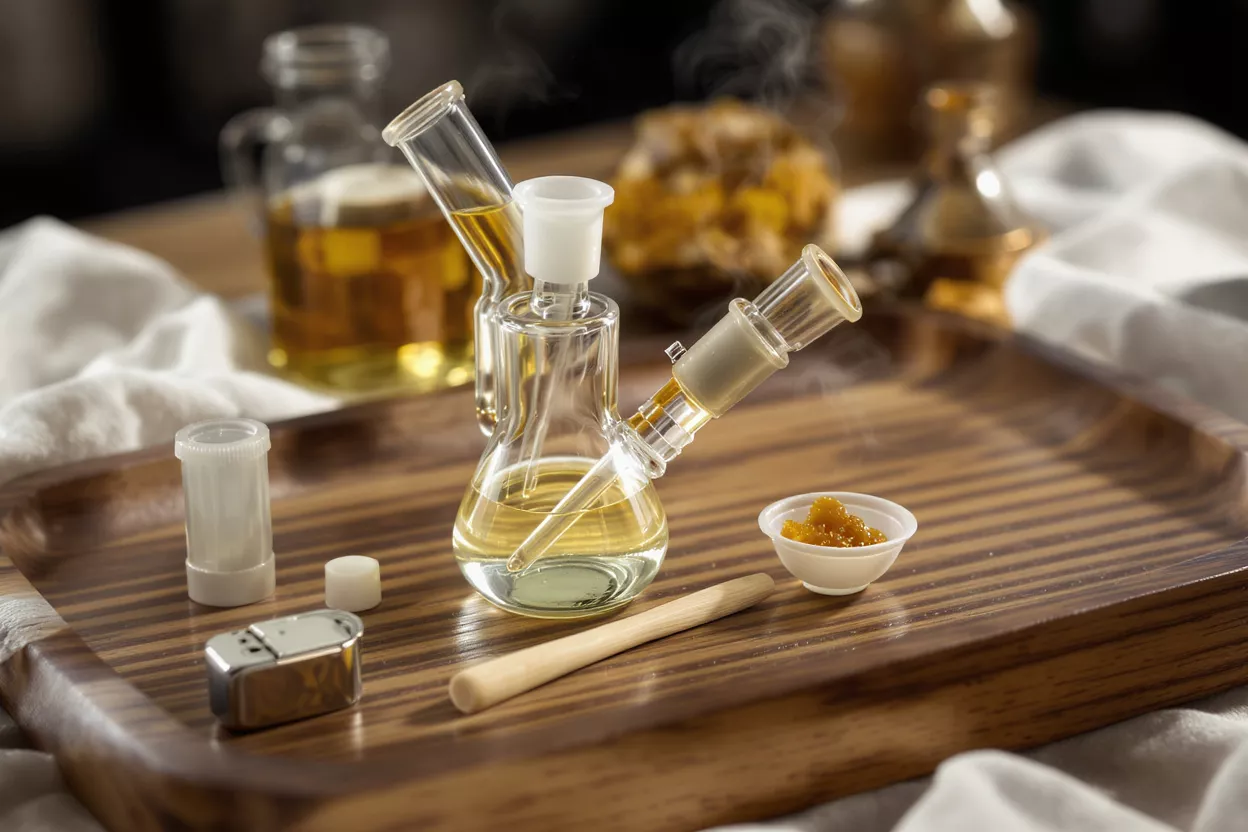
Dabbing offers maximum flavor and potency. A dab rig with a quartz banger, heated to a precise temperature, vaporizes concentrate in a single intense hit. Enthusiasts love the ritual and the purity of the experience, especially with terpene-rich products like live resin and rosin. The trade-off is a steeper learning curve and the need for dedicated equipment.
Vaping prioritizes convenience and discretion. A vape pen requires no torch, no setup, and almost no cleanup. It heats distillate or oil at the press of a button, making it ideal for travel and everyday use. The flavor and intensity may be milder than a fresh dab, but the simplicity is hard to beat. For many, the two methods coexist: a rig at home, a pen on the move.
Choosing the Best Concentrates for You
With so many options, selecting a concentrate becomes a matter of matching the product to your priorities. Flavor seekers, potency hunters, and the solvent-averse will each gravitate toward different categories, and there is no wrong answer.
Always start with lab-tested products from a reputable source. A certificate of analysis confirms cannabinoid content and screens for residual solvents, pesticides, and contaminants, giving you confidence in what you are consuming. Beyond safety, consider these factors when comparing concentrates:
Match the concentrate to your goal. If flavor leads your decision, live resin and live rosin showcase the plant's full terpene character. If you want maximum strength and versatility, distillate delivers consistent, high cannabinoid content. If you avoid solvents entirely, rosin and bubble hash offer clean, full-spectrum options. Budget plays a role too, since solventless craft products typically carry a higher price than mass-produced distillate.
Storing Concentrates to Preserve Quality
Concentrates are an investment, and proper storage protects both their potency and their flavor. Heat, light, air, and humidity are the enemies of any extract, degrading terpenes and slowly converting cannabinoids over time.
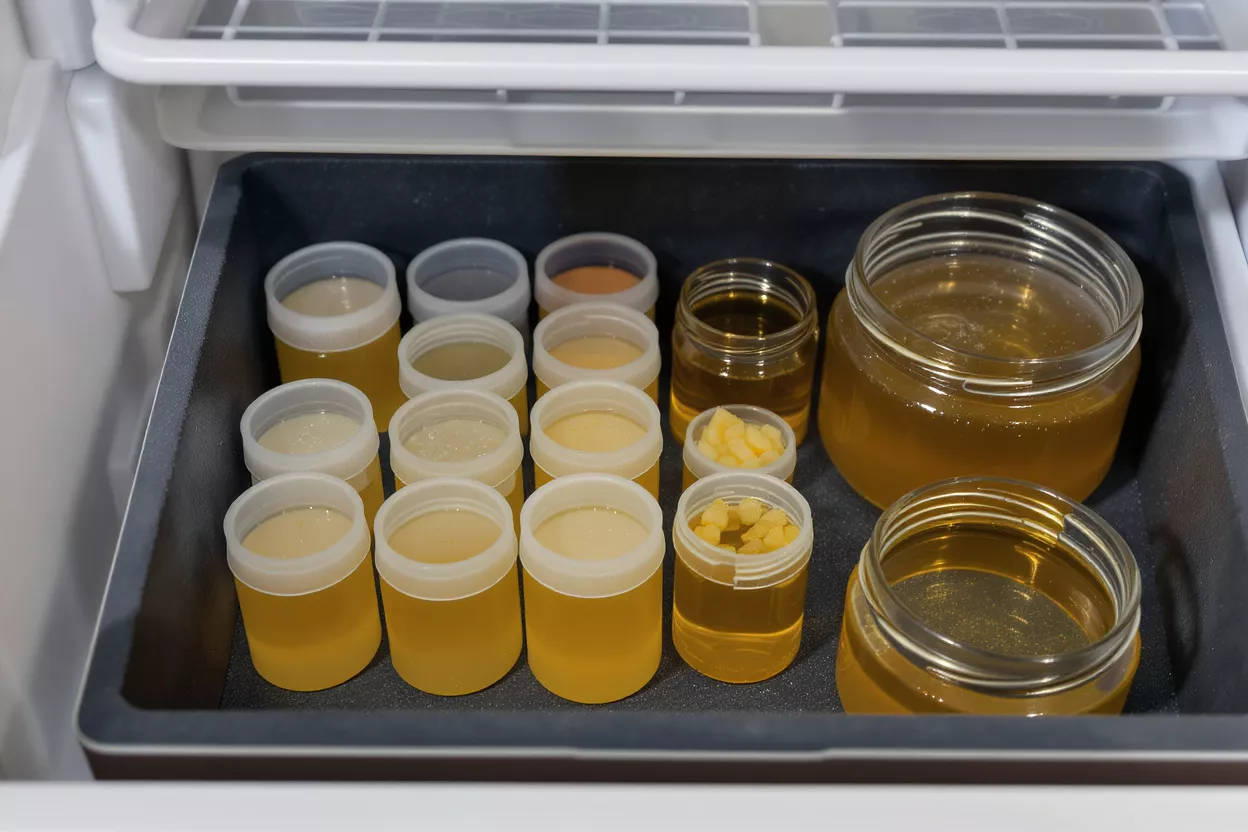
Cool, dark, and airtight is the golden rule. Store concentrates in a sealed container away from direct sunlight and heat sources. Silicone and glass containers work well for most textures, while parchment paper suits sticky products short term. For longer storage, a cool drawer or refrigerator helps preserve the delicate terpene profile that gives a concentrate its character.
Texture can shift with temperature, which is normal. A shatter may become softer in warmth or more brittle in cold, and live resin can change consistency as it warms in your hand. These changes do not necessarily mean the product has gone bad. As long as it has been kept sealed and away from heat and light, a well-made concentrate retains its quality for many months.
Are Cannabis Concentrates Safe
For most adults, properly produced concentrates are safe when used responsibly. The key qualifier is "properly produced." Concentrates made in licensed facilities undergo testing that verifies their purity and confirms that solvents have been fully purged, which is why buying from regulated sources matters so much.
The main risk with concentrates is not toxicity but intensity. Their high potency makes it easy to overconsume, particularly for those accustomed to flower. Overconsumption rarely causes lasting harm but can produce an uncomfortable experience marked by anxiety, dizziness, or fatigue. Starting low and going slow remains the most reliable safeguard.
Concentrates represent the cutting edge of cannabis processing, offering unmatched potency, vivid flavor, and remarkable variety across solvent-based and solventless forms. Whether you prefer the ritual of a dab, the ease of a vape pen, or the purity of solventless rosin, understanding how these products are made and used helps you enjoy them safely and get the most from every dose. Buy tested, store smart, start small, and let quality guide every choice.

Comments