


CBD Dosage for Pain and Inflammation 2026: What You Need to Know
Learn the right CBD dosage for pain and inflammation.
What Is CBD Dosage for Pain and Why It Matters
Finding the right CBD dosage for pain is one of the most common questions people ask when they first reach for cannabidiol as a wellness tool. Unlike a standard over-the-counter pill with a fixed milligram count printed on the box, CBD works on a deeply individual basis. The amount that brings one person meaningful relief from aching joints may do very little for someone else carrying a different body weight, metabolism, or pain history. Understanding this from the start saves you weeks of frustration and wasted product.
The reason dosage matters so much comes down to how CBD interacts with your endocannabinoid system, a network of receptors that helps regulate pain, mood, sleep, and immune response. Because everyone's endocannabinoid tone is slightly different, there is no universal "correct" number that fits every person and every type of discomfort. A dose calibrated for occasional muscle soreness looks very different from one targeting chronic inflammatory conditions.
Why milligrams matter more than product names: Shoppers often fixate on whether they bought an oil, capsule, or gummy, when the figure that truly governs your results is the total milligrams of CBD you consume per serving. A 25 mg gummy and 25 mg of oil deliver comparable active cannabidiol; the format mostly changes how quickly and how completely your body absorbs it. Learning to read a product label for milligrams per serving is the single most valuable skill for getting your dosing right, and pairing it with a quality full-spectrum CBD oil gives you the flexibility to fine-tune drop by drop.
How CBD for Pain Works in the Body
CBD for pain does not work the way an opioid or an anti-inflammatory drug does. Instead of blocking pain signals outright, cannabidiol influences the endocannabinoid system to help your body maintain balance, or homeostasis. It interacts indirectly with CB1 and CB2 receptors, slows the breakdown of your natural endocannabinoids like anandamide, and engages receptors involved in pain perception and inflammation. The result is a gentler, modulating effect rather than a hard chemical block.
Research summarized by the Cleveland Clinic notes that CBD shows promise for certain types of chronic pain and inflammation, though the science continues to evolve. Much of the most robust evidence so far centres on neuropathic pain and inflammatory conditions, where CBD's interaction with serotonin and vanilloid receptors appears to play a meaningful role.
The entourage effect and why it matters: Many users find that full-spectrum products, which retain trace cannabinoids and terpenes like Terpinolene and Valencene, outperform pure CBD isolate. This synergy, often called the entourage effect, suggests the whole plant works better than its isolated parts. Terpinolene effects in particular are associated with a calming quality that may complement pain relief, while compounds like Tocopherol act as natural antioxidants that help preserve the oil.

Finding Your Starting CBD Dosage for Pain
The golden rule of CBD dosing is to start low and go slow. Most experienced users and clinicians recommend beginning with a modest dose, observing your body's response over several days, and increasing gradually only if needed. This methodical approach lets you find the smallest effective dose, which keeps both your tolerance and your spending in check.
A practical starting framework: While individual needs vary, body weight offers a reasonable starting reference point for your first week. Use these ranges as a conservative launch pad, not a prescription:
- ⚖️ Light users (under 130 lbs): Begin with 10–15 mg per day, taken once or split into two servings.
- 🌿 Average build (130–230 lbs): Start around 15–25 mg daily and hold steady for several days before adjusting.
- 💪 Larger build (over 230 lbs): A 20–35 mg starting dose is often more appropriate for noticeable relief.
- 🔥 Chronic or severe pain: You may eventually need higher doses, but always climb toward them in small steps.
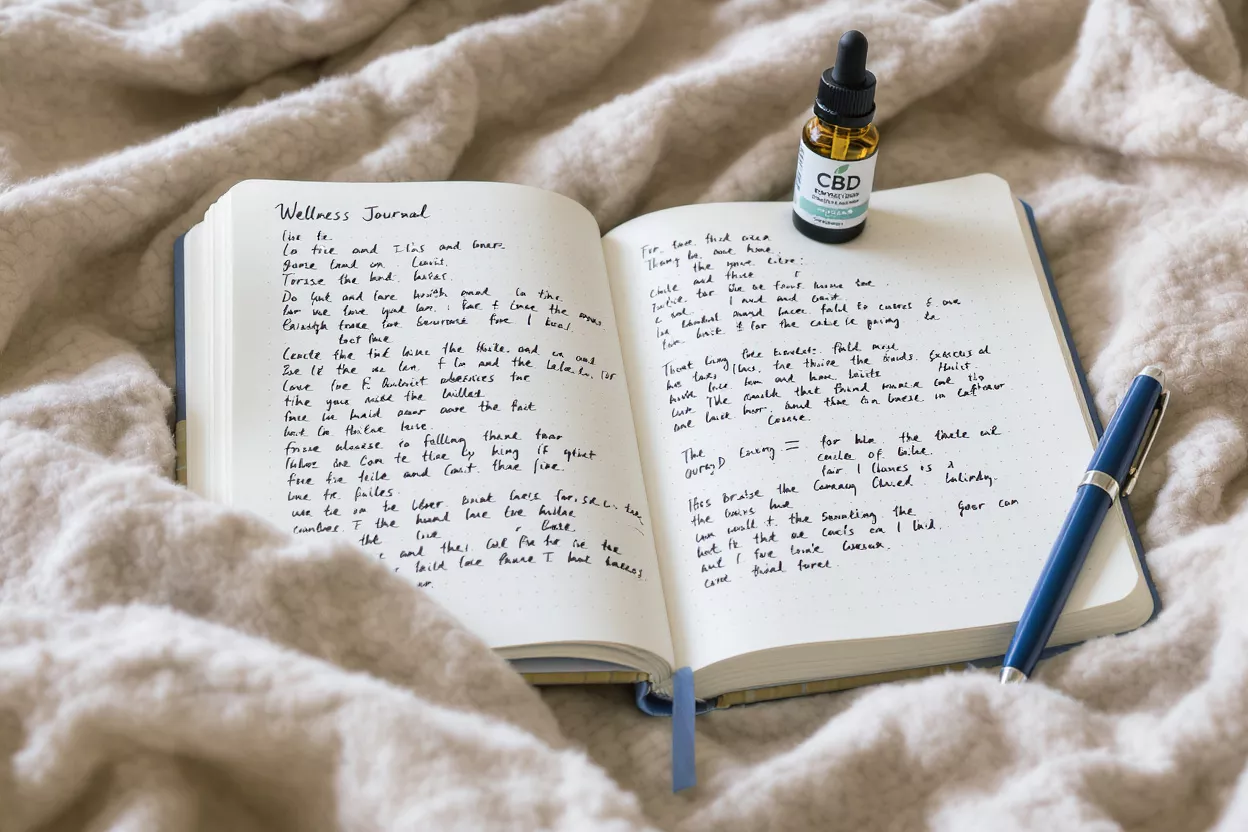
Keep a simple journal during this period. Note the dose, the time of day, the product format, and how your pain and mood respond over the following hours. Within two or three weeks this log reveals patterns that take the guesswork out of dosing, and it becomes an invaluable reference if you ever switch products or strengths.
CBD Oil for Pain vs CBD Pills for Pain
One of the first decisions you'll face is choosing between CBD oil for pain and CBD pills for pain. Both deliver cannabidiol effectively, but they differ in onset speed, dosing precision, and convenience. Understanding these trade-offs helps you match the format to your lifestyle and the type of relief you need.
CBD oil and tinctures are taken sublingually, held under the tongue for 30 to 60 seconds before swallowing. This allows cannabidiol to absorb directly into the bloodstream, producing effects within 15 to 45 minutes. The dropper also lets you adjust your dose in tiny increments, which is ideal during the titration phase when you're still dialing in your numbers.
CBD pills and capsules trade speed for convenience. Because they pass through your digestive system, onset takes 45 minutes to two hours, but the effects tend to last longer and the dose is fixed and discreet. Many people who manage steady, all-day discomfort prefer a measured capsule, while a daytime CBD softgel suits those who want a no-fuss routine they can carry to work. Here is how the two compare at a glance:
- ⏱️ Onset speed: Oil acts in 15–45 minutes; capsules take 45 minutes to 2 hours.
- 🎯 Dose precision: Oil offers drop-by-drop control; capsules deliver a fixed, pre-measured amount.
- 🕐 Duration: Capsules generally last longer thanks to slower digestion.
- 👜 Convenience: Capsules win for discretion and travel; oil wins for flexibility.
Best CBD for Back Pain and Joint Pain
Back pain and joint pain are two of the most common reasons people turn to cannabidiol, and the best approach often combines internal and topical products. For widespread or deep musculoskeletal aching, an oral dose of CBD oil or capsules works systemically, calming inflammation throughout the body rather than at a single spot.
CBD for joint pain tends to respond well to a layered strategy. An oral dose builds a baseline of relief, while a topical applied directly to the knee, wrist, or knuckles targets localized inflammation where it lives. Conditions like arthritis, where joints flare unpredictably, often benefit from this combination because you get both steady background support and on-demand spot treatment.
CBD for back pain can be trickier because back discomfort frequently involves both muscle tension and nerve irritation. A moderate oral dose paired with a warming or menthol-infused topical massaged into the lower back addresses both layers at once. Some users add a small amount of CBD tea or a Theanine-rich beverage in the evening to ease the muscle tension that stress and posture build up over a long day. For nerve-driven back pain, patience matters most, since neuropathic relief tends to build over weeks of consistent dosing.
CBD Pain Cream Canada and Topical Options
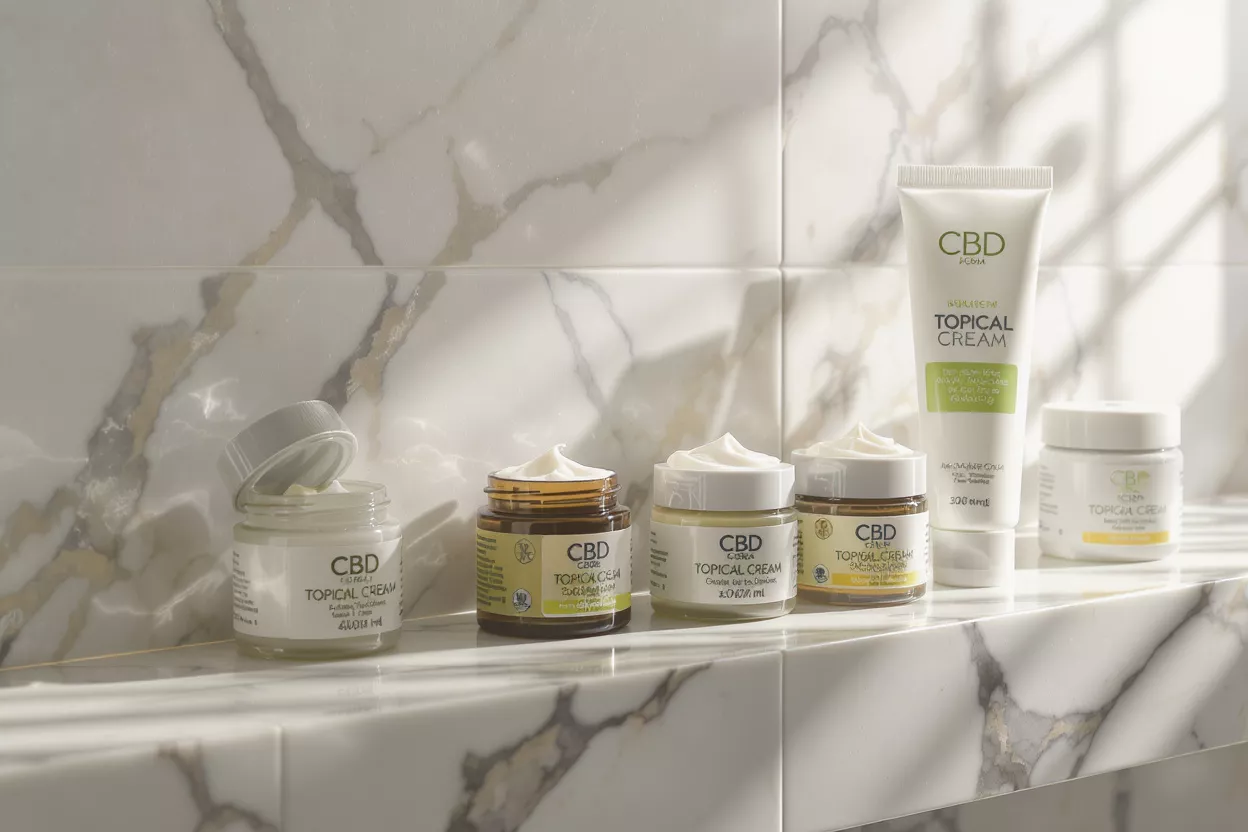
Topicals are a cornerstone of localized pain management, and demand for quality CBD pain cream Canada wide has grown sharply as more people seek alternatives to oral medication. Creams, balms, salves, and roll-ons deliver cannabidiol directly to the skin over a painful area, where it interacts with local CB2 receptors without entering the bloodstream in any significant amount.
Why topicals shine for surface and joint pain: Because they act locally, you can apply a generous amount without worrying about systemic effects or drowsiness. This makes a quality CBD pain relief cream ideal for sore knees, stiff hands, an aching neck, or a strained lower back. Many formulas add complementary ingredients like menthol, camphor, arnica, or Lion's Mane extract to broaden their soothing effect.
Application technique matters more than people expect. Massage the cream thoroughly into clean, dry skin until it fully absorbs, and reapply every four to six hours as needed. Because almost no CBD reaches the bloodstream through the skin, topicals carry an excellent safety profile and pair comfortably with oral dosing for a complete pain-management routine.
CBD Dosage for Inflammation Explained
Inflammation sits at the root of a great deal of chronic pain, and CBD's anti-inflammatory properties are among its most studied effects. Targeting inflammation often calls for a slightly different dosing mindset than targeting acute pain, because the goal is consistent, sustained reduction rather than fast relief in the moment.
Consistency beats intensity for inflammation. Anti-inflammatory benefits tend to accumulate when CBD is present in your system steadily over time. Rather than a single large dose when discomfort spikes, a moderate dose taken twice daily, morning and evening, keeps cannabidiol levels even and lets its effects build. Many people notice the most meaningful change after two to four weeks of consistent daily use rather than after a single dose.
Full-spectrum products often serve inflammation particularly well because cannabinoids and terpenes work together to amplify the anti-inflammatory response. Some users round out their routine with thc tea or a calming evening tincture, while others prefer to keep their inflammation regimen entirely THC-free. Whatever you choose, pair your dosing with the fundamentals: good sleep, hydration, and an anti-inflammatory diet all multiply the results you get from CBD.
How to Adjust Your CBD Pain Relief Over Time
Your ideal CBD pain relief dose is not a fixed destination, it's a moving target that shifts with your body, your activity level, and even the seasons. Learning to read your own responses and adjust accordingly is what separates frustrated beginners from confident long-term users.
When and how to increase your dose: If you've held a steady dose for a full week without meaningful relief, increase by a small increment, typically 5 to 10 mg, and hold there for another several days. Climbing in small steps prevents you from overshooting your effective dose and wasting product. Most people find their sweet spot within a few weeks of patient adjustment.
Interestingly, CBD does not build tolerance the way many substances do. Some long-term users actually find they can lower their dose over time as their endocannabinoid system rebalances, a phenomenon sometimes called reverse tolerance. If you ever feel your dose creeping higher than expected, a short two or three day break can reset your sensitivity. Watch your overall routine too, since factors like a fatty meal can boost absorption and effectively raise the strength of the same milligram dose.
Is CBD for Pain Safe and What Are the Side Effects
CBD carries a strong safety profile, and most people tolerate it very well even at higher doses. That said, being an informed user means understanding the mild side effects that can occur and, more importantly, the drug interactions that warrant a conversation with your doctor before you begin.
Common, usually mild side effects include dry mouth, drowsiness, lightheadedness, and occasional digestive upset, especially when you first start or when you take a large dose. These effects are typically temporary and often resolve as your body adjusts or as you dial your dose back to a more comfortable level. Staying well hydrated helps with the dry mouth in particular.
The grapefruit rule and drug interactions: CBD is processed by the same liver enzymes that metabolize many prescription medications. A useful rule of thumb is that if your medication label warns against grapefruit, CBD may interact with it too, since both affect the cytochrome P450 enzyme pathway. Blood thinners, certain seizure medications, and some heart drugs are common examples. Always speak with a healthcare provider before combining CBD with prescription medication, and treat any product's dosing guidance as a starting point rather than medical advice.
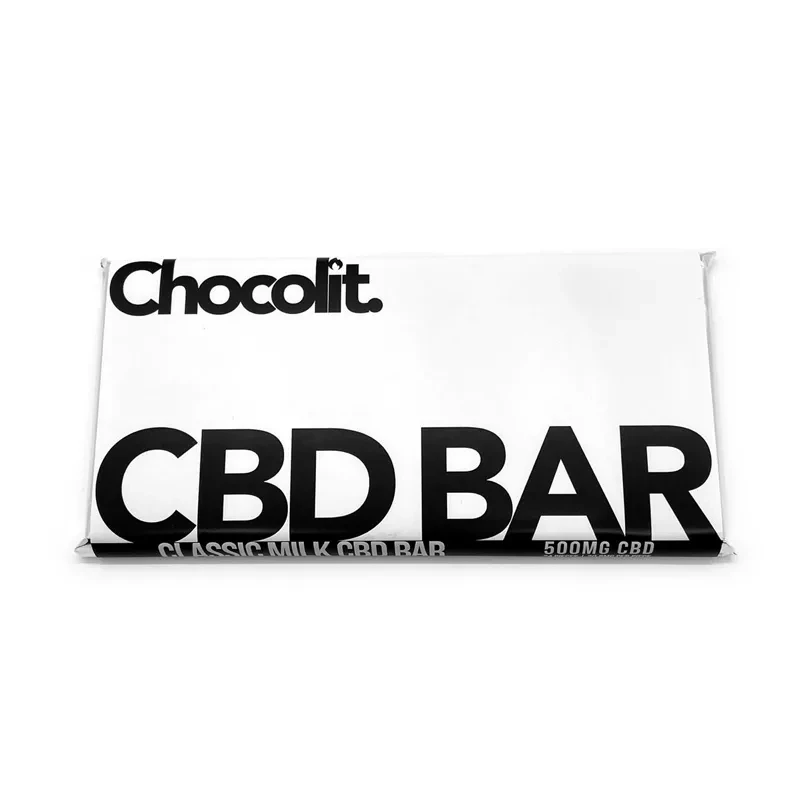

Classic Milk CBD Chocolate Bar 500mg / 24pcs – Chocolit
Calm wrapped in Belgian comfort. Chocolit's Classic Milk CBD bar carries 500mg of pure CBD across 24 creamy squares — familiar, soothing, and free of any high. Break off a square to take the edge off the afternoon, or a few to ease into the evening. The comforting everyday bar for unwinding the gentle way.
- Anxiety Reduction : 500mg provides substantial calming effects
- Pain Management : Anti-inflammatory properties address discomfort
- Mood Enhancement : Chocolate and CBD boost happiness
- Sleep Support : Evening doses promote better rest
- Comfort Factor : Familiar taste enhances wellness experience

Mixed Fruit Full Spectrum CBD Gummies 50mg x 5pcs (250mg) – KANDY KANDY
Variety meets whole-plant relief. KANDY KANDY's Mixed Fruit CBD gummies deliver 50mg of full-spectrum cannabidiol per piece across five assorted-flavour candies — the entourage effect in a no-high chewable that never gets boring. Steady, all-day calm with a flavour for every mood. Wellness with built-in variety.
- Pain Support : A 50mg dose aimed at chronic discomfort
- Sustained Anxiety Management : Full spectrum formula provides comprehensive calm
- Anti-Inflammatory Action : High potency reduces systemic inflammation naturally
- Enhanced Sleep Quality : Evening doses promote restorative rest cycles
- Cognitive Clarity Support : Balanced dosing improves mental focus without impairment
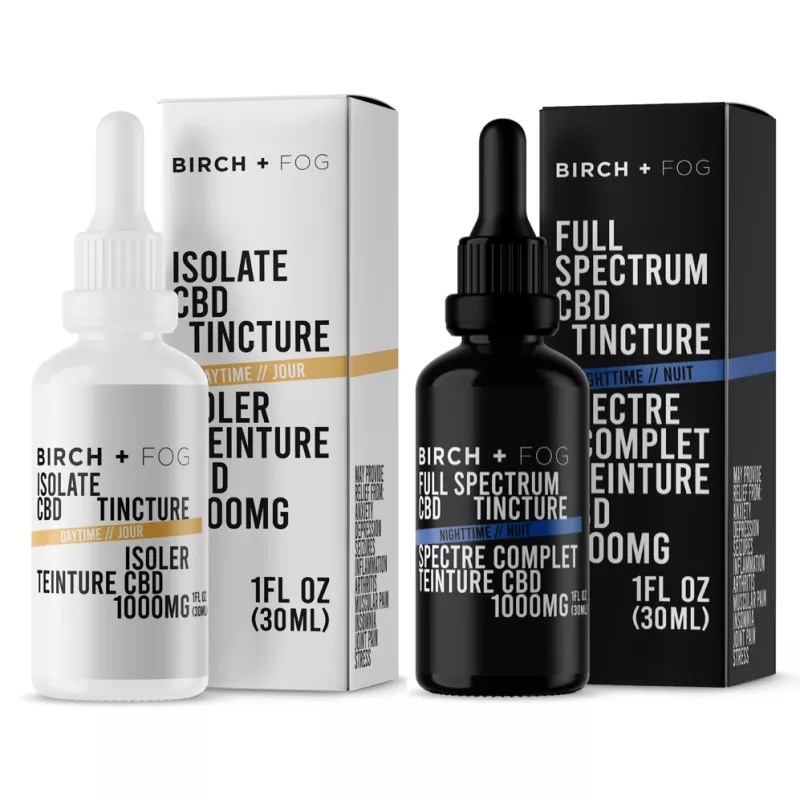
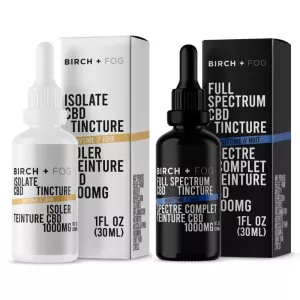
Day + Night CBD Tincture Duo 1000mg – BIRCH+FOG
Around-the-clock relief, tuned to your body clock. Birch+Fog's 1000mg Day + Night duo targets stress differently across two bottles — energizing sativa terpenes keep daytime focus calm and clear, while the evening blend quiets racing thoughts and physical tension for better sleep. One simple system that meets the morning and the night each on their own terms.
- Daytime Anxiety Management : Reduces social and performance anxiety while maintaining mental sharpness
- Evening Stress Relief : Calms racing thoughts and physical tension for better sleep preparation
- Circadian Rhythm Support : Works with natural body clocks to optimize anxiety relief timing
- Cognitive Function Preservation : Morning formula provides calm focus without drowsiness or impairment
- Sleep Quality Enhancement : Nighttime blend promotes deeper, more restorative sleep cycles
CBD Dosage for Pain: Common Questions Answered
After years of fielding the same questions from people new to cannabidiol, a handful of recurring themes stand out. These quick answers address the practical concerns that come up most often once you've chosen a product and are ready to begin.
How long until CBD works for pain? It depends heavily on format. Sublingual oil acts within 15 to 45 minutes, capsules within one to two hours, and topicals often within 20 to 30 minutes at the application site. For chronic inflammation, however, the most meaningful improvements typically appear after two to four weeks of consistent daily dosing, so resist the urge to judge a product on its first day.
Can you take too much CBD? CBD is remarkably well tolerated, and there is no known fatal overdose level. Taking more than you need usually results in nothing worse than drowsiness or a mild stomach ache, plus the waste of overspending on product. The goal is always the smallest effective dose, not the largest tolerable one. Start low, increase patiently, keep a simple journal, and you'll land on a routine that delivers reliable relief without guesswork. With the right dose dialed in, CBD can become a dependable and gentle ally in your daily approach to managing pain and inflammation.



Comments