thc tea
Learn how THC tea works, how to make it at home, and safe dosing tips.
What Is THC Tea and How Does It Work
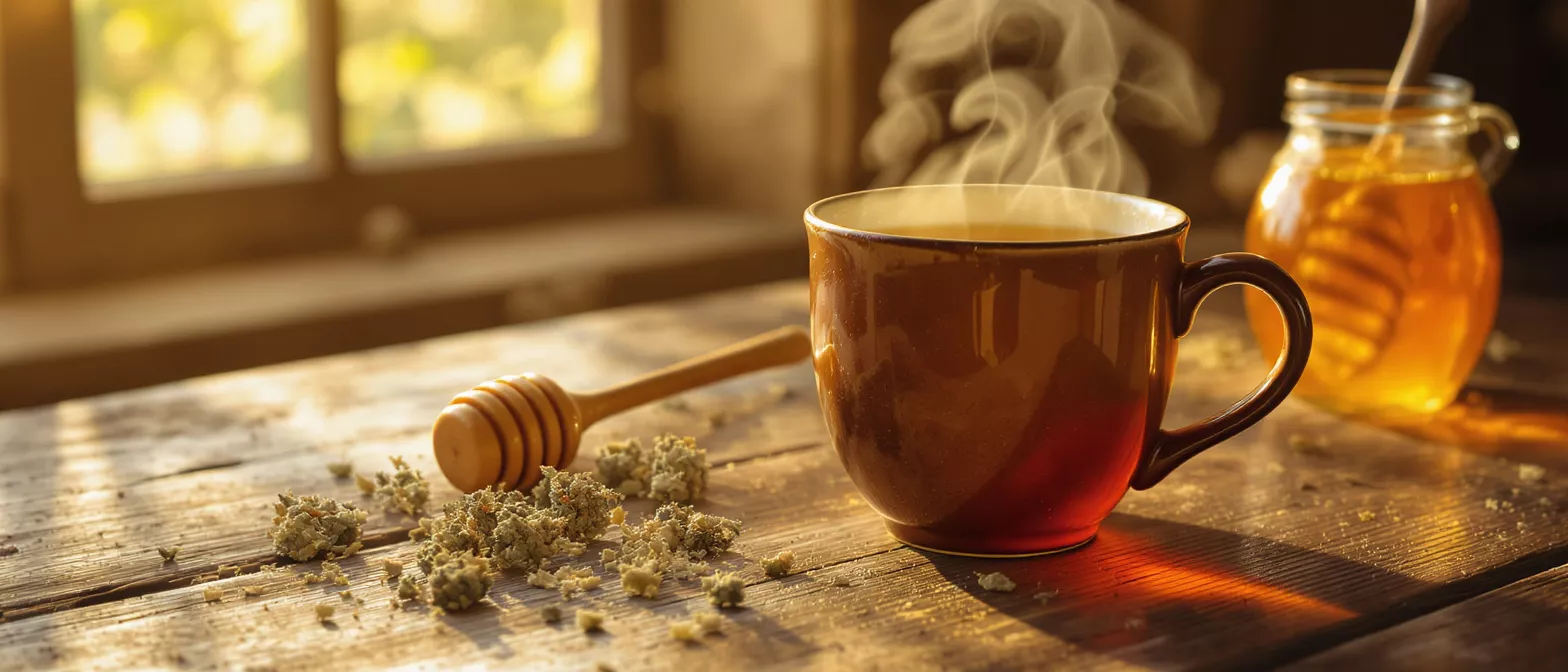
THC tea is exactly what it sounds like: a warm, infused beverage that delivers the active compounds of cannabis through a comforting cup rather than a puff of smoke or a chewy gummy. For people who want the calm of an evening ritual without the harshness of inhalation, brewing a pot of THC tea has become one of the gentlest entry points into cannabis. It blends the centuries-old tradition of steeping herbs with modern knowledge of how cannabinoids behave in the body.
The core science hinges on a process called decarboxylation. Raw cannabis contains THCA, an acidic precursor that produces no high on its own. Only when heat converts THCA into THC does the compound become psychoactive. Because THC is fat-soluble rather than water-soluble, simply dropping flower into hot water yields a weak, inconsistent drink. Effective THC tea relies on binding the cannabinoid to a fat or an alcohol carrier first, a detail many first-timers overlook.
Why THC tea feels different from smoking: When you drink an infusion, the cannabinoids travel through your digestive system and liver, where THC is partly converted into 11-hydroxy-THC, a metabolite known for its strong, body-centered effects. According to Johns Hopkins Medicine, oral cannabis routes produce slower but longer-lasting results than inhalation, which is why a single mug can carry you through an entire relaxed evening.
How THC Tea Is Made at Home
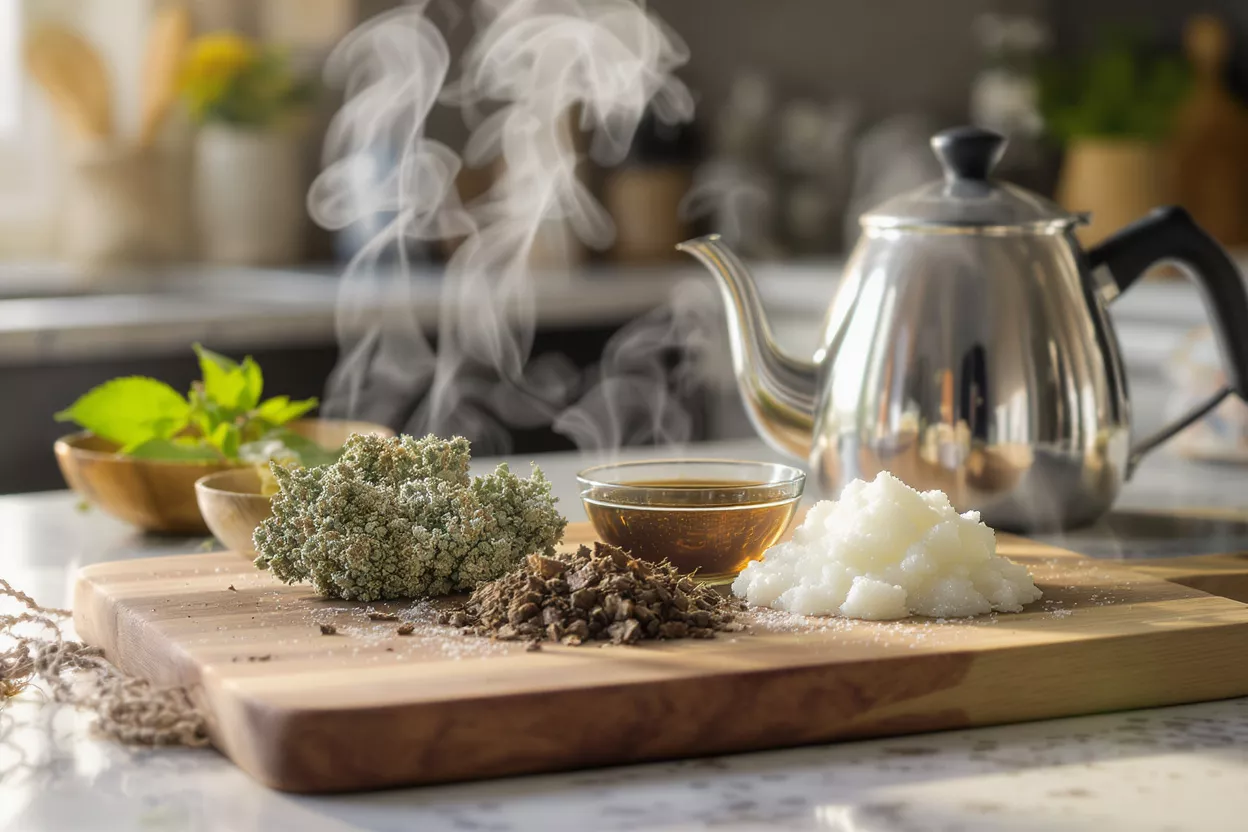
Making THC tea at home is approachable once you understand the role of fat. Because cannabinoids cling to lipids, most reliable recipes start with a teaspoon of butter, coconut oil, or even a splash of full-fat milk. This carrier captures the THC released from decarboxylated flower and keeps it suspended in the liquid so your body can actually absorb it.
The general workflow is straightforward. You decarboxylate your cannabis in the oven, simmer it gently with a fat source and water, strain out the plant material, then blend the infused liquid with your favorite tea base. Patience during the simmer matters more than intensity—gentle convection heat preserves delicate terpenes and prevents you from scorching the flower, which can leave a bitter, grassy taste.
- 🌿 Decarb first: Bake ground flower at roughly 240°F for 30–40 minutes to activate THC before brewing.
- 🧈 Add a fat carrier: Butter, coconut oil, or whole milk binds cannabinoids so they don't float uselessly on the surface.
- 🍯 Sweeten and mask: Honey, agave, or a strong chai base smooths over the earthy flavor of cannabis.
- ⏳ Simmer low and slow: A 15–30 minute gentle simmer extracts more without burning off potency.
- 🫖 Strain thoroughly: A fine mesh or cheesecloth removes grit for a clean, pleasant cup.
If you would rather skip the kitchen science entirely, ready-made cannabis-infused tea bags let you steep a measured dose the same way you would a chamomile blend, removing the guesswork around extraction and curing.
THC Tea Effects and Onset Time
One of the biggest adjustments for newcomers is timing. Unlike smoking, where effects arrive within minutes, THC tea behaves like an edible. You should expect a delayed onset, typically between 30 minutes and two hours, depending on your metabolism and whether you drank it on an empty stomach.
The 11-hydroxy-THC factor: Because oral cannabis passes through the liver, the resulting metabolite tends to feel heavier and more sedating than inhaled THC. Many drinkers describe a warm, full-body relaxation that can edge toward couch lock at higher doses—pleasant for winding down but worth respecting if you have plans. The trade-off is duration, with effects often lasting four to six hours.
The slow build is exactly why patience prevents overconsumption. The most common mistake is brewing a second cup before the first has taken hold, then feeling far more intoxicated than intended an hour later. Treat your first mug as the full dose, wait at least ninety minutes, and only then decide whether you want more. Staying hydrated also helps, since dry mouth, or cottonmouth, is a frequent companion to any THC product.
Types of THC Tea You Can Try
THC tea is not a single recipe but a whole category of beverages. The flavor and effect profile shift dramatically depending on whether you start from raw flower, a concentrate slurry, a tincture, or a premade powder. Each path offers a different balance of convenience, potency control, and taste.
Flower-based infusions deliver a full-spectrum experience, carrying the strain's natural terpenes like citronellol and cymene into the cup. Tincture-based teas, by contrast, let you add a precise number of drops to any hot beverage, making them the easiest way to dial in a consistent dose. CO2 oil and other concentrate options sit in between, offering high potency with predictable measurements.
- 🍃 Flower-based tea: Earthy and full-spectrum, ideal for those who want natural terpene flavor and a fuller effect.
- 💧 Tincture tea: Add measured drops to any cup for fast, repeatable dosing with minimal prep.
- 🧪 Concentrate-infused tea: Made with CO2 extraction products for clean, high-potency results.
- 🌸 Herbal cannabis blends: Combine THC with chamomile, lavender, or peppermint for layered relaxation.
- ☕ Chai and matcha bases: Bold flavors that naturally mask the taste of cannabis.
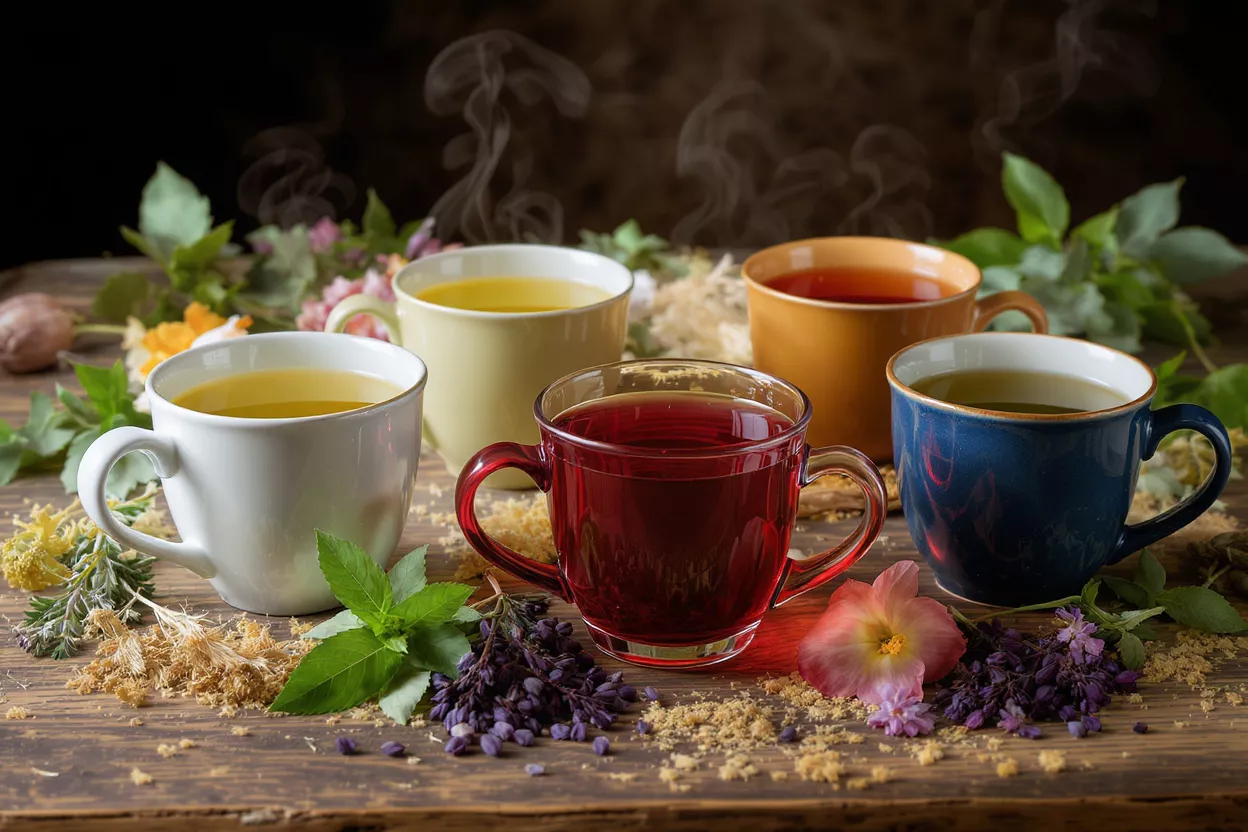
For an after-dinner ritual, many people gravitate toward a soothing lavender chamomile sleep blend infused with a low dose, pairing the herbal calm of the flowers with the gentle body effect of cannabis.
THC Tea Dosing Guide for Beginners
Dosing THC tea responsibly is the single most important skill a new drinker can build. Because oral cannabis is more potent and unpredictable than inhalation, the golden rule is to start low and go slow. A beginner dose sits around 2 to 5 milligrams of THC, an amount that delivers gentle relaxation without overwhelming someone new to edibles.
Why measured products beat homemade guesswork: Home-brewed tea varies wildly in potency because extraction efficiency depends on time, temperature, and the fat you use. A commercially prepared product lists its milligrams clearly, which is why a precisely dosed low-dose THC drink mix is often the safest choice for anyone still learning their tolerance. Johns Hopkins research consistently emphasizes that knowing your dose is the foundation of a positive cannabis experience.
Keep a simple log of how each cup affects you. Note the milligrams, whether you ate beforehand, and how long onset took. Over a few sessions this record becomes a personalized map of your tolerance, helping you avoid the dreaded crossfade that happens when people mix tea with alcohol or other substances and lose track of their limits.
THC Tea Benefits Worth Knowing
Beyond the obvious appeal of relaxation, THC tea offers practical advantages that draw people away from smoking. The most immediate is that it is gentle on the lungs. Drinking a warm infusion eliminates the combustion and harsh smoke that bother many users, making it a comfortable option for those with sensitive airways.
The ritual itself carries value. Brewing a cup, letting it steep, and sipping slowly creates a built-in moment of mindfulness that smoking often lacks. Many people find this slow ceremony as soothing as the cannabinoids themselves, especially as part of a wind-down routine before sleep.
- 🫁 Lung-friendly: No smoke or combustion, making it ideal for those avoiding inhalation.
- 🕐 Long-lasting relief: Effects can stretch four to six hours, useful for evening comfort.
- 🧘 Built-in ritual: The act of brewing encourages a calm, mindful pace.
- 🌙 Sleep support: Many drinkers use a low evening dose to ease into rest.
Some traditional wellness drinkers even pair their cannabis tea with adaptogenic ingredients like cordyceps or anti-inflammatory compounds such as curcumin, building a layered functional beverage rather than a simple recreational one.
THC Tea vs Edibles and Other Methods
It helps to understand where THC tea fits among other consumption methods. Like a gummy or brownie, tea is processed through the digestive system, so it shares the slow onset and strong, long-lasting effects of edibles. The key difference is that a warm liquid on a relatively empty stomach can sometimes feel slightly faster than a dense baked good.
How tea compares to a concentrate or crumble: Dabbing a crumble or other concentrate delivers near-instant, intense effects but requires equipment and produces a sharp peak. Tea trades that immediacy for a smooth, rolling experience. According to Johns Hopkins Medicine, the route of administration dramatically changes both how quickly THC acts and how long it lingers, so choosing tea is really choosing a slower, gentler curve.
For everyday users who dislike the calorie load of dessert edibles, tea offers a near-zero-sugar option when brewed without added sweeteners. It also avoids the eventual onset of dry mouth that comes with vaping, and it sidesteps the lingering smell that accompanies a freshly lit cola or bowl.
Best THC Tea Recipes for Relaxation
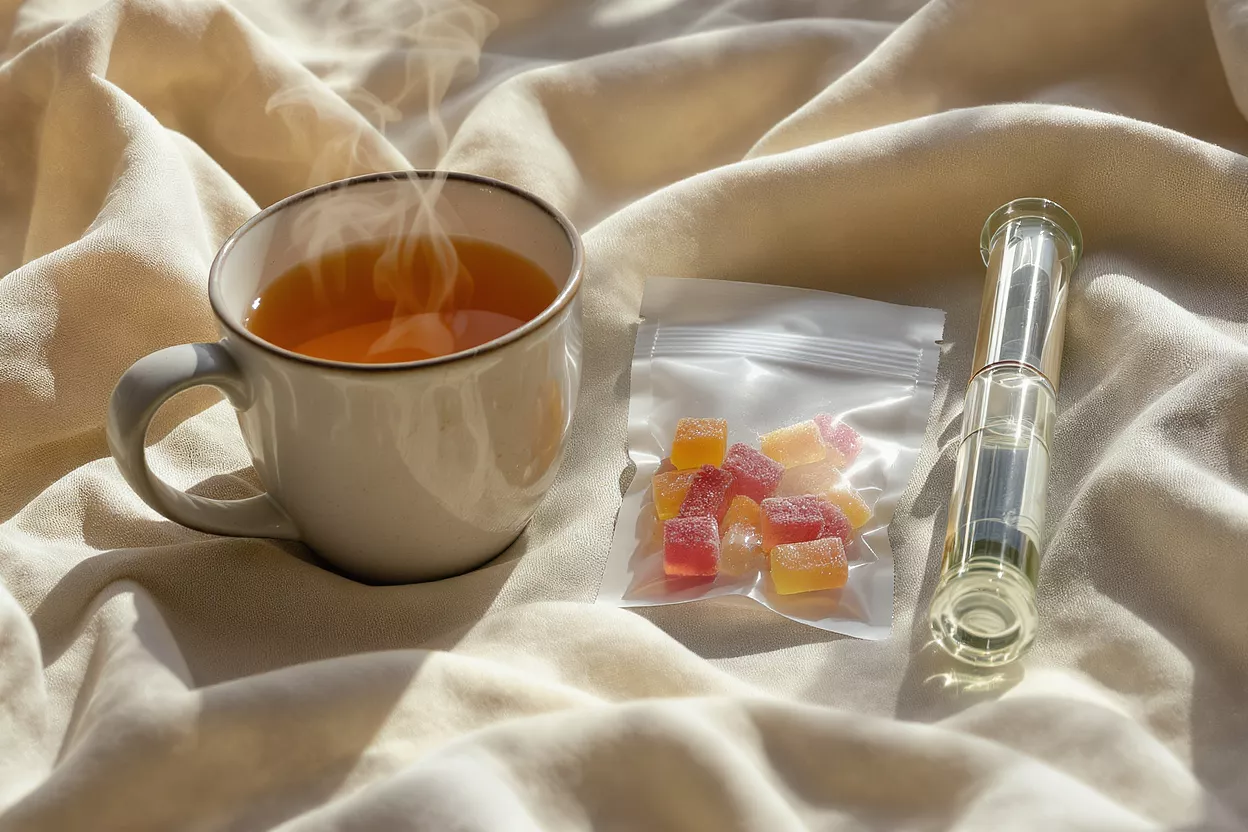
The best THC tea recipes balance flavor with effect. A classic starting point is a spiced chai, where cardamom, cinnamon, and ginger overpower the earthy cannabis notes while the fat from milk carries the THC. This makes chai one of the most forgiving recipes for beginners who dislike the plant taste.
For evening calm, an herbal blend works beautifully. Combine a low dose of cannabis with chamomile and a touch of lavender for a naturally sedating cup. If you grow your own from a favorite clone or cross, you can match the strain's terpene profile to the herbs—pairing a citrusy strain with lemongrass, for instance, amplifies both aromas.
- ☕ Cannabis chai: Bold spices and whole milk mask flavor while binding THC effectively.
- 🌿 Sleepytime blend: Chamomile and lavender for a gentle, drowsy evening cup.
- 🍋 Citrus green tea: Bright and refreshing, with a tincture for clean dosing.
- 🫚 Ginger turmeric tonic: Adds warming spice and curcumin for a functional twist.
Whatever recipe you choose, remember that fat is your friend. Even a small pat of butter or splash of cream dramatically improves how much THC actually makes it into your bloodstream, turning a weak cup into a reliable one.
Is THC Tea Safe to Drink
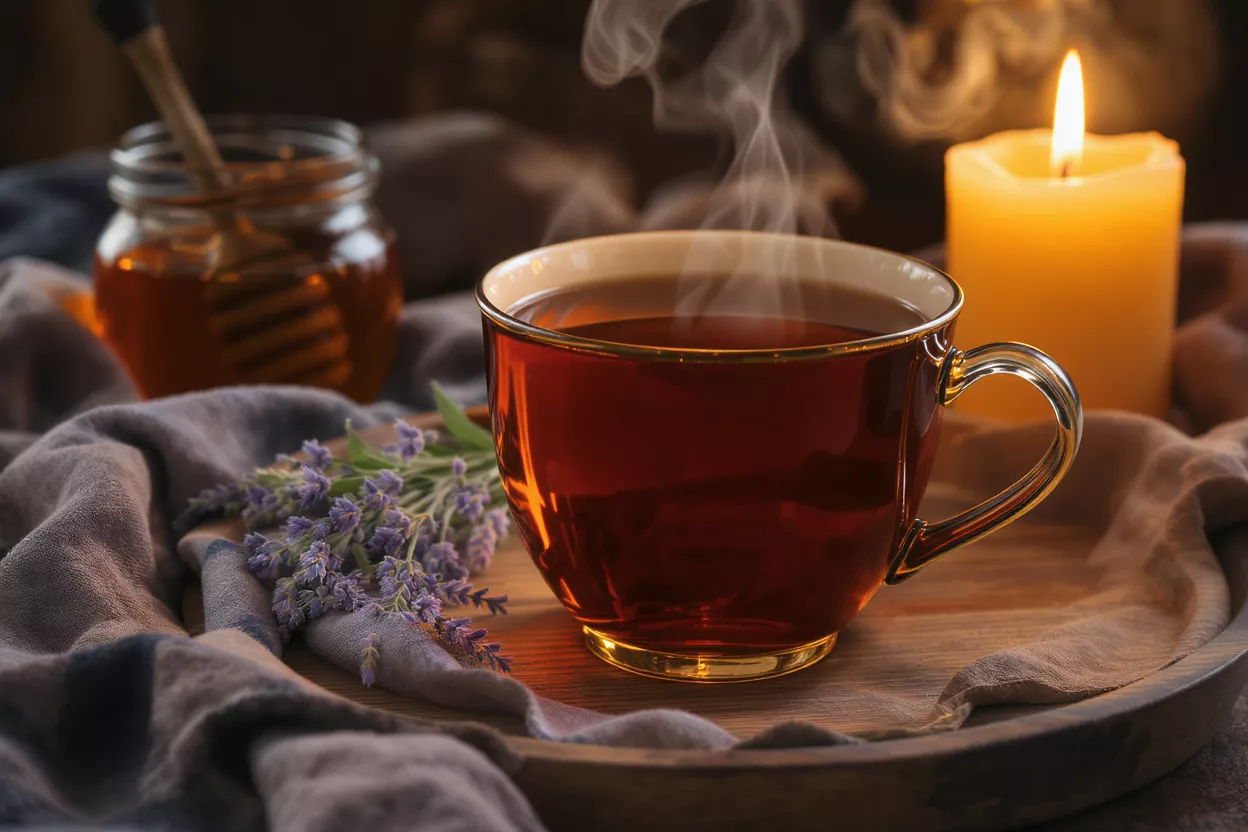
For most healthy adults, THC tea is considered safe when consumed responsibly. The risks are the same as with any edible cannabis: overconsumption due to delayed onset, and potential interactions with medications. Because tea is processed by the liver, anyone taking prescription drugs should consult a healthcare provider first.
Recognizing and avoiding overconsumption: The most common adverse experience is taking too much before the first dose registers, leading to anxiety, dizziness, or a heavy couch lock that feels uncomfortable. The remedy is patience and accurate dosing. Johns Hopkins researchers note that adverse effects from oral cannabis are usually dose-dependent and resolve with time, hydration, and rest. Keeping a low dose and waiting is the surest path to a pleasant session.
It also matters who is drinking. THC tea should be kept far from children and pets, since a warm beverage looks utterly ordinary and could be consumed by accident. Pregnant or breastfeeding individuals should avoid cannabis entirely, and anyone with a history of cannabis-sensitive anxiety should treat tea with the same caution they would any potent edible.
THC Tea Storage and Shelf Life Tips
Proper storage protects both flavor and potency. THC degrades when exposed to light, heat, and air, so any infused tea or concentrate should be kept in an airtight, opaque container in a cool spot. Loose cannabis intended for brewing benefits from careful curing and storage in a sealed glass jar to preserve its terpenes and aroma.
Brewed THC tea is best enjoyed fresh, but you can refrigerate a batch for two to three days in a sealed bottle. Because the cannabinoids are bound to fat, give the container a gentle shake before pouring, since the infused oils can separate and settle. Reheating gently rather than boiling preserves both the delicate flavor and the cannabinoid content.
For longer storage, many people prepare a concentrated cannabis-infused honey or oil and add it to plain tea on demand. This approach keeps your active ingredient stable for weeks while letting you brew a single fresh cup whenever you like, sidestepping the slurry of leftover plant material that comes from re-steeping spent flower.
THC tea brings together the comfort of an age-old beverage and the modern precision of measured cannabis, offering a lung-friendly, long-lasting, and deeply relaxing way to enjoy the plant. By respecting the slow onset, starting with a low dose, leaning on a fat carrier for proper extraction, and storing your ingredients well, you can turn a simple cup into a dependable evening ritual. Whether you brew from flower, reach for a tincture, or steep a ready-made bag, the keys remain the same: patience, accurate dosing, and a willingness to let the warmth work at its own gentle pace.