


Are CBD Gummies Safe for Children to Consume? Safety Guidelines 2026
Are CBD gummies for kids actually safe?
If you have landed here wondering whether CBD gummies for kids are a safe choice, you are asking exactly the right question before introducing any cannabinoid product into a child's routine. Cannabidiol has moved from a fringe wellness curiosity into mainstream conversations about childhood anxiety, sleep, and certain seizure disorders, and that visibility has brought a flood of marketing claims that range from cautiously evidence-based to outright reckless. This guide separates what the science actually supports from what the packaging promises, and it does so with the bluntness a parent deserves.
The short version is this: CBD is not a casual gummy you hand a child the way you would a vitamin, and the answer to "is it safe" depends heavily on the product, the dose, the reason, and crucially, your pediatrician's involvement. Below we walk through how these products work, what research exists, how dosing is approached, and the practical safety steps that matter most in 2026.
What Are CBD Gummies for Kids?
CBD gummies are chewable edibles infused with cannabidiol, a non-intoxicating compound derived from the hemp plant. Unlike THC, the cannabinoid responsible for the cannabis "high," CBD does not produce euphoria or impairment when properly formulated, which is precisely why it has drawn interest for use in children. A typical product might be a CBD 10mg gummy, though some adult-oriented lines reach CBD gummies 60 mg per piece, a dose far too high for pediatric use and a key reason adult and child products should never be confused.
The "for kids" framing in marketing can be misleading. Very few CBD products are formally designed, tested, or approved for children. The lone significant exception is a prescription pharmaceutical CBD used for specific severe epilepsy syndromes, which is a regulated medicine and entirely different from a CBD gummies for sale at a wellness shop. When a parent shops for CBD gummies in Canada or elsewhere, they are almost always buying a dietary supplement, not a tested pediatric medication.
Understanding that distinction matters enormously. A supplement marketed with a smiling cartoon character carries none of the dosing precision, contaminant screening, or clinical oversight of an approved drug. For any child-focused use, parents should look toward low-dose CBD gummies formulated for sensitive systems rather than repurposing an adult bottle.
Are CBD Gummies Safe for Children to Consume?
Safety is conditional, not absolute. CBD itself has a reasonably favorable safety profile in the studied contexts, and the World Health Organization has noted it is generally well tolerated. But "well tolerated in clinical trials" is not the same as "safe to self-administer to a healthy child without guidance." The honest answer is that CBD can be used safely in children under medical supervision for specific conditions, and is otherwise an open question that demands caution.
The biggest real-world safety issues rarely come from CBD itself. They come from product quality, mislabeling, and unknown contaminants. According to the Cleveland Clinic, independent testing has repeatedly found CBD products that contain more, less, or different cannabinoids than the label states, including unexpected THC. For a child, even trace THC matters far more than it would for an adult.
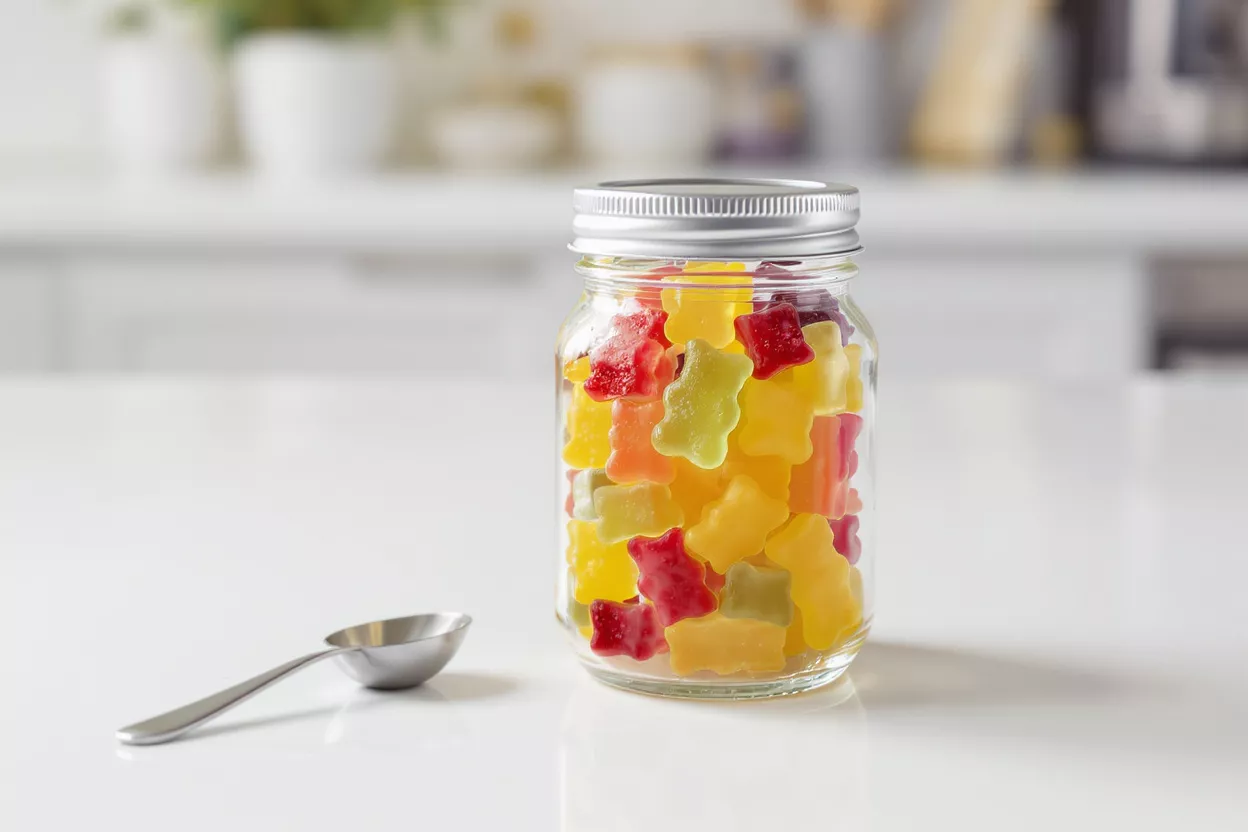
There is also the simple matter of mistaken identity. A gummy looks like candy, and a child cannot distinguish a 5 mg dose from a handful. Accidental over-consumption is one of the most common reasons pediatric exposures end up reported to poison control, which is why storage and supervision sit at the center of any safe-use conversation.
How CBD Gummies Work in a Child's Body
CBD interacts with the endocannabinoid system, a network of receptors that helps regulate mood, sleep, pain perception, appetite, and immune response. When a child eats a gummy, the CBD is absorbed through the digestive tract, processed by the liver, and gradually enters circulation. This first-pass metabolism means edibles act slower than other formats, often taking 30 to 90 minutes to produce noticeable effects.
Children are not simply small adults, metabolically speaking. Their livers, body composition, and developing nervous systems process compounds differently, and the long-term effects of regular cannabinoid exposure on a developing brain are not fully understood. This uncertainty is exactly why caution outweighs enthusiasm, and why the research community treats pediatric CBD differently from adult wellness use.
Because CBD is processed by the same liver enzymes that metabolize many common medications, it can alter how those drugs behave. A child taking anti-seizure medication, certain antidepressants, or other prescriptions may experience meaningful interactions, sometimes raising drug levels to unintended ranges. This is not a minor footnote; it is one of the most clinically important reasons to involve a doctor.
What the Research Says About CBD for Kids
The strongest evidence is narrow and specific. The most robust pediatric CBD research centers on rare, treatment-resistant epilepsy syndromes such as Dravet and Lennox-Gastaut. In those tightly controlled trials, pharmaceutical CBD reduced seizure frequency meaningfully, which led to formal regulatory approval. That is genuine, high-quality evidence, but it applies to a prescription medicine at therapeutic doses, not to over-the-counter gummies.
For the uses parents most often ask about, such as anxiety, ADHD, autism-related irritability, and sleep, the evidence is far thinner. Early studies and anecdotal reports are encouraging in places, but they are generally small, short, or lacking the rigorous controls needed to draw firm conclusions. Promising is not the same as proven, and responsible guidance reflects that gap honestly.
The takeaway is not that CBD is useless for children, but that confident claims outrun the science. Parents researching CBD gummies benefits should weight the prescription-grade epilepsy data heavily and treat wellness marketing for everyday concerns with appropriate skepticism until larger, better trials arrive.

CBD Gummies Dosage for Children
There is no universally established pediatric dose for wellness CBD. Prescription CBD for epilepsy is dosed by body weight under a physician's calculation, often starting low and titrating slowly. For supplement gummies, no equivalent official standard exists, which is one more reason medical guidance is essential rather than optional.
The widely repeated principle among clinicians who do work with CBD is "start low and go slow." That means beginning with the smallest reasonable amount, observing for several days, and adjusting only gradually and deliberately. A CBD 10mg gummy is often too strong for a small child as a starting point, which is why splitting doses or choosing lower-concentration products matters.
Here are the dosing principles parents should keep front of mind:
- ⚖️ Weight matters: pediatric dosing is typically calculated per kilogram of body weight, not given as a flat amount.
- 🐢 Start low, go slow: begin with the minimum, observe for days, and increase only in small steps.
- 📋 Verify the label: confirm the actual CBD content per gummy with third-party lab results before calculating anything.
- 🩺 Doctor first: a pediatrician should set or approve any dose, especially alongside other medications.
- ⏱️ Time it right: edibles take 30 to 90 minutes, so resist the urge to give more too soon.
Potential CBD Gummies Benefits for Kids
The clearest benefit is seizure reduction in specific epilepsy syndromes. This is the one area where benefits are well documented and regulator-recognized. For affected families, prescription CBD has been genuinely life-changing, reducing both the frequency and severity of seizures that resisted other treatments.
Beyond epilepsy, parents commonly explore CBD for anxiety, sleep difficulties, and the irritability that can accompany certain neurodevelopmental conditions. Some families report improvements, and the biological rationale through the endocannabinoid system is plausible. Products marketed as CBD gummies for anxiety appeal to parents seeking a gentler alternative, but the evidence here remains preliminary and individual responses vary widely.
It is worth naming what CBD is not. It is not a cure, not a substitute for behavioral therapy, counseling, or established medical care, and not a product to use as a behavioral shortcut. When parents consider calming CBD gummies for occasional restlessness or look at CBD gummies for pain after a doctor's blessing, the framing should be cautious supplementation, never replacement of proven care.
CBD Gummies Side Effects to Watch For
CBD is generally well tolerated, but side effects do occur. The most commonly reported include drowsiness, fatigue, changes in appetite, diarrhea, and occasional irritability. In the epilepsy trials, elevated liver enzymes also appeared in some children, particularly when CBD was combined with other medications, which is why liver monitoring is part of supervised treatment.
Watch especially for signs that something is off after starting CBD: unusual sleepiness, gastrointestinal upset, mood changes, or any reaction that seems linked to dosing. Because a child may not articulate subtle effects, attentive observation by a parent is a core safety tool, not an optional extra.
The interaction risk deserves repeating in its own right. Common indicators that warrant a pause and a call to the doctor include:
- 😴 Excessive drowsiness: beyond mild calm, especially if it disrupts daily function or school.
- 🤢 Digestive upset: persistent diarrhea, nausea, or appetite loss after introducing CBD.
- 😠 Mood shifts: new irritability or agitation rather than the calm being sought.
- 💊 Medication conflicts: any unexpected change in how an existing prescription seems to work.
How to Choose Quality CBD Gummies
Third-party lab testing is non-negotiable. Because the supplement market is uneven, the single most protective step a parent can take is choosing products with a current certificate of analysis from an independent laboratory. That document verifies the actual CBD content, confirms THC levels are within legal and safe limits, and screens for pesticides, heavy metals, and residual solvents.
Beyond testing, look at sourcing and formulation. Hemp grown under good agricultural practices, ideally sun-grown or carefully cultivated and transparently disclosed, reduces contamination risk. Avoid products with vague "proprietary blend" labeling, mystery ingredients, or doses that seem implausibly high for the price. A reputable seller of lab-tested CBD gummies with published certificates of analysis will make this paperwork easy to find rather than burying it.
Use this quick checklist when evaluating any product:
- 🔬 Lab report available: a recent, batch-specific certificate of analysis you can actually read.
- 🌱 Clean sourcing: clearly disclosed hemp origin and cultivation practices.
- 🏷️ Accurate labeling: precise CBD per gummy and full ingredient transparency.
- 🚫 Low or no THC: confirmed by testing, critical for any child.
- 🔒 Child-resistant packaging: to prevent accidental over-consumption.
Talking to Your Pediatrician About CBD
Your child's doctor is the most important resource in this entire conversation. No blog, label, or store associate can replace a clinician who knows your child's medical history, current medications, and specific needs. Approaching that conversation openly and without embarrassment leads to far better outcomes than experimenting quietly at home.
Come prepared. Bring the specific product you are considering, including its lab report and exact CBD content, along with a complete list of your child's medications and supplements. Be clear about why you are interested, what you hope to address, and what you have already tried. This lets the pediatrician assess interaction risks and offer realistic, individualized guidance.
If your regular doctor is unfamiliar with CBD, ask for a referral to a specialist, such as a pediatric neurologist for seizure concerns. A good clinician will not dismiss the question outright, nor endorse it blindly; they will help you weigh evidence against your child's situation, which is exactly the balanced judgment these decisions require.


Blue Raspberry CBD Gummies 30mg x 15pcs (450mg) – BIRCH+FOG
Candy-store nostalgia with a wellness upgrade. Each Birch+Fog gummy wraps 30mg of pure CBD isolate in bright, authentic blue-raspberry sweetness — zero THC, maximum flavour. The consistent dose calms racing thoughts and eases everyday tension in a form you'll actually look forward to, fifteen pieces to a pack. Professional-grade relief that lands like a guilty pleasure.
- Anxiety Management : 30mg therapeutic dose calms racing thoughts and social tension
- Physical Comfort : Anti-inflammatory properties ease muscle soreness and joint stiffness
- Mental Clarity : Reduces overwhelm and scattered thinking without sedation
- Recovery Support : Ideal post-exercise inflammation management in convenient form
- Sleep Optimization : Evening use promotes natural rest cycles and deeper sleep
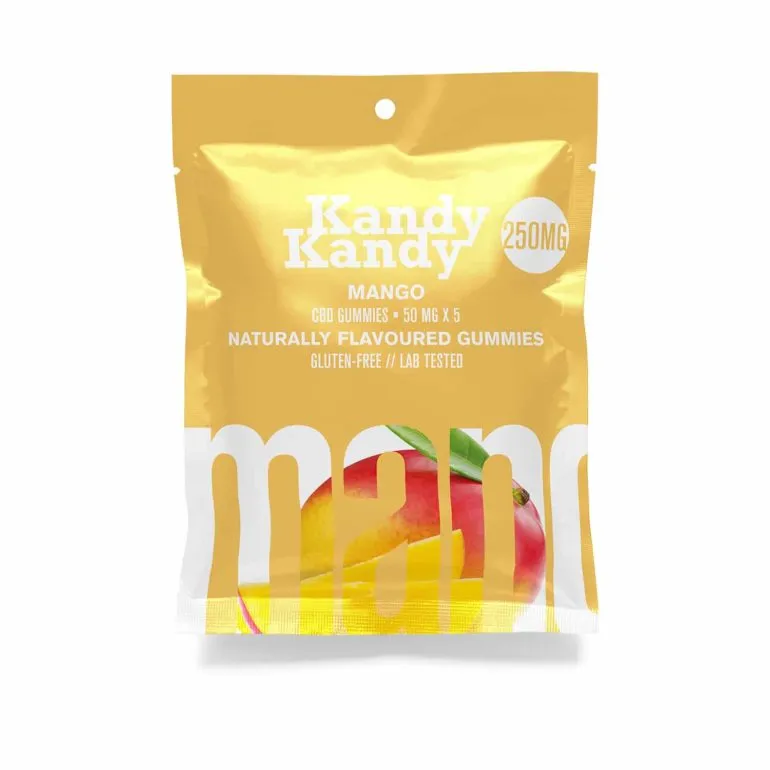
Mango Full Spectrum CBD Gummies 50mg x 5pcs (250mg) – KANDY KANDY
Tropical wellness, full spectrum. KANDY KANDY's Mango CBD gummies pack 50mg of whole-plant CBD into each of five tropical candies — sunshine-sweet flavour and steady, no-high relief that draws on the plant's full entourage. Calm, comfort, and a little escape in every bite.
- Strong Pain Support : A 50mg dose often chosen for chronic, persistent discomfort
- Severe Anxiety Relief : High dose provides comprehensive calm
- Systemic Inflammation Control : Reduces inflammation body-wide
- Enhanced Sleep Quality : Promotes deeper, more restorative rest
- Digestive System Support : CBD helps regulate gut health

Mixed Sour Squares CBD Gummies 30mg x 15pcs (450mg) – BIRCH+FOG
Your favourite sour candy, all grown up. Each chewy square delivers a generous 30mg of CBD behind a pucker-then-sweet coating — fifteen pieces of nostalgic flavour doing serious, calming work. The precise dose makes everyday relief easy to dial in, whether you're smoothing out a stressful afternoon or winding down after one. Wellness that genuinely tastes like a treat.
- Anxiety Relief : 30mg per piece provides substantial calming effects
- Pain Management : Anti-inflammatory properties help with chronic discomfort
- Mood Enhancement : Sour flavors trigger endorphins while CBD balances mood
- Precise Dosing : Consistent 30mg allows accurate therapeutic use
- Fast Acting : Sour coating may enhance absorption through mouth tissues
Safety Guidelines for CBD Gummies in 2026
Storage is a safety issue, not an afterthought. Because gummies look like candy, they must be stored well out of reach in child-resistant, clearly labeled containers, ideally locked away. The most preventable harm in this entire space comes from accidental ingestion, and a few minutes of careful storage planning eliminates most of that risk entirely.
Beyond the home, stay alert to the broader market. Regulations around hemp and cannabinoids continue to evolve, and product quality varies widely between brands and even between batches. Re-checking lab reports for each new purchase, rather than assuming consistency, keeps you ahead of the inconsistency that plagues unregulated supplements.
To summarize the practical guardrails that keep CBD use as safe as possible for a child:
- 🔒 Lock it up: store all gummies out of reach in child-resistant, labeled packaging.
- 🩺 Doctor-led: never start, change, or stop without pediatric guidance.
- 🔬 Verify every batch: review the certificate of analysis with each new purchase.
- 👀 Observe closely: track effects and side effects, and report concerns promptly.
- 📵 Keep adult and child products separate: never give a high-dose adult gummy to a child.
CBD gummies for kids occupy a genuinely nuanced space: real, regulator-backed benefit for specific epilepsy syndromes, plausible but unproven promise for broader concerns, and meaningful safety considerations that hinge almost entirely on product quality, accurate dosing, and medical oversight. The responsible path is neither blanket fear nor uncritical enthusiasm but informed caution. Choose lab-tested products, involve your pediatrician at every step, store everything safely, and let evidence rather than marketing guide your decisions. Approached that way, parents can make a thoughtful, well-supported choice for their child's health.









Comments