


Certificate of analysis
Learn what a certificate of analysis reveals about cannabis potency and safety.
What Is a Certificate of Analysis in Cannabis?
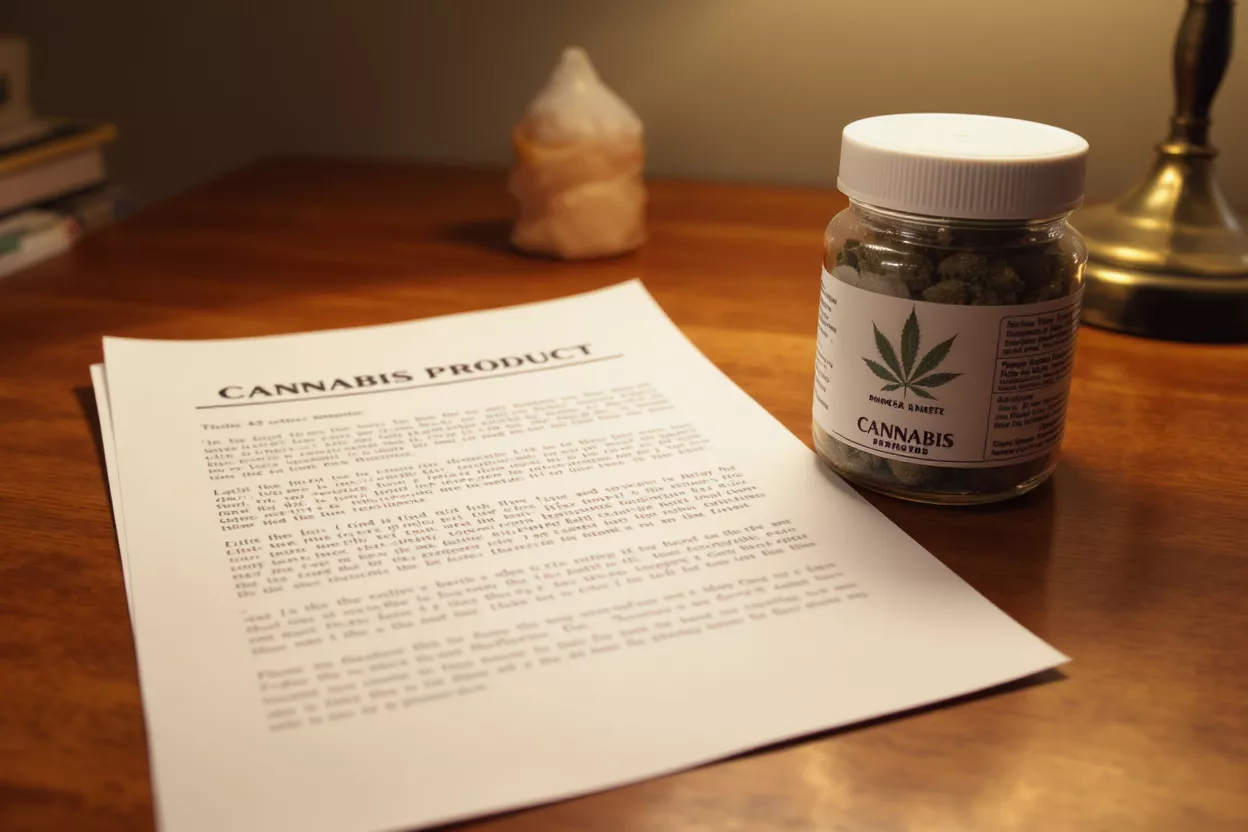
A certificate of analysis is a formal document issued by an accredited laboratory that records the results of testing performed on a specific batch of cannabis. It is the paper trail that connects what a label claims to what an independent lab actually measured. When you see a product advertising a particular THC percentage or promising it is free of harmful residues, the certificate of analysis is the evidence that either supports or contradicts those statements.
The role of third-party testing: The most trustworthy certificate of analysis comes from a laboratory that has no financial stake in the outcome. Third-party or independent labs operate at arm's length from the producer, which removes the conflict of interest that would exist if a company simply tested its own goods and reported whatever numbers it liked. This independence is the entire foundation of the document's credibility.
Every certificate is tied to a particular batch or lot, not to a product line in general. Cannabis is an agricultural product, and two harvests of the same strain grown under different conditions can produce meaningfully different chemistry. Because of this, a legitimate certificate of analysis always references the exact batch it describes, ensuring the results apply to the flower, oil, or edible actually in your hand.
How a Certificate of Analysis Works
The process begins when a producer pulls a representative sample from a finished batch and submits it to a licensed testing facility. Sampling matters enormously: a sample that does not reflect the whole batch produces results that mislead everyone downstream. Reputable programs use randomized sampling protocols so that the tested portion genuinely represents the larger lot.
Analytical methods behind the numbers: Laboratories rely on instruments such as high-performance liquid chromatography (HPLC) for cannabinoid potency and gas chromatography paired with mass spectrometry for residual solvents and pesticides. These methods separate the compounds in a sample and measure them with precision far beyond what any visual inspection could achieve. The certificate reports those measured values alongside the limits of detection for each test.
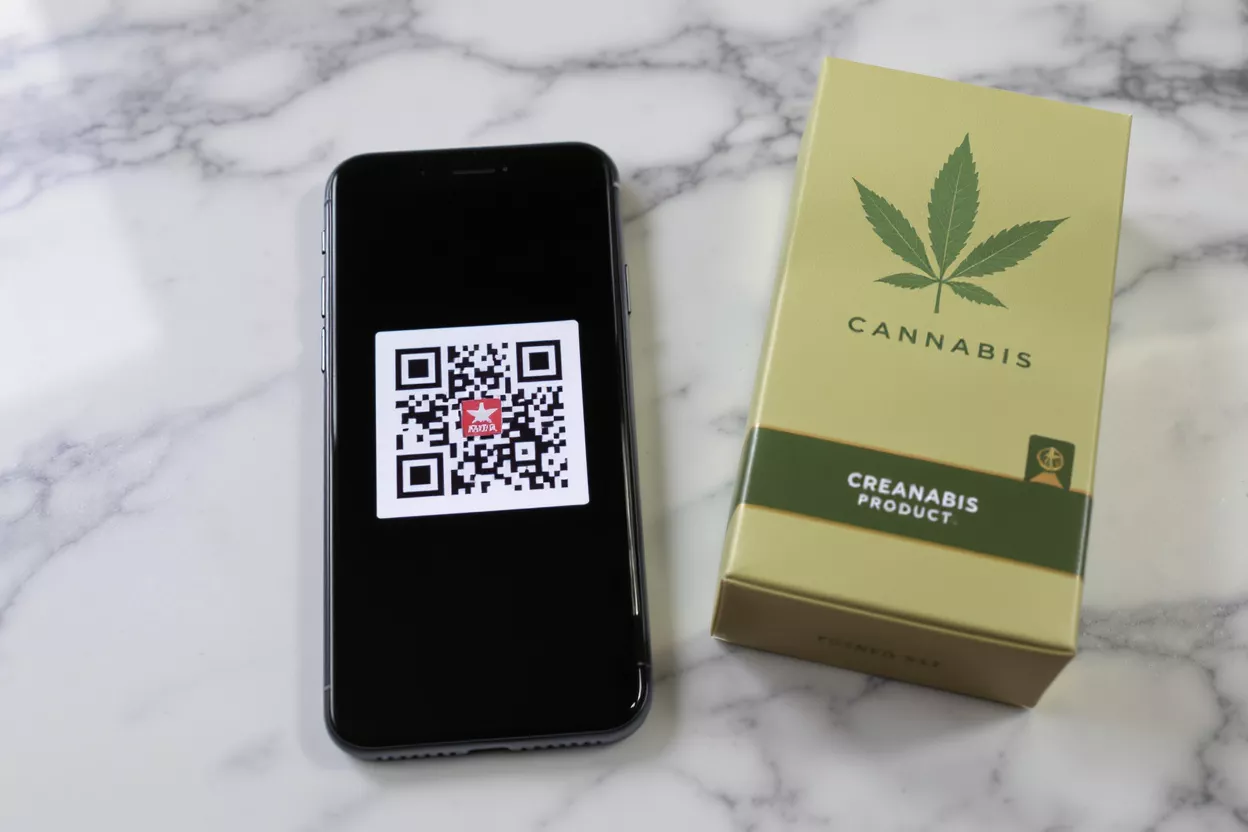
Once testing is complete, the lab compiles the data into a standardized report bearing the facility's name, accreditation details, sample identifiers, and the date of analysis. A responsible producer then attaches that document to the corresponding product, often through a QR code on the packaging that links directly to the original PDF. This closes the loop between the lab bench and the consumer.
What a Certificate of Analysis Tests For
A comprehensive certificate of analysis covers far more than a single THC figure. It is best understood as a panel of distinct tests, each addressing a different question about quality and safety. Some tests confirm the product does what it claims; others confirm it will not harm you.
The breadth of testing varies by jurisdiction and product type, but a thorough panel typically includes the following categories:
- 🧪 Cannabinoid potency: measured concentrations of THC, CBD, and minor cannabinoids.
- 🌿 Terpene profile: the aromatic compounds that shape flavour and may influence effects.
- 🦠 Microbial contaminants: screening for mould, yeast, E. coli, and salmonella.
- ⚗️ Residual solvents: leftover chemicals from extraction, especially relevant for concentrates.
- 🐛 Pesticides: agricultural chemicals that should not exceed strict thresholds.
- ⚠️ Heavy metals: lead, arsenic, cadmium, and mercury absorbed from soil.
Not every certificate includes every category, and the absence of a particular test is itself useful information. A document that reports potency but omits contaminant screening tells you only half the story, which is why understanding the full scope of possible tests helps you judge how rigorous a given report truly is.
How to Read a Certificate of Analysis
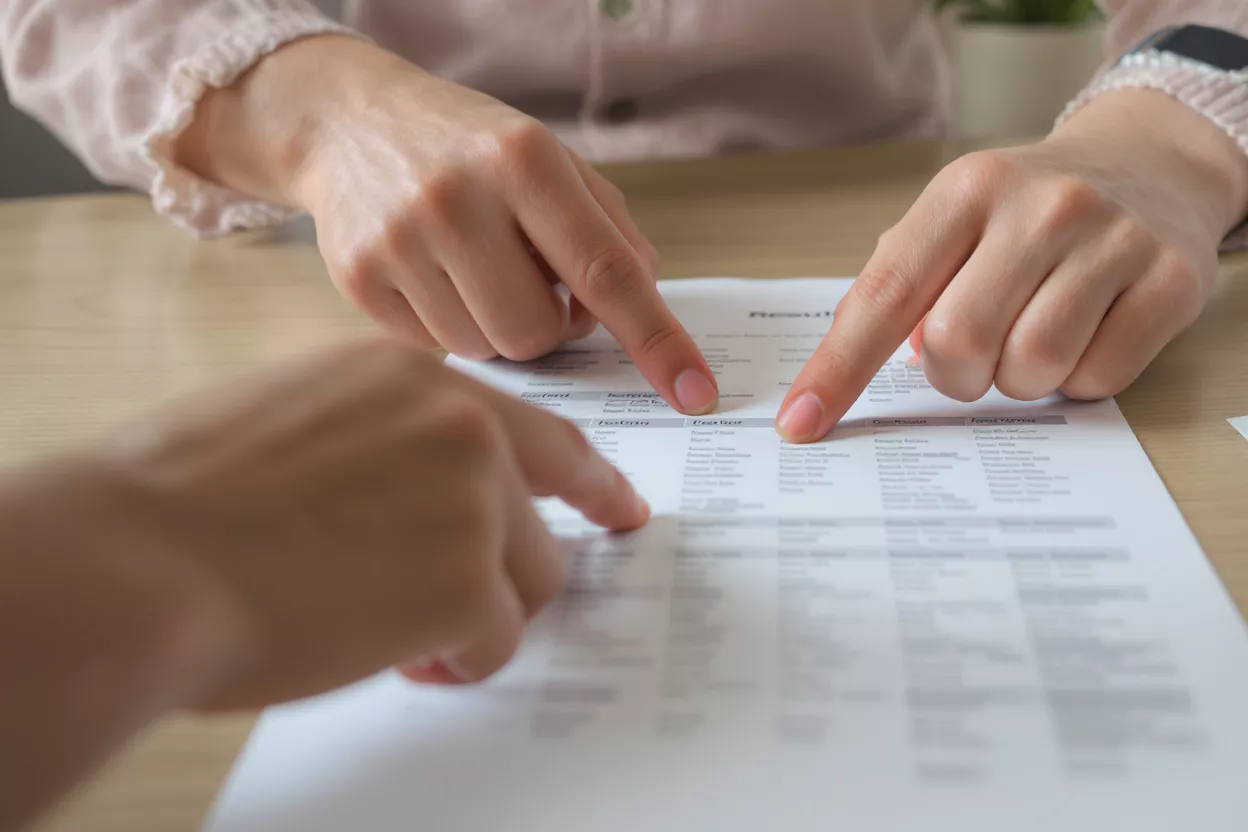
At first glance a certificate of analysis can look like a wall of numbers, but its structure follows a predictable logic. The top section identifies the sample, the laboratory, and the dates involved. The body presents results in tables, usually grouped by test category, with a measured value and a pass or fail status beside each analyte.
Understanding pass and fail markers: For safety tests such as pesticides or heavy metals, results are compared against regulatory action limits. A "pass" means the measured amount fell below the threshold considered safe; a "fail" means it exceeded that limit. For potency, there is no pass or fail in the safety sense — the numbers simply tell you how strong the product is so you can dose accordingly.
Pay attention to units and to the limit of quantification, often abbreviated LOQ. When a contaminant reads "ND" or "not detected," it means the lab found nothing above the level its instruments can reliably measure. This is not quite the same as zero, but for practical purposes it indicates the analyte is absent at any meaningful concentration. Reading these notations correctly prevents you from misinterpreting a clean result as either better or worse than it is.
Why a Certificate of Analysis Matters for Safety
Cannabis is consumed by inhalation, ingestion, and absorption, and each route carries its own risks if the product is contaminated. A certificate of analysis is the single most reliable tool a consumer has for confirming that what they are about to use has been screened for the hazards that matter most. Without it, you are trusting a label with no evidence behind it.
Protecting vulnerable consumers: Medical patients often have compromised immune systems or take medications that interact poorly with contaminants. For these consumers, the difference between a tested and untested product can be the difference between relief and harm. Microbial contamination that a healthy adult might shrug off can pose a serious threat to someone undergoing chemotherapy, making verified testing essential rather than optional.
The certificate also protects against deceptive marketing. Independent testing has repeatedly exposed products whose actual cannabinoid content bore little resemblance to the label, sometimes overstating potency and sometimes understating it. By grounding claims in measured data, the certificate of analysis holds producers accountable and rewards those who genuinely deliver what they promise.
Potency Testing on a Certificate of Analysis
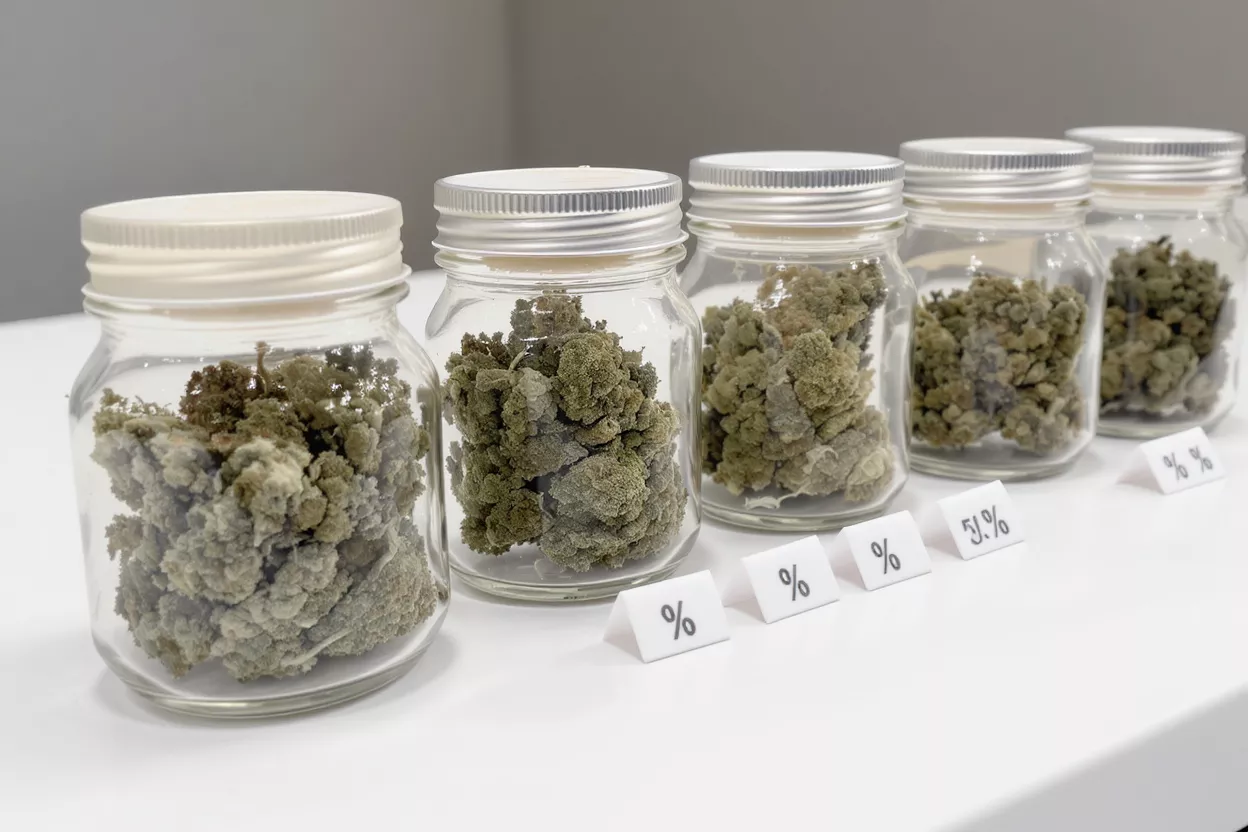
Potency results are the section most consumers look at first, and for good reason: they determine dosing, value, and the kind of experience to expect. A certificate of analysis reports cannabinoid concentrations either as a percentage of weight for flower or in milligrams per unit for edibles and tinctures.
Total THC versus THC-A: Raw cannabis contains very little active THC; instead it holds THC-A, an acidic precursor that converts to THC when heated. A careful certificate lists both the THC-A and the delta-9 THC, then calculates "total THC" using a conversion factor that accounts for the weight lost during decarboxylation. Reading only the delta-9 number on raw flower would dramatically understate how potent the product becomes once smoked or vaporized.
The same logic applies to CBD and its acidic form CBD-A. Beyond the headline cannabinoids, a detailed report quantifies minor compounds such as CBG, CBN, and CBC. These minor cannabinoids contribute to the overall character of a product and are increasingly sought after by consumers who understand that cannabis chemistry extends well past a single number.
Contaminant Screening Explained
Contaminant testing is where a certificate of analysis earns its keep as a safety document. Each contaminant category addresses a specific way a product can become unsafe, from cultivation practices to extraction methods to storage conditions.
Where contaminants come from: Pesticides enter through agricultural sprays applied during cultivation. Heavy metals accumulate when plants draw them up from contaminated soil, since cannabis is a known hyperaccumulator. Residual solvents linger when extraction with butane or ethanol is not properly purged. Microbial growth develops in humid storage or careless handling. Understanding these sources clarifies why a single clean potency test is never sufficient on its own.
The thresholds for each contaminant are set by regulators based on toxicological data, often expressed in parts per million or parts per billion. These limits are deliberately conservative, building in a margin of safety well below the level known to cause harm. When you see a row of "pass" results across a contaminant panel, you are looking at confirmation that the product cleared every one of those carefully calibrated hurdles.
- ✅ Pass across all panels: the product met every safety threshold and is cleared for consumption.
- 📅 Recent test date: results reflect the current batch, not an old one repurposed for new stock.
- 🔍 Named accredited lab: a verifiable facility stands behind the numbers.
- 🔗 Matching batch number: the report's identifiers align with the packaging in front of you.
How to Verify a Certificate of Analysis Is Legitimate
A certificate of analysis is only as trustworthy as its source, and unfortunately forged or altered documents do circulate. Learning to verify authenticity protects you from being reassured by a piece of paper that means nothing. The good news is that a few straightforward checks catch the vast majority of fakes.
Cross-checking with the laboratory: The strongest verification is to confirm the result directly with the testing lab. Many accredited facilities maintain online portals where you can enter a sample ID and retrieve the original report. If the lab named on the document has no record of the test, or if no such lab exists, the certificate is worthless regardless of how official it looks.
Beyond contacting the lab, scrutinize the document itself. Check that the batch number matches your packaging exactly, that the test date is reasonably recent, and that the lab's accreditation is genuine. Mismatched fonts, missing accreditation numbers, or potency figures that seem implausibly high are all warning signs that a report deserves a closer look before you trust it.
Certificate of Analysis and Cannabis Regulations
In regulated markets, testing is not a courtesy but a legal requirement. Licensed producers must submit every batch to mandatory testing before it can reach shelves, and the certificate of analysis is the document that proves compliance. This regulatory backbone is what separates a legal, tested supply chain from the unregulated market where no such guarantees exist.
Variation between jurisdictions: Testing requirements differ considerably from one region to another. Some mandate full panels covering potency, pesticides, heavy metals, solvents, and microbials; others require a narrower set. The action limits themselves also vary, meaning a product that passes in one jurisdiction might face a stricter threshold in another. This patchwork makes the certificate of analysis a moving target that reflects local rules as much as universal science.
Regulations continue to tighten as the industry matures and as research clarifies which contaminants pose the greatest risk. The trend is toward broader panels, lower action limits, and stronger requirements for laboratory accreditation. For consumers, this evolution means the certificate of analysis is steadily becoming a more comprehensive and reliable safeguard with each passing year.
Common Certificate of Analysis Questions Answered
Even consumers who understand the basics often have lingering questions about how to apply that knowledge in practice. Addressing the most frequent ones helps turn abstract understanding into confident decision-making at the point of purchase.
How recent should a certificate be? There is no single universal expiry, but a report tied to the specific batch you are buying is what matters most. Cannabinoid potency can degrade over time, particularly THC converting to CBN, so a very old certificate may no longer reflect the current chemistry of a product that has sat in storage. When the test date aligns closely with the production date and the batch number matches, you can trust the results apply.
Another common question concerns what to do when a product has no certificate at all. The simplest answer is to treat the absence as a reason for caution. In a market where verified testing is available, a producer who cannot or will not provide a certificate of analysis is asking you to take their word on faith — and the entire purpose of independent testing is to remove the need for faith. Whenever a document is available, take a moment to read it; that small habit is the most direct way to make informed, safer choices about the cannabis you consume.

Comments