


Does CBD Help with Pain Management and Relief? Expert Insights
Discover how CBD for pain works in your body, what science supports, and which products to try.
If you have ever wondered whether CBD can genuinely ease the aches that nag you through a workday or keep you up at night, you are far from alone. Cannabidiol has moved from a niche curiosity to a mainstream wellness staple, and one of the most common reasons people reach for it is pain. The question of whether CBD help with pain is real or hype deserves a clear, evidence-grounded answer rather than marketing spin. This guide unpacks how the compound interacts with your body, what the science currently supports, and how to choose products that actually fit the kind of discomfort you live with.
Pain is deeply personal. A construction worker with a strained lower back, a runner with cranky knees, and an office worker with tension headaches all experience pain differently, and they may respond to CBD in different ways too. Rather than promising miracles, this article aims to give you the practical, honest information you need to experiment thoughtfully and safely.
How CBD Help With Pain Works in the Body
The endocannabinoid system is the key. Your body contains a vast signalling network called the endocannabinoid system, or ECS, which helps regulate functions like mood, sleep, appetite, and crucially, pain perception. The ECS uses naturally produced compounds called endocannabinoids that bind to receptors throughout your nervous system and immune tissue. CBD does not bind tightly to these receptors the way THC does. Instead, it appears to influence how the system operates, slowing the breakdown of your own endocannabinoids and nudging receptors that govern inflammation and pain signalling.
CBD works on inflammation, not just sensation. A large portion of chronic pain is driven by inflammation, whether from arthritis, an old injury, or repetitive strain. CBD interacts with receptors involved in the immune response and may help dial down the inflammatory cascade that keeps tissue irritated and sensitive. This is part of why many people find topical and oral CBD more helpful for inflammatory pain than for sudden, acute injuries. According to the Cleveland Clinic, research into CBD's anti-inflammatory and pain-modulating effects is ongoing but promising for certain conditions.
It also helps to understand that CBD rarely works in isolation. Full-spectrum products contain supporting terpenes and minor cannabinoids that may amplify relief through what researchers call the entourage effect. Compounds like Valencene and the terpene Terpinolene, known for its calming aroma, are part of the broader botanical profile that shapes how a product feels. Some people even pair CBD with calming nutrients like Theanine for a more rounded sense of ease.
What the Research Says About CBD for Pain
The evidence for CBD for pain is genuinely encouraging in some areas and still maturing in others. The strongest clinical support involves products that combine CBD with THC, particularly for neuropathic pain and pain related to multiple sclerosis. Studies on pure CBD for general chronic pain are smaller and more variable, which is why honest sources avoid overstating the case.
Neuropathic pain shows the clearest signal. Nerve-related pain, the burning, tingling, electric discomfort caused by nerve damage, is notoriously hard to treat with conventional medication. Several trials suggest cannabinoids can reduce this type of pain where other treatments fall short. This is one area where the research base is most developed, though formulations and dosing vary widely between studies.
Chronic and inflammatory pain are promising but mixed. For conditions like arthritis and fibromyalgia, the human data is less consistent, partly because pain is subjective and difficult to measure. Animal studies on inflammatory pain are robust and have driven much of the enthusiasm, but translating those results to people takes time. The takeaway is reasonable optimism paired with realistic expectations.
- 🧠 Neuropathic pain: Strongest evidence, especially with combined CBD and THC formulas.
- 🔥 Inflammatory pain: Promising preclinical data and encouraging anecdotal reports.
- 💪 Muscle and exercise soreness: Popular real-world use, supported by topical absorption studies.
- 😴 Pain-related sleep disruption: Many users report better rest, which indirectly eases pain.

CBD for Back Pain and Muscle Aches
Back pain is one of the most common reasons people first try CBD. Whether it stems from poor posture, a herniated disc, or simple muscular tension, the lower back is a hotspot of chronic discomfort. CBD for back pain typically takes two forms: oral products that work systemically and topical products applied directly over the sore area.
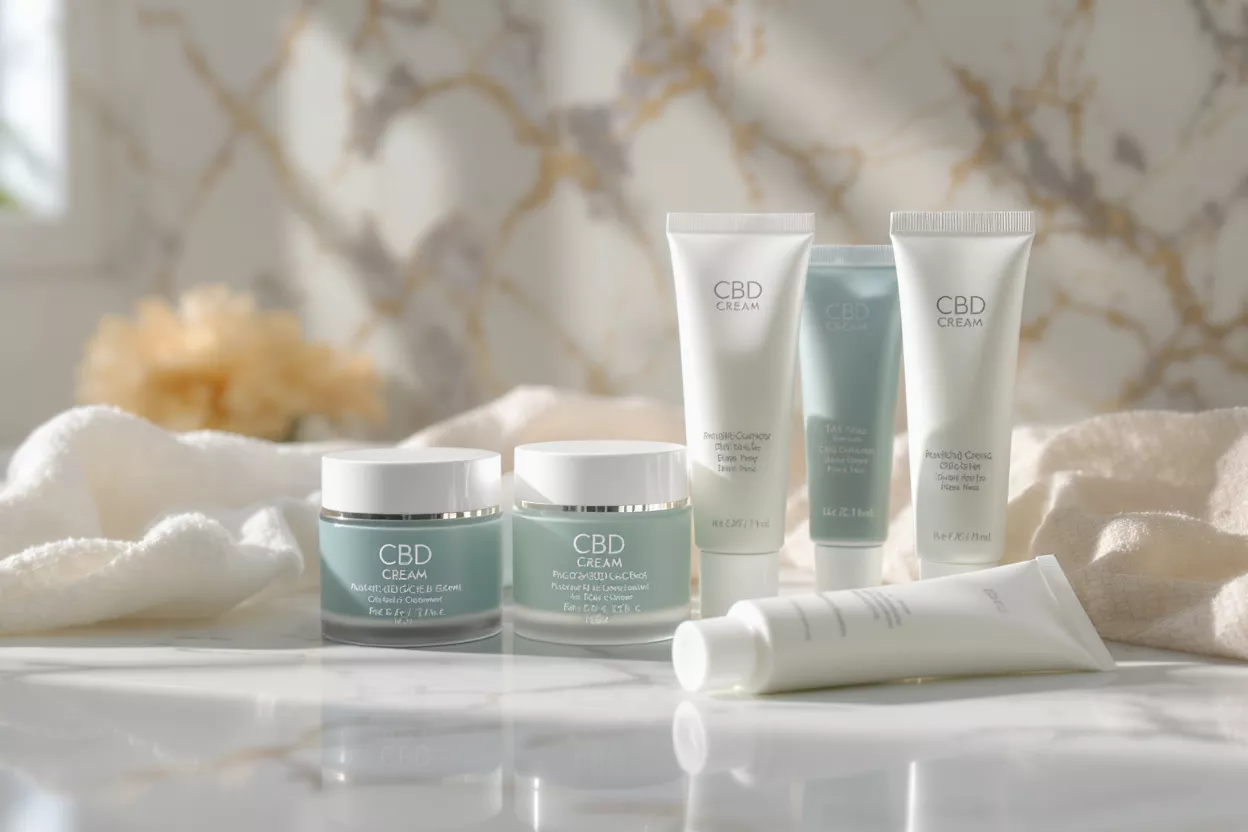
Topical CBD targets localized muscle tension. When you rub a CBD cream into a knotted lower back, the compound interacts with cannabinoid receptors in the skin and underlying tissue without entering your bloodstream in significant amounts. This makes a good CBD muscle recovery balm appealing for targeted relief, especially after a long day on your feet or an intense workout. The effect is local, so it pairs well with stretching and heat therapy.
Oral CBD, by contrast, works through your whole system and may be better suited to widespread or deep back pain that a cream cannot reach. Many people combine both: a daily oil or capsule for baseline relief and a cream for flare-ups. A CBD cream for back pain is often the entry point because the ritual of applying it feels immediate and tangible, but consistency matters more than format.
CBD for Joint Pain and Inflammation
Joint pain and CBD have a logical connection. Arthritis and other joint conditions are fundamentally inflammatory, and CBD's interaction with the immune system makes it a natural candidate for relief. People with osteoarthritis in the hands, knees, or hips often find that a combination of topical application and oral dosing helps them stay mobile and comfortable through daily activities.
Joints near the skin surface, like fingers and knees, are especially good candidates for topical CBD because the compound does not have to travel far to reach the affected tissue. For deeper joints such as hips, oral CBD that circulates through the bloodstream tends to be more practical. A thoughtfully formulated full-spectrum CBD oil can provide that systemic support throughout the day.
It is worth setting realistic expectations. CBD is not a cure for arthritis and will not rebuild cartilage, but for many people it reduces the day-to-day ache enough to improve quality of life and reliance on other measures. Pairing it with gentle movement, weight management, and good sleep amplifies the benefit far more than any single product can on its own.

Best CBD Products for Pain Relief
The best CBD product for pain depends entirely on the kind of pain you have, how quickly you want relief, and how long you need it to last. There is no universally superior format, only the right tool for your situation. Understanding the strengths of each helps you build a routine rather than chasing a single magic bullet.
- 🧴 Topical creams and balms: Fast, localized relief for joints, muscles, and surface-level pain.
- 💧 CBD oils and tinctures: Flexible dosing and relatively quick systemic onset under the tongue.
- 💊 CBD capsules and pills: Convenient, consistent, and discreet for all-day baseline relief.
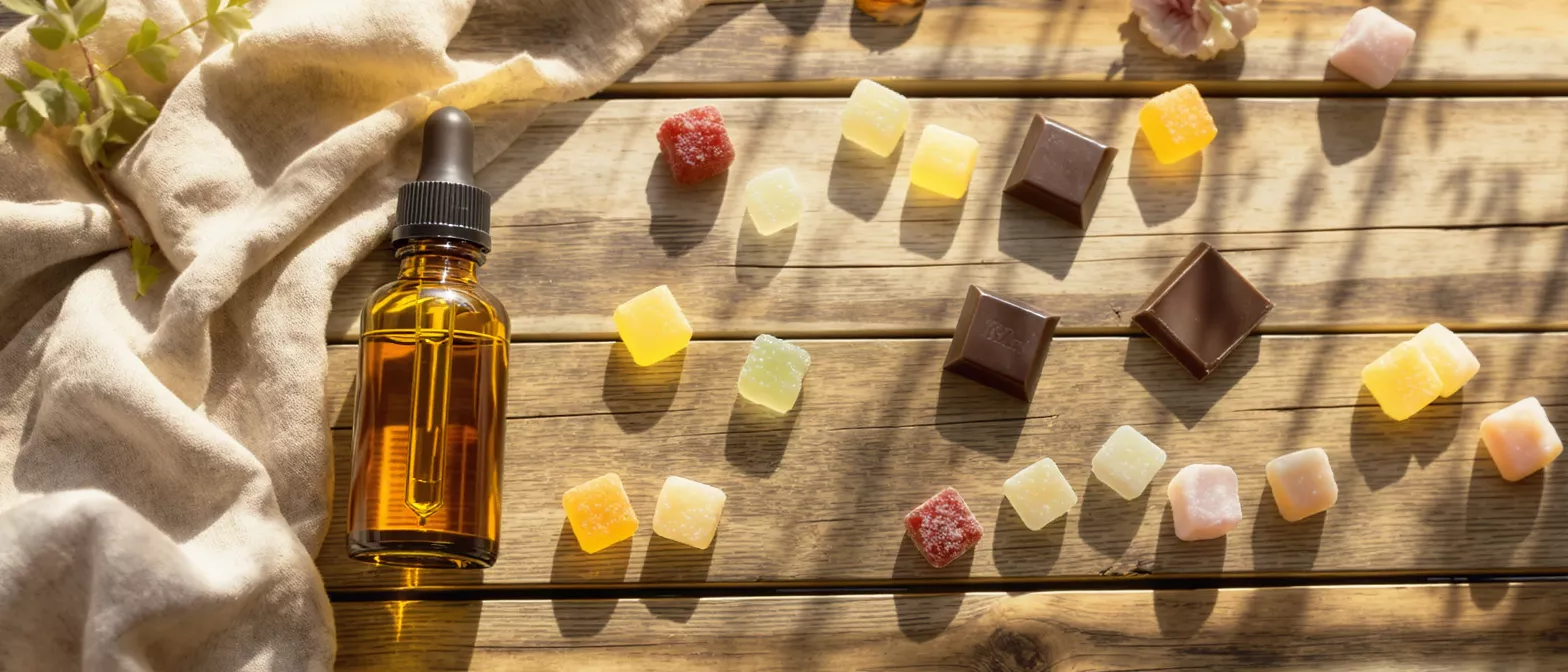
- 🍵 CBD edibles and thc tea: Long-lasting effects, though onset is slower due to digestion.
- 🌬️ Inhaled CBD: The fastest onset for acute flare-ups, though shortest in duration.
Match the format to the pain pattern. If your pain flares unpredictably, a fast-acting option like a tincture or even a thc vape pen offers quick control. For steady, all-day aches, a capsule schedule delivers smooth, predictable coverage. Many experienced users layer formats, using a long-acting capsule as a foundation and a topical or fast option for breakthrough discomfort.
Quality also separates the best products from the rest. Look for third-party lab testing, clearly stated cannabinoid content, and clean extraction methods. A product rich in protective antioxidants like Tocopherol, the vitamin E family, signals thoughtful formulation. Ignore flashy gimmicks like novelty thc lipstick or a thc shatter bar marketed on hype rather than substance.
CBD Pain Cream in Canada and Topicals
For Canadians specifically, the market for CBD pain cream in Canada has matured significantly, with regulated products offering reliable potency and transparent labelling. Topicals are a popular starting point because they carry virtually no risk of intoxication and let you target a precise area without affecting the rest of your body.
How to apply topical CBD for best results. Use a generous amount and massage it thoroughly into clean skin over the painful area, repeating every few hours as needed. Warming the skin first with a shower or heating pad can improve absorption. Consistency over several days often produces better results than a single application, since the compound builds up in the local tissue.
Some topicals blend CBD with other soothing botanicals and even functional mushrooms like Lion’s Mane for a more comprehensive wellness angle. While the cream itself works locally, choosing a well-formulated CBD topical for joint relief ensures the supporting ingredients actually contribute rather than just padding the label. Read the full ingredient list and prioritize products that disclose exactly how much CBD each application delivers.
CBD Oil vs CBD Pills for Pain
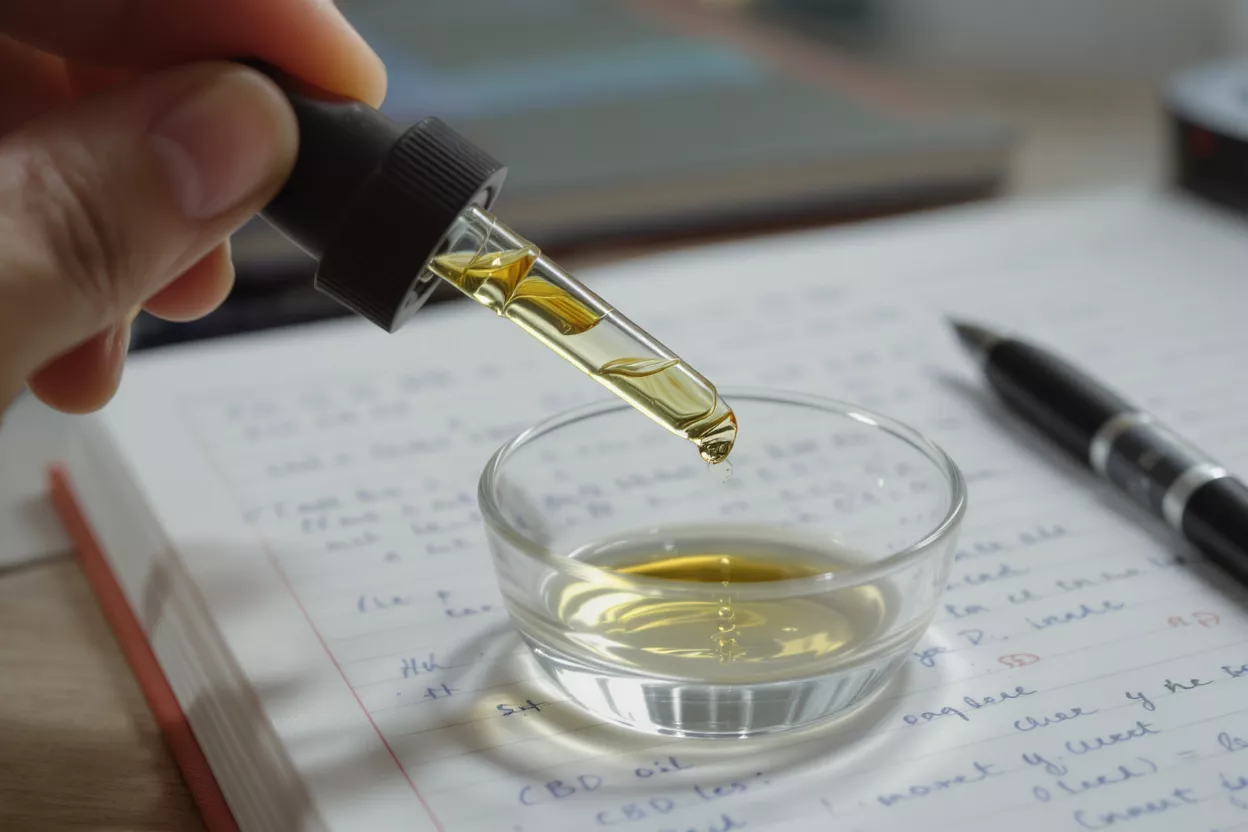
When it comes to systemic relief, the two most popular choices are oils and capsules, and each has clear trade-offs. CBD oil for pain offers flexibility: you can adjust your dose drop by drop and benefit from faster absorption when held under the tongue. CBD pills for pain, on the other hand, deliver a fixed, fuss-free dose that is easy to track and travel with.
Oils win on flexibility and speed. Sublingual absorption lets CBD enter your bloodstream more directly, with effects often felt within fifteen to forty-five minutes. This makes oil a strong choice when you are still dialling in your ideal dose or want to respond to changing pain levels through the day. The flavour can take getting used to, and precise dosing requires a steady hand with the dropper.
Capsules win on convenience and consistency. A pill removes guesswork entirely; you know exactly how much you are taking every time. The trade-off is slower onset, since the capsule must pass through digestion before the CBD reaches your system. For people managing steady chronic pain who value routine, that predictability is often worth the wait. Neither format is inherently better, only better suited to particular lifestyles and pain patterns.
CBD Dosage for Pain: A Practical Guide
Finding the right CBD dosage for pain is more art than science, because individual factors like body weight, metabolism, the severity of your pain, and your unique endocannabinoid system all influence how you respond. The golden rule is to start low and go slow, increasing gradually until you find the smallest effective dose.
- 🌱 Start small: Begin with 10 to 20 mg of CBD per day and observe how you feel.
- 📈 Increase gradually: Raise your dose by 5 to 10 mg every few days as needed.
- 📓 Track your response: Keep a simple journal of dose, timing, and pain levels.
- ⏱️ Be patient: Give each dose level several days before deciding it is not working.
- 🎯 Find your floor: Settle on the lowest dose that delivers consistent relief.
Many people managing moderate chronic pain end up somewhere between 20 and 60 mg per day, often split into two doses, though some need more and some need far less. Timing matters too: a morning dose can help you face the day, while an evening dose may ease pain that interferes with sleep. If you use a tincture, the dropper makes incremental adjustments simple.
Remember that consistency beats intensity. CBD tends to work best when taken regularly so it can maintain a steady presence in your system, rather than as an occasional rescue remedy. Building it into a daily routine, much like a vitamin, usually produces the most reliable results over weeks rather than hours.
Is CBD Pain Relief Safe?
CBD has a strong safety profile, and most people tolerate it well even at relatively high doses. The most common side effects are mild and include drowsiness, dry mouth, changes in appetite, and occasional digestive upset. These usually fade as your body adjusts or when you lower the dose, which is another reason the start-low approach is so valuable.
Drug interactions are the real concern. CBD can interfere with how your liver metabolizes certain medications, including some blood thinners, seizure medications, and drugs that carry a grapefruit warning. This is not a reason to avoid CBD, but it is an essential reason to talk with your doctor or pharmacist before adding it to your routine, especially if you take prescription medication regularly.
Quality and honesty about sourcing matter for safety as much as effectiveness. Choose products with current third-party lab results that confirm both cannabinoid content and the absence of contaminants like pesticides and heavy metals. Reputable brands make these certificates easy to find. When CBD is well-made and used thoughtfully, it is one of the gentler tools available for managing everyday pain.


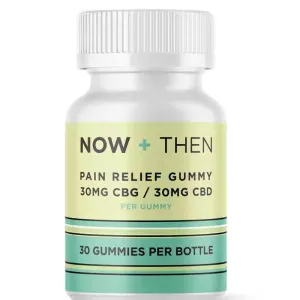
Pain Gummies 60mg CBD : CBG x 30 pcs (1800mg) – NOW+THEN
Serious relief, seriously tasty. NOW+THEN's Pain gummies pair 30mg of CBD with 30mg of CBG in each of 30 pieces — a dual-cannabinoid approach to everyday aches in a chewable you'll actually enjoy. No high, just steady, comprehensive comfort. The flavourful daily option for managing discomfort the gentle way.
- Synergistic Relief : CBD and CBG enhance each other's effects
- Powerful Anti-Inflammatory : Double cannabinoid action
- Nerve Pain Support : CBG specifically targets neuropathy
- Non-Intoxicating : Zero THC for anytime use
- Month Supply : Consistent daily management

Pain Gummies 60mg CBD : CBG x 15 pcs (900mg) – NOW+THEN
Dual-cannabinoid comfort, in a smaller pack. NOW+THEN's Pain gummies deliver 30mg of CBD and 30mg of CBG per piece across 15 chewables — science-backed cannabinoid synergy in a sweet, no-high format. Easy to dose, easy to enjoy. The everyday gummy for taking the edge off aches without the fuss.
- Dual Pain Relief : CBD and CBG work synergistically
- Anti-Inflammatory Power : Reduces swelling and discomfort
- Neuropathic Support : Effective for nerve-related pain
- No Psychoactive Effects : THC-free formula
- Flexible Dosing : 15 pieces for customized relief

CBD CBG Pain Tincture 1500mg – NOW+THEN
Targeted relief where regular CBD stops short. NOW+THEN's CBD+CBG Pain tincture combines two complementary cannabinoids at a robust 1500mg — a focused, whole-body approach to persistent aches. A measured dropper delivers steady, no-high comfort that builds into your routine. The higher-strength bottle for discomfort that needs more than CBD alone.
- Synergistic Pain Relief : Two cannabinoids work together
- Anti-Inflammatory Power : Reduces swelling and pain
- Neuropathic Support : Effective for nerve pain
- Fast Acting : Sublingual absorption in minutes
- Precise Control : Adjust dose for pain levels
Choosing the Right CBD Pain Product
Bringing it all together, the smartest approach is to match your product to your specific pain pattern rather than buying whatever is trending. Localized aches respond well to topicals, widespread or deep pain calls for oral formats, and unpredictable flare-ups benefit from fast-acting options you can deploy as needed. Many people find that a layered routine outperforms any single product.
- 🧴 For localized pain: Choose a quality topical cream or balm and apply consistently.
- 💊 For all-day relief: Build a baseline with capsules or a daily oil routine.
- ⚡ For flare-ups: Keep a fast-acting tincture or inhaled option on hand.
- 🔬 Always: Verify third-party lab results and clear cannabinoid labelling.
Look beyond the headline CBD number to the full formulation. Supporting terpenes, minor cannabinoids, and thoughtful additional ingredients all shape the experience, and full-spectrum products often outperform isolates for pain thanks to the entourage effect. Avoid products that lean on novelty over substance, and give any new product a fair trial of at least a week or two before judging it.
So, does CBD help with pain? For many people, the honest answer is yes, particularly for inflammatory and nerve-related discomfort, provided expectations stay realistic and dosing is approached methodically. It is not a cure-all, but as part of a broader plan that includes movement, rest, and professional medical guidance, CBD can be a genuinely useful ally. Start low, stay consistent, choose quality, and listen to your body, and you will quickly learn whether it earns a permanent place in your routine.



Comments