

Valencene
Discover what valencene brings to cannabis — citrusy aroma, anti-inflammatory research, and entourage effects.
What Is Valencene in Cannabis?
Valencene is a sesquiterpene best known for the bright, juicy orange aroma it lends to Valencia oranges — the fruit from which it takes its name. While it is far more abundant in citrus rinds than in cannabis, it appears as a minor terpene in certain cultivars, where it adds a sweet, tangy lift to the overall aroma profile. As interest in the chemistry behind cannabis flavor and effect has matured, lesser-known compounds like valencene have moved from footnotes to genuine talking points among growers, formulators, and informed consumers.
A precursor with downstream chemistry: One of the most interesting features of valencene is its role as a biosynthetic stepping stone. In nature and in the lab, it can be oxidized into nootkatone, the prized grapefruit-scented compound used in fragrances and even insect repellents. It also sits within the broader family of compounds related to Beta-Caryophyllene, another sesquiterpene with notable interactions in the body.
Understanding valencene matters because terpenes are no longer treated as mere garnish. They shape how a strain smells, how it tastes on the inhale, and — according to a growing body of research — how its effects feel. Knowing what valencene contributes helps you read a terpene report with more confidence and choose products that match your sensory preferences.
Where Valencene Comes From in Nature
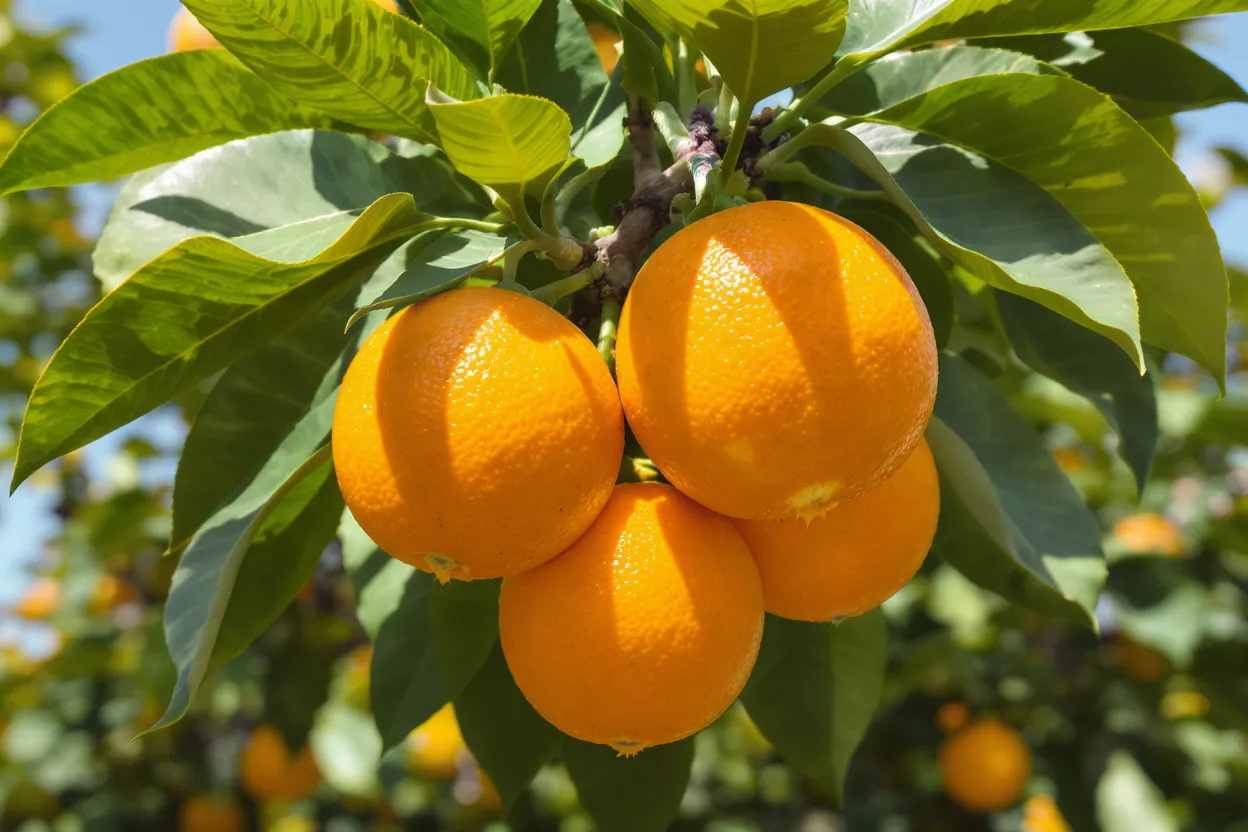
The name is a dead giveaway: valencene is concentrated in the essential oils of Valencia oranges and other citrus fruits. Commercial valencene is most often extracted from orange peel, where it occurs in meaningful quantities, making citrus the dominant natural reservoir of this terpene. Beyond oranges, trace amounts turn up in grapefruit, tangerines, and a scattering of aromatic herbs.
From citrus rind to extraction: Because valencene exists in relatively low concentrations even in cannabis cultivars rich in it, the citrus industry remains the practical commercial source. Producers isolate it for use in flavoring, perfumery, and as a feedstock for converting into nootkatone. This citrus heritage is exactly why valencene smells the way it does — your nose is reading the same molecule whether it encounters it in a freshly zested orange or a terpene-forward flower.
In cannabis specifically, valencene appears as a secondary or tertiary terpene rather than a headline compound like Myrcene or Limonene. Its presence varies widely between cultivars, growing conditions, and curing methods, which is part of why no two batches of the same strain ever smell identical.
What Does Valencene Smell and Taste Like?
If you have ever buried your nose in fresh orange peel, you already know valencene's signature. It carries a sweet, tangy, distinctly citrus aroma with green, herbaceous, and faintly woody undertones. In cannabis, it contributes the kind of bright orange-zest top note that makes a jar smell almost edible — clean, juicy, and refreshing rather than sharp or sour.
The flavor follows the aroma closely. On the palate, valencene-forward flower or extract tends to read as sweet citrus with a soft herbal finish, lacking the bitterness you might associate with some terpene profiles. This makes it a desirable contributor in cultivars bred for dessert-like or fruit-forward experiences.
Why aroma matters beyond enjoyment: Aroma is more than a pleasant detail. The scent profile of a strain offers clues about its terpene composition, and many consumers use smell as a first-pass quality check. A vivid, well-defined citrus note often signals careful cultivation and curing, while flat or muted aromas can hint at degradation from heat, light, or age.
How Valencene Works in the Body
Like other terpenes, valencene is a volatile organic compound that interacts with biological systems through several pathways. It is lipophilic, meaning it dissolves readily in fats and oils, which influences how it is absorbed and distributed once consumed. Research into terpenes suggests these molecules can interact with receptors, enzymes, and inflammatory signaling pathways rather than acting on a single target.
Receptor and enzyme interactions: Preliminary studies indicate valencene may modulate certain inflammatory mediators and signaling molecules involved in skin and immune responses. While much of this work has been performed in cell cultures and animal models rather than large human trials, it points to mechanisms that extend beyond pure aroma. As a relative of caryophyllene-type compounds, it sits in a chemical neighborhood known for measurable biological activity.
It is worth keeping expectations grounded. The concentrations of valencene present in a typical cannabis product are small, and most rigorous research has examined isolated valencene at doses unrelated to recreational or casual use. The honest takeaway is that valencene shows promising laboratory activity, but its real-world contribution within cannabis is best understood as one subtle voice in a larger chemical chorus.

Valencene Benefits and Research Highlights
The most frequently cited research on valencene centers on its anti-inflammatory and skin-protective potential. In laboratory studies, valencene has demonstrated the ability to suppress markers associated with inflammation, and some dermatological research has explored its capacity to protect skin cells from UVB-induced damage. These findings have made it a compound of interest in cosmetic and wellness formulations.
Here are the areas where valencene has attracted the most scientific attention:
- 🍊 Anti-inflammatory activity: Reduction of inflammatory mediators in cell and animal models.
- ☀️ Skin protection: Possible defense against UVB-induced photoaging and damage.
- 🧴 Cosmetic appeal: A pleasant citrus aroma that makes it attractive in topical formulations.
- 🦟 Insect deterrence: As a precursor to nootkatone, it links to compounds studied for repelling pests.
Reading benefits responsibly: It is important to separate documented laboratory findings from marketing claims. Valencene has genuinely interesting properties, but the evidence base is early-stage and largely preclinical. Treat it as a compound worth watching rather than a proven remedy, and let your product choices be guided by aroma preference and overall formulation quality rather than isolated benefit claims.
Is Valencene Anti-Inflammatory?
Among valencene's studied properties, its anti-inflammatory profile is the most consistently reported. In experimental models, valencene has been shown to downregulate pro-inflammatory cytokines and enzymes, the same class of signaling molecules involved in conditions ranging from skin irritation to broader inflammatory responses. This positions it alongside several other cannabis terpenes that share anti-inflammatory tendencies.
What the science actually shows: Much of the supporting data comes from studies on skin cells and animal models examining allergic or UV-triggered inflammation. In those settings, valencene application reduced inflammatory markers and helped preserve tissue structure. These are encouraging results, but they describe controlled experiments with isolated compounds — not the diluted concentrations found in everyday cannabis use.
For consumers, the practical message is one of cautious optimism. Valencene contributes to the overall terpene matrix that many believe supports cannabis's broader effects, and its anti-inflammatory credentials are real at the laboratory level. As always, anyone exploring cannabis for inflammation-related concerns should consult a healthcare professional rather than relying on a single terpene to do the heavy lifting.
Valencene vs Other Citrus Terpenes
Valencene is not the only terpene responsible for citrus character in cannabis, and comparing it to its aromatic cousins helps clarify what makes it distinct. The most famous citrus terpene is limonene, which delivers a sharper, more lemon-and-orange-peel brightness. Valencene, by contrast, leans sweeter and rounder, with that signature Valencia-orange warmth and a green, herbal edge.
Here is how valencene compares to other common aroma-driving terpenes:
- 🍋 Limonene: Sharp, bright citrus; one of the most abundant cannabis terpenes.
- 🍊 Valencene: Sweet, juicy orange with herbal undertones; a minor but characterful sesquiterpene.
- 🌲 Beta-Caryophyllene: Spicy, peppery; chemically related and notable for receptor activity.
- 🌿 Myrcene: Earthy, musky, herbal; often the dominant terpene by volume.
Why the distinctions matter: Each terpene carries its own aroma fingerprint and proposed effect tendencies. Valencene's value lies in nuance — it rarely dominates a profile, but it adds a refined sweetness that can transform an otherwise generic citrus strain into something memorable. Recognizing these differences lets you decode lab reports and predict how a strain might smell before you ever open the jar.
Valencene and the Entourage Effect
The entourage effect describes the theory that cannabis compounds — cannabinoids, terpenes, and flavonoids — work together synergistically to produce effects greater than the sum of their parts. Within this framework, even minor terpenes like valencene are thought to contribute, shaping the overall character of a product in ways that isolated compounds cannot.
The role of minor terpenes: While headline cannabinoids like THC and CBD get most of the attention, the supporting cast of terpenes is increasingly credited with modulating texture, onset, and feel. Valencene's potential anti-inflammatory activity and its kinship with caryophyllene-type compounds make it a plausible contributor to the entourage, even if it appears in modest concentrations.
The entourage effect remains a working hypothesis rather than settled science, and the research is still maturing. Still, it offers a useful mental model: rather than fixating on a single number on a label, consider the full terpene and cannabinoid spectrum. A product rich in complementary compounds, valencene included, may deliver a more rounded experience than its raw potency suggests.
Cannabis Strains High in Valencene
Because valencene appears as a minor terpene, strains that showcase it prominently tend to be those bred for citrus-forward profiles. Cultivars in the Tangie family, certain Orange-named varieties, and many dessert or fruit-leaning hybrids are common places to find detectable valencene on a terpene report. The terpene often arrives alongside limonene, reinforcing the bright orange character.
How to find valencene-rich products: The most reliable approach is to read certificates of analysis when they are available. A terpene panel will list valencene by name if it appears above the detection threshold, letting you confirm rather than guess. Failing that, trust your nose — a vivid, sweet, orange-zest aroma is a strong sensory signal that valencene is part of the mix.
Keep in mind that terpene profiles shift with genetics, growing conditions, harvest timing, and curing. Two grows of the same cultivar can present noticeably different valencene levels, so batch-to-batch variation is normal. When citrus character is your priority, sampling small quantities and noting which batches deliver that juicy orange brightness is the surest path to consistent satisfaction.
Is Valencene Safe to Consume?
Valencene enjoys a long history of safe human exposure thanks to its presence in everyday citrus fruits and its widespread use as a food and fragrance ingredient. It is generally recognized as safe in the flavoring contexts where it is most commonly used, and the trace amounts present in cannabis fall well within ordinary dietary exposure ranges. For most people, encountering valencene poses no special concern.
Sensible precautions: As with any aromatic compound, concentrated forms warrant respect. Undiluted terpene isolates can irritate skin and mucous membranes and should never be applied directly or inhaled in concentrated form. In the diluted concentrations found in flower, extracts, and properly formulated topicals, valencene is well tolerated by the vast majority of users.
If you have known citrus sensitivities or allergies, it is reasonable to approach citrus-forward products with the same caution you would apply to oranges themselves. Pregnant or nursing individuals, and anyone managing a medical condition, should consult a healthcare provider before adding new cannabis products to their routine. With those common-sense guidelines in mind, valencene is a friendly, familiar molecule that adds genuine sensory pleasure to the cannabis experience.
Valencene may be a minor player by volume, but it punches above its weight in character. From its citrus-grove origins and unmistakable sweet-orange aroma to its early but promising anti-inflammatory research and its role as a precursor to grapefruit-scented nootkatone, this sesquiterpene rewards a closer look. Understanding valencene helps you read terpene reports with more insight, choose products that match your sensory preferences, and appreciate the chemical complexity behind every fragrant jar. As cannabis science continues to mature, expect minor terpenes like valencene to keep earning the attention they deserve.




Comments