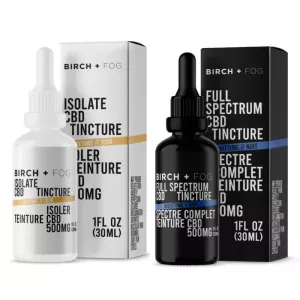
Full-spectrum vs. isolate CBD oils
Discover the key differences in full-spectrum vs isolate CBD oils, from the entourage effect to drug testing.
Standing in front of a wall of tinctures, the choice between full-spectrum vs isolate CBD is one of the first real decisions a shopper has to make, and it shapes everything from how the oil feels to whether it might register on a workplace screening. These two categories sound similar, but they represent fundamentally different approaches to extracting and refining the hemp plant. Understanding the distinction is the difference between buying blindly and buying with intention.
Hemp is a chemically busy plant. Beyond cannabidiol, it carries dozens of minor cannabinoids, aromatic terpenes, flavonoids, and trace plant compounds, each contributing something to the finished oil. Full-spectrum products keep that complexity intact, while isolates strip it all away until only pure CBD remains. Neither approach is universally superior; they simply serve different needs, body chemistries, and lifestyles.
This guide breaks down what each type actually is, how they are made, and how to match the right oil to your goals. We will cover the entourage effect, drug-testing realities, label literacy, and the practical questions that matter when you are spending real money on a wellness product you intend to use every day.
What Is Full-Spectrum CBD Oil?
The whole-plant philosophy sits at the heart of full-spectrum extraction. Rather than isolating a single molecule, full-spectrum oil captures the complete chemical profile of the hemp plant as nature assembled it. That means CBD takes center stage, but it travels alongside minor cannabinoids like CBG, CBC, and CBN, plus a fragrant cast of terpenes such as myrcene, limonene, and valencene that give each batch its distinctive aroma and character.
Crucially, full-spectrum oil contains trace amounts of THC, legally capped at 0.3% by dry weight in compliant hemp products. That figure is too low to produce the kind of high associated with recreational cannabis, but it is high enough to matter for certain purposes, including drug screenings, which we will revisit later. According to Johns Hopkins Medicine, cannabidiol products vary widely in composition, which is exactly why understanding what is inside your bottle is so important.
Because nothing is filtered out, full-spectrum oils tend to have a deeper, earthier, more herbal flavor that some people describe as tasting genuinely like the plant. If you have ever rolled a spliff or admired a well-cured Thai stick, that grassy, resinous quality will feel familiar. Many enthusiasts consider a robust full-spectrum tincture a top shelf 2025 wellness oil precisely because it preserves that natural intensity.
What Is Isolate CBD and How Is It Made?
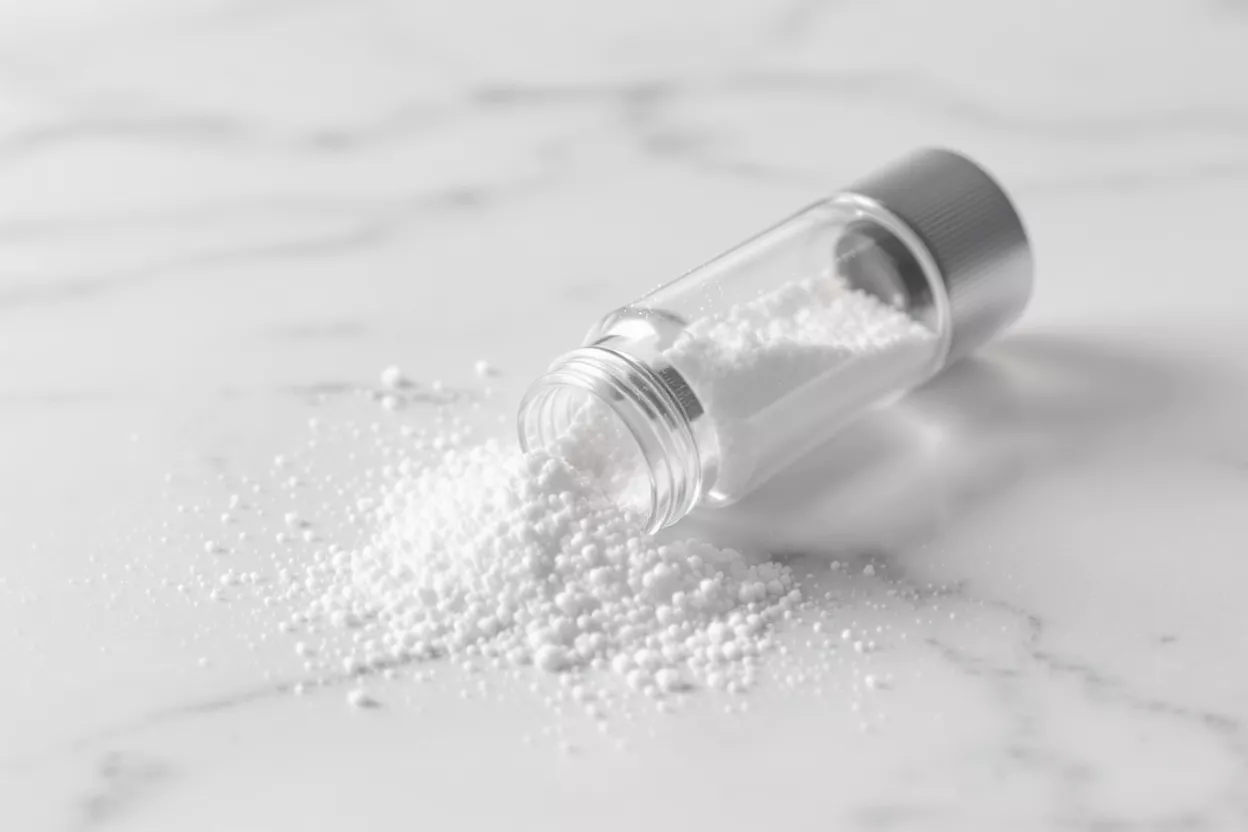
Pure CBD, nothing else is the simplest way to describe isolate. CBD isolate is cannabidiol refined to roughly 99% purity, typically appearing as a fine white crystalline powder or as crystals before it is blended into a carrier oil. Every other plant compound, including terpenes, flavonoids, and all traces of THC, has been removed during processing.
Reaching that level of purity takes several refinement steps. After the initial extraction, the crude oil goes through winterization to remove fats and waxes, followed by filtration and distillation. The CBD is then crystallized and washed until only the isolated molecule remains. This is meticulous, lab-driven work, closer to pharmaceutical refining than to traditional plant processing.
The appeal of isolate is precision and predictability. You know exactly how many milligrams of CBD you are taking with zero THC in the equation, which makes dosing transparent and reproducible. For people who are sensitive to other cannabinoids, who follow strict workplace policies, or who simply prefer a clean, flavorless oil they can stir into coffee during a relaxed wake and bake morning, isolate offers a tidy, controllable option.
Full-Spectrum vs Isolate CBD: The Core Differences
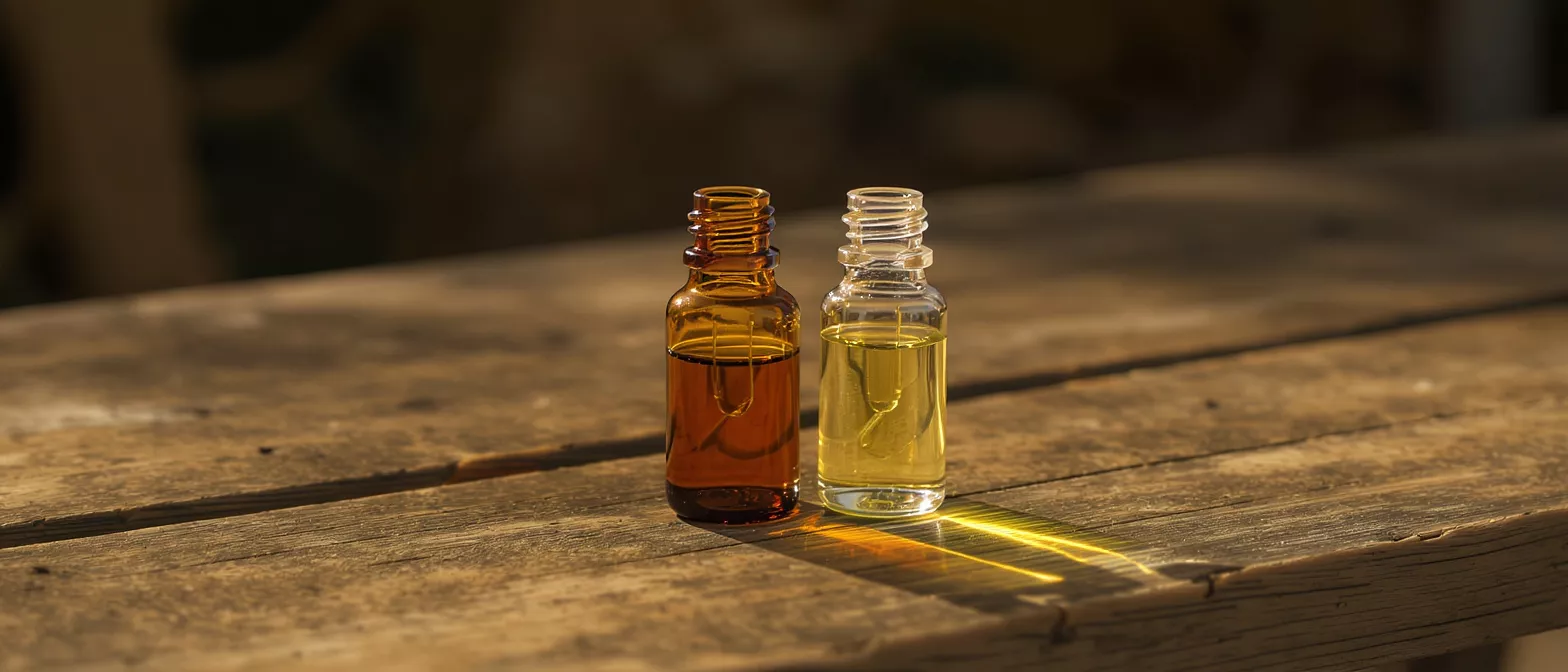
When you line the two up side by side, the contrast becomes clear. The decision really comes down to whether you want the full chemical orchestra of the hemp plant or a single, purified instrument playing solo. Both have legitimate roles depending on what you value most.
Here is a quick comparison of how these two categories stack up across the factors most shoppers care about:
- 🌿 Composition: Full-spectrum keeps cannabinoids, terpenes, and flavonoids; isolate contains pure CBD only.
- ⚗️ THC content: Full-spectrum has up to 0.3% THC; isolate has none.
- 👅 Flavor: Full-spectrum tastes earthy and herbal; isolate is essentially flavorless.
- 🔬 Entourage effect: Present in full-spectrum, absent in isolate.
- 🧪 Best for: Full-spectrum suits those wanting whole-plant synergy; isolate suits THC-sensitive or tested users.
Neither column is a winner on its own. A shift worker subject to random testing may lean toward isolate, while someone chasing the most complete plant experience will gravitate to full-spectrum. Your body chemistry, goals, and circumstances decide which differences actually matter for you.
How the Entourage Effect Shapes Full-Spectrum CBD
The entourage effect is the leading theory explaining why full-spectrum oils often feel more rounded than the sum of their parts. The idea is that cannabinoids and terpenes work synergistically, with each compound subtly modulating how the others behave in the body. CBD on its own does one thing; CBD surrounded by CBG, CBN, and a chorus of terpenes may do something slightly richer.
Terpenes are central to this conversation. Myrcene, the same compound found in mango and hops, is associated with a relaxing, sedative quality. Limonene brings a bright citrus lift, while valencene contributes a fresh, orange-peel note. These aromatic molecules are not just flavor; researchers believe they may nudge the overall effect in specific directions, much the way theanine smooths the edge of caffeine.
It is worth being honest that the entourage effect remains an active area of study rather than settled science. The early research is promising, and many longtime users report a noticeable difference, but more rigorous trials are still needed. If you value that potential synergy, a well-made whole-plant hemp tincture gives you the best chance of experiencing it, since isolate by definition cannot offer it.
What About Broad-Spectrum CBD Oil?
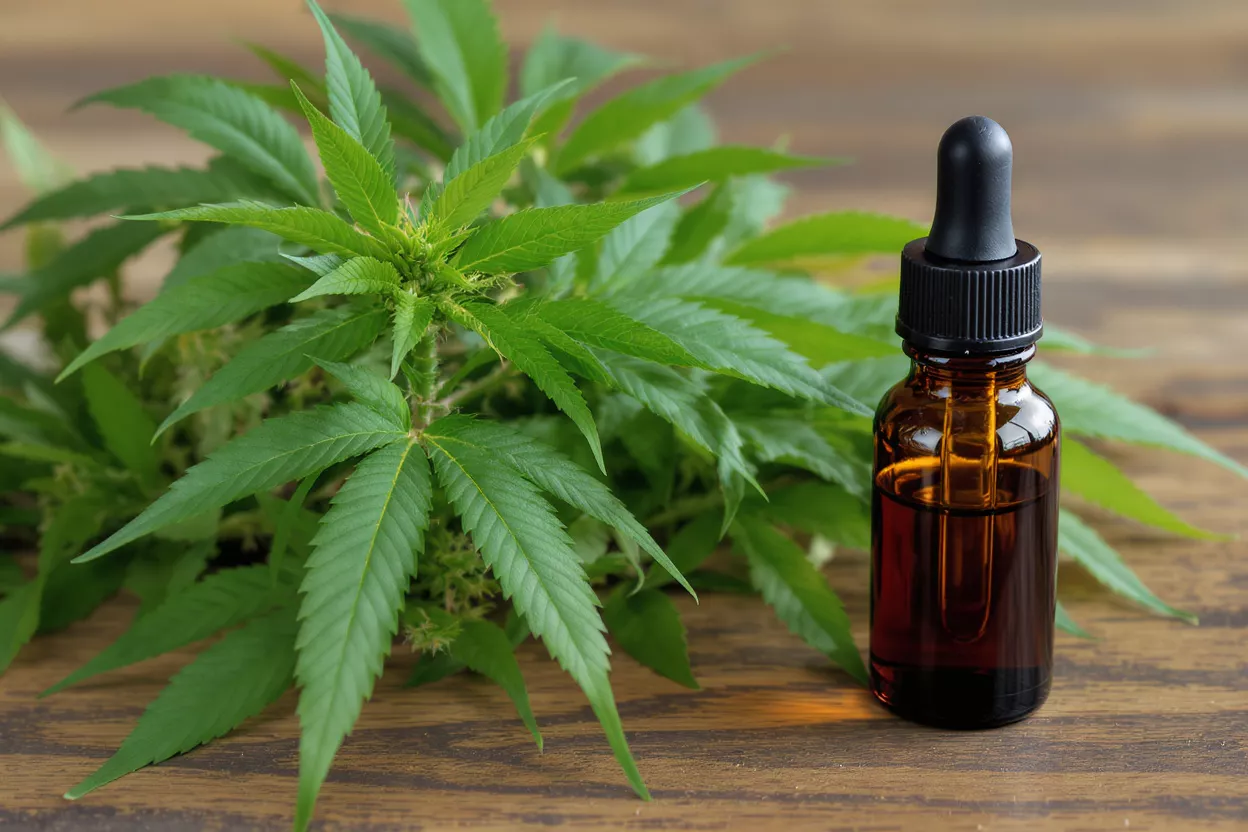
The middle path exists for shoppers who feel torn between the two extremes. Broad-spectrum CBD keeps most of the plant's beneficial compounds, including minor cannabinoids and terpenes, but undergoes additional processing to strip out detectable THC. In effect, it aims to capture much of the entourage effect without the trace THC that makes some people uneasy.
Think of broad-spectrum as full-spectrum with the THC carefully removed. The oil still carries CBG, CBC, terpenes like myrcene and valencene, and the flavonoids that give hemp its character. The extra step that pulls out THC adds processing, but for many people the trade-off is worth the peace of mind, especially if their job involves periodic screening.
That said, broad-spectrum is not a perfect guarantee. Processing methods vary, and trace THC can occasionally survive in amounts below labeling thresholds. Anyone who needs absolute certainty of zero THC should still consider isolate, while those who simply prefer minimized THC will find broad-spectrum a comfortable compromise. It pairs nicely with a calming evening routine, perhaps alongside a cup of valerian tea.
Benefits of Full-Spectrum vs Isolate CBD
Each format brings distinct advantages, and understanding them helps you align your purchase with your actual goals rather than marketing hype. The "better" choice is simply the one that fits your life.
Full-spectrum oils shine when you want the most complete representation of the hemp plant, while isolates excel at precision and purity. Here is how the practical benefits divide up:
- 🌱 Full-spectrum synergy: Access to the potential entourage effect from combined cannabinoids and terpenes.
- 🎯 Isolate precision: Exact milligram dosing with zero THC for total predictability.
- 😌 Full-spectrum character: Rich, natural flavor and aroma that reflects the source plant.
- 🧼 Isolate versatility: Flavorless and easy to blend into food, drinks, or DIY recipes.
- 🛡️ Isolate compliance: Ideal for strict workplaces or anyone avoiding THC entirely.
Many people experiment with both before settling on a favorite. You might keep a full-spectrum tincture for unwinding in the evening and an isolate-based product for daytime use when clarity and zero THC are priorities. There is no rule against owning a small wardrobe of CBD oils tuned to different occasions, and a clean flavorless CBD isolate tincture is an easy entry point for beginners.
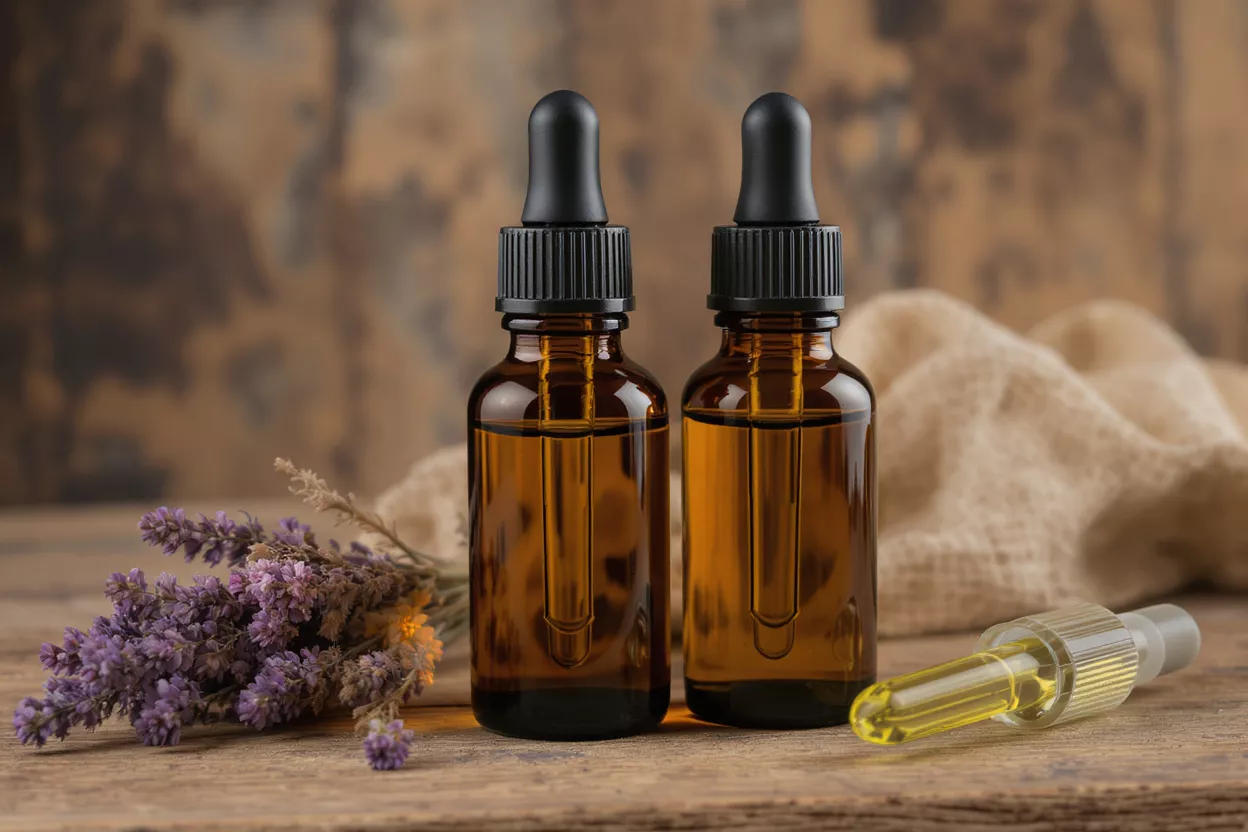
Is Full-Spectrum or Isolate CBD Better for You?
Start with your priorities rather than chasing whichever option sounds strongest. Ask yourself three questions: Do you undergo drug testing? Are you sensitive to THC or other cannabinoids? And how much do you value the potential whole-plant synergy? Your honest answers point you toward the right shelf almost immediately.
If you are subject to random screenings or hold a safety-sensitive job, isolate or a carefully verified broad-spectrum oil is the prudent route. If you have no testing concerns and want to explore the full character of hemp, full-spectrum gives you the richest experience. People new to CBD sometimes start with isolate to gauge how their body responds to cannabidiol alone, then graduate to full-spectrum once they understand their baseline.
Body chemistry plays a quiet but real role here. Two people can take the same oil and report different experiences, which is why CBD rewards patient self-experimentation. Begin with a modest dose, give it a couple of weeks, and adjust gradually. Keeping a simple journal of dose, timing, and how you felt turns guesswork into a personalized system you can actually trust.
Full-Spectrum vs Isolate CBD and Drug Testing
The THC question is the single most important practical reason this distinction matters. Standard drug tests do not screen for CBD; they look for THC and its metabolites. Because full-spectrum oils contain up to 0.3% THC, regular or heavy use can theoretically accumulate enough THC to trigger a positive result, even though the amount is far too small to cause intoxication.
Isolate removes this worry entirely, since it contains no THC at all. That is precisely why so many tested professionals, from commercial drivers to healthcare workers, gravitate toward pure CBD. Broad-spectrum sits in between: designed to be THC-free but still warranting caution, because no processing method is flawless and labeling does not always reflect minute residual amounts.
If your livelihood depends on passing a screening, do not gamble on close calls. Choose isolate from a brand that publishes third-party lab results confirming non-detectable THC, and keep that documentation handy. The peace of mind is worth far more than any marginal benefit you might gain from trace cannabinoids, no matter how appealing the entourage effect sounds on paper.
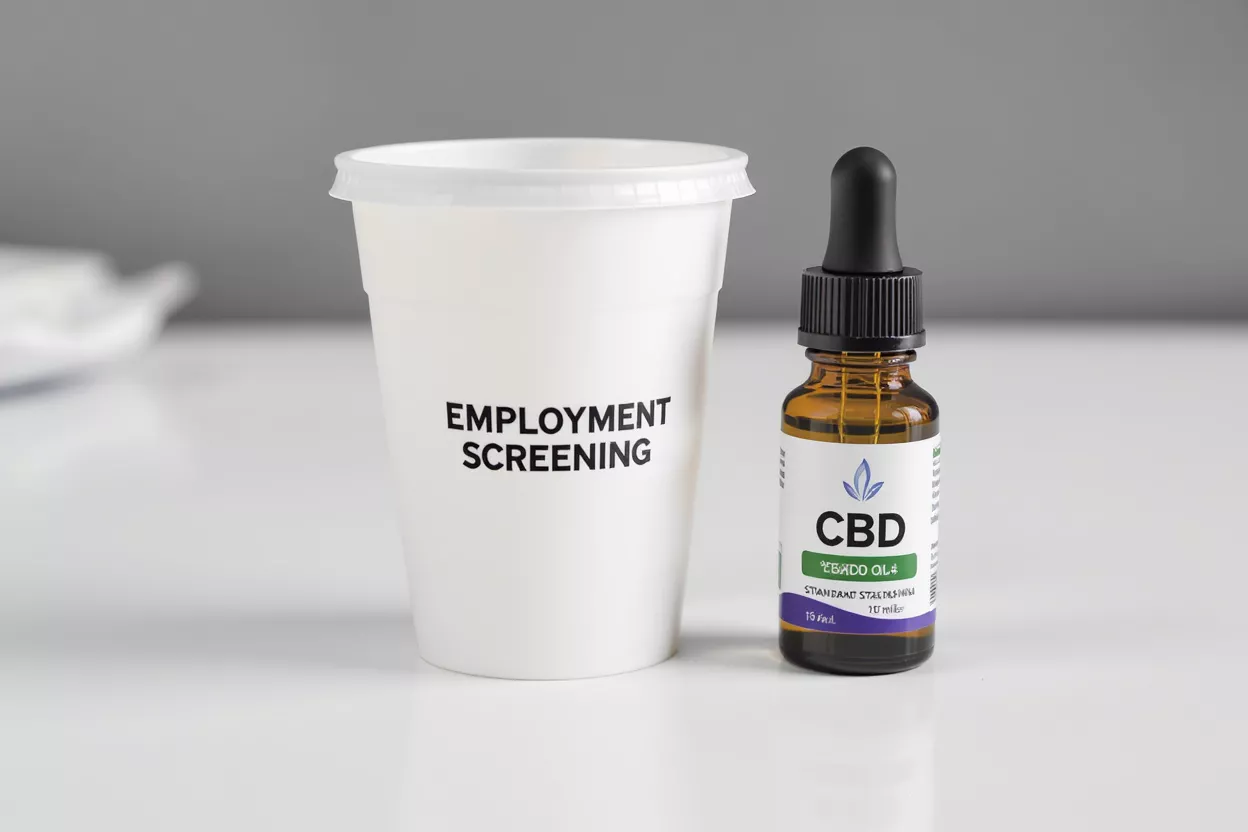
How to Read a CBD Oil Label and COA
The certificate of analysis is your most powerful tool for cutting through marketing claims. A reputable brand provides a third-party COA for every batch, listing the exact cannabinoid profile, including total CBD, THC content, and any minor cannabinoids present. If a company cannot produce one, treat that as a red flag and move on.
Beyond cannabinoids, a thorough COA screens for contaminants: pesticides, heavy metals, residual solvents from extraction, and microbial impurities. It may also confirm processing steps like winterization that affect the final product. Some labels reference stabilizers such as xanthan in emulsified formats, though most straightforward tinctures are simply CBD suspended in a carrier oil like MCT or hemp seed oil.
When reading the front label, match the milligram count to the bottle size to calculate concentration per serving. A 30ml bottle labeled 1500mg delivers roughly 50mg of CBD per milliliter, and that math lets you compare value across brands honestly. Look for terms like full-spectrum, broad-spectrum, or isolate stated plainly; vague language is often a sign the brand is hiding something rather than highlighting it. Many quality tinctures even come with a child-resistant cap reminiscent of a 510 thread fitting for secure storage.
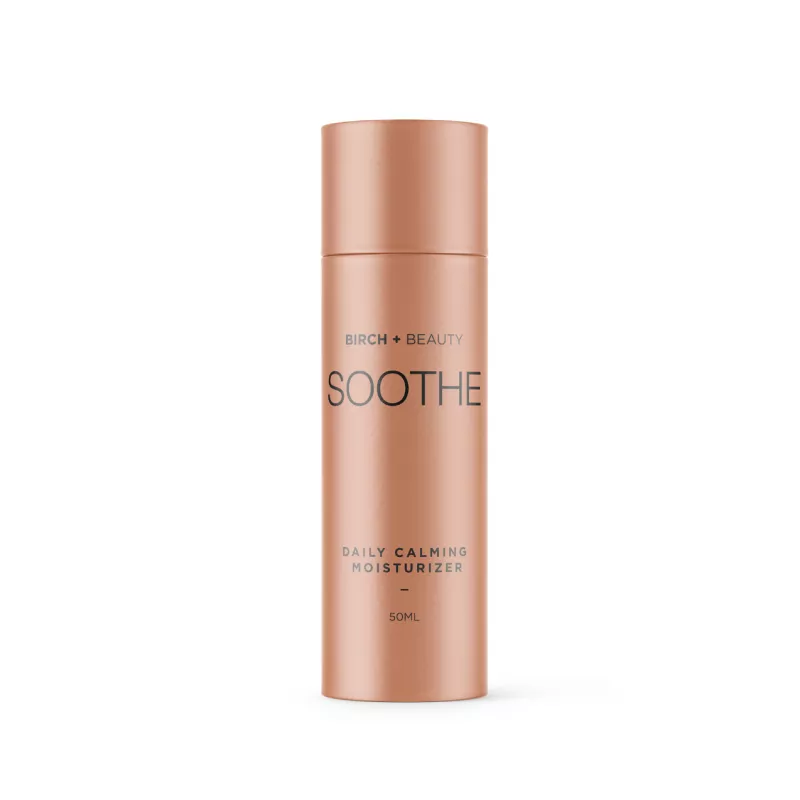

Soothe Daily Calming CBD Moisturizer 500mg – BIRCH+BEAUTY
A peace treaty for reactive skin. Birch+Beauty's Soothe moisturizer brings 500mg of CBD together with ceramides, colloidal oatmeal, and centella to calm redness and rebuild a stressed skin barrier. Gentle and deeply comforting, it's the daily balm for sensitive, easily-irritated complexions — instant comfort now, steadier, calmer skin over time.
- Inflammation Control : 500mg CBD dramatically reduces redness and irritation at the cellular level
- Barrier Repair : Ceramides rebuild compromised skin barriers for long-term resilience
- Instant Comfort : Colloidal oatmeal provides immediate relief from itching and burning
- Healing Acceleration : Centella asiatica speeds recovery from irritation and prevents scarring
- Sensitivity Shield : Creates protective layer against environmental triggers and allergens

Calm CBD Capsules 25mg x 30pcs – BIRCH+FOG
Steady calm in a swallow-and-go capsule. Each of these 30 capsules carries 25mg of pure CBD that gets to work in minutes, not hours, softening racing thoughts and tight shoulders when stress takes the wheel. No measuring, no dropper, no taste — just consistent, even relief you can keep in your bag and reach for the moment the day starts to spin.
- Anxiety Relief : Calms racing thoughts within 30 minutes
- Stress Reduction : Lowers cortisol and tension naturally
- Mental Clarity : Reduces anxiety without mental fog
- Physical Relaxation : Eases muscle tension and restlessness
- Sleep Support : Promotes relaxation without sedation
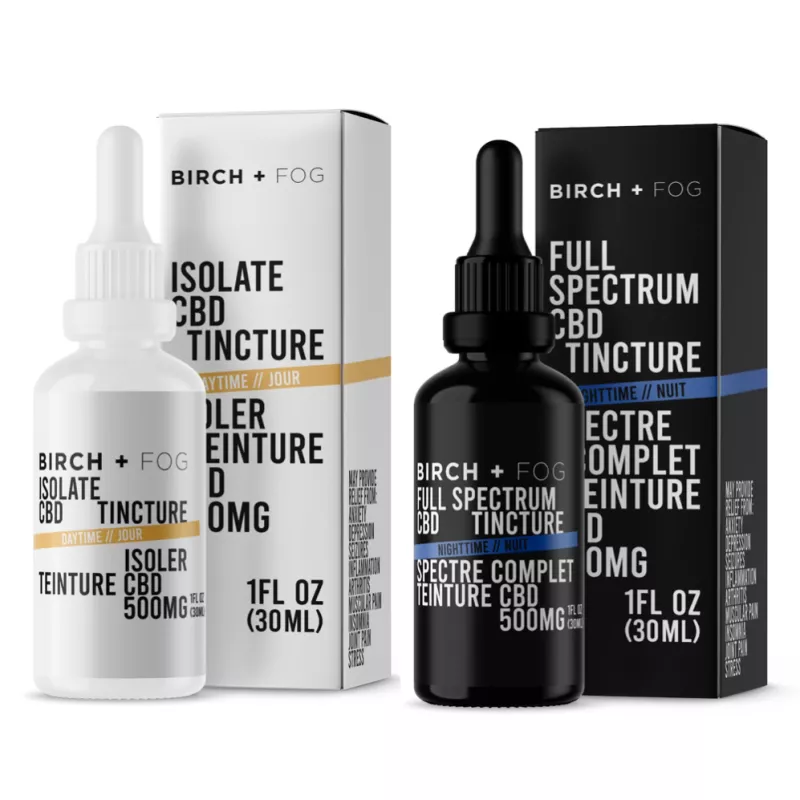
Day + Night CBD Tincture Duo 500mg – BIRCH+FOG
Gentle, all-day calm in a thoughtful morning-and-evening pair. This 500mg duo splits CBD across two specialized formulas — energizing terpenes to steady your daytime, soothing ones to ease you toward sleep. Low and approachable, it's the perfect introduction to how terpenes shape the experience: relief that keeps pace with your hours, from first coffee to lights out.
- Gentle Introduction : Perfect strength for first-time CBD users
- Educational Experience : Learn how terpenes affect CBD
- Day/Night Balance : Maintain energy while getting relief
- Sleep Support : Evening formula helps establish better rest
- Stress Management : All-day anxiety relief at comfortable level
Choosing the Right CBD Oil for Your Routine
Match the oil to the moment instead of hunting for one product to do everything. Your morning needs differ from your evening wind-down, and your CBD routine can reflect that. A clear-headed isolate might suit a busy workday, while a full-spectrum tincture earns its place as part of a relaxing nightly ritual.
Consider how you will actually take the oil. Sublingual tinctures held under the tongue offer faster onset than capsules, while flavorless isolate blends seamlessly into smoothies or tea. Think about timing, taste preferences, and whether you want a versatile product or one tuned to a specific purpose. Consistency matters more than any single dose, so choose something you will genuinely enjoy using day after day.
Ultimately, the full-spectrum vs isolate CBD decision is not about which is objectively best but about which is best for you. Full-spectrum offers whole-plant richness and the potential entourage effect; isolate offers purity, precision, and zero THC. Broad-spectrum bridges the gap for those who want most of the plant without the THC. Start with your priorities, insist on transparent lab testing, begin with a modest dose, and adjust as you learn how your body responds. Approach it with curiosity rather than hype, and you will land on an oil that genuinely fits your life.