Health benefits of cannabis oil 2026
Discover cannabis oil benefits for pain, sleep, and anxiety.
What Are Cannabis Oil Benefits?
The conversation around cannabis oil benefits has matured well past the hype cycle of the late 2010s. What was once fringe wellness chatter is now backed by a steadily growing body of clinical evidence, and as we move into 2026, consumers are far more informed about what these extracts can and cannot do. Cannabis oil refers broadly to concentrated extracts drawn from the cannabis plant, suspended in a carrier oil for easier dosing and absorption. Depending on the formulation, the active ingredients may include CBD, THC, minor cannabinoids, and a constellation of terpenes that shape the overall effect.
The difference between hemp-derived and cannabis-derived oils matters more than most newcomers realize. Hemp-derived oils are legally defined by their low THC content and lean heavily on CBD, while full cannabis oils may carry significant THC alongside other compounds. Both categories deliver distinct experiences, and the "best" choice depends entirely on what you want from the product — calm focus, deep rest, or targeted physical relief. This is why blanket claims about cannabis oil rarely hold up; the benefits are formulation-specific.
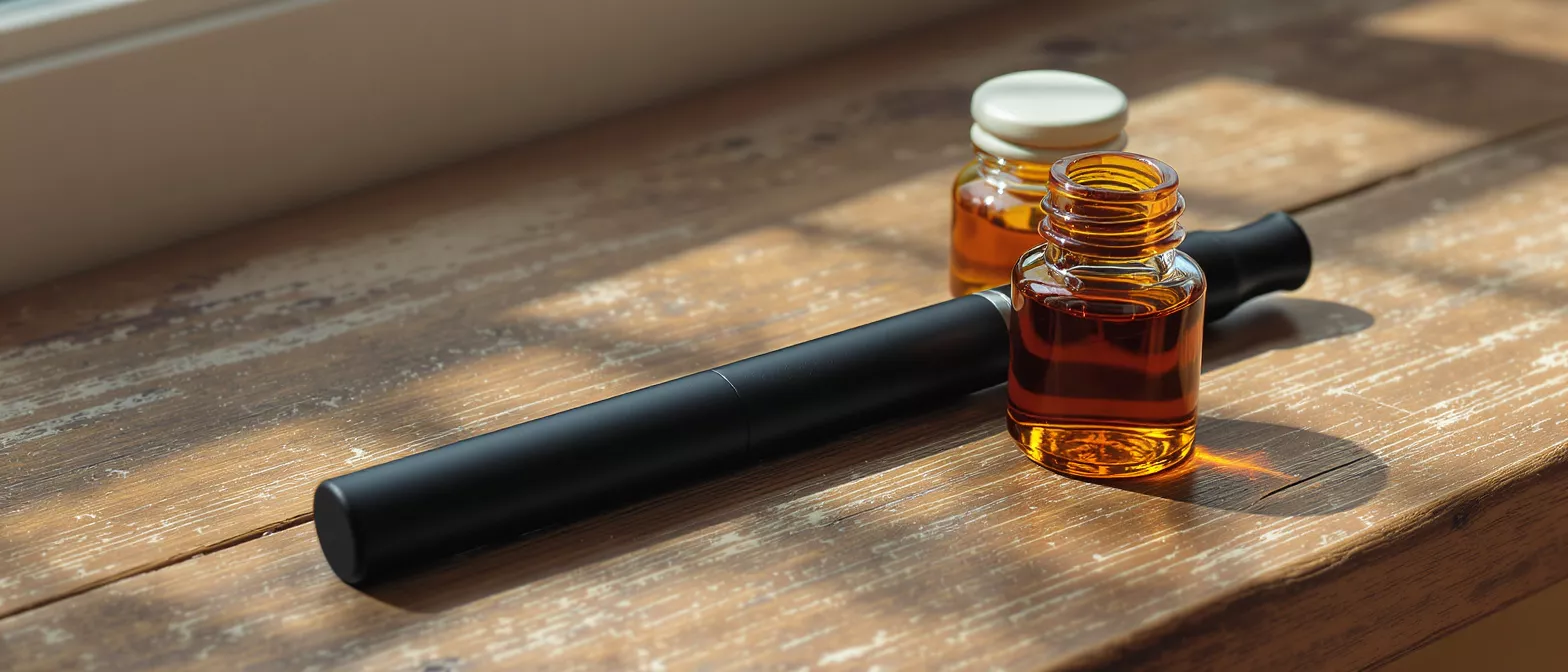
What makes cannabis oil genuinely compelling is its versatility. A single bottle of well-made tincture can be dosed precisely under the tongue, blended into food, or applied as part of a topical routine. That flexibility, combined with the precision of measured droppers, has made tinctures one of the most approachable ways to explore cannabinoids. For anyone curious about getting started, a gentle full-spectrum CBD tincture is often the most forgiving entry point.
How Cannabis Oil Works in the Body
To understand cannabis oil benefits, you have to understand the endocannabinoid system — a vast signaling network that helps regulate mood, sleep, appetite, pain perception, and immune response. Your body produces its own cannabinoids, and the plant-derived compounds in cannabis oil interact with the same receptors, primarily CB1 in the nervous system and CB2 in immune tissue. This overlap explains why a single extract can influence such a wide range of bodily functions.
The entourage effect is the principle that cannabinoids and terpenes work better together than in isolation. A full-spectrum oil containing trace THC, CBD, CBG, and aromatic terpenes like valencene tends to produce a more rounded effect than an isolated single compound. Theanine, more commonly associated with green tea, is sometimes paired with cannabis formulations for added calm, and the synergy principle is similar — compounds amplifying one another's strengths.
Absorption is where method matters. According to Everyday Health, sublingual administration allows cannabinoids to enter the bloodstream through tissue under the tongue, bypassing much of the digestive breakdown that reduces potency in edibles. This is why a few drops held under the tongue often work faster and more predictably than swallowing the same dose. Understanding bioavailability is the key to getting consistent results rather than guessing.
Cannabis Oil Benefits for Pain and Inflammation
Pain management remains the single most common reason people turn to cannabis oil, and the research here is among the most robust. Cannabinoids appear to modulate pain signaling at multiple points, dampening both the perception of pain and the inflammatory processes that often drive it. For people living with chronic conditions, this dual action is appealing because it addresses symptoms without the dependency profile associated with some conventional options.
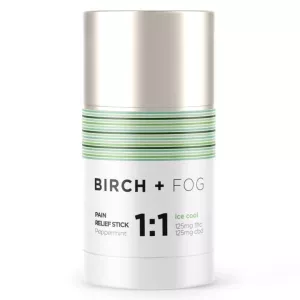
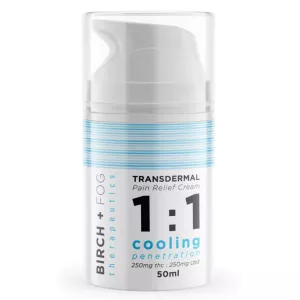
Inflammation and recovery is an area where cannabis oil shines for active lifestyles. Athletes and weekend warriors increasingly fold cannabinoids into their recovery routines, often combining oral tinctures with a CBD muscle balm applied directly to sore joints. The localized approach allows compounds to act where they are needed without significant systemic effect, which appeals to those who want relief while staying clear-headed.
It's worth being honest about expectations. Cannabis oil is not a miracle cure, and individual responses vary considerably based on body chemistry, the specific condition, and the formulation used. Some people find dramatic relief; others notice subtle improvements. The most reliable results come from consistent use over time rather than a single dose, since cannabinoids can build a more stable presence in the body with regular routines.
- 🌿 Chronic pain: Cannabinoids may reduce both nerve and inflammatory pain through CB1 and CB2 receptor activity.
- 💪 Post-workout recovery: Topicals target localized soreness without affecting mental clarity.
- 🔥 Inflammation: Terpenes and cannabinoids together may calm the inflammatory cascade.
- 🧘 Tension relief: Many users report easing of muscle tightness with consistent dosing.
Cannabis Oil Benefits for Sleep and Anxiety
Sleep and stress are deeply intertwined, and cannabis oil sits at a useful intersection between the two. Many people who struggle to wind down find that a measured evening dose helps quiet the mental chatter that keeps them awake. This is not sedation in the heavy pharmaceutical sense — it's more a gentle lowering of the body's alertness, making it easier to transition into rest naturally.
Anxiety and daily stress respond to cannabinoids in ways researchers are still mapping, but the early evidence is promising. Lower doses of CBD-forward oils tend to support a calmer baseline without the intoxication of higher-THC products. Some formulations borrow from traditional herbalism, pairing cannabinoids with valerian or theanine to reinforce the calming effect — a thoughtful blend rather than a blunt instrument.
For those who prefer to ease into the day rather than charge into it, a low-dose morning routine can take the edge off without dulling productivity. The phrase "wake and bake" has cultural baggage, but the principle of a measured morning microdose is genuinely different — small enough to smooth out anxiety while leaving you fully functional. A balanced low-dose sleep tincture taken before bed is one of the most popular reasons people first reach for cannabis oil.

Types of Cannabis Oil Explained
Not all cannabis oil is created equal, and the labels can be confusing. The three main categories — full-spectrum, broad-spectrum, and isolate — describe how much of the original plant chemistry survives the extraction process. Full-spectrum retains everything, including trace THC; broad-spectrum keeps most compounds but removes THC; and isolate is pure single-cannabinoid extract with nothing else along for the ride.
Extraction and refinement shape the final product more than most labels admit. Processes like winterization strip away fats and waxes to leave a cleaner oil, while careful preservation of terpenes maintains the flavor and the entourage effect. Cheap manufacturing often skips these steps, which is why two oils with identical cannabinoid counts can feel completely different. Quality lives in the details of processing, not just the headline numbers.
Beyond the standard tinctures, the extract world has expanded dramatically. From thc shatter bar concentrates to vape-ready oils designed for 510 thread batteries, the format options keep growing. While these guides focus on ingestible oils, it helps to know the broader landscape — terminology like 710, dabbing culture, and adapters all live in this same extract universe, even if your goals are purely wellness-oriented.
- 🌱 Full-spectrum: Contains all cannabinoids including trace THC for the strongest entourage effect.
- 🍃 Broad-spectrum: Keeps the supporting cast of compounds but removes THC entirely.
- 💧 Isolate: Pure single cannabinoid, ideal for those who want zero THC and a neutral taste.
- ⚗️ Live resin oils: Capture more terpenes for a richer, more aromatic profile.
How to Use Cannabis Oil Correctly
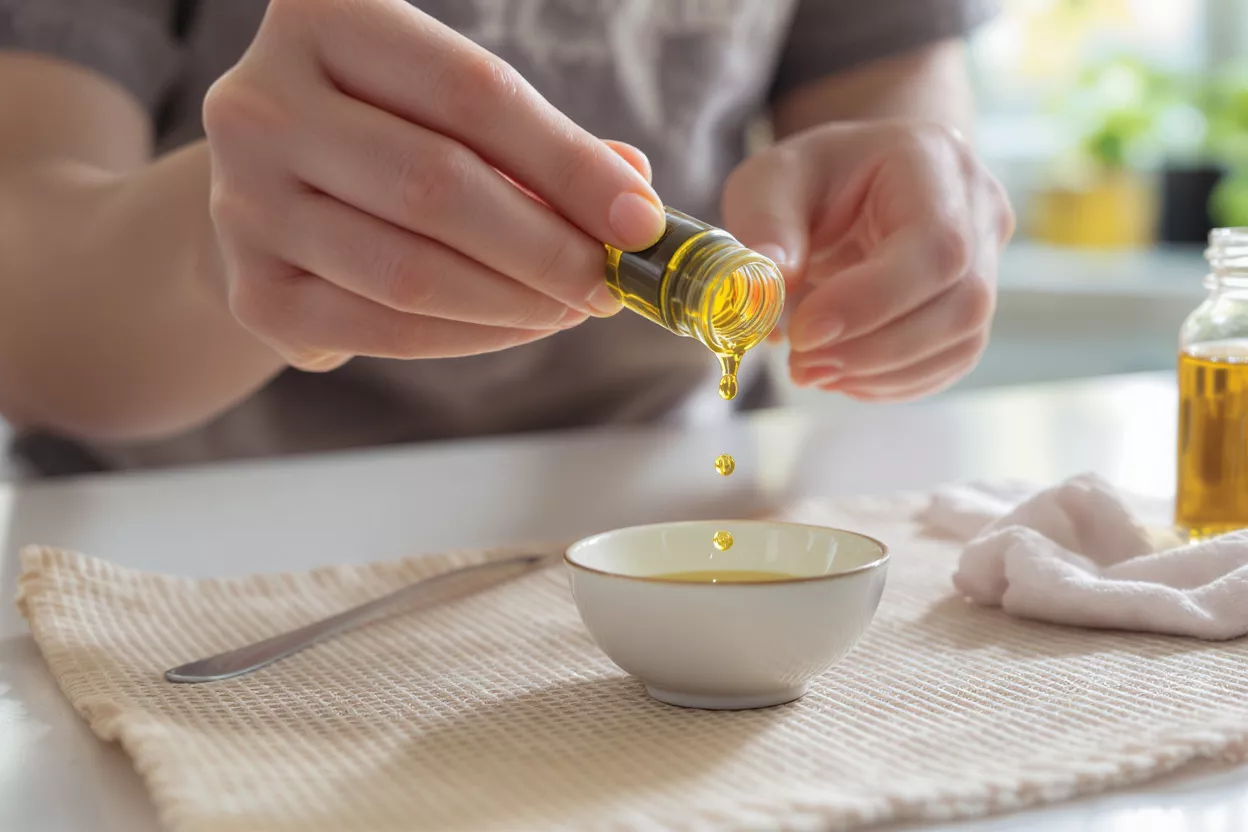
Using cannabis oil correctly comes down to consistency and patience. The most common method is sublingual dosing: place the desired number of drops under the tongue, hold for sixty to ninety seconds, then swallow. This window allows the cannabinoids to absorb through the mucous membranes before they reach the stomach, giving you faster onset and more efficient use of each dose.
Adding oil to food and drinks is another popular route, though it changes the experience. When swallowed, cannabis oil passes through the liver, which converts cannabinoids into forms that hit harder and last longer but take longer to kick in. This is why an oil blended into a smoothie or, in some traditions, even a spliff-adjacent ritual will feel slower than the same dose held under the tongue. Knowing the difference prevents the classic mistake of taking a second dose too soon.
Topical application rounds out the toolkit. Applied to the skin, cannabis oil and balms interact with local cannabinoid receptors without entering the bloodstream in meaningful amounts. This makes topicals ideal for targeted relief and a safe choice for anyone who wants benefits without any psychoactive effect. Combining methods — a topical for the knee, a tincture for sleep — is how many experienced users build a personalized routine.
Cannabis Oil Dosing Guide for Beginners
The golden rule of cannabis oil dosing is "start low, go slow," and it remains the single best piece of advice for newcomers. Begin with a small dose — often a single milligram or two of the active cannabinoid — and wait at least a few days before adjusting. Because everyone's endocannabinoid system is unique, the dose that transforms one person's sleep may do nothing for another. Patience here saves money and prevents unpleasant surprises.
Reading the label correctly is half the battle. A bottle's total milligram count tells you nothing useful until you divide it by the volume to find the strength per drop or per dropper. A 1,000 mg bottle is only "strong" if the serving size delivers a meaningful amount per dose. Reputable brands print this math clearly; vague labeling is a red flag worth heeding when you shop.
Timing and tolerance also matter over the long run. Regular users may find their bodies adjust, requiring small upward adjustments to maintain the same effect, while occasional users often stay sensitive to low doses. Keeping a simple journal of dose, timing, and results turns guesswork into a repeatable system, and that consistency is where the real cannabis oil benefits accumulate.
- 📏 Step one: Start with 1–2 mg and hold steady for several days.
- ⏱️ Step two: Note onset, intensity, and duration in a journal.
- 📈 Step three: Increase gradually only if needed, in small increments.
- 🔄 Step four: Reassess every week until you find your personal sweet spot.
Are Cannabis Oil Products Safe?
Cannabis oil enjoys a strong safety profile compared to many alternatives, but safe use still requires informed choices. The most common side effects — dry mouth, mild drowsiness, or slight changes in appetite — are generally mild and temporary. Serious adverse events are rare, particularly with CBD-forward products, which is part of why these oils have become so widely accepted in wellness circles.
Drug interactions are the one area that genuinely demands caution. Cannabinoids are processed by the same liver enzymes that metabolize many prescription medications, which means cannabis oil can occasionally amplify or blunt the effect of other drugs. Anyone taking blood thinners, certain heart medications, or other prescriptions should speak with a healthcare provider before adding cannabis oil to their routine. This is not fearmongering — it is the same diligence you'd apply to any supplement.
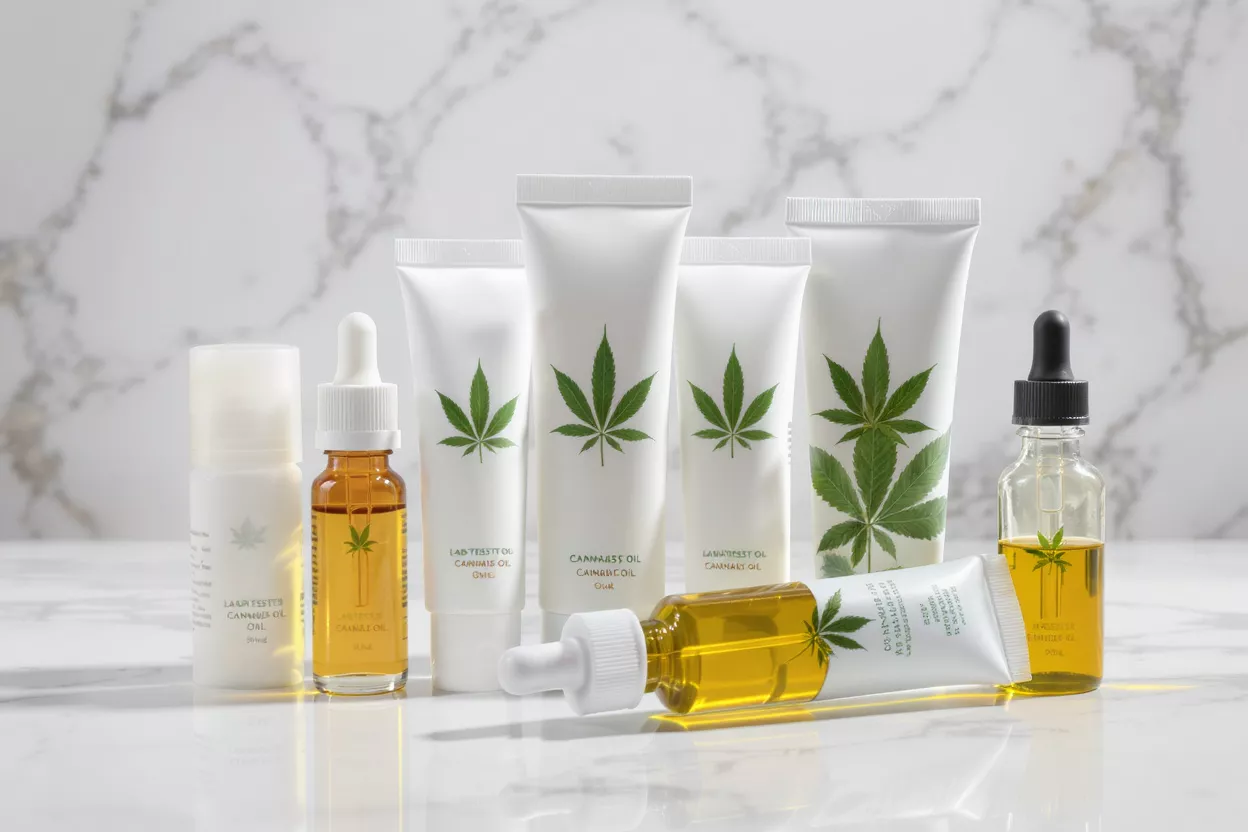
Quality control is the other safety pillar. Poorly made extracts can contain residual solvents, heavy metals, or pesticides, none of which belong in something you ingest. Stabilizers like xanthan gum appear in some emulsified products to keep them mixed, and that's harmless, but contaminants are not. Reaching for a third-party tested lab-verified hemp oil is the simplest way to sidestep the worst of the unregulated market.
Choosing Quality Cannabis Oil
With the market crowded by countless brands, knowing how to separate quality from marketing is essential. The single most important document is the Certificate of Analysis, an independent lab report confirming the product's cannabinoid content and screening for contaminants. A brand unwilling to share one openly is telling you something important. Reputable companies make these reports easy to find, often with a QR code right on the packaging.
Ingredients and sourcing deserve a careful read. The best cannabis oils use a clean carrier — MCT or hemp seed oil — and avoid unnecessary additives. Knowing where the cannabis was grown matters too, since plants readily absorb whatever is in their soil. Compounds like xanthophyll and other natural plant pigments are perfectly fine, but a long list of synthetic flavors and fillers suggests corners were cut somewhere along the line.
Finally, consider the full profile rather than just the headline cannabinoid. The presence of secondary compounds, the integrity of the terpene profile from the plant's stamen and resin glands, and the absence of harsh processing all contribute to a better experience. Brands that talk openly about their extraction — whether they use Swiss perc filtration or careful low-temperature methods — tend to be the ones that take quality seriously across the board.
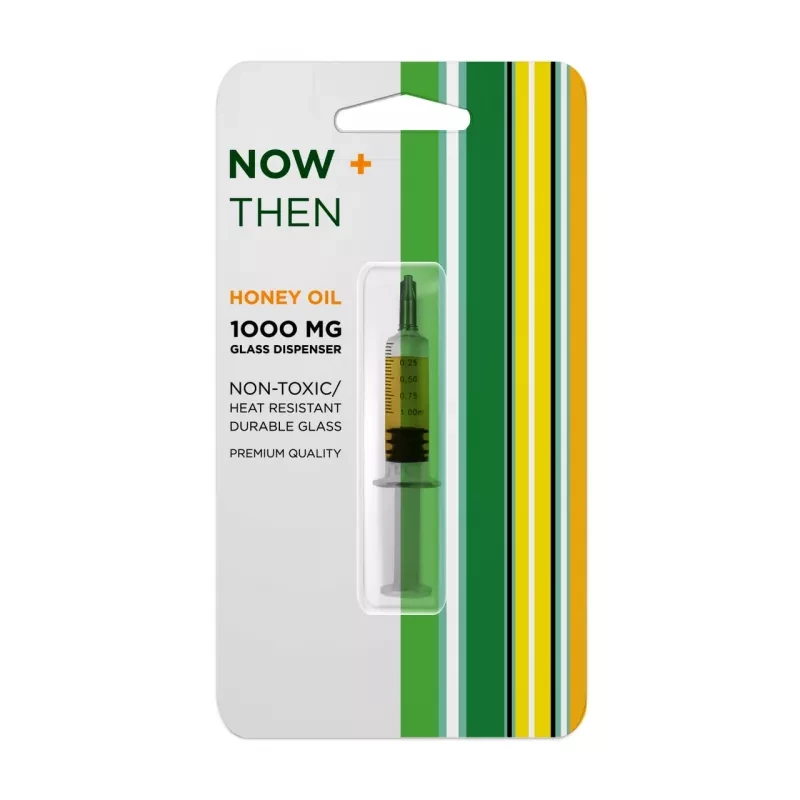

Honey Oil Vegan Glass Dispenser 1g – NOW+THEN
Precision dosing, golden and pure. NOW+THEN's Honey Oil dispenser holds a full gram of vegan golden extract in a professional glass syringe — measure exactly the dose you want, every time. Smooth, sweet, and versatile, it's made for dabbing, topping a bowl, or DIY edibles. Total control over a premium concentrate.
- Precise Dosing : Lab-tested for consistent, repeatable doses
- Golden Standard Effects : Smooth, balanced high characteristic of premium extracts
- Multi-Method Compatibility : Seamlessly integrate with any consumption method
- Ethical Production : Completely vegan with zero animal-derived ingredients
- Premium Glass : Preserves the extract's integrity
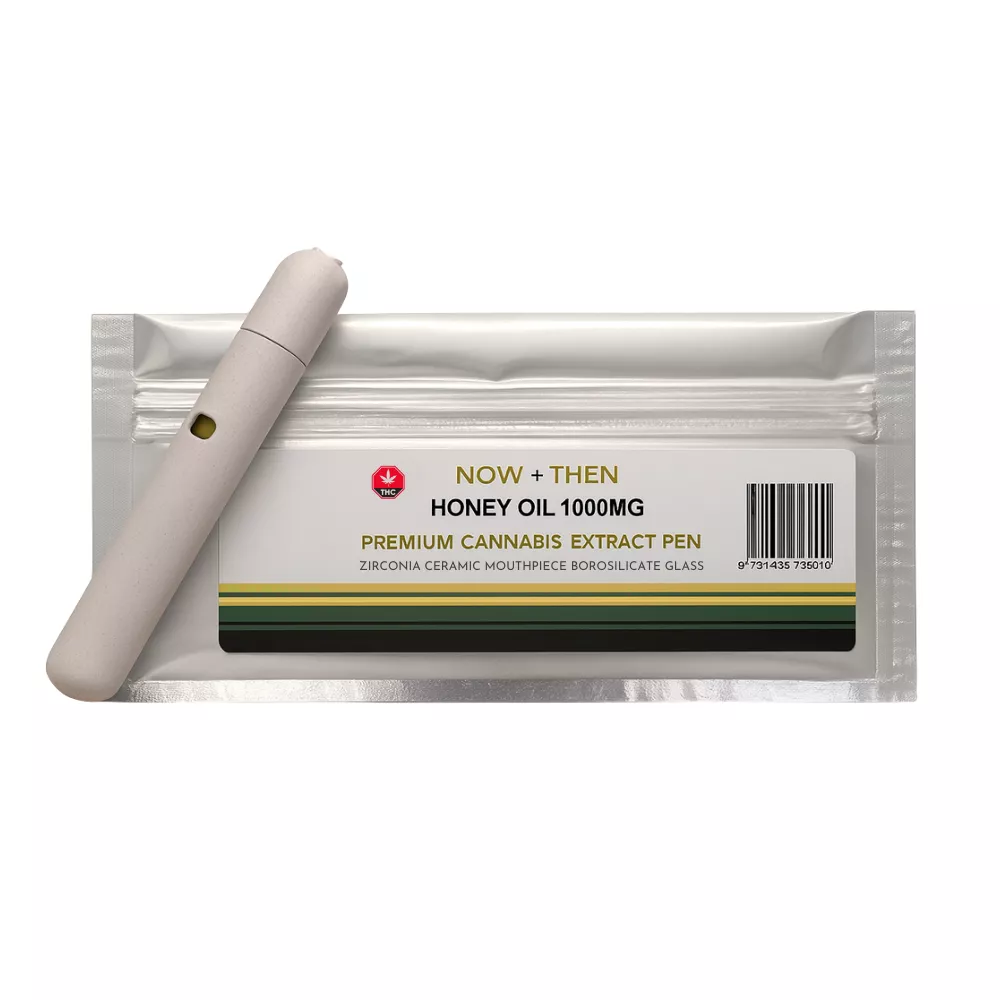
Honey Oil THC Vape Pen 1g – NOW+THEN
Legendary smoothness, modern format. NOW+THEN's Honey Oil pen seals a full gram of premium golden extract in a sleek disposable — draw and enjoy rich, naturally sweet vapour with zero fuss. Mellow, flavourful, and effortless. Honey oil tradition, reimagined for your pocket.
- Throat-Friendly Formula : Remarkably gentle inhalation despite high potency levels
- Harmonious Effects : Expertly balanced cerebral and physical sensations
- Rapid Onset : Experience effects within minutes of inhalation
- Zero Upkeep : Complete disposable system requires no maintenance
- Reliable Performance : Uniform vapor quality throughout entire capacity
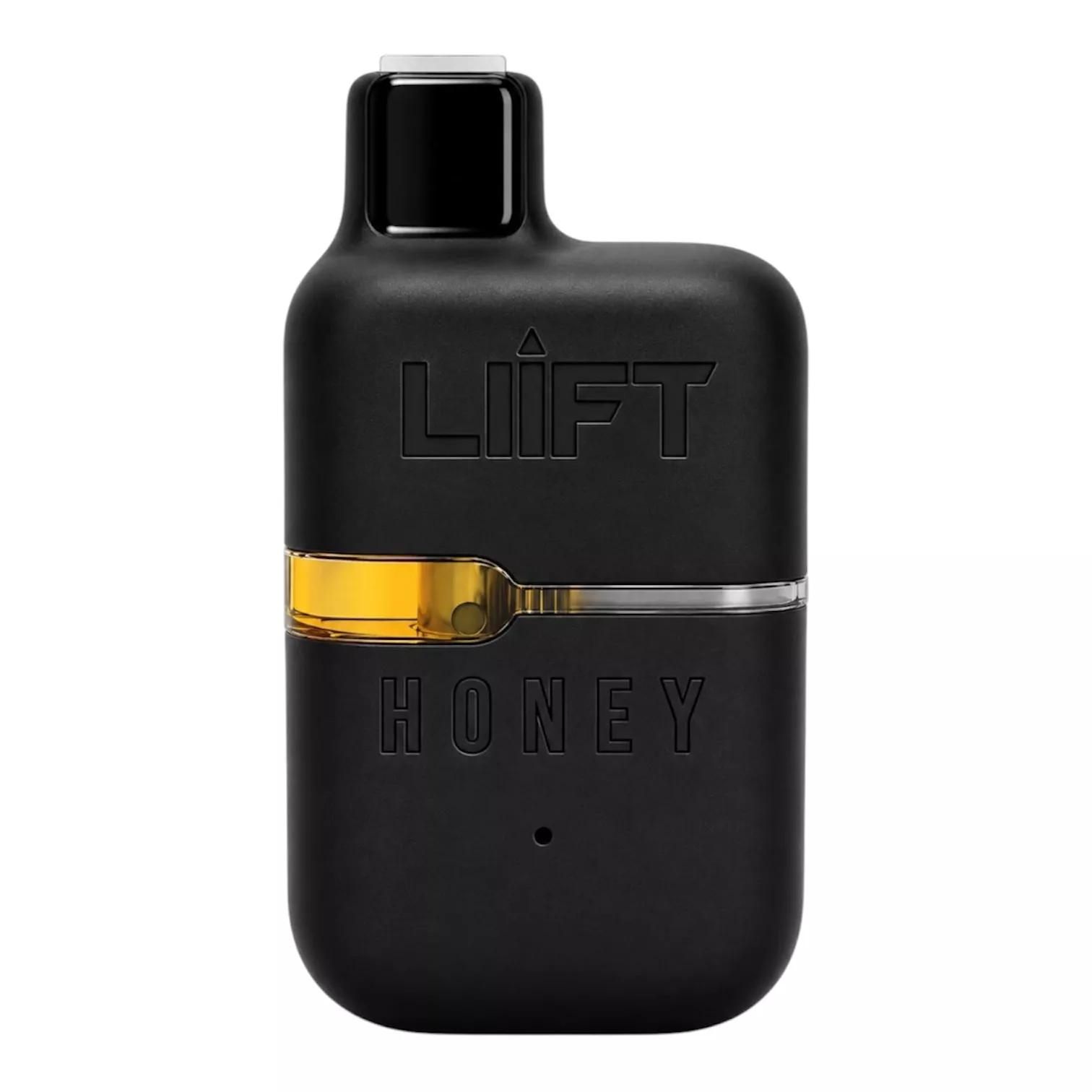
Honey Oil Thc Vape Pen 1g – Liift
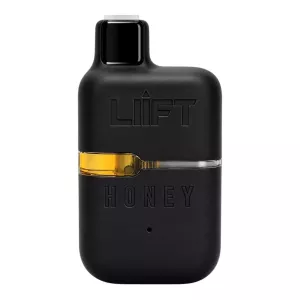
Smooth, golden, and made for any moment. LIIFT's Honey Oil pen seals a full gram of hybrid honey oil in a slim, button-free bar — draw and the flavourful, balanced lift pours out instantly. Level-headed enough for daytime, mellow enough to unwind, it suits whatever the session calls for. Type-C recharging means not a drop goes to waste.
- Effortless Activation : The button-free draw delivers a perfect hit every time with no learning curve
- Versatile Balance : Hybrid effects suit any session , day or night
- Mellow Clarity : Level-headed lift keeps you relaxed without dulling your focus
- Tension Release : Smooth honey oil helps melt away everyday stress and tightness
- Zero Waste Charging : Type-C recharging lets you finish the full gram of oil
Cannabis Oil Benefits in 2026 and Beyond
Looking ahead, the cannabis oil landscape in 2026 is defined by sophistication rather than novelty. Formulations are becoming more targeted, with blends designed for specific outcomes — focus, recovery, rest — rather than one-size-fits-all bottles. As research deepens, we are gaining a clearer picture of which cannabinoids and terpene combinations serve which purposes, moving the whole category toward genuine precision wellness.
Consumer expectations are rising too. The slang-soaked era of buzzwords like Zaza and 420 marketing is giving way to a more measured, evidence-based conversation. Shoppers want transparency, lab data, and honest dosing guidance, and the brands thriving in this new climate are the ones that deliver substance over spectacle. That shift benefits everyone, raising the floor on quality across the entire market.
The bottom line is that cannabis oil has earned its place as a legitimate wellness tool when used thoughtfully. From pain and inflammation to sleep and stress, the benefits are real for many people, provided expectations stay grounded and product choices stay informed. Start low, choose lab-tested products, pay attention to how your body responds, and treat cannabis oil as one part of a broader wellness routine rather than a cure-all. Approached that way, it offers a flexible, well-tolerated path toward feeling better — and the next few years look set to make it even better still.