


How Much CBD Should You Take to Fall Asleep? Dosage Guide 2026
Not sure how much CBD to take for sleep?
If you have ever lain awake watching the clock crawl past midnight, you have probably wondered exactly how much CBD you should take to fall asleep. It is one of the most common questions in the world of cannabinoid wellness, and the honest answer is that there is no single magic number. Dosage depends on your body, your sleep challenge, and the type of product you choose. This guide breaks down the science, the practical starting points, and the variables that shape your ideal dose so you can stop guessing and start resting.
CBD has surged in popularity as a gentle, non-intoxicating option for people who want better sleep without the grogginess of traditional sleep aids. Unlike THC, it will not get you high, which makes it appealing for nightly use. But finding the right amount is a personal process, and understanding the fundamentals will help you dial in a routine that genuinely works for your nights.
How Much CBD Should You Take for Sleep?
The common starting range: Most people exploring CBD for sleep begin somewhere between 25 and 50 milligrams taken about an hour before bed. This is a conservative, well-tolerated window that lets you gauge how your body responds before adjusting upward. Some individuals notice benefits at as little as 15 milligrams, while others with more stubborn sleep difficulties may eventually work up to 75 or even 100 milligrams under the guidance of a healthcare professional.
Why higher is not always better: CBD appears to have a biphasic effect, meaning low and moderate doses can promote calm and alertness balance while very high doses are more sedating. This is why a measured, gradual approach matters. Jumping straight to a large dose can actually leave some people feeling foggy the next morning rather than rested, so patience pays off when you are calibrating.
The smartest way to find your number is to start low, hold a dose for several nights, and only increase if you are not seeing results. Keep a simple sleep journal noting your dose, the time you took it, and how you slept. Within a week or two, a pattern usually emerges that points you toward your personal sweet spot.
How Does CBD for Sleep Actually Work?
The endocannabinoid system connection: CBD interacts with the body's endocannabinoid system, a network of receptors that helps regulate mood, stress, pain, and sleep cycles. Rather than forcing sedation the way a pharmaceutical sleeping pill might, CBD seems to support the conditions that allow natural sleep to happen, easing the racing thoughts and physical tension that keep many people awake.
Research suggests CBD may influence sleep indirectly by reducing anxiety and discomfort, two of the biggest culprits behind insomnia. A growing body of evidence published through journals like Frontiers points to CBD's role in modulating stress responses, which can translate into an easier transition into rest for people whose minds tend to spin at night.
It is also worth understanding that CBD does not work like a switch. Instead of knocking you out, it lowers the barriers to sleep. Compounds like Theanine, often paired with CBD, work in a similar gentle fashion to promote calm without heavy sedation, which is why so many sleep formulas combine them.
Finding Your Starting CBD Dosage
Body weight as a baseline: A practical rule of thumb is to consider 1 to 6 milligrams of CBD per 10 pounds of body weight, then adjust based on how you feel. A 150-pound person might reasonably begin around 15 to 25 milligrams, while a heavier individual may need more to feel the same effect. This is a starting framework, not a strict prescription, and your response always trumps the math.
The titration method is the gold standard for finding your dose. Begin at the low end of your range and increase by roughly 5 milligrams every few nights until you reach the desired effect. This slow climb minimizes waste, avoids unnecessary grogginess, and helps you pinpoint the smallest effective amount, which is both kinder to your body and your budget.
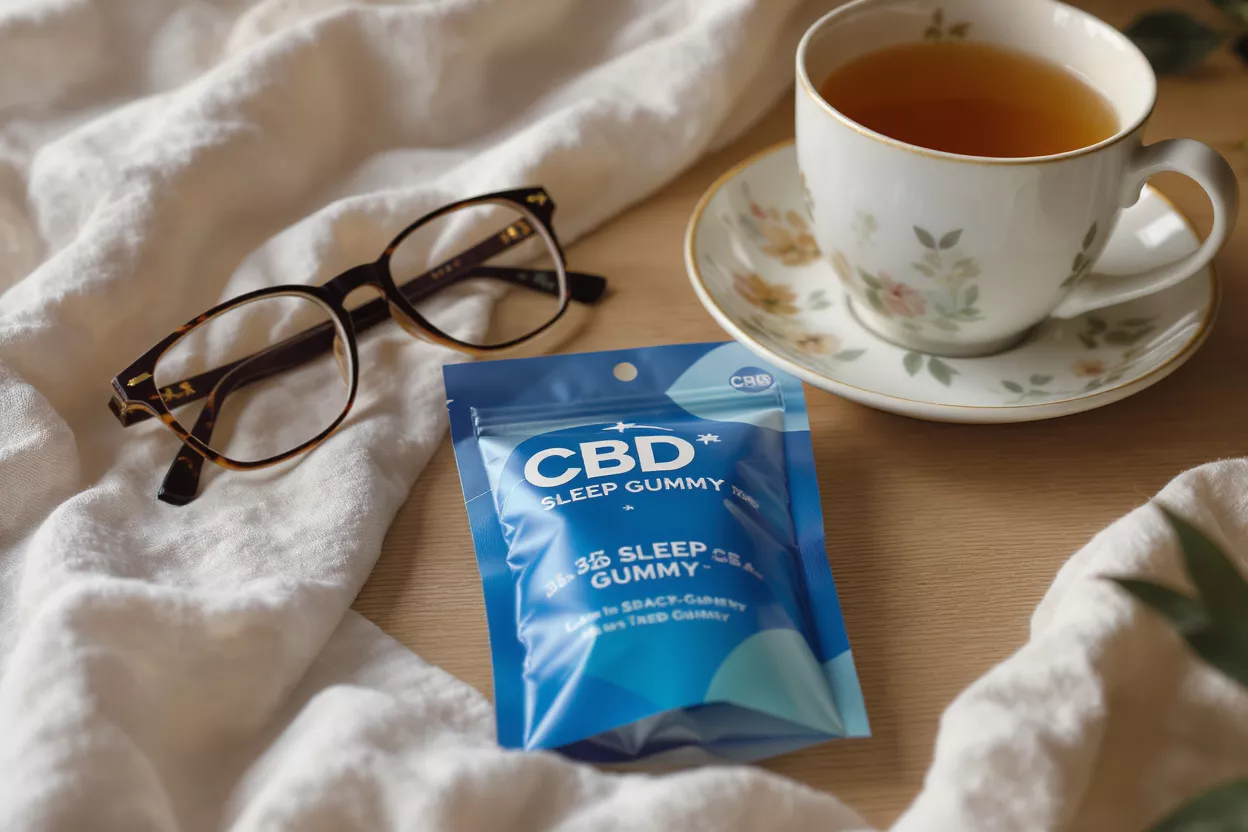
For those who want a no-fuss approach, pre-measured options like CBD sleep gummies take the guesswork out of dosing entirely. Each piece delivers a consistent amount, making it easy to repeat what works and adjust in clean increments rather than counting drops of oil in the dark.
- 🌙 Microdose (10-15 mg): Best for first-timers or those sensitive to supplements.
- 😌 Standard (25-50 mg): The most common effective range for general sleep support.
- 💤 Higher (50-100 mg): For persistent sleep struggles, ideally with professional guidance.
- 📓 Track it: A sleep journal reveals patterns faster than memory alone.
CBD Oil for Sleep vs CBD Sleep Pills
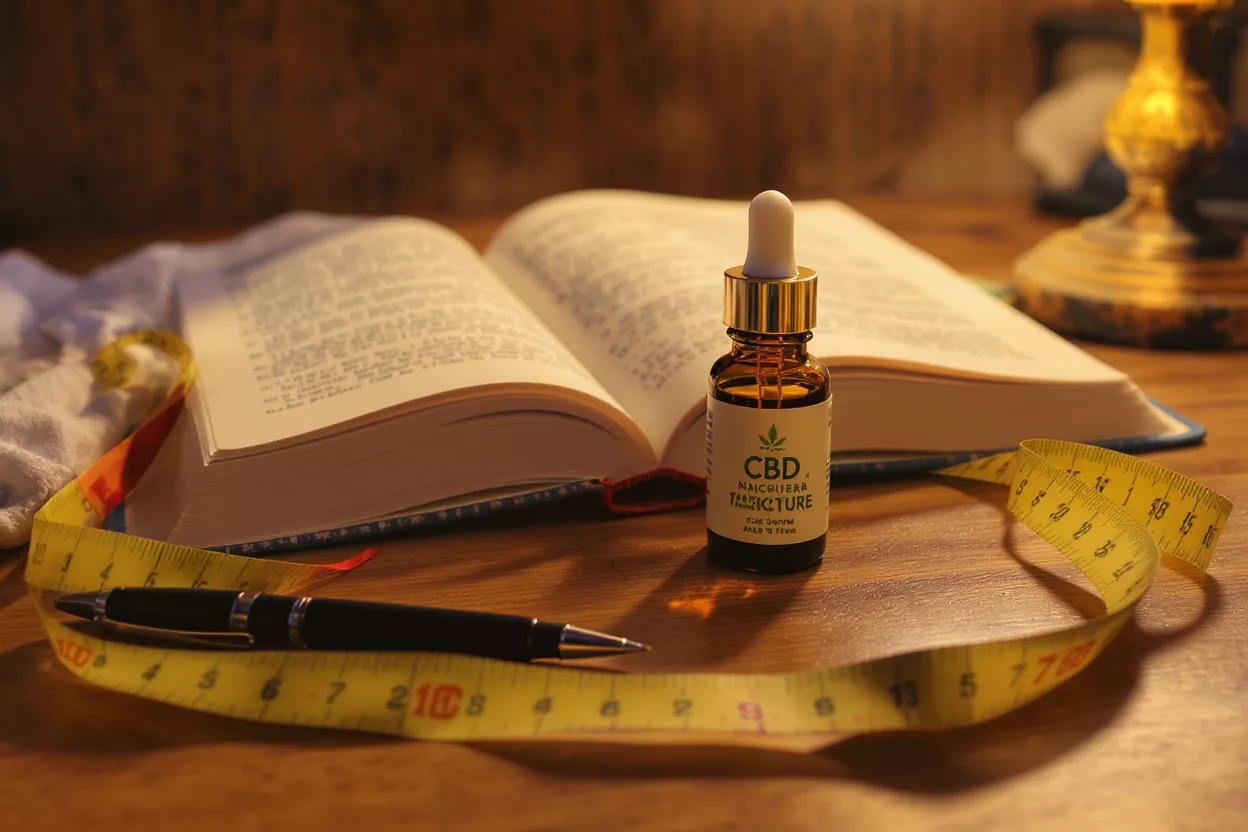
How CBD oil works for sleep: CBD oil, taken as drops under the tongue, is absorbed sublingually and tends to take effect within 15 to 45 minutes. This makes it a flexible option because you can fine-tune your dose drop by drop and feel the effects relatively quickly. The downside is that the earthy, herbal taste is not for everyone, and measuring precisely takes a little practice.
How CBD sleep pills work: Capsules and softgels, including popular CBD sleep pills, pass through the digestive system, so they take longer to kick in, often 45 minutes to two hours. The trade-off is convenience and consistency. Each capsule contains a fixed dose, there is no taste to contend with, and the effects tend to last longer through the night, which suits people whose challenge is staying asleep rather than falling asleep.
Neither format is objectively better; the right choice depends on your sleep issue and lifestyle. If you fall asleep easily but wake at 3 a.m., a slow-release capsule may serve you well. If your struggle is quieting your mind at bedtime, faster-acting oil might be the smarter pick. Many people keep both on hand for different nights.
What Affects How Much CBD You Need
Individual body chemistry: Your metabolism, body composition, and even your genetics influence how you process CBD. Two people of the same weight can require noticeably different doses to achieve the same effect. This is normal and simply underscores why personal experimentation matters more than any chart you will find online.
The severity and nature of your sleep problem also play a major role. Occasional restlessness from a stressful day responds to far less CBD than chronic, long-standing insomnia. Likewise, the quality and concentration of your product matters enormously. A poorly made oil or an under-dosed gummy will leave you chasing results that a properly formulated product would deliver effortlessly.
Tolerance can shift over time as well. Some regular users find their effective dose stays remarkably stable, while others need occasional adjustments. Taking periodic breaks can help keep your response sensitive, and pairing CBD with solid sleep hygiene magnifies every milligram you take.
Best Time to Take CBD Before Bed
Timing by product type: Because absorption rates differ, timing should match your format. Sublingual oil is best taken 30 to 45 minutes before you want to be asleep, while capsules and a soothing CBD tea benefit from a longer runway of 60 to 90 minutes. Edibles like gummies fall in the slower camp since they must be digested first.
Consistency is as important as timing. Taking your CBD at the same time each evening helps reinforce your body's natural sleep rhythm, turning the ritual itself into a cue for winding down. Pair it with dimmed lights and a screen-free buffer, and you stack the deck in favour of restful sleep.
Some people benefit from a small dose earlier in the evening to ease daytime stress, followed by a larger dose closer to bedtime. Experimenting with split timing can be worthwhile if a single bedtime dose is not quite carrying you through the night, though most users do perfectly well with one well-timed dose.
CBD and Other Sleep-Supporting Ingredients
The power of pairing: CBD shines when combined with complementary ingredients that target sleep from different angles. Melatonin helps regulate your sleep-wake cycle, while the amino acid Theanine, naturally found in tea, promotes a relaxed yet clear mental state. Together with CBD, these create a layered approach that addresses both the mind and the body's clock.
Functional mushrooms have also entered the sleep conversation. Lion’s Mane is better known for cognitive support, but adaptogenic blends increasingly pair calming botanicals with cannabinoids for nighttime formulas. Minor cannabinoids and terpenes matter too: Terpinolene, for instance, is associated with relaxing qualities, and terpinolene effects are part of why certain full-spectrum products feel more soothing than isolate alone.
For a comprehensive nightly routine, a thoughtfully formulated CBD and melatonin sleep blend can do the heavy lifting in a single dose. These combination products are designed so the ingredients reinforce one another, which often means you need less of each than you would taking them separately.
- 🍵 Theanine: Promotes calm focus and takes the edge off bedtime anxiety.
- ⏰ Melatonin: Signals to your body that it is time to sleep.
- 🌿 Terpenes: Compounds like terpinolene add subtle relaxing character.
- 🍄 Adaptogens: Mushroom blends support a balanced stress response.

Are CBD Sleep Products Safe?
Generally well tolerated: CBD is considered safe for most adults, with research consistently showing a favourable safety profile even at relatively high doses. Side effects, when they occur, tend to be mild and may include drowsiness, dry mouth, or minor digestive upset. Starting low and going slow keeps these to a minimum and helps your body adjust comfortably.
The most important safety consideration is potential interactions with other medications. CBD can affect how your liver processes certain drugs, particularly those carrying a grapefruit warning. If you take prescription medication, a quick conversation with your doctor or pharmacist before adding CBD is a sensible and essential step.
Quality is also a safety issue. Reputable products come with third-party lab testing that verifies potency and screens for contaminants. Choosing brands that publish their certificates of analysis protects you from mislabelled or impure products and ensures the dose on the label is the dose in the bottle.
CBD Sleep Pills Canada: What to Look For
Sourcing and transparency: When shopping for CBD sleep pills in Canada, prioritize products made from quality hemp with clear, accessible lab results. Sun-grown, organically cultivated hemp tends to yield cleaner extracts, and transparent brands make their testing easy to find rather than burying it. Top shelf 2025 formulations increasingly emphasize this kind of openness as the market matures.
Pay attention to the type of CBD used as well. Full-spectrum products contain a range of cannabinoids and terpenes that work together, while broad-spectrum removes THC entirely, and isolate contains only CBD. For sleep, many people prefer full or broad-spectrum because of the complementary effects of the additional compounds. A well-rounded full-spectrum CBD softgel often outperforms isolate for restful nights.
Finally, consider the supporting ingredients and dosage per capsule. A good sleep pill states exactly how much CBD and any added melatonin or botanicals it contains, so you can dose with precision. Avoid vague proprietary blends that hide individual amounts, since they make consistent dosing nearly impossible.
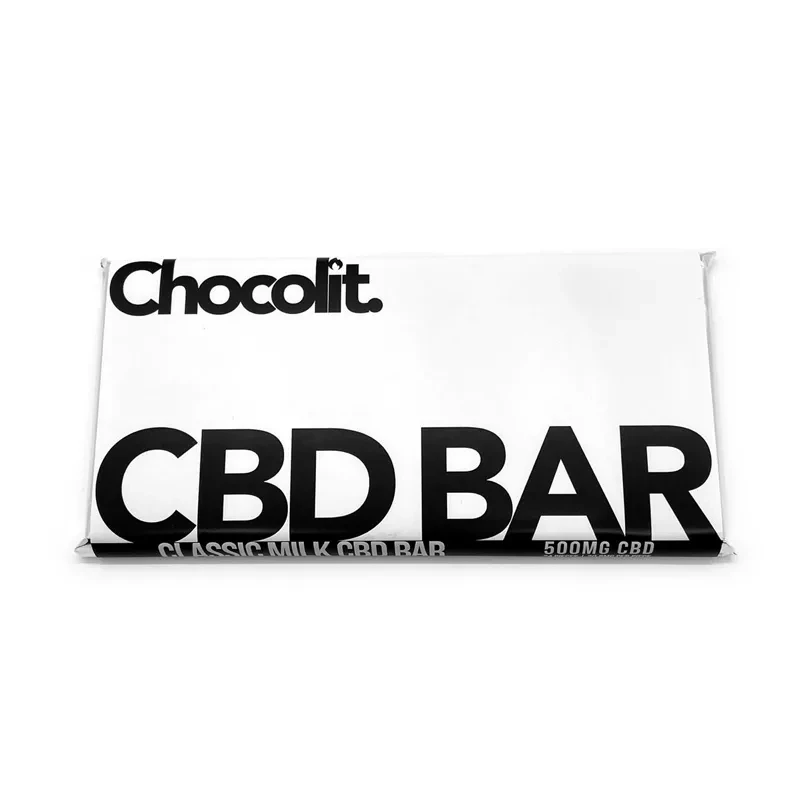

Classic Milk CBD Chocolate Bar 500mg / 24pcs – Chocolit
Calm wrapped in Belgian comfort. Chocolit's Classic Milk CBD bar carries 500mg of pure CBD across 24 creamy squares — familiar, soothing, and free of any high. Break off a square to take the edge off the afternoon, or a few to ease into the evening. The comforting everyday bar for unwinding the gentle way.
- Anxiety Reduction : 500mg provides substantial calming effects
- Pain Management : Anti-inflammatory properties address discomfort
- Mood Enhancement : Chocolate and CBD boost happiness
- Sleep Support : Evening doses promote better rest
- Comfort Factor : Familiar taste enhances wellness experience

Mixed Sour Squares CBD Gummies 30mg x 15pcs (450mg) – BIRCH+FOG
Your favourite sour candy, all grown up. Each chewy square delivers a generous 30mg of CBD behind a pucker-then-sweet coating — fifteen pieces of nostalgic flavour doing serious, calming work. The precise dose makes everyday relief easy to dial in, whether you're smoothing out a stressful afternoon or winding down after one. Wellness that genuinely tastes like a treat.
- Anxiety Relief : 30mg per piece provides substantial calming effects
- Pain Management : Anti-inflammatory properties help with chronic discomfort
- Mood Enhancement : Sour flavors trigger endorphins while CBD balances mood
- Precise Dosing : Consistent 30mg allows accurate therapeutic use
- Fast Acting : Sour coating may enhance absorption through mouth tissues

Mixed Fruit Full Spectrum CBD Gummies 50mg x 5pcs (250mg) – KANDY KANDY
Variety meets whole-plant relief. KANDY KANDY's Mixed Fruit CBD gummies deliver 50mg of full-spectrum cannabidiol per piece across five assorted-flavour candies — the entourage effect in a no-high chewable that never gets boring. Steady, all-day calm with a flavour for every mood. Wellness with built-in variety.
- Pain Support : A 50mg dose aimed at chronic discomfort
- Sustained Anxiety Management : Full spectrum formula provides comprehensive calm
- Anti-Inflammatory Action : High potency reduces systemic inflammation naturally
- Enhanced Sleep Quality : Evening doses promote restorative rest cycles
- Cognitive Clarity Support : Balanced dosing improves mental focus without impairment
How Long Until CBD Improves Your Sleep?
Immediate versus cumulative effects: Some people feel calmer and drift off more easily the very first night they take CBD, while for others the benefits build gradually over one to three weeks of consistent use. CBD is not always an instant fix; for many it works best as part of a sustained routine that allows the endocannabinoid system to find a steadier baseline.
If you have given a particular dose a fair trial of one to two weeks without improvement, that is your signal to adjust, either by increasing the amount slightly or switching formats. Patience and methodical tweaking nearly always beat impulsive jumps in dose, and they help you avoid overshooting your ideal amount.
Ultimately, the question of how much CBD you should take to fall asleep comes down to thoughtful experimentation grounded in a sensible starting point. Begin low, stay consistent, track your results, and respect the variables unique to your body. With a quality product and a little patience, most people find a dose that turns restless nights into genuine, restorative sleep, which is the whole point of the journey.





Comments